Welcome!
Welcome!

Neuromotor behavior and exercise

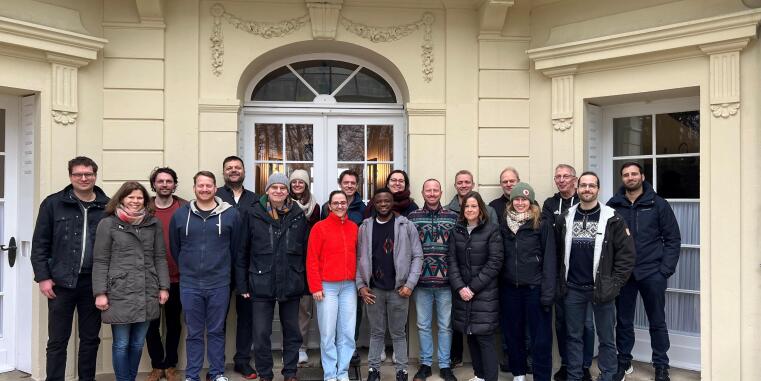
Welcome to the Department of Neuromotor behavior and exercise at the University of Münster. On the following sites you will find information about the employee of the department, current research focus and to all questions concerning teaching and study. Please do not hesitate to contact us. (phone: +49(0)251-83 32460 /Secretary). The office is open from 08:00 to 13:00 a.m..

Follow this link to our consultation hours.

Since 2021 we moved to Wilhelm Schickard Straße 8 (see map at Index tab "team")
© NeuMoTrain

Short Physical Performance Battery

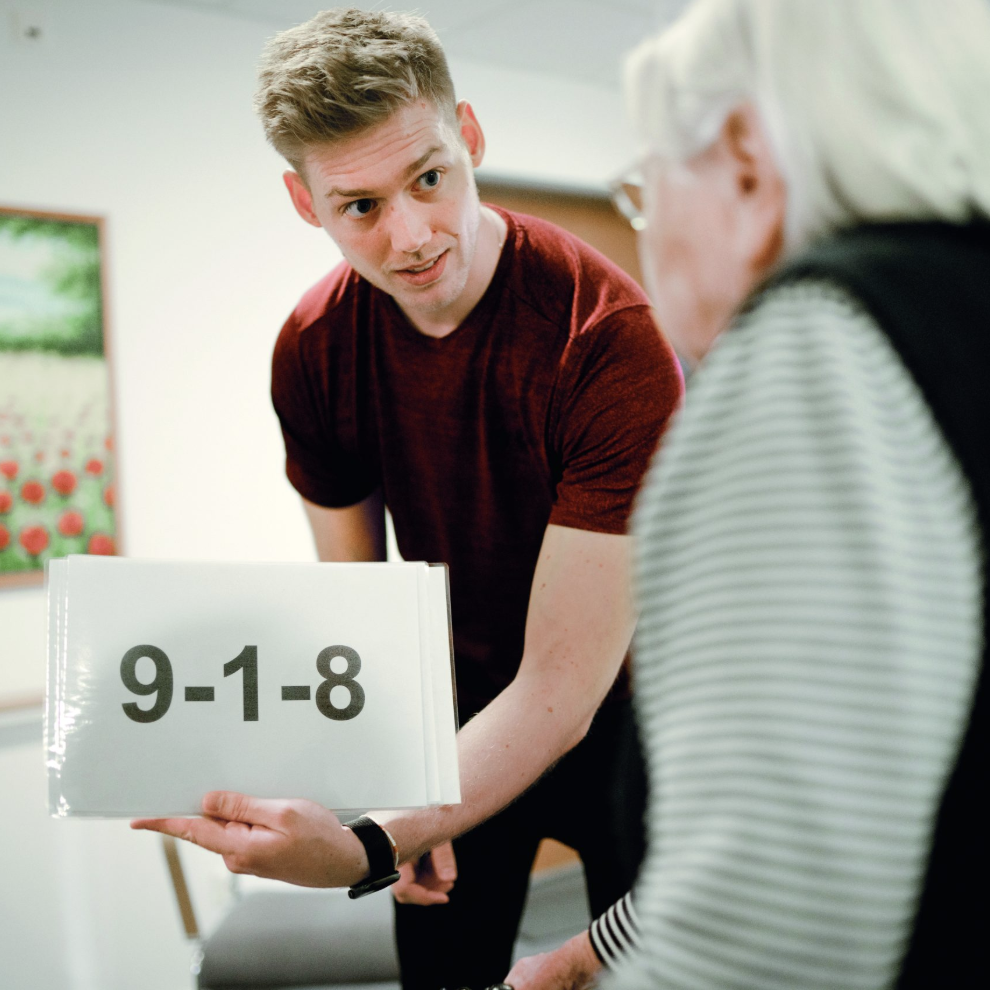
The latest publication from the Neuromotor Function and Training research group by Labott et al., 2026, focuses on improving the established “Short Physical Performance Battery” (SPPB) test for assessing physical performance in older adults. The SPPB is frequently used to assess the physical functioning of older adults and includes, among other things, a 4-meter walk test. The problem: The original scoring criteria were developed for healthy, independent older adults and are therefore often not well-suited for nursing home residents who require care and have multiple chronic conditions.

AI-generated image

Students Wanted for a Parkinson’s Research Study

We are looking for motivated students available immediately to support an ongoing research project investigating fine motor function and cognitive performance in individuals with Parkinson’s disease. Participation can take place as part of the Research Project course (BSc M12, MSc M6), a thesis project, or, by arrangement, an internship.

© NeuMoTrain

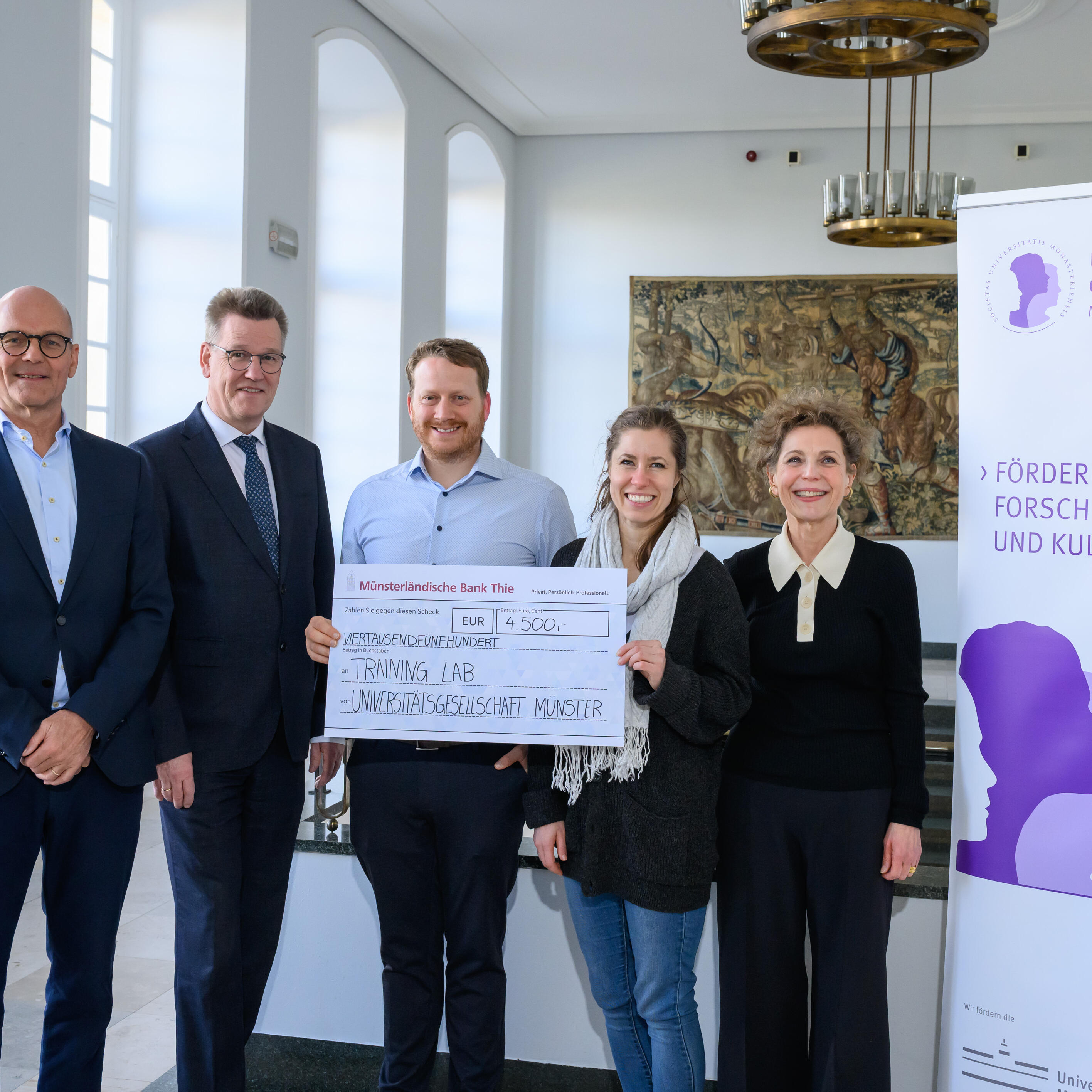
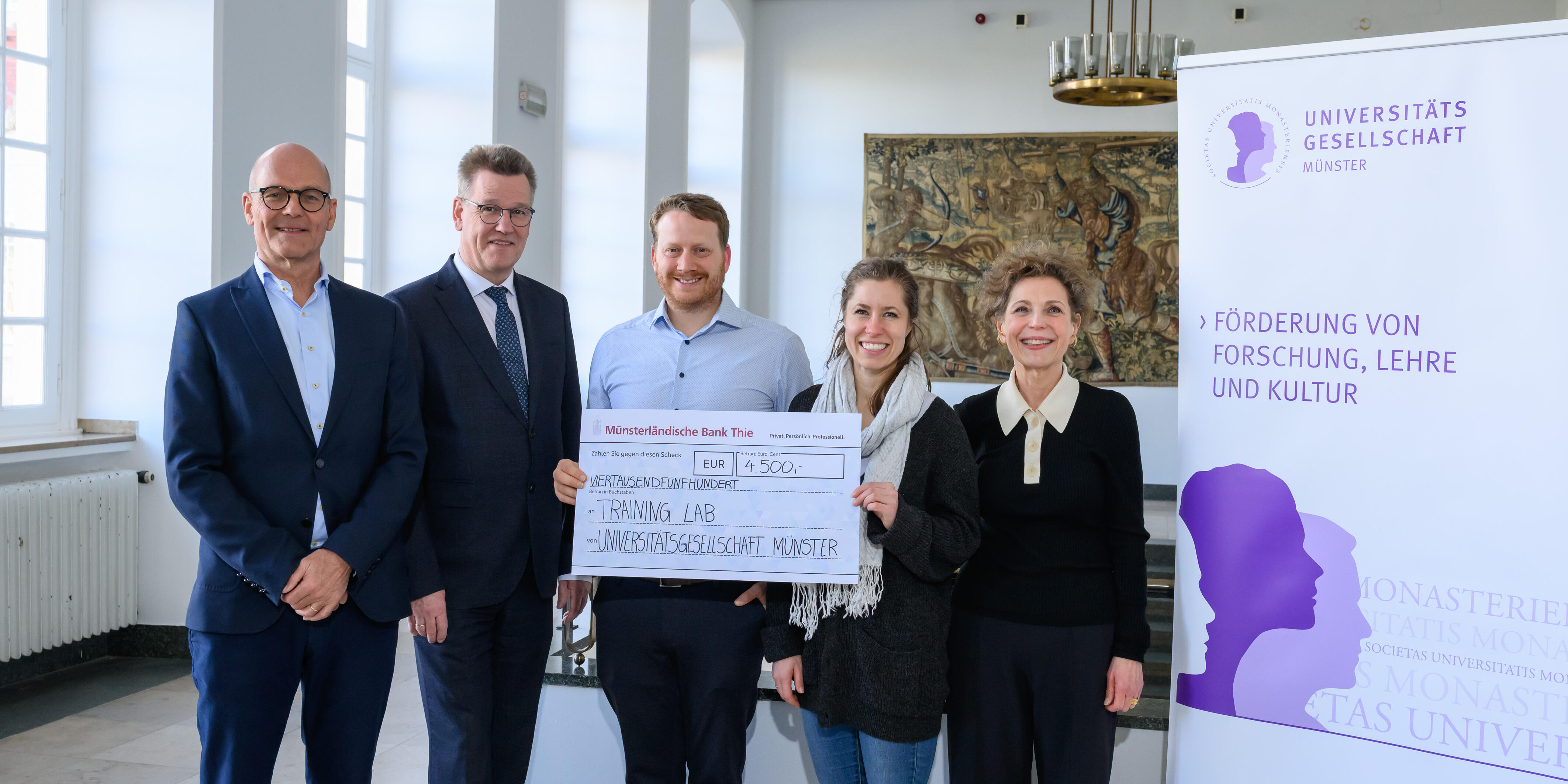
Training Lab project receives €4,500 grant

The department of Neuromotor Behavior and Exercise has been awarded €4,500 by the Universitätsgesellschaft Münster in support of its Training Lab project, an initiative that brings sports science expertise to recreational sports clubs across the city. The Training Lab is designed to support niche and traditionally under-resourced recreational sports in Münster by connecting them with academic sports science.
 

© E.Eils

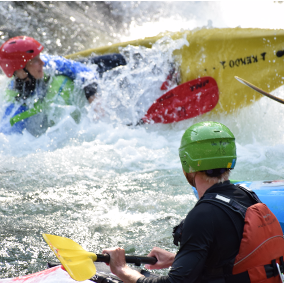
Students Sought for Whitewater Project

The Neuromotorics & Training Department is looking for students (preferably in their 2nd or 4th semester—all majors) who are willing to participate in a whitewater course and take on small, manageable research projects there (e.g., administering questionnaires, load monitoring…). Contact: Prof. Dr. Eric Eils

© Springer

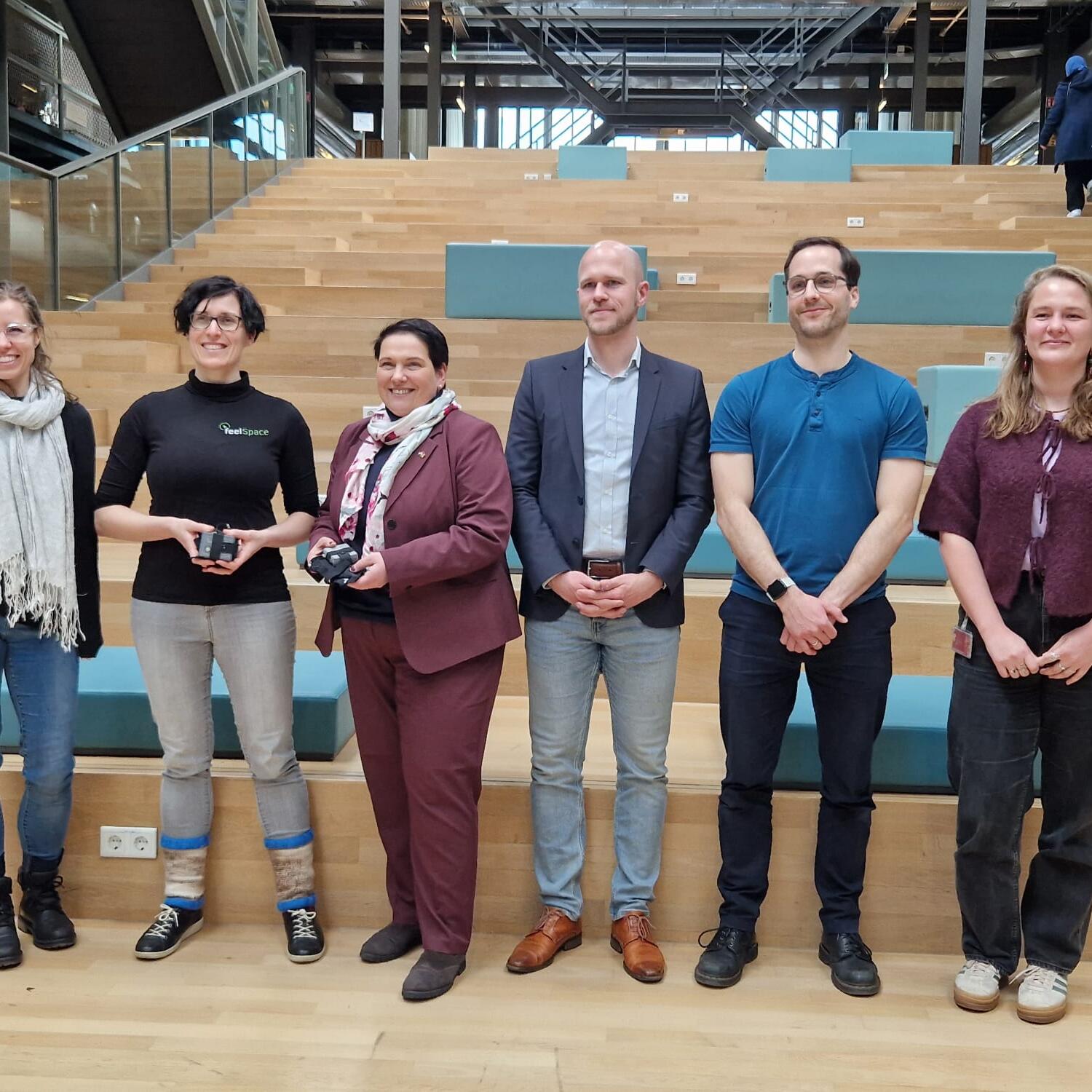
New publications on human–technology interaction in the volume “Hybrid Societies”

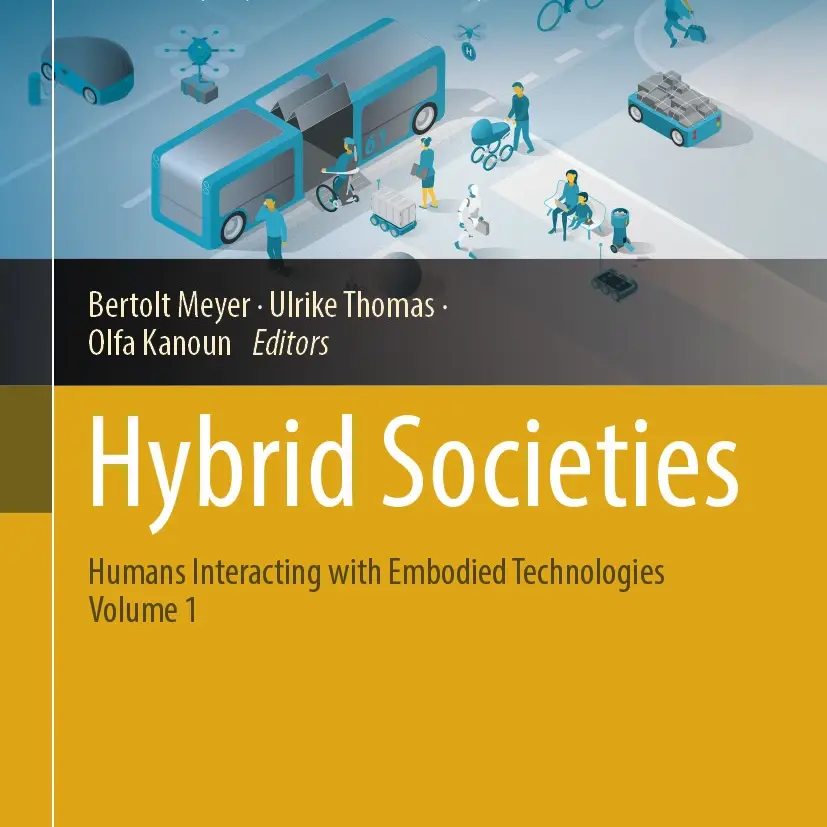
Two contributions involving the Neuromotor Control and Training research group have been published in the recently released open-access volume Hybrid Societies – Humans Interacting with Embodied Technologies, Volume 1. The volume emerged from the 1st International Conference on Hybrid Societies (March 2023, TU Chemnitz) and the work of the Collaborative Research Center “Hybrid Societies”, and focuses on interactions between humans and intelligent embodied technologies.

© D.Kutz

Cerebral blood flow changes in Post-Covid patients

The study by Kutz et al. (2026) examines cerebral blood flow regulation in patients with Post-COVID Syndrome (PCS) during cognitive stress. Using functional near-infrared spectroscopy (fNIRS), cerebral blood flow in PCS patients was analysed in comparison to patients with coronary heart disease and healthy control subjects. The results show that PCS patients exhibit decreased temporal but increased spatial variability of blood flow, indicating a more rigid regulation.

© R.Julian

Ross Julian delivers research talks and practitioner workshops at the University of Gloucestershire

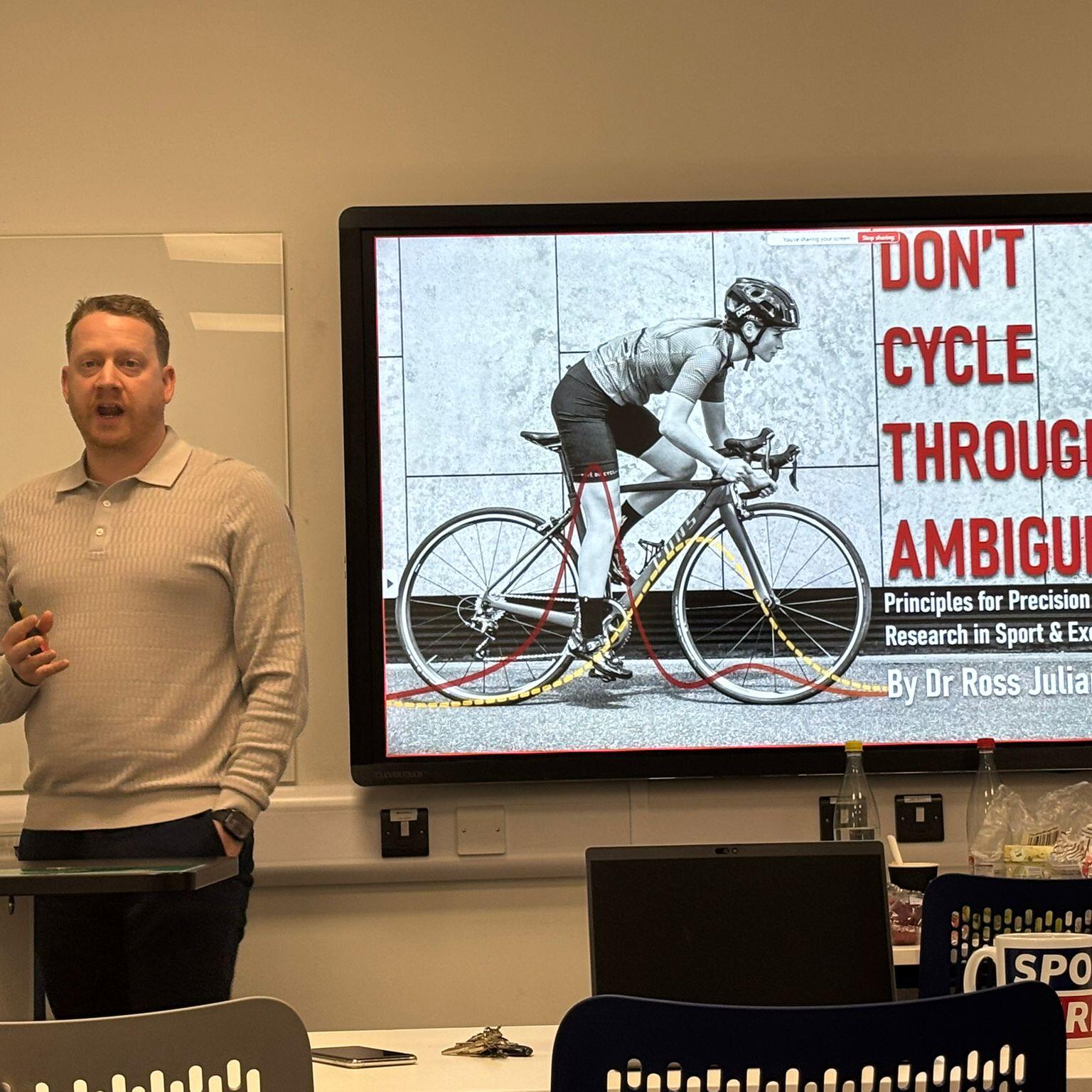
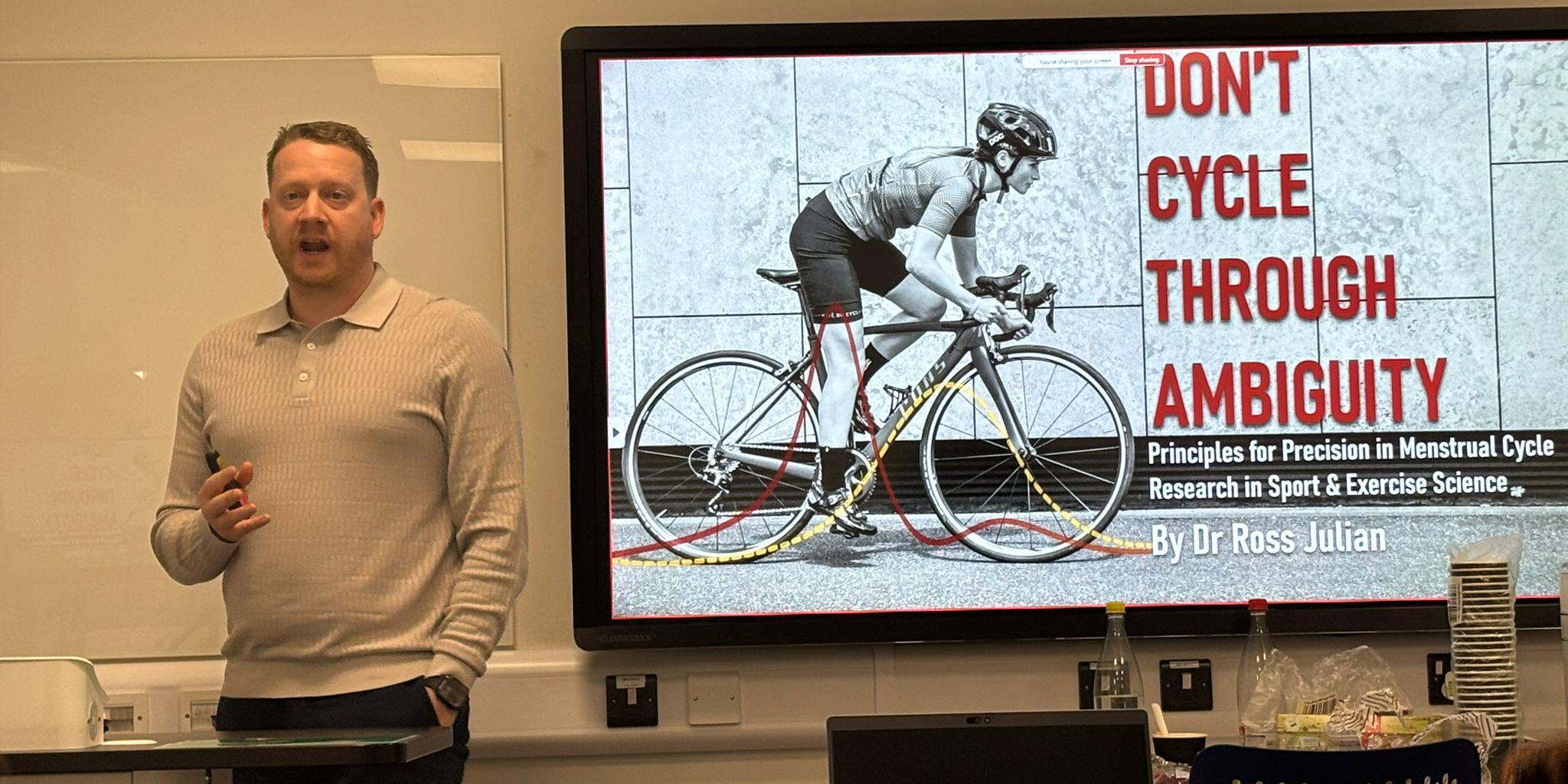
We’re pleased to share that Dr Ross Julian recently visited the University of Gloucestershire, where he is a Visiting Research Fellow, for a week of research, teaching, and knowledge exchange focused on women’s football and athlete health. During the visit, Ross delivered a series of presentations, including a well-attended public lecture titled “Training & Injury Risk in Elite Female Football.” The lecture explored how training load, physiology, and contextual factors interact to influence injury risk in elite women players.

© R.Julian

Dr Ross Julian featured on a recent podcast

In a new podcast on the female menstrual cycle and soccer performance, Dr. Julian discussed his scientific career and his current research in the field of sports science and women's soccer. In the conversation, Ross shares what first sparked his interest in researching the effects of the menstrual cycle on football performance and discusses his contributions to Women’s Football: From Science to High Performance, including three chapters focused on menstrual cycle monitoring, applied practice, and demonstrating performance benefits to encourage stakeholder investment.
 

© P.A.G. Asuako

The magnitude of dual-task costs may be moderated by the modality-compatibility effect

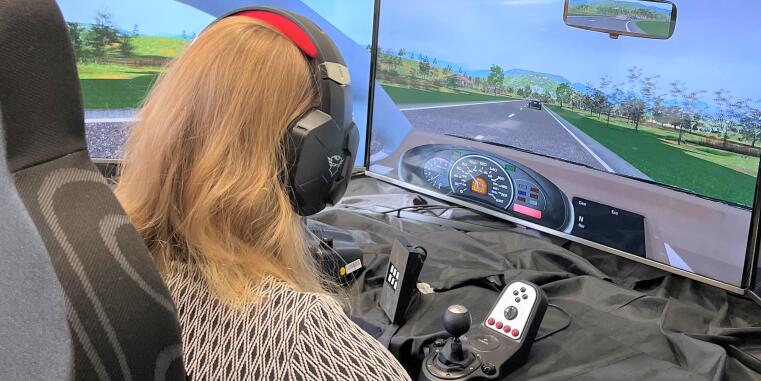
A recent study conducted by the Department of Neuromotor Behavior and Exercise demonstrated that when the sensory modality of task input (e.g., auditory or visual) differs from the sensory modality of the task response (e.g., auditory or visual), dual-task costs increase. However, this effect is more pronounced in a classical laboratory environment than in a more naturalistic driving simulator environment. These findings indicate that interference arising from modality incompatible mappings is attenuated in more naturalistic settings compared with classical laboratory conditions. This suggests that while the modality-compatibility effect may also be present in real-world contexts, it does not manifest in the same way as in traditional laboratory environments. You’ll find the original publication here
 

© KI-generiert ChatGPT

Thesis Opportunity

Topic: Association between motor performance, physical activity, and cognitive performance in the oldest old (80+)
As part of an ongoing study, 60 adults aged 80 years and older have already been interviewed by phone regarding their cognitive performance. In addition, longitudinal data on motor performance, physical activity, and cognitive function collected 3–5 years prior to the telephone interview are available.
The project can start immediately with on-site data digitization in Münster. Data analysis and thesis writing can be conducted flexibly and, if desired, remotely.
Contact:  Stephanie Fröhlich
 

© Pixabay

PETIO guideline: Improved reporting standards for exercise studies involving older adults

The PETIO guideline was developed to close gaps in reporting standards for randomized studies on physical exercise or training interventions in older adults and to improve their quality, transparency, and reproducibility. It focuses on key elements such as population characteristics, intervention components according to the FITT principles (frequency, intensity, time, type), adaptation, use of technology, study design, and outcome and adherence measurements. The complete  final guideline can be found here

© R.Abieraba

Dr. Richard Abieraba visit us as guest scientist

Dr. Richard Samuel Kwadwo Abieraba, a lecturer at the Department of Health, Physical Education, Recreation and Sports (HPERS), University of Education, Winneba (UEW) has secured a TWAS-DFG Cooperation Visit grant to undertake a study stay at the Department of Neuromotor Behavior and Exercise, University of Münster, Germany. The research stay forms part of an international academic collaboration aimed at advancing interdisciplinary research in sports science and cognitive performance between the two institutions.
 

© Constanze Dammeyer

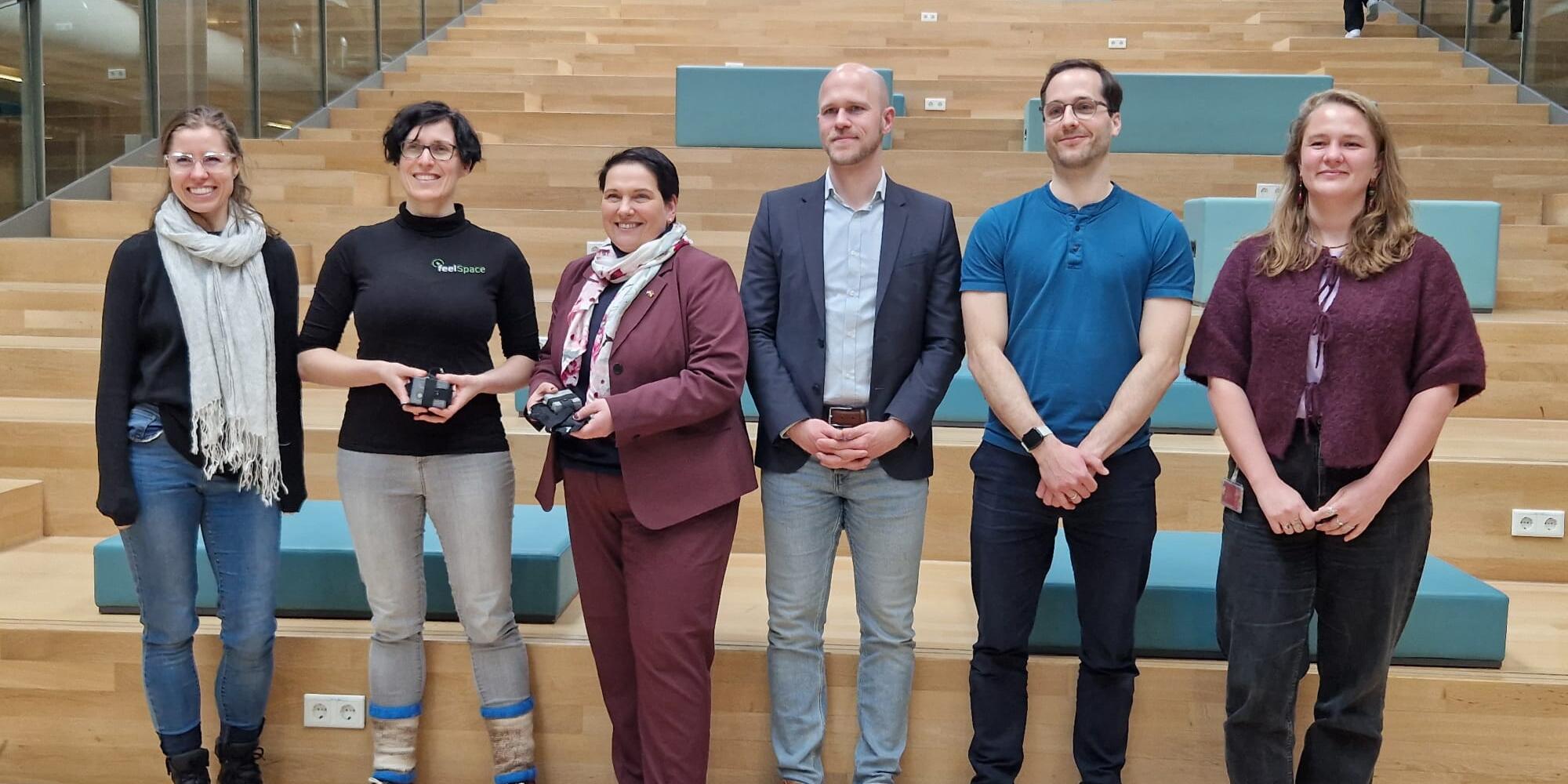
Constanze Dammeyer as visiting researcher

As part of the TReND doctoral network, Constanze Dammeyer will be a visiting researcher in our department from November 10, 2025, to January 20, 2026. At the University of Bern (Switzerland), she is investigating how older adults with sensorimotor uncertainty cope with a two-person gait task and to what extent these mechanisms can be used for the rehabilitation of gait stability. We look forward to working with her and wish her all the best!