
Welcome

to the Homepage of sport-lernen.de - Knowledge Transfer at the Institute of Sport and Exercise Sciences at the University of Münster!

A contemporary theory-praxis-dialogue pertains to the future tasks of higher education institutions. Therefore, with sport-lernen.de - knowledge transfer, we bundle all our educational activities in the field of movement, play and sports. In case of any further questions please do not hesitate to contact us uns.
© Niko Breuker (Medienlabor IfS)

Promoting development in school sport - for everyone!

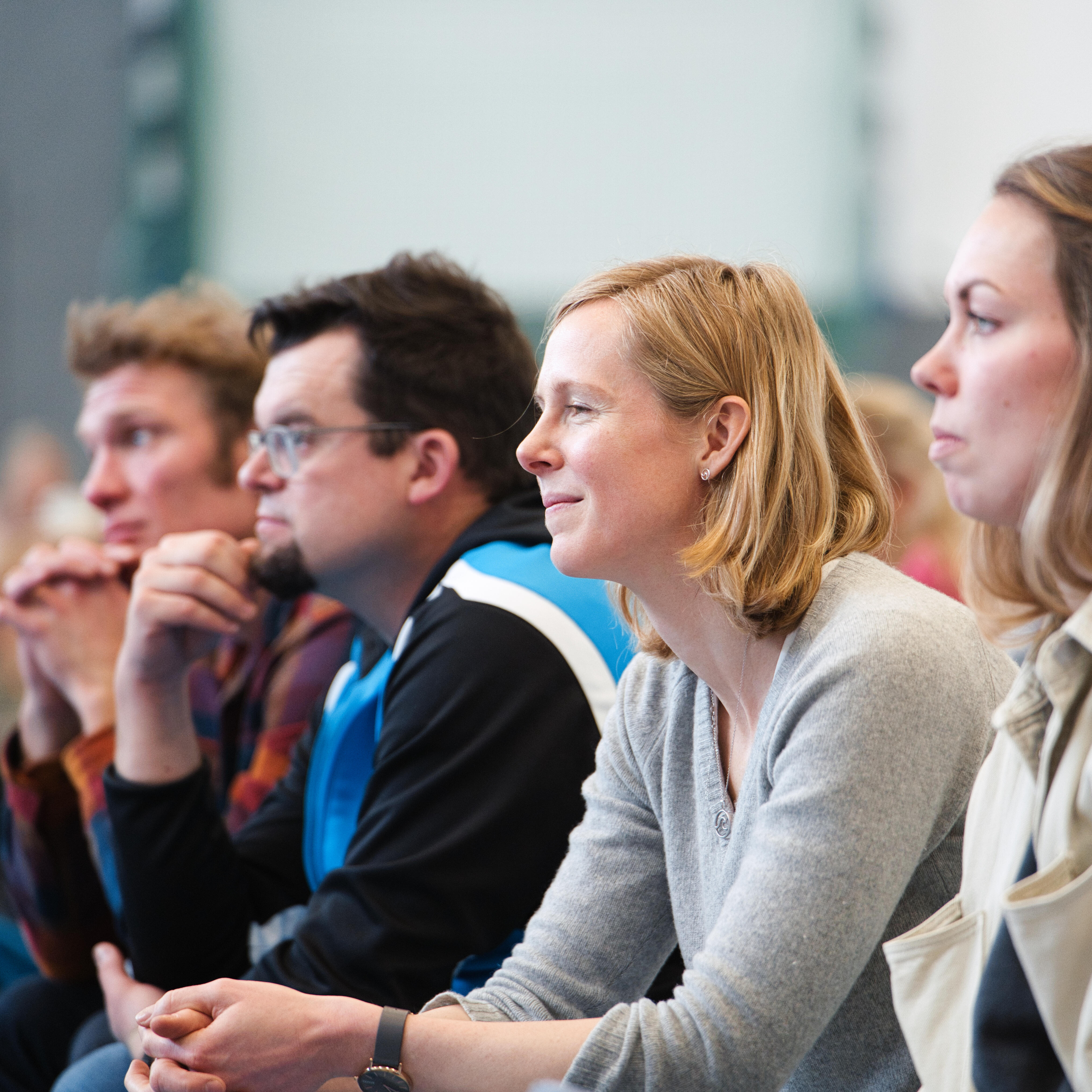
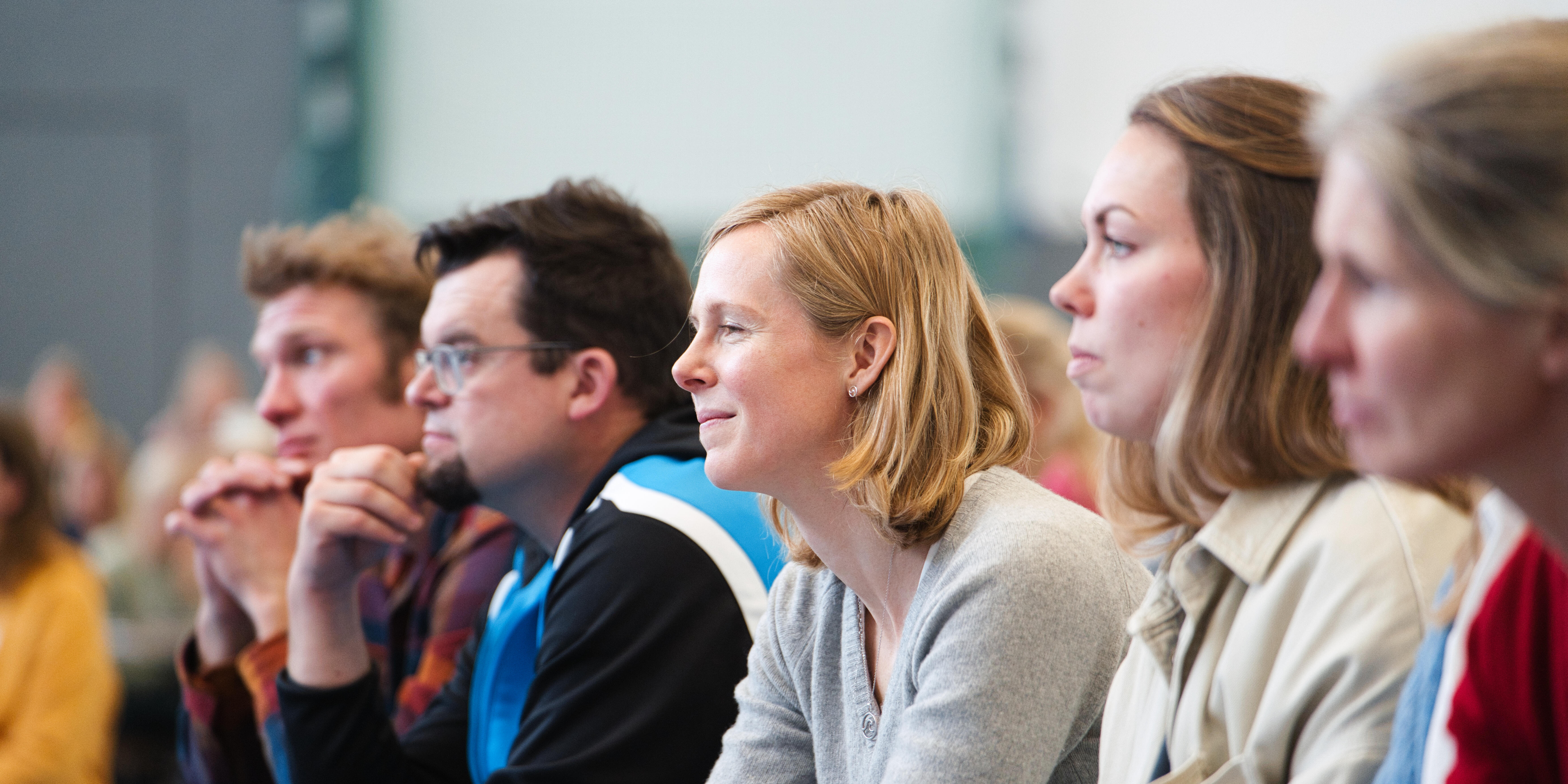
In March, the fourth symposium on "Promoting development in school sport - for everyone!?" was held at the Institute of Sports Science. In three lectures and a total of 12 workshops, around 240 participants discussed questions of mental, social and emotional support in physical education. The conference was organized by the Department of Physical Education and Teaching Research (Prof. Neuber) and the Developmental Diagnostics and Support working group (Prof. Tietjens). Partners included the NRW State Chancellery, the NRW Statutory accident insurance institution, the Münster District Government and the Willlibald Gebhardt Institute.

© Nico Breuker (Medienlabor IfS)

Physical Activity Can Promote Learning

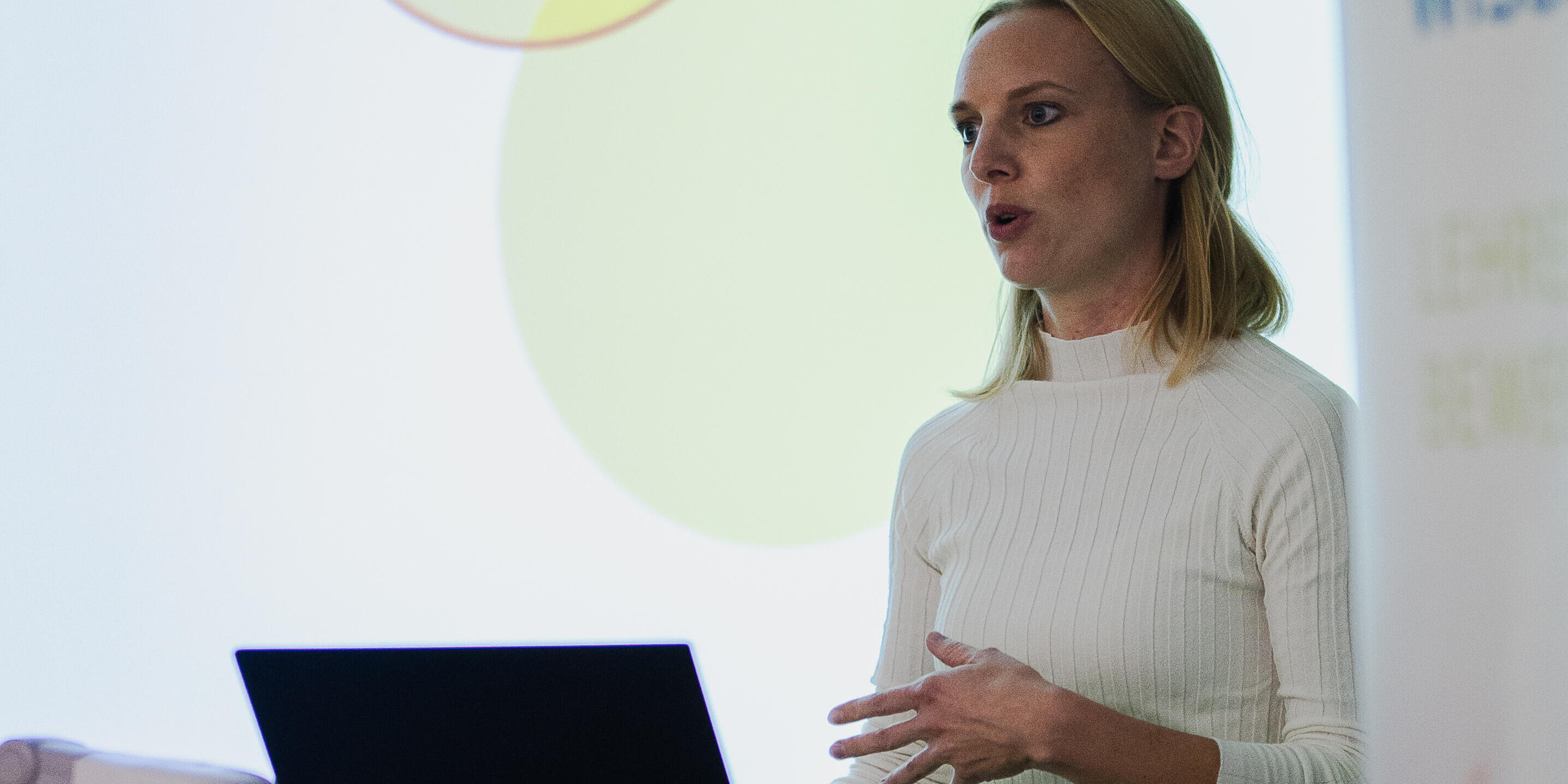
On Wednesday, 26.10.2022, the Münster School Sports Talk "Learning and Movement" took place in a hybrid model. Johann Sühling from the Westfälische Nachrichten reported on 28.10.2022:

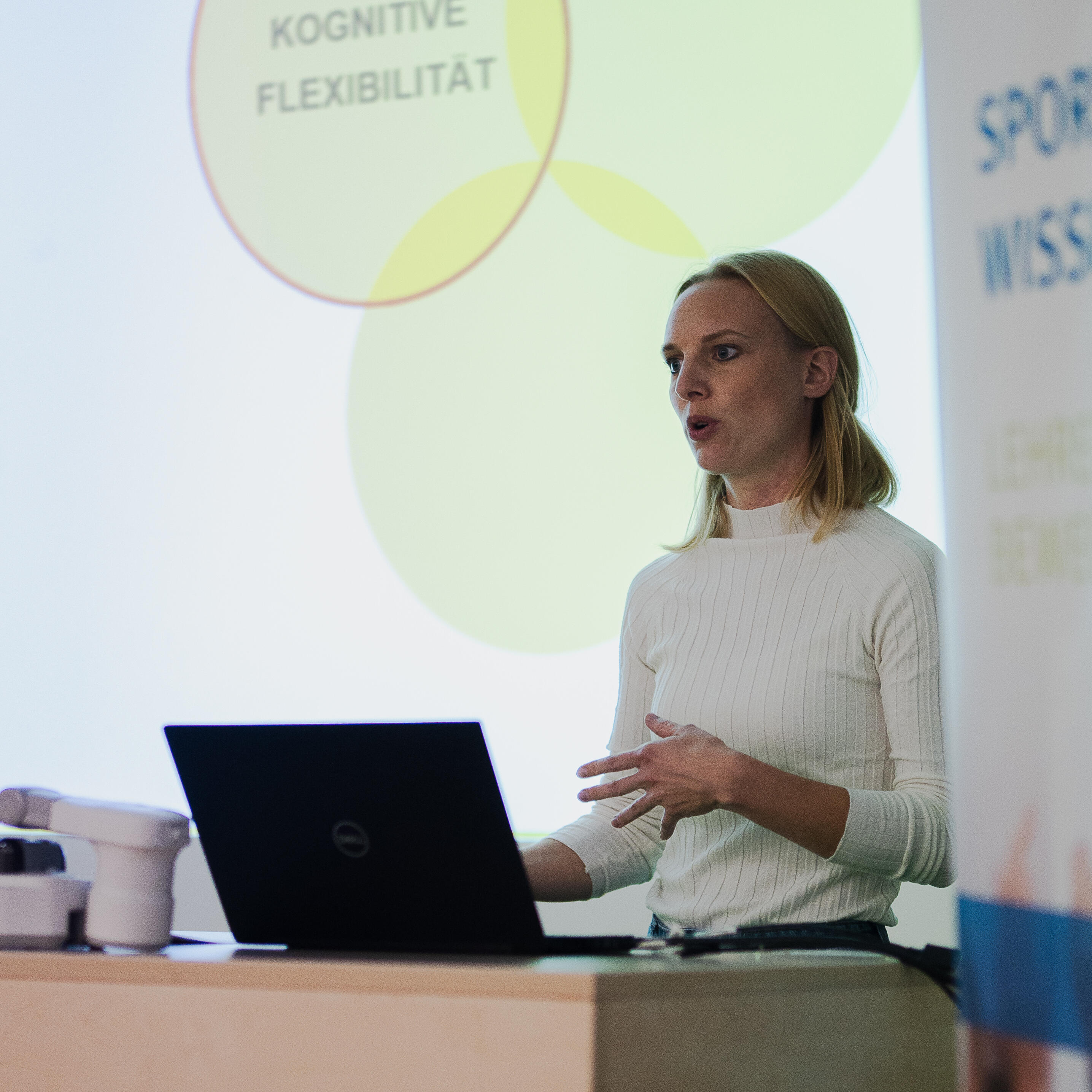
It's the normal picture of a classroom: Around 30 children sit silently in their seats and look at the teacher, who is at the blackboard - a frontal lesson, precisely. Dr. Karin Eckenbach and Prof. Dr. Michael Pfitzner from the University of Duisburg-Essen discussed whether this is the perfect learning atmosphere on Wednesday at the 22nd Münster School Sports Talk at the Institute for Sports Science. They believe that exercise before, after and even during learning can improve the cognitive abilities of school children. However, this should not be limited to physical education classes, but should also be used in other areas of the school. Eckenbach and Pfitzner use examples to illustrate ways in which exercise can be used outside of physical education. One sticking point remained the question of how much movement was necessary in everyday life. Even Eckenbach had to admit, "There is no perfect answer yet." But twice a week for at least 15 minutes is a minimum, she said.
 

© Andrea Boswinkelmann

Certificate course "Individual support through learning & movement, play & sport"

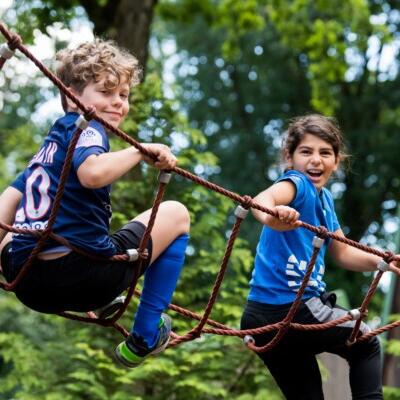
The new certificate course (ZL) at sport-lernen combines topics from the ZL "More movement in elementary schools" with those from the ZL "Learning and movement". For children and adolescents, movement is a basic need. Children of all ages have increasing difficulties in following school rules, sitting still for longer periods of time, or controlling impulses. The positive effects of movement in terms of cognitive performance and executive functions have already been empirically proven by several studies. Unfortunately, these results are rarely put into practice.