
Welcome!
Welcome!

Neuromotor behavior and exercise

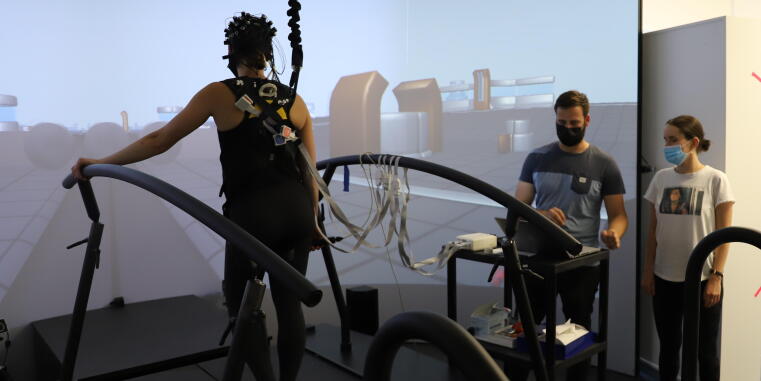
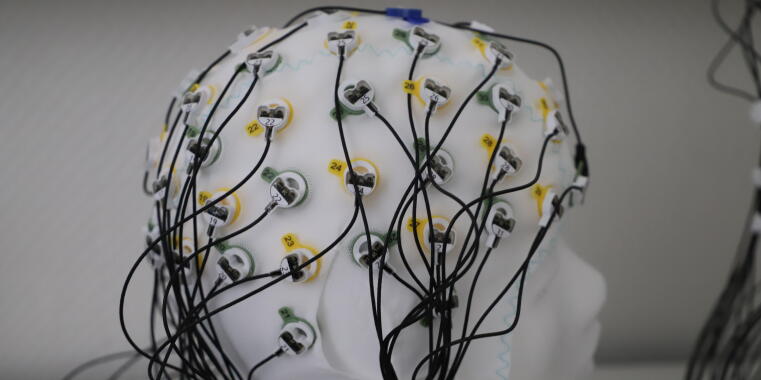
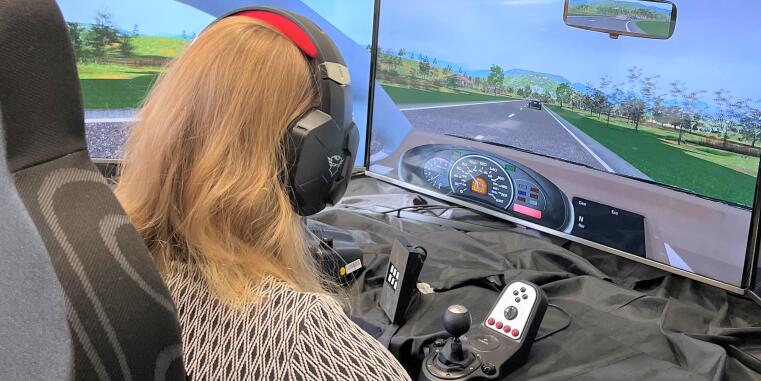
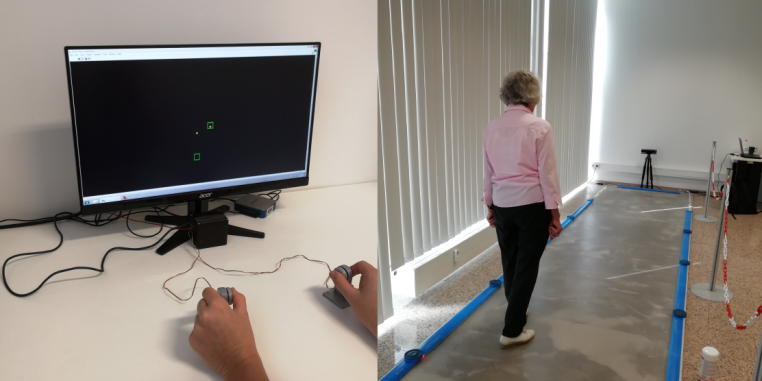
Welcome to the Department of Neuromotor behavior and exercise at the University of Münster. On the following sites you will find information about the employee of the department, current research focus and to all questions concerning teaching and study. Please do not hesitate to contact us. (phone: +49(0)251-83 32460 /Secretary). The office is open from 08:00 to 13:00 a.m..

Follow this link to our consultation hours.

Since 2021 we moved to Wilhelm Schickard Straße 8 (see map at Index tab "team")
© Pixabay

PETIO guideline: Improved reporting standards for exercise studies involving older adults

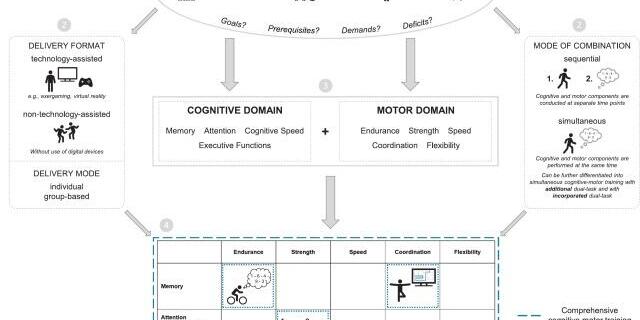
The PETIO guideline was developed to close gaps in reporting standards for randomized studies on physical exercise or training interventions in older adults and to improve their quality, transparency, and reproducibility. It focuses on key elements such as population characteristics, intervention components according to the FITT principles (frequency, intensity, time, type), adaptation, use of technology, study design, and outcome and adherence measurements. The complete  final guideline can be found here

© R.Abieraba

Dr. Richard Abieraba visit us as guest scientist

Dr. Richard Samuel Kwadwo Abieraba, a lecturer at the Department of Health, Physical Education, Recreation and Sports (HPERS), University of Education, Winneba (UEW) has secured a TWAS-DFG Cooperation Visit grant to undertake a study stay at the Department of Neuromotor Behavior and Exercise, University of Münster, Germany. The research stay forms part of an international academic collaboration aimed at advancing interdisciplinary research in sports science and cognitive performance between the two institutions.
 

© Constanze Dammeyer

Constanze Dammeyer as visiting researcher

As part of the TReND doctoral network, Constanze Dammeyer will be a visiting researcher in our department from November 10, 2025, to January 20, 2026. At the University of Bern (Switzerland), she is investigating how older adults with sensorimotor uncertainty cope with a two-person gait task and to what extent these mechanisms can be used for the rehabilitation of gait stability. We look forward to working with her and wish her all the best!

© NeuMoTrain

Concussion Awareness day

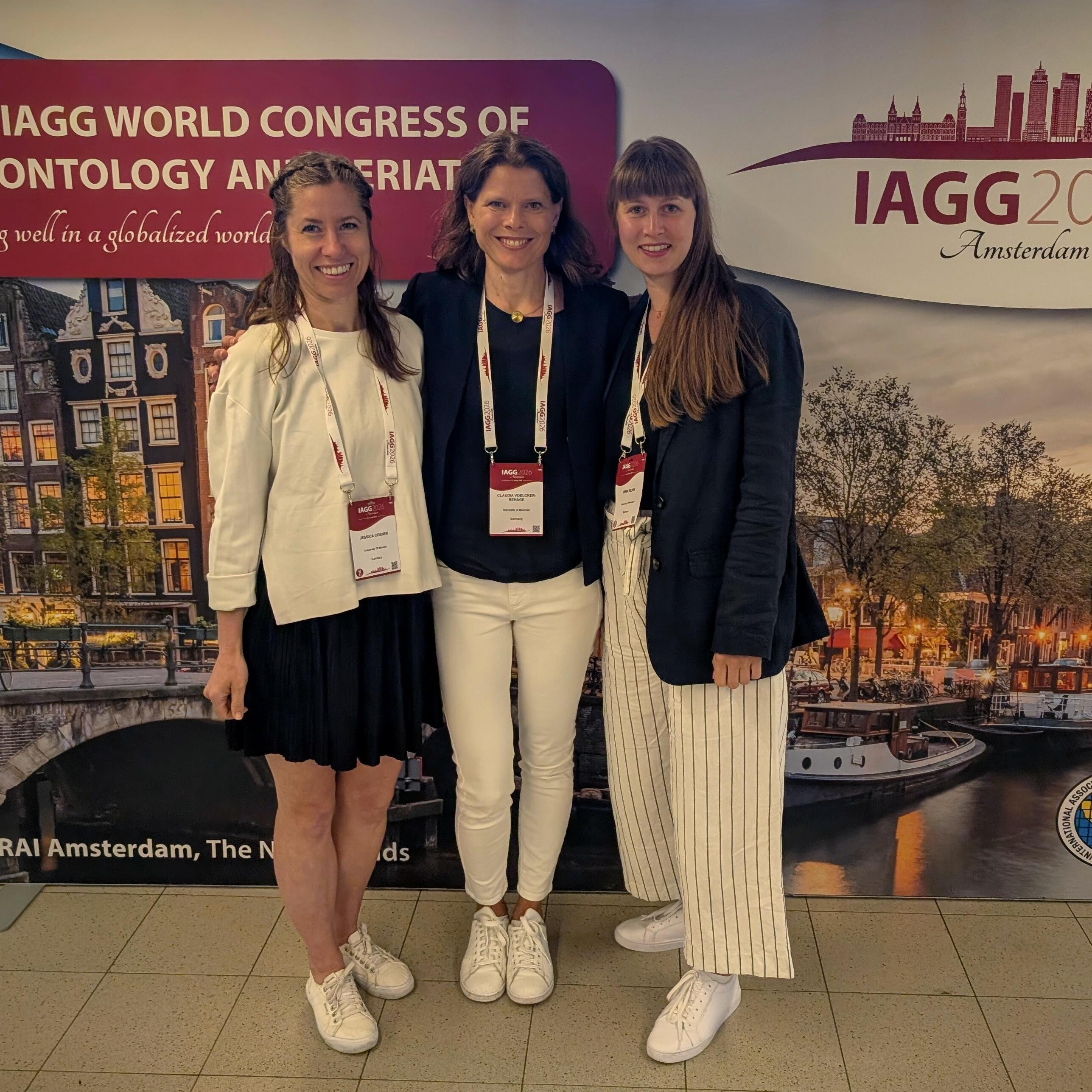
On October 24 and 25 2025 in München, the Concussion Awareness Day conference took place for the third time – a few days dedicated to education, prevention, therapy, and science related to traumatic brain injury. This year, the focus was on important medical and psychosocial perspectives throughout the course of a lifetime – from kids to seniors. Our colleague Jessica Coenen was there to gather information about the topic and bring it back to Münster.
Any student who may be interested in an internship or thesis project in the research field of concussions and/or traumatic brain injuries should contact Jessica Coenen or PD Dr. Dieter Kutz

© NeuMoTrain

Constructivism - knowledge

On this topic our team member Jessica Coenen hosted a workshop at the Tag der Lehre 2025, which took place in the University of Münster Schloss on 27. October. This year the overarching theme was "Teaching for the future: learning and teaching through collaborative research.’’
 

© Carola Baier

Carola Baier new team member

We welcome our new team member Carola Baier. She will be overseeing the GRASB project, which develops vibrotactile gripping aids for blind people. We wish you every success.

© IfS

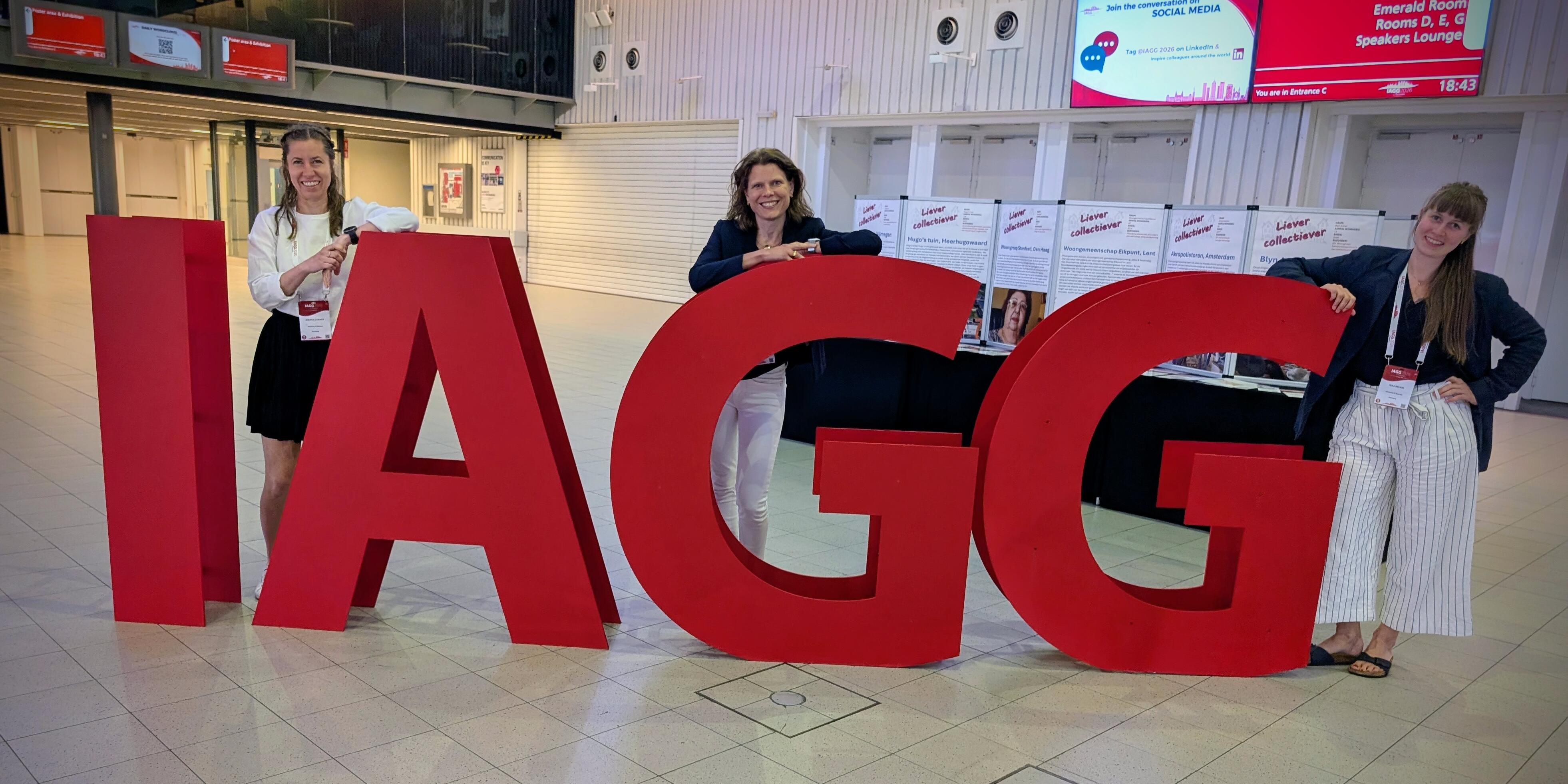
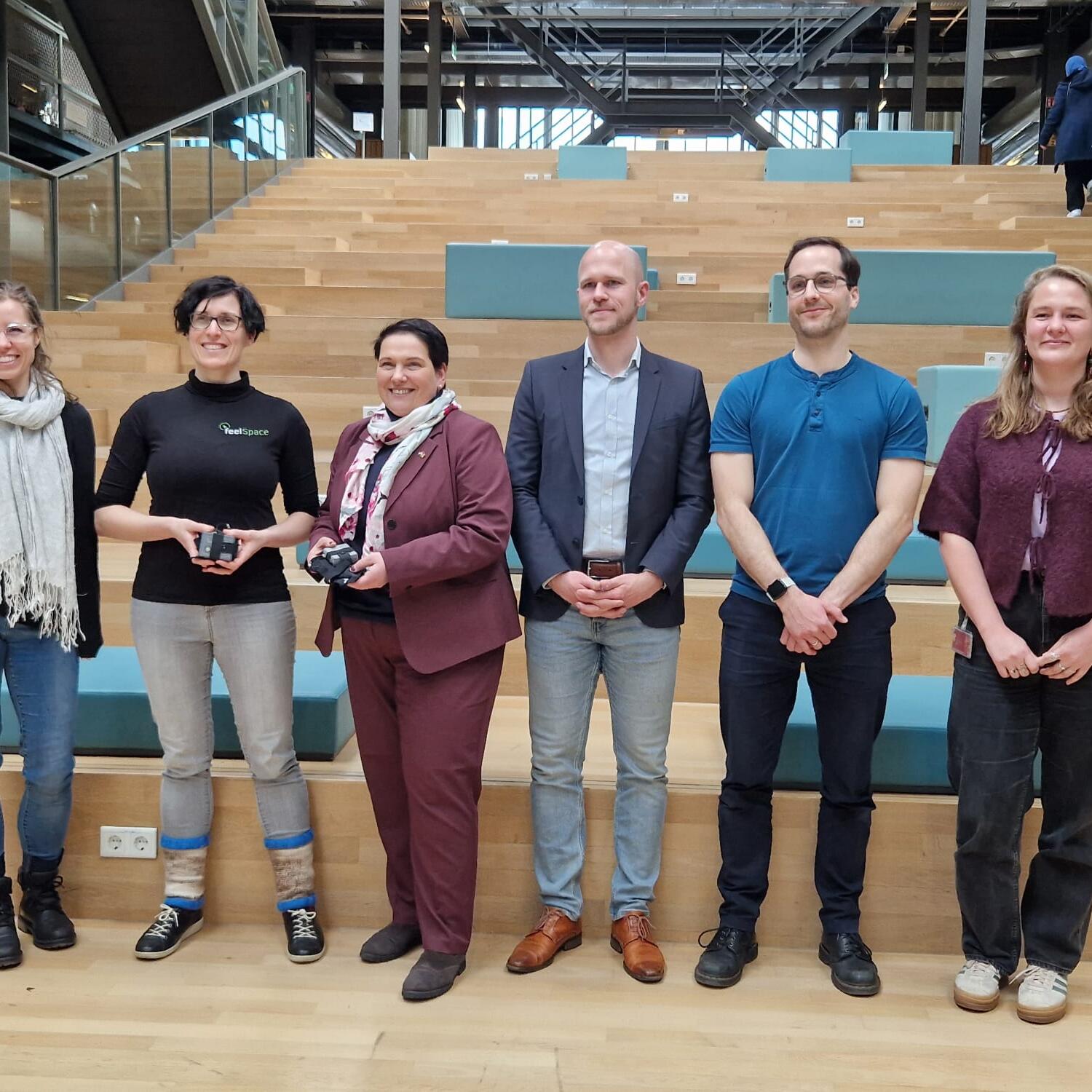
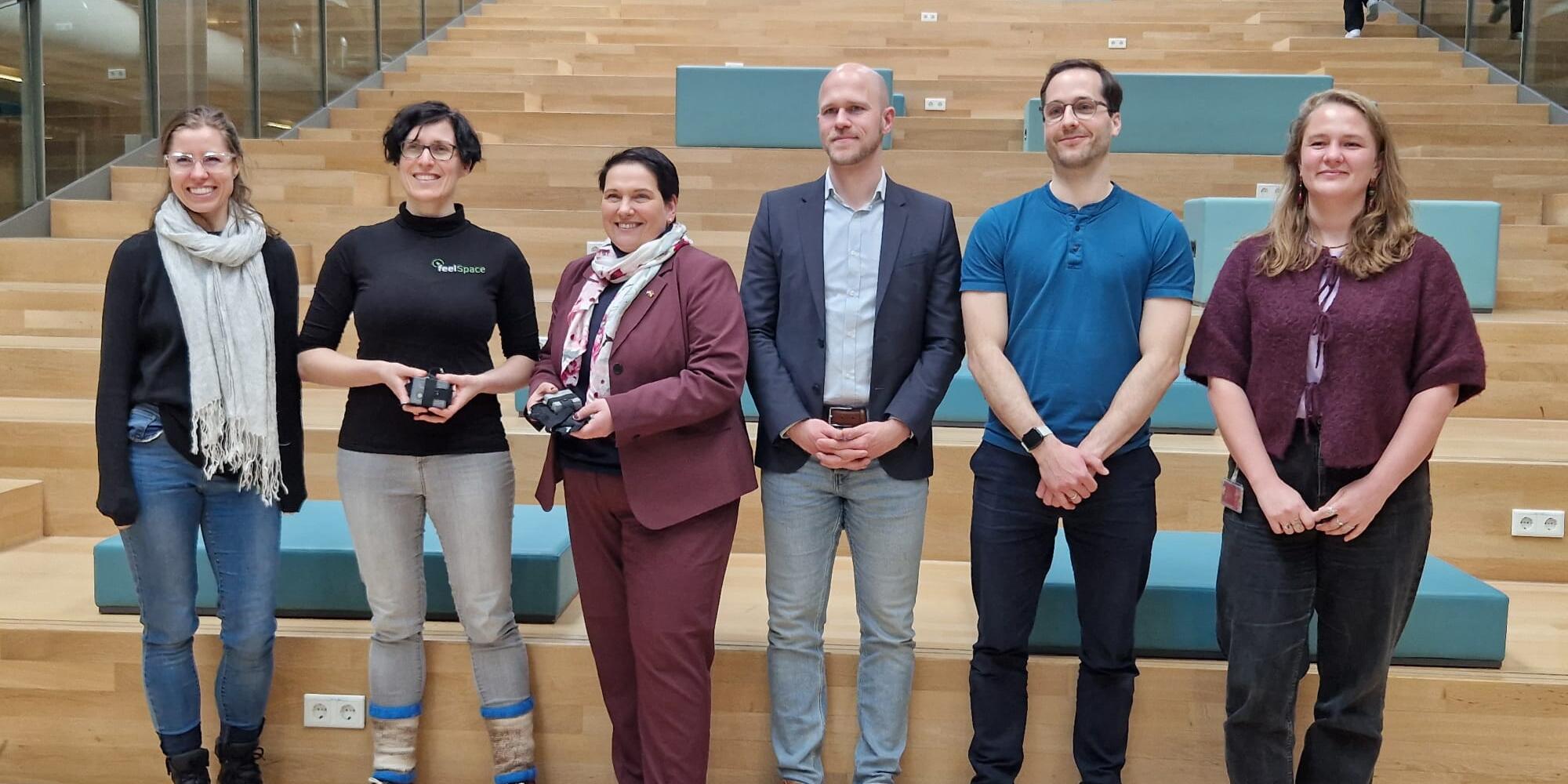
Parkinson Vibrating Socks Team Meeting, University of Twente

The cross-boarders team behind the EU funded Interreg VI project - Parkinson Vibrating Socks met on 3. November at the University of Twente, Netherlands to discuss progress and set goals for 2026. The project, led by the University of Münster, aims to develop wearable vibrating socks to help people with Parkinson’s disease overcome Freezing of Gait (FoG) using tactile cueing.

© NeuMoTrain

BA/MA-Thesis available

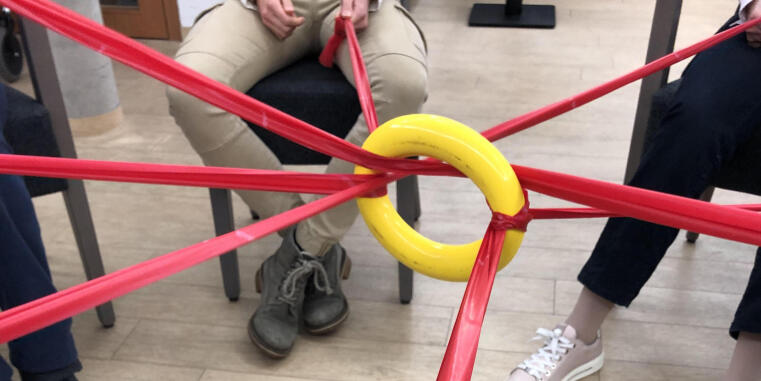
Uncertainty when walking and fear of falling are among the most common problems experienced by older people, limiting many individuals in their daily lives. Walking together can have a positive effect on gait stability and complexity.
In this project, we are investigating whether regular training in an interpersonal walking task has positive effects on a) the task itself, b) general gait parameters, and c) solo walking with an additional task. Data collection will take place from November 2025 to January 2026. During your thesis, you will gain experience in laboratory research with older adults and empirical data analysis." For more information please contact Julian Rudisch

© NeuMoTrain

TBrain-Boost

We are delighted to launch TBrainBoost ERA week 1.0 at the University of Münster, Germany.
Topic: Sport Science - From science to practical applications
This ERA Week brings together experts, researchers and practitioners to exchange ideas, share insights and discuss practical approaches to research and knowledge transfer on healthy ageing. The programme includes lectures, transfer workshops and intersectoral exchange on the topics of sport, healthy ageing and transfer into practice.

© NeuMoTrain

PROGRESS – Promoting physical activity in nursing homes

In our PROGRESS study, published in Frontiers in Aging, we are investigating an innovative prevention program for nursing homes. Using a cluster-randomized, controlled crossover design, we are examining the influence of behavioral and environmental prevention measures promoting physical activity on the physical activity and functional ability of residents. The goal is to establish everyday, sustainable exercise promotion in nursing facilities.
 

© NMT

Tailored Physical Training for Female Rugby Players

In the summer semester of 2025, students of the Bachelor's program Human Movement in Sports and Exercise had the unique opportunity to apply their theoretical knowledge directly to sports practice. As part of the seminar "Physical Training in Elite Sports – Tailored Physical Training for Female Rugby Players," they worked closely with the Rugby Tourists Münster, a women’s rugby sevens team with one clear goal: qualifying for the German Championships in August.
 

© NeuMoTrain

New publication in collaboration with the Münster University Hospital

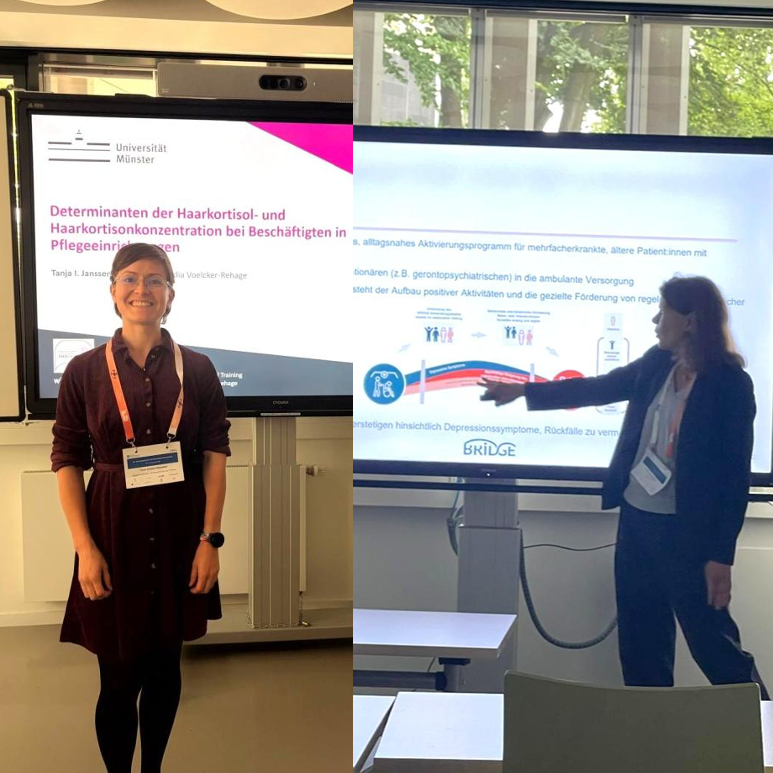
Our current study, published in the Journal of Affective Disorders, provides important findings: A better fitness level correlates positively with cognitive control in patients with depression. The study conducted on 66 patients shows that this positive effect is independent of the severity of the depression. The results emphasize the potential of physical exercise to improve the cognitive health of people with depression.