AKOEM is a research-oriented interdisciplinary Master’s degree programme. It is aimed at students who are interested in archaeology and cultural heritage, languages and texts, history and politics, cultures and religions of the Eastern Mediterranean.
Students acquire specialist knowledge of the ancient Mediterranean regions based on current research issues. They will be able to classify regional historical phenomena in a broader context. By integrating Christian and Islamic theology as well as Jewish studies, the interface between the eastern Mediterranean region can be studied from an interdisciplinary perspective. Students achieve methodological skills through excellent courses, practical exercises and project management activities.
The University of Münster offers an outstanding study environment which is characterized by a large number of subjects in ancient studies. Students can choose from a wide range of ancient languages: Akkadian, Sumerian, Hittite, Ugaritic, (Hieroglyphic) Egyptian, Demotic, Hieratic, Coptic, Aramaic, Syriac, Classical Arabic. Its scientists are involved in archaeological field research projects all around the Mediterranean in which students also participate.
As most of the courses are taught in German, good knowledge of German is essential (level C1 / DSH 2).
At the University of Münster, no tuition fee is charged. However, enrolled students pay a “semester fee”, currently €317.48. This includes various services, inter alia, local transport all over Germany.
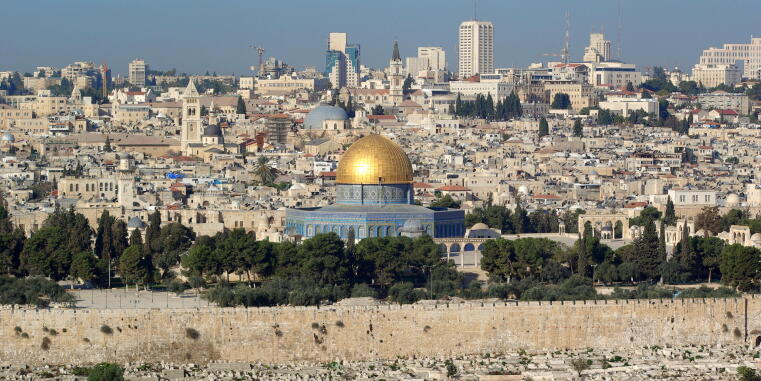
For thousands of years, the Eastern Mediterranean has been a dynamic region of encounter, exchange, and cultural transformation. From Egypt and Mesopotamia to the Levant, Asia Minor, Greece, and the Arabian Peninsula, political systems, languages, literatures, and religious traditions emerged that shaped developments far beyond the region itself. Judaism, Christianity, and Islam likewise underwent decisive phases of their formation and development within this interconnected cultural landscape.
At the heart of the interdisciplinary Master’s programme Ancient Cultures of the Eastern Mediterranean (AKOEM) is the study of the ancient Eastern Mediterranean as a highly interconnected space of culture, knowledge and communication. The programme combines in-depth disciplinary training with an interdisciplinary perspective on the relationships between cultures, societies and regions.
Ancient History, Classical Philology, Ancient Near Eastern Studies, Egyptology, Coptic Studies, Byzantine Studies, Arabic Studies, Islamic Studies, Archaeology and Theology contribute a wide range of sources, research questions and methodological approaches. This combination allows you to explore the region from different disciplinary perspectives while developing your own academic areas of specialisation.
Throughout the programme, you will work with a broad spectrum of written and material evidence, including literary and religious texts, inscriptions and papyri, as well as archaeological remains and artefacts. You will develop your own research questions and investigate topics such as the movement of people, ideas and knowledge across regions, the organisation of political power and social structures, and the formation and transformation of cultural and religious identities.
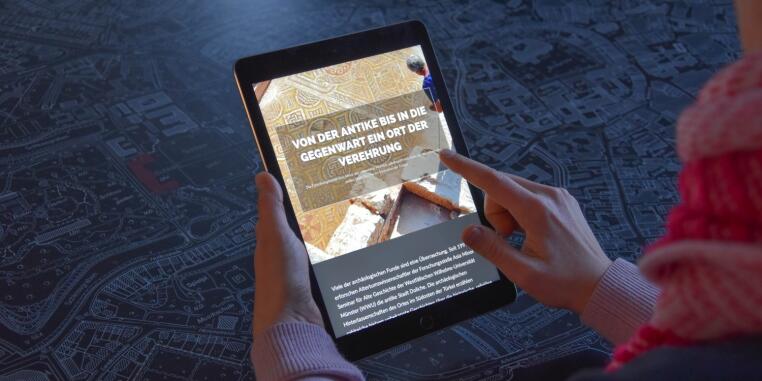
The Digital Humanities complement these approaches by introducing contemporary digital methods. Digital text collections, databases, mapping tools and other techniques can be used to analyse sources, connect information and explore spatial and temporal relationships. At the same time, you will learn to assess critically both the potential and the limitations of digital research methods.
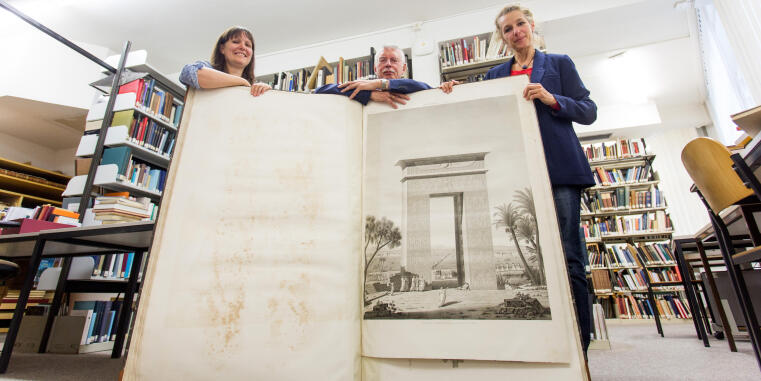
A distinctive feature of the programme is its close integration with the Centre for the History and Culture of the Eastern Mediterranean (GKM). As an interdisciplinary academic network, the GKM brings together scholars from Ancient Studies and related disciplines and gives students access to a broad range of research perspectives, expertise and academic exchange.
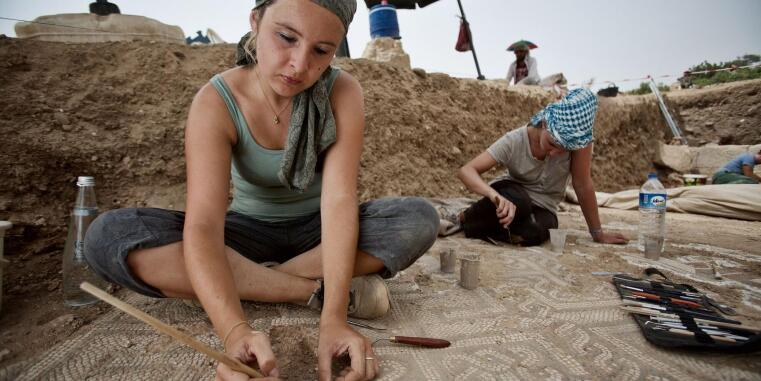
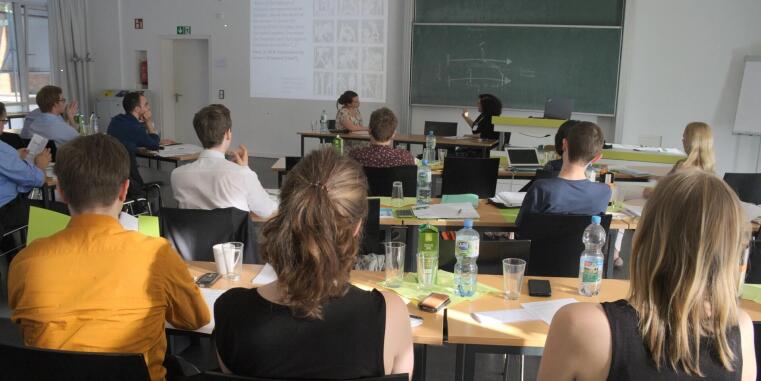
The programme is closely connected to current research. Conferences, workshops, lectures and excursions provide insights into academic practice and current scholarly debates. Depending on the courses and projects available, you may also have the opportunity to participate in archaeological excavations or other research activities.
Individual academic support is an integral part of the programme. An orientation meeting at the beginning of your studies, together with guidance from two mentors, helps you develop your own academic profile, define areas of specialisation and plan your studies according to your interests.
Modules in research and career orientation, science communication and project management complement the subject-specific curriculum. You will learn to develop research questions, plan academic projects and communicate scholarly findings effectively to different audiences.
The programme provides a strong foundation for further academic qualification while also preparing graduates for professional fields that require analytical thinking, intercultural understanding, effective communication and collaboration across disciplinary boundaries.
At its core, AKOEM approaches the Eastern Mediterranean as a shared field of historical inquiry and Ancient Studies as the methodological foundation for its interdisciplinary exploration.
On the Master’s programme in Ancient Cultures of the Eastern Mediterranean (AKOEM), you gain in-depth knowledge of the history, languages, religions and societies of a region whose cultures have been closely intertwined for millennia. You combine perspectives from various disciplines within classical studies and learn to analyse written and material sources within their respective historical, cultural and interdisciplinary contexts.
You develop specialist knowledge focused on current research questions and expand your methodological skills through research-based learning and practical exercises.
You learn or deepen your knowledge of at least one ancient language and acquire the ability to situate phenomena relating to the history of religion in the Eastern Mediterranean within their respective historical and cultural contexts. At the same time, you gain a sound understanding of the requirements, challenges and potential of the digital humanities in textual studies and archaeology.
Building on this foundation, you develop your own individual academic profile. Comprehensive guidance and personalised support will help you to explore your interests in greater depth, develop your own research focus and further develop your skills in a targeted manner.
# combine perspectives from various fields of classical studies and apply them effectively to address complex issues;
# identify current research questions, examine them academically and present the findings;
# analyse sources independently and situate them within their historical, cultural and interdisciplinary contexts;
# examine archaeological finds and evidence comparatively, identifying parallels, constants and distinctive features;
# interpret ancient texts in their original form in one or more languages, analyse them philologically and situate them historically;
# analyse and situate phenomena relating to the history of religion in the Eastern Mediterranean region within their respective historical and cultural contexts;
# apply the methods and techniques of the digital humanities in textual studies and archaeology in a reflective manner, and assess their potential and limitations;
# apply and further develop academic methods independently through research-based learning and practice-oriented exercises;
# present research findings clearly and adapt them for different audiences;
# collaborate in an interdisciplinary and intercultural manner;
# plan and implement academic projects.
The programme also enables you to develop your own specialised academic profile. Through close guidance and supervision, you can explore your own interests in greater depth, develop research specialisms and systematically expand your subject-specific and methodological skills.
The Master’s programme Ancient Cultures of the Eastern Mediterranean (AKOEM) opens up a wide range of opportunities in academia, culture, education and related professional fields. During your studies, you will gain insights into different areas of work, acquire practical experience and develop your own academic profile.
Academia and Research
AKOEM provides a strong foundation for further academic qualification, particularly for doctoral study. Career opportunities can be found at universities, research institutes and academies, as well as at non-university research organisations such as the German Archaeological Institute (DAI) or the German Oriental Society (DOG).
Conferences, excursions and research projects offer valuable insights into academic life and provide opportunities to establish professional contacts at an early stage. It may also be possible to complete your Master’s thesis in collaboration with a research institution.
Archaeology, Museums and Cultural Heritage
Museums, collections, archives and heritage management offer further professional opportunities. Practice-oriented seminars at the Archaeological Museum of the University of Münster provide insights into key areas of museum work. Depending on the courses and projects available, you may also gain practical experience in archaeological fieldwork through training excavations and surveys.
Internships allow you to explore professional environments first-hand and to assess which additional qualifications may be useful or required for your chosen career path, such as a traineeship or professional preparatory programme.
Communicating Research and Culture
An important part of the programme is learning how to communicate academic knowledge clearly and effectively. You will develop the ability to present research findings to different audiences through seminar presentations and conference papers, as well as through podcasts, blogs, posters or guided museum tours.
These skills are valuable in fields such as science communication, publishing, specialist journalism, museums and adult education.
International and Intercultural Career Fields
The in-depth study of languages, cultures and historical connections can also open up opportunities in international cultural institutions, intercultural organisations, and cultural and educational tourism.
The career paths available to you will depend on your academic specialisms, language skills and additional practical experience.
Study with a Practical Focus and Build Professional Networks
AKOEM combines academic training with a wide range of opportunities to engage with research and professional practice. Excursions, projects, events and internships allow you to explore your interests, develop career perspectives and build professional networks for your future.
Programme Director
Module coordinators
Only in German.