Access to cultural goods is not only a subject of research for the Centre for Advanced Study, but also a standard to which it holds its own work to. In line with the University of Münster’s knowledge transfer strategy, facilitating diverse avenues of access to the results of its research is an integral part of the Centre for Advanced Study’s working programme. A wide range of knowledge transfer initiatives are aimed at museums, libraries, archives and other cultural heritage institutions; art and museum education; legislation and legal policy; and the interested national and international public. Since 2023, a wide range of formats has been developed: academic publications, newspaper and journal articles, interviews, podcasts, film series, local and virtual exhibitions, master classes and summer schools, conferences featuring contributions from academia, the arts, curatorial practice and inclusion work – right through to participation in legislative processes in Germany and Sri Lanka.

  • Exhibitions: Artistic Research Impulses

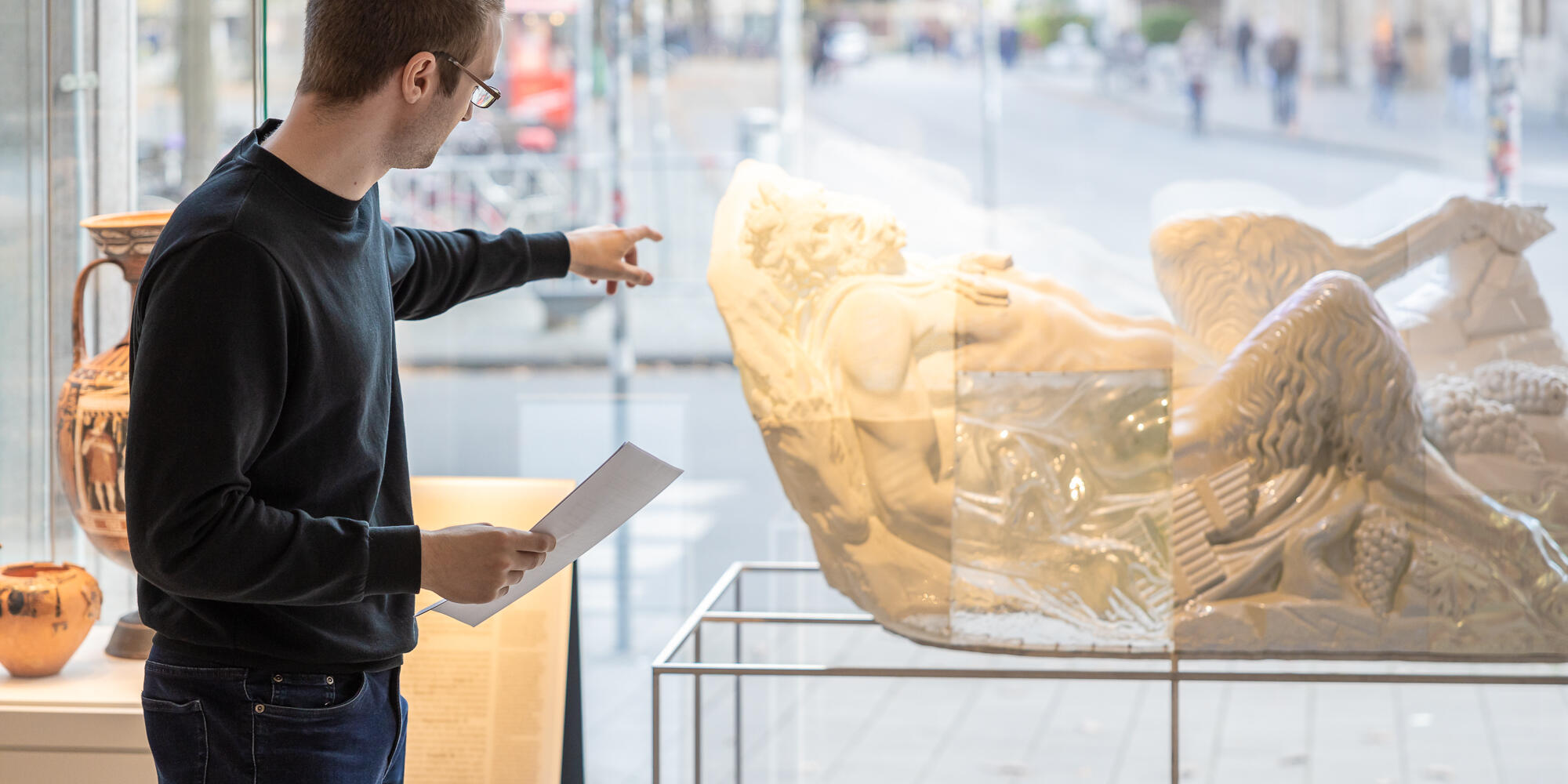
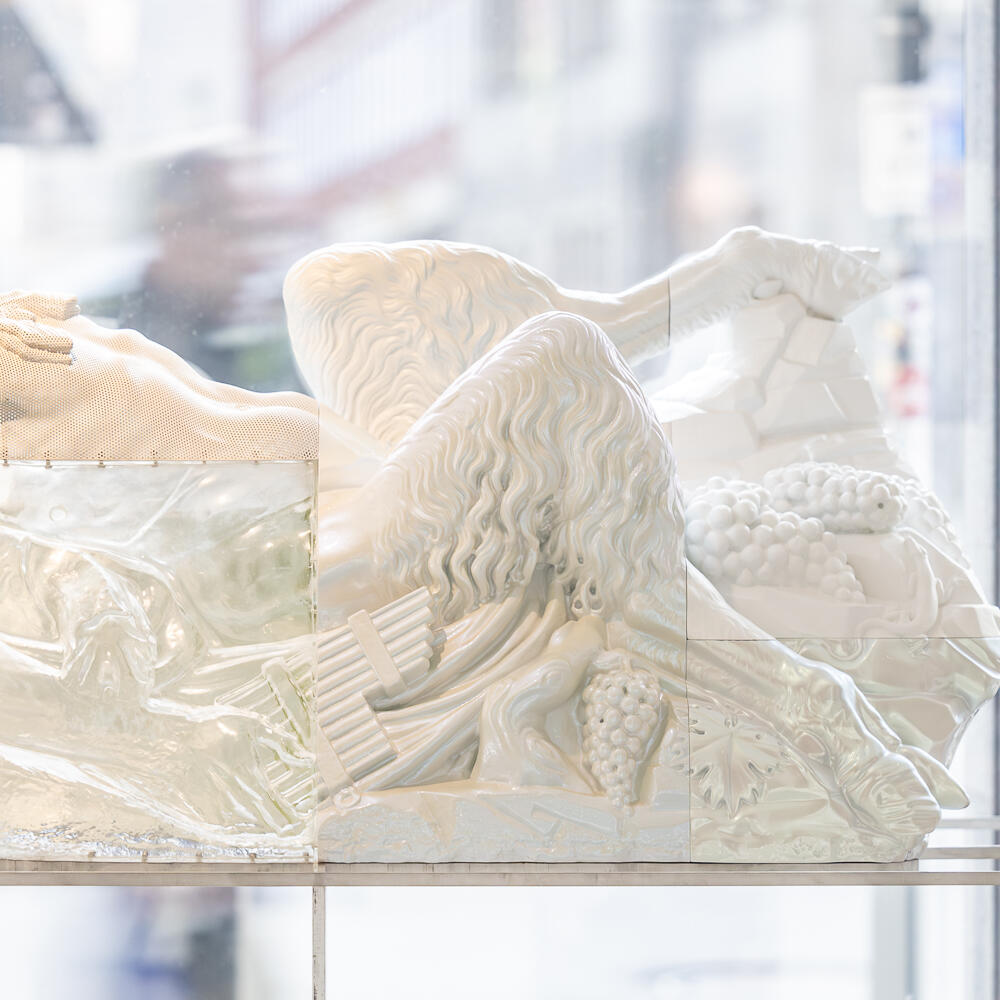
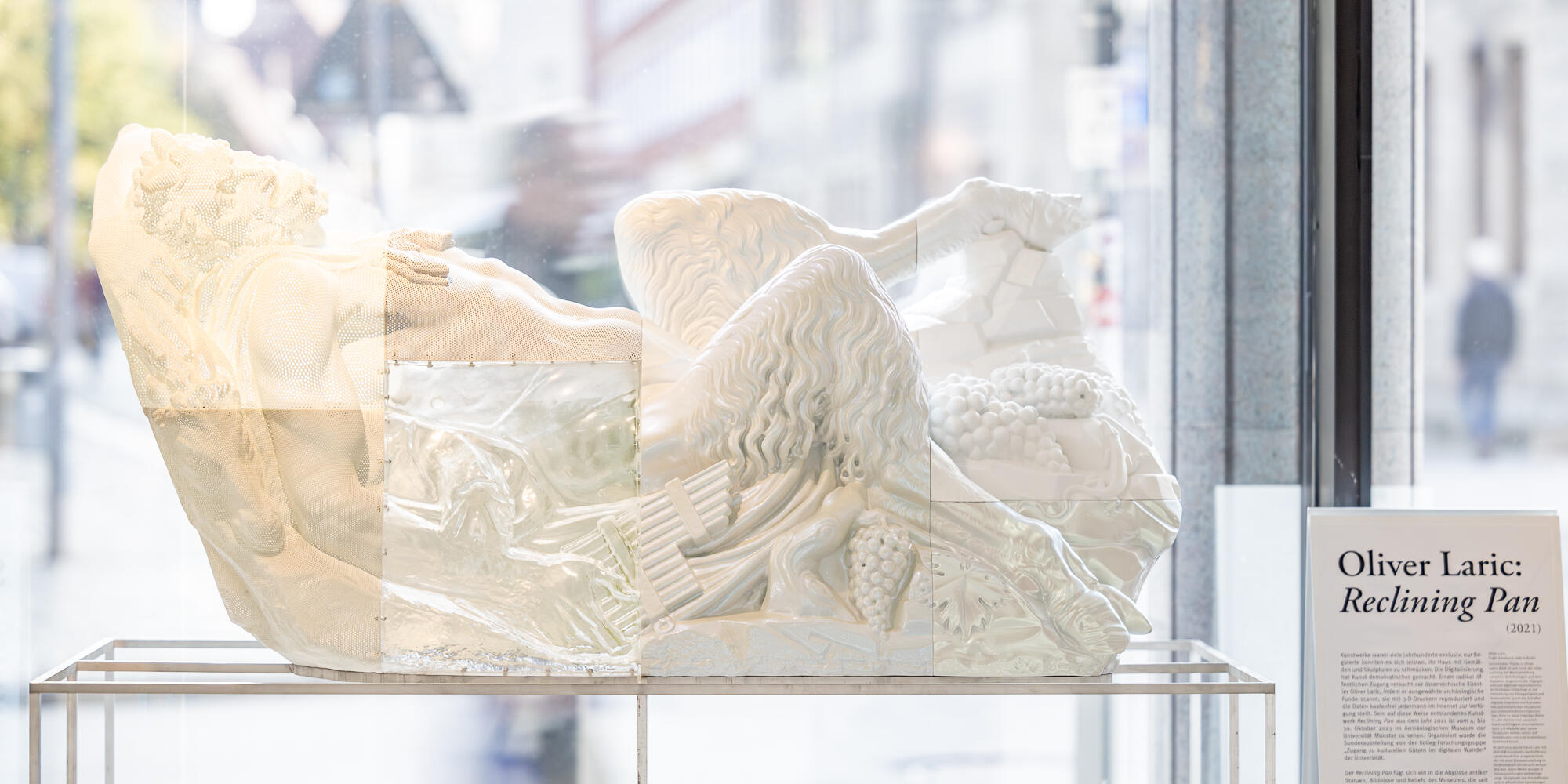
    Exhibitions are a key medium through which the Centre for Advanced Study communicates its research questions and findings – often in collaboration with museums and with the involvement of its Artists-in-Residence. The starting point was the presentation of Oliver Laric’s sculpture “Reclining Pan” at the University of Münster’s Archaeological Museum in October 2023: a work based on a 3D scan, the digital data for which the artist makes freely available for download – access as an artistic principle.

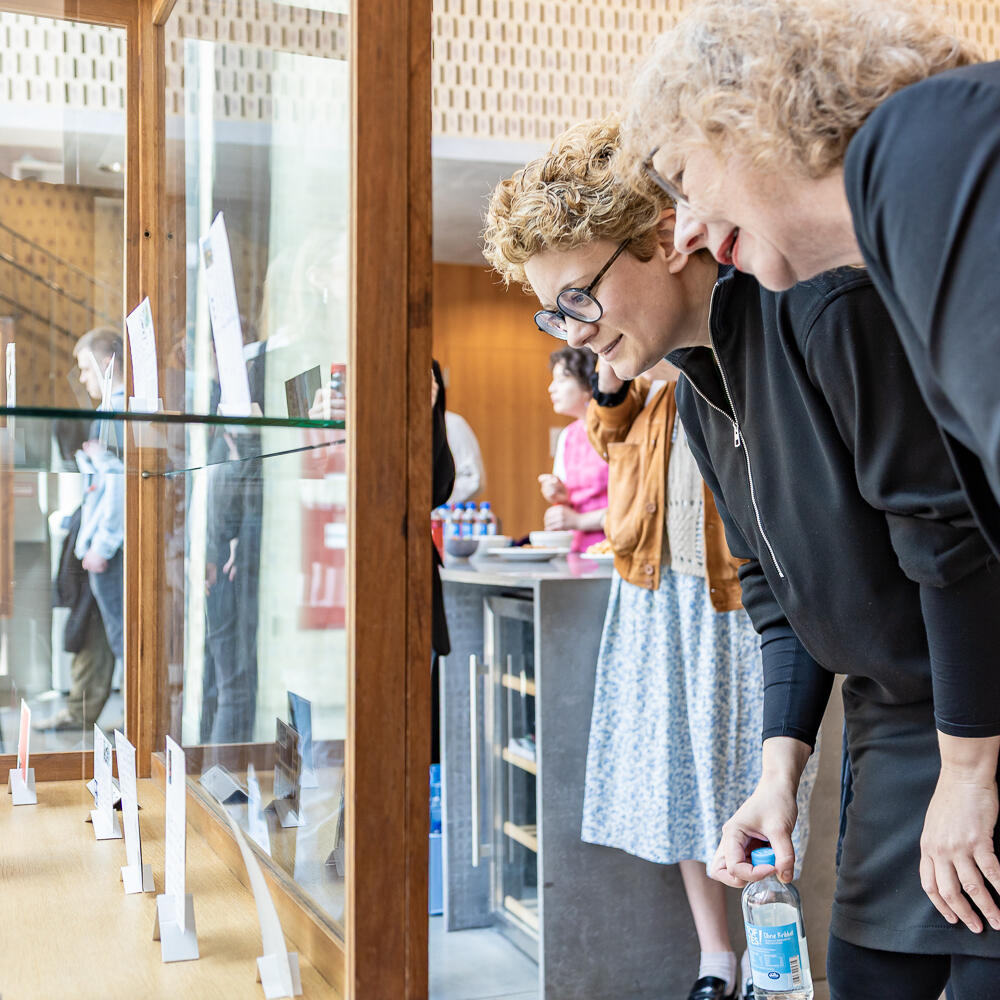
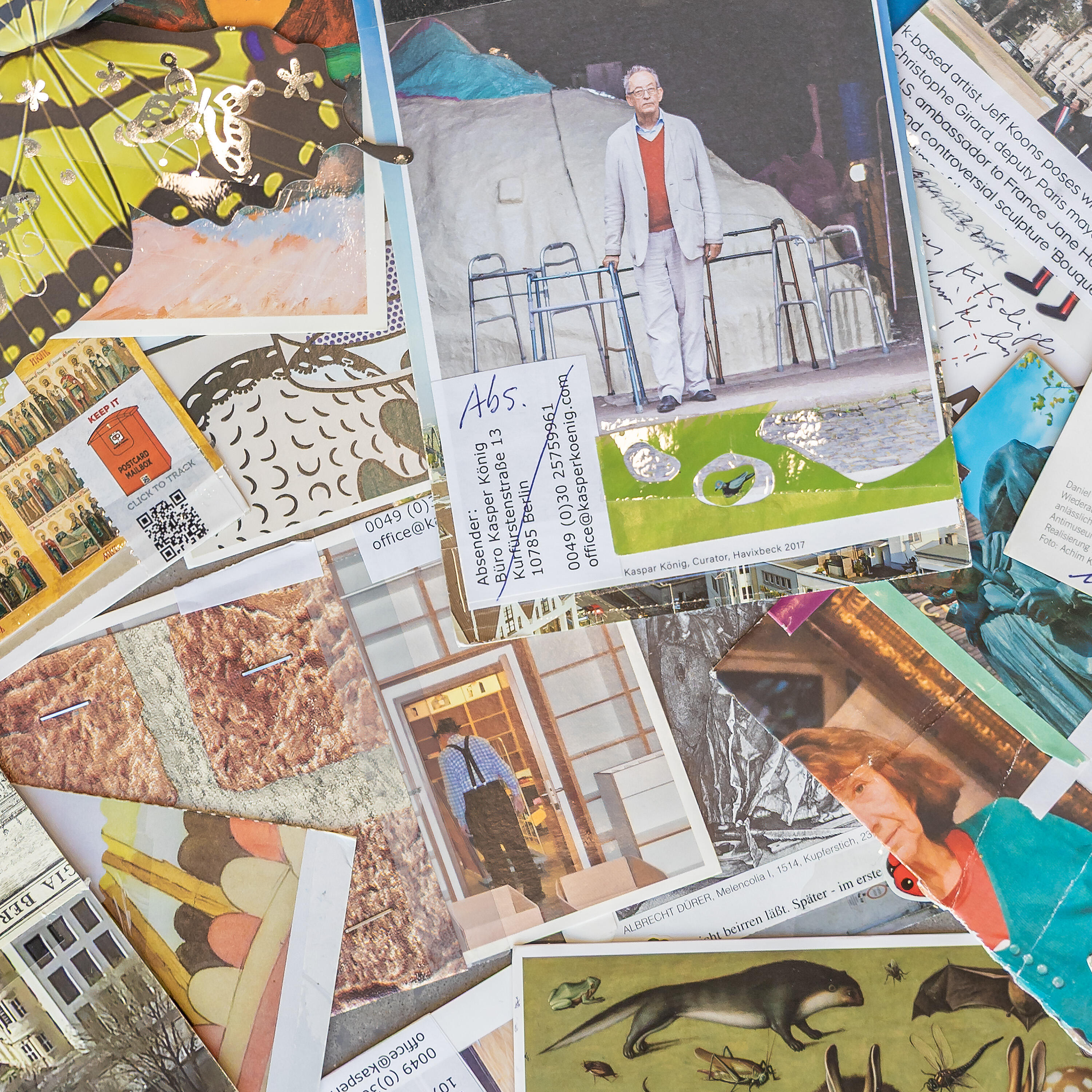
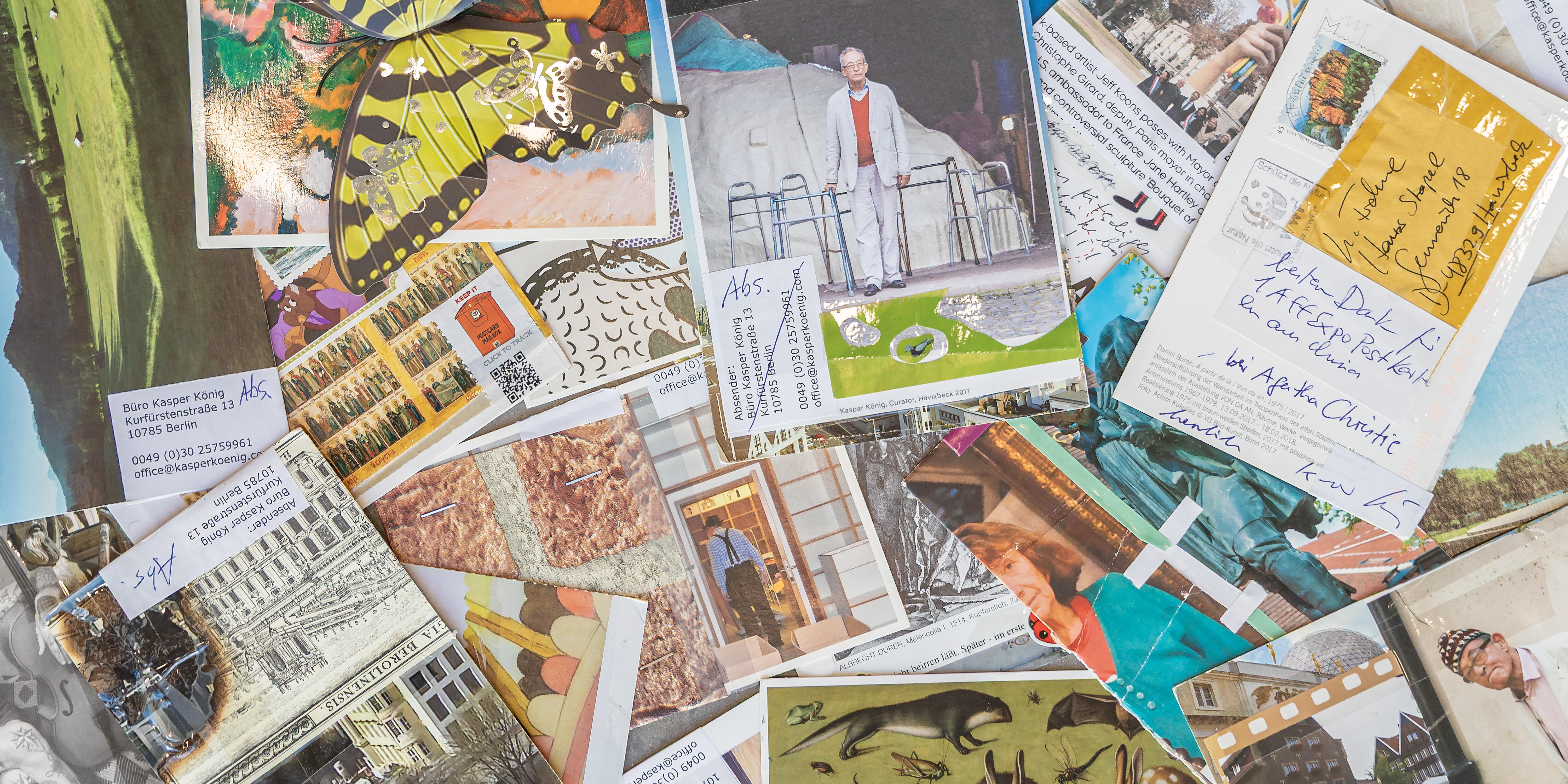
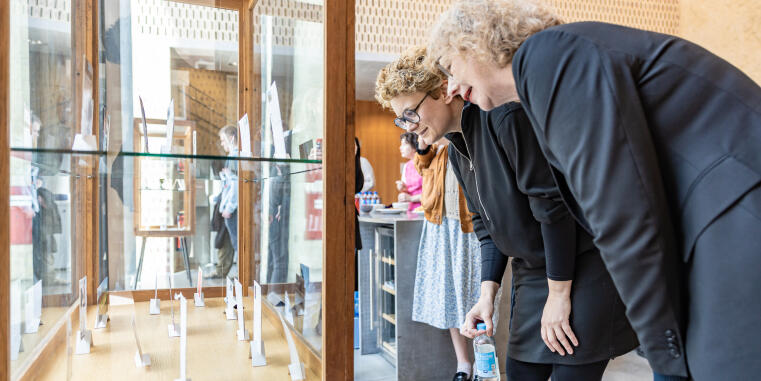
    In 2025, the “case study” exhibition series was created in collaboration with students. Its first part, “Zugänge zu kuratorischen Netzwerken” (“Approaches to Curatorial Networks”), featured collaged postcards by the curator Kasper König, with items on loan from (amongst others) museum directors and curators at the Brücke Museum, Kunsthaus Dahlem and the LWL Museum of Art and Culture. The exhibition is now also accessible online. One photograph from the exhibition was selected in the German Research Foundation’s (DFG) photography competition for the 2026 DFG calendar. The second part, “Re:Set. Vom Dia zur Datenbank” (“Re:Set. From Slide to Database”), illustrated the media transformation in art history – from copperplate engravings through glass slides to digital reproduction – with an installation by Artists-in-Residence Philipp Goldbach.

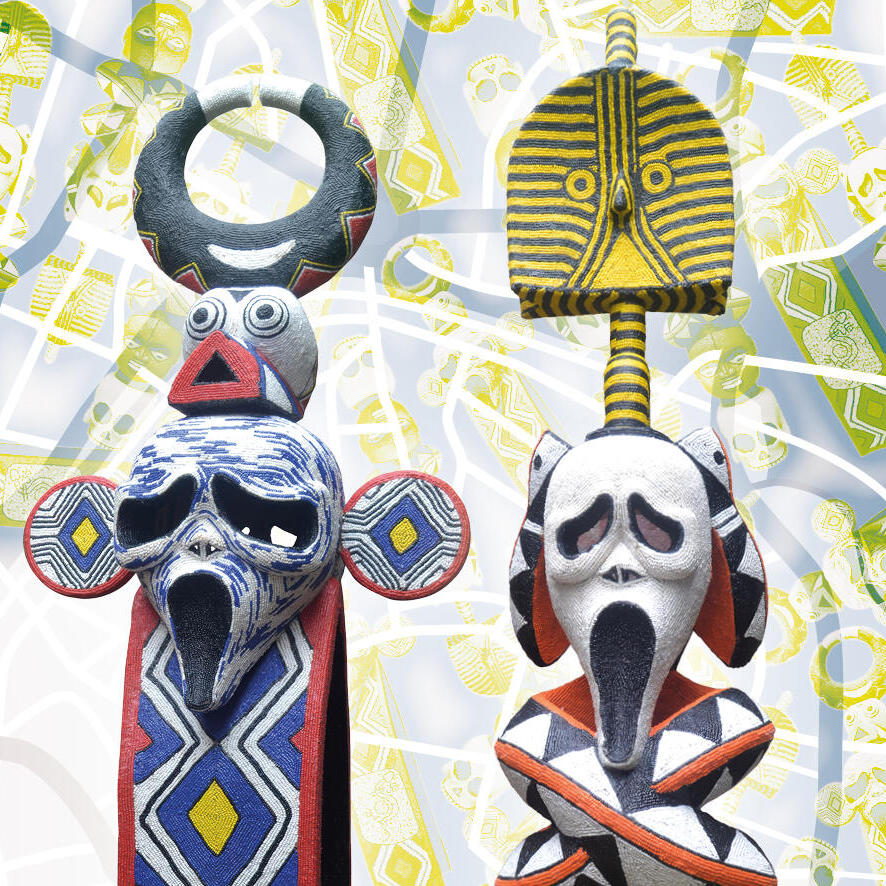
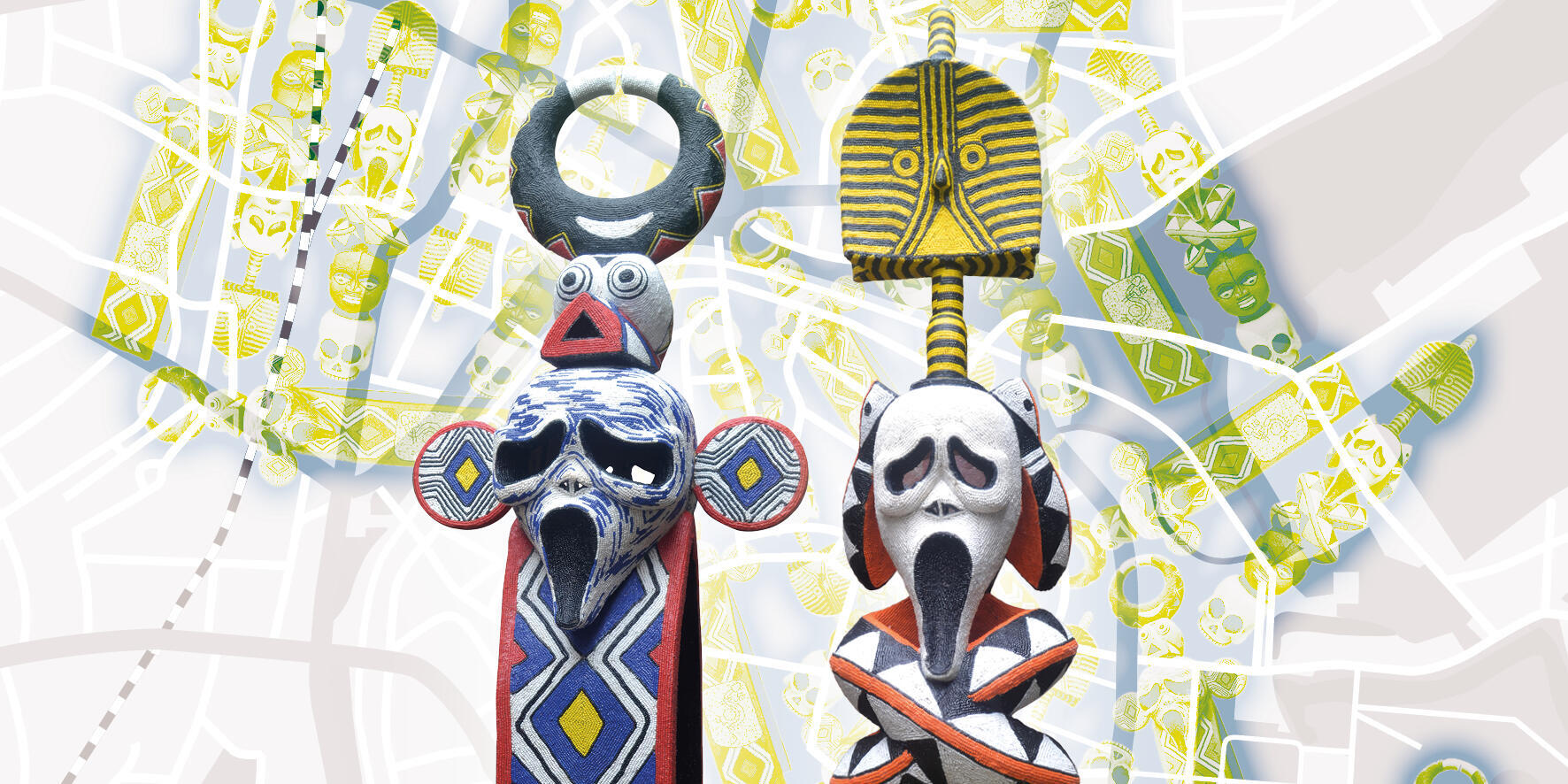
    In autumn 2026, the spotlight will be on the Cameroonian artist and Artist-in-Residence Hervé Youmbi: in the framework of a symposium organised in cooperation between the Centre for Advanced Study and the LWL Museum of Art and Culture, Münster, the museum will create a dialogue between a work by Hervé Youmbi and objects from its collection.

  • Master Classes and Summer Schools: Programmes for the Academic and Museum Sectors’ Emerging Researchers

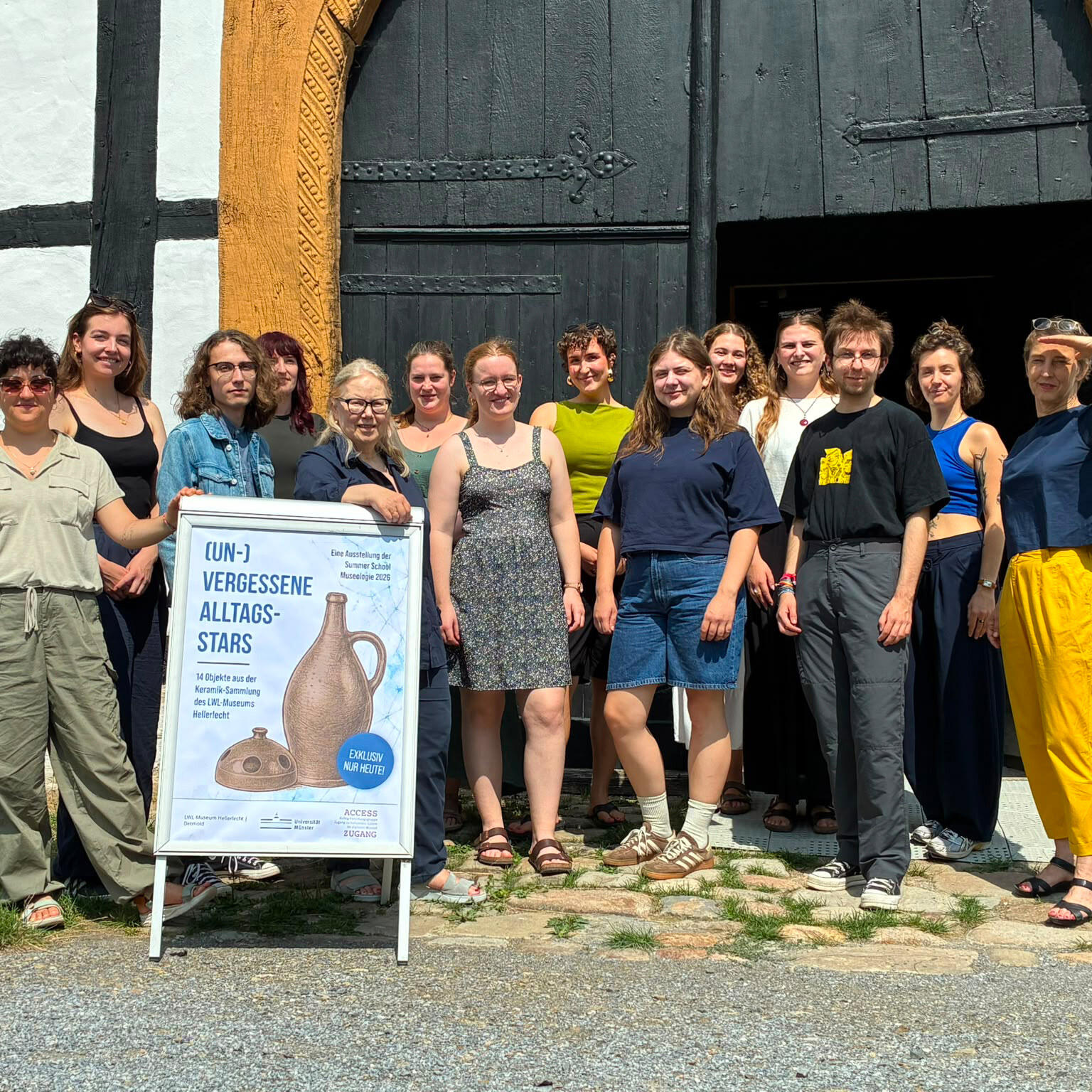
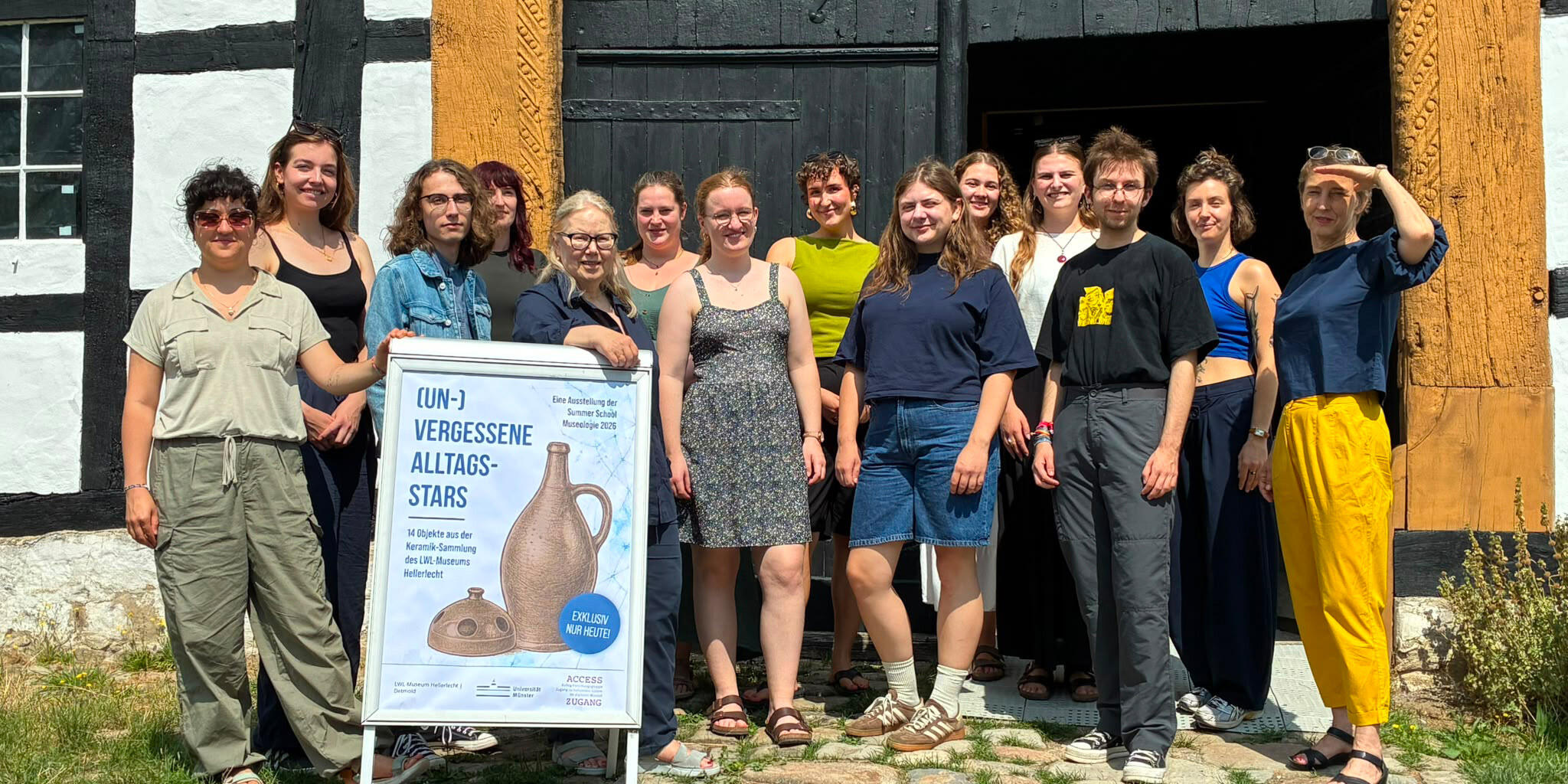
    The Centre for Advanced Study puts particular emphasis on qualifying young academics and curators. Together with the Institute for Cultural Anthropology/European Ethnology at the University of Münster and the LWL Museum Hellerlecht (formerly the LWL Freilichtmuseum Detmold), it has been organising and supporting the Summer School in Museology since 2024. During an intensive week of practical work at the Detmold Open-Air Museum, Master’s and doctoral students work with museum professionals and guest curators to develop their own curatorial and educational projects – in 2026, for example, an exhibition featuring fourteen objects from the museum’s ceramics collection.

    The Master Class “Zugang zu sensiblen Sammlungen – digital und analog” (“Access to Contested Collections – Digital and Analogue”) brought together students, PhD candidates and research trainees with experts from institutions such as the Museum Ludwig, the Museum Folkwang, the Brücke Museum, the Linden Museum and the Kunstmuseum Ahlen in April 2025. The focus was on colonial collection contexts, object biographies, issues of deaccessioning and the responsible management of access to contested collections.

  • Conferences and Networks: Academia Meets Practice

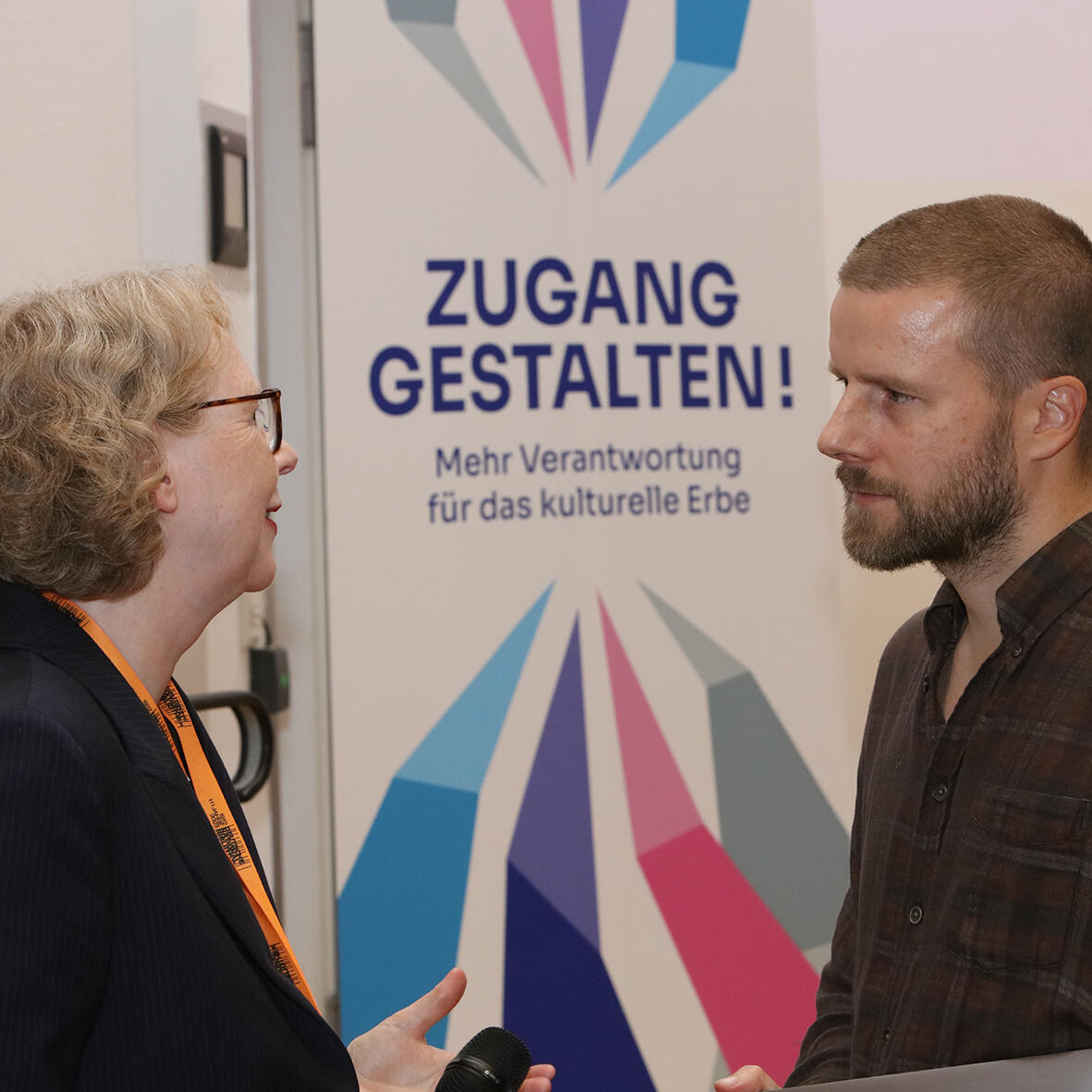
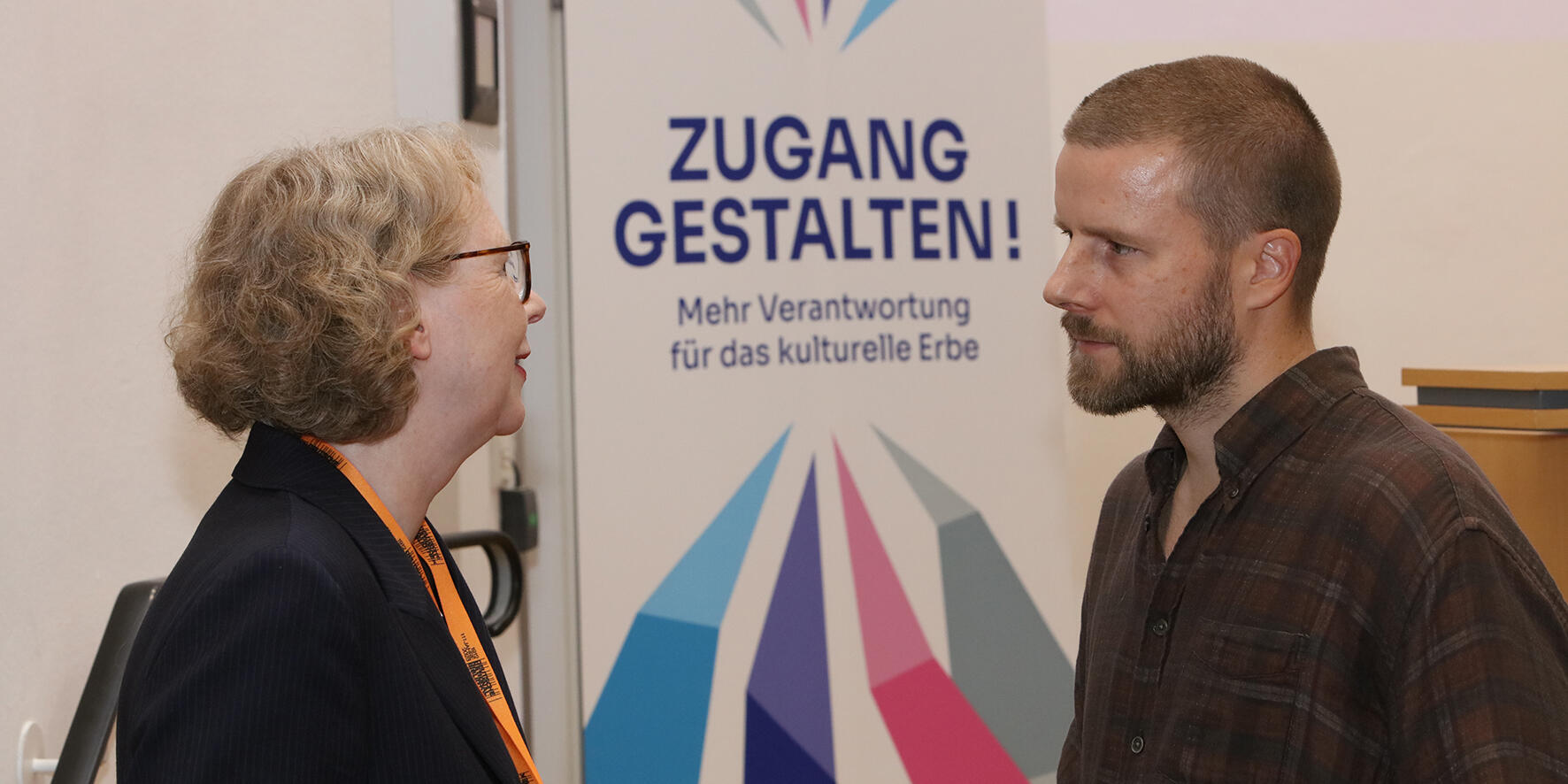
    Together with the initiative “Zugang gestalten! Mehr Verantwortung für das kulturelle Erbe” (“Shaping Access!
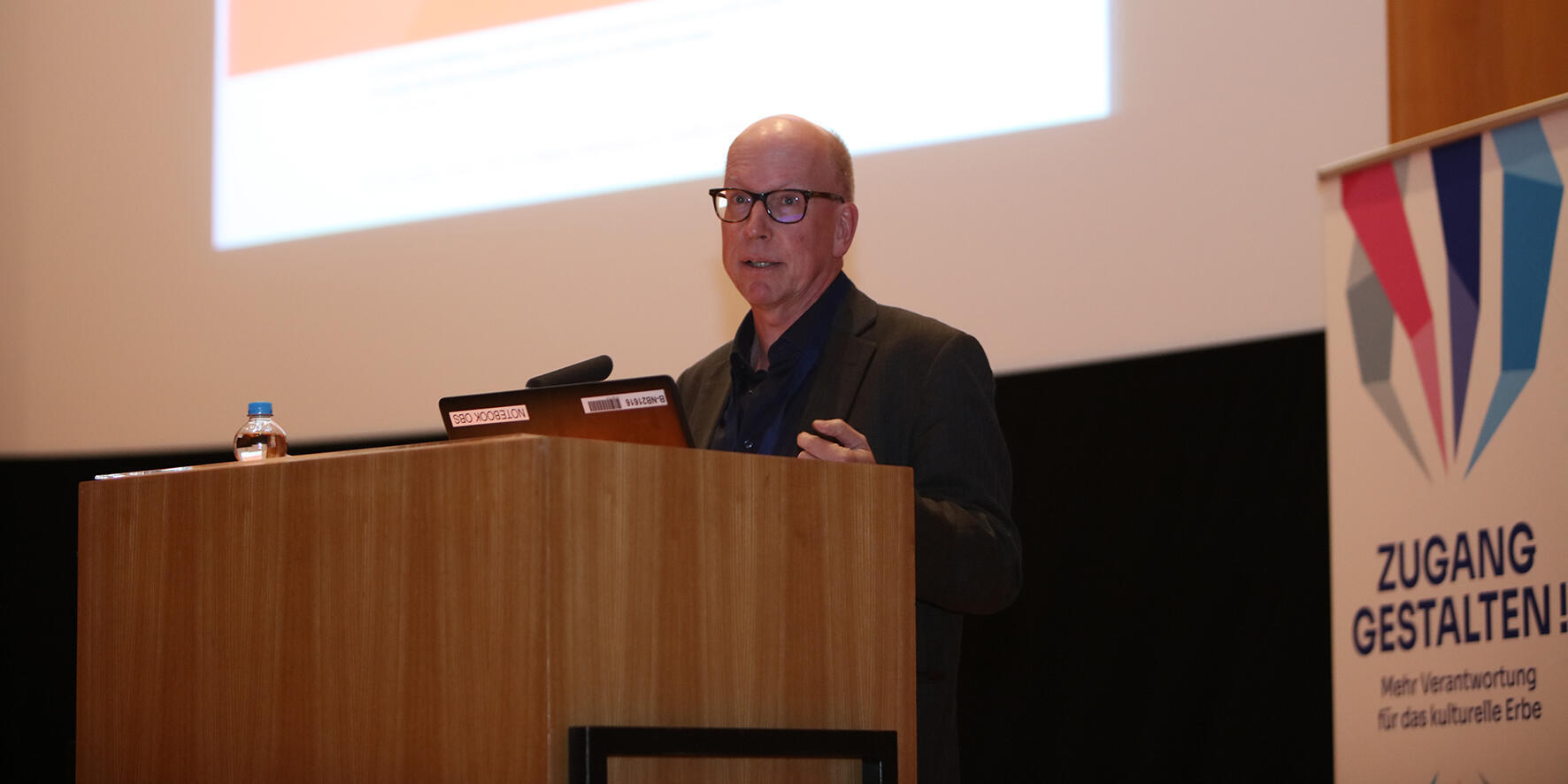
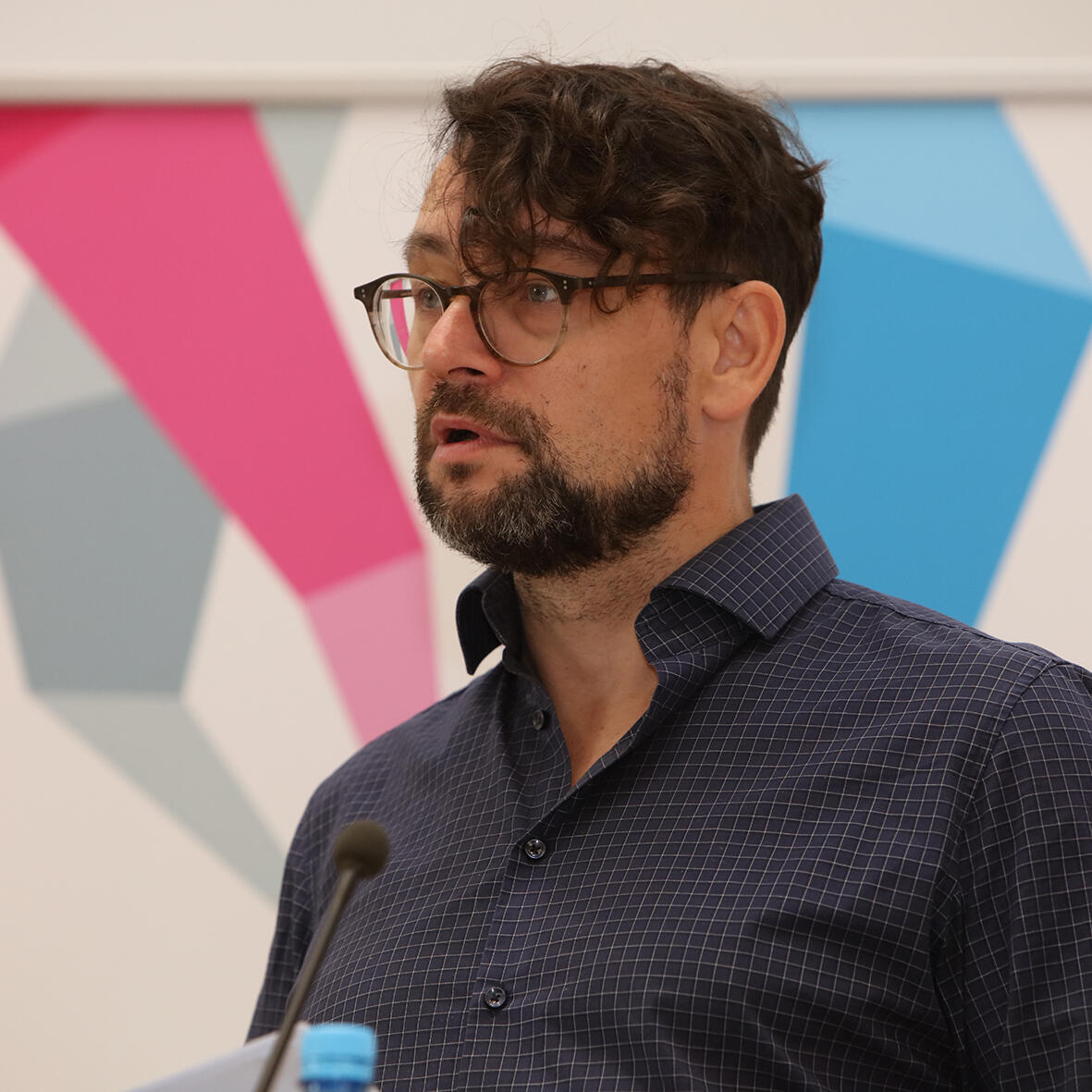
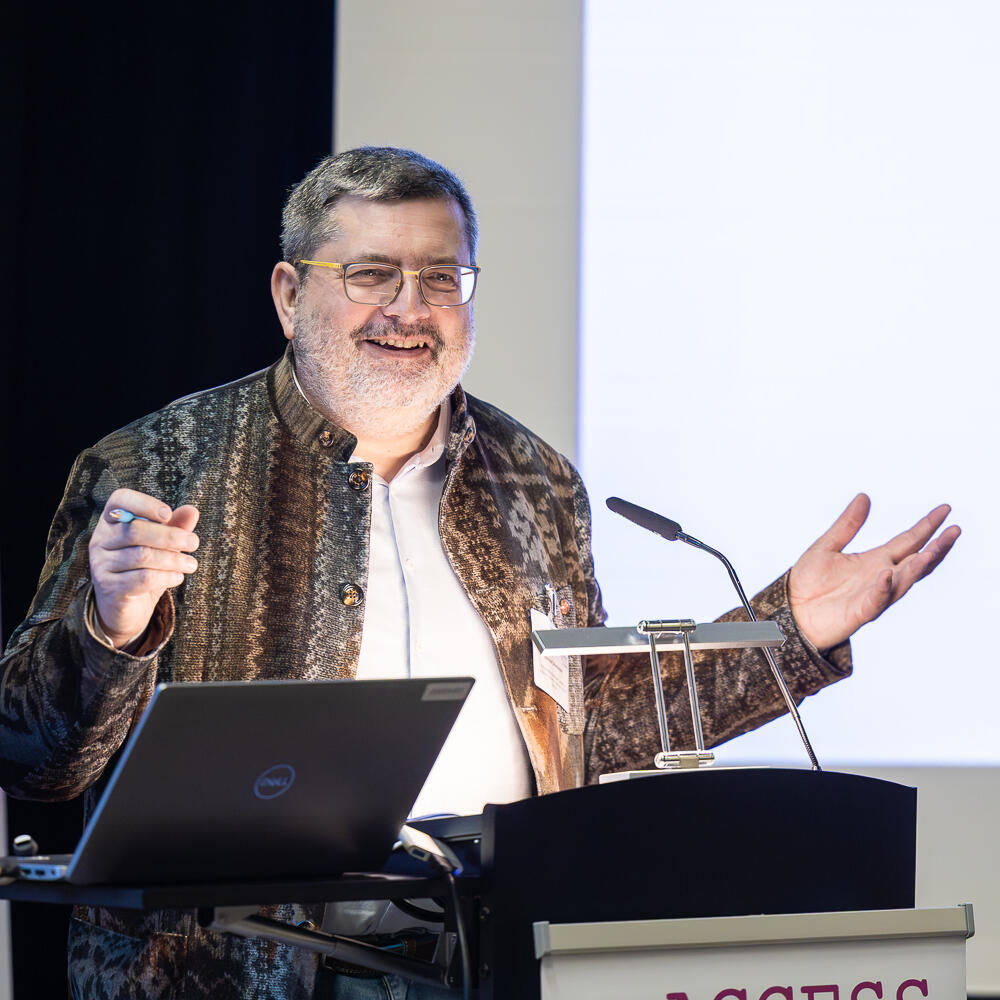
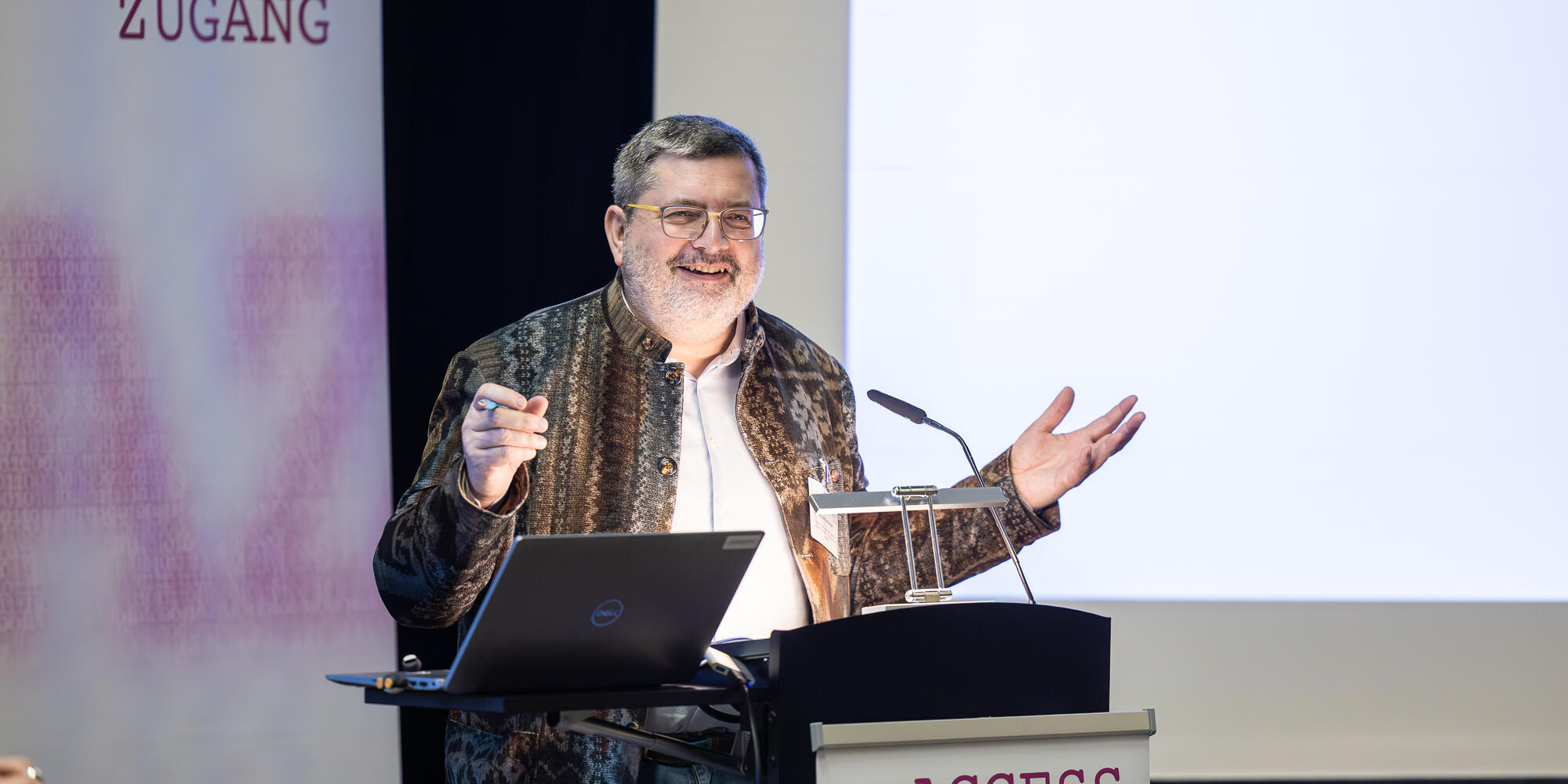
     More Responsibility for Cultural Heritage”) – carried, amongst others, by the Prussian Cultural Heritage Foundation, the Federal Archives, the German National Library, the German Digital Library, Wikimedia Germany and the Centre for Art and Media (ZKM) in Karlsruhe – the Centre for Advanced Study organised a conference in October 2023, which saw lively participation from cultural heritage institutions, under the title “Hindernisse überwinden“ (“Overcoming Barriers”). With more than fifty speakers, the conference addressed, amongst other topics, the question of how legal frameworks facilitate digital access whilst also influencing curatorial decisions, as well as different approaches to removing barriers to access in relation to images, historical documents, music and unavailable works in public collections. In 2024 to 2026, members of the Centre for Advanced Study also took part as speakers and participants in the annual conference of this series. Since 2026, the Centre for Advanced Study has been a partner institution of the conference.

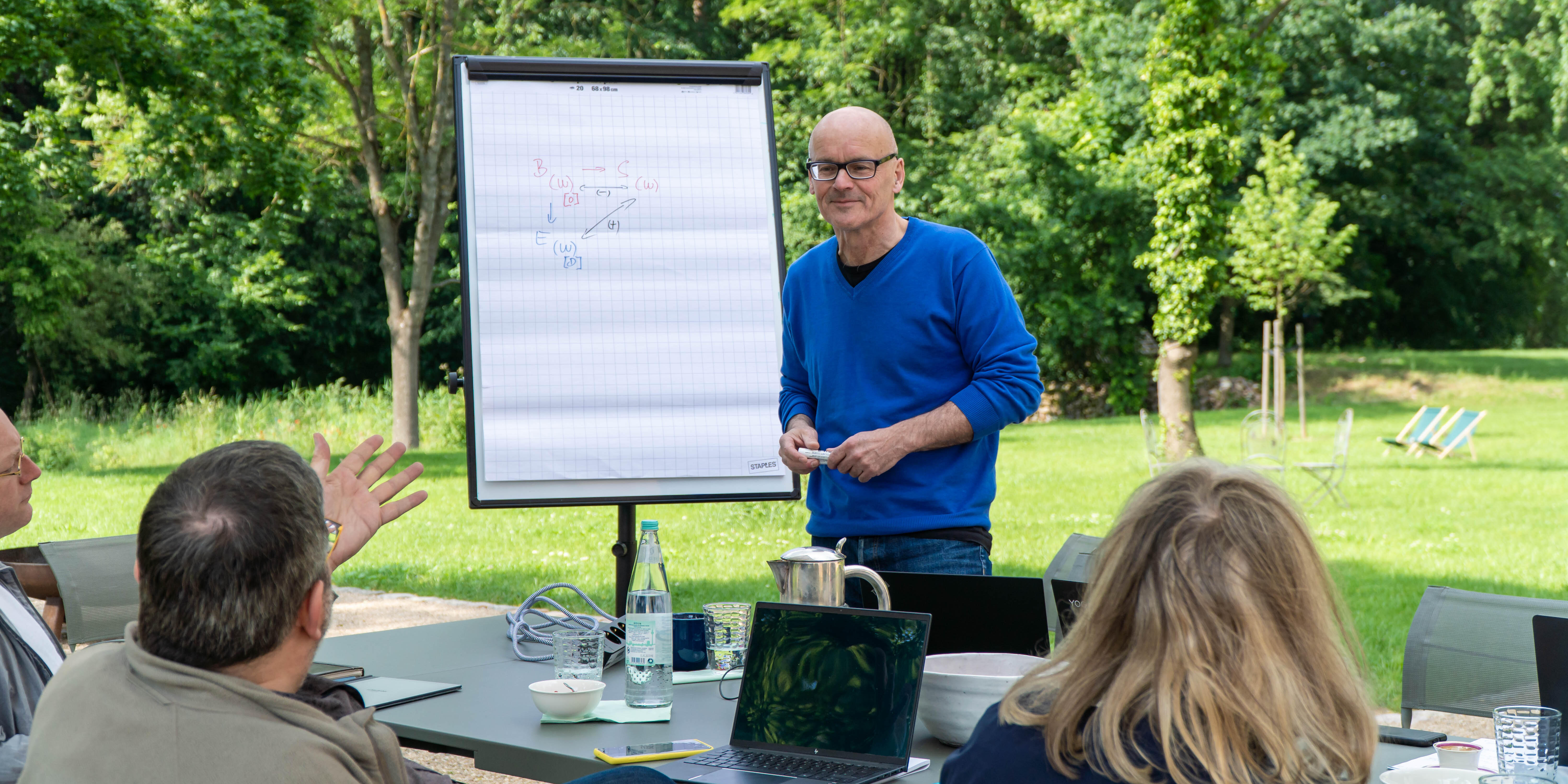
    Since then, the Centre for Advanced Study has regularly brought together academia and practice – for example, at the conference “Zugänge zum Textilen” (“Access to Textiles”) in collaboration with the Commission for Material Culture and Museums within the German Society for Empirical Cultural Studies e. V. (2024), the workshop “Digital Restitution” (2025), the conference “Strukturwandel des Publikums?” (“Structural Change of the Audience?”) on the consequences of digital transformation for access to the theatre, featuring participants from the theatre sector (2026), the international conference “Digital Curating: Ethics of Access and Sustainability”, featuring representatives from, amongst others, the Städel Museum and the London Museum (2026); and the conference “Kulturelle Teilhabe im digitalen Wandel” (“Cultural Participation in the Digital Age”), which was fully interpreted into German Sign Language and adapted into Easy Language, focusing on access for people with disabilities (2026). At a Wikipedia Edit-a-thon (2026) organised with the ZKM Karlsruhe and Wikimedia Germany, participants worked on Wikipedia articles about media artists from the ZKM’s collection. At the UNESCO forum “How can Equitable Access to Heritage help solve Global Challenges? An Exploratory Dialogue” in Paris, the 2026 Centre for Advanced Study took part in the international debate on equitable access to cultural heritage.

  • Law and Politics: Shaping Access Rules – from Lower Saxony to Sri Lanka

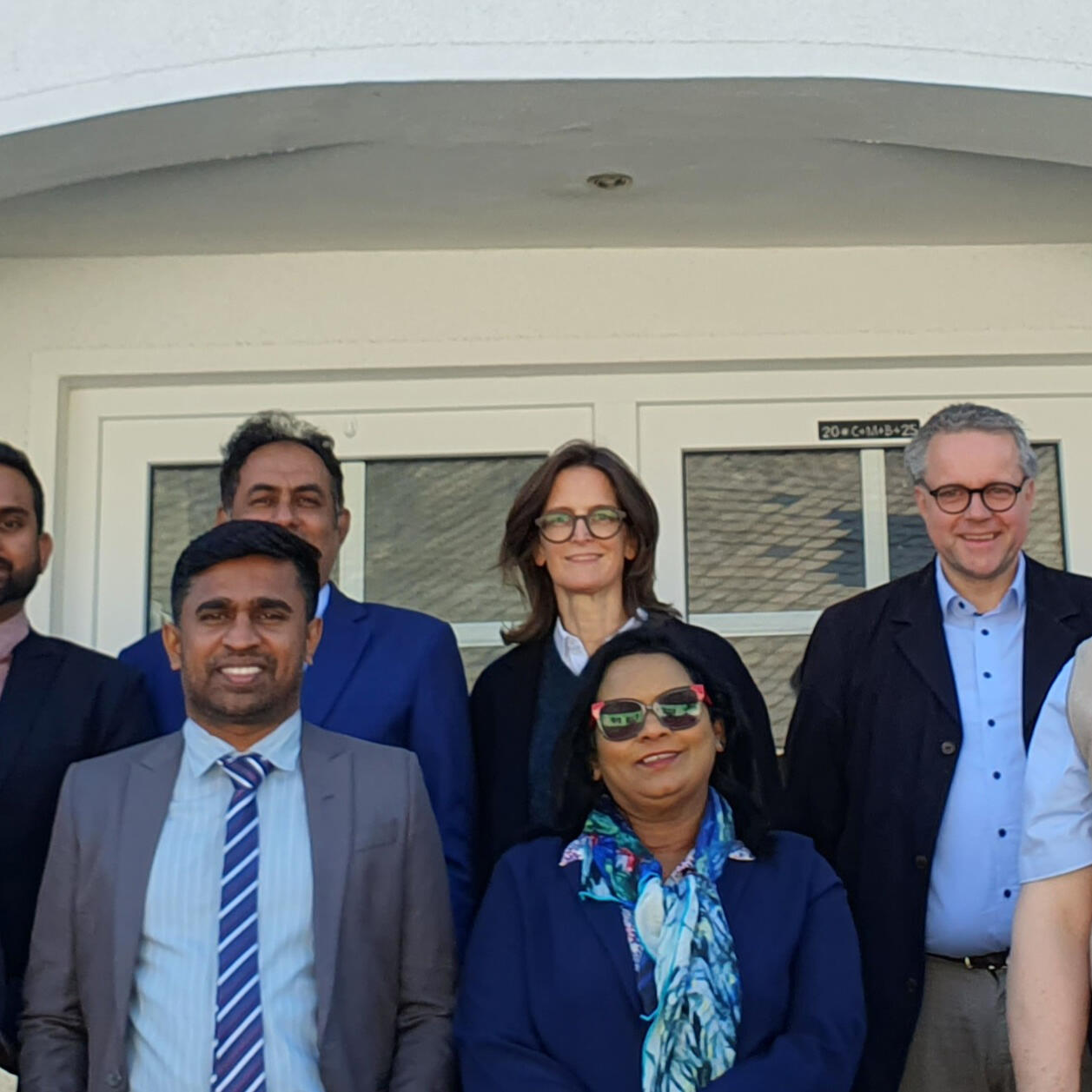
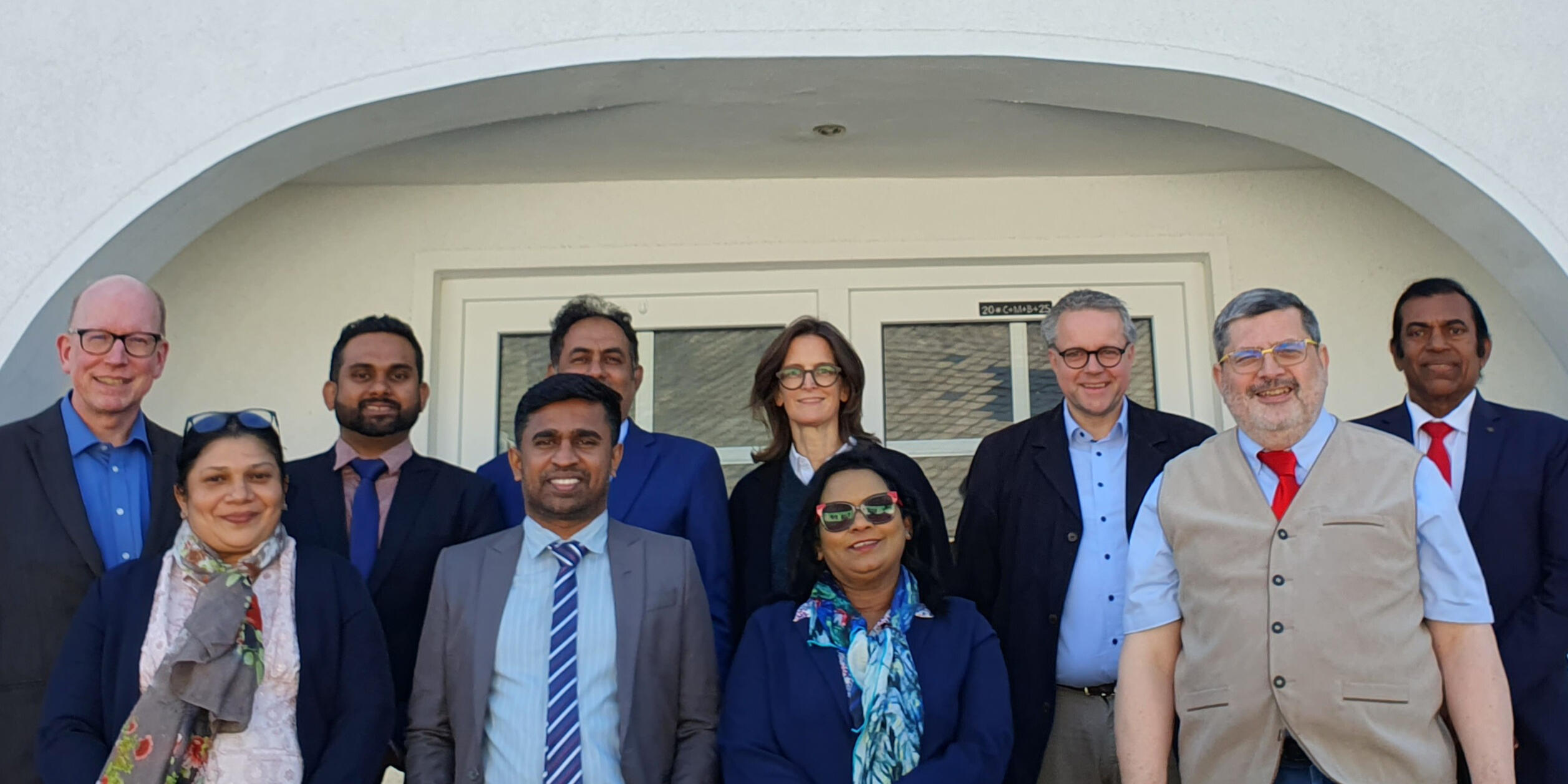
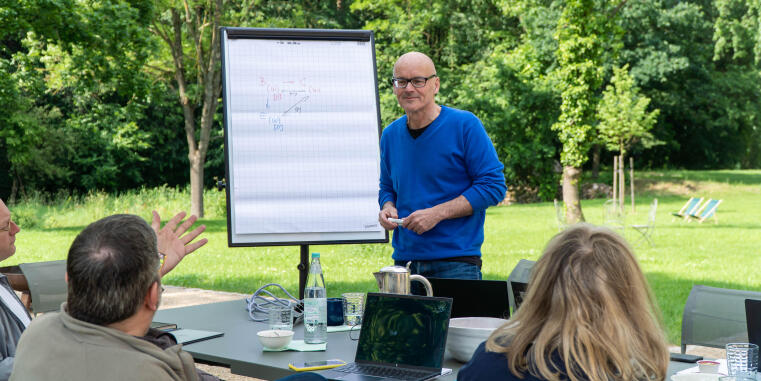
    The Centre for Advanced Study monitors legal developments relating to access to cultural goods at state, federal and international levels from the perspectives of art history, ethics and law – taking a critical yet constructive approach. Together with the “Zentrum für Legistik” project at the Federal Ministry of Justice, the Centre for Advanced Study organised a research retreat in June 2024, during which members of the Centre for Advanced Study worked with legislative drafters to analyse case studies involving barriers to access under copyright, data protection, personality rights and liability law, and to discuss possible solutions. At the state level, Eric Steinhauer, a Permanent Fellow of the Centre for Advanced Study, advised, amongst others, the Lower Saxony Ministry of Science and Culture on the drafting of the Niedersächsische Pflichtexemplargesetz (NPflExG), which was enacted on 27 March 2025. Under this Act, online publications originating from Lower Saxony or relating to Lower Saxony are now explicitly included in the collection and permanent preservation of the digital cultural memory at the Lower Saxony State Library – Gottfried Wilhelm Leibniz Library, Hanover.

    In collaboration with legal and library science scholars from the University of Colombo, the University of Kelaniya and the Open University of Sri Lanka, a research project is comparing the legal frameworks governing digital access to library collections in Germany and Sri Lanka. Following lectures and discussions in Colombo, Kelaniya and Peradeniya (2024) and Münster (2024, 2025), a German-Sri Lankan research retreat in April 2026 developed a basis for discussion to inform professional and political dialogue in Sri Lanka – including a draft Library Act and proposals for a more access-friendly reform of statutory exceptions (Limitations and Exceptions) in Sri Lanka’s Copyright Law.

  • Research in Dialogue: Film Series, Podcasts and More

    The Centre for Advanced Study reaches a wide audience through film series and film screenings – such as “Zugang und Rückgabe: Restitution im Film” (“Access and Return: Restitution in Film”) (2025) in collaboration with the LWL Museum of Art and Culture, or the documentary “In den Uffizien” (“In the Uffizi”), followed by a discussion with the filmmaker Corinna Belz at the Schlosstheater Münster (2026) – as well as through podcasts, interviews and lecture videos, and via the Access Hub, which brings together information on upcoming workshops, calls for proposals and digital resources relating to access to cultural goods.
| Veranstaltungen
© Universität Münster | Lioba Keller-Drescher

Conference: “Das (post-)partizipative Museum – wissenschaftliche, kuratorische und digitale Perspektiven”

On 15 February 2027, the conference “Das (post‑)partizipative Museum – wissenschaftliche, kuratorische und digitale Perspektiven” (“The (Post‑)Participatory Museum – Scientific, Curatorial, and Digital Perspectives”) will take place. It is organized by the Kommission Materielle Kultur und Museum in der Deutschen Gesellschaft für Empirische Kulturwissenschaft (Commission on Material Culture and Museums of the German Society for Empirical Cultural Studies) and the Centre for Advanced Study “Access to Cultural Goods in Digital Change” at the University of Münster. Participation, understood as the opportunity to access and contribute to cultural assets and institutions, derives from the fundamental right to cultural participation and seeks to give concrete form to this right. The conference aims to engage in a constructive and critical discussion of the concept of participation. In doing so, particular attention will be given to aspects of scientific, curatorial, and digital work in museums.

| Events
© Zora Snake, L’Opéra du villageois, Festival Sens Interdits, Théâtre de la Renaissance. Foto: Julie Cherki

Conference: “TRANCEcolonial | Beyond Restitution: Reconnecting – Reimagining – Repairing Relations“

The conference “TRANCEcolonial | Beyond Restitution: Reconnecting – Reimagining – Repairing Relations” will take place from 12 to 13 November 2026 at the Rautenstrauch-Joest-Museum (Cologne). It is the concluding event of the research project “PERFORM – Performing Provenance: Contemporary Art, Digital Spaces, and Things from the Cameroon Grasslands”. While the inaugural symposium in Münster (11 November 2026) focuses specifically on the Cameroon Grasslands, the Cologne conference  proposes a complementary perspective. It takes the Cameroon case as its point of departure while opening the discussion towards broader artistic, philosophical and societal questions surrounding provenance research, restitution and rematriation. Rather than treating Cameroon as an isolated or essentialised case, the symposium places it in dialogue with artistic positions and critical perspectives from different parts of the world. In doing so, it explores how questions of provenance, restitution, repair and rematriation resonate across different colonial histories, diasporic experiences and contemporary artistic practices. The symposium takes place within the framework of the exhibition “return – Between Past and Future, Another Place Emerges”.

| Events & Exhibitions
© Hervé Youmbi, Les masques célèstes, 2017. LWL-Museum für Kunst und Kultur, Münster

Symposium: “TRANCEcolonial. Performing Provenance – Art, Memory and Colonial Resonances”

On 10 November 2026, the one-day symposium “TRANCEcolonial. Performing Provenance – Art, Memory and Colonial Resonances” will take place. It is organised jointly by the Centre for Advanced Study “Access to Cultural Goods in Digital Change” and the LWL-Museum für Kunst und Kultur, Münster, as part of the international research project “Performing Provenance: Contemporary Art, Digital Spaces, and Things from the Cameroon Grasslands” (PERFORM). The one-day symposium explores colonial provenance, historical experiences of violence and museums’ responsibilities today from artistic, scholarly and  museological perspectives. On the occasion of the symposium, the LWL-Museum für Kunst und Kultur in Münster will bring a work by Hervé Youmbi, an artist from Cameroon and Artist-in-Residence of the Centre for Advanced Study, into dialogue with objects from its collection. The event in Münster opens a series of events initiated as part of the international research project PERFORM. Further events will take place as part of the exhibition return at the Rautenstrauch-Joest-Museum in Cologne on 12–13 November 2026.

| Film & Events
© UN SERPENT AU MUSÉE (Still), Zora Snake Performance im Forum der Völker, Werl / Kamera: Arnaud Alain. 2026.

New Artistic Production: UN SERPENT AU MUSÉE

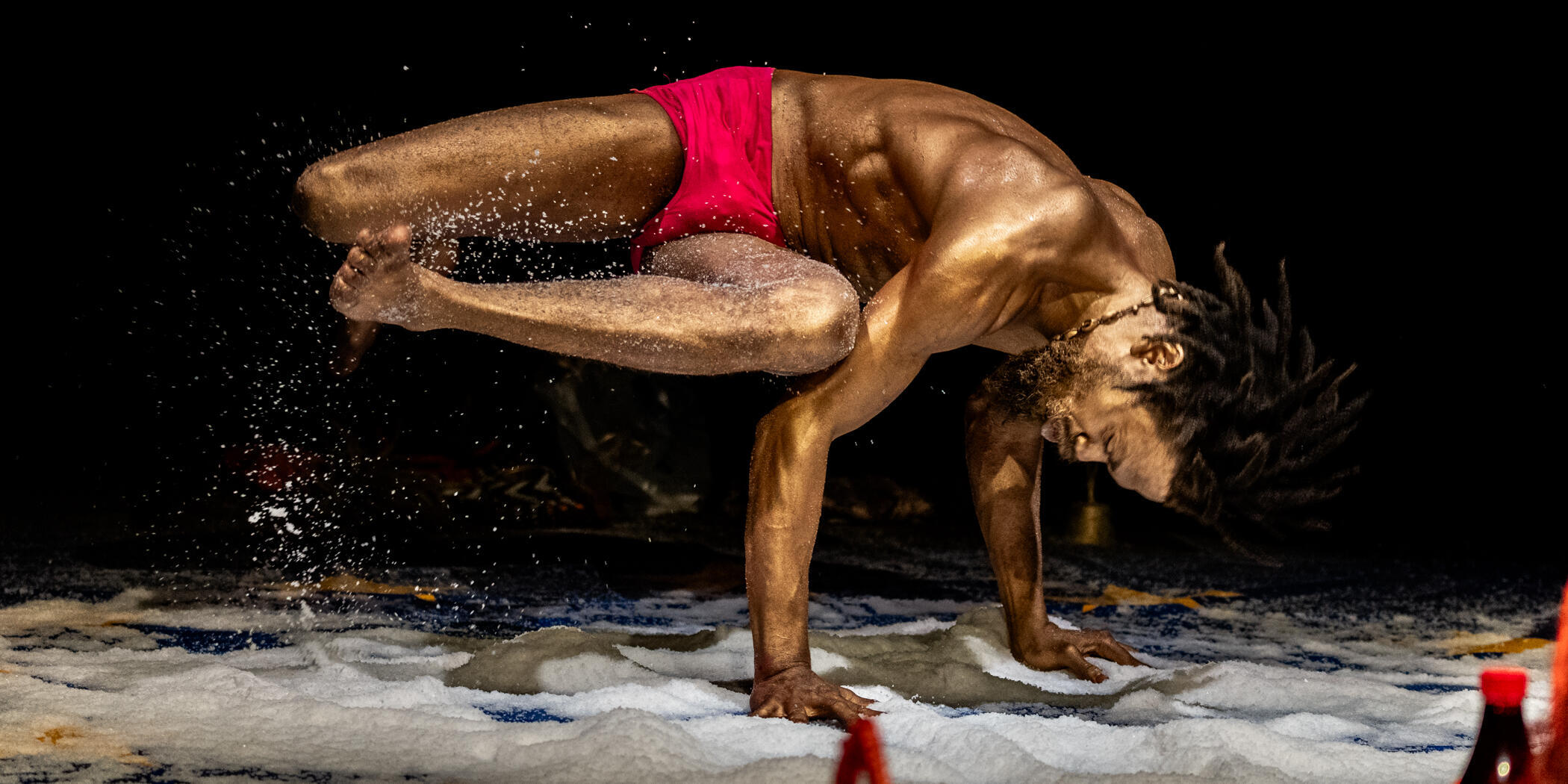
In October 2026, the new film work “UN SERPENT AU MUSÉE” by the Cameroonian performance artist and choreographer Zora Snake was created as part of the research project “PERFORM – Performing Provenance”. The artistic exploration is rooted in the former mission museum “Forum der Völker” in Werl, whose ethnographic collection of around 15,000 objects was transferred to the Landschaftsverband Westfalen-Lippe (LWL) in 2025. His artistic practice combines contemporary dance and performance with questions of cultural memory, resistance, and the continued impact of colonial power relations. The film work will be presented for the first time on 10 November 2026 as part of the symposium “TRANCEcolonial. Performing Provenance – Art, Memory and Colonial Resonances” at the LWL Museum of Art and Culture in Münster. 

| Events
© Hansgeorg Schöner (dasschöne.de), CC BY-SA 4.0

Conference: “Zugang gestalten! 2026: Geschichtspolitik und Erinnerung“

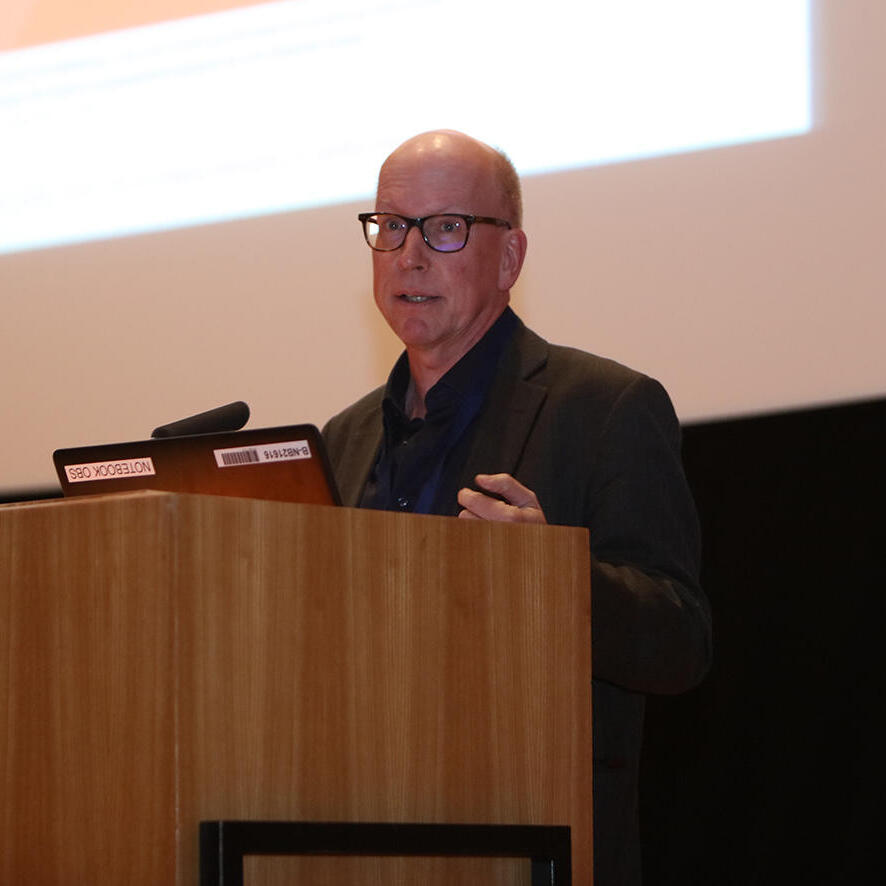
From 30 September 2026 to 2 October 2026, the conference “Zugang gestalten! Mehr Verantwortung für das kulturelle Erbe” 2026 took place at the Berlin State Library. The Centre for Advanced Study was one of the conference’s partners. Three members of the Centre for Advanced Study contributed to the event. The main topic of this year’s conference was “Geschichtspolitik und Erinnerung” (“Politics of History and Memory”): How do cultural heritage institutions deal with the records of the past? Do they use them to support specific perspectives on historical developments, or do they leave the assessment to users and, above all, facilitate access to the sources? Whilst museums, with their curated exhibitions, often adopt a more interpretative approach, archives and libraries traditionally see themselves as institutions that focus on providing access to their collections. However, this division of roles comes under pressure when it comes to a difficult legacy – such as racist or anti-Semitic records: archives face criticism when they appear to grant unfiltered access, whilst at the same time, interventions in cultural heritage institutions based on historical politics are the subject of heated debate. These issues also have a direct bearing on the legal framework within which cultural heritage institutions operate. Copyright law, in particular, has a decisive influence on which records of the past can be presented or made digitally accessible, and in what form. Reflection on such – unintended but de facto effective – effects of the law on the culture of memory and historical narratives has characterised this conference series from the outset and took once again centre stage in 2026.

| Videos & Events
© Hansgeorg Schöner (dasschöne.de), CC BY 4.0

Video: Lecture “Access Denied: Moralische Gründe für ein Recht auf Zugang und Zugangsbeschränkungen”

As part of the conference “Zugang gestalten! Mehr Verantwortung für das kulturelle Erbe” 2026 at the Berlin State Library, Dr. Eberhard Ortland, senior researcher at the Centre for Advanced Study, gave a lecture entitled “Access Denied: Moral Reasons for a Right of Access and Access Restrictions” on 30 September 2026 as part of the panel “Zugang zu Erinnerung: Recht, Moral und Verantwortung” (“Access to Memory: Law, Morality and Responsibility”).

| Transfer
© NRW AWK | Engel-Albustin 2025

Art vs. AI: Is an image without a camera still a photo?

AI-generated images pose a challenge; it is difficult to classify them: Is this art or manipulation? A look at the history of photography shows that controversies have always existed. Prof. Dr. Ursula Frohne, co-director of the Centre for Advanced Study, was interviewed by tagesschau.de on this topic (in German). From the early days of photography with Joseph Nicéphore Niépce (1826) and—in Germany – Franz von Kobell (1836)—through photomontages and manipulated photos in the 1990s – to Boris Eldagsen’s “promptography” in 2023, she provides an overview of the history of photography and what it can teach us – including in contrast to painting – about how to engage with AI-generated images.
 

| Events
© Universität Münster | Leonie Spielbrink

Sixth Summer School Museology: Curating Materialities

A week of research and teaching, learning and living in (the heart of) the museum: From 27 July to 1 August 2026, the Centre for Advanced Study “Access to Cultural Goods in Digital Change” and the Institute of Cultural Anthropology/European Ethnology of the University of Münster organised a one-week practical course on current topics and tasks of museums, in cooperation with the LWL-Museum Hellerlecht, Detmold, Westfälisches Landesmuseum für Kultur und Geschichte. Under the title “Curating Materialities”, participants gained in-depth insights into the museum as a field of practice, a place of research, a collecting and educational institution, and much more. The course was chaired by Prof. Dr. Lioba Keller-Drescher (Münster), Professor of European Ethnology and In-House Fellow of the Centre for Advanced Study, and International Guest Curator Hon.Prof. Dr. Birgit Johler (Vienna), Curator at the Heeresgeschichtliches Museum Wien, honorary professor of European Ethnology at the University of Vienna and Senior Fellow at the Centre for Advanced Study. Master’s students of cultural anthropology, history, art history and other courses in Faculty 8 (History/Philosophy) at the University of Münster were eligible to participate. The course was also open to Master’s students of museum-related subjects and doctoral students from other universities. The Summer School concluded with the exhibition “(Un-)vergessene Alltagsstars – 14 Objekte aus der Keramik-Sammlung des LWL-Museums Hellerlecht” (“(UN-)forgotten Everyday Stars – 14 Objects from the Ceramics Collection of the LWL Museum Hellerlecht”) .

| Transfer
© pixabay | jensphotography

Film Heritage at Risk

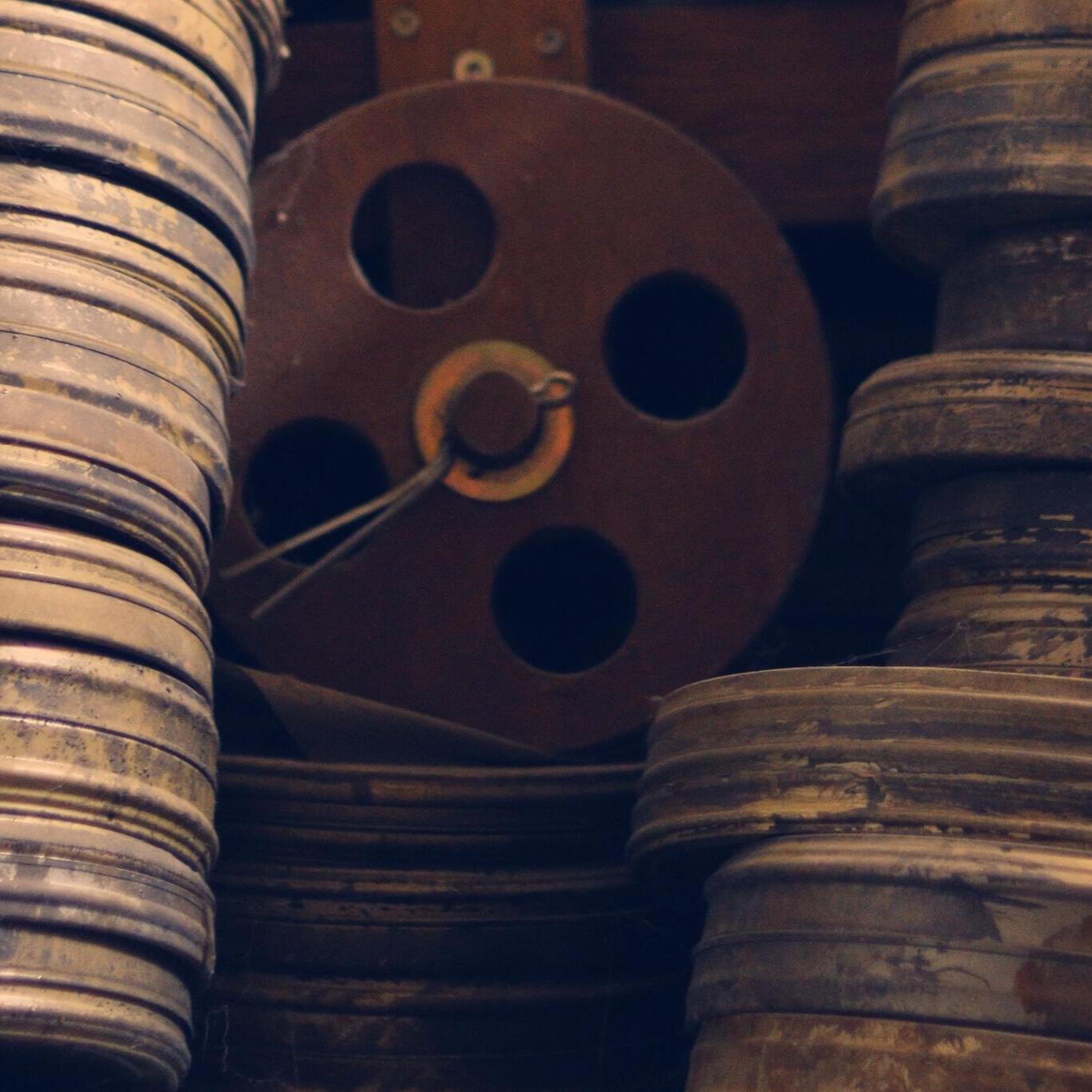
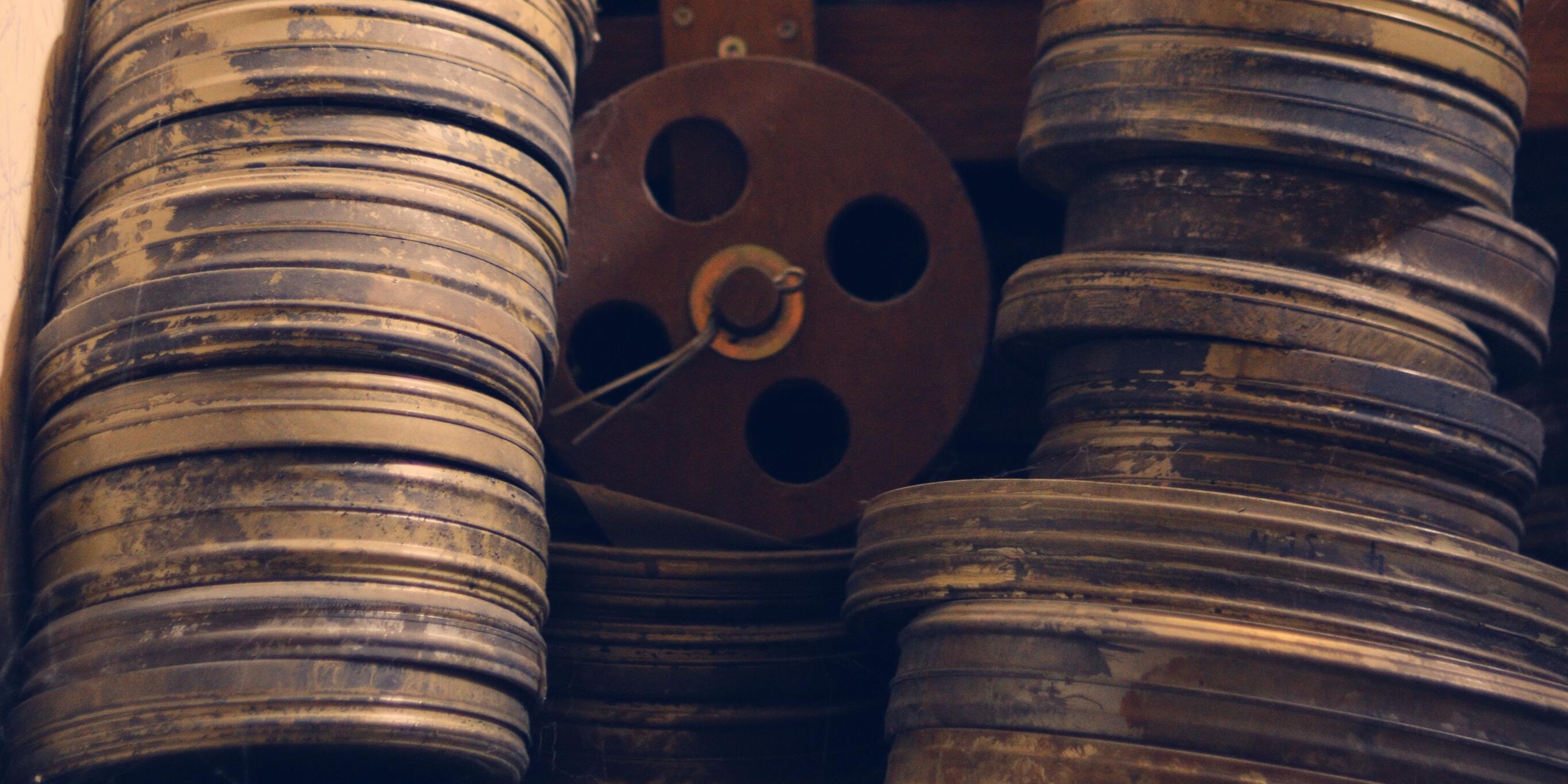
In the late 19th century, images became moving; the 20th century is the historical era that has been immortalised on film. Yet this immortality is not to last. The celluloid-based film stock used until 1950 was highly flammable and explosive. From the 1920s onwards, a material made of cellulose acetate – which is less flammable – was developed as “safety film”. Unfortunately, these films decompose into acetic acid in the presence of moisture. As a result, the moving-image information is irretrievably lost to future generations unless the films are transferred to a more stable material in good time. For economic reasons, and because cinemas have now switched to digital projection technology, digitisation is the only way to pass on the 20th-century film heritage to future generations and make it accessible to the present day. The problem has long been recognised by the institutions responsible for preserving the film heritage, and measures have been introduced to save at least that part of the film heritage considered representative or particularly valuable. However, the funding programme for the digitisation of the German film heritage, launched in 2019, has been drastically cut in recent years and is due to expire in 2028. It is therefore now crucial to find a new approach that extends beyond the duration of the scaled-back “Filmerbe” funding programme, as Rainer Rother, the former director of the Deutsche Kinemathek, writes in the FAZ of 13 July 2026: Rainer Rother: “Diese Bilder dürfen nicht verschwinden”, Frankfurter Allgemeine Zeitung Nr. 159.

| Events
© Corinna Belz

Film Screening: “In den Uffizien” – A documentary by Corinna Belz and Enrique Sánchez Lansch

On 1 June 2026, the documentary film “In den Uffizien” (“In the Uffizi”) by Corinna Belz and Enrique Sánchez Lansch was screened at the Schlosstheater Münster. The film presentation was part of the seminar “Die Ausstellung – ein Format im Wandel” (“The Exhibition – A Format in Transition”) held by Prof. Dr. Ursula Frohne (Co-Director of the Centre for Advanced Study), with the kind support of the filmclub münster as part of the annual theme “Grenzenlos” (“Beyond borders”). The film offers insights into curatorial practice by demonstrating how decisions – often in the form of small, inconspicuous interventions – open up and enable new perspectives on art. The film follows museum director Eike Schmidt, who has played a key role in shaping the Uffizi’s digital transformation, as he engages in discussions with artists, conservators and technical staff, and as he plans an exhibition of sculptures by Antony Gormley. The complex processes behind exhibitions offer a glimpse of how curatorial work extends beyond institutional, geographical and media boundaries. Following the film screening, there was talk with filmmaker Corinna Belz, chaired by Corinna Kühn and Berit Hummel.

| Events
© Anna Tumadóttir

UNESCO-Forum: “How can Equitable Access to Heritage help solve Global Challenges?”

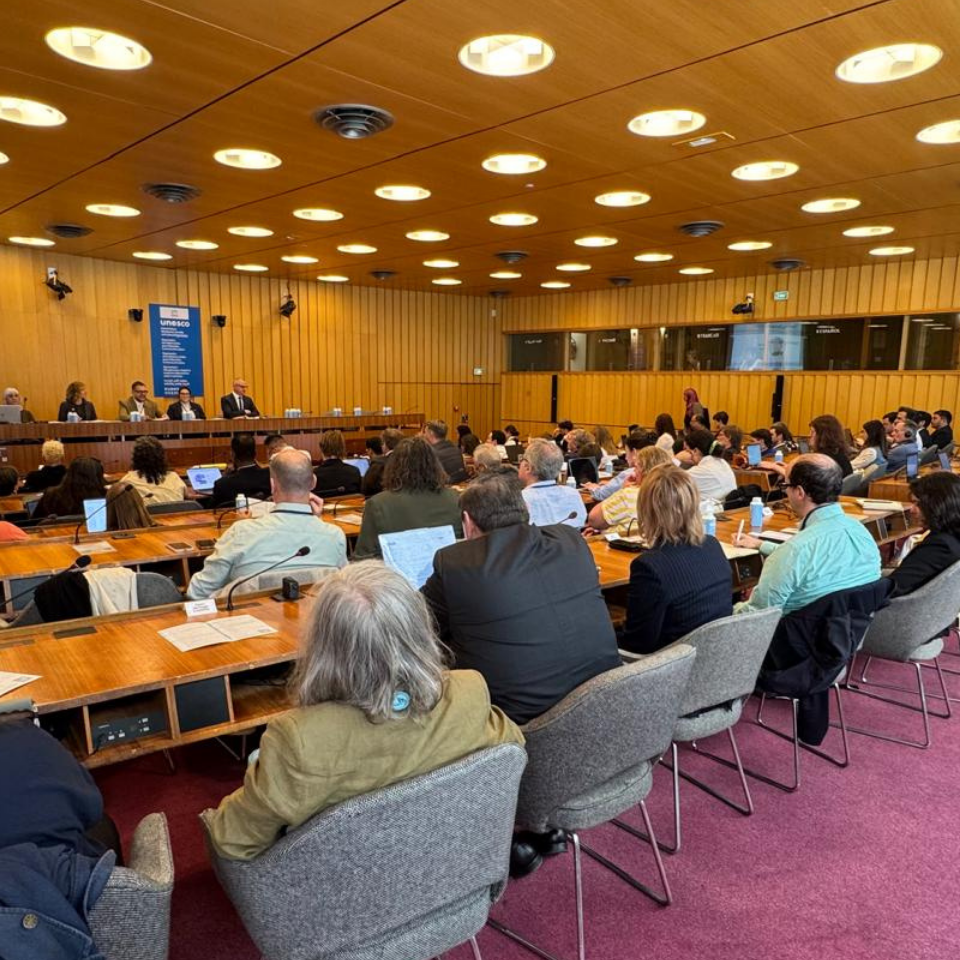
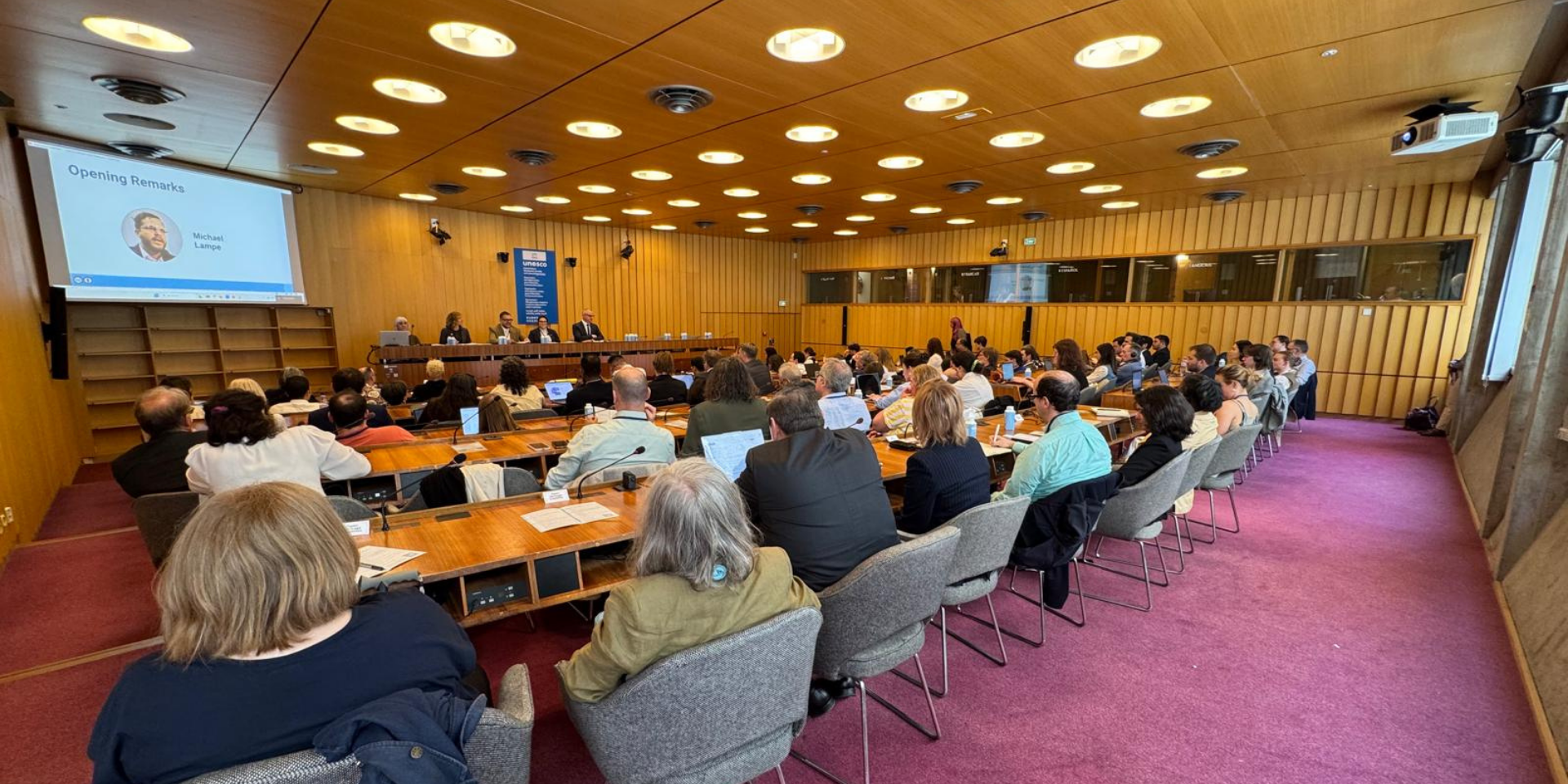
On 29 April, the UNESCO forum “How can Equitable Access to Heritage help solve Global Challenges? An Exploratory Dialogue” took place in Paris. The forum brought together over a hundred representatives from UNESCO, cultural institutions, the political sphere and civil society to advocate for fairer digital access to cultural heritage in the public domain. The central idea of the forum was that open access to cultural heritage can significantly advance UNESCO’s objectives in areas such as education, cultural diversity, social inclusion, climate action and ethical artificial intelligence, whilst existing barriers to access stand in the way of realising this potential. Participants emphasised that international cooperation and stronger political support are necessary to remove these obstacles and realise the right to participate in cultural life. Prof. Dr. Ruben Apressyan, a researcher of the Centre for Advanced Study “Access to Cultural Goods in Digital Change”, and Prof. Dr. Paul Klimpel, a Senior Fellow of the Centre for Advanced Study, also took part in the event and engaged in discussions with participants from around the world. Among other topics, informal discussions concerned Ruben Apressyan’s publication “Access to Cultural Goods in UNESCO Normative Documents” (Access Points #4), which had recently been published in the Centre’s series, Access Points.

| Events
© KFG 33

Research Retreat: “Enabling Knowledge: New Directions for Copyright and Library Law in Sri Lanka”

From 20 to 27 April 2026, the research retreat titled “Enabling Knowledge – New Directions for Copyright and Library Law in Sri Lanka” took place. It is part of the research project “Digital Access to Library Content – Legal Frameworks in Germany and Sri Lanka”, undertaken by the Centre for Advanced Study. The research retreat addressed the question how legal frameworks can be designed to meet the demands of digital transformation while sustainably promoting education, research, and the preservation of cultural heritage. Legal scholars, experts in political science and library and information science from Sri Lanka and Germany analyzed key structural deficiencies in Sri Lanka’s library and copyright system and developed suggestions for a new Library Act as well as for amendments to the copyright law of Sri Lanka (Sect. 12, Intellectual Property Act No. 36 of 2003) and an update of legal deposit rules that could contribute to improve the accessibility of cultural goods in digital media and learning environments. The research workshop demonstrated how legal reforms in the fields of knowledge, information, and culture are not merely technical adjustments but are deeply imbedded in social, institutional, and political structures. In the context of digital transformation, it becomes evident that future readiness depends not only on technological infrastructure but also, and crucially, on the quality and coherence of legal frameworks.

| Events
© Stefan Klatt

Conference: “Kulturelle Teilhabe im digitalen Wandel – Ethik, Ästhetik und Praxis des Zugangs zu kulturellen Gütern von Menschen mit Behinderungen”

How does digitalisation change cultural participation of people with disabilities? Does it open up new ways of access, forms of expression, and spaces for self-determination – or does it create new barriers, standardisations, and exclusions? From 18 to 20 March 2026, the conference “Kulturelle Teilhabe im digitalen Wandel – Ethik, Ästhetik und Praxis des Zugangs zu kulturellen Gütern von Menschen mit Behinderungen” (“Cultural participation in the digital transformation – ethics, aesthetics and practice of access to cultural goods for people with disabilities”, in German) adressed these questions from ethical, aesthetic and practical perspectives. It brought together scientific, artistic and activist forms of knowledge and creates space for dialogue, reflection and joint practice. The programme included lectures, artistic contributions and participatory formats on topics such as universal design, inclusive design, ethical, legal and political frameworks, and media and technology-related perspectives. The event was aimed at researchers, students, cultural professionals, people with disabilities, representatives from politics, administration and civil society, as well as the interested public.

| Podcasts
© Stefan Klatt

Podcast: “Digitalgespräch” with Prof. Dr. Reinold Schmücker

Prof. Dr. Reinold Schmücker, Director of the Centre for Advanced Study, is a guest at the podcast “Digitalgespräch” hosted by the Centre Responsible Digitality (ZEVEDI) at the Technical University of Darmstadt. He talks about digital access to cultural goods. Valuable works of art and historical documents are kept in secure locations that the general public can access only under certain conditions — if at all. If digital images capture what we consider essential about an object, it is often sufficient to view the copy. As is expected in democratic societies, access to these images should be as unobstructed as possible. Open access is the keyword here. Additionally, digital processing goes beyond mere reproduction, creating entirely new possibilities for access and potentially breaking down barriers to reception. However, digital reality also includes software, hardware, and license agreements, which are subject to historical developments, decay processes, and the power of private, global companies that operate according to their own rules. What does this mean for a contemporary sense of responsibility in the arts and culture sector?
| Events & Videos
© Anna Sokolova

Videos of the conference “Digital Curating: Ethics of Access and Sustainability”

Videos of the lectures of the international conference “Digital Curating: Ethics of Access and Sustainability” are online. The conference addressed changes in curatorial practices in the wake of digital transformation and the resulting ethical, ecological and social challenges. Experts from museums, universities and cultural institutions discussed how digital technologies are expanding access to cultural heritage, challenging existing hierarchies and enabling new forms of participatory knowledge production.

| Events
© Anna Sokolova

Conference: “Digital Curating: Ethics of Access and Sustainability”

From 4 to 6 March 2026, the international conference “Digital Curating: Ethics of Access and Sustainability” addressed changes in curatorial practices in the wake of digital transformation and the resulting ethical, ecological and social challenges. Experts from museums, universities and cultural institutions discussed how digital technologies are expanding access to cultural heritage, challenging existing hierarchies and enabling new forms of participatory knowledge production. The focus was on questions of authenticity, representation and responsibility in dealing with digital artefacts, reproductions and virtual spaces. The possibilities and risks of artificial intelligence for curatorial processes and the ecological impact of digital infrastructures also were addressed. The aim of the conference was to open up perspectives on sustainable and equitable cultural access in the digital age and to bring together the aesthetic, ethical and ecological dimensions of globally networked cultural practice.

| Transfer
© KFG 33

Photo Competition: Contribution of the Centre to the DFG calendar

The Centre for Advanced Study “Access to Cultural Goods in Digital Change” is one of the twelve winners of the DFG photo competition and features in the German Research Foundation’s 2026 photo calendar with the March image. On display are postcards by Kasper König. Kasper König was co-founder of Skulptur Projekte Münster and director of the Museum Ludwig in Cologne. Over the decades, he sent numerous collaged postcards, full of wit and with a clearly recognisable style, to artists, colleagues and companions. As testimonies to the networks on which curatorial practices are based, the cards point to biographical traces, hinting at relationships and personal as well as professional constellations. For the exhibition “Access to Curatorial Networks” organised by the Centre for Advanced Study, students have, for the first time, compiled postcard collections from several of König’s contacts, thereby revealing this informal communication system.

| Events
AI-generated image
AI-generated image

Wikipedia Edit-a-thon – Workshop in Kooperation mit dem ZKM Karlsruhe

The workshop “Wikipedia Edit-a-thon – Making Media Art Visible” took place from 27 February 2026 to 1 March 2026 at ZKM Karlsruhe. The workshop was a joint project of the Centre for Advanced Study “Access to Cultural Goods in Digital Change”, the Center for Art and Media | ZKM Karlsruhe, and Wikimedia Germany. Who decides which artists are seen – and which receive little attention? Social media plays a role, but the most important and reliable source of information on the internet remains Wikipedia. This is where knowledge is created that is read and used worldwide. At the second edit-a-thon at ZKM Karlsruhe, students could actively help to shape this knowledge and help to give media artists greater visibility online.

| Transfer
© Kunsthalle Osnabrück/Universität Osnabrück | Angela von Brill

Keynote speech at the themed day “Silent Monuments. Speaking Spirits” at the Kunsthalle Osnabrück

As part of the themed day “Stille Monumente. Sprechende Geister” (Silent Monuments. Speaking Spirits) at the Kunsthalle Osnabrück, Prof. Dr Ursula Frohne, co-director of the Centre for Advanced Study, delivered the keynote lecture entitled “Stille Monumente, neue Stimmen: Kunst im öffentlichen Raum zwischen Erinnerung, Archiv und Zukunft” (Silent Monuments, New Voices: Art in Public Space between Memory, Archive and the Future)”. The lecture examined contemporary artistic strategies in public space that challenge traditional notions of monumentality and develop new forms of remembrance work. The focus was on artistic positions that do not understand monuments as fixed historical entities, but as dynamic, processual structures linking the archive, the present and the future. It became clear how “silent” monuments can gain new voices through performative, media-based or participatory interventions – particularly within the tension between politics of memory, visibility and social negotiation. Furthermore, the symposium explored how digital archives, networked visual practices and hybrid publics are shifting the conditions of access, reception and cultural participation. Art in public space thus emerges as a field in which analogue cultures of remembrance and digital knowledge circulation are increasingly intertwined.

| Publications
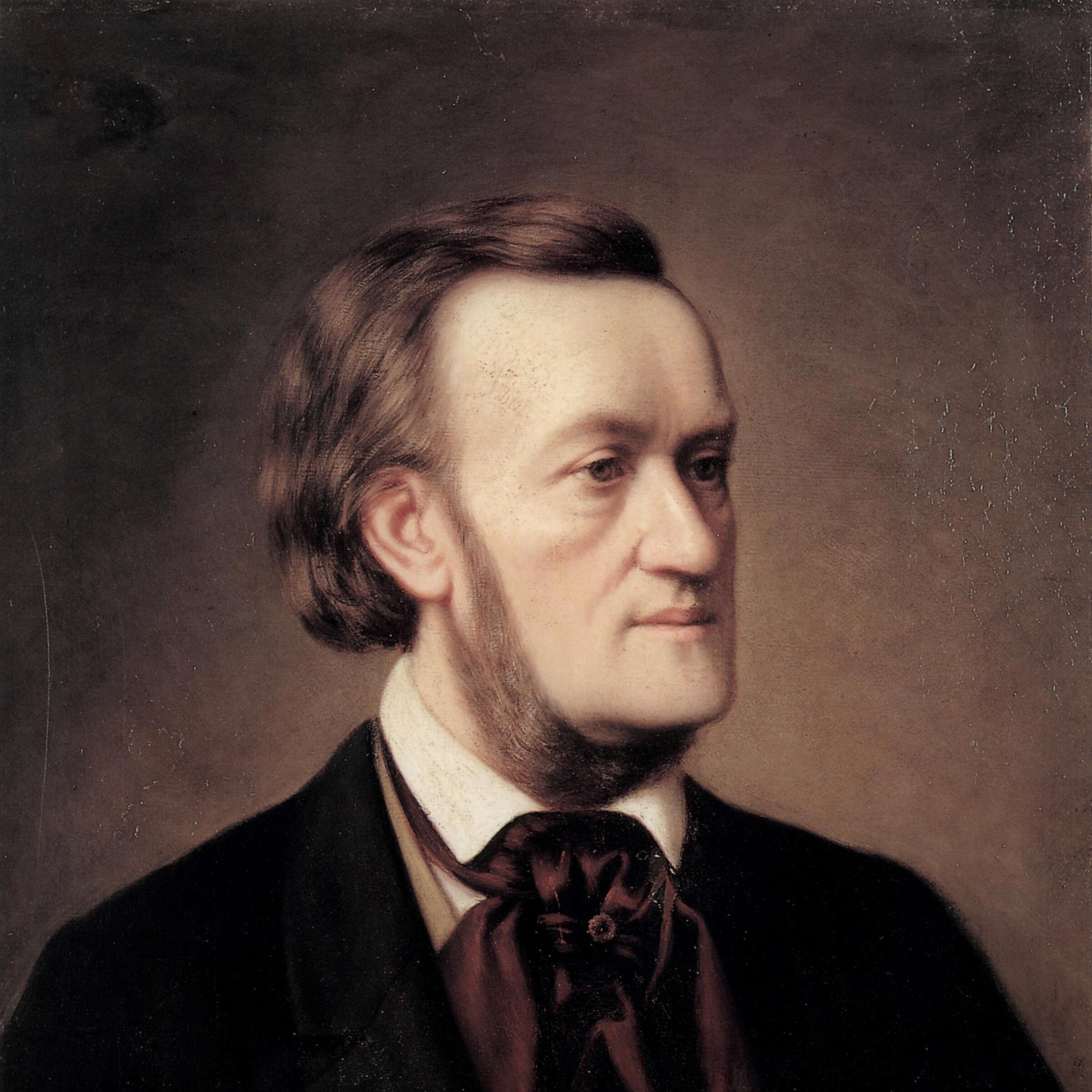
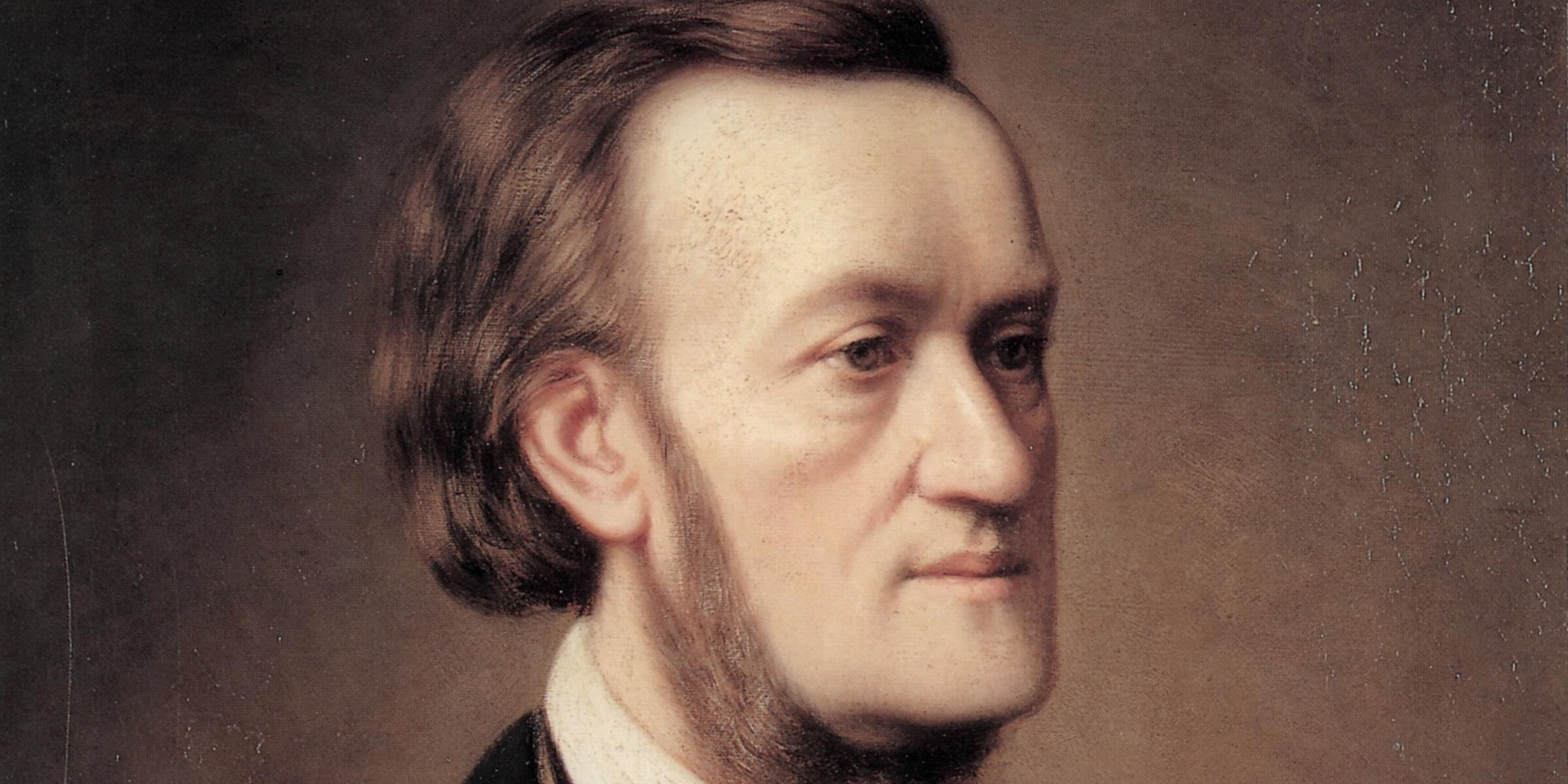
© Abbildung: gemeinfrei (Cäsar Willich: Richard Wagner, ca. 1862)

Access Points #3 published: “Abbildungen in der Kunstwissenschaft. Eine kleine Rechtsfibel“

Volume 3 of the Access Points series, “Abbildungen in der Kunstwissenschaft. Eine kleine Rechtsfibel”, has been published. Uncertainties about image rights and licenses often impede or obstruct art historical publication projects. This primer by Paul Klimpel on the use of illustrations in art history explains how most images can be reproduced in scholarly publications without costly licenses. Based on German copyright law and other relevant areas of law, the concise textbook explains exclusive rights and their limitations and exceptions, the public domain status of most classical works and their reproductions, as well as the right to quote, which is crucial in an academic context.

| Events
AI-generated image

Conference: “Strukturwandel des Publikums? Konsequenzen des digitalen Wandels für den Zugang zum Theater”

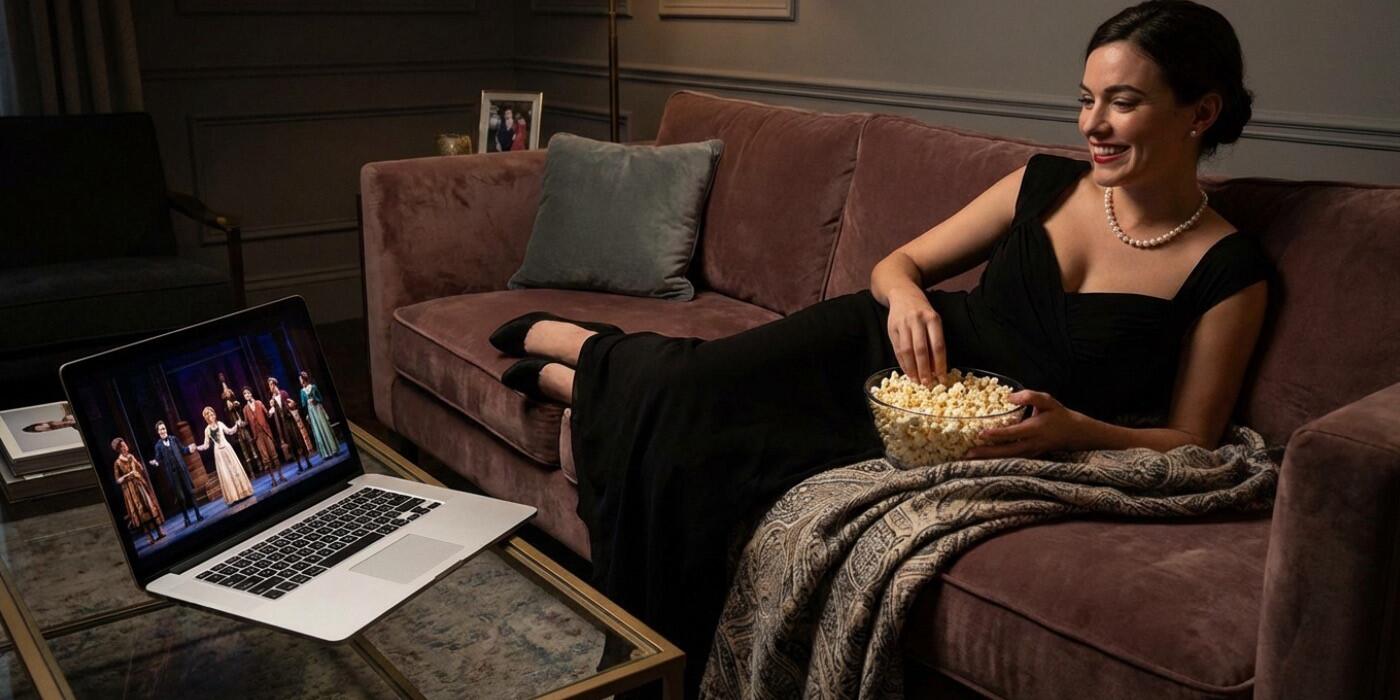
The conference “Strukturwandel des Publikums? Konsequenzen des digitalen Wandels für den Zugang zum Theater” (“Structural transformation of the audience? Consequences of digital change for access to theatre”, in German) from 5 to 7 February 2026 focused on the transformation of theatre in the present day. Audiences and performers no longer always share the same physical space; immediate co-presence is being transformed by digital formats. Theatre streaming, hybrid performances, immersive spaces and interactive performances are changing the relationship between stage and audience and also raise the question who makes theatre – and for whom. How is digital transformation changing the conditions of access to theatre, opening up new opportunities for participation and posing potential challenges? How are the aesthetics and social functions of theatre changing, and what are the consequences for the relationship between stage and audience? Does theatre still represent an independent art form alongside film and gaming?

| Videos
© Universität Münster | Stefan Klatt

Video: Lecture „Mastering the Art of Systematic Literature Review"

On 22 January 2026, Prof. Dr. Nosheen Fatima Warraich, Senior Fellow of the Centre for Advanced Study and Professor at the Institute of Information Management, University of the Punjab in Lahore (Pakistan), gave a lecture for students on the topic of “Mastering the Art of Systematic Literature Review – Techniques, Tools, and Best Practices” at the University Library of FernUniversität Hagen. The lecture is available as a video.
 

| Podcast
© pixabay/wokandapix

Podcast: „RadiHum“ with Prof. Dr. Ursula Frohne and Prof. Dr. Reinold Schmücker

Prof. Dr. Ursula Frohne and Prof. Dr. Reinold Schmücker, the directors of the Centre for Advanced Study, are guests on the “RadiHum – Digital Humanities Podcast” (in German). As part of the series “Barriers, obstacles and opportunities for participation in the digital humanities”, they talk about the topic of “Access to cultural goods in the digital sphere”. The discussion focuses on so-called second-order access conditions (such as proprietary software, license conditions, or infrastructural decisions made by large companies) security and authenticity in the digital space, digital barrier poverty, and case studies on human rights and ethical aspects. From minute 33:33, listeners learn more about the everyday work of the Centre for Advanced Study “Access to Cultural Goods in Digital Change”.

| Events
© Hansgeorg Schöner (dasschöne.de), CC BY 4.0

Conference: “Zugang gestalten! 2025: Künstliche Intelligenz”

The “Zugang gestalten! Mehr Verantwortung für das kulturelle Erbe” 2025 conference took place from 22 to 24 October 2025 at the Deutsche Nationalbibliothek in Leipzig, focusing on the topic of “Artificial Intelligence”. The conference primarily addressed the changing nature of access to cultural heritage as a result of artificial intelligence. The conference examined the social, political and legal implications of artificial intelligence for access to cultural heritage. Discussions centred on whether and to what extent digitised collections could be used as training data for AI models, and who should decide on this. The opportunities and risks posed by AI in the recording, cataloguing, indexing and discoverability of cultural collections were also addressed. Another key focus was on the impact of AI on art and on new production processes, as well as their significance for long-term archiving. Ethical issues relating to artificial intelligence were also discussed.

| Events
© H. Wiedemann, S. Rittmeier, S. Hopkins

Workshop: “Digital Restitution: Bridging Access, Conservation, and Ethical Challenges”

From 3 to 5 September 2025, the Centre for Advanced Study held a workshop entitled “Digital Restitution: Bridging Access, Conservation, and Ethical Challenges.” The workshop engaged in rethinking restitution in the digital age—where heritage, ethics, technology, and sustainability converge to shape the future of cultural preservation. It brought together scholars, museum professionals, heritage practitioners, and digital technologists to participate in this interdisciplinary discourse on digital heritage preservation and the ethical dimensions of cultural digitization in the field of restitution policies.

| Events
© Natascha Unkart

Fifth Summer School Museology

A week of researching and teaching, learning and living in (the middle of) the museum: from 21 to 26 July 2025, the Institute of Cultural Anthropology/European Ethnology organized a one-week practical course on current topics and tasks of museums together with the LWL Open-Air Museum Detmold (“Westfälisches Landesmuseum für Alltagskultur”) and the Centre for Advanced Study “Access to Cultural Goods in Digital Change”. Participants gained in-depth insights into the museum as a field of practice, as a place of research, as a collection and educational institution and much more. The Summer School was headed by Prof. Dr. Lioba Keller-Drescher, In-House Fellow of the Centre for Advanced Study. Guest curator was Hon.-Prof. Dr. Birgit Johler, Senior Fellow of the Centre for Advanced Study.

| Exhibitions
© Universität Münster | Stefan Klatt

Exhibition: “Re:Set: From Slide to Database – Media Change in Art History”

From 3 July to 5 September 2025, the Centre for Advanced Study presented the exhibition “case study #2: Re:Set: From Slide to Database – Media Change in Art History” – an exhibition by students of the Institute of Art History. It took media change in art history as its starting point to illuminate the historical, aesthetic, and epistemological dimensions of art-historical image practices. Among other things, poster presentations and an installation by artist Dr. Philipp Goldbach featuring historical glass slides were on display. On 27 August 2025, Georg Imdahl reported on the exhibition in the arts section of the Frankfurter Allgemeine Zeitung under the headline “Glass behind glass – students in Münster exhibit the tools that art historians used to learn to see”.

| Exhibitions
© Universität Münster | Stefan Klatt

Digital Exhibition: “Access to curatorial networks – Postcards by Kasper König”

The digital exhibition “Access to curatorial networks – Postcards by Kasper König” makes a selection of collaged cards – which were exhibited as part of ‘case study #1’ from 26 May to 22 June 2025 in the library foyer of the Philosophikum – now also digital accessible. These cards were sent by Kasper König (1943–2024), curator, co-founder and long-time artistic director of Skulptur Projekte Münster and director of the Museum Ludwig, over the course of decades to artists, colleagues and companions. In the digital exhibition view, you can not only flip the cards by simply clicking on them; transcriptions and a full-screen mode—which allows you to circle through and view each card in detail from different angles—are also accessible via the buttons superimposed on each card.

| Exhibitions
© Universität Münster | Stefan Klatt

Exhibition: “Access to curatorial networks – Postcards by Kasper König”

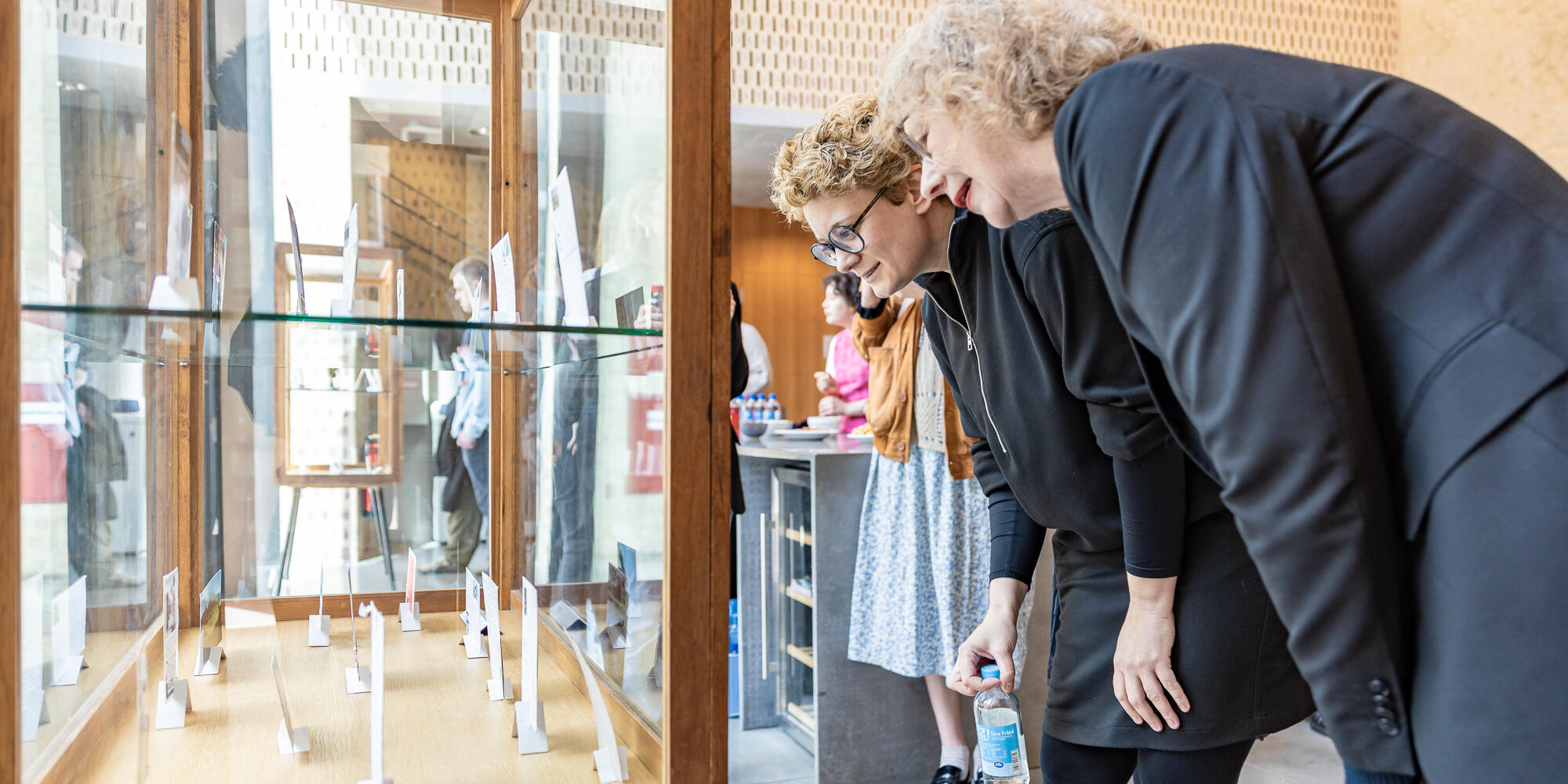
From 26 May to 22 June 2025 the exhibition “case study #1: Access to Curatorial Networks – Postcards from Kasper König” was presented by the Centre for Advanced Study. The exhibition was designed by students of the colloquium course taught by Ursula Frohne and Berit Hummel. It featured collaged cards that Kasper König (1943–2024), co-founder and long-time artistic director of Skulptur Projekte Münster and director of the Museum Ludwig, sent to artists, colleagues and companions. The personal messages are a unique testimony to his curatorial practice.

| Events
© Nii Kwate Owoo & Arsenal (Nii Kwate Owoo, YOU HIDE ME, 1970)

Film series: “Access and Return: Restitution in films”

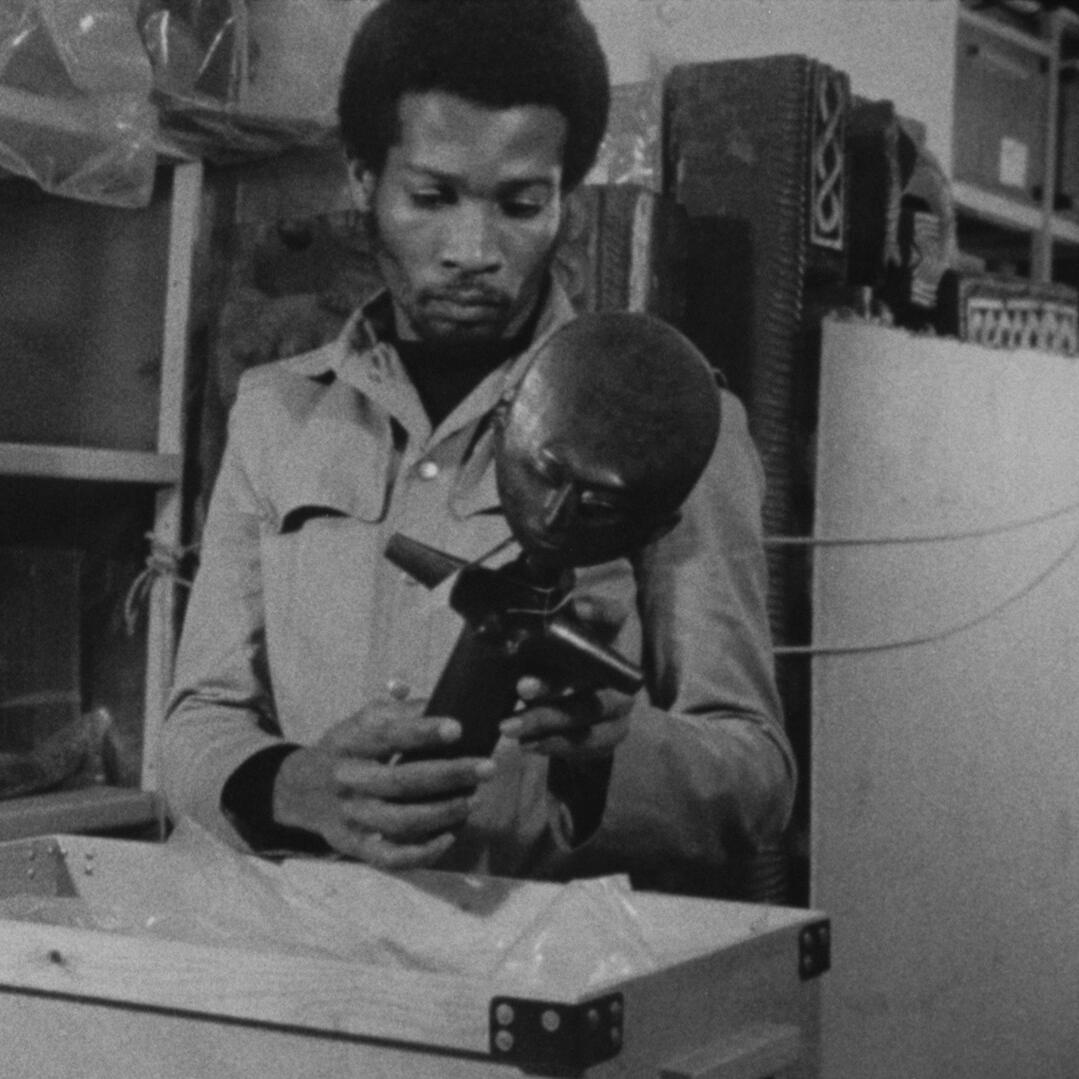
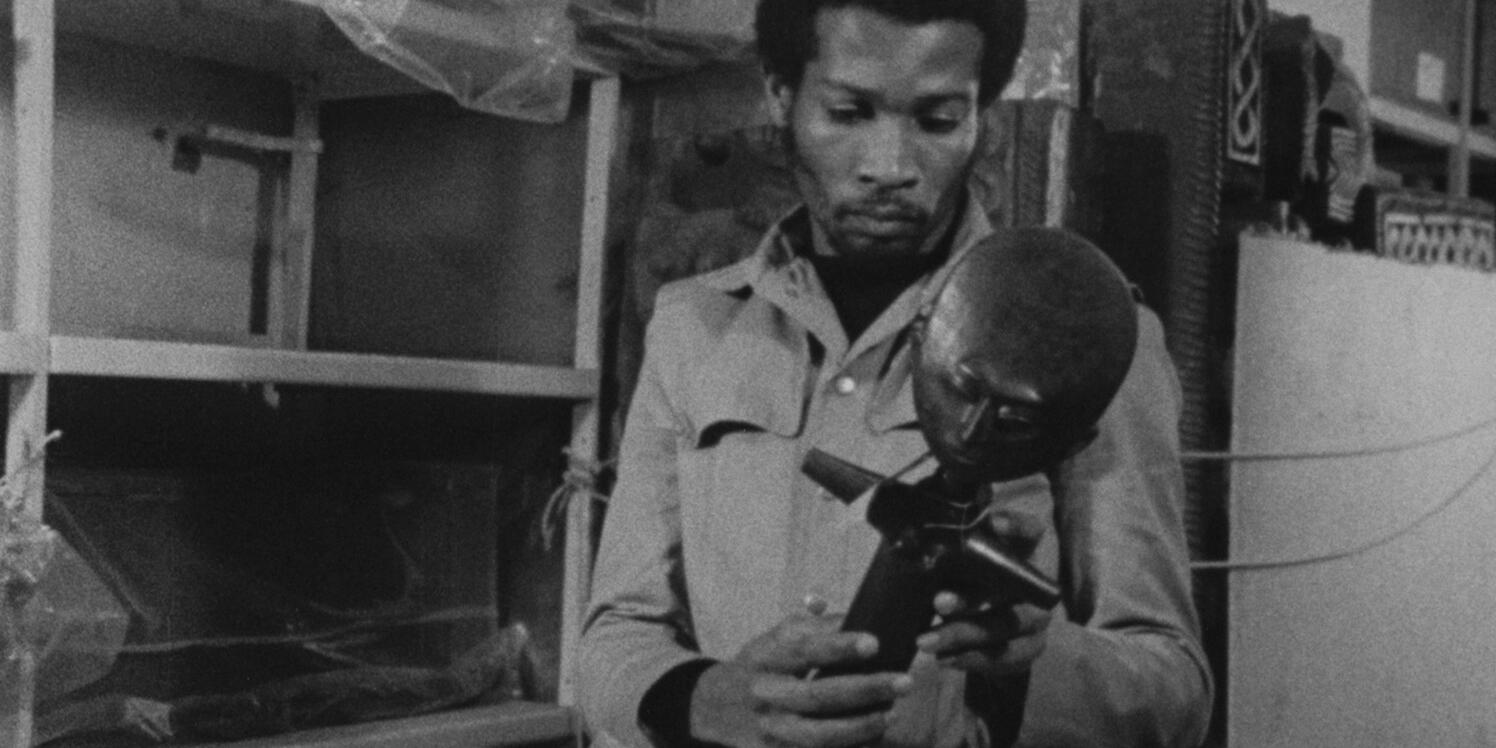
What does it mean when a piece of history is missing and cultural identity has been stolen? The film series “Access and Return: Restitution in films” investigated the struggle for cultural self-determination, dealing with continuing colonial power relations and the question of what restitution means and can mean today, focusing on “Restitution as an Act of Recognition” (17 June 2025), “Counter Voices and Rhythms of Resistance” (24 June 2025) and “Reparative Practices of Remembrance” (1 July 2025). It aimed to look at where objects are absent – and thus understand restitution not only as a gesture of reparation, but also as a social challenge. The film series was a cooperation with the LWL-Museum für Kunst und Kultur.

| Veranstaltungen
© Kunsthaus Dahlem | Yevheniia Havrylenko

Panel Discussion with Fellow Josina Dehn at Kunsthaus Dahlem

Josina Dehn, Junior Fellow of the Centre for Advanced Study, was a panel guest at the “Lunch Talk: Rethinking Curatorial and Museum Approaches: Current Challenges” at Kunsthaus Dahlem on 15 June 2025. Together with María Fernanda López-Canaán (moderator and translator), Izaira López Sánchez, and Philine Pahnke (from left to right), she discussed current curatorial challenges in museums. The event took place as part of the Kunsthaus Dahlem's anniversary festival “10 YEARS – 10 DAYS!” and was a collaboration with “ARENET – The Americas Research Network.”


| Podcasts
© Universität Münster | Stefan Klatt

Podcast: “Digitalgespräch” with Dr. Thomas Kater

Dr. Thomas Kater, Senior Fellow at the Centre for Advanced Study, is a guest at the podcast “Digitalgespräch” hosted by the Centre Responsible Digitality (ZEVEDI) at the Technical University of Darmstadt. He talks about his research topic “Simplifying literature – with AI? Digitality and cultural participation.” Access to cultural goods and works of art should be open to as many people as possible. “Access” here means both the sensory experience of essential aspects of the work and the opportunity to understand what one is confronted with. In the case of literature, however, sophisticated written language is a barrier for many people. Should we intervene here by changing the literary works themselves—perhaps even using AI? A passionate debate has arisen around the approach of radically simplifying literature, which Thomas Kater gives an overview of.

| Events
© Universität Münster | Stefan Klatt

“Strukturprobleme des digitalen kulturellen Gedächtnisses – am Beispiel des neuen niedersächsischen Pflichtexemplargesetzes”

On 19 May 2025, Prof. Dr. Eric Steinhauer (Hagen) held a lecture on the topic “Structural problems of digital cultural memory – using the example of the new law on deposit copies in Lower Saxony” (in German). In his lecture he dealt with the question of how digital publications, and especially online publications, can be permanently archived and made accessible. Based on the recently passed law from Lower Saxony, the challenges for the digital collection obligation of libraries were highlighted; in a broader sense the focus was on the tensions between the cultural obligation to preserve, legal control and digital transience.

| Events
© Universität Münster | Nora Kluck

Guided Tour “Art on the Campus”

On 13 May 2025, the “Art on the Campus” tour took place for members of the Centre for Advanced Study. Dr. Eckhard Kluth, head of “Zentrale Kustodie & Kulturbüro” at the University of Münster, provided an insight into the works of art on the Old Town Campus. In everyday university life, we encounter works of art on a daily basis. Contemporary artworks were created, for example, as art in architecture or as part of the “Skulptur Projekte” exhibitions. This has resulted in a heterogeneous collection of artworks that is constantly challenged by everyday life as “art on the campus”. When encountering the various works, questions of access, participation, and use in the analogue world also become relevant.

| Events
© „Whose Expression? Die Künstler der Brücke im kolonialen Kontext“, Brücke-Museum, 2021. Foto: Roman März

Master class “Access to Contested Collections – Digital and Analog”

The Center for Advanced Study Access to Cultural Goods in Digital Change’s master class “Zugang zu sensiblen Sammlungen – digital und analog” (“Access to Contested Collections – Digital and Analog”) took place on 2–4 April 2025. Master’s and doctoral students, postdocs, and research trainees working at museums or art institutions who are engaged with collections with colonial backgrounds or artworks and artifacts with sensitive content were invited. The masterclass offered them the opportunity to discuss, together with colleagues from museums and art institutions in an interdisciplinary environment, which new perspectives or challenges arise from digital access to contested collections.

| Events
© Lioba Keller-Drescher

Conference “Zugänge zum Textilen”

The conference “Zugänge zum Textilen. Wissenschaftliche, kuratorische und digitale Perspektiven.” (Approaches to Textiles. Scholarly, Curatorial and Digital Perspectives. Conference of the Commission for Material Culture and Museum in the DGEKW, Deutsche Gesellschaft für Empirische Kulturwissenschaft e. V.) took place from 11 to 12 November 2024 at the Erbdrostenhof in Münster (in German). Among other topics, it addressed the following questions: How can access to textile collection areas be regained or re-established, and what role can digitization play in the scientific and curatorial re-examination? How does digitality change access to textiles? The conference was organised by Prof. Dr. Lioba Keller-Drescher (Institute for Cultural Anthropology/European Ethnology, In-House Fellow at the Centre for Advanced Study “Access to Cultural Goods in Digital Change”) and Dr. Kirsten Bernhardt (LWL-Museumsamt für Westfalen, Münster).

| Events
© Hansgeorg Schöner (dasschöne.de), CC BY-SA 4.0 (Foto der Tagung "Zugang gestalten 2024")

Vortrag bei „Zugang gestalten! Mehr Verantwortung für das kulturelle Erbe“ 2024

On 25 October 2024, Dr. Eberhard Ortland, a senior researcher at the Centre for Advanced Study, gave a talk at the 14th edition of the conference series “Zugang gestalten! Mehr Verantwortung für das kulturelle Erbe” (“Shaping Access! Greater Responsibility for Cultural Heritage”) 2024, which focused on the topic of “Das Erbe antreten” (“Inheriting the Legacy”). At the Literaturhaus Stuttgart, Eberhard Ortland spoke on the panel “Kulturerbe global” (“Global Cultural Heritage”) on the topic “Keramische Kopien berühmter Bilder im ‘Garden of Fine Art’ in Kyoto” (“Ceramic replicas of famous paintings in the ‘Garden of Fine Art’ in Kyoto”).

| Events
© Natascha Unkart

Fourth Summer School Museology

A week of researching and teaching, learning and living in (the middle of) the museum: from 22 to 27 July 2024, the Institute of Cultural Anthropology/European Ethnology organized a one-week practical course on current topics and tasks of museums together with the LWL Open-Air Museum Detmold (“Westfälisches Landesmuseum für Alltagskultur”). Participants gained in-depth insights into the museum as a field of practice, as a place of research, as a collection and educational institution and much more. It was headed by Prof. Dr Lioba Keller-Drescher, In-House Fellow of the Centre for Advanced Study. Guest curator was Dr. Birgit Johler, Senior Fellow of the Centre for Advanced Study.

| Events
© Universität Münster | Daniel Schlageter

Research Retreat: “Access to cultural heritage: (Legal) reasons for barriers to access — (legal) solutions?”

From 7 to 10 June 2024, the Research Retreat “Zugang zu kulturellen Gütern: (Rechtliche) Gründe für Zugangshindernisse — (rechtliche) Lösungsmöglichkeiten?” (“Access to cultural heritage: (Legal) reasons for barriers to access — (legal) solutions?”) took place in Gerswalde (Uckermark). The Research Retreat was organised in collaboration with the “Zentrum für Legistik” project of the Federal Ministry of Justice. The Research Retreat analysed a range of access conflicts and barriers to access in various case scenarios. In addition to the legal provisions directly justifying restrictions on access to certain objects, information or representations, the Research Retreat also examined procedural rules and provisions of liability law which, in some cases, make the risk of granting access to objects – even if only potentially – protected by rights seem unacceptable to the responsible parties. Building on the analysis of access conflicts, various approaches were discussed that could help to reduce or avoid restrictions on access that appear to be avoidable.

| Exhibitions & Videos
© Universität Münster | Stefan Klatt

“Where the plastics live”: Video about the exhibition online

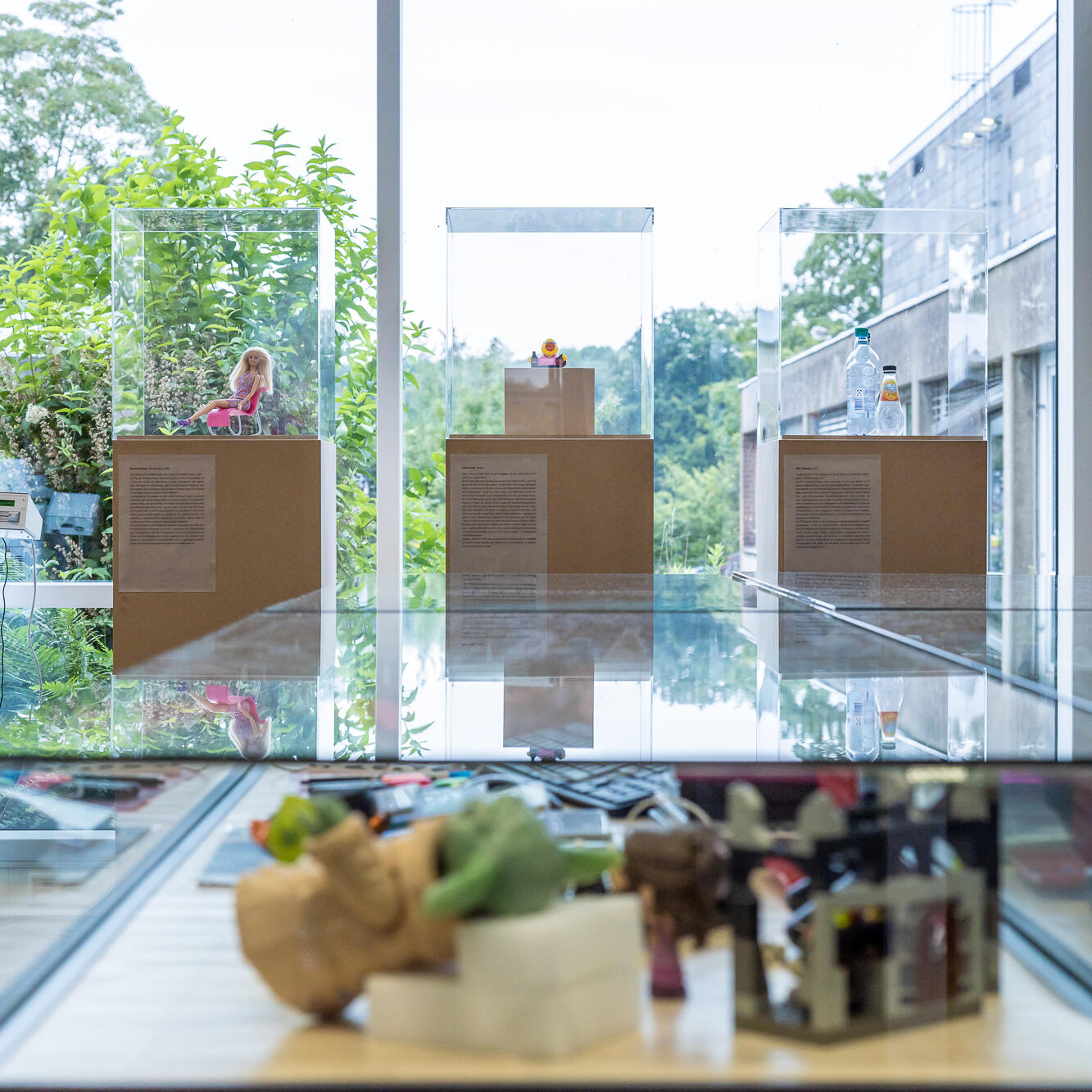
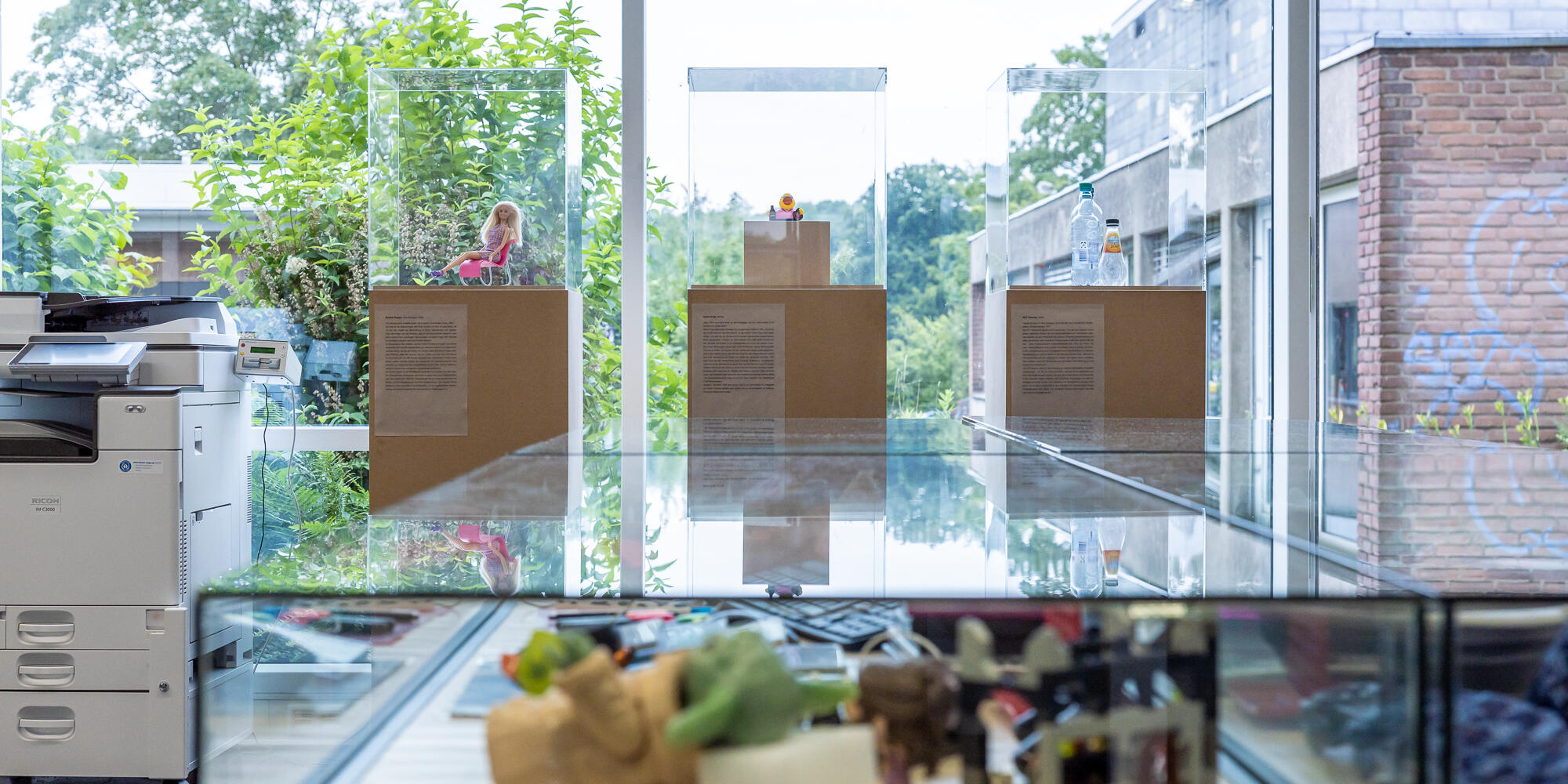
In the winter semester 2023/24 the study project “Kunststoffalltage” of the Institute of Cultural Anthropology/European Ethnology presented its results with an exhibition. Plastic artefacts were presented as “roommates” of student daily life: Objects such as remote controls and toothbrush mugs were used to interpret the everyday dimensions of plastic use. The project was directed by Prof. Dr. Lioba Keller-Drescher, Professor for European Ethnology and in-house fellow of the Centre for Advanced Study. This video provides an insight into the exhibition.

Further information on the exhibition can be found on the homepage of the Institute of Cultural Anthropology/European Ethnology.

| Videos
© Universität Münster | Stefan Klatt

Short video on the „Reclining Pan“

Jon Wiggermann, student of art history and philosophy, explains the special features of Oliver Laric’s “Reclining Pan” in the video – and what questions the artwork raises. From 4 to 30 October 2023, Oliver Laric’s sculpture “Reclining Pan” was on display at the Archaeological Museum of Münster University. The exhibition was a cooperation between the Centre for Advanced Study and the museum on the occasion of the conference „Zugang gestalten! Hindernisse überwinden“.

| Events & Videos
© Foto: Hansgeorg Schöner | Video: Stefan Klatt

Video: Vortrag “Zugang und Kontrollverlust – Die neuen Abhängigkeiten im Zeitalter von KI”

Digitization is accompanied by a loss of control and authority of interpretation for established cultural heritage institutions, but at the same time it also offers new opportunities for participation. How can this opportunity be used and at the same time prevent the spread of “powerful lies”? The lecture “Access and loss of control – The new dependencies in the age of AI” by cultural studies expert Dr. Michael Seemann as part of the “Zugang gestalten!” conference is available as a video here.

| Events
© Hansgeog Schöner (dasschöne.de), CC BY-SA 4.0

Conference „Zugang gestalten!“

From 4 to 6 October 2023, the Centre for Advanced Study “Access to Cultural Goods in Digtal Change” hosted the conference “Zugang gestalten! Mehr Verantwortung für das kulturelle Erbe”. The 13th edition of the conference series was dedicated to the topic “Hindernisse überwinden (Overcoming Obstacles)”: What prevents the digitization of cultural heritage, what hinders accessibility? More than 50 speakers contributed their expertise both in lectures and in parallel working groups. Director of the conference series is Prof. Dr. Paul Klimpel, who is fellow at the centre in 2023.

The event was streamed live. You can find the recording of the livestream here:

| Exhibitions & Events
© Universität Münster | Stefan Klatt

Oliver Laric – “Reclining Pan”: Exhibition and Lectures

From 4 to 30 October 2023, Oliver Laric’s sculpture “Reclining Pan” was on display at the Archaeological Museum of Münster University. The exhibition was a cooperation between the Centre for Advanced Study and the museum on the occasion of the conference „Zugang gestalten! Hindernisse überwinden“. Based on the idea of scanning and digitisation, Oliver Laric measures archaeological finds such as sculptures and reliefs and transfers the 3D data into a digital archive, thus providing the opportunity to participate in the production, dissemination and interpretation of his works.