Access to Cultural Goods in Digital Change
Access to cultural goods is an essential prerequisite for exercising the human right to cultural participation (Art. 27 of the Universal Declaration of Human Rights). Cultural goods relevant in this context include all artifacts that serve to convey information or to articulate and further develop a culture’s understanding of the world and itself: works of art, holdings of archives, collections and museums, publications of the results of scientific research, and much more.
The digital change has fundamentally changed the possibilities and conditions of this kind of access to cultural goods. It opens up new ways of access that respond to a diversity of needs, making cultural participation easier for many people. At the same time, it gives rise to new forms of restricted access, control and dependency – to the extent that content previously freely accessible is once again disappearing behind access barriers due to the data scraping for the training of generative artificial intelligence. Furthermore, it ties the production and reception of cultural goods to technological prerequisites that can be described as second-order access conditions.
The Centre for Advanced Study is investigating this ambivalent development primarily, though not exclusively, using the example of art – from art-historical, curatorial and ethical perspectives. Since 2023, fellows and guest lecturers from 27 countries have contributed to this work together with the members in Münster.
The research programme sets out the guiding questions and the approach of the Centre for Advanced Study. These questions are addressed in an interdisciplinary manner across fourteen aspects of analysis. The sections Publications and Lectures document the outcomes of this work.
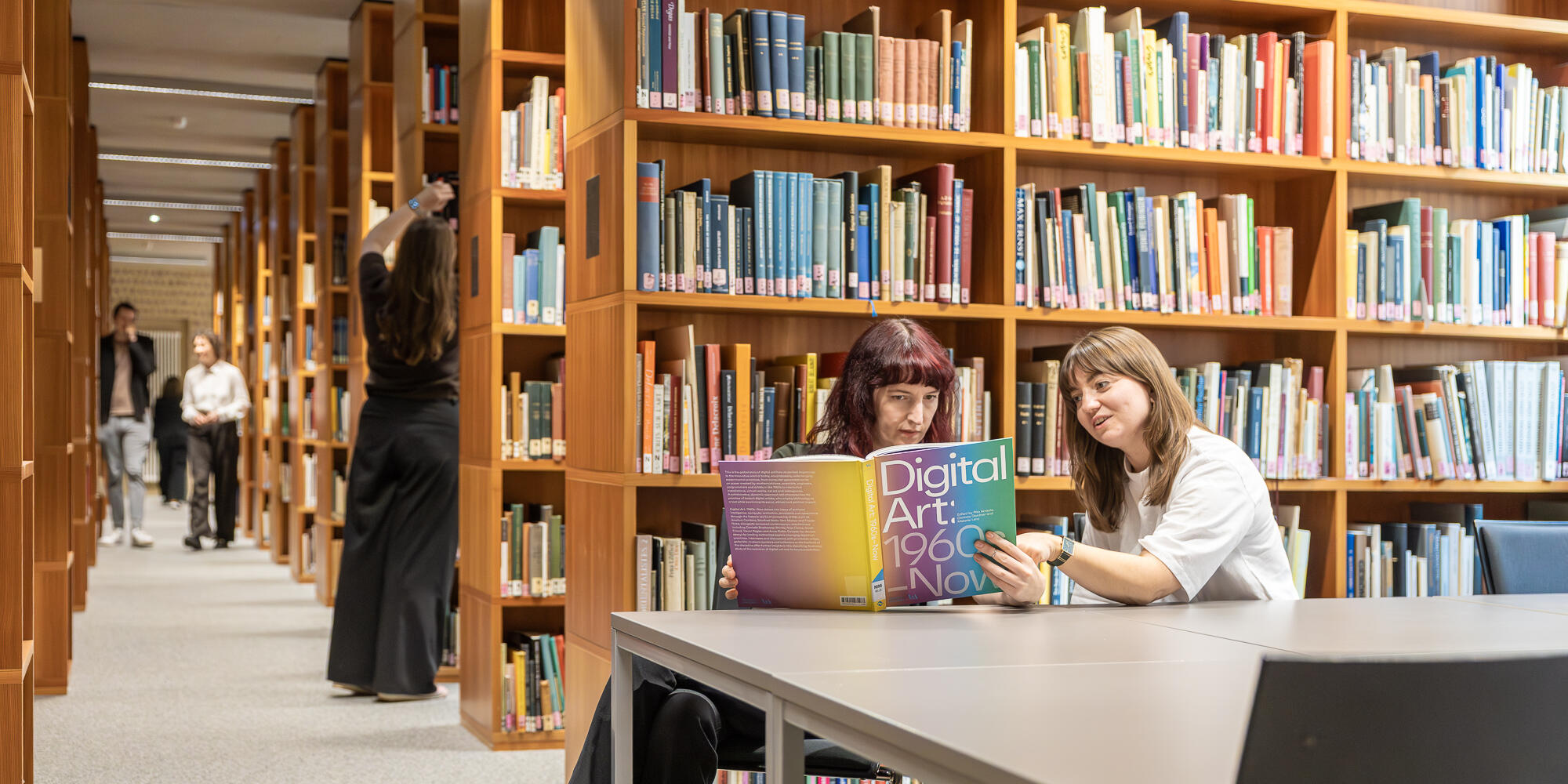
Research Programme
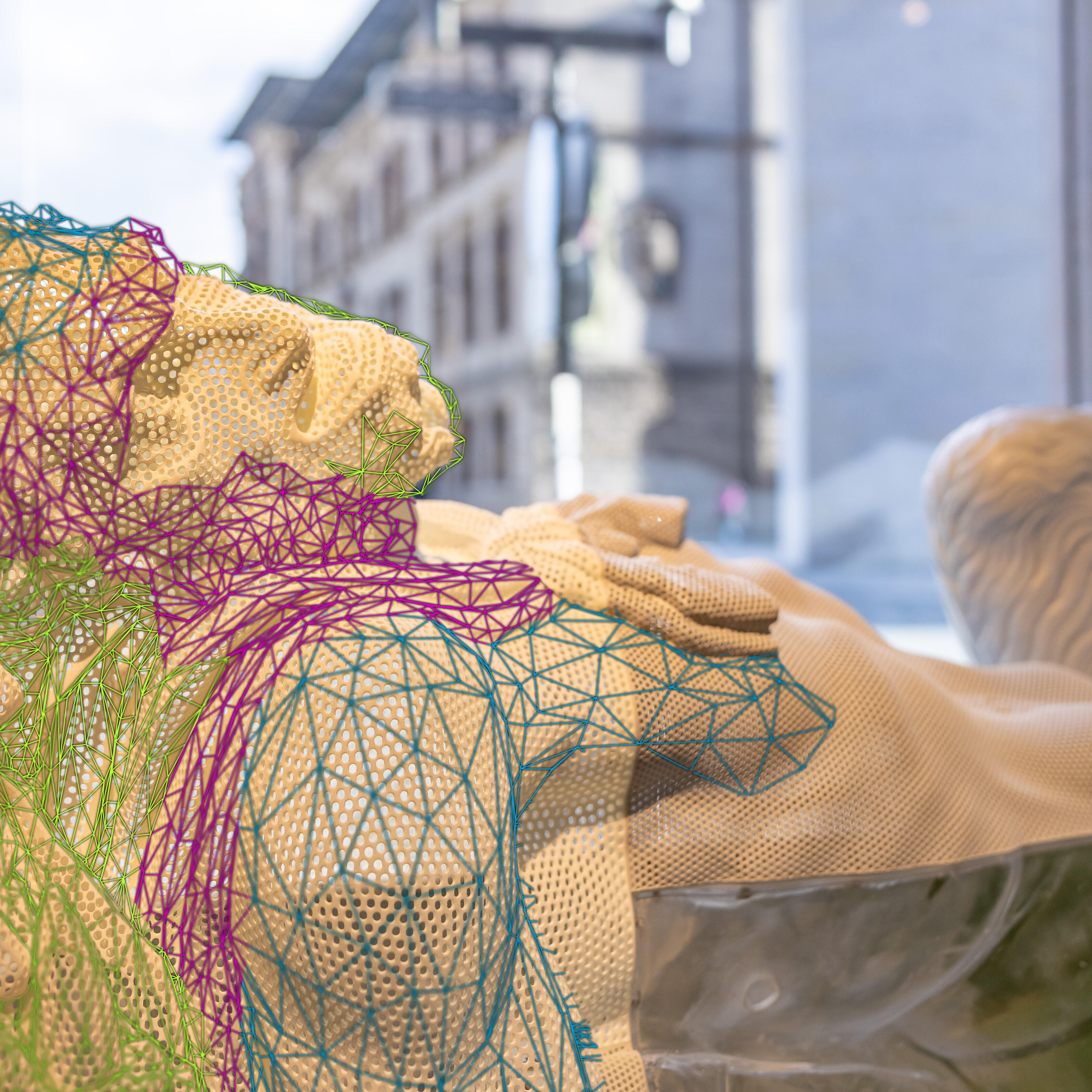
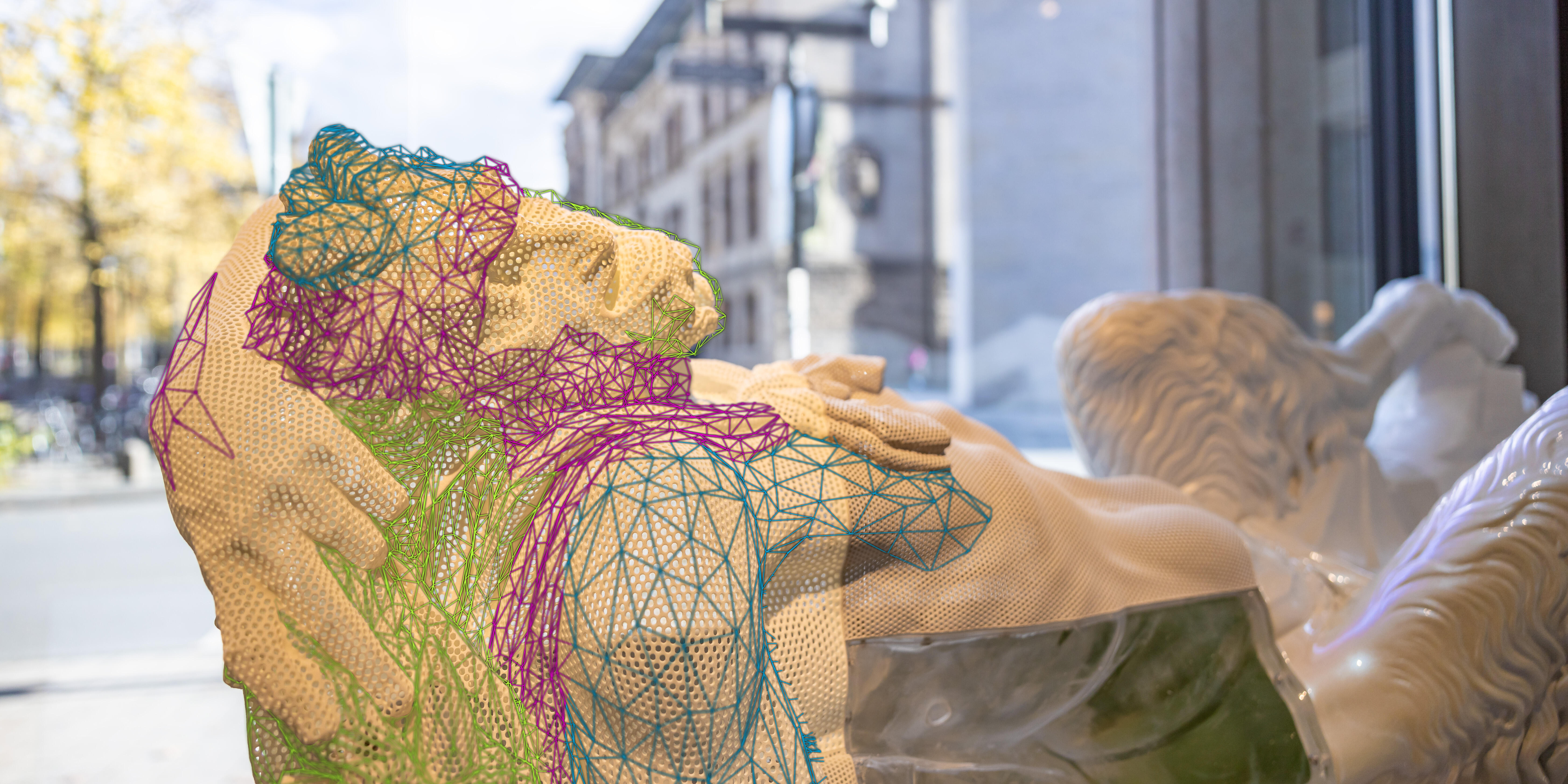
Aspects of Analysis


Publications