Digital transformation is fundamentally changing the possibilities and forms of access to cultural goods of all kinds. This raises far-reaching questions about the ethical, legal, economic and political conditions of enabling or restricting access to cultural goods, about the aesthetic implications of different access regimes, the normative basis for curatorial work, and about equitable solutions to access conflicts.
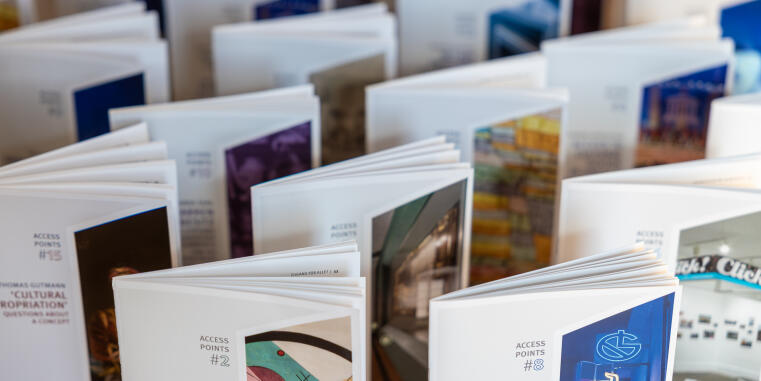
The publication series Access Points presents research findings, discussion papers and guidelines of the interdisciplinary Centre for Advanced Study “Access to Cultural Goods in Digital Change” at the University of Münster. Its publication languages are English and German.
All publications in this series are peer-reviewed and thoroughly edited to secure highest scholarly standards. They are made available permanently as diamond open access publications, free of charge for readers and authors alike, with the support of the University and State Library of Münster.
ISSN: 3054-4092
Volumes published
- Volume 2: Bernadette Collenberg-Plotnikov: Zugang für alle? Universalismus, Identität und das Museum im digitalen Wandel
- Volume 3: Paul Klimpel: Abbildungen in der Kunstwissenschaft. Eine kleine Rechtsfibel
- Volume 4: Ruben Apressyan: Access to Cultural Goods in UNESCO Normative Documents
- Volume 6: Hubertus Kohle: Crowdsourcing in Museen (und anderen Kulturinstitutionen)
- Volume 7: Angela Dressen: Museums at the digital turn – from service promoters to research partners
- Volume 8: Thomas Kater: Nutzen und erfreuen. Vereinfachte Gegenwartsliteratur im Spannungsfeld zwischen kultureller Teilhabe und Urheberschutz
- Volume 10: Jolanda Saal: Verharren im Besitz. Die Stiftung Preußischer Kulturbesitz und die Restitutionsfrage der 1970er Jahre
- Volume 11: Johannes Grave: Zugangsdynamiken in den bildenden Künsten. Was macht Zugänglichkeit oder Unzugänglichkeit mit Kunst?
- Volume 12: Regine Ehleiter: Net Art zwischen Zugang und Unzugänglichkeit: Dokumentationspraktiken an der Joan Flasch Artists’ Book Collection
- Volume 13: Hauke Behrendt: Zugänge und Ausschlüsse: Digitale Teilhabe an Kultur gestalten
- Volume 14: Pavel Zahrádka & Miroslav Krša: European Audiovisual Policy Between Quotas and Digital Borders – Rethinking Accessibility
- Volume 15: Thomas Gutmann: ‘Cultural Appropriation’. Questions About a Concept
- Volume 17: Ruben Apressyan: Protecting Cultural Property in Times of Warfare: Normative Dispositions
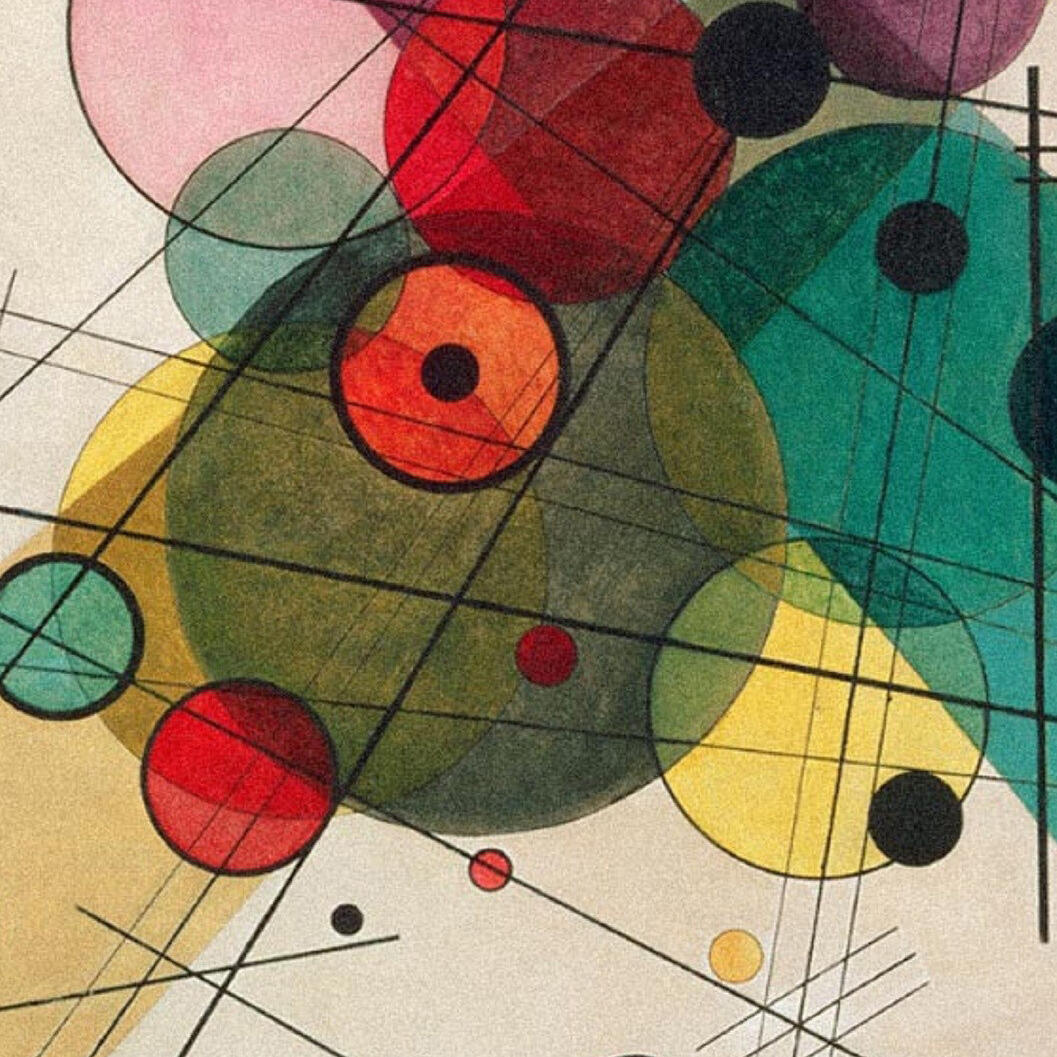
Zugang für alle?
Universalismus, Identität und das Museum im digitalen Wandel
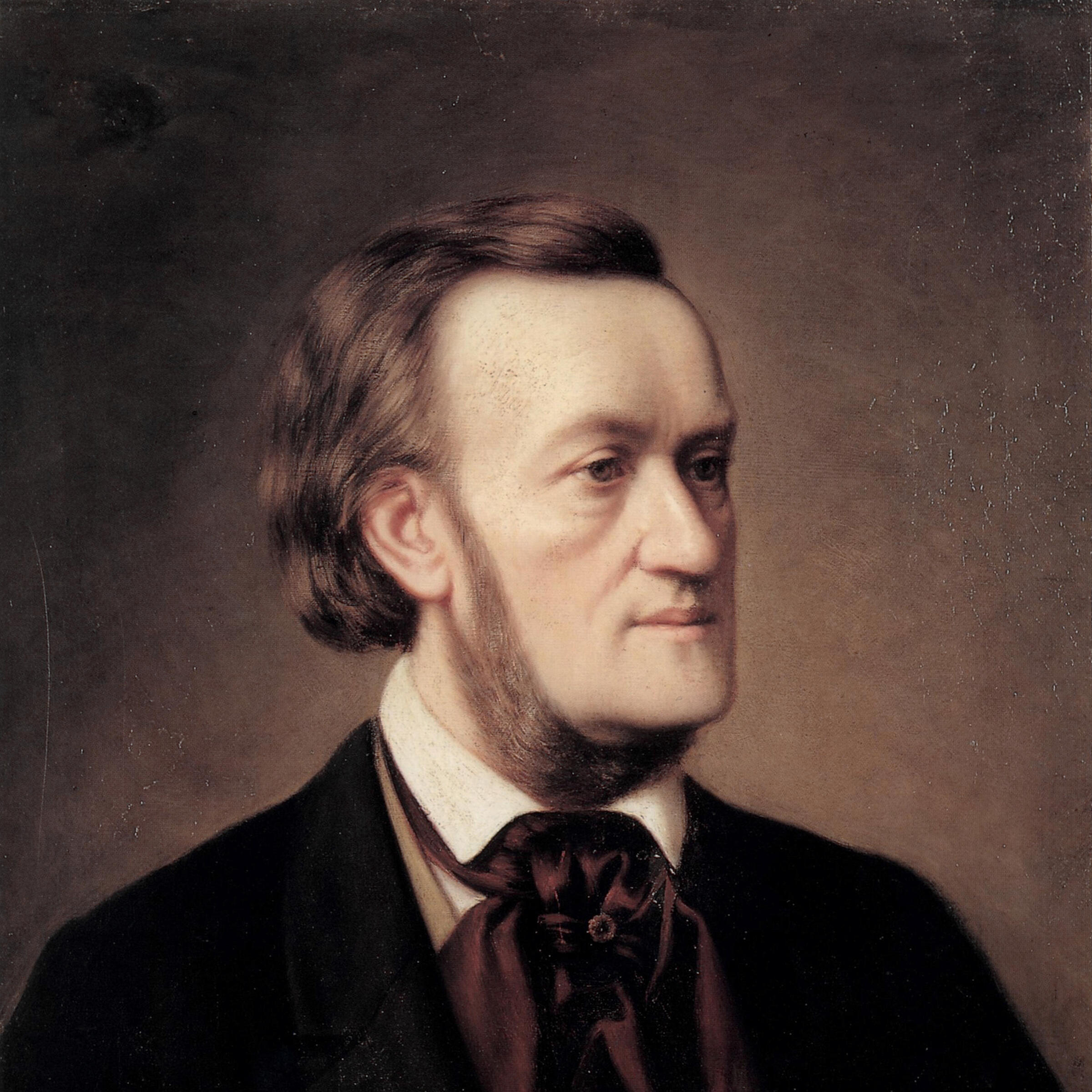
Abbildungen in der Kunstwissenschaft
Eine kleine Rechtsfibel
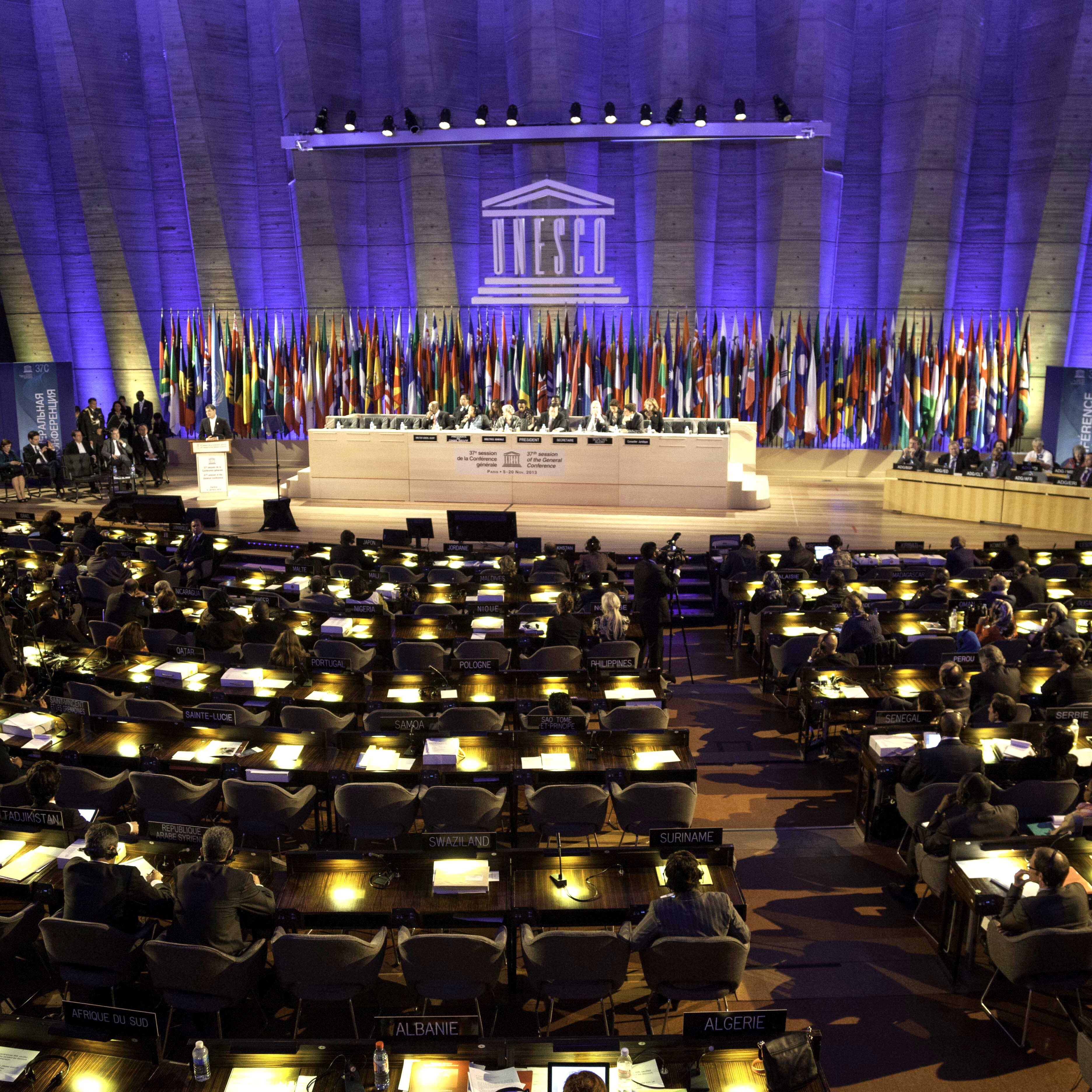
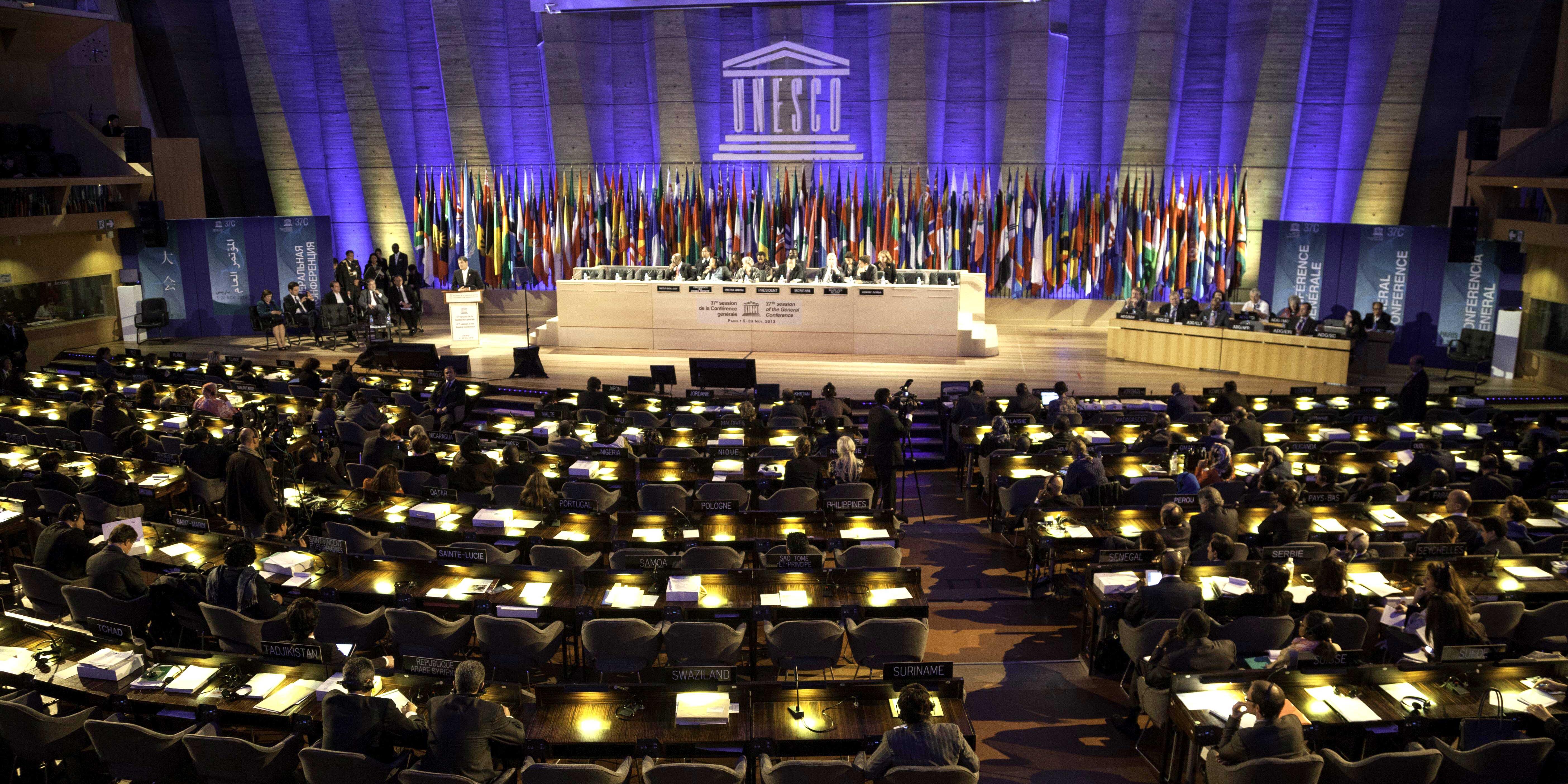
Access to Cultural Goods in UNESCO Normative Documents
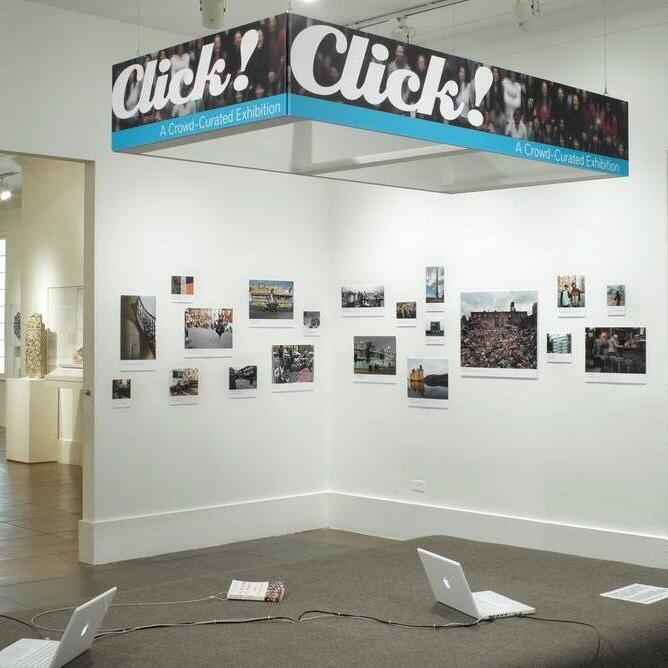
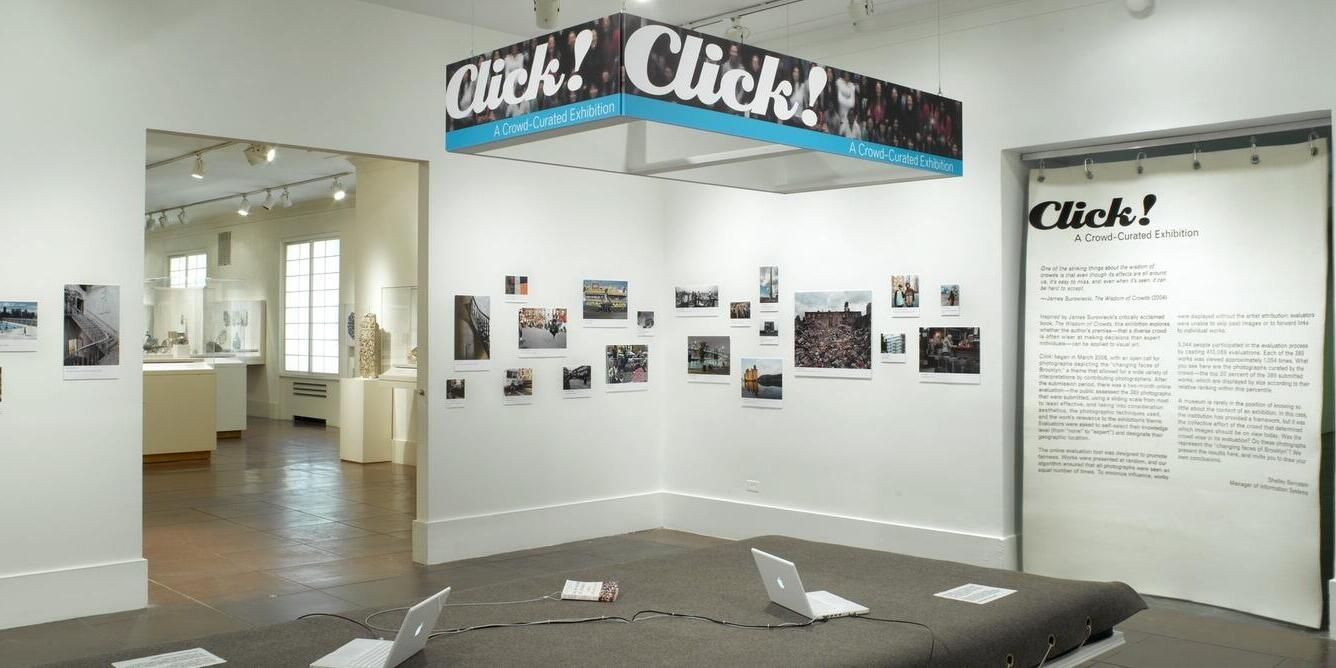
Crowdsourcing in Museen (und anderen Kulturinstitutionen)
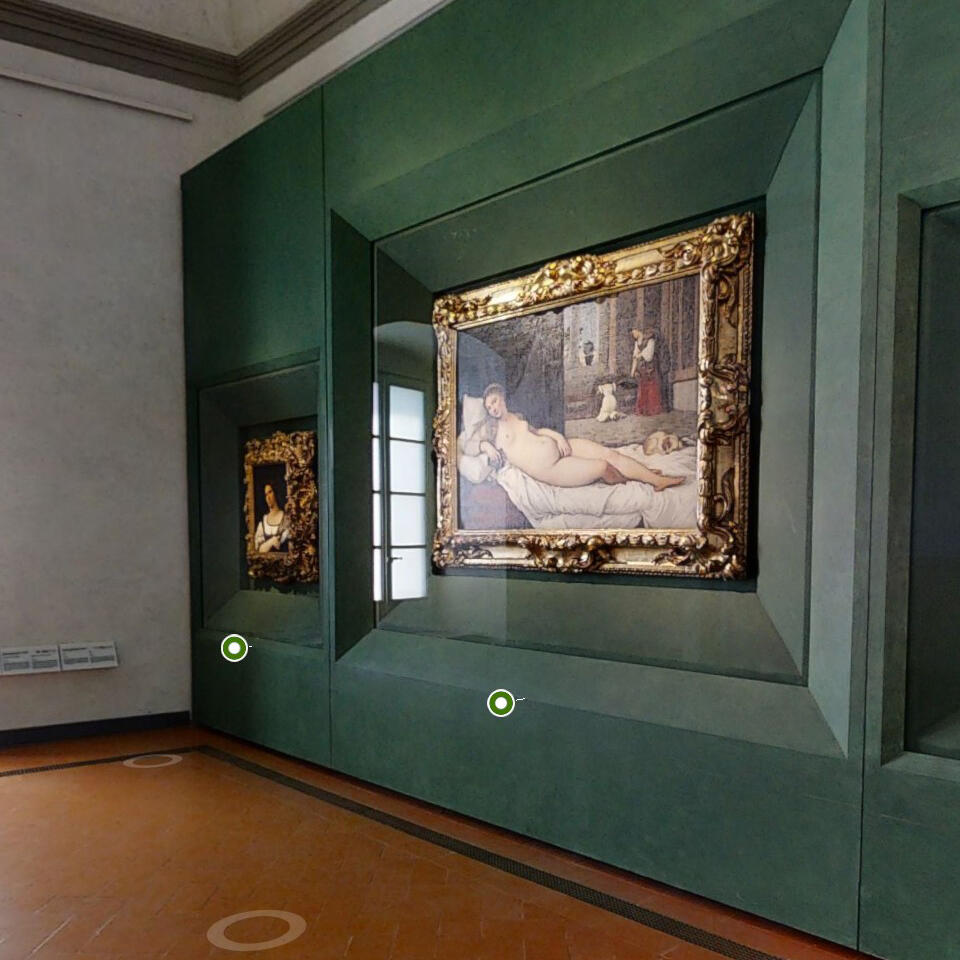
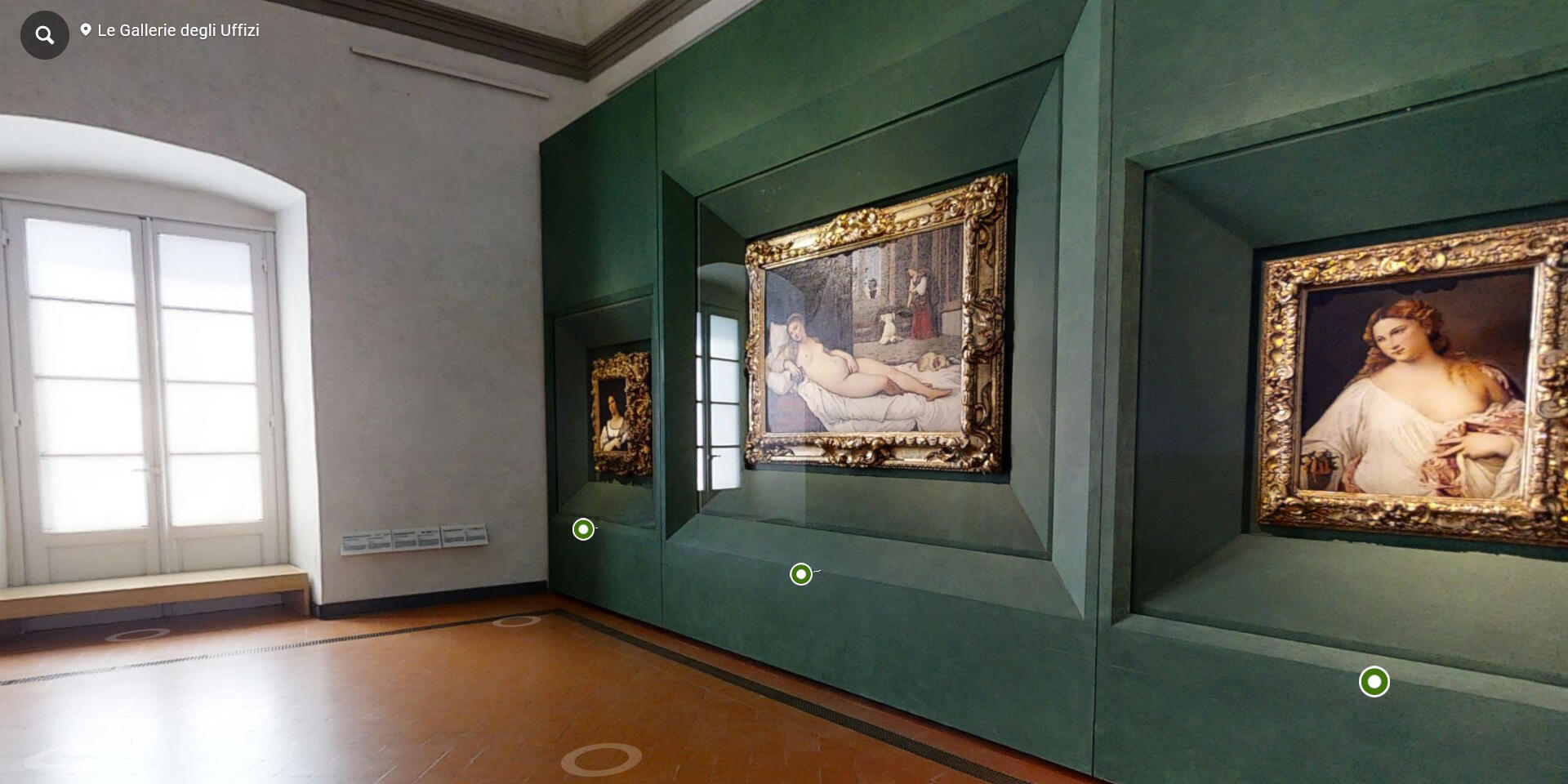
Museums at the digital turn – from service promoters to research partners
Nutzen und erfreuen
Vereinfachte Gegenwartsliteratur im Spannungsfeld zwischen kultureller Teilhabe und Urheberschutz
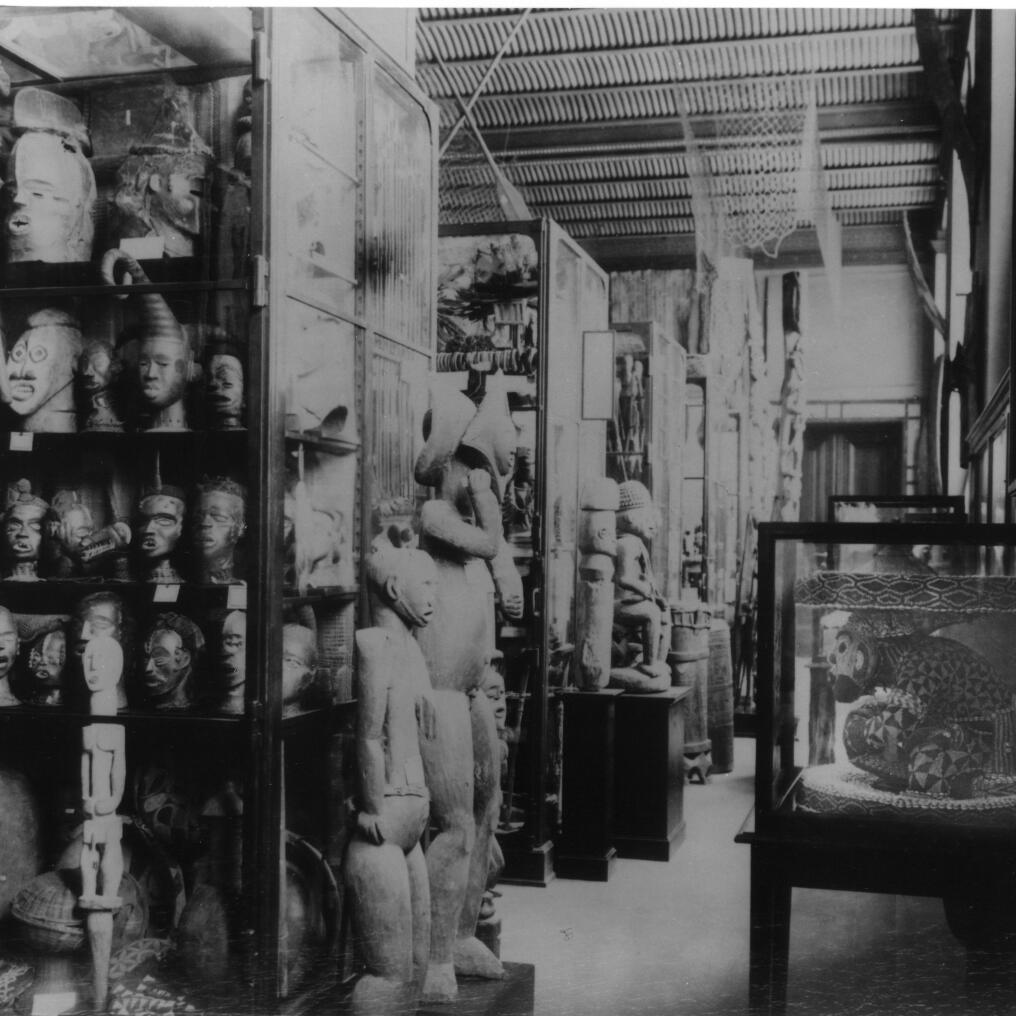
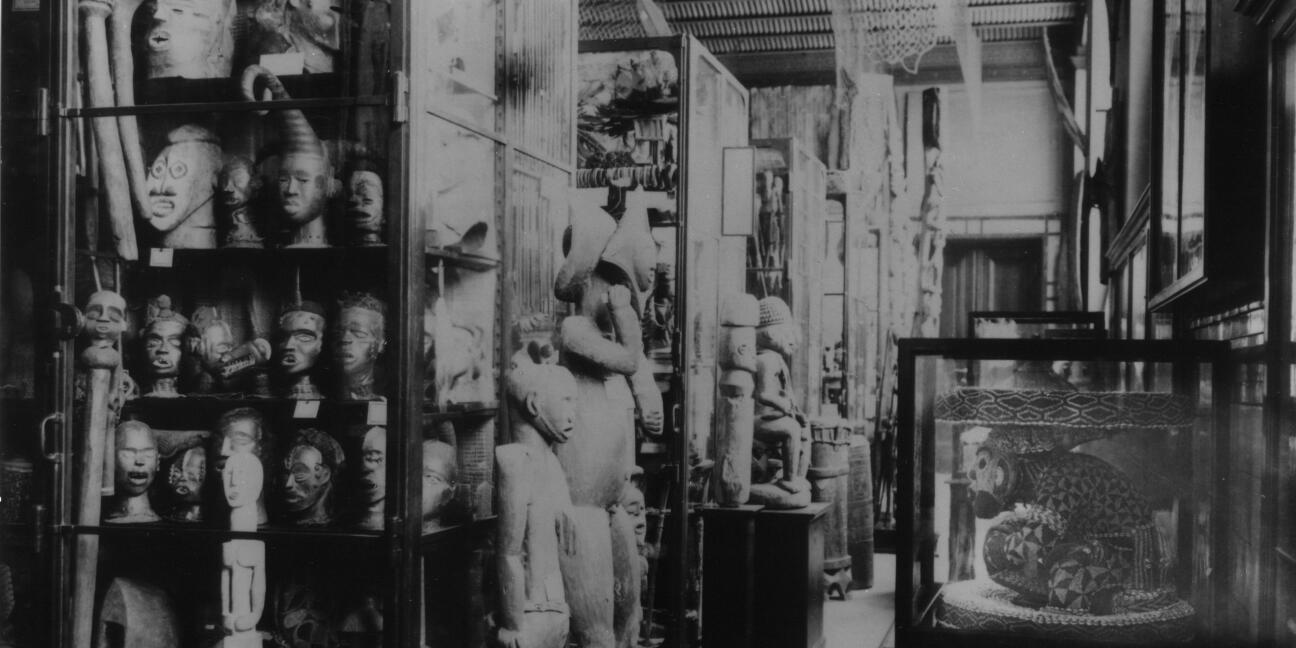
Verharren im Besitz
Die Stiftung Preußischer Kulturbesitz und die Restitutionsfrage der 1970er Jahre
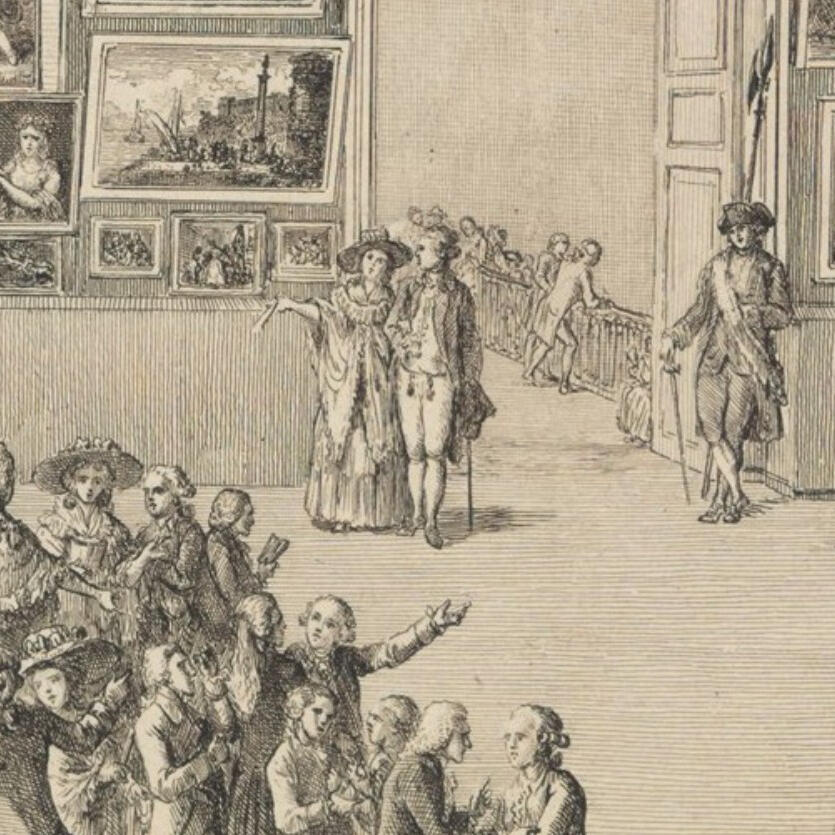
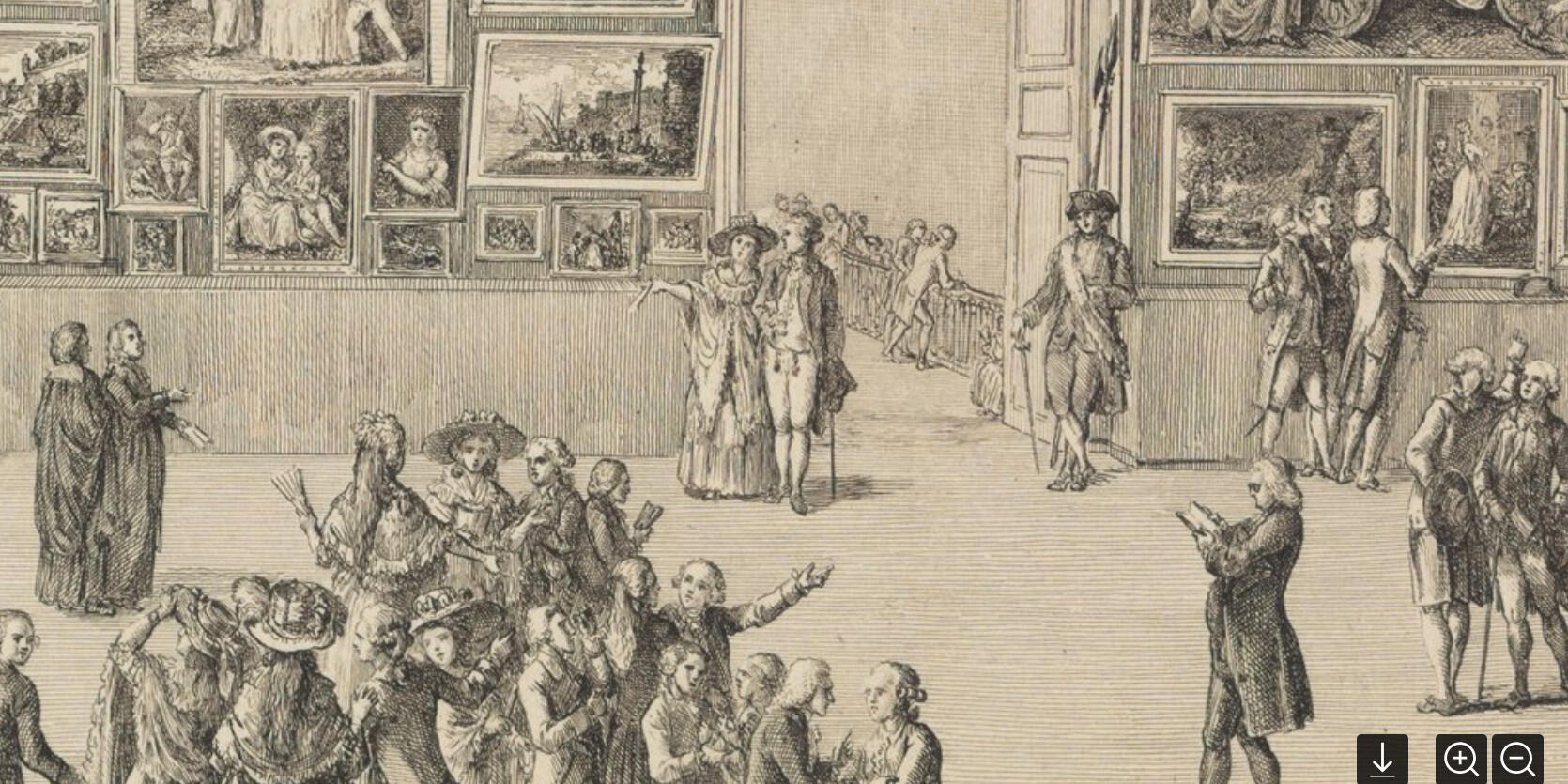
Zugangsdynamiken in den bildenden Künsten
Was macht Zugänglichkeit oder Unzugänglichkeit mit Kunst?
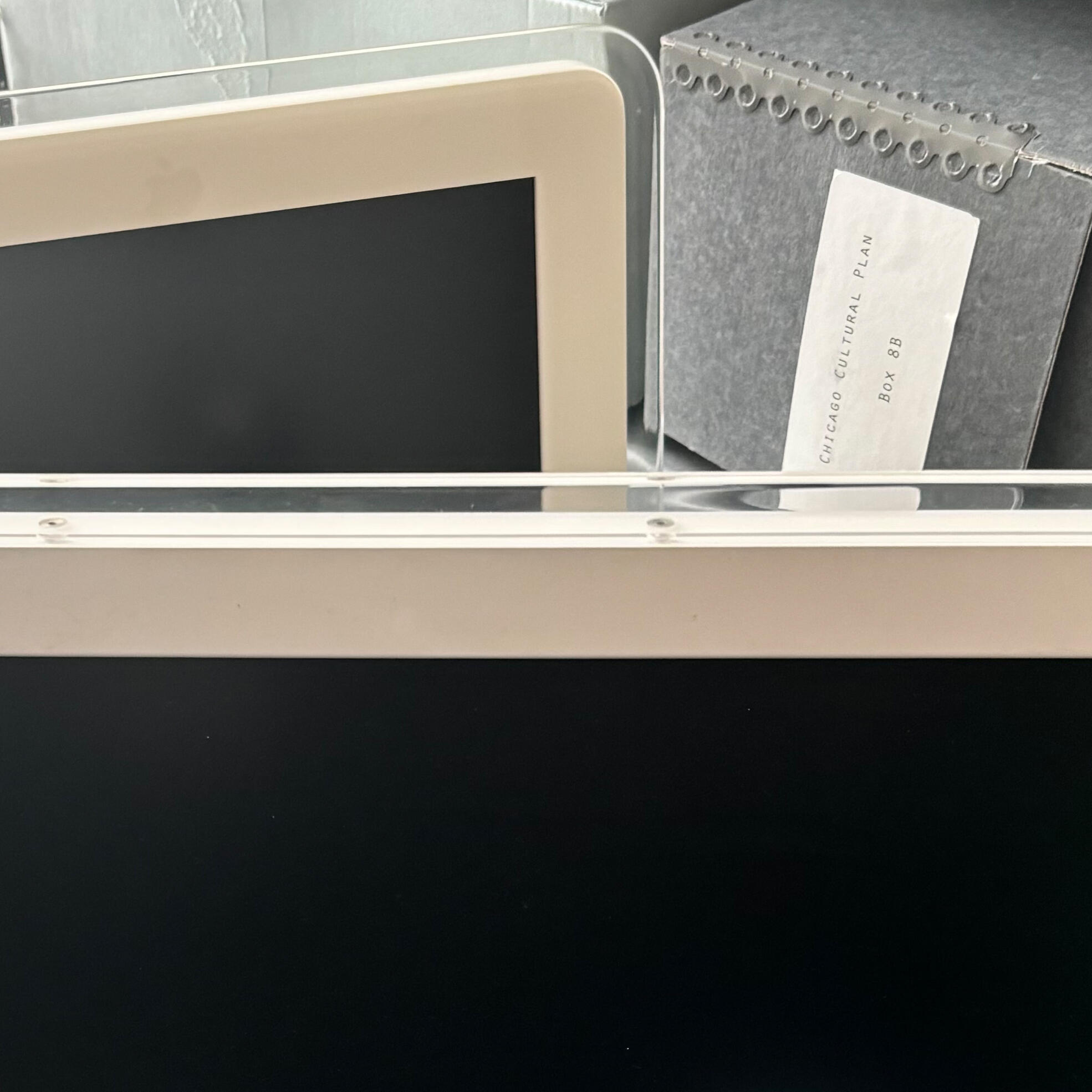
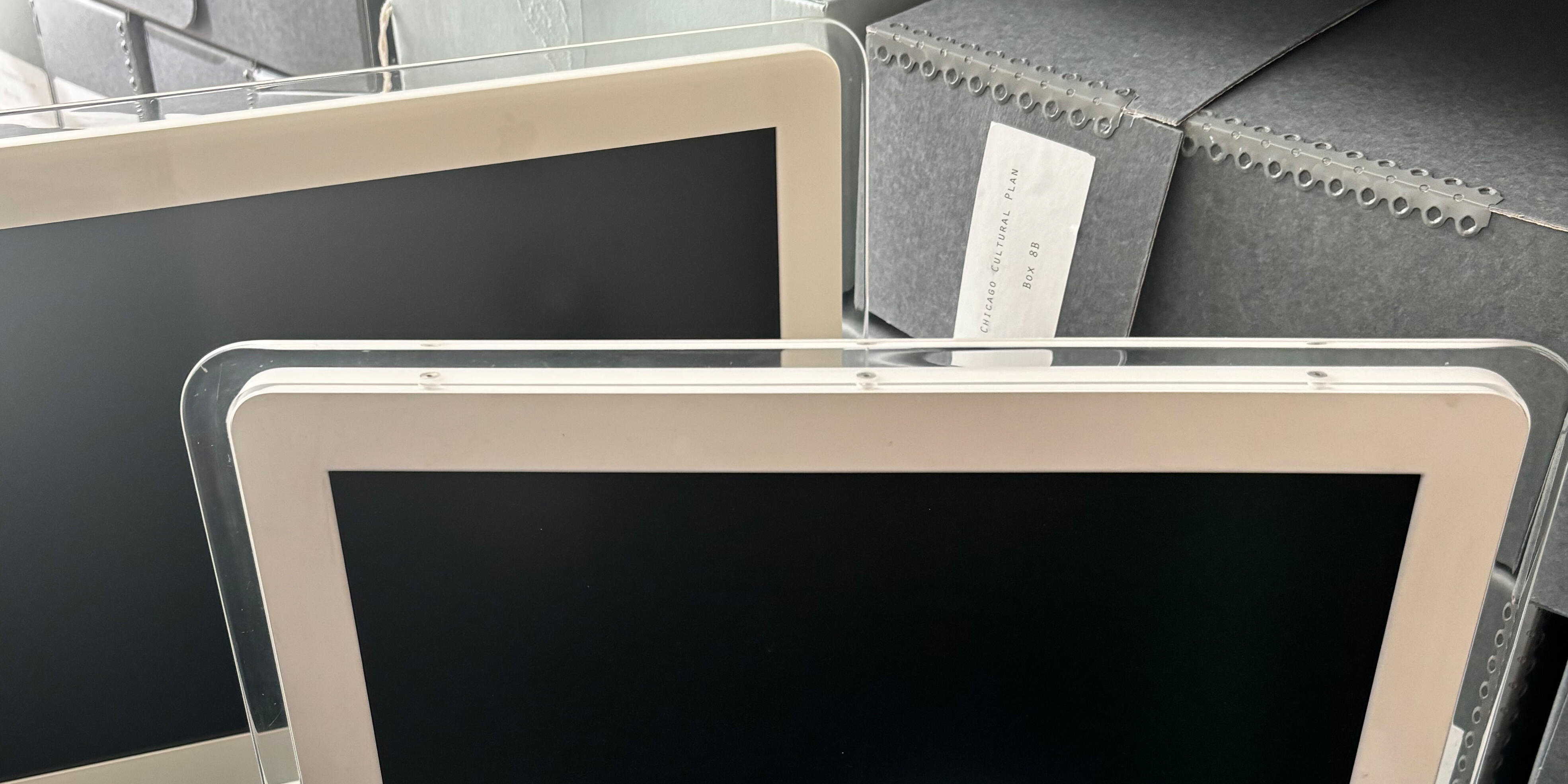
Net Art zwischen Zugang und Unzugänglichkeit
Dokumentationspraktiken an der Joan Flasch Artists’ Book Collection
Zugänge und Ausschlüsse
Digitale Teilhabe an Kultur gestalten
European Audiovisual Policy Between Quotas and Digital Borders
Rethinking Accessibility
‘Cultural Appropriation’
Questions About a Concept