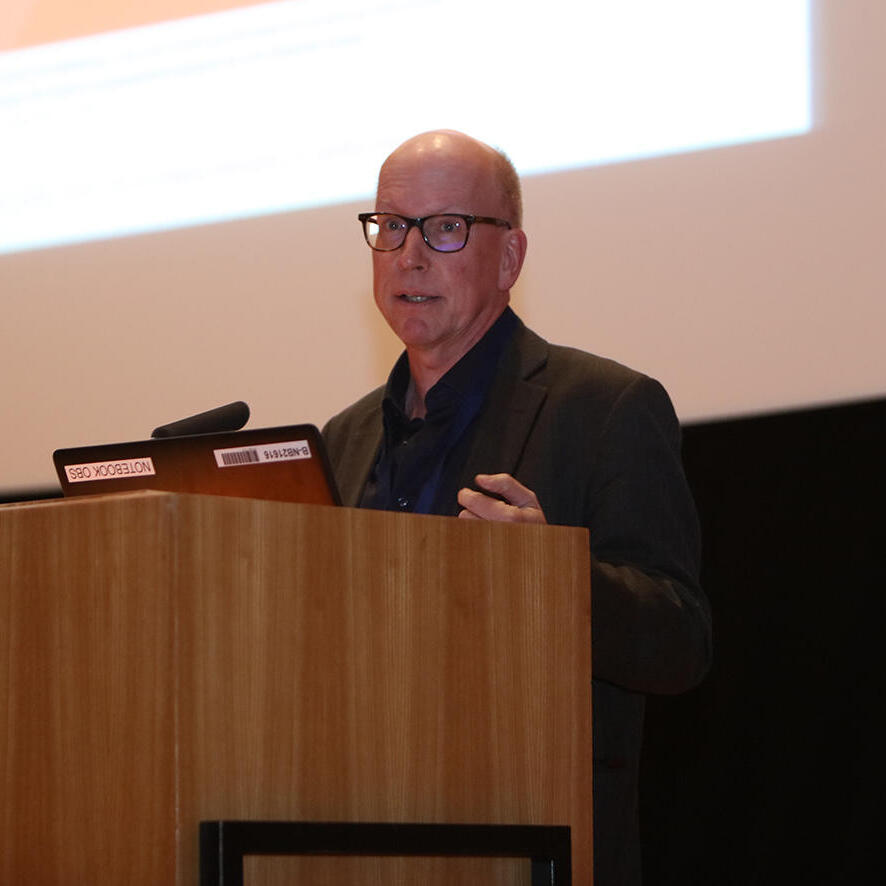
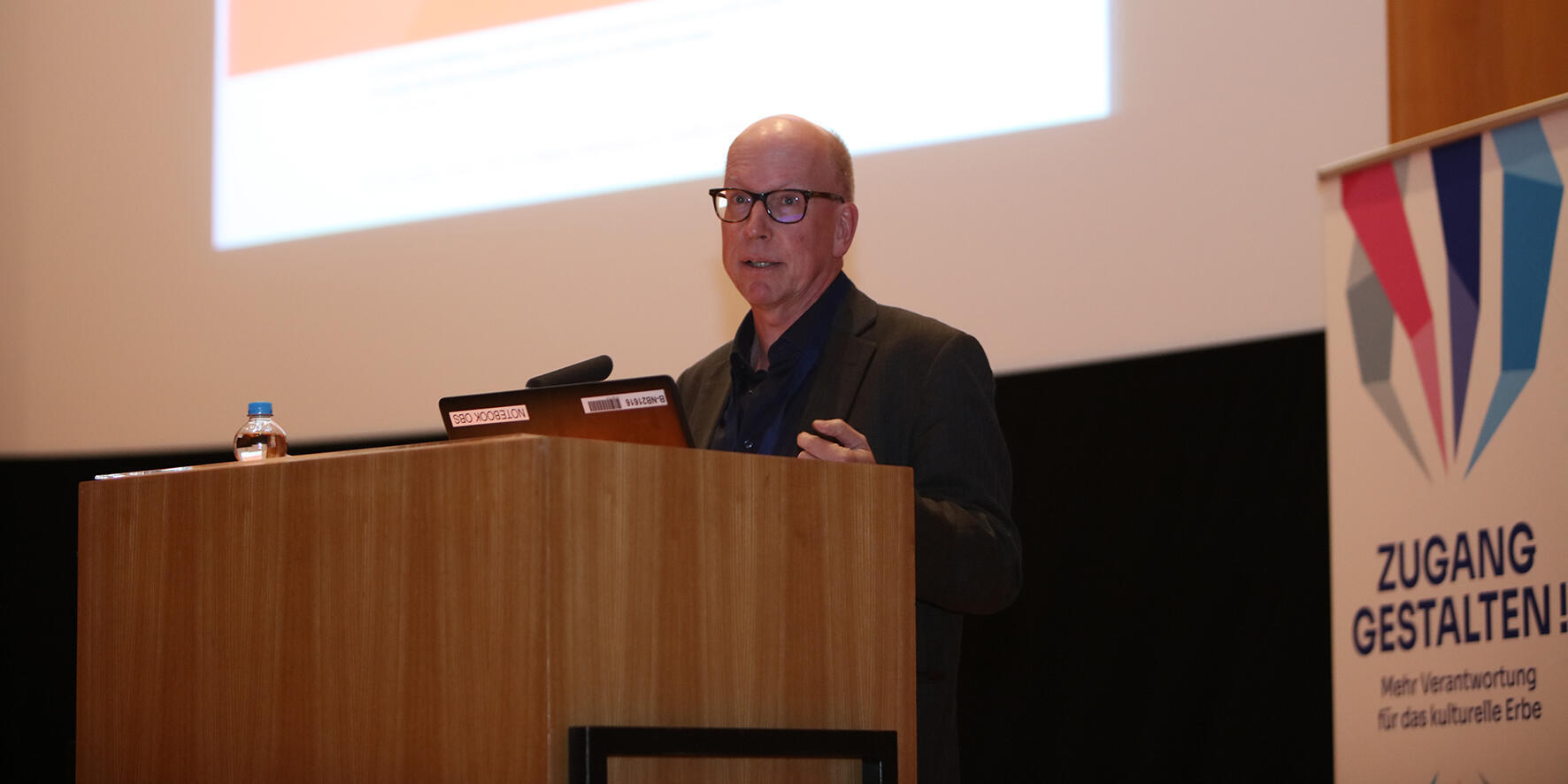
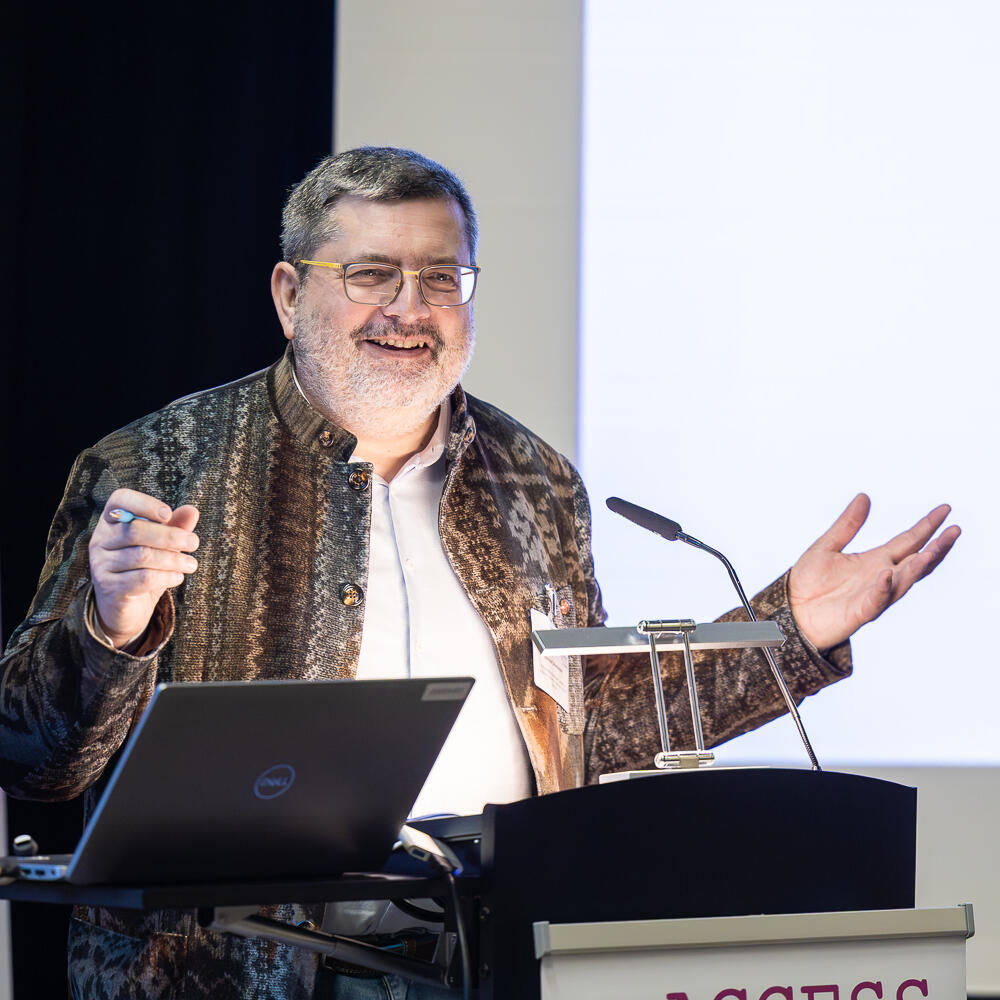
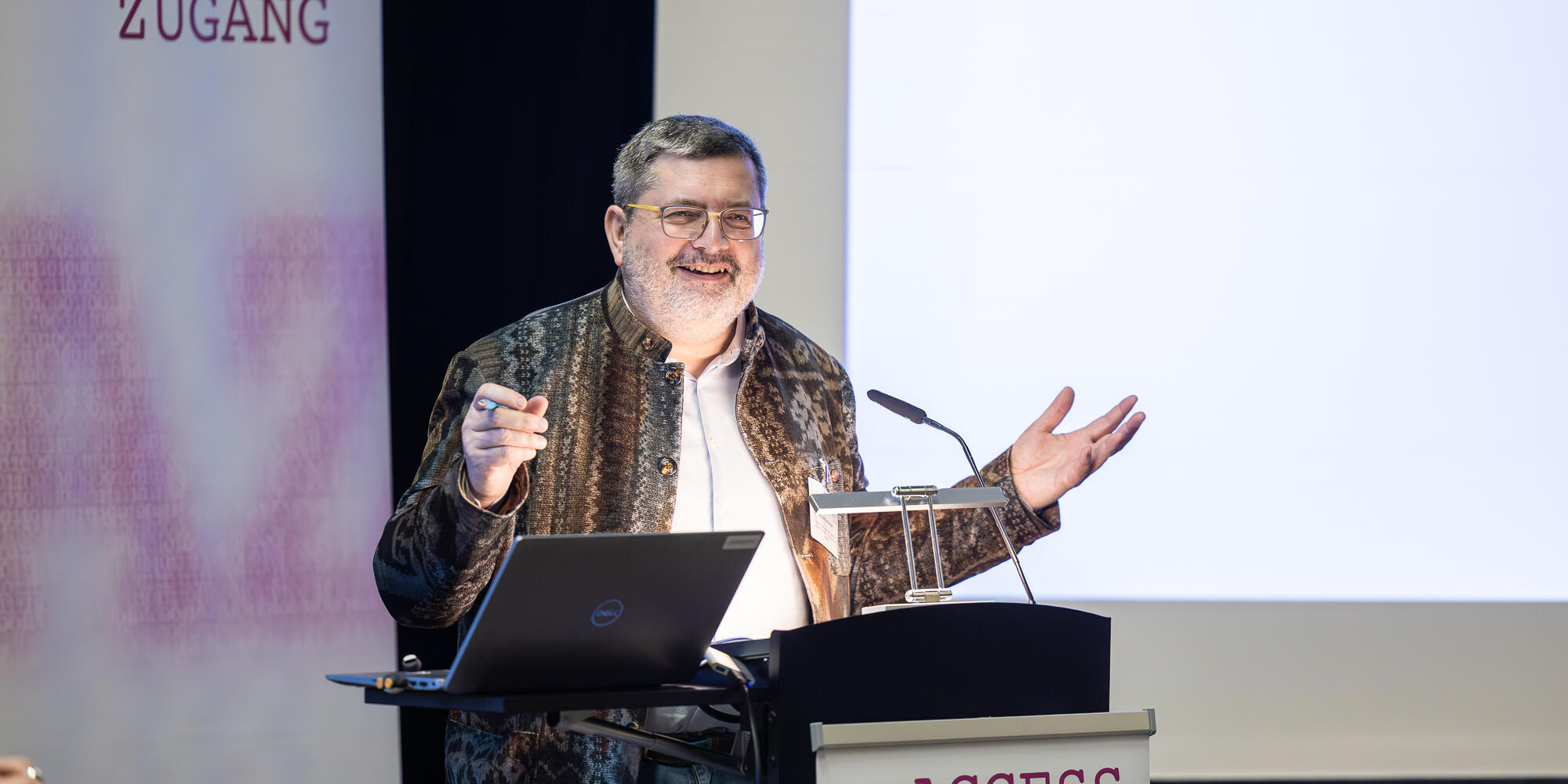
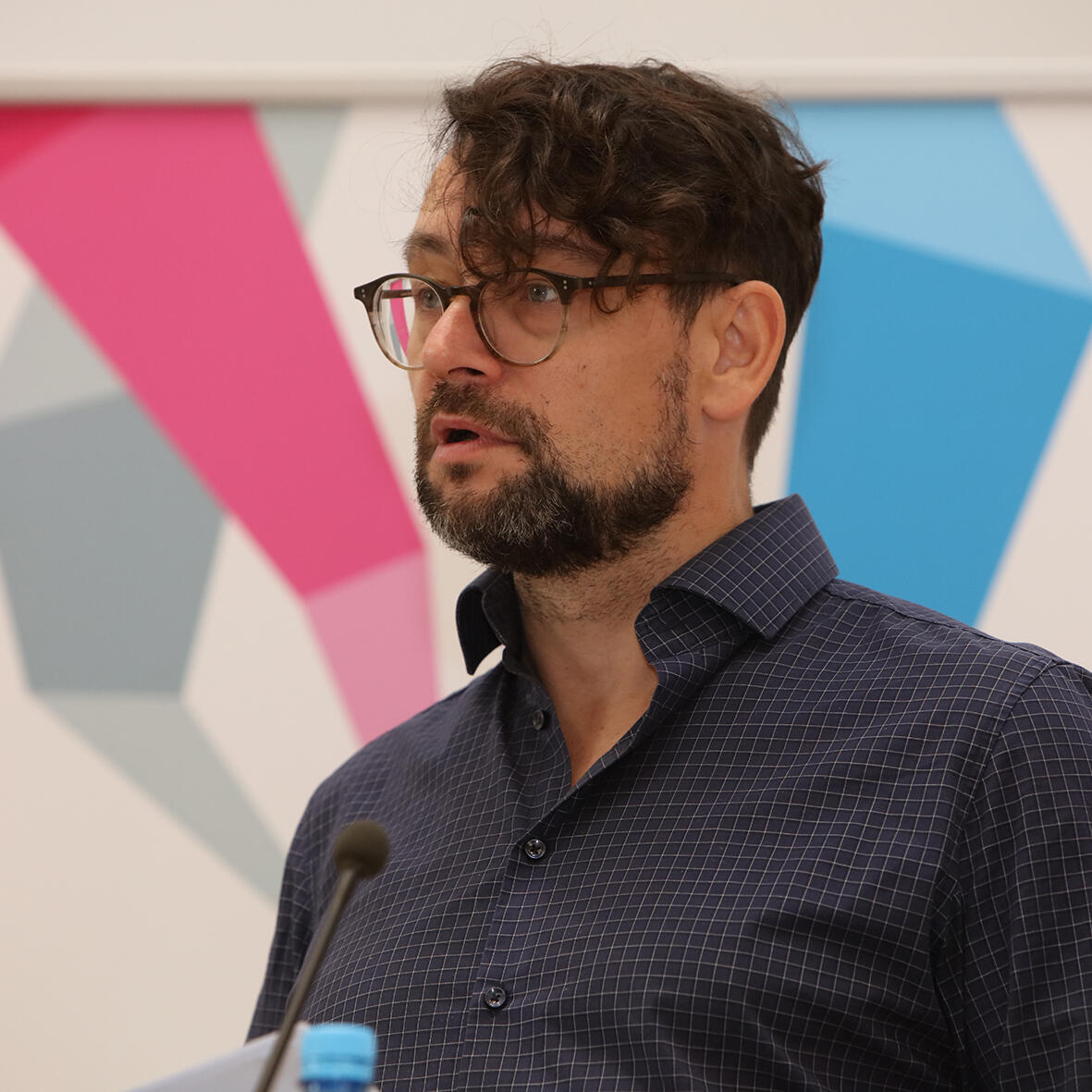
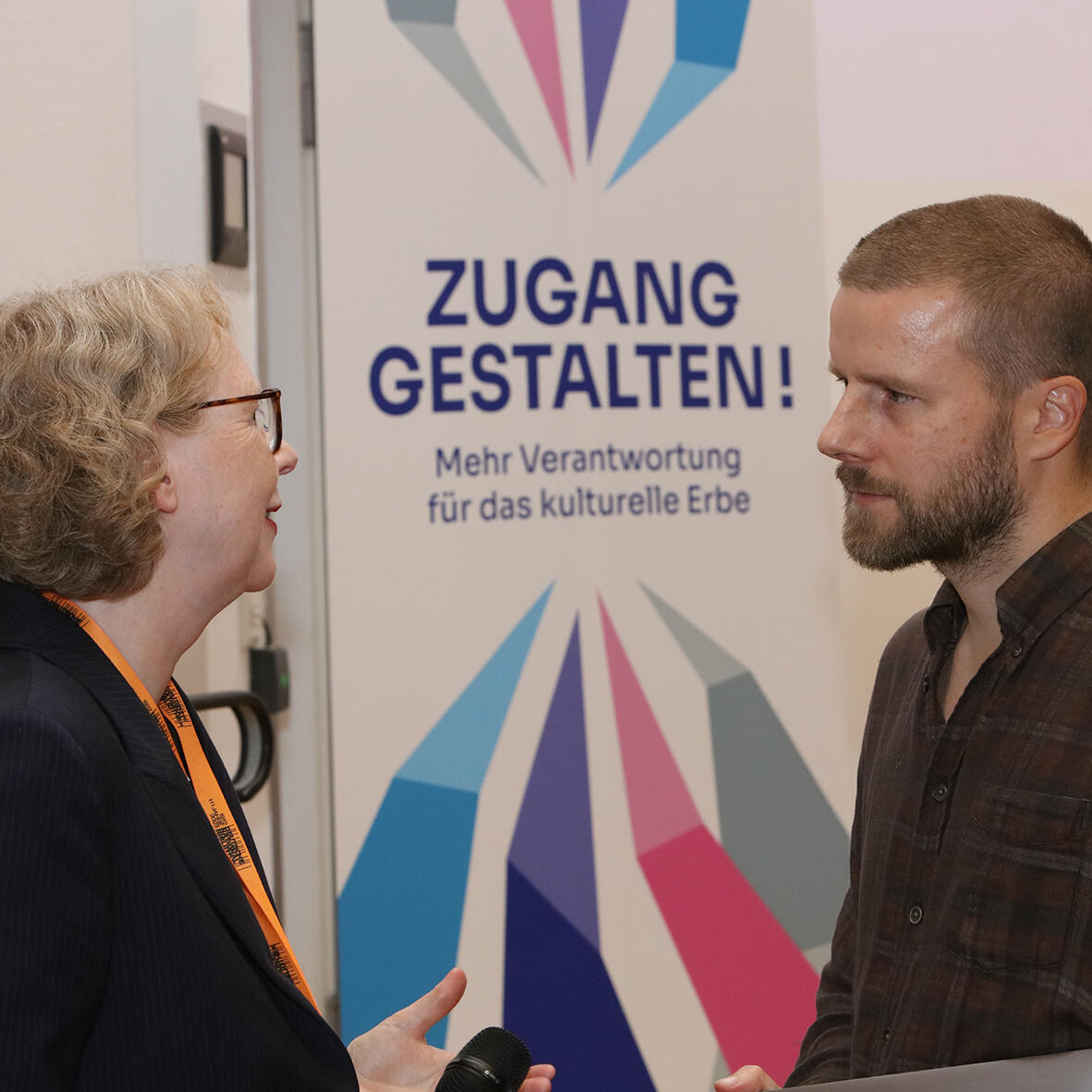
As part of the conference “Zugang gestalten! Mehr Verantwortung für das kulturelle Erbe” 2026 at the Berlin State Library, Dr. Eberhard Ortland, senior researcher at the Centre for Advanced Study, gave a lecture entitled “Access Denied: Moral Reasons for a Right of Access and Access Restrictions” on 30 September 2026 as part of the panel “Zugang zu Erinnerung: Recht, Moral und Verantwortung” (“Access to Memory: Law, Morality and Responsibility”).
Prof. Dr. Reinold Schmücker, Director of the Centre for Advanced Study, is a guest at the podcast “Digitalgespräch” hosted by the Centre Responsible Digitality (ZEVEDI) at the Technical University of Darmstadt. He talks about digital access to cultural goods. Valuable works of art and historical documents are kept in secure locations that the general public can access only under certain conditions — if at all. If digital images capture what we consider essential about an object, it is often sufficient to view the copy. As is expected in democratic societies, access to these images should be as unobstructed as possible. Open access is the keyword here. Additionally, digital processing goes beyond mere reproduction, creating entirely new possibilities for access and potentially breaking down barriers to reception. However, digital reality also includes software, hardware, and license agreements, which are subject to historical developments, decay processes, and the power of private, global companies that operate according to their own rules. What does this mean for a contemporary sense of responsibility in the arts and culture sector?
Videos of the lectures of the international conference“Digital Curating: Ethics of Access and Sustainability” are online. The conference addressed changes in curatorial practices in the wake of digital transformation and the resulting ethical, ecological and social challenges. Experts from museums, universities and cultural institutions discussed how digital technologies are expanding access to cultural heritage, challenging existing hierarchies and enabling new forms of participatory knowledge production.
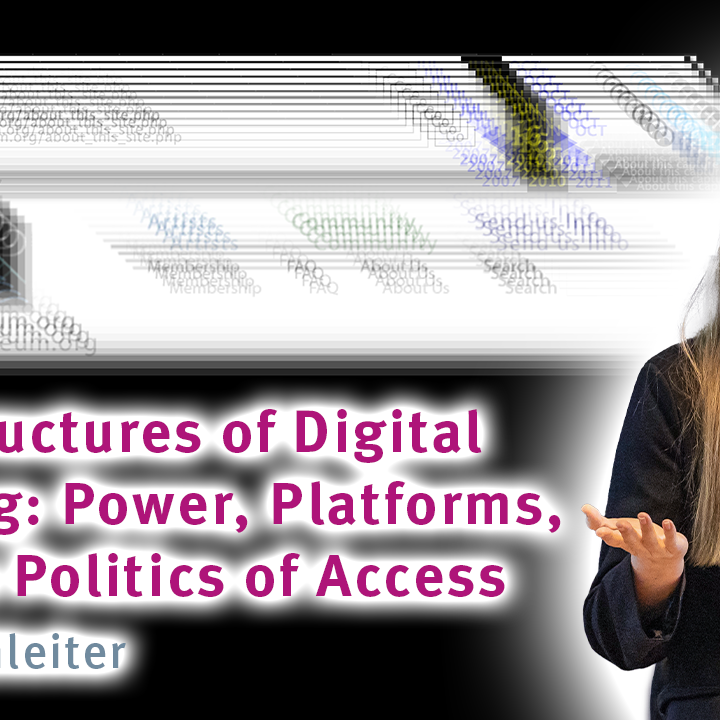
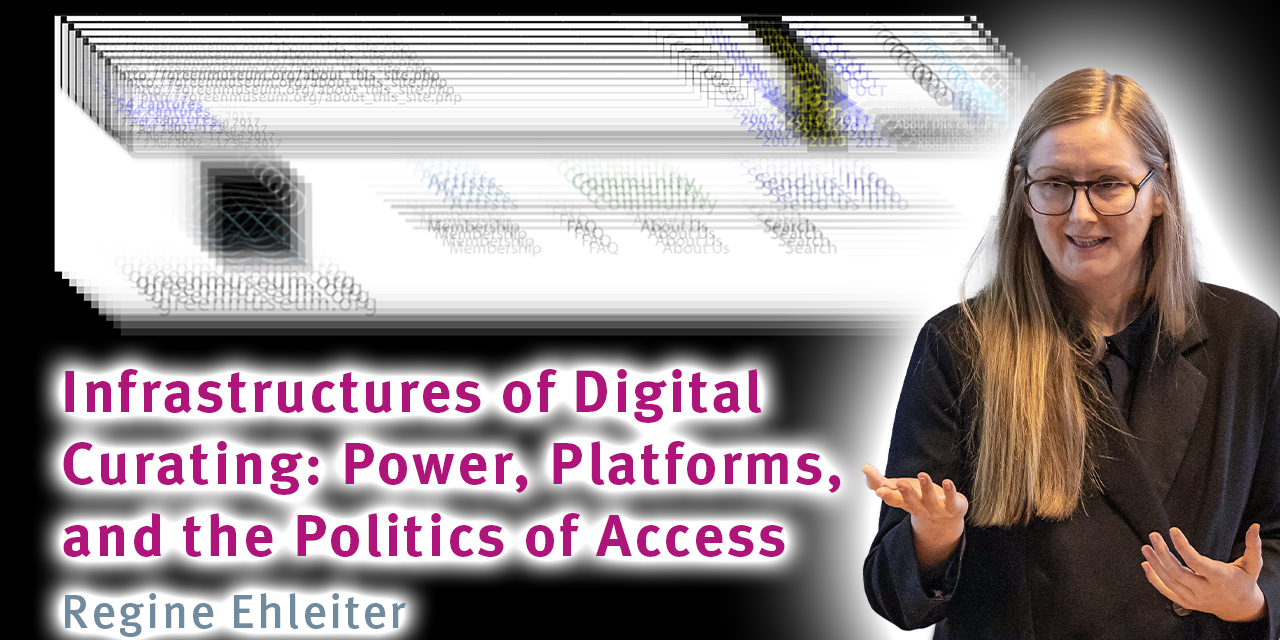
Debates and guidelines on sustainability in digital curating tend to focus on practical optimizations. While such measures matter, they risk narrowing sustainability to a question of better interfaces and greener user experiences. In her lecture “Infrastructures of Digital Curating: Power, Platforms, and the Politics of Access”, Dr. Regine Ehleiter (Witten/Herdecke University) argues instead for an infrastructural critique that treats the symposium’s guiding concerns – ethics of access and sustainability – as inseparable: digital access is always produced through concrete material, legal, and political conditions, including server infrastructures, long-term storage and preservation regimes, licensing, platform governance, and dependencies on proprietary systems. The lecture was part of the international conference “Digital Curating: Ethics of Access and Sustainability”, organized by the Centre for Advanced Study, which took place from 4 to 6 March 2026. More information about the conference can be found here.
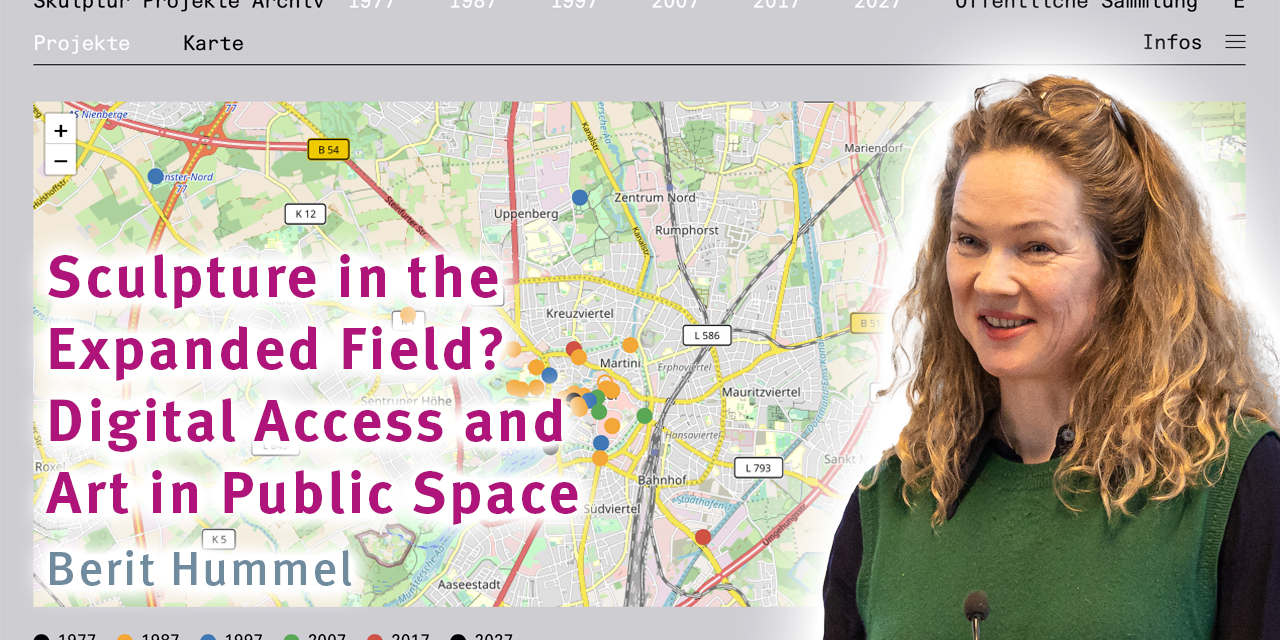
In her lecture “Sculpture in the Expanded Field? Digital Access and Art in Public Space”, Berit Hummel (University of Münster) examines art in public space through the lens of digital access as a form of translation. Drawing on Rosalind Krauss’s “expanded field” and historical debates on sculptural representation, it analyzes contested cases like Richard Serra’s “Tilted Arc” and Olu Oguibe’s “Monument for Strangers and Refugees”. Focusing on works from Skulptur Projekte Münster, she explores how absent or relocated public artworks are mediated through digital platforms, raising questions about the parameters of such translations without resolving their inherent conflicts. The lecture was part of the international conference “Digital Curating: Ethics of Access and Sustainability”, organized by the Centre for Advanced Study, which took place from 4 to 6 March 2026. More information about the conference can be found here.
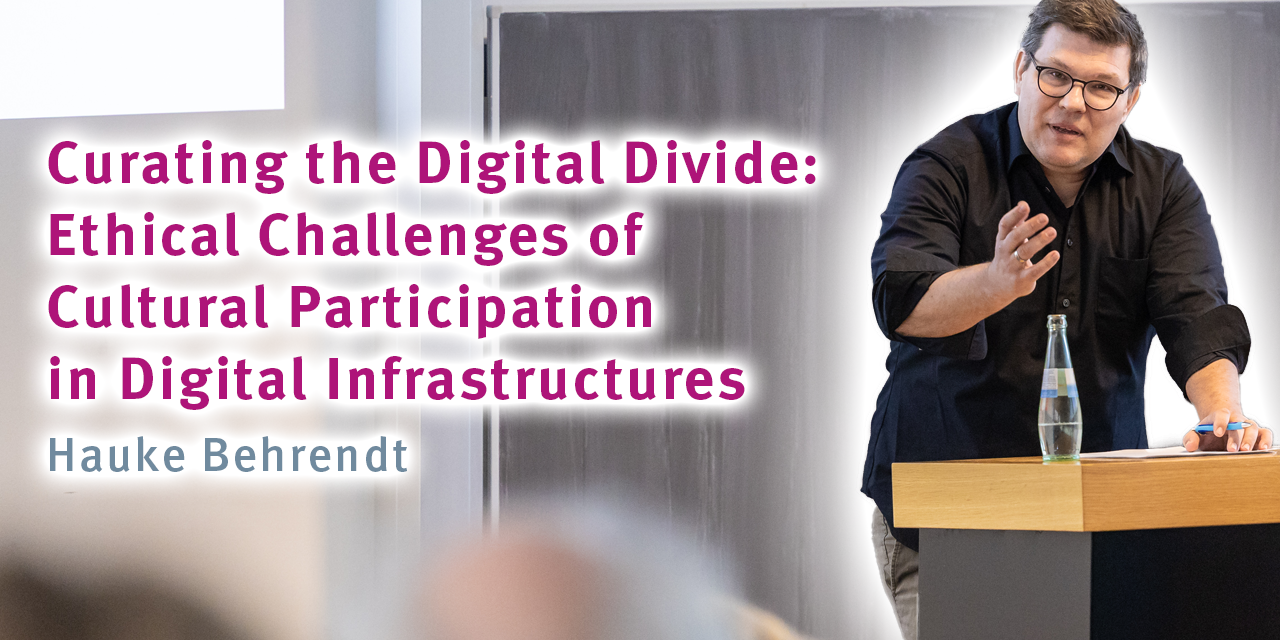
In his lecture “Curating the Digital Divide: Ethical Challenges of Cultural Participation in Digital Infrastructures”, Dr. Hauke Behrendt (University of Stuttgart) develops an ethical framework for understanding how digital curatorial practices interact with and potentially intensify the digital divide. It outlines several forms of disadvantage that emerge in digitally mediated cultural environments. These patterns reveal that digital curating is not merely an aesthetic or technical activity, but part of a broader infrastructure that shapes who can participate in cultural practices and on what terms. The speaker identifies key normative considerations that curators and institutions must address if digital transformations are to support, rather than undermine, equitable cultural participation. The lecture was part of the international conference “Digital Curating: Ethics of Access and Sustainability”, organized by the Centre for Advanced Study, which took place from 4 to 6 March 2026. More information about the conference can be found here.
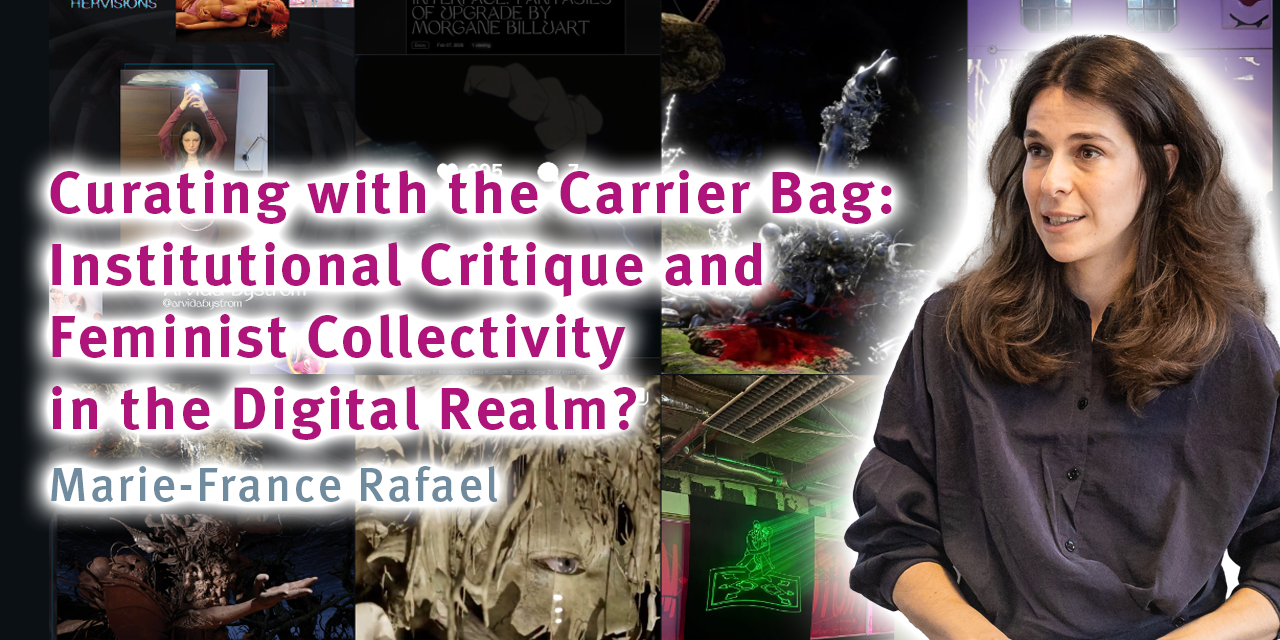
In her lecture “Curating with the Carrier Bag: Institutional Critique and Feminist Collectivity in the Digital Realm?”, Prof. Dr. Marie-France Rafael (Zurich University of the Arts) examines how new discursive artistic practices of curating under current socio-technical conditions make specific use of feminist and collective approaches to create reflexive forms of meaning-making and challenge the institutionalized and infrastructural hierarchies in digital archives and exhibitions. The lecture was part of the international conference “Digital Curating: Ethics of Access and Sustainability”, organized by the Centre for Advanced Study, which took place from 4 to 6 March 2026. More information about the conference can be found here.
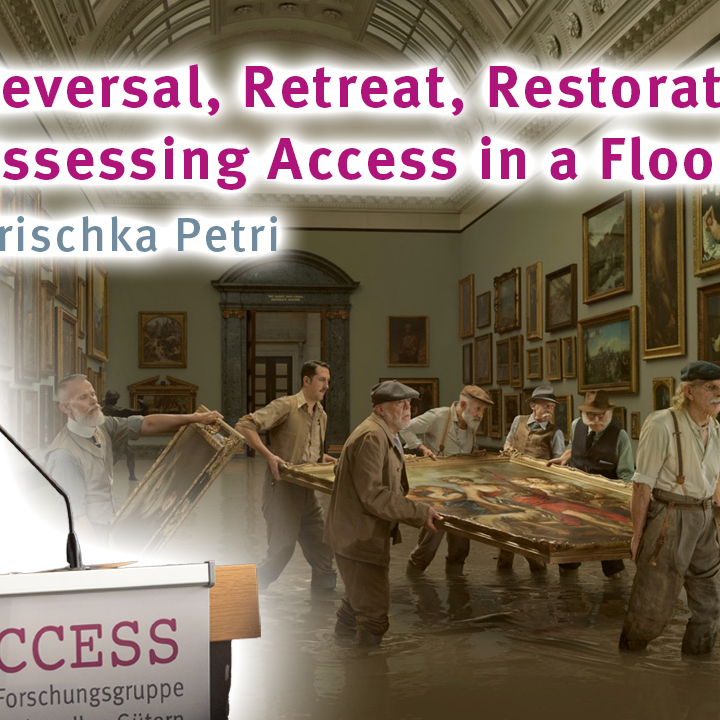
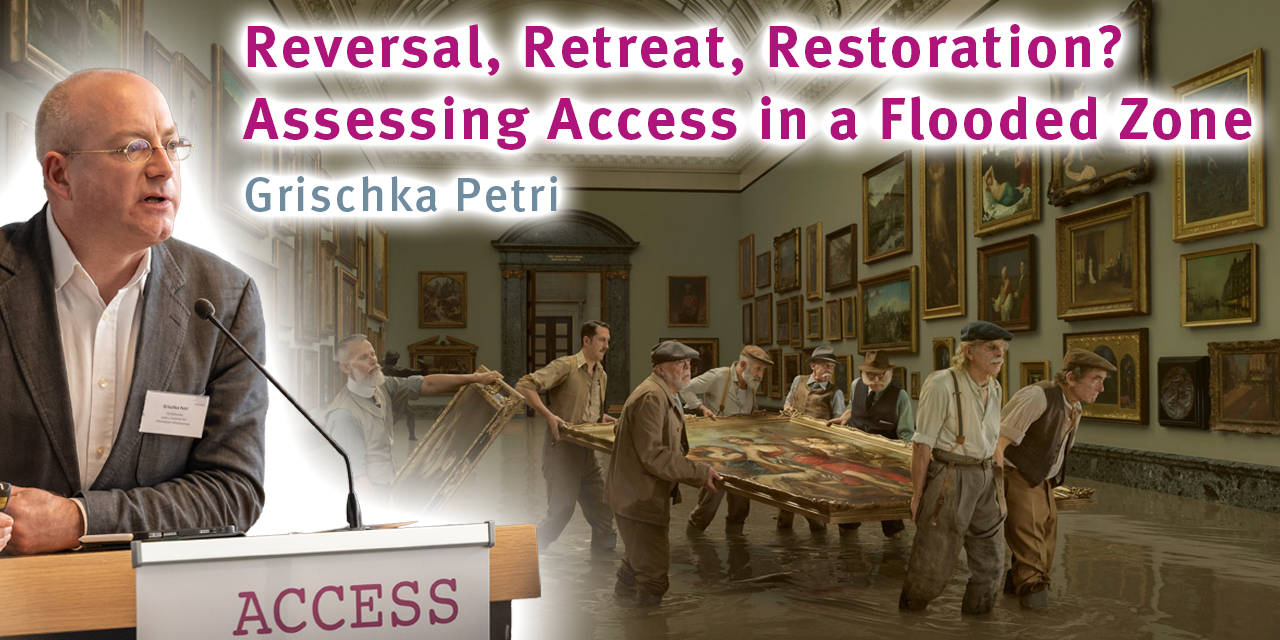
In his lecture „Reversal, Retreat, Restoration? Assessing Access in a Flooded Zone“, PD Dr. Grischka Petri (FIZ Karlsruhe) examines how free access and open data face legal and ethical limits. Co-determination rights can hinder or block them, usually to preserve rights and curate access. But a paradigm shift is underway: the internet’s promise of freedom is failing. Free access now benefits the powerful – AI corporations and surveillance systems – feeding the platform economy. This threatens open societies and scientific culture. AI is both tool and threat; gatekeepers gain new responsibilities, and restrictions aim to prevent capitalist exploitation. Consequences are still unclear. The goal is to preserve some freedom for cultural heritage institutions and cultural studies. The shift is from openness to protection. The lecture was part of the international conference “Digital Curating: Ethics of Access and Sustainability”, organized by the Centre for Advanced Study, which took place from 4 to 6 March 2026. More information about the conference can be found here.
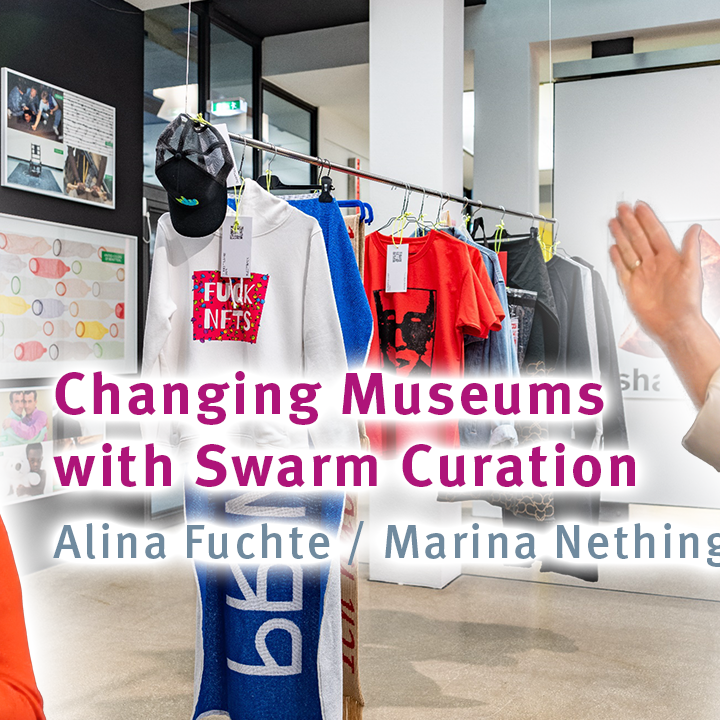
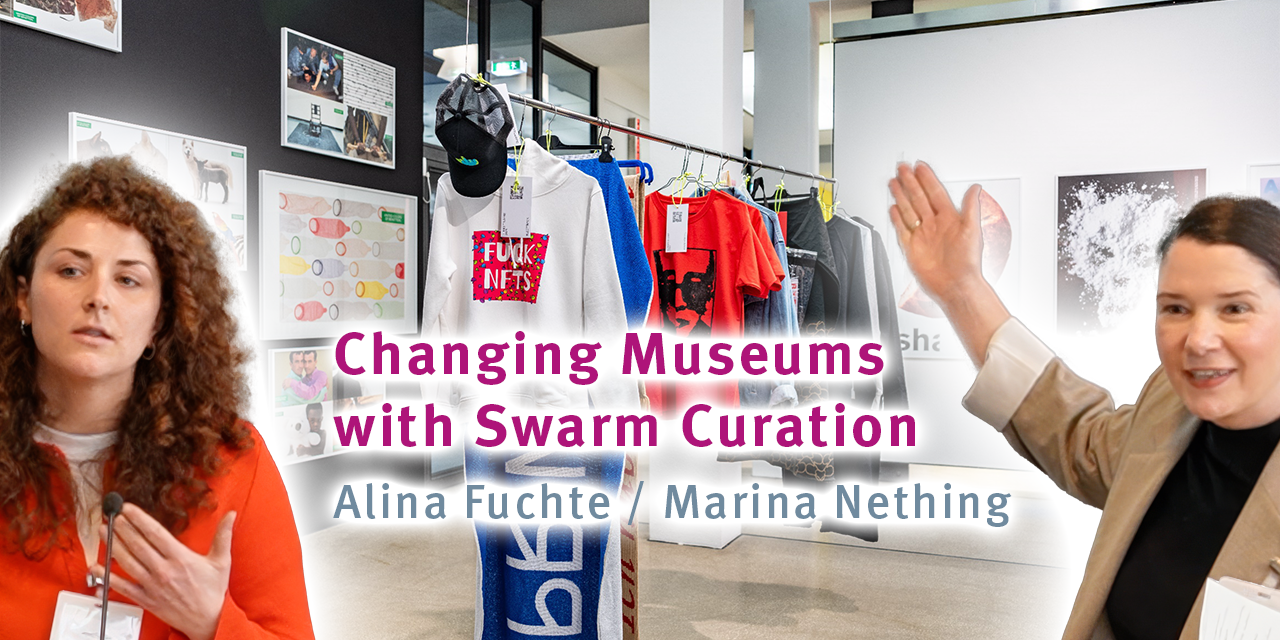
In their lecture “Changing Museums with Swarm Curation”, Marina Nething and Alina Fuchte present “nextmuseum.io”, a digital platform for swarm curation in museums. In light of digital transformation and societal changes, the project tests new participatory approaches. It introduces platform development, open calls, and digital experiments. At its core is the question of how swarm intelligence changes curatorial processes and what challenges arise. The lecture was part of the international conference “Digital Curating: Ethics of Access and Sustainability”, organized by the Centre for Advanced Study, which took place from 4 to 6 March 2026. More information about the conference can be found here.
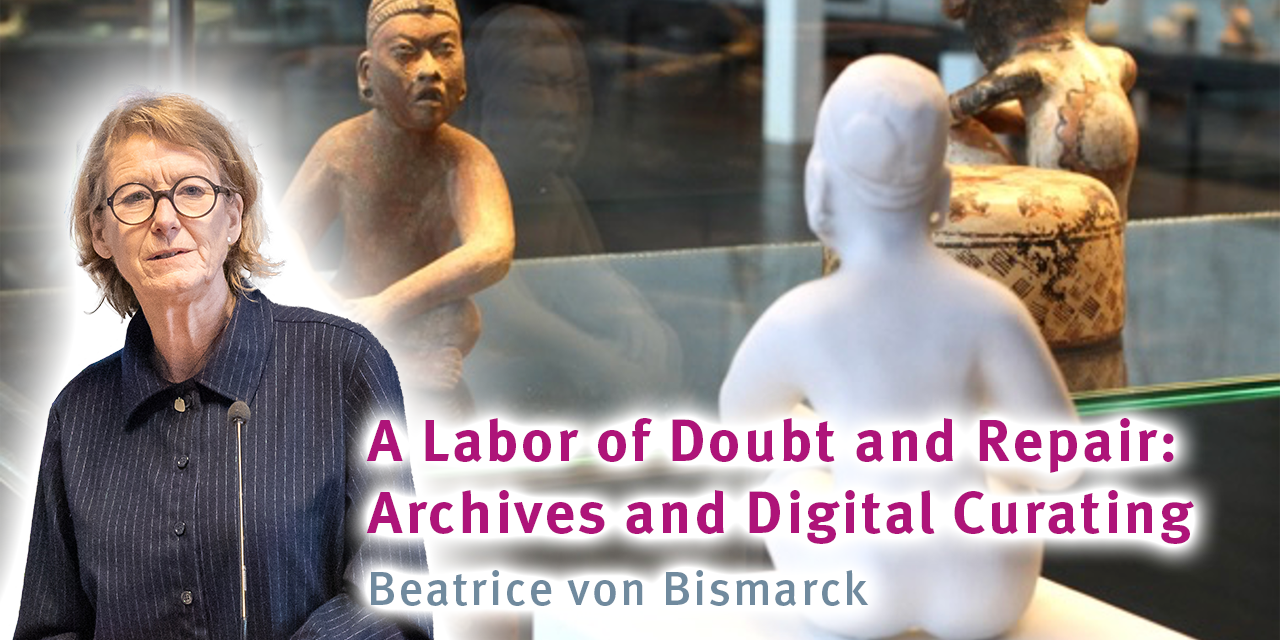
In her Keynote Lecture “A Labor of Doubt and Repair: Archives and Digital Curating”,Prof. Dr. Beatrice von Bismarck (Hochschule für Grafik und Buchkunst Leipzig) shows how curating builds public relations by generating encounters among humans and non-humans, creating connectivity and meaning. The digital acts as medium, thingly agent, and method. Especially with archives, it enables re-reading material in juridical, political, and social terms, and participates in politics of translation, memory, and evidence. It exposes fissures in disciplinary, institutional, and governmental rules. The lecture shows concrete examples of digital curatorial labor that question codified knowledge and open repair. The lecture was part of the international conference “Digital Curating: Ethics of Access and Sustainability”, organized by the Centre for Advanced Study, which took place from 4 to 6 March 2026. More information about the conference can be found here.
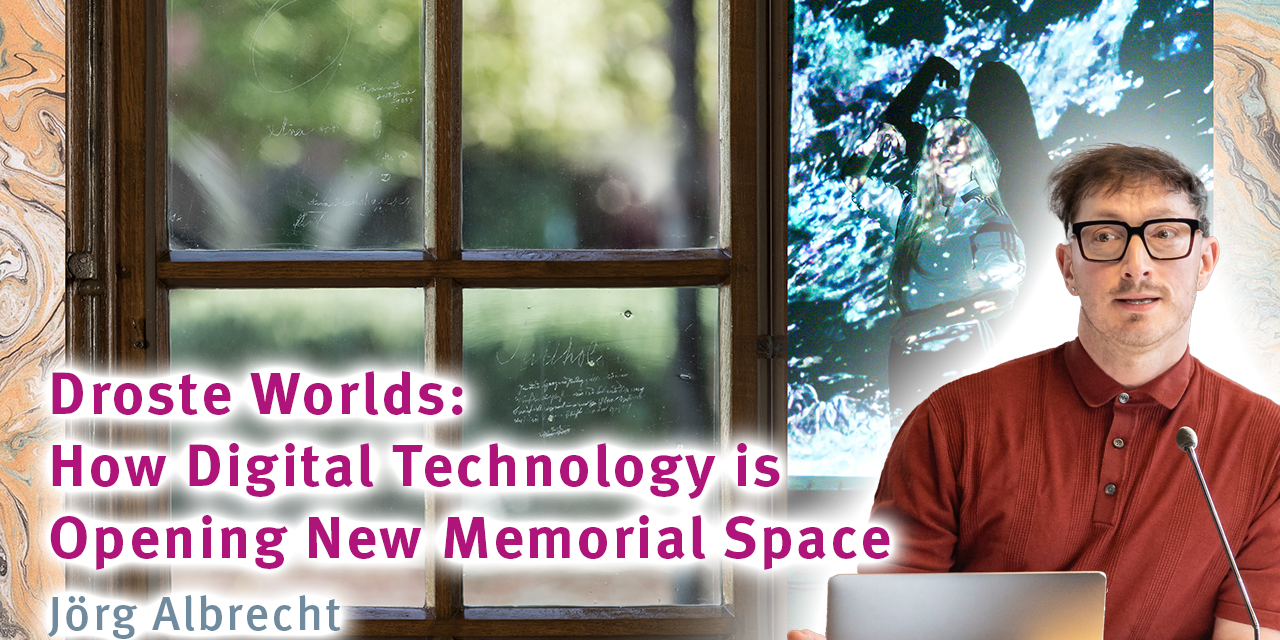
In his lecture “Droste Worlds: How Digital Technology is Opening New Memorial Space”, Dr. Jörg Albrecht (Burg Hülshoff – Center for Literature, Münster/Havixbeck) introduces “Droste Worlds”, a project at Burg Hülshoff blending physical heritage sites with a digital venue. The speaker defines “curating in digital times” as distinct from digital curating, rooted in a long durée of digitality. The presentation outlines three propositions: creating access to layered time and text, embracing glitches and bugs in technology, and building environments that challenge established narratives. The lecture was part of the international conference “Digital Curating: Ethics of Access and Sustainability”, organized by the Centre for Advanced Study, which took place from 4 to 6 March 2026. More information about the conference can be found here.
On 22 January 2026, Prof. Dr. Nosheen Fatima Warraich, Senior Fellow of the Centre for Advanced Study and Professor at the Institute of Information Management, University of the Punjab in Lahore (Pakistan), gave a lecture for students on the topic of “Mastering the Art of Systematic Literature Review – Techniques, Tools, and Best Practices” at the University Library of FernUniversität Hagen. The lecture is available as a video.
Prof. Dr. Ursula Frohne and Prof. Dr. Reinold Schmücker, the directors of the Centre for Advanced Study, are guests on the “RadiHum – Digital Humanities Podcast” (in German). As part of the series “Barriers, obstacles and opportunities for participation in the digital humanities”, they talk about the topic of “Access to cultural goods in the digital sphere”. The discussion focuses on so-called second-order access conditions (such as proprietary software, license conditions, or infrastructural decisions made by large companies) security and authenticity in the digital space, digital barrier poverty, and case studies on human rights and ethical aspects. From minute 33:33, listeners learn more about the everyday work of the Centre for Advanced Study “Access to Cultural Goods in Digital Change”.
Dr. Thomas Kater, Senior Fellow at the Centre for Advanced Study, is a guest at the podcast “Digitalgespräch” hosted by the Centre Responsible Digitality (ZEVEDI) at the Technical University of Darmstadt. He talks about his research topic “Simplifying literature – with AI? Digitality and cultural participation.” Access to cultural goods and works of art should be open to as many people as possible. “Access” here means both the sensory experience of essential aspects of the work and the opportunity to understand what one is confronted with. In the case of literature, however, sophisticated written language is a barrier for many people. Should we intervene here by changing the literary works themselves—perhaps even using AI? A passionate debate has arisen around the approach of radically simplifying literature, which Thomas Kater gives an overview of.
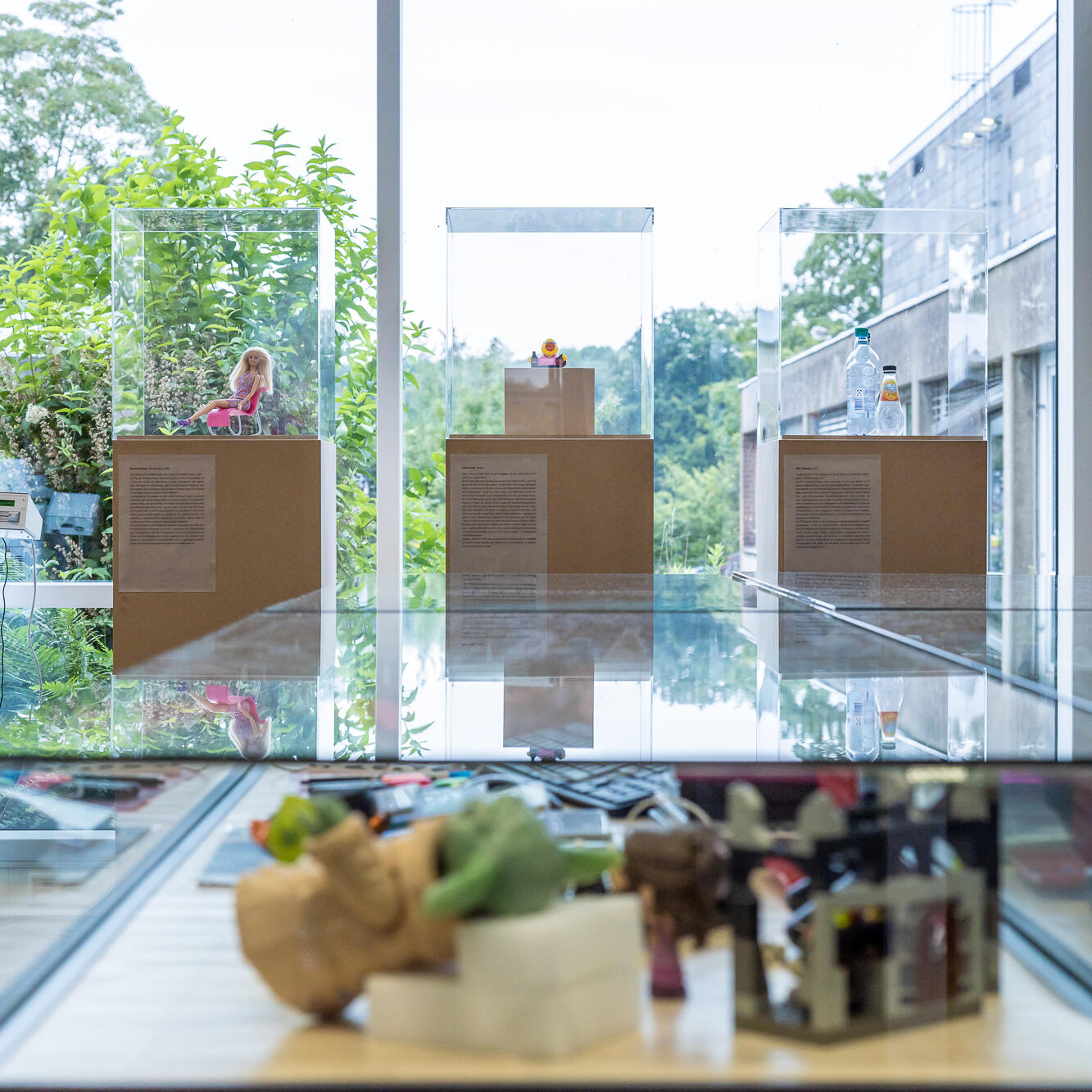
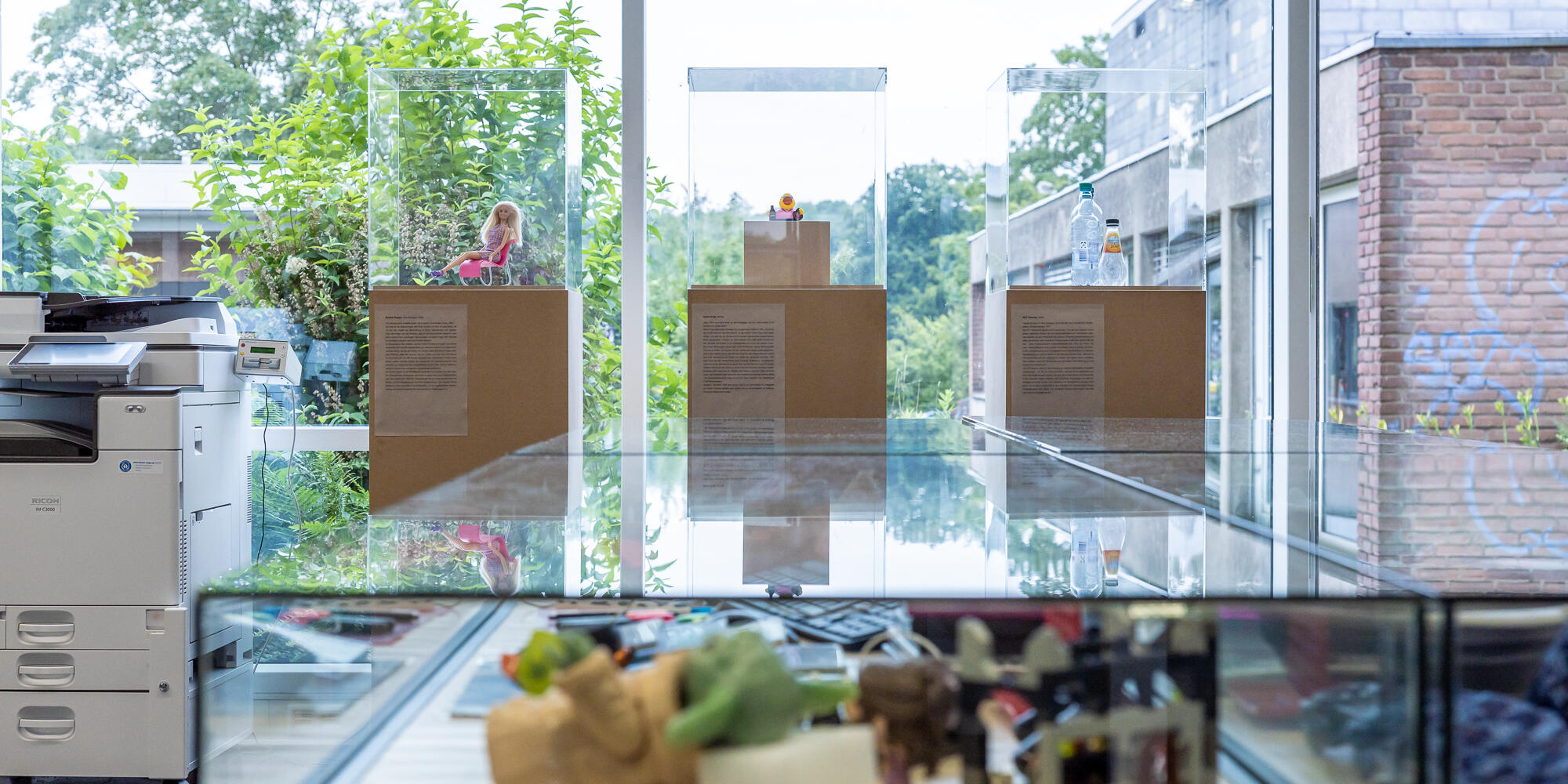
In the winter semester 2023/24 the study project “Kunststoffalltage” of the Institute of Cultural Anthropology/European Ethnology presented its results with an exhibition. Plastic artefacts were presented as “roommates” of student daily life: Objects such as remote controls and toothbrush mugs were used to interpret the everyday dimensions of plastic use. The project was directed by Prof. Dr. Lioba Keller-Drescher, Professor for European Ethnology and in-house fellow of the Centre for Advanced Study. This video provides an insight into the exhibition.
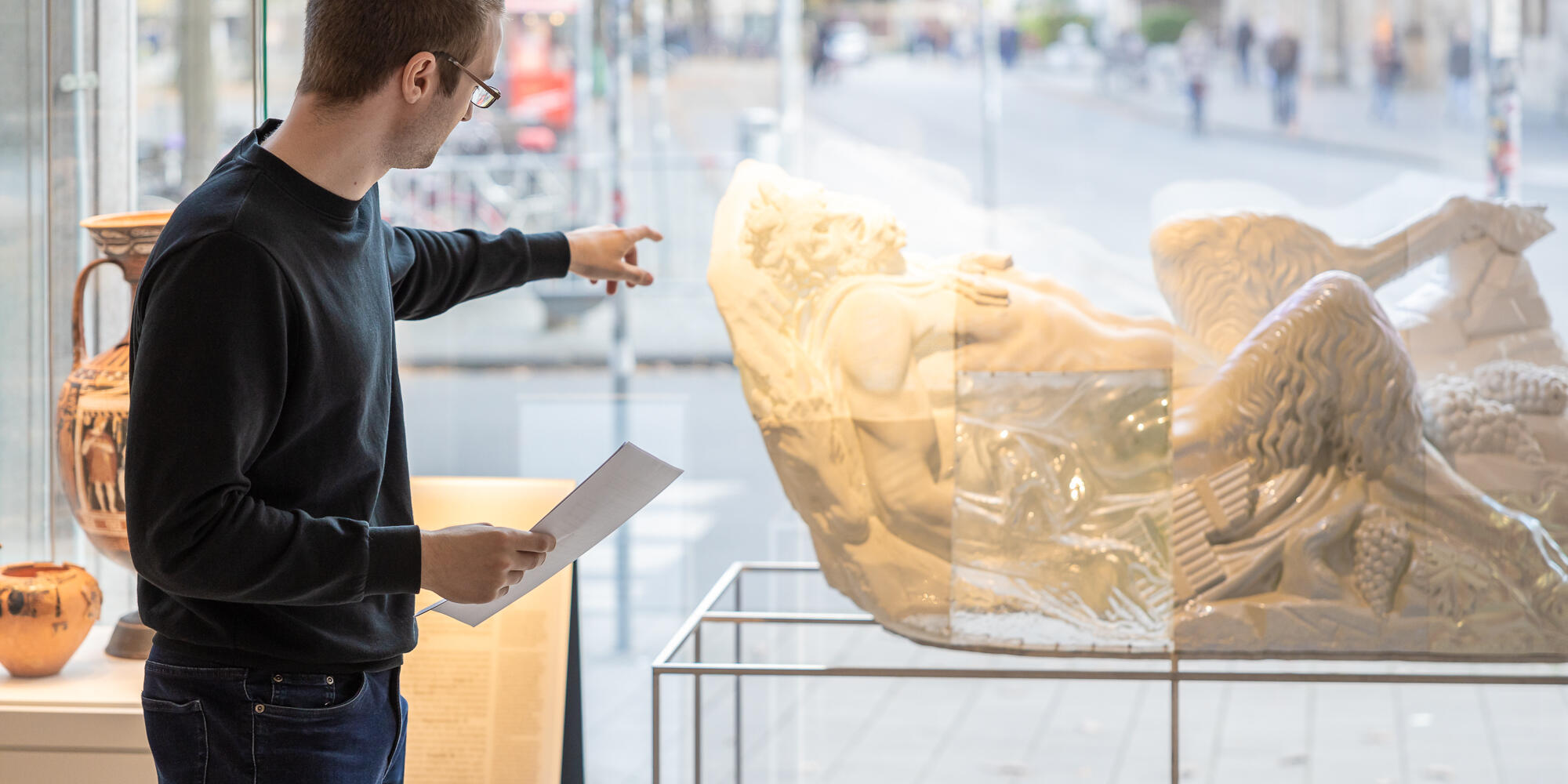
Jon Wiggermann, student of art history and philosophy, explains the special features of Oliver Laric’s “Reclining Pan” in the video – and what questions the artwork raises. From 4 to 30 October 2023, Oliver Laric’s sculpture “Reclining Pan” was on display at the Archaeological Museum of Münster University. The exhibition was a cooperation between the Centre for Advanced Study and the museum on the occasion of the conference „Zugang gestalten! Hindernisse überwinden“.
Digitization is accompanied by a loss of control and authority of interpretation for established cultural heritage institutions, but at the same time it also offers new opportunities for participation. How can this opportunity be used and at the same time prevent the spread of “powerful lies”? The lecture “Access and loss of control – The new dependencies in the age of AI” by cultural studies expert Dr. Michael Seemann as part of the “Zugang gestalten!” conference is available as a video here.
From 4 to 6 October 2023, the Centre for Advanced Study “Access to Cultural Goods in Digtal Change” hosted the conference “Zugang gestalten! Mehr Verantwortung für das kulturelle Erbe”. The 13th edition of the conference series was dedicated to the topic “Hindernisse überwinden (Overcoming Obstacles)”: What prevents the digitization of cultural heritage, what hinders accessibility? More than 50 speakers contributed their expertise both in lectures and in parallel working groups. Director of the conference series is Prof. Dr. Paul Klimpel, who is fellow at the centre in 2023.
The event was streamed live. You can find the recording of the livestream here: