News

© Stephan von Delft

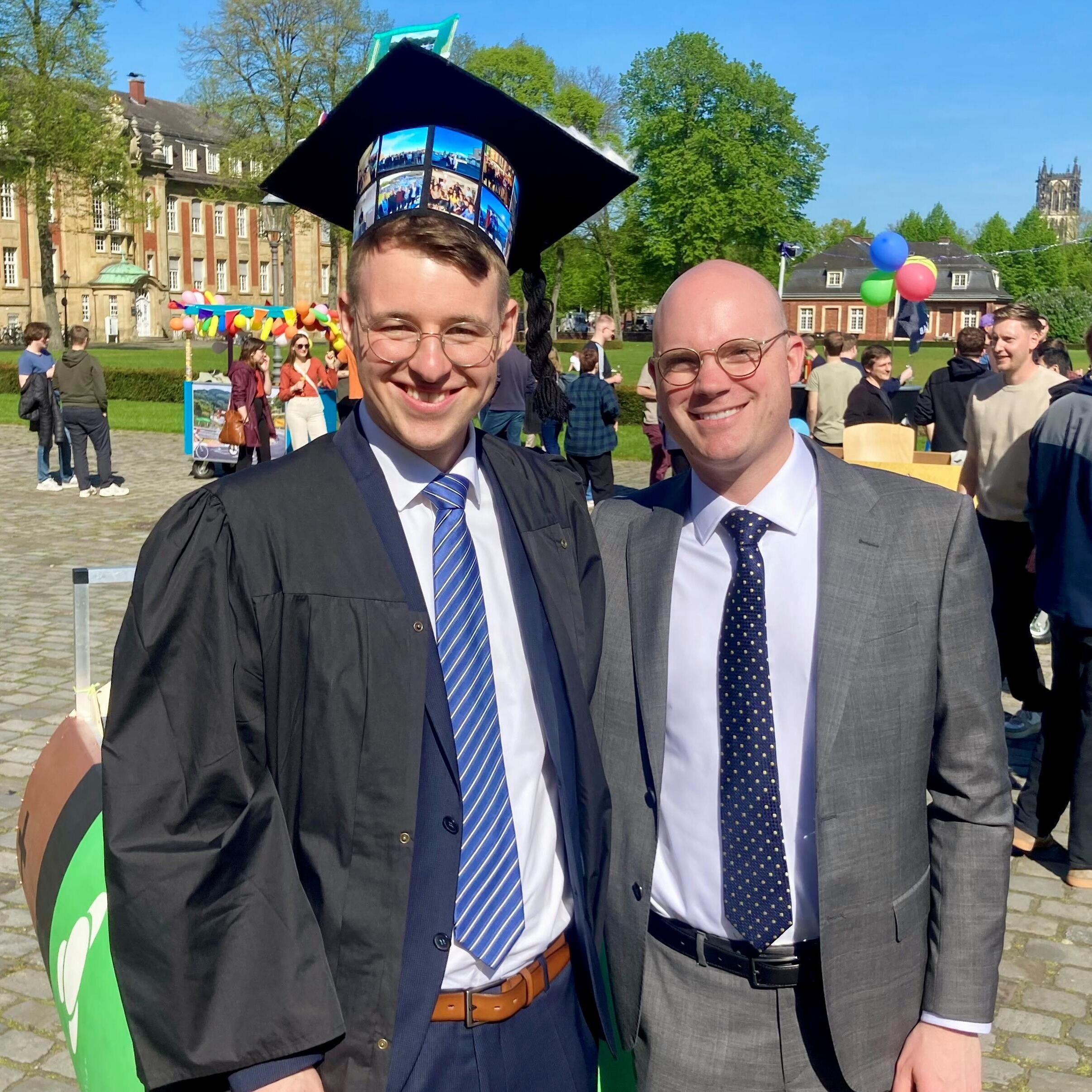
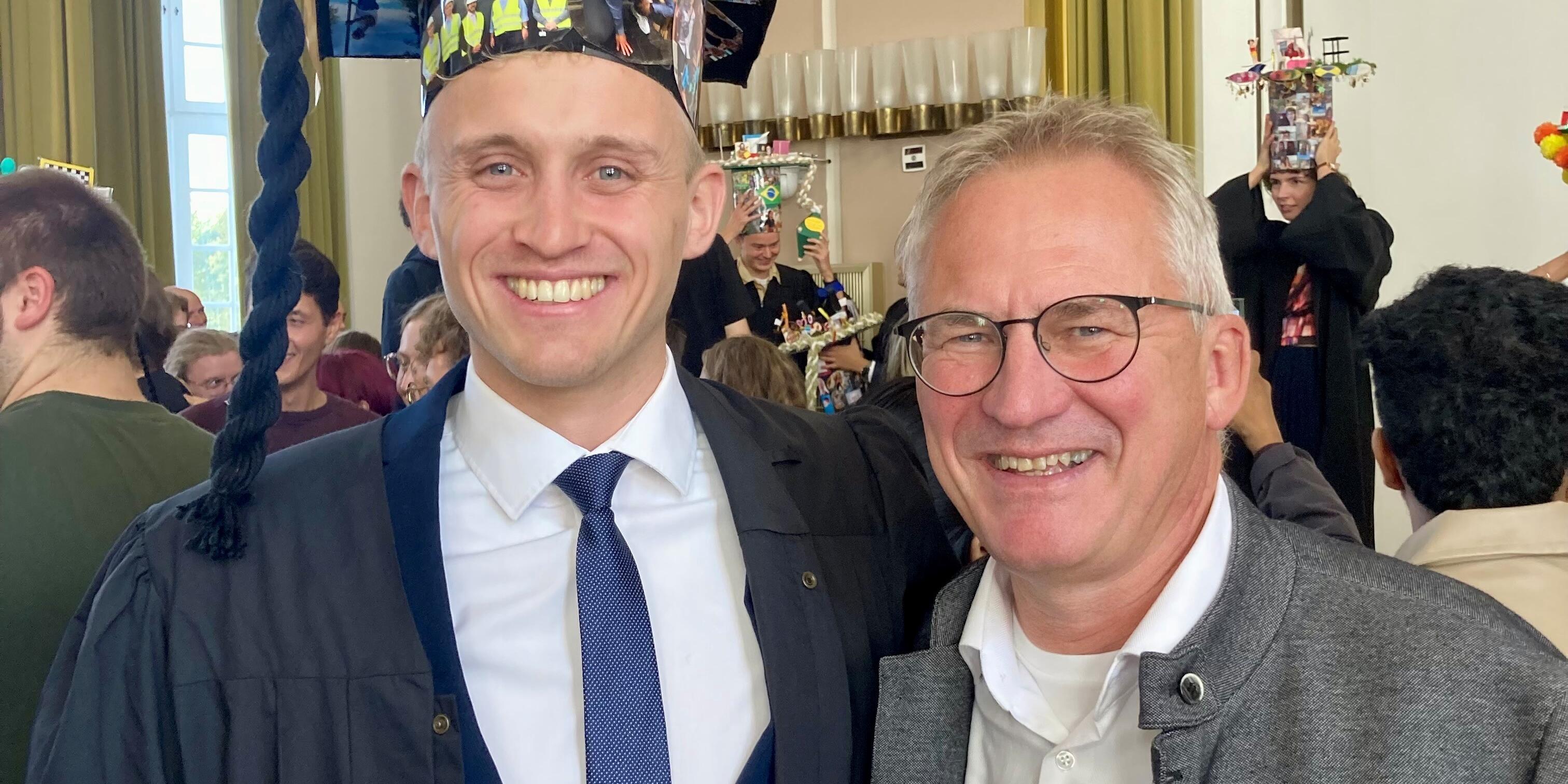
Graduation of Dr. Tim Greitemeier

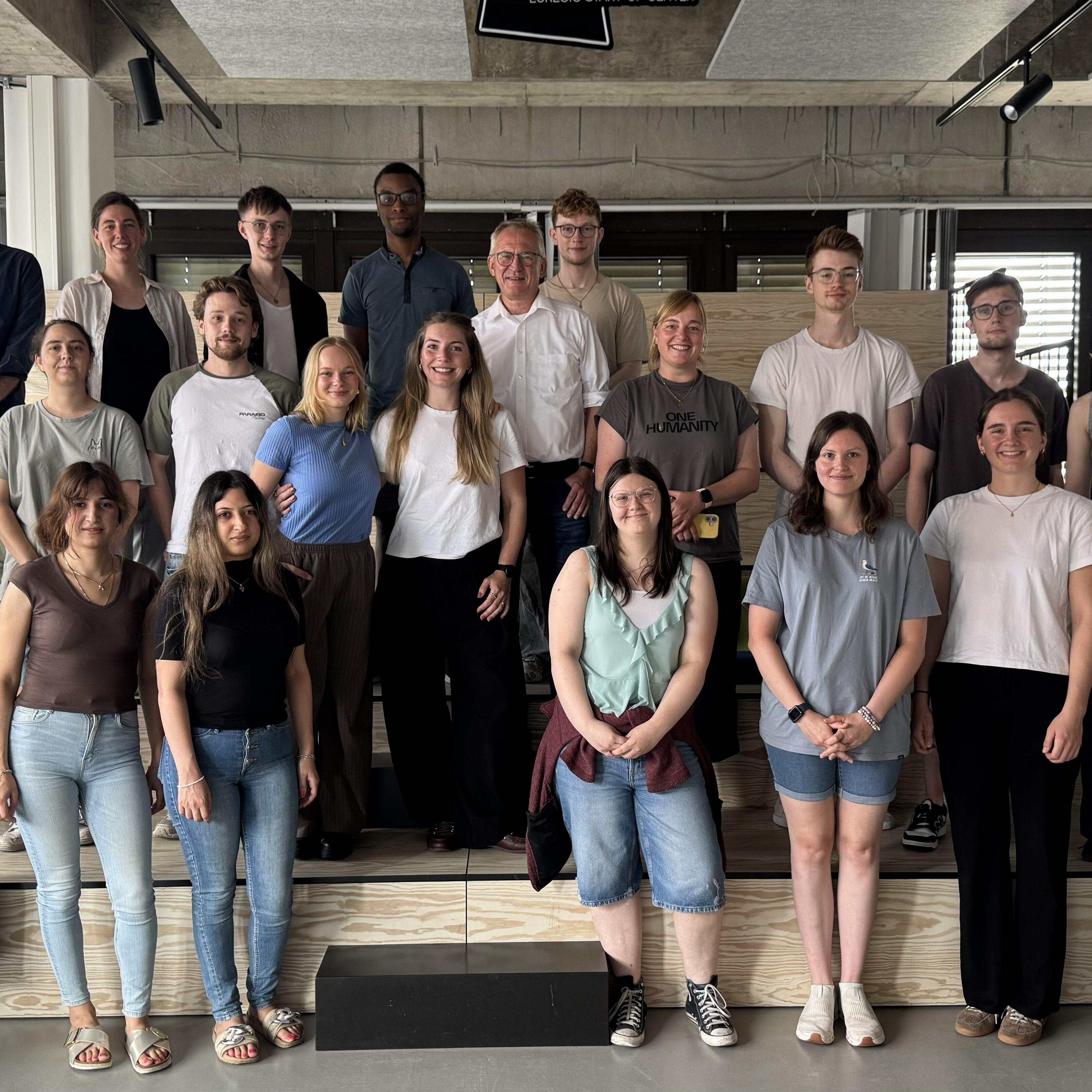
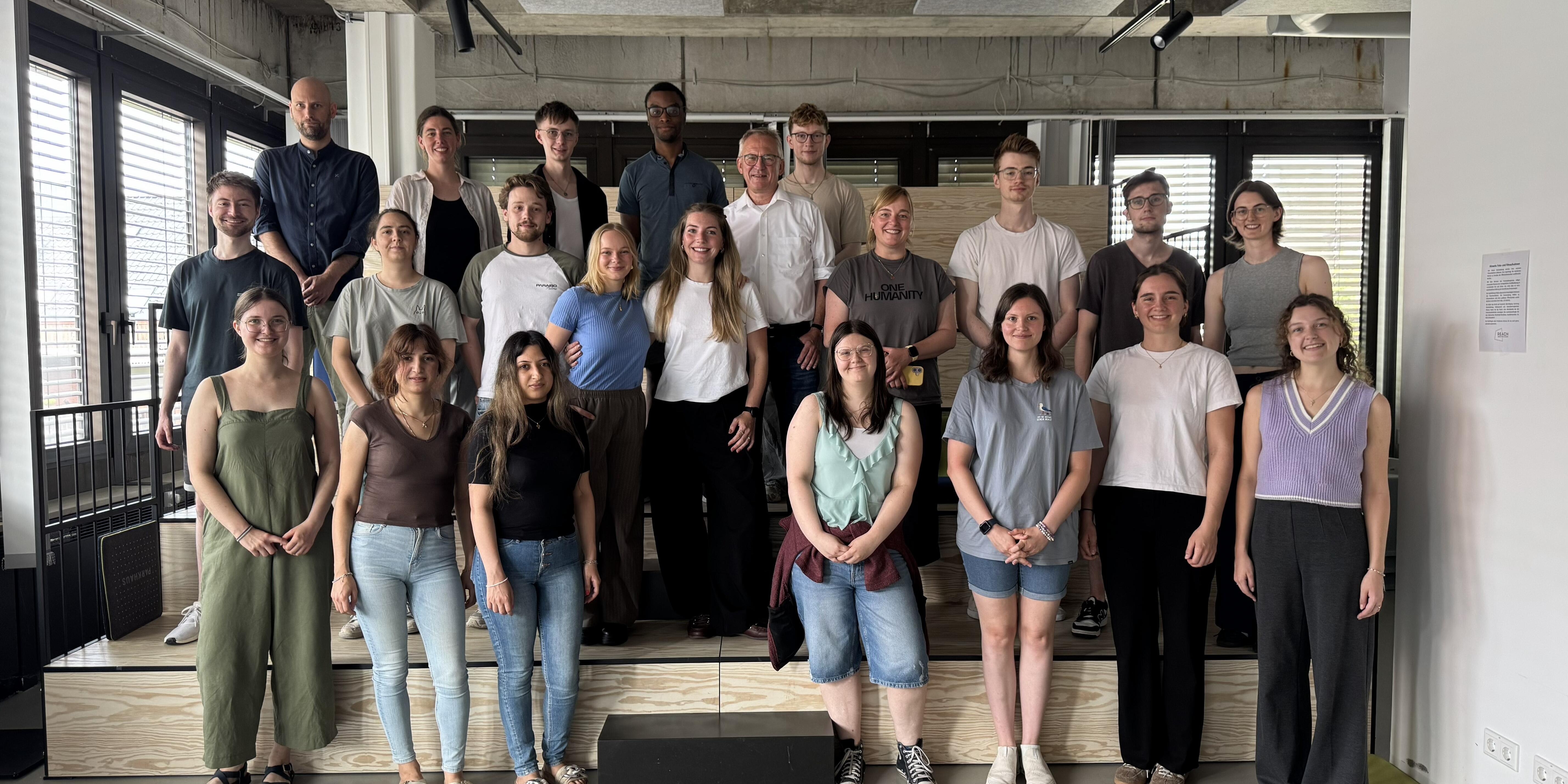
On April 24, 2026, Dr. Tim Greitemeier’s doctoral graduation ceremony took place at the Schloss of the University of Münster. Tim successfully completed his doctorate in Business Chemistry (Dr. rer. nat.) and is now the proud first alumnus of Prof. Simon Lux.

We offer our sincere congratulations and wish him all the best for the future!

© Institute of Business Chemistry

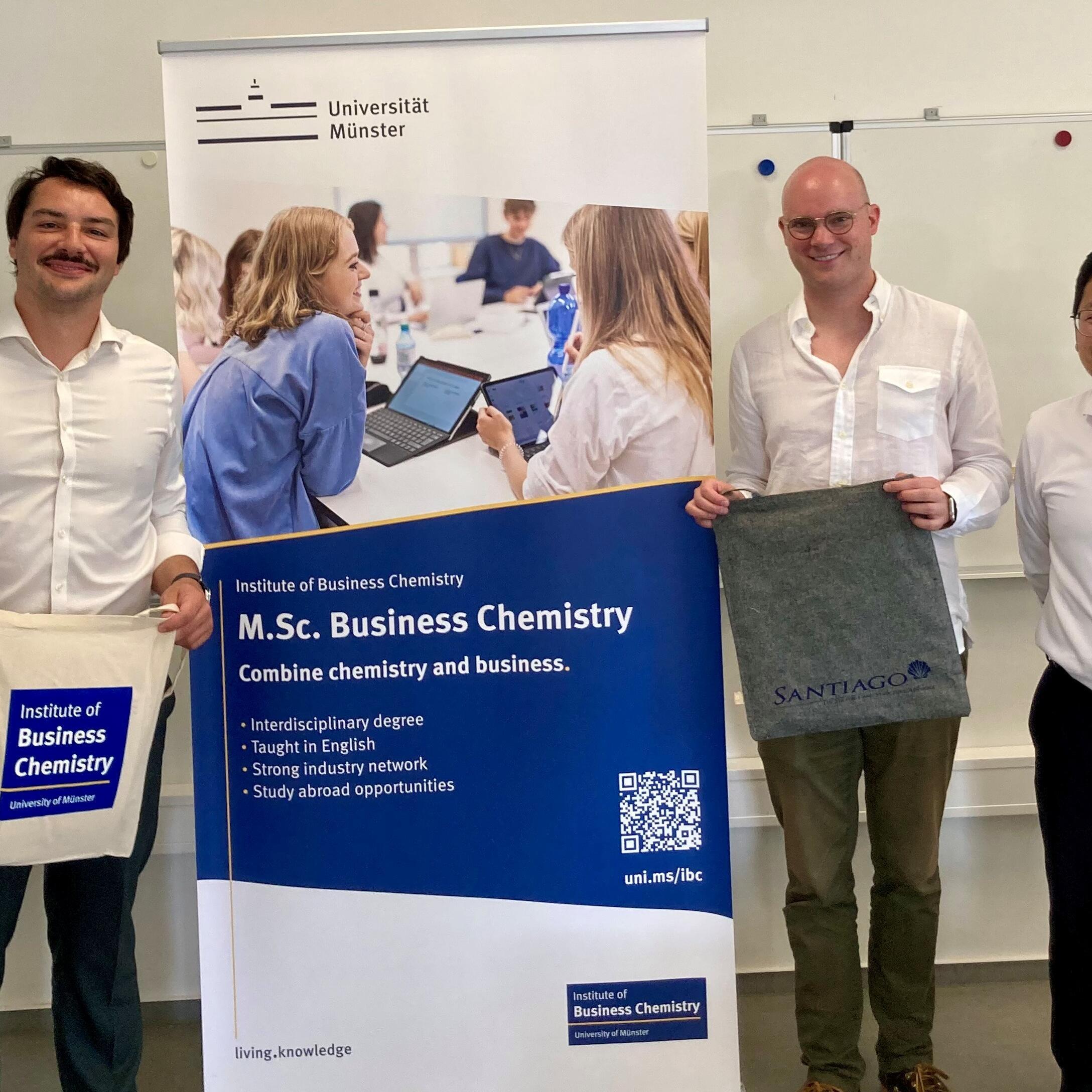
Case Study Workshop with Santiago Advisors

On July 14, 2026, the management consultancy Santiago Advisors conducted an interactive case study workshop for our Business Chemistry students. The workshop was led by our alumnus Yoshiki Fukuda.

© Stephan von Delft

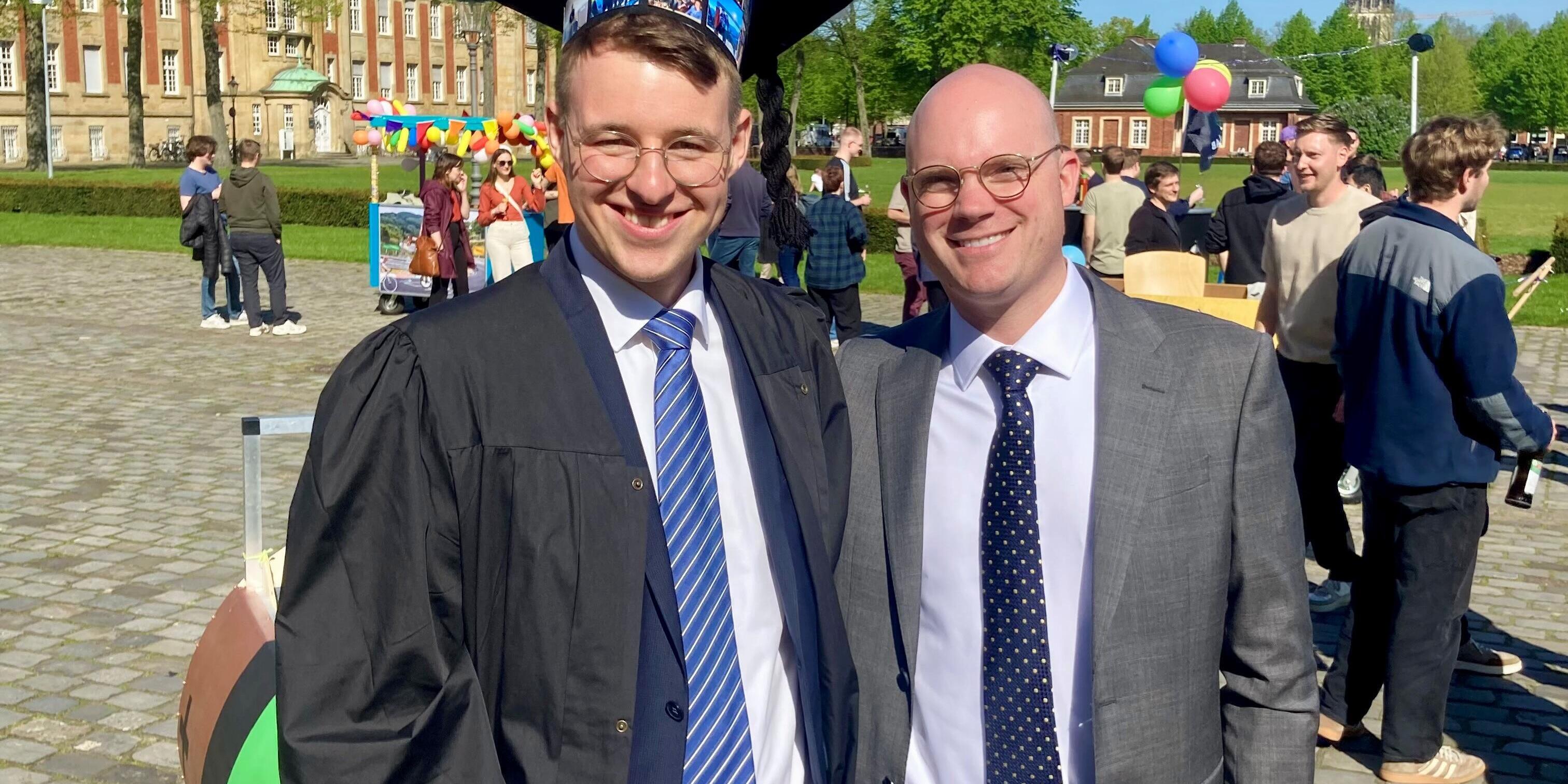
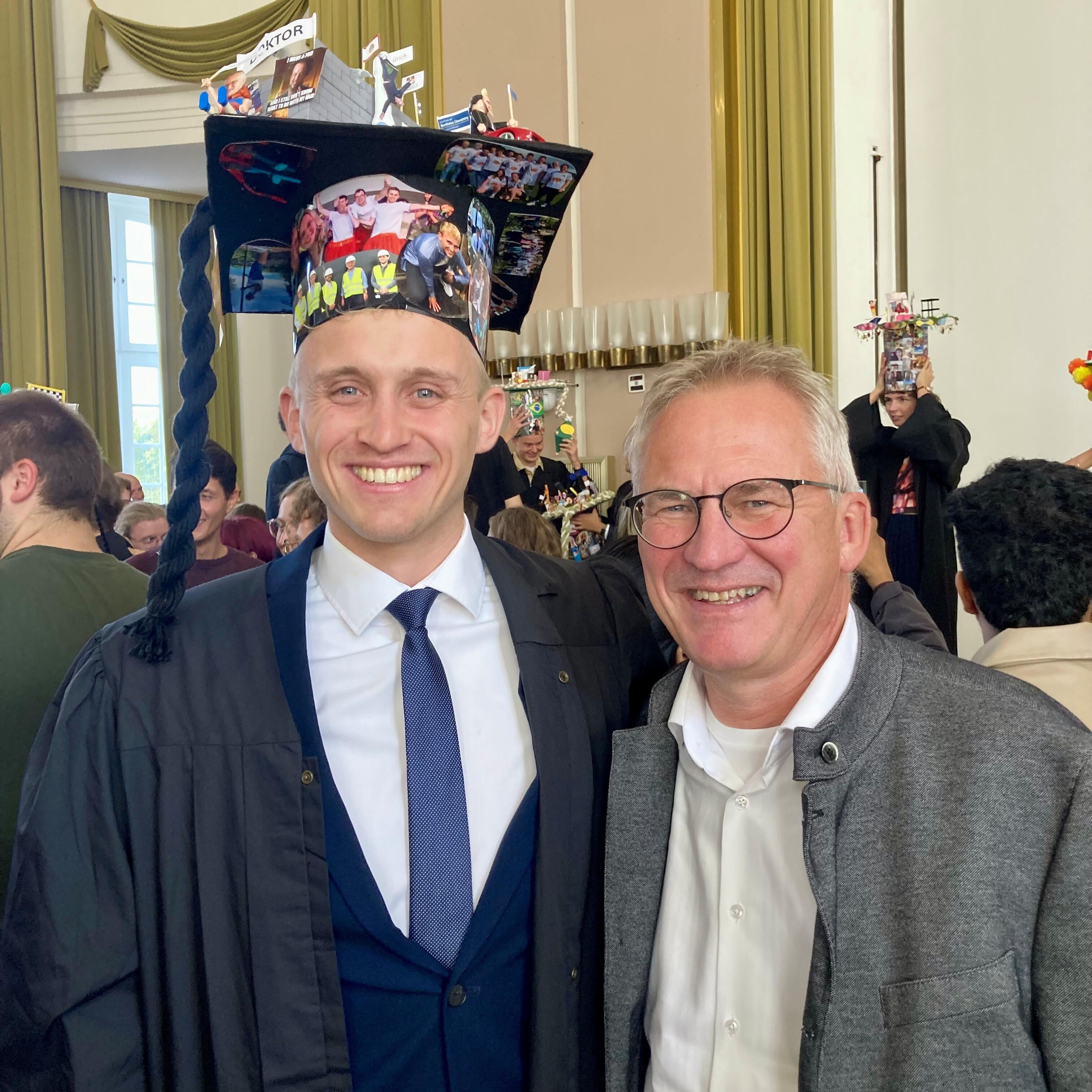
Graduation of Dr. Simon Schlehuber

On April 24, 2026, Dr. Simon Schlehuber’s doctoral graduation ceremony took place at the Schloss of the University of Münster. Simon successfully completed his doctorate in Business Chemistry (Dr. rer. nat.) and is now the proud sixth alumnus of Prof. Stephan von Delft.

We offer our sincere congratulations and wish him all the best for the future!

© Privat

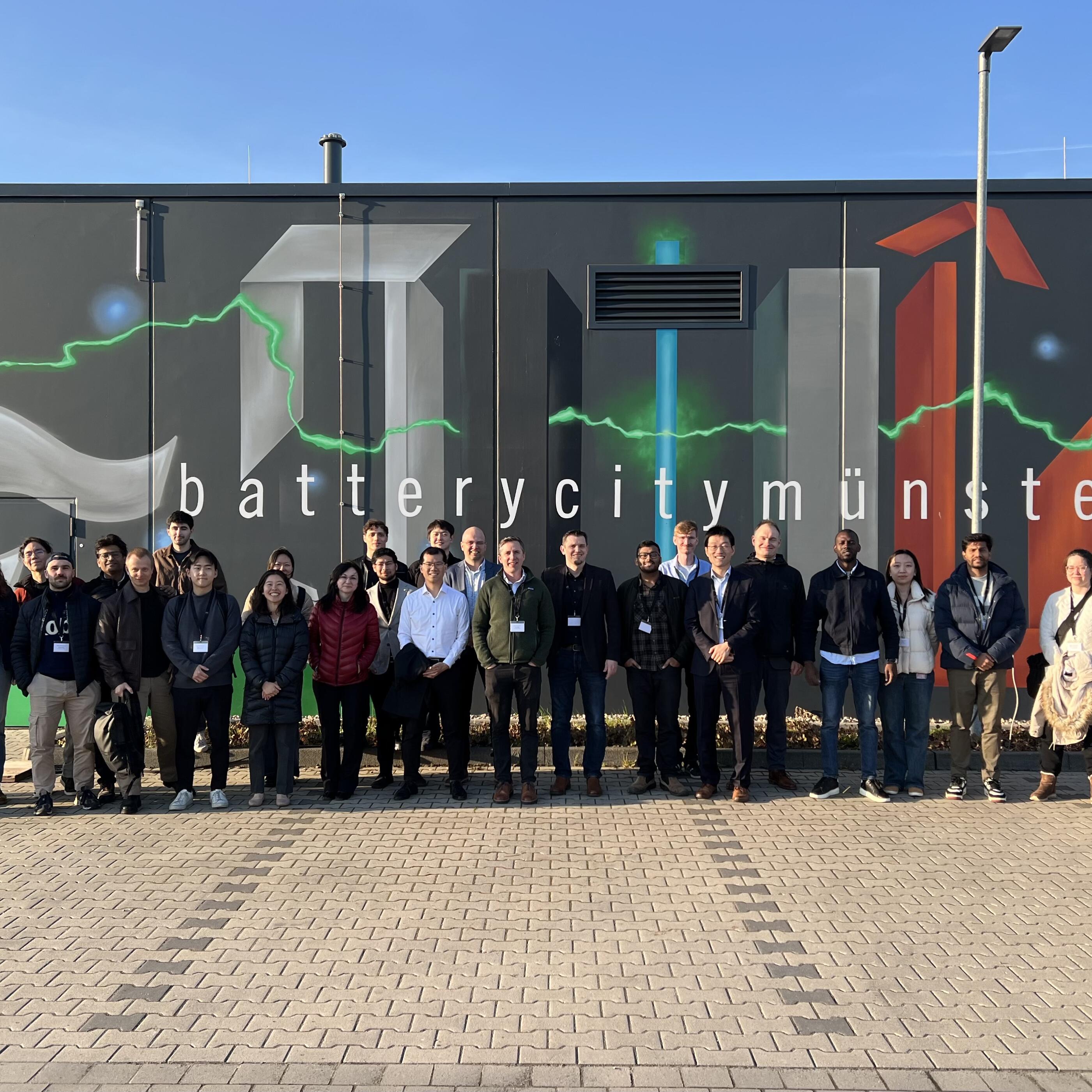
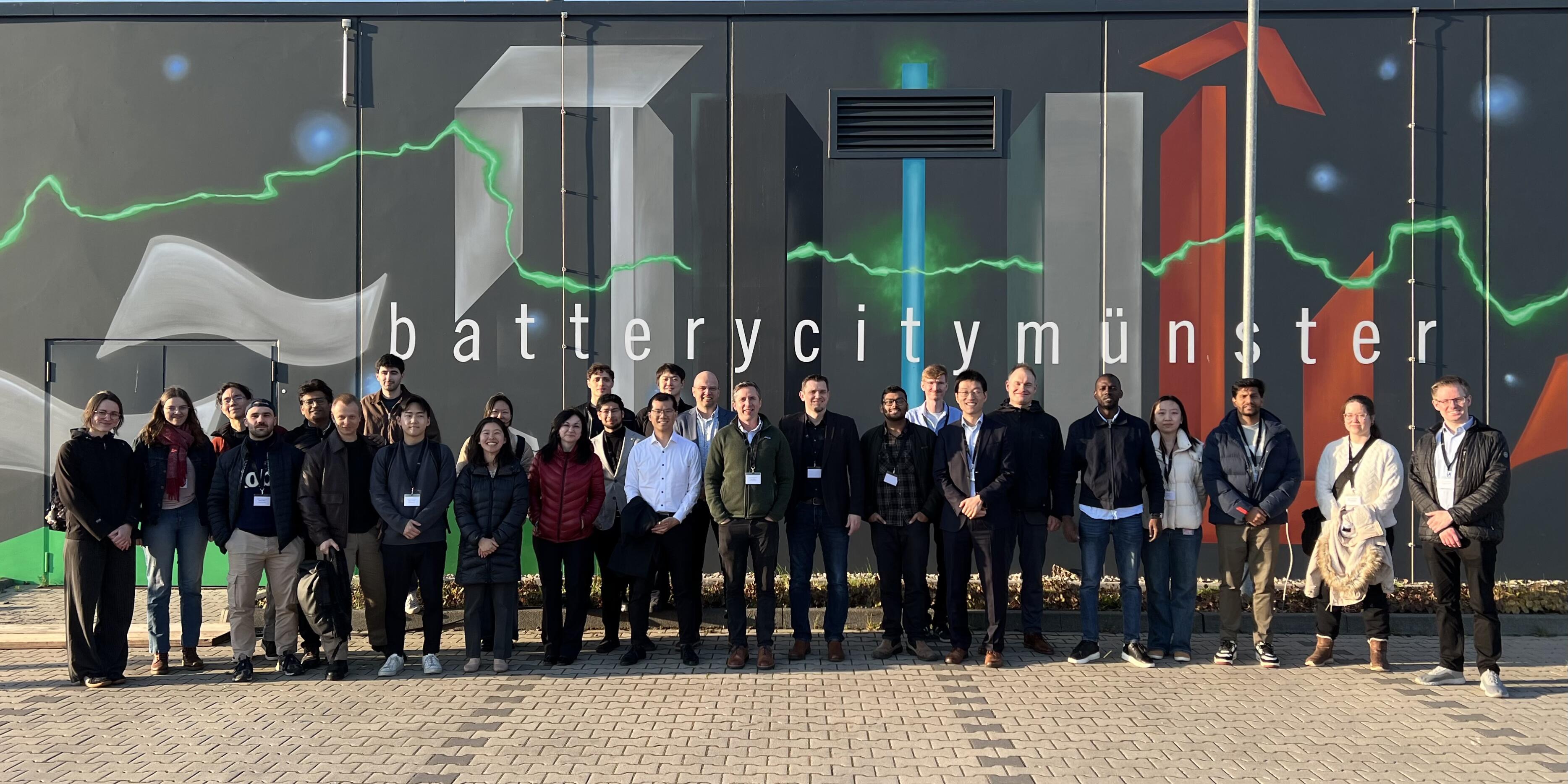
MUST Winter School 2026

MUST Winter School 2026 in Münster: International impulses for battery research

On March 18 and 19, 2026, the fourth MUST Winter School took place in Münster. Researchers from the University of Münster, the University of Twente, and Stanford University came together to discuss current developments in battery research and sustainable manufacturing.
 

© IfbM

Ceremonial farewell for our PhD graduate in Business Chemistry, Dr André Hemmelder

On Friday, 10th October, we celebrated the successful graduation of our PhD student in Business Chemistry, Dr André Hemmelder, at the castle of the University of Münster. André has successfully completed his doctorate in Chemistry (Dr rer nat), becoming proud alumni number 76 of our Institute Director, Professor Jens Leker.

We extend our heartfelt congratulations and wish him all the best for the future!

© Uni Münster - Michael Möller

Recycling method for dry-processed cathodes developed

Research team advances environmentally friendly battery production

A decisive step toward making battery cell production more environmentally friendly and cost-effective is the development of innovative manufacturing processes such as the dry processing of electrodes. This method completely eliminates the need for expensive and, in some cases, toxic organic solvents. The key lies in the choice of a suitable binder: the high-performance polymer polytetrafluoroethylene (PTFE). To strengthen the circular economy of batteries with such processes, it is essential to integrate recycling options from the outset. A team from the MEET Battery Research Center and the Institute of Business Chemistry at the University of Münster has therefore developed a method for recycling dry-processed cathodes of lithium-ion batteries. The experts have now published their findings in the journal "Advanced Energy Materials".

© markobe - stock.adobe.com

Lithium-ion batteries: Recycling costs vary widely

New study from the Institute of Business Management in Chemistry and Pharmacy

Lithium-ion batteries play a central role in electromobility and energy storage. Recycling is a crucial step in closing their value chain. But what does it actually cost? A team from the Institute of Business Management in the Department of Chemistry and Pharmacy at the University of Münster has addressed this question in a recent study. Their findings have been published under the title “Cost Modelling and Key Drivers in Lithium-Ion Battery Recycling” in Nature Reviews Clean Technology.

Doctoral researcher Lisa Schlott, junior group leader Dr. Moritz Gutsch, and institute director Prof. Dr. Jens Leker show that the costs of recycling lithium-ion batteries vary substantially depending on battery type and recycling method. “Our evaluation of more than 70 studies worldwide shows that the cost of recycling one kilogram of battery material ranges from as little as one US dollar to as much as 22 US dollars,” explains Lisa Schlott. However, the study also revealed that transparency and traceability in the cost models published to date are often lacking. “Battery recycling is costly, yet in some calculations the expenses for essential equipment are not taken into account,” emphasizes Dr. Moritz Gutsch. “That leads to distorted results.”
 

© AdobeStock - Negro Elkha (Symbolbild/3D-Darstellung)

Electric vehicle batteries – Prioritize reuse before recycling

A research team has compared different approaches to utilizing end-of-life electric vehicle batteries, using California as a case study

When electric vehicle (EV) batteries reach the end of their service life, they can be recycled to recover valuable raw materials for the production of new batteries. Alternatively, retired EV batteries can be repurposed for use as stationary energy storage systems, helping to integrate renewable energy into the power grid, manage peak loads, and enhance energy security. Both recycling and second-life use are based on principles of circular economy. But which option is preferable—immediate recycling or second-life use? To answer this question, researchers from the University of Münster (Germany), the Fraunhofer Research Institution for Battery Cell Production FFB (Germany), and the Lawrence Berkeley National Laboratory (USA) conducted a study using California as a case study. The researchers found that deploying end-of-life EV batteries as stationary energy storage devices is more effective in reducing greenhouse gas emissions than immediate recycling. They therefore recommend that countries with a high percentage of renewable energies should prioritize the reuse of retired EV batteries as stationary energy storage devices before recycling.