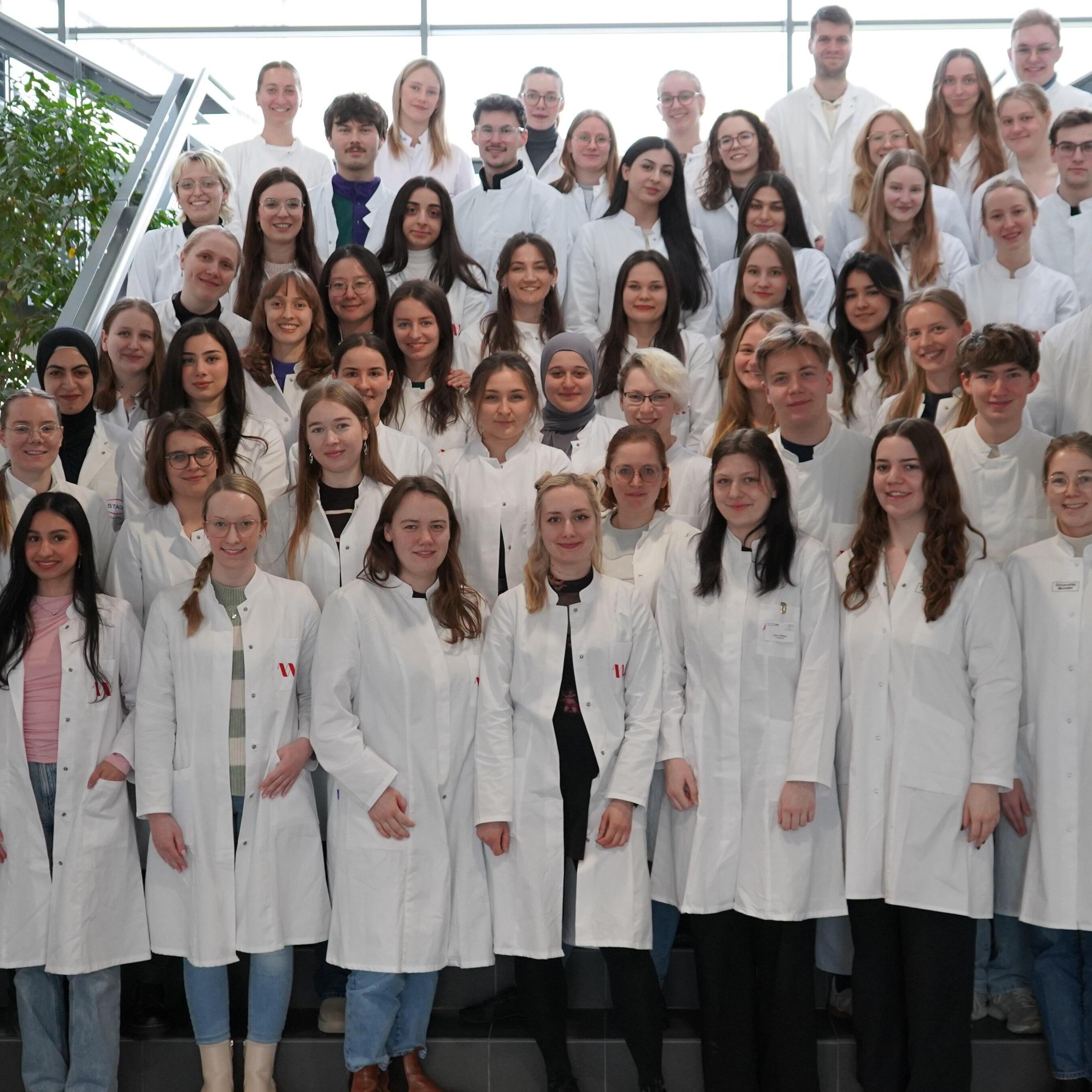
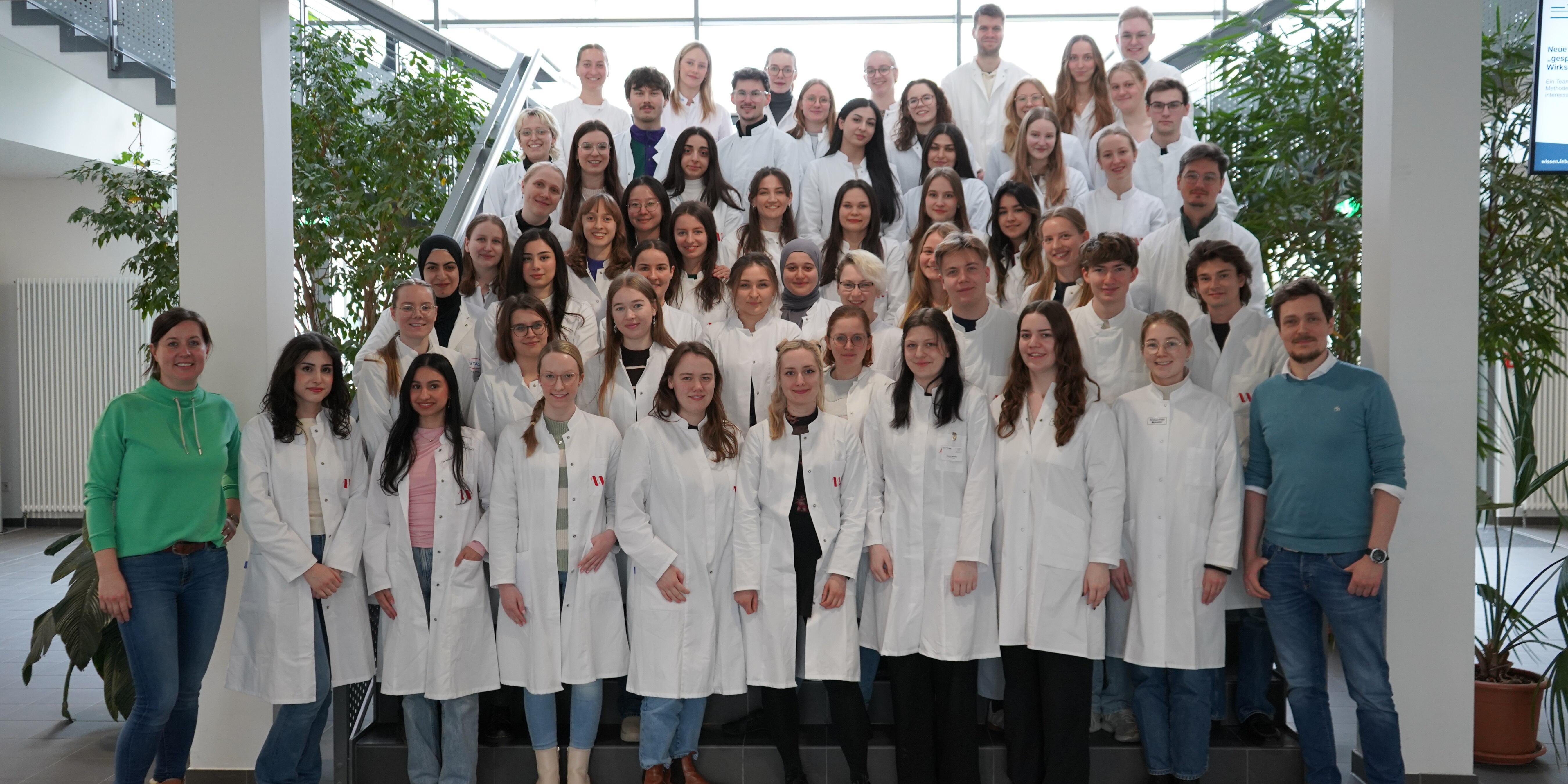
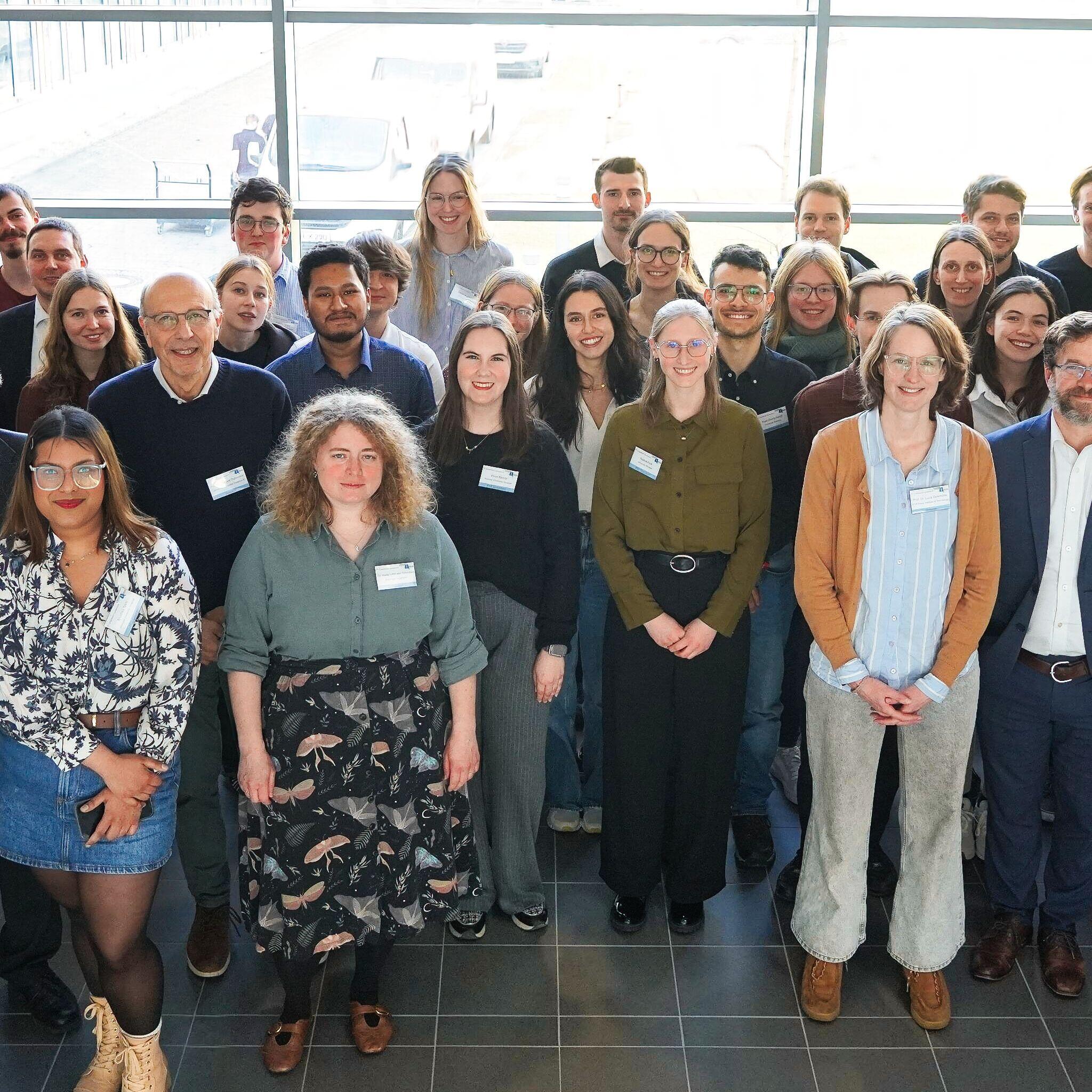
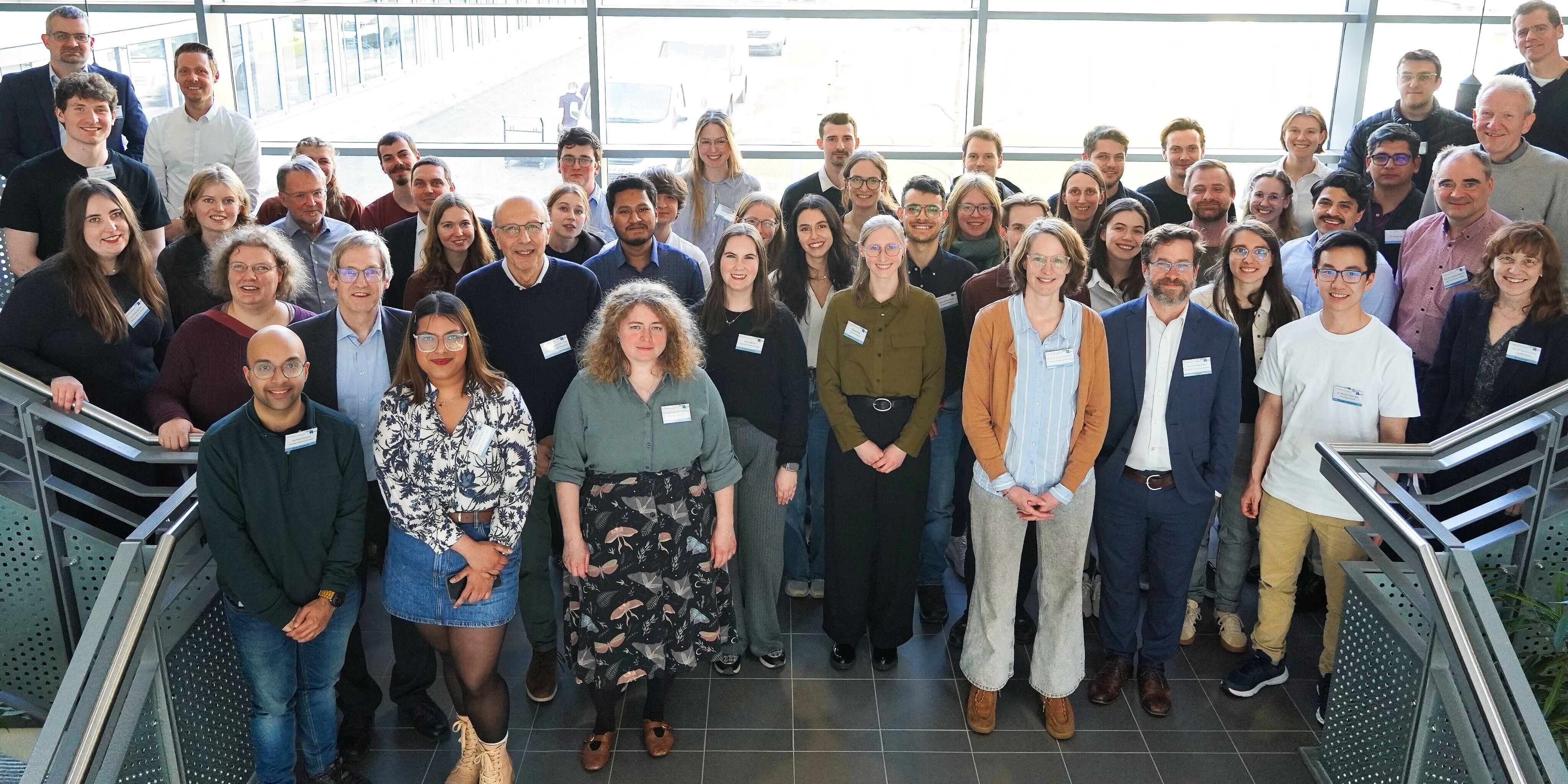
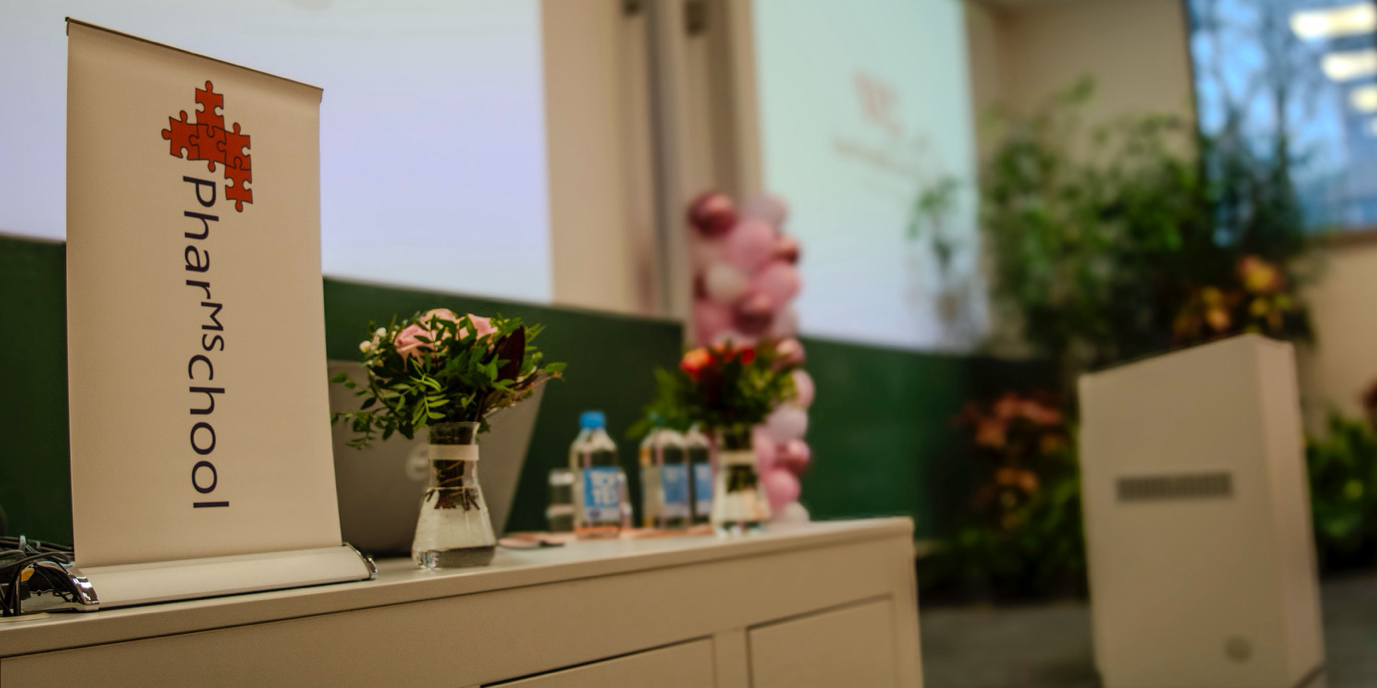
On June 26, the 25th cohort of students will complete the program after four semesters with a symposium on infectious diseases. To mark the occasion, pharmacist Dr. Frauke Weber, a member of the leadership team, and student Daria Dezurnov share insights into the program and the unique aspects of its teaching format in an interview with Christina Hoppenbrock.
The PharMSchool at the University of Münster celebrates a special milestone with its 25th Graduation Symposium, marking the success of a unique educational concept that has shaped pharmaceutical education since 2012. Join us for exciting student research presentations on infectious diseases and inspiring keynote lectures on current topics in drug discovery and reproductive medicine.
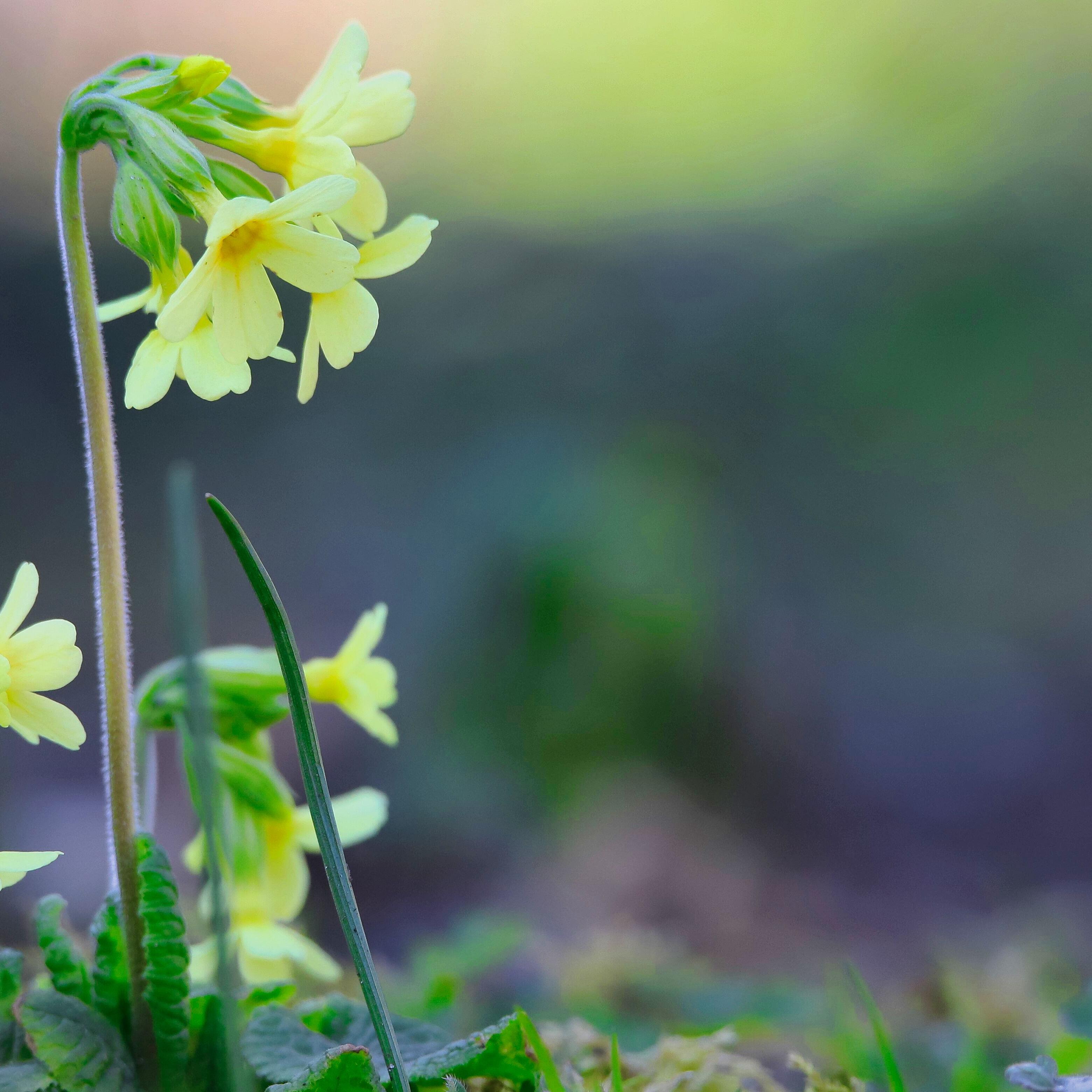
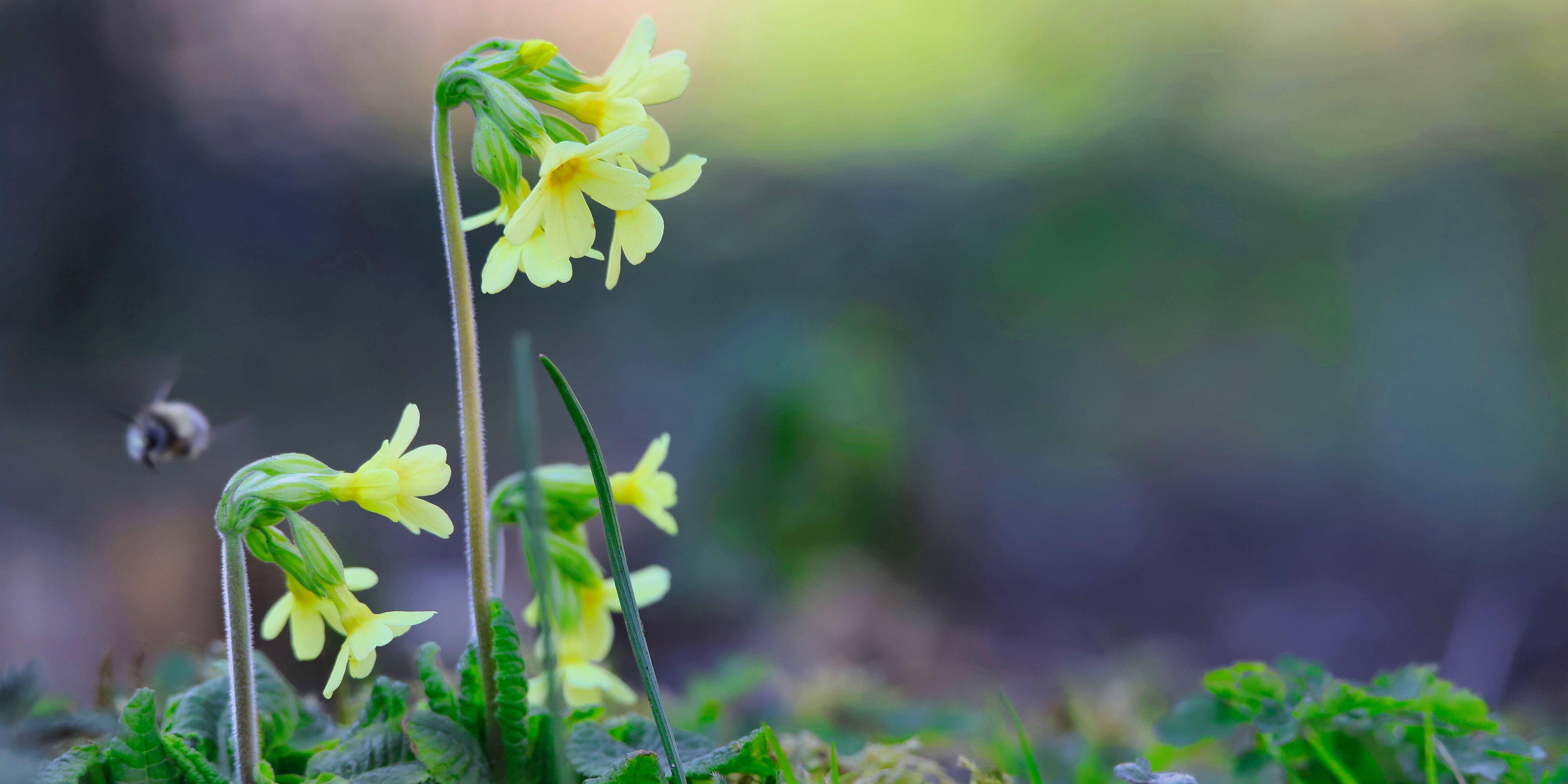
The University of Münster’s Medicinal Plant Garden will officially open for the new season on 26 April 2026 and warmly invites anyone interested to visit. As part of the opening, the first Sunday tour of the year will take place: Prof. Dr Schmidt will lead a tour of the garden entitled ‘What’s blooming already? – Spring in the Medicinal Plant Garden’ and provide fascinating insights into the world of early-flowering medicinal plants.
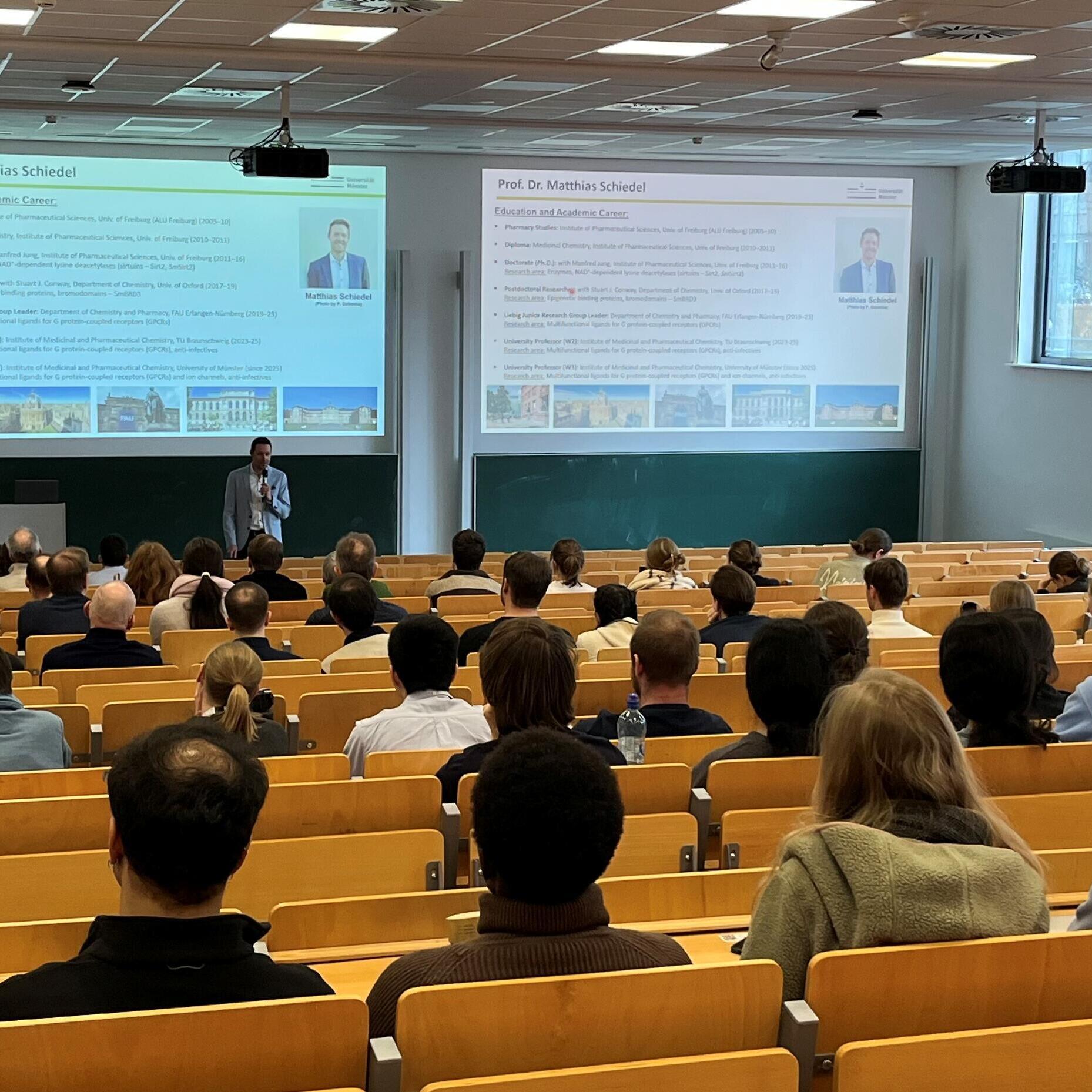
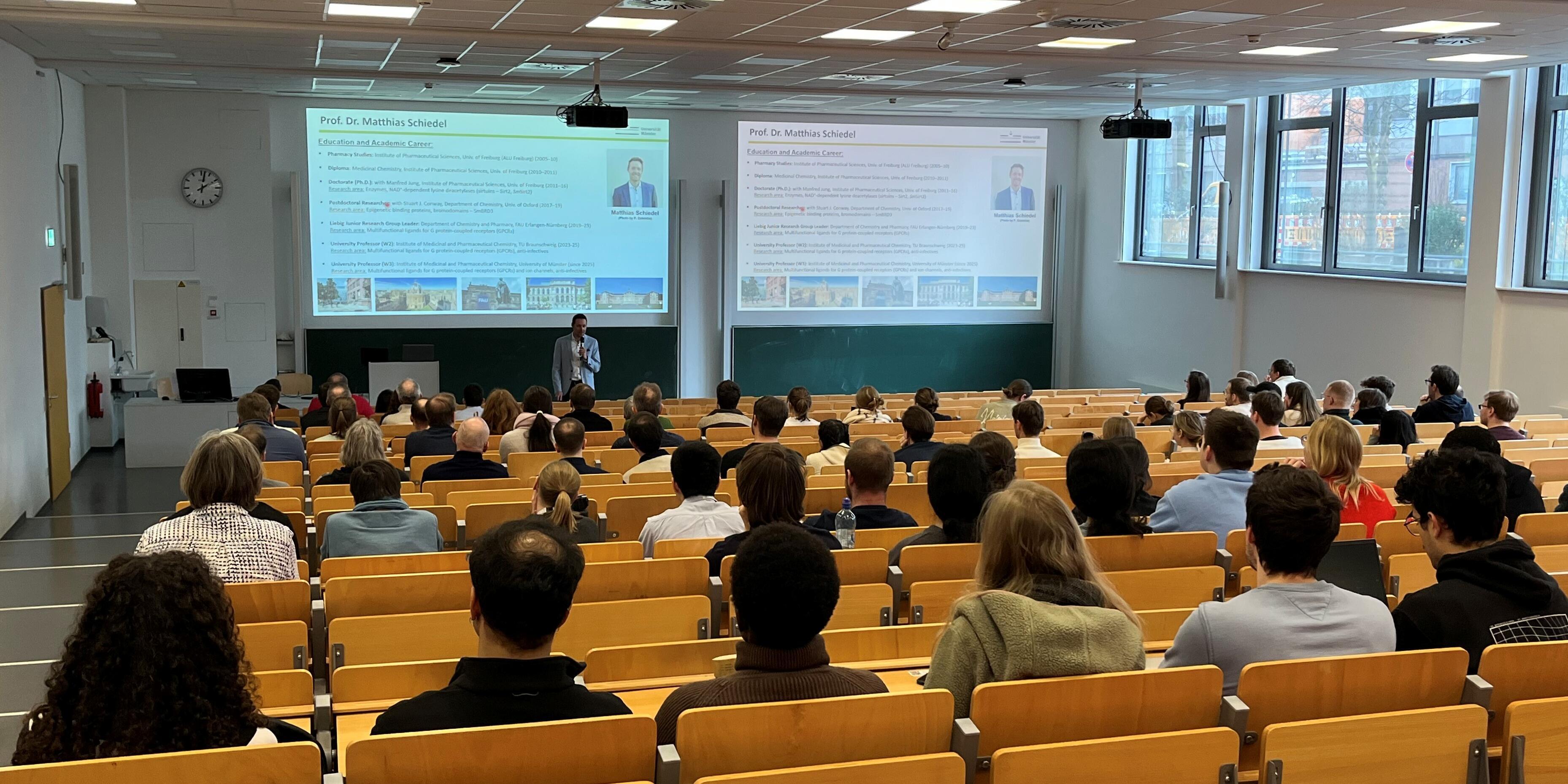
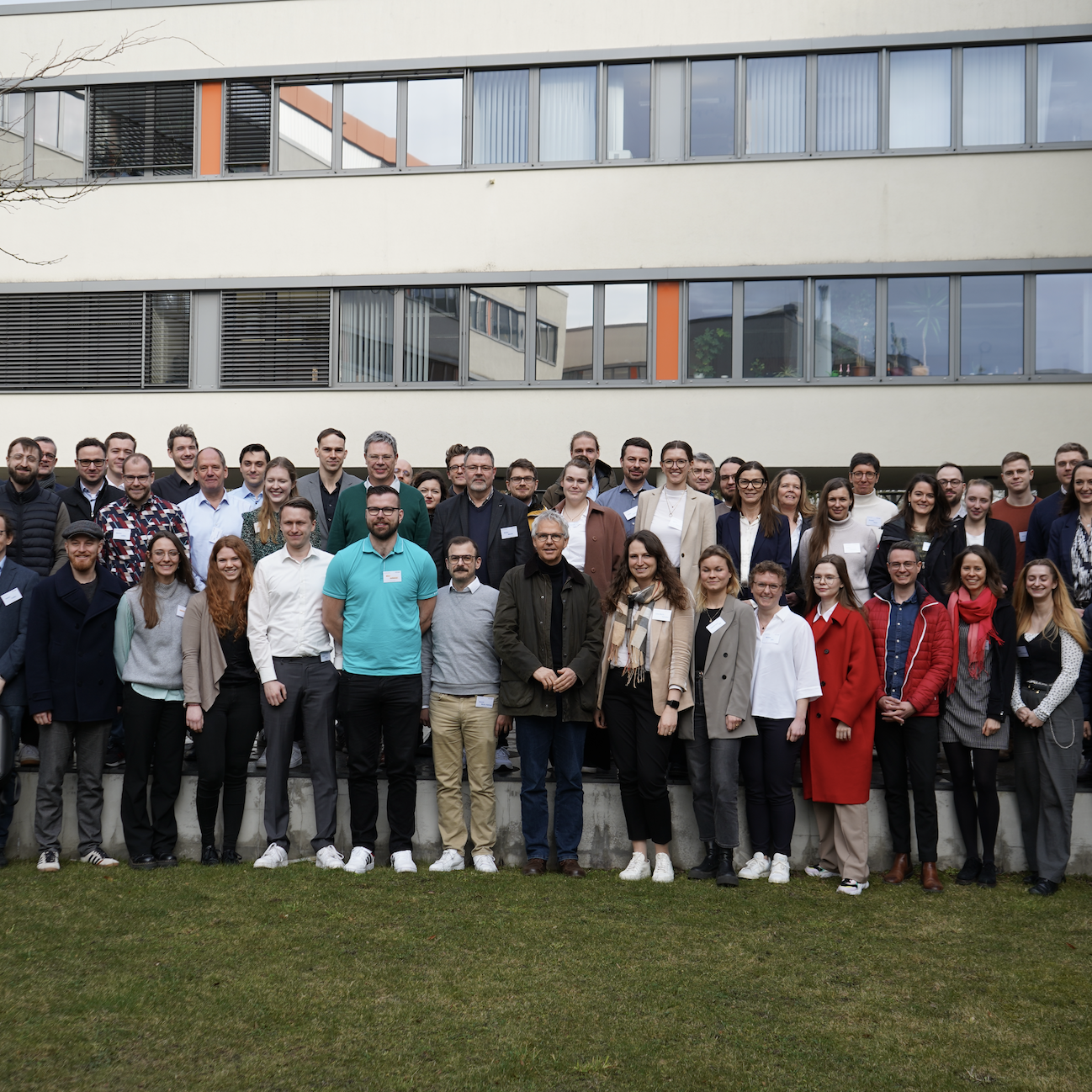
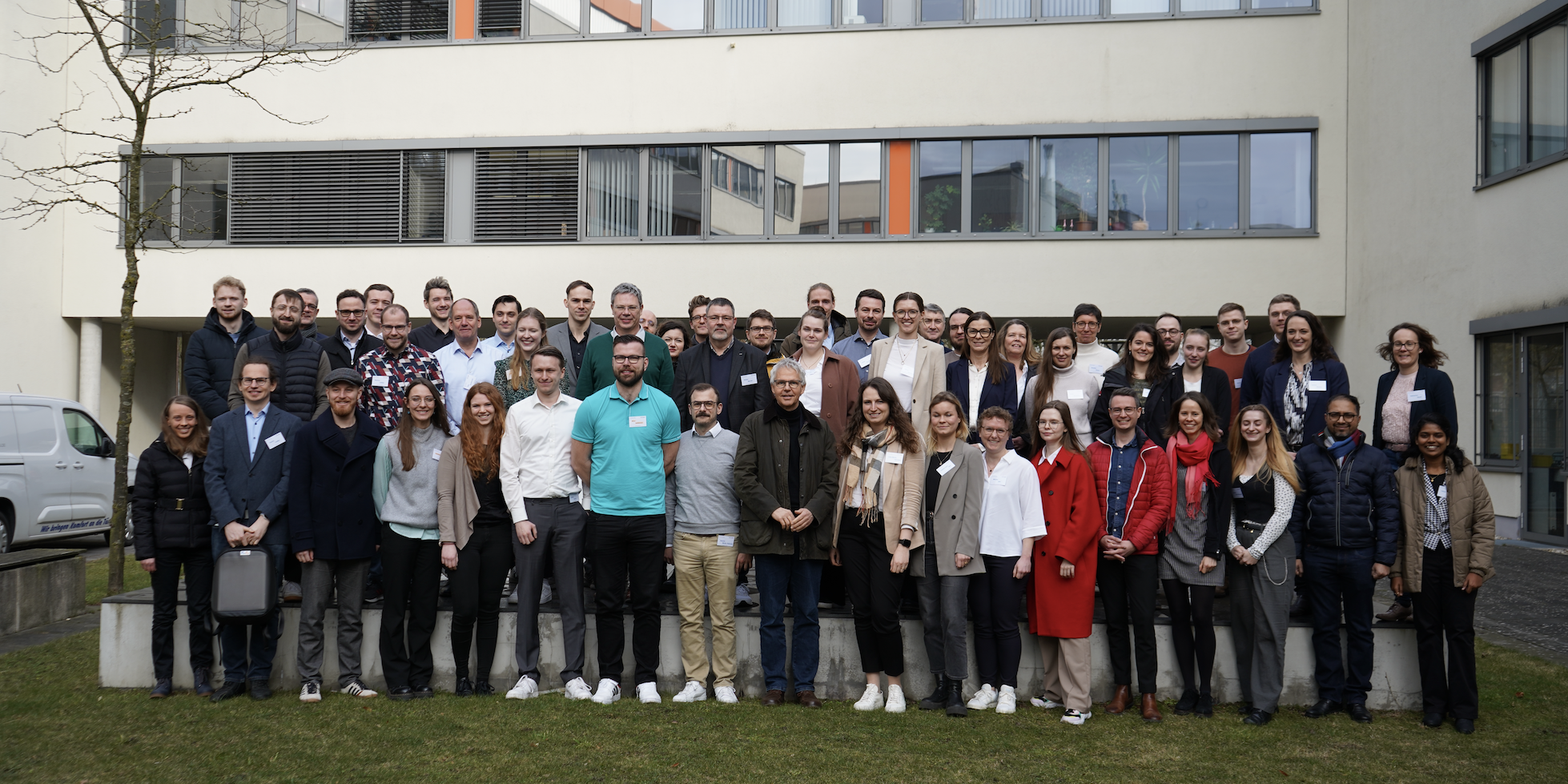
The 7th symposium of the Research Training Group “Chemical Biology of Ion Channels,” held on February 26th at the University of Münster, was a great success. The event provided a dynamic platform for stimulating discussions and intensive scientific exchange.
On February 19, 2026, the PharmaCampus Symposium was held for the second time, following its successful debut the previous year. The event once again brought together the working groups of the pharmaceutical institutes to strengthen networking and scientific exchange.
From February 9th to 11th 2026, the symposium “Novel formulation strategies for poorly water-soluble drugs” led by Professor Denise Steiner (Institute of Pharmaceutical Technology and Biopharmaceutics) took place. Appoximately 70 national and international participants discussed new strategies for formulations of challenging active ingredients. Further it was possible to take part in a workshop about dual centrifugation on March 11th.
At the 24th PharMSchool Symposium, students presented the results of two years of research on major public health challenges – from diabetes to hypertension. Scientifically rigorous, practice-oriented and forward-looking, their projects demonstrated how curiosity and perseverance drive innovative pharmaceutical solutions.
Ginger (Zingiber officinale Roscoe) is an antiemetic, carminative and antiphlogistic pungent drug with worldwide distribution and medicinal plant of the year 2026.