Cranberry-based food supplements



Products based on Vaccinium macrocarpon Ait. (cranberry) are frequently used to prevent or alleviate uncomplicated urinary tract infections. As no such medicinal product is authorised in Germany, a broad market for food supplements has established itself.
In the present study, a total of 12 commercially available cranberry-based products – dietary supplements, purées and dried fruit – were examined.
The following served as quality markers:
• Authenticity (thin-layer chromatography, HPLC with UV detection) based on the acceptance criteria of the United States Pharmacopeia (USP)
• Total proanthocyanidin content (photometric)
Conclusion
The analysis revealed substantial quality differences among the tested products: Three of the twelve products did not display the chromatographic fingerprint characteristic of cranberry. One of these three atypical products could only be evaluated to a limited extent due to its combination formulation.
For the remaining two products (#03, #04; see figure below), a second batch was examined in each case. These batches likewise lacked a cranberry-characteristic fingerprint and differed from their respective initial batches, indicating a lack of batch-to-batch consistency and raising concerns regarding product authenticity.

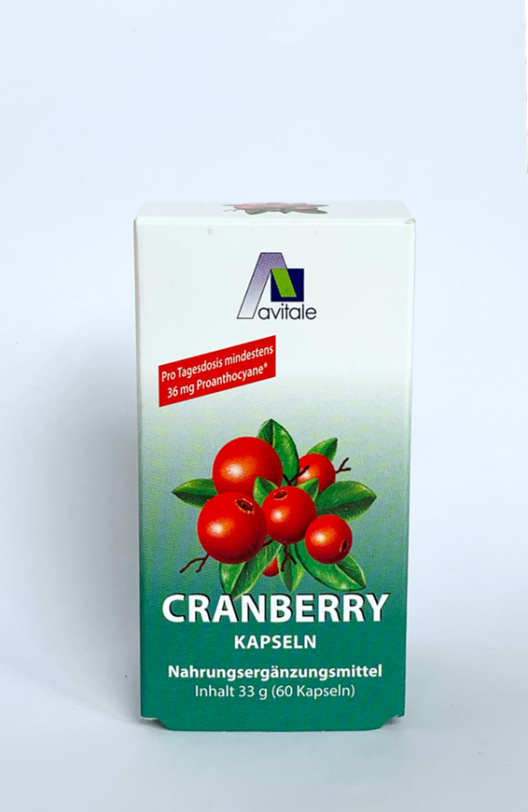
Declaration
Cranberry powder AV36 400 mg
PAC content: 18 mg per capsule
Identity test (HPLC):
Batch: does not comply
Batch: does not comply
Assay:
5.41 (5.34 – 5.49) mg per capsule calculated as proanthocyanidin A2 (PA2)
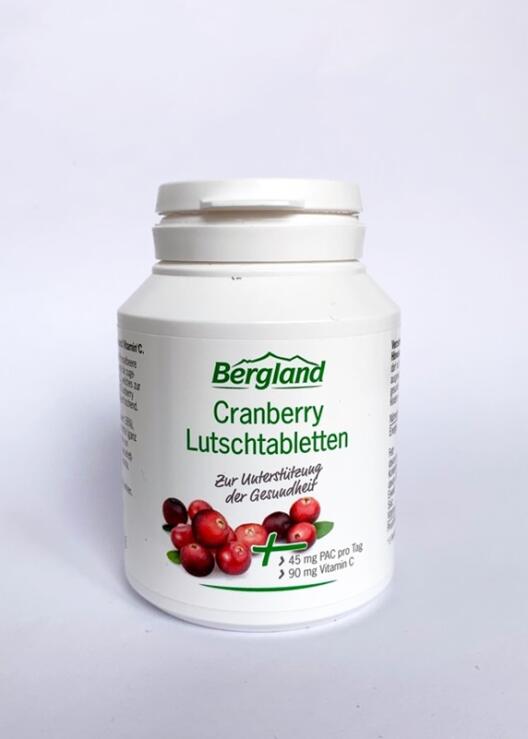
Declaration
Cranberry juice powder (36%)
PAC content: 15 mg per lozenge
Identity test (HPLC): complies
Assay:
0.95 (0.35 – 1.55) mg per lozenge, calculated as PA2
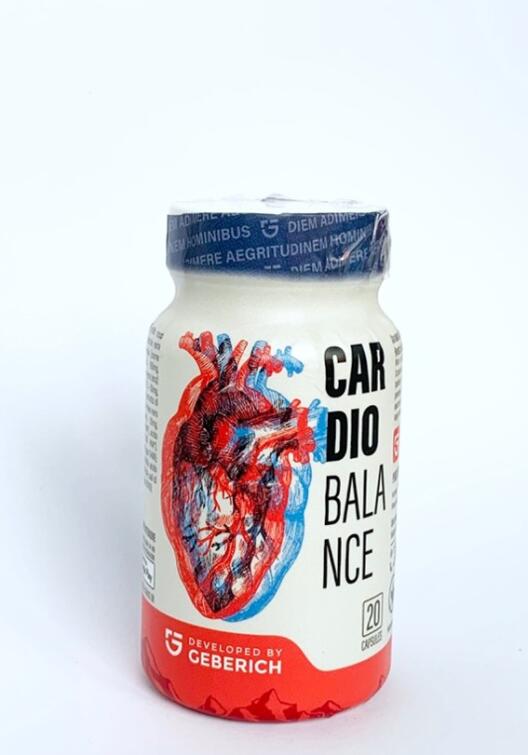
Declaration
Cranberry extract 225 mg
Combination product; also contains
Identity testing (HPLC): no specific conclusion can be drawn due to the presence of other anthocyanin-containing ingredients
Assay:
6.29 (4.87 – 7.71) mg per capsule, calculated as PA2
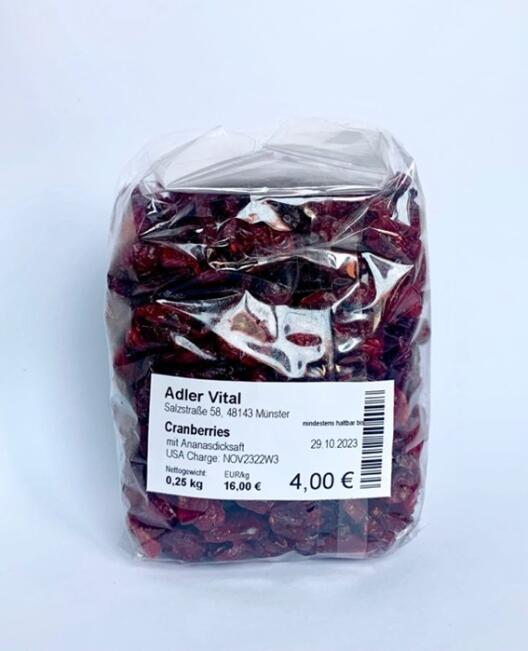
Declaration
Cranberries
No further information regarding content
Identity test (HPLC): complies
Content determination: /
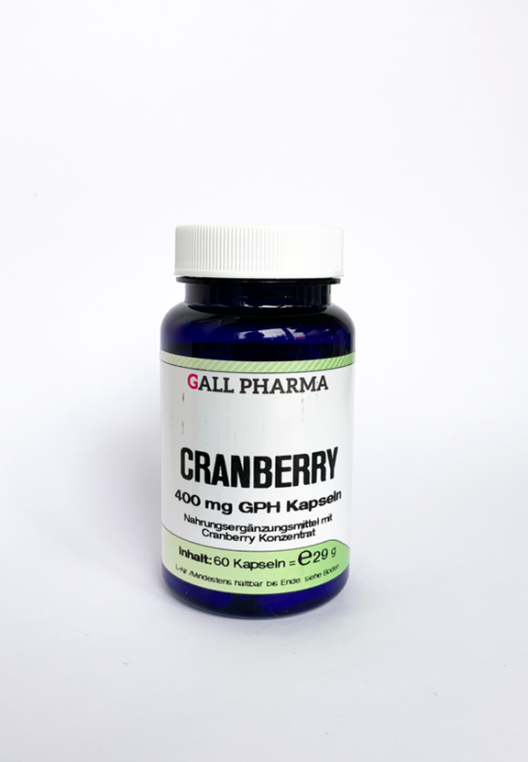
Declaration
Cranberry concentrate (400 mg = 10 g cranberries)
Identity test (HPLC): complies
Assay:
3.02 (2.91–3.12) mg per capsule, calculated as PA2
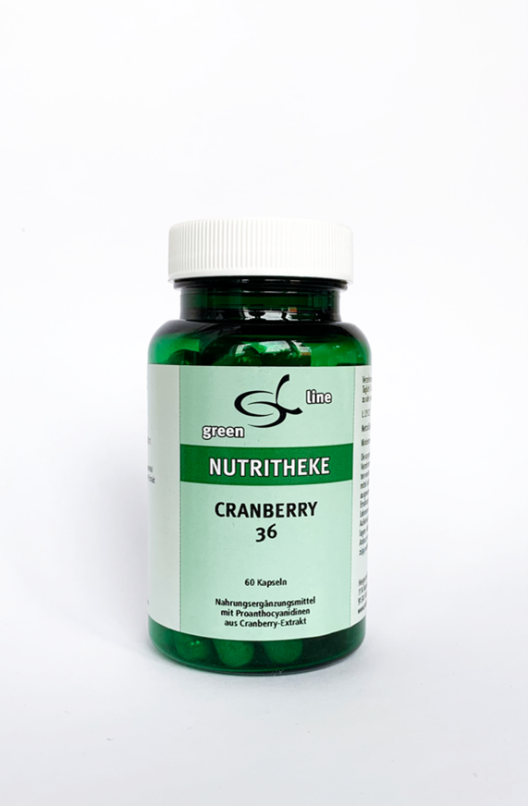
Declaration
Cranberry extract 53 mg
PAC content: 36 mg per capsule
Identity test (HPLC): complies
Assay:
11.26 (10.38 – 12.13) mg per capsule, calculated as PA2
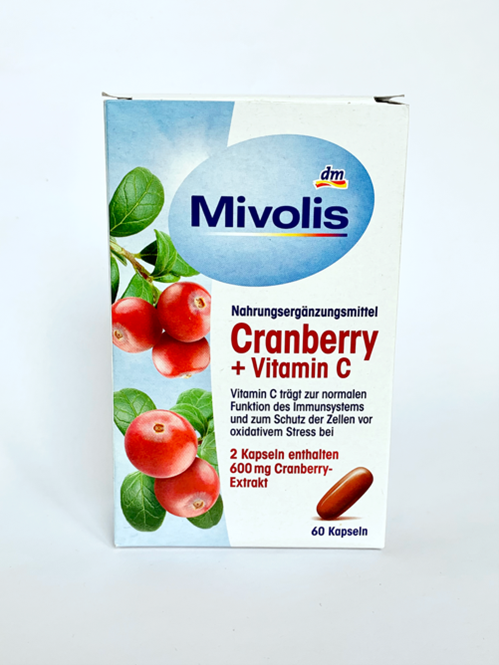
Declaration
Cranberry extract 300 mg
PAC content: 18 mg per capsule
Identity test (HPLC):
Batch 1: does not comply
Batch 2: does not comply
Assay:
Batch 1: 7.35 (5.67 – 9.03) mg per capsule calculated as PA2
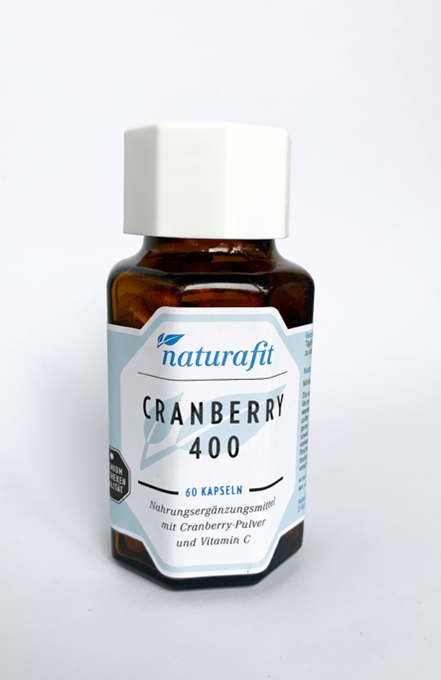
Declaration
Cranberry powder: 400 mg (10 g fresh cranberries)
Identity test (HPLC): complies
Assay:
1.16 (0.45–1.86) mg per capsule, calculated as PA2
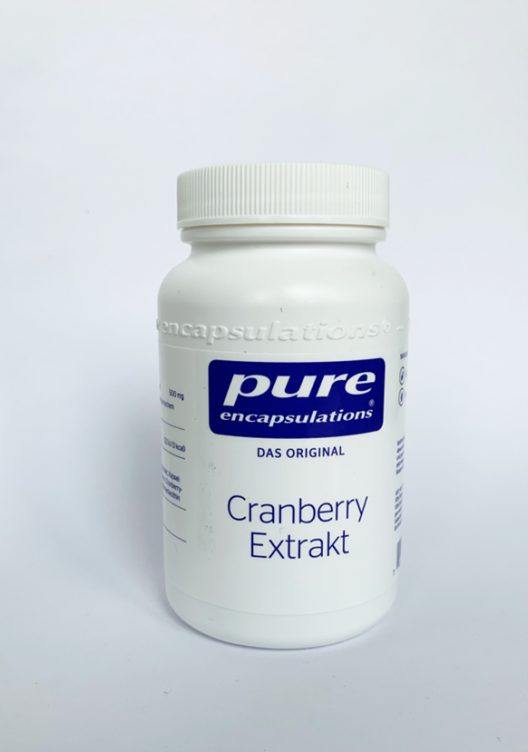
Declaration
Cranberry extract (CranMax): 500 mg
Identity test (HPLC): complies
Assay:
1.16 (0.45–1.86) mg per capsule, calculated as PA2
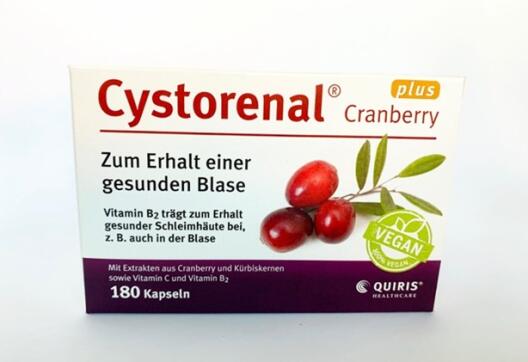
Declaration
Cranberry extract: 300 mg (25:1)
Combination product (also contains
PAC content: 12 mg per capsule
Identity test (HPLC): complies with
Assay:
1.29 (0.55–2.04) mg per capsule, calculated as PA2
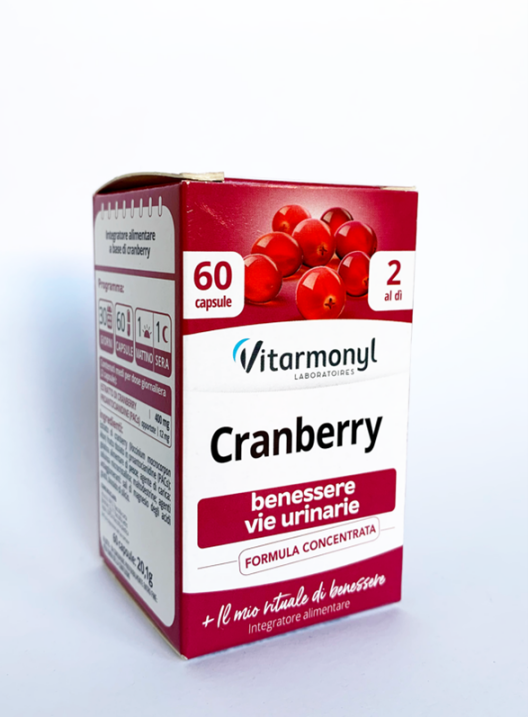
Declaration
Cranberry extract: 200 mg
PAC content: 6 mg per capsule
Identity test (HPLC): complies
Assay:
0.65 (0.24 – 0.88) mg per capsule, calculated as PA2
Declaration
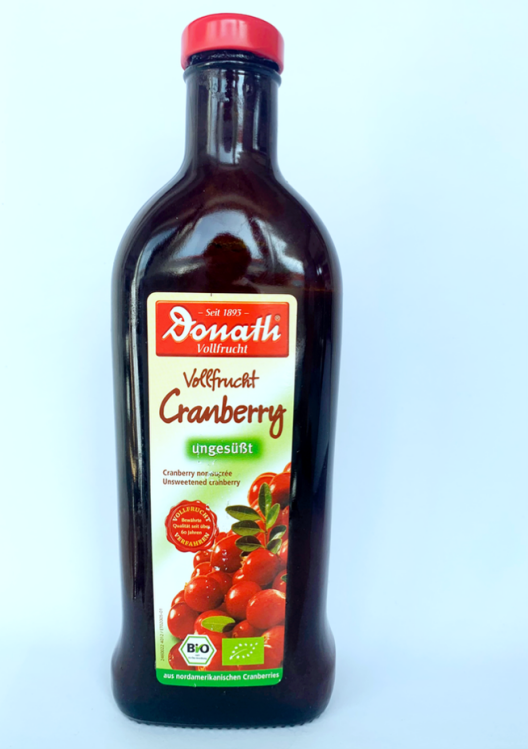
Cranberry purée
No further information regarding content
Identity test (HPLC): complies
Content determination: /