
Welcome!

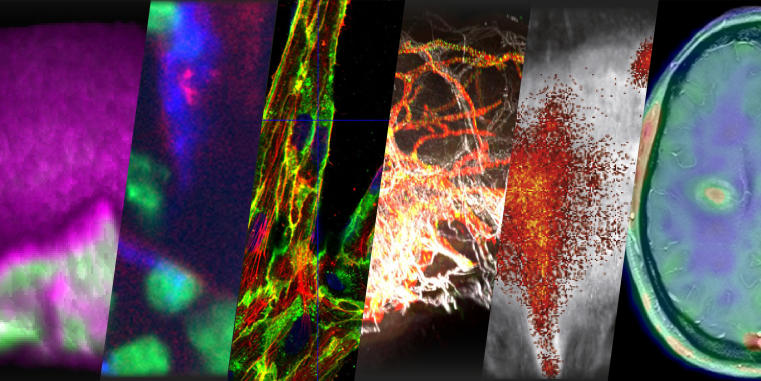
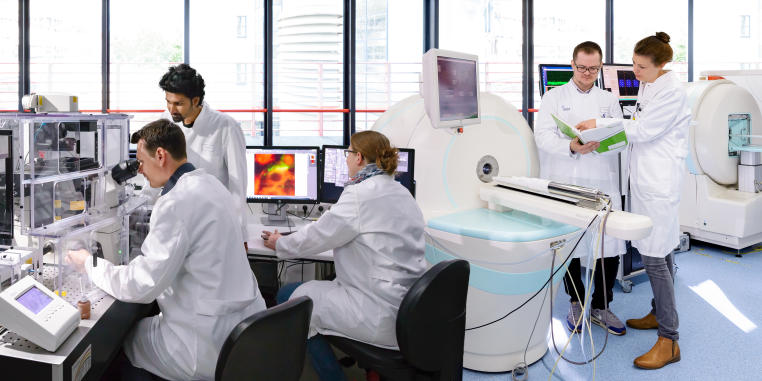
The Cells in Motion (CiM) Interfaculty Centre brings together and supports researchers from medicine, biology, chemistry, pharmacy, mathematics, computer science and physics who join forces to work on a big topic: They investigate how cells behave in organisms. To this end, they employ and develop innovative imaging methods. Our interfaculty network is the centrepiece of the University of Münster’s research focus in “cell dynamics, inflammation and imaging”.

Pilot projects: Apply now!

In interdisciplinary teams, doctoral researchers and postdocs can now apply for funding for their first own research projects. (Application deadline: 28 February 2026)

upm
|
© Uni Münster - Michael Kuhlmann (top), UKM (bottom)

Translational research: From bench to bedside – and back

How does a laboratory discovery become tangible help for patients? In a guest contribution, anesthesiologist and intensive care specialist Prof. Jan Rossaint describes how translational research can bridge this gap. In Münster, interdisciplinary collaborations bring together basic research, clinical practice and data science in order to implement new therapies more rapidly and safely, with a stronger focus on patients.

upm
|
© Uni Münster - Johannes Wulf

Translational research – an example from nuclear medicine

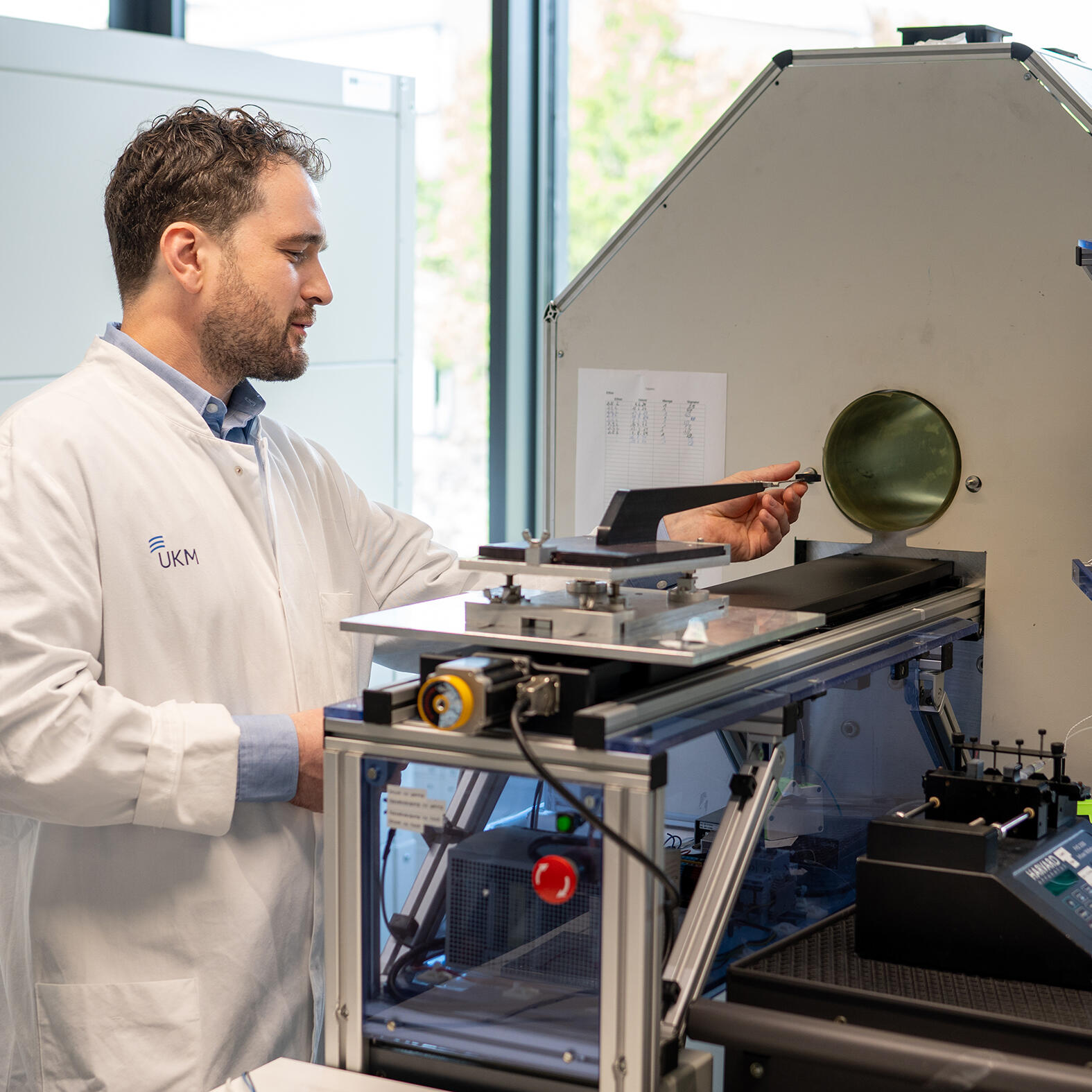
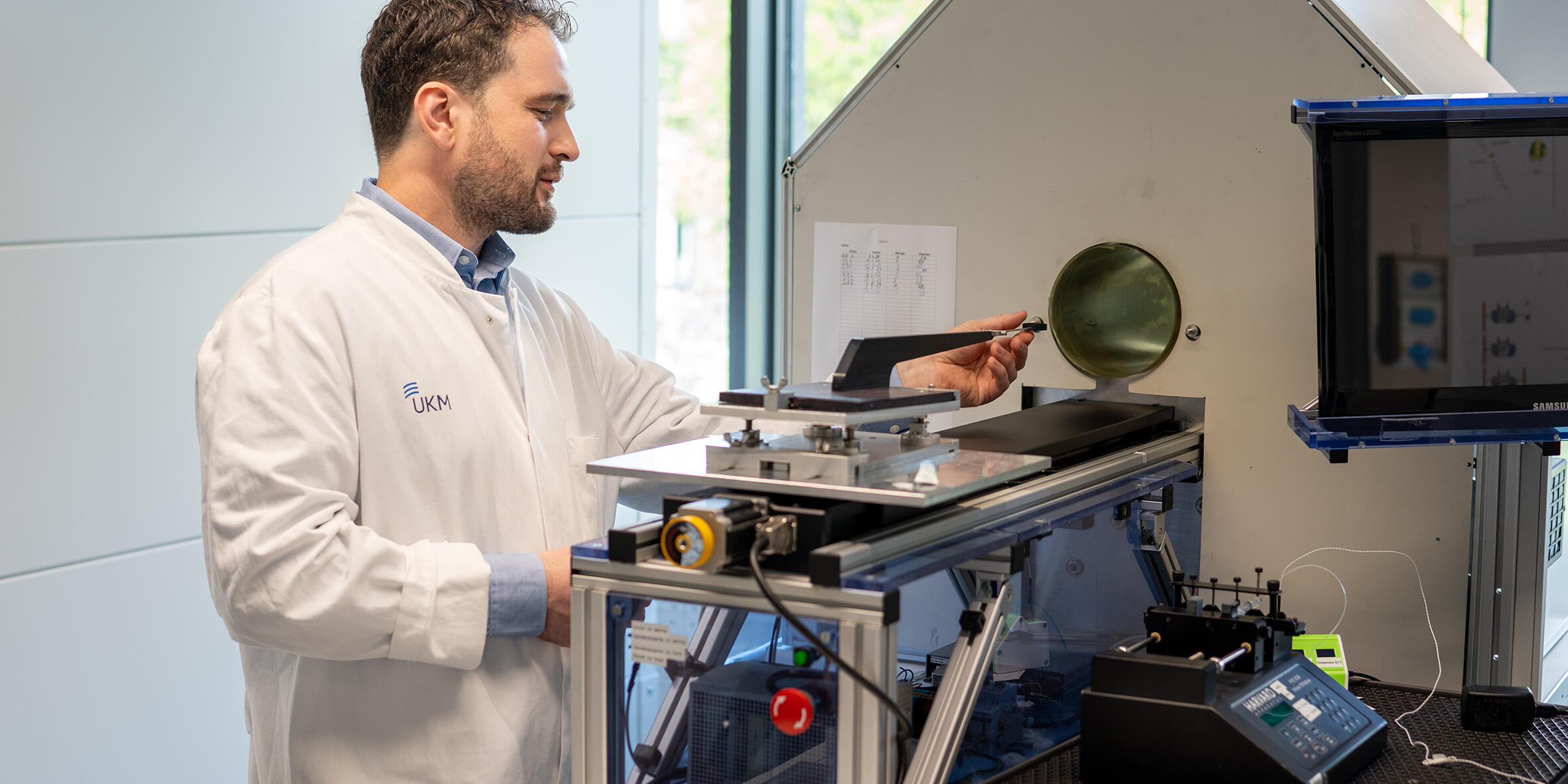
Translational research takes place worldwide in several sequential phases. Nuclear medicine specialist Professor Philipp Backhaus is primarily involved in the early phases of translation, specialising in the imaging and therapy of tumours and inflammation. For several months, his team has been contributing to the development of the drug “OncoACP3”, which aims to improve the examination of prostate cancer.

upm
|
© Uni Münster - Linus Peikenkamp

Investigating the pathways to a successful pregnancy – an example of translational research in reproductive medicine

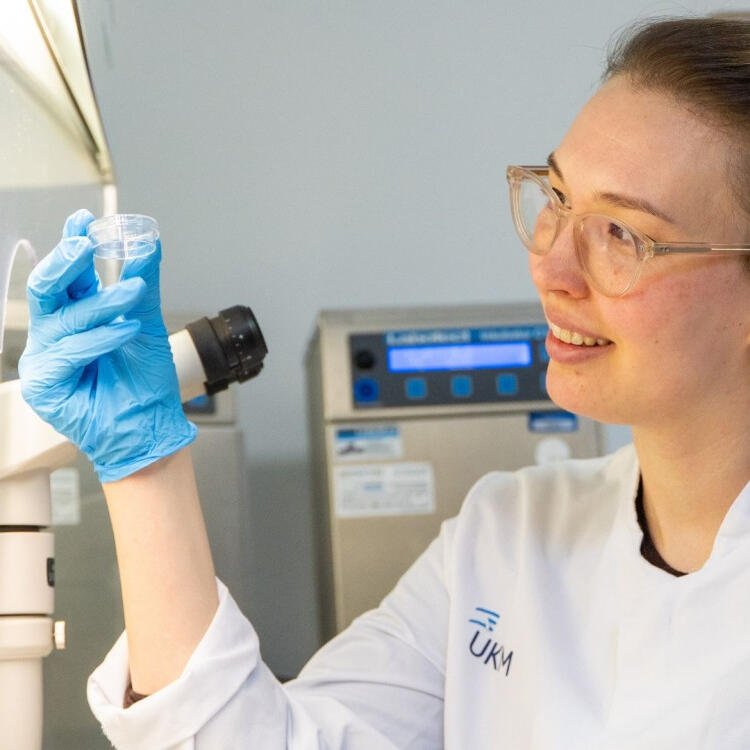
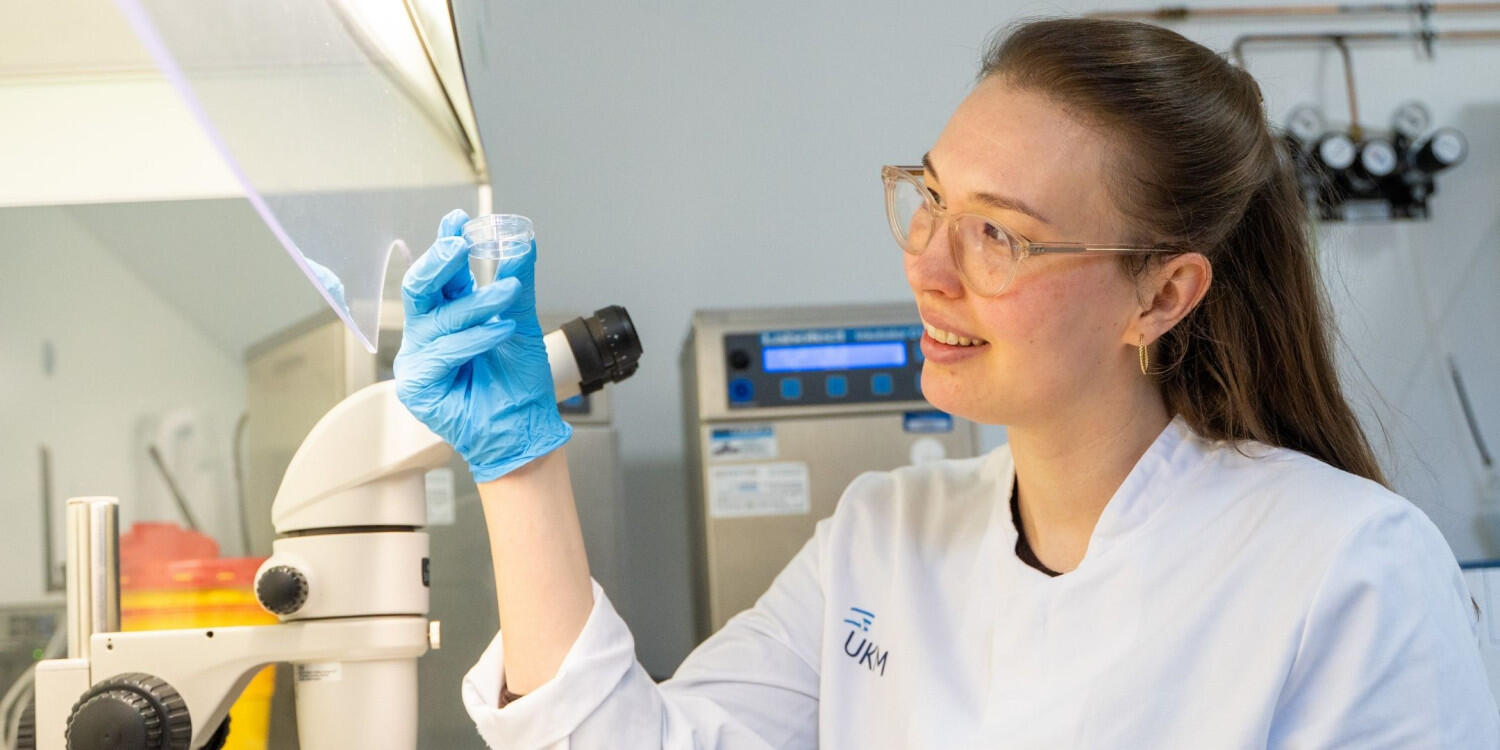
The beginning of new life is medically highly complex. As a clinician scientist, Dr Janice Jeschke bridges clinic and laboratory: she investigates the molecular processes of fertilisation and implantation and feeds clinical observations directly into research. This is how translational research emerges, helping us to better understand female infertility.

CiM
|
© Nils Marquardt

Between imaging detectors, neon lights and shrines: My conference trip to Japan

Nils Marquardt, a doctoral researcher in Medical Science, investigates how individual, moving cells in the body, for example, immune cells, can be visualized and tracked using positron emission tomography. In November, he attended the IEEE Medical Imaging Conference in Japan. In addition to the scientific program, there was also time to experience Japanese culture. He shares his impressions in this guest contribution.