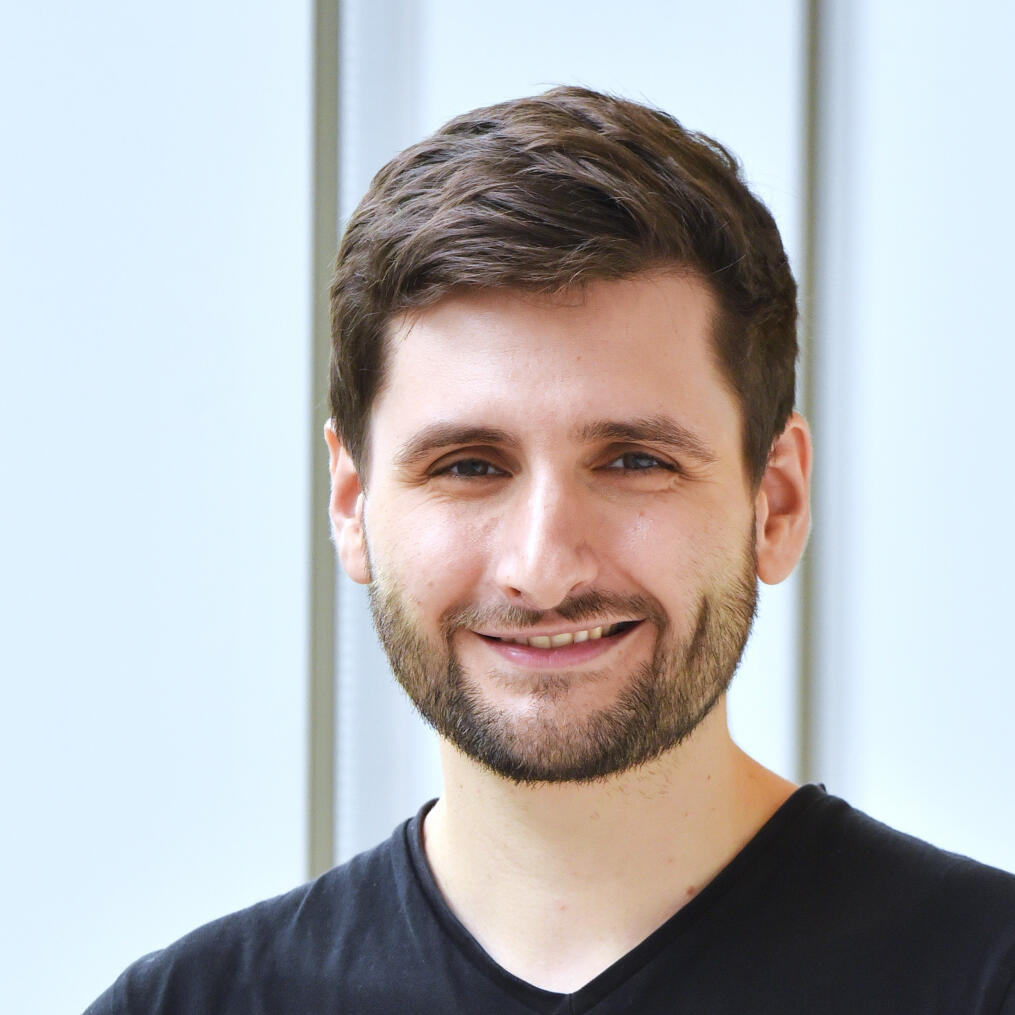
Biologist Dr Maik Bischoff has received a grant from the German Research Foundation (DFG) under the Emmy Noether Programme to investigate the mechanisms underlying the “handedness” (chirality) of organs. The grant will support him over a period of six years as he builds up his research group at the University of Münster’s Multiscale Imaging Centre.
Researchers working with paediatrician Prof Heymut Omran have revealed the structure and composition of an understudied region called the transition zone in hair-like cilia. They show that mutations in two genes break linkers that hold the transition zone together, hampering the cilia’s ability to clear mucus from the airways.
Scientists from several research networks at the University of Münster and their international guests are sharing new insights and ideas in inflammation research and immune system imaging this week (7 to 9 September). The focus of this year’s symposium is on systemic inflammation.
To mark World Sepsis Day on 13 September, critical care specialists Professor Jan Rossaint and Professor Alexander Zarbock from the University of Münster give insights into the latest research on sepsis and other types of life-threatening systemic inflammation. They also talk about what needs to be done to translate research into clinical application.
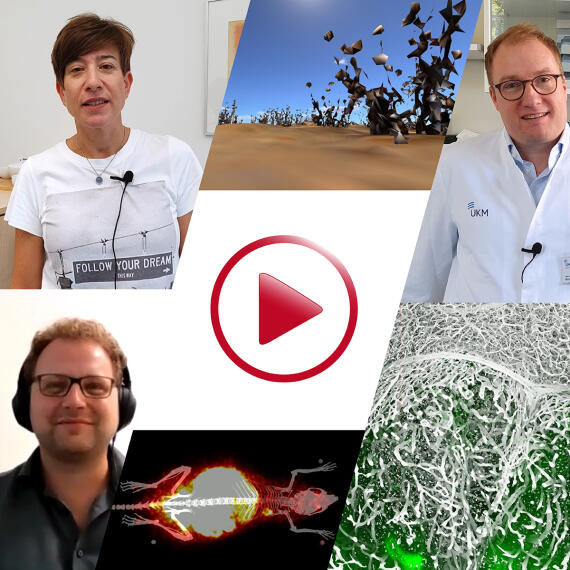
In our videos, scientists provide multifaceted insight into their research and everyday work. They talk about current research questions, their new findings and how these findings were generated. They also talk about their personal motivations, the experiences they have had while on their career path and the framework of the scientific system. The videos are in either English or German and many of them have subtitles available in both languages.