
Raising awareness for a more equitable education
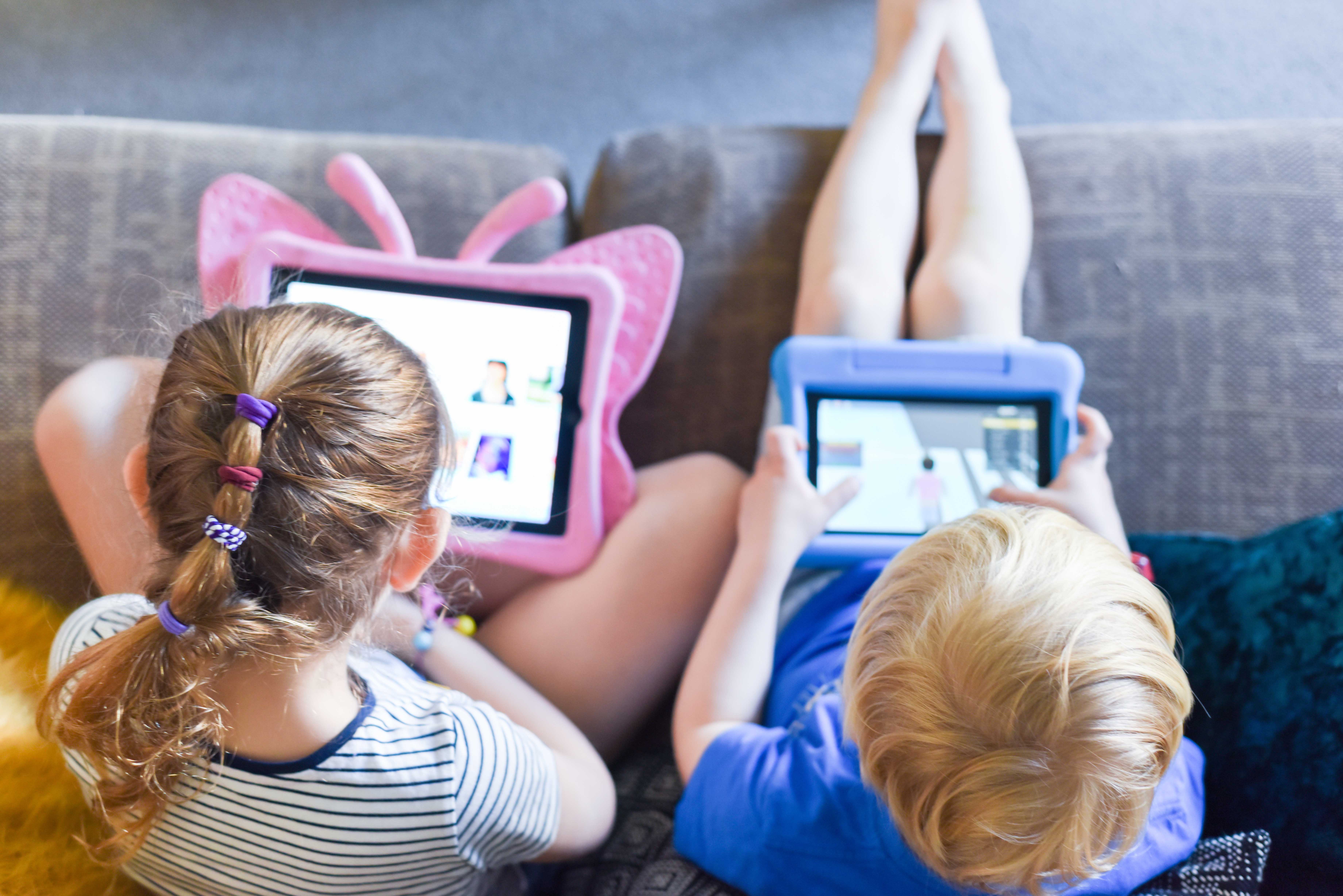
It’s hard to imagine daily life without digital media. It influences even the youngest members of society. In addition to traditional picture books, small children are now regularly watching films and videos and using learning apps on their parents’ mobile phones and tablets. They are often confronted with various role models at a subliminal level, e.g. with respect to gender, age, background or social situation, which can have an inequitable and discriminatory effect on early childhood learning. For instance, adventure stories are often targeted at boys, while girls are presented with horses or princesses.
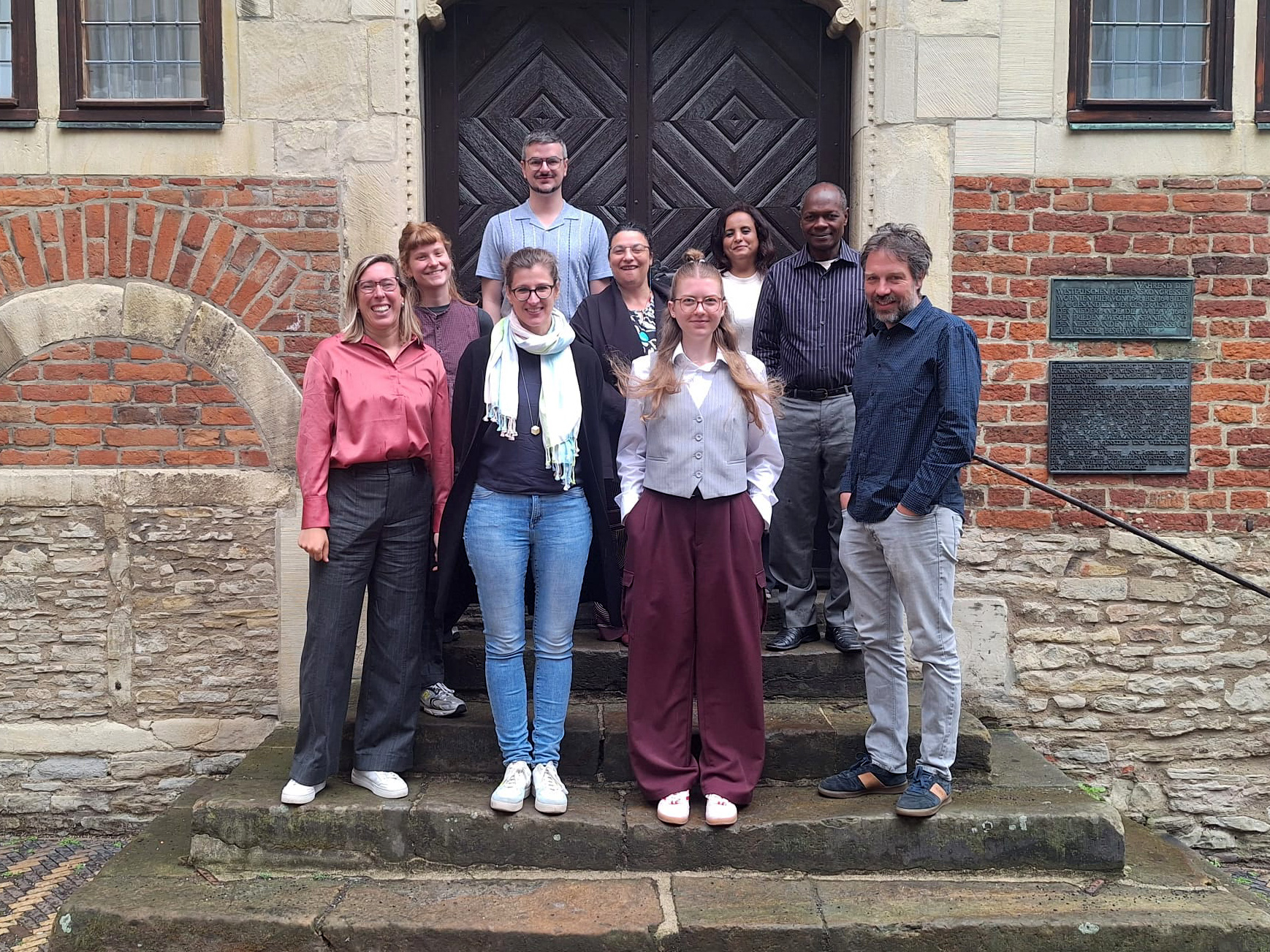
‘Research into the effects of role models in learning media on educational equity is constantly advancing,’ explains Dr Dietha Koster from the Institute of Dutch Philology at the University of Münster. Together with Dr Christine Ott from the University of Würzburg, she oversees the international and interdisciplinary research network “G+Media: Mediatization of Gender and Diversity in Early Language and Literacy Education”, funded by the German Research Foundation (DFG) for three years until 2027. The network’s members are comprised of academics from various fields, e.g. linguistics, psychology and information systems. The project began by focusing on social gender as a dimension of diversity, i.e. gender roles that are socially and culturally influenced, in order to investigate which gender concepts are conveyed in educational media for early language learning. Moreover, it examines what effects this content has on children’s notions of gender and how picture books, schoolbooks, learning apps etc. in educational institutions can raise awareness of diversity.
‘Once we know whether and where educational media contribute to discrimination, we can come up with recommendations for developing new forms of media. We also wish to sensitise educators to this subject so that they can better recognise the resulting effects,’ explains Christine Ott. The goal is to advance educational equity overall – beyond preconceived role models and stigmas. The network focuses on addressing several questions: Who develops digital educational media and under what conditions? What impact do religious views, for example, have on depictions of homosexuality? And what media and gender roles contained therein are children and adolescents being confronted with in educational institutions?
The network’s subprojects are just as varied as their results. ‘What we found striking is the prominent role of digital technologies in language instruction for children, especially with regard to the use of artificial intelligence (AI). When it comes to how diversity is portrayed in AI-generated media, the aim is to raise awareness of the risks and potentials,’ says Dietha Koster. Everyone involved in education – staff, institutions and authorities – have to take this into consideration.
‘It would be a step in the right direction to create fixed structures that systematise the transfer activities,’ says Christine Ott. In Würzburg, for example, an educational media working group is being set up to create a network of stakeholders involved in researching and developing educational media. Continuing education courses and dialogue formats could also contribute to transferring findings into practical application. A volume containing research contributions by network members is due to be published in 2027 by the Klinkhardt-Verlag. ‘The most important step is to make the research visible and to regularly share it with the various participants,’ emphasises Dietha Koster.
Author: Julia Harth
This article is from the University newspaper wissen|leben No. 5, 22 July 2026.