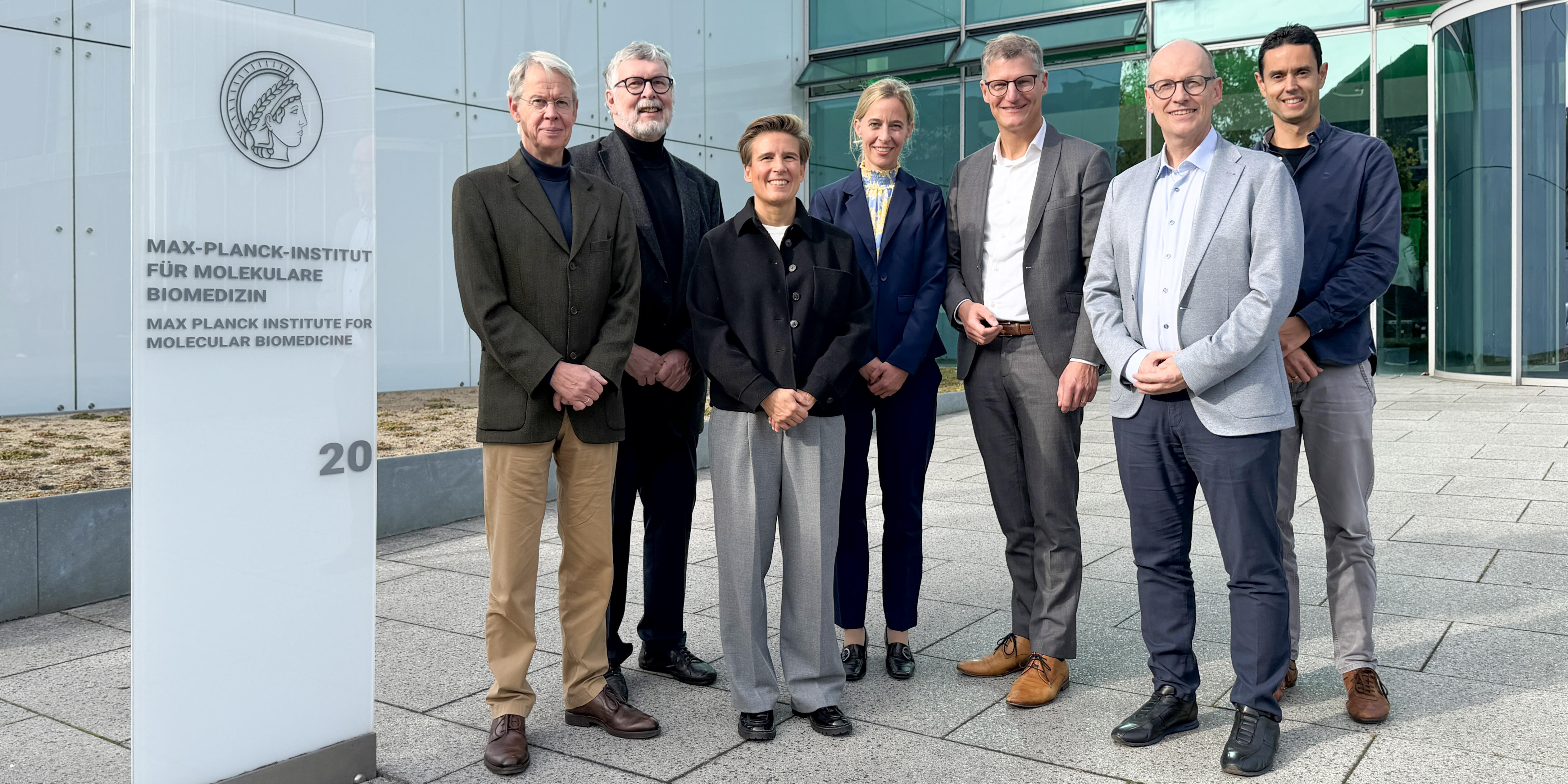
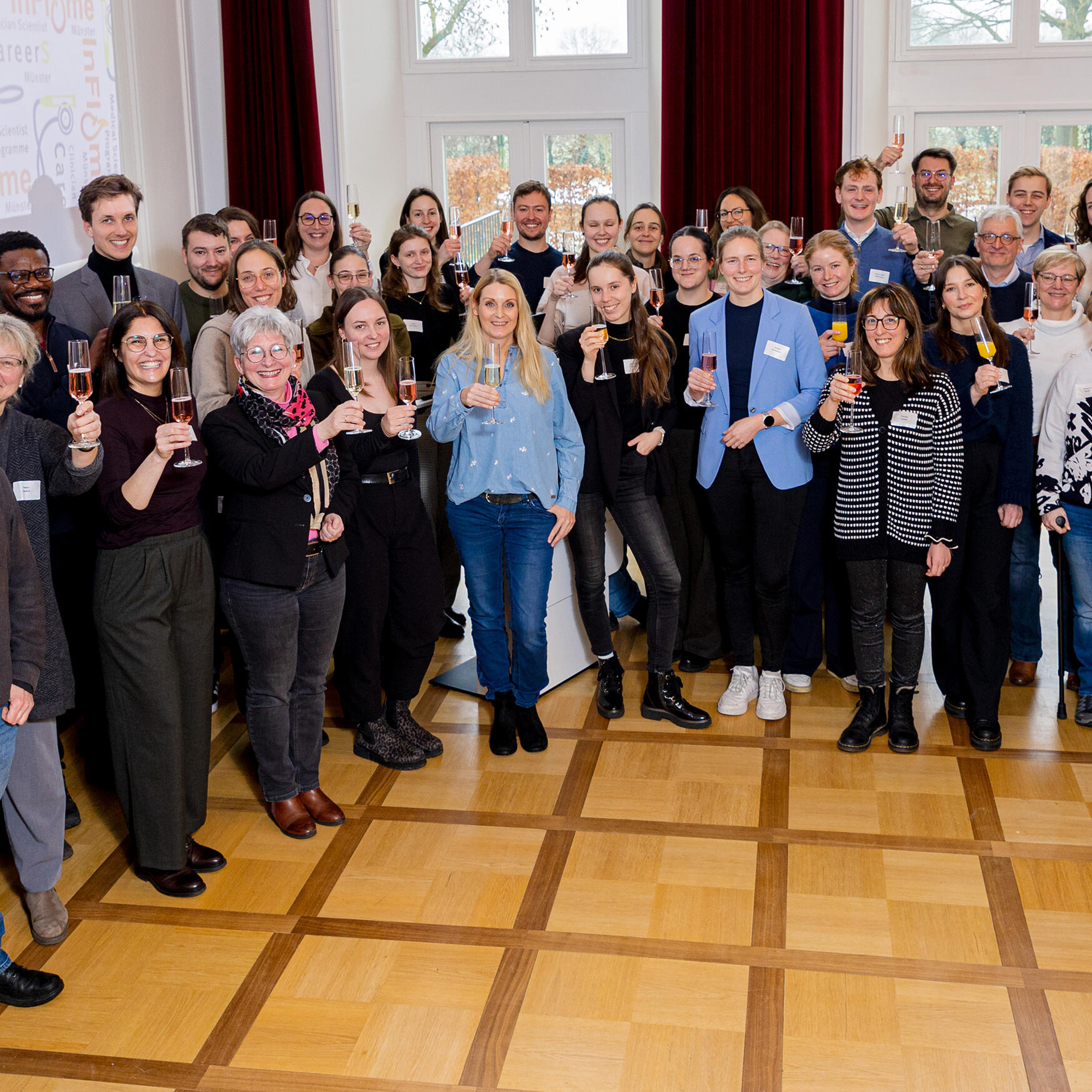
The Max Planck Institute in Münster has marked its 25th anniversary with a celebratory event. We extend our heartfelt congratulations to our long-standing partners and look forward to continuing our joint work in research and the training of early-career scientists.
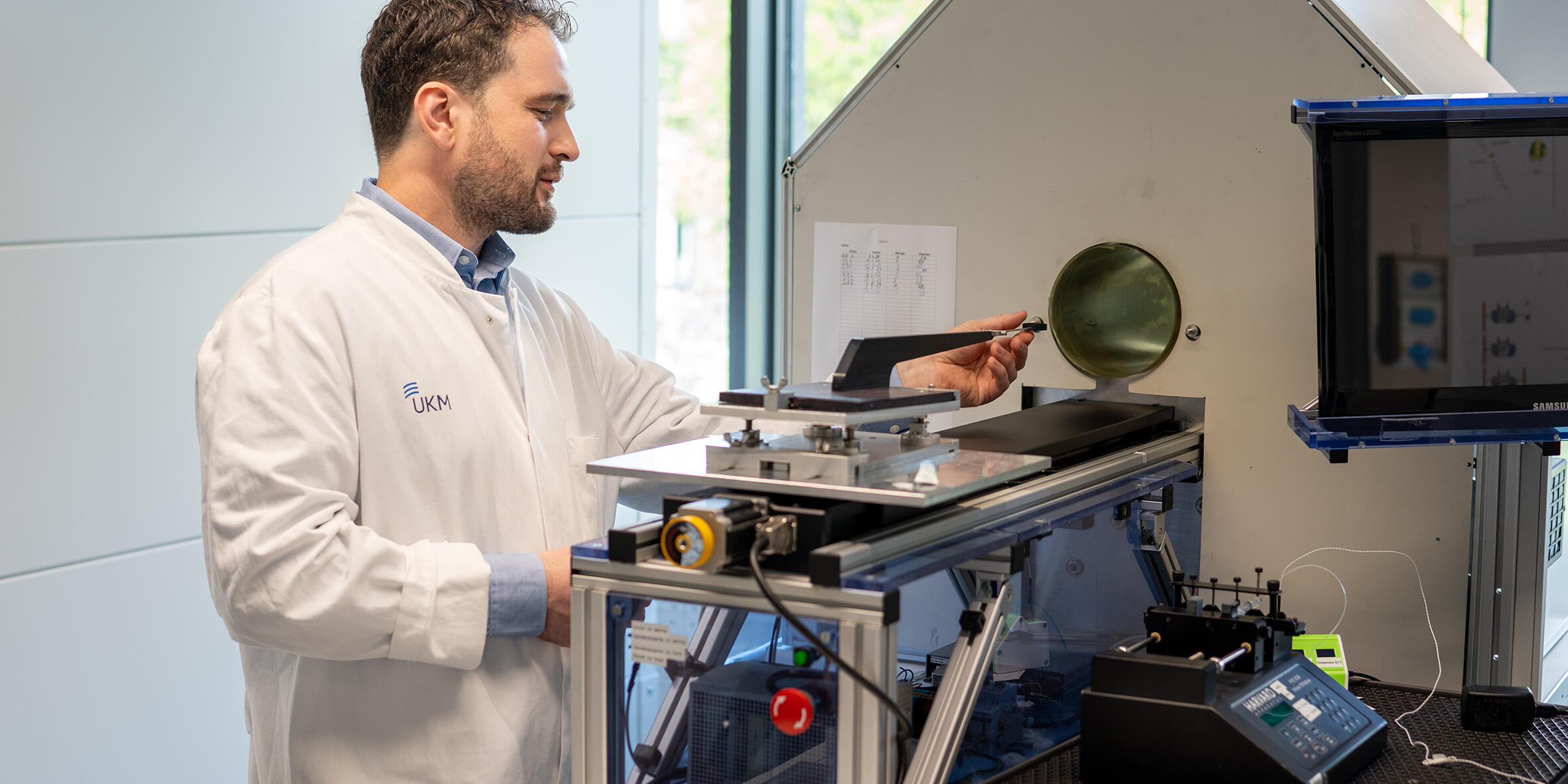
Biologist Dr Maik Bischoff has received a grant from the German Research Foundation (DFG) under the Emmy Noether Programme to investigate the mechanisms underlying the “handedness” (chirality) of organs. The grant will support him over a period of six years as he builds up his research group at the University of Münster’s Multiscale Imaging Centre.
Researchers working with paediatrician Prof Heymut Omran have revealed the structure and composition of an understudied region called the transition zone in hair-like cilia. They show that mutations in two genes break linkers that hold the transition zone together, hampering the cilia’s ability to clear mucus from the airways.
Scientists from several research networks at the University of Münster and their international guests are sharing new insights and ideas in inflammation research and immune system imaging this week (7 to 9 September). The focus of this year’s symposium is on systemic inflammation.
To mark World Sepsis Day on 13 September, critical care specialists Professor Jan Rossaint and Professor Alexander Zarbock from the University of Münster give insights into the latest research on sepsis and other types of life-threatening systemic inflammation. They also talk about what needs to be done to translate research into clinical application.
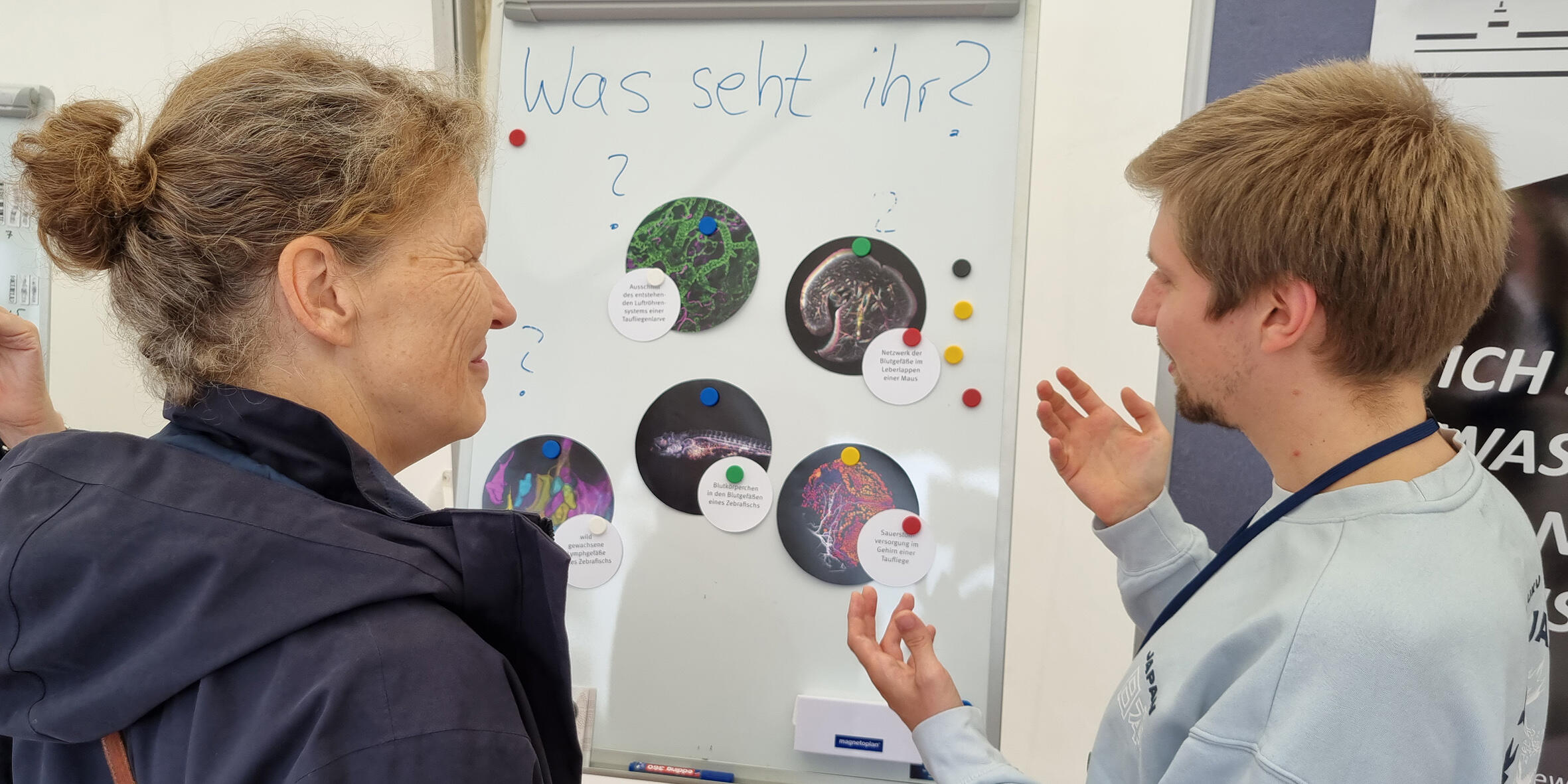
To celebrate NRW’s 80th anniversary, Münster’s city centre was transformed into a huge festival from 28 to 30 August 2026. Visitors explored eleven themed miles with information and hands-on activities on science, sports, climate and the emergency services. The team from the Multiscale Imaging Centre contributed to the Science Mile.
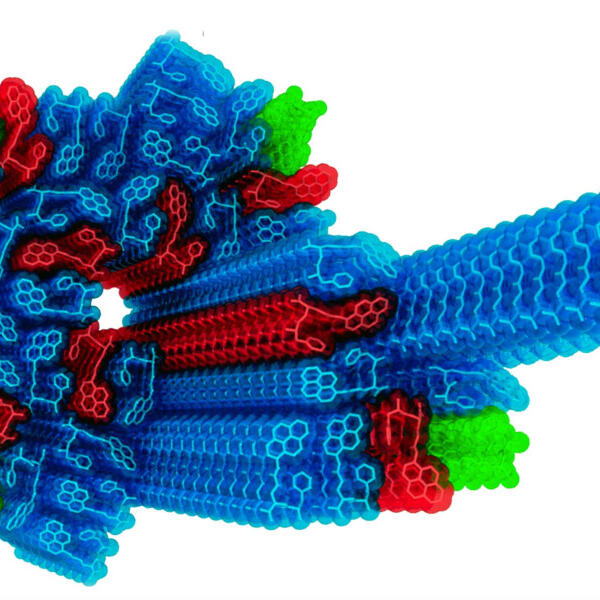
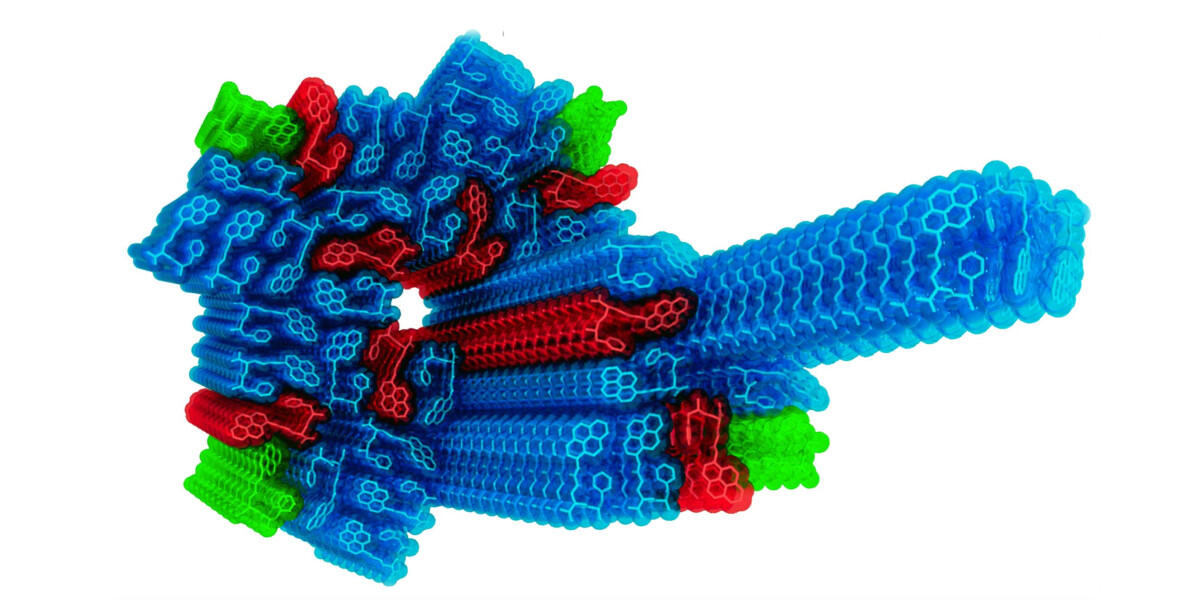
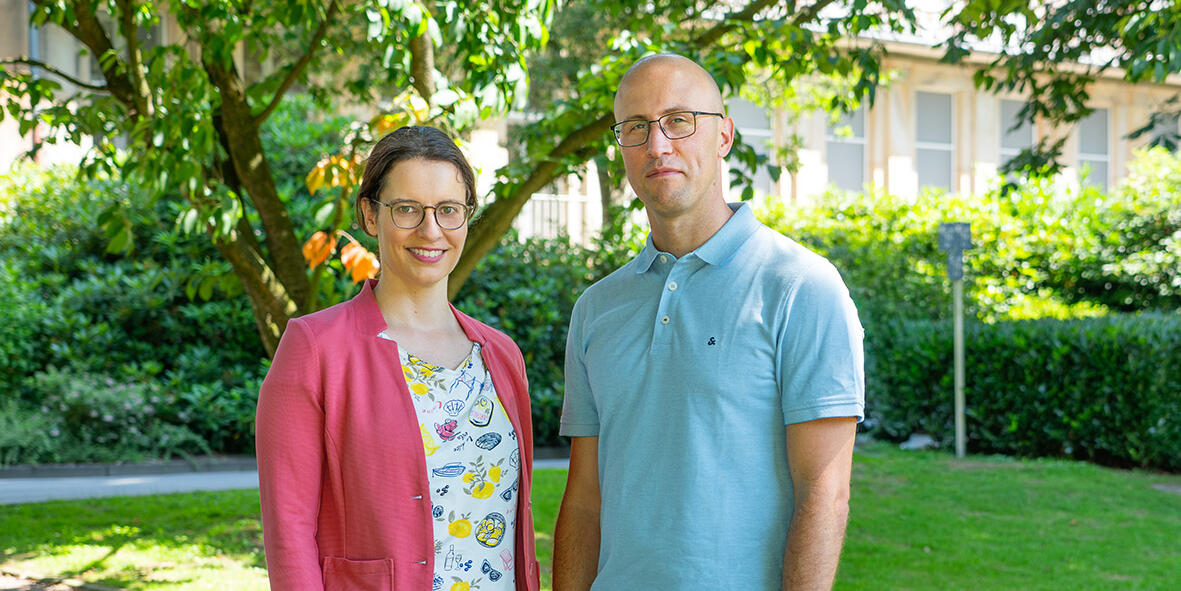
A research team involving structural biologist Professor Christos Gatsogiannis and chemist Professor Bart Jan Ravoo has shown that peptides carrying a flat carbon network aggregate into long fibres in water. Using cryo-electron microscopy, the researchers analysed the structure with record resolution.
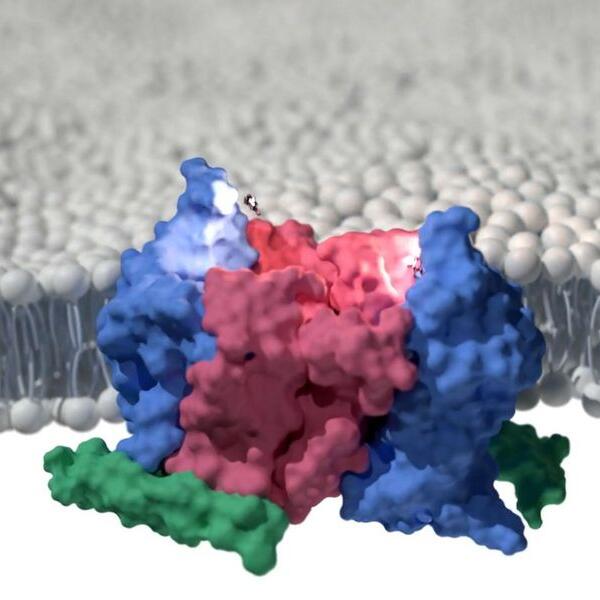
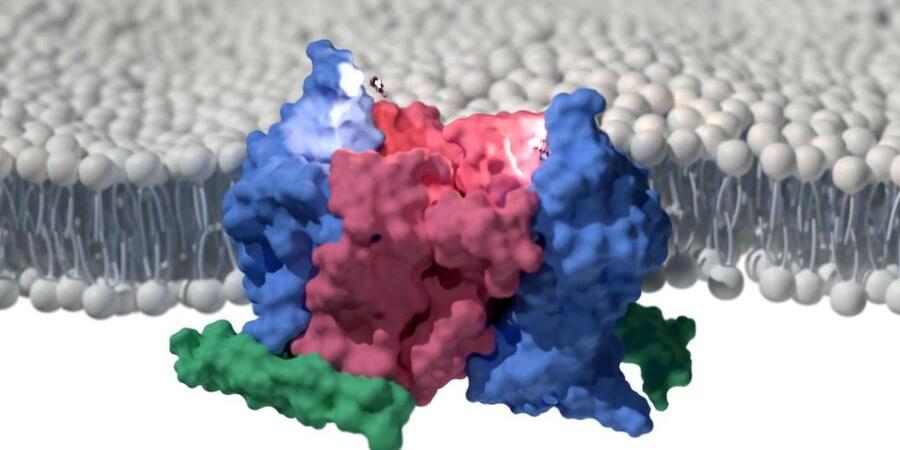
A research team led by structural biologist Prof. Christos Gatsogiannis has gained new insights into the workings of a cellular transporter — a protein essential for pathogenic fungi to absorb vital nutrients. These findings could contribute to the development of new therapeutic strategies against fungal infections in the long term.
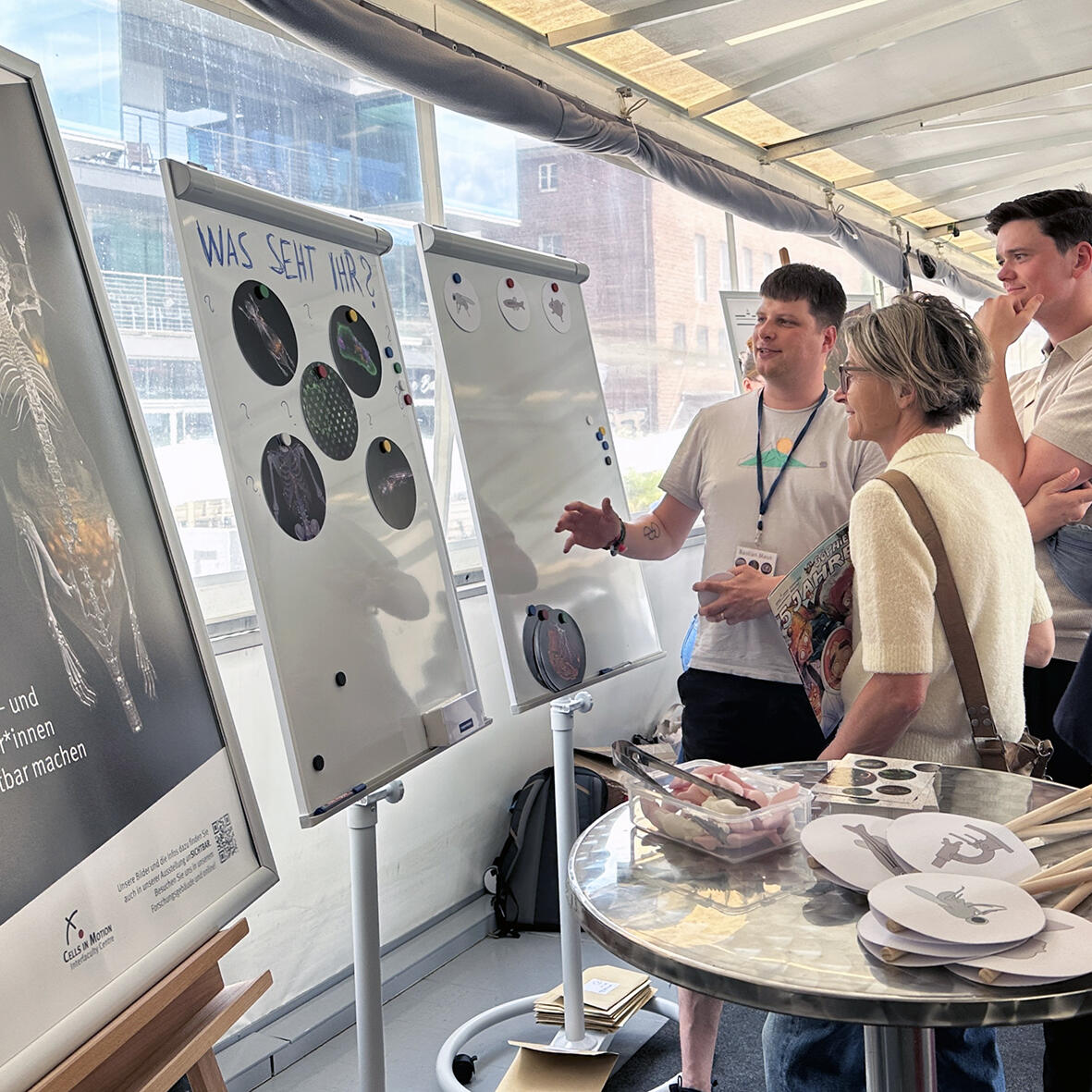
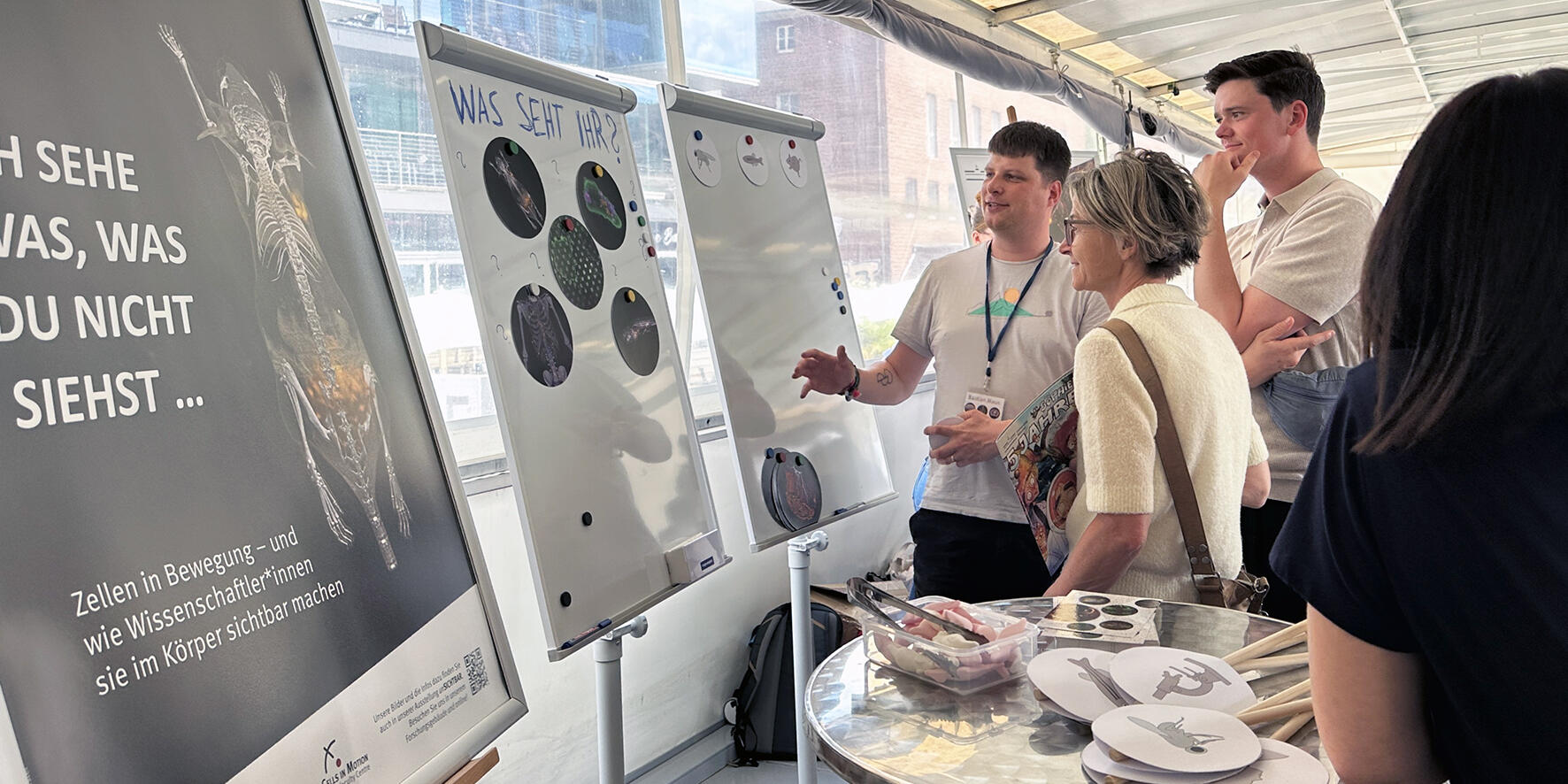
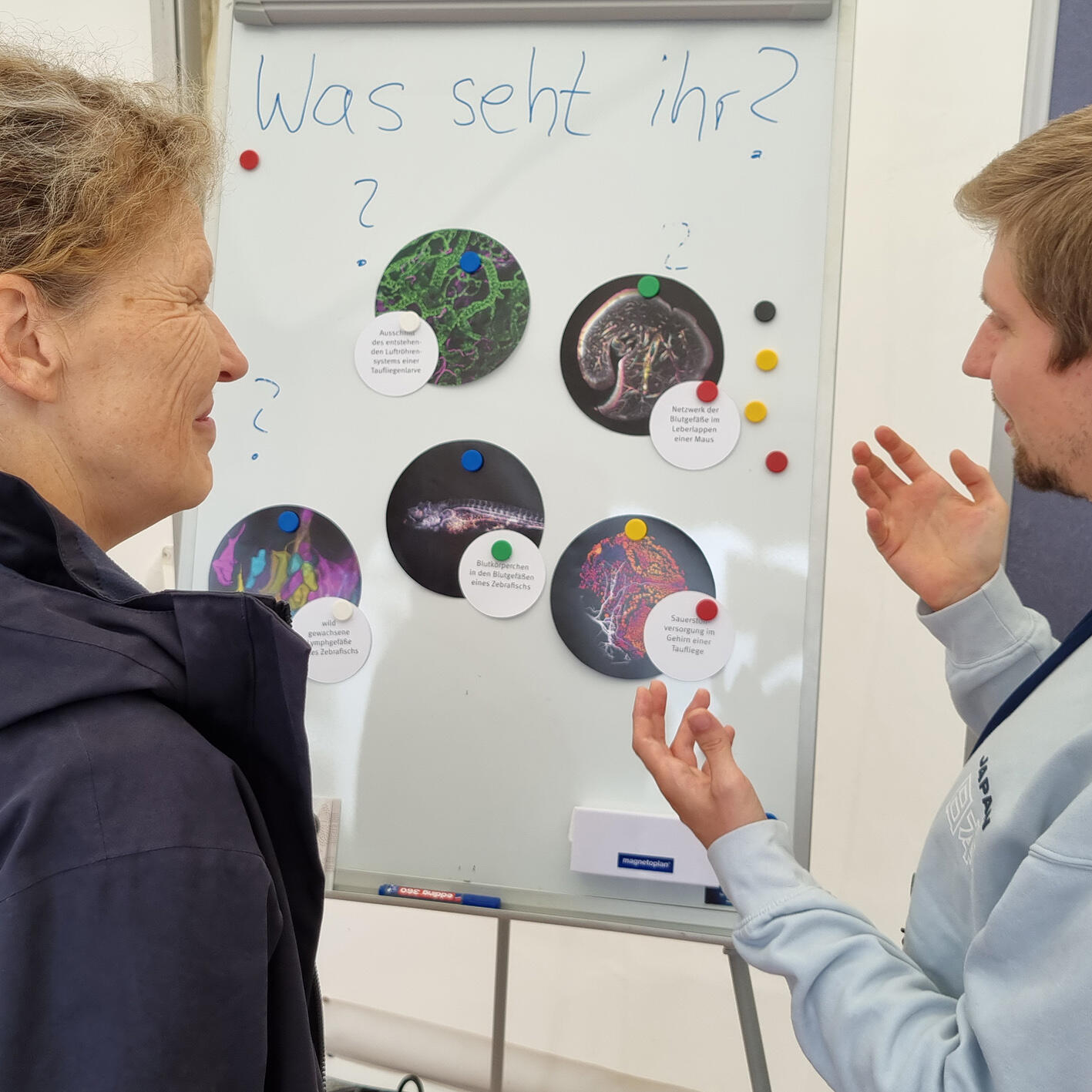
The team from the University of Münster’s Multiscale Imaging Centre (MIC) provided insight into research on bodily processes on board the ‘MS Wissenschaft’ on 4 July 2026. Through images of cells, tissues and organisms, visitors joined the team to explore the world of science. Children slipped into lab coats and playfully mimicked lab work.
Biologists Dr Angelica Coculla and Professor Ralf Stanewsky are researching the internal circadian clock of fruit flies. Their latest studies show that the insects are able to reset their internal clock. As the molecular clock resets, the sleep-wake cycle returns.
Dermatologist Professor Luise Erpenbeck and her research partners have demonstrated for the first time in real time that the body’s own defence cells use catecholamines – neurotransmitters such as dopamine and adrenaline – to communicate via the same chemical signals as nerve cells. This discovery opens up a new understanding of how the immune system is regulated.
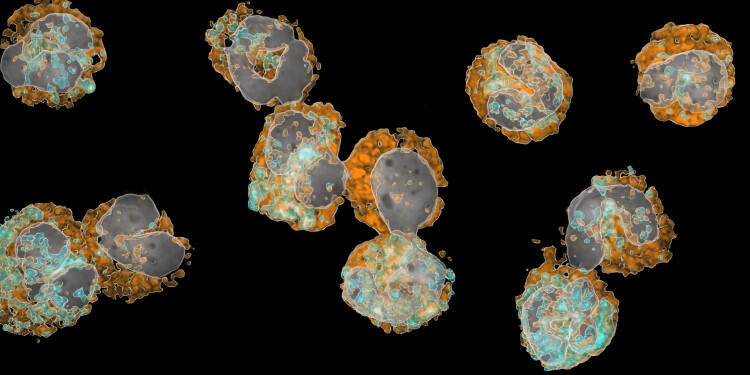
In the event of a severe heart attack, immature immune cells are released into the bloodstream from the bone marrow. A research team led by Professor Oliver Söhnlein has demonstrated that the maturity level of neutrophils can be used to determine the short-term risk of death, and this can be assessed through a simple blood test.
Professor Lydia Sorokin from the Institute of Physiological Chemistry and Pathobiochemistry has been awarded an ‘ERC Proof of Concept Grant’ worth 150,000 euros to further develop a new model of the blood-brain barrier for use in research.
Medical doctor and cell biologist Professor Sara Wickström has been awarded the Körber European Science Prize, worth one million euros, for discovering a mechanism by which cells sense the physical world around them.
Chemist Professor Seraphine Wegner conducts research in the field of synthetic biology and aims to understand and control biological processes. She is working on this with her international research team. A portrait.
The German Research Foundation (DFG) is funding Collaborative Research Centre/Transregio 332 (CRC TRR332) "Neutrophils: origin, fate & function" for a second funding period, with approximately 13 million euros. The consortium investigates the diverse functions of a long-underestimated group of immune cells: neutrophils, the most abundant circulating white blood cells in humans.
At the Medical Scientist Network Symposium in Münster, scientists engaged in exciting research and exchanged their ideas about the opportunities and specific needs of the career development of natural scientists in medical fields. The event was hosted by the Medical Scientist Programmes ‘UMESciA’ from Essen and ‘InFlame’ from Münster.
The beginning of new life is medically highly complex. As a clinician scientist, Dr Janice Jeschke bridges clinic and laboratory: she investigates the molecular processes of fertilisation and implantation and feeds clinical observations directly into research. This is how translational research emerges, helping us to better understand female infertility.
How does a laboratory discovery become tangible help for patients? In a guest contribution, anesthesiologist and intensive care specialist Prof. Jan Rossaint describes how translational research can bridge this gap. In Münster, interdisciplinary collaborations bring together basic research, clinical practice and data science in order to implement new therapies more rapidly and safely, with a stronger focus on patients.
Translational research takes place worldwide in several sequential phases. Nuclear medicine specialist Professor Philipp Backhaus is primarily involved in the early phases of translation, specialising in the imaging and therapy of tumours and inflammation. For several months, his team has been contributing to the development of the drug “OncoACP3”, which aims to improve the examination of prostate cancer.
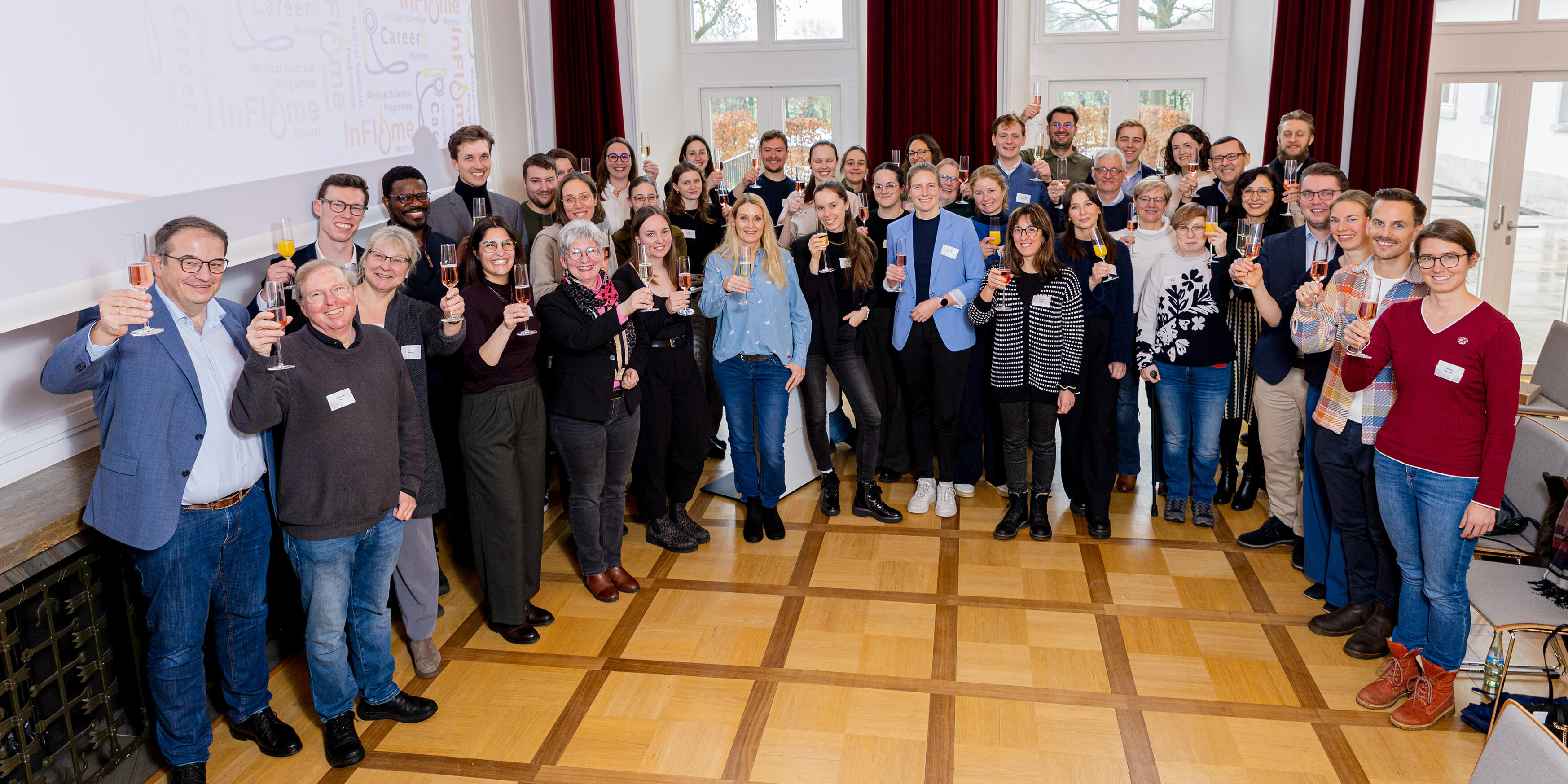
Approximately 60 junior researchers and mentors from the natural sciences and medicine came together at this year’s career forum organised by the clinician scientist programme ‘CareerS’ and the medical scientist programme ‘InFlame’. The two days were marked by lively scientific exchange and valuable insight into personal career development.
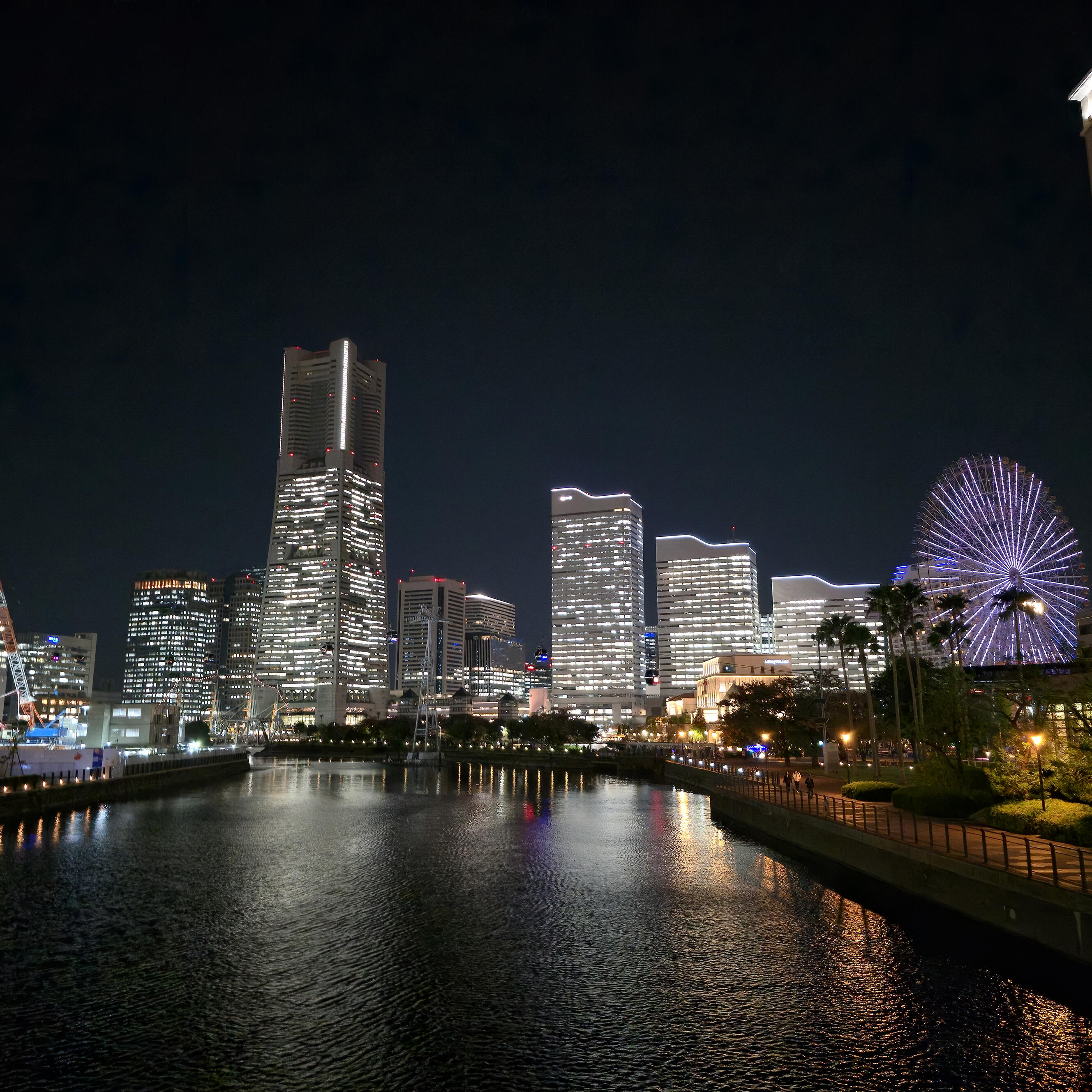
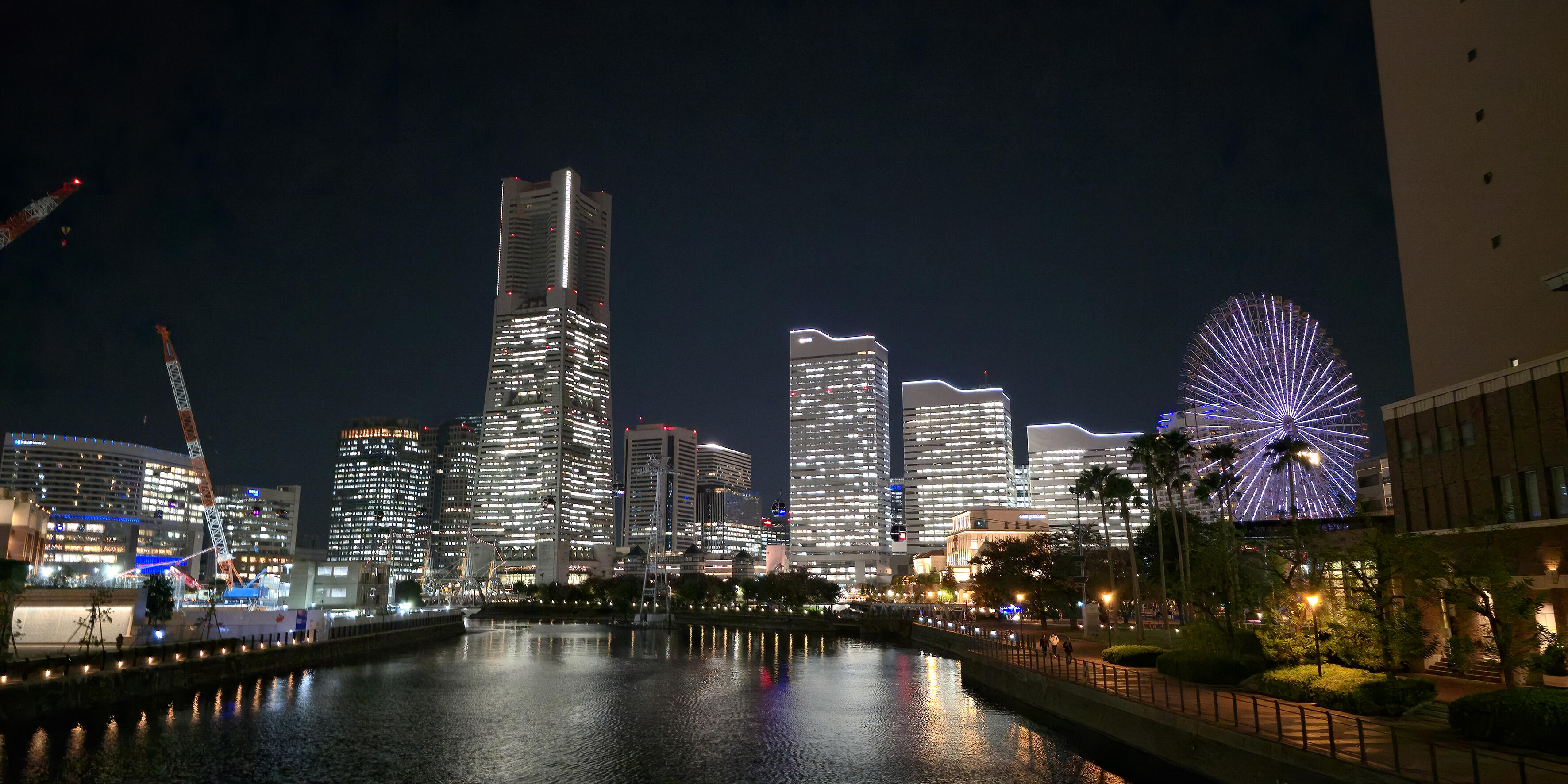
Nils Marquardt, a doctoral researcher in Medical Science, investigates how individual, moving cells in the body, for example, immune cells, can be visualized and tracked using positron emission tomography. In November, he attended the IEEE Medical Imaging Conference in Japan. In addition to the scientific program, there was also time to experience Japanese culture. He shares his impressions in this guest contribution.