
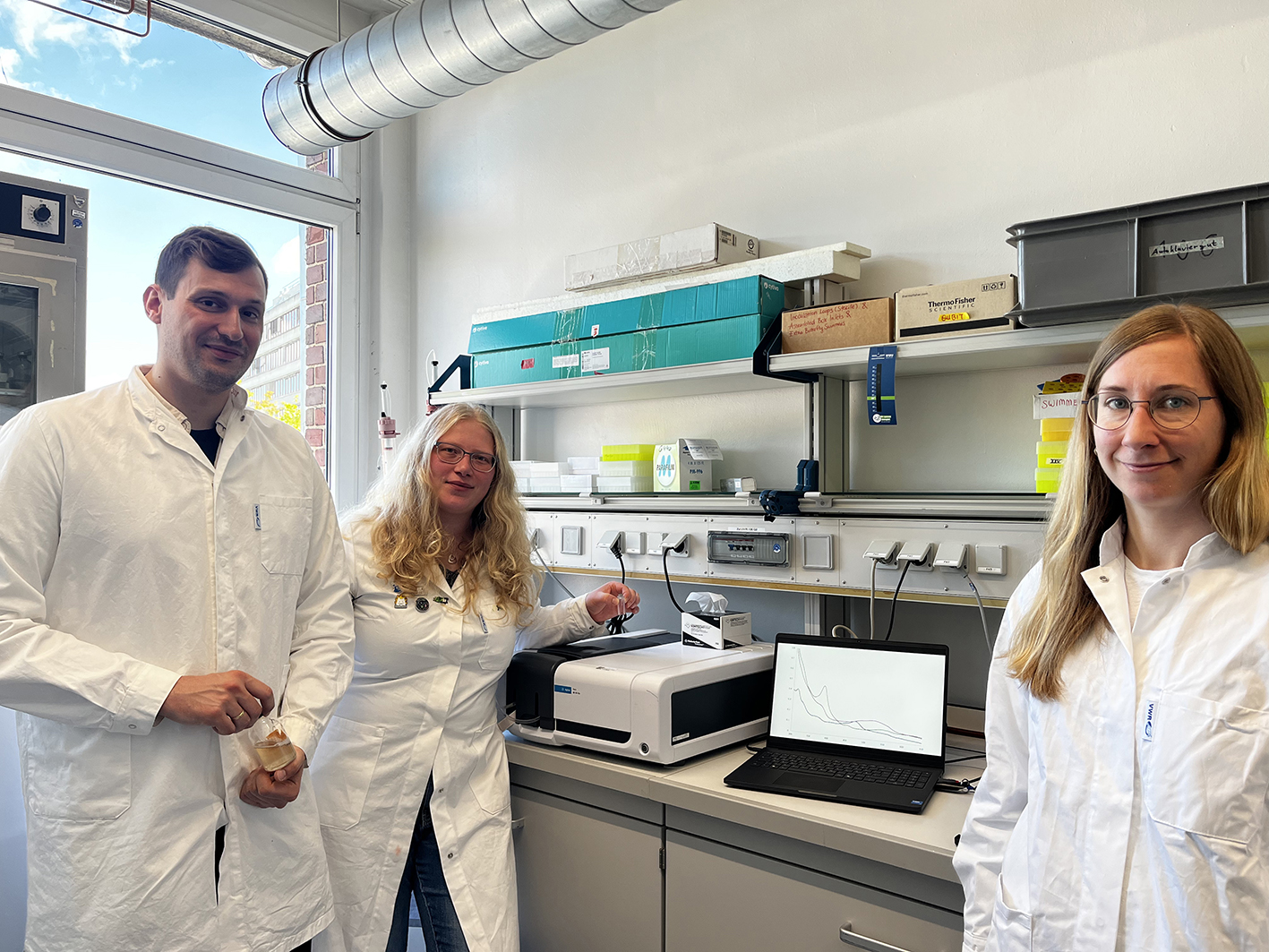
New study reveals previously unknown detoxification pathway for chloromethane
Chloromethane is a gas that is toxic to humans and contributes to the depletion of the ozone layer. It is produced during the combustion of coal, biomass and other raw materials. Natural sources such as algae, plants and fungi also release it. A research team led by biologist Prof. Julia Kurth from the University of Münster has discovered and characterised a previously unknown enzyme system in anaerobic bacteria of the species Acetobacterium dehalogenans. This system converts the gas into non-toxic substances. The results, published in the scientific journal Nature Communications, are of interest for environmental remediation, climate research and biotechnology.
Anaerobic bacteria live in an oxygen-free environment. Acetobacterium dehalogenans, for example, is found in sewage sludge. In contrast, aerobic bacteria depend on oxygen. Scientists have known for some time that these oxygen-dependent bacteria degrade chloromethane. They also knew that Acetobacterium dehalogenans can use chloromethane as a source of energy and carbon, thereby detoxifying it. However, the process by which this occurs in anoxic environments was not known. The newly discovered enzyme system detoxifies chloromethane by removing the chloride ion (Cl-) from the methyl group, which consists of one carbon and three hydrogen atoms. The methyl group serves as a carbon and energy source for the bacterium.
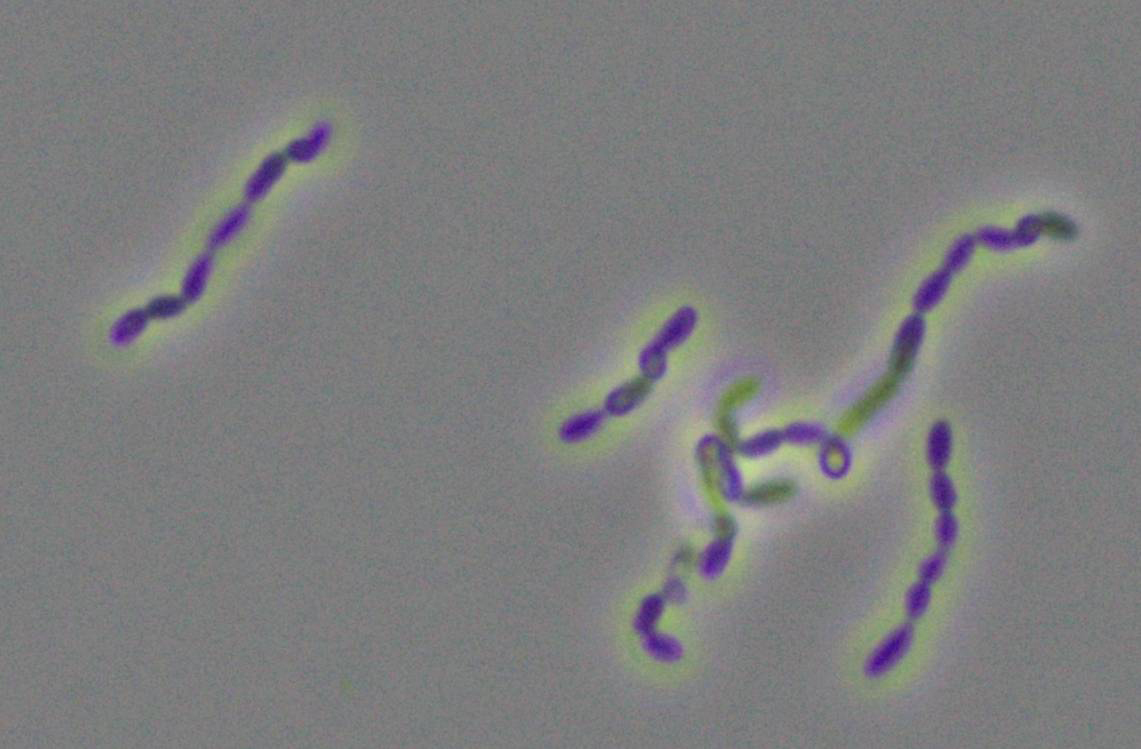
The discovery could be of interest for various applications, for example, in environmental remediation of pollutants by microorganisms. Anaerobic bacteria with the newly discovered enzyme system can decompose chloromethane into harmless products in soils and waters where no oxygen is present. ‘Our results could also be relevant for climate research,’ Julia Kurth points out. ‘By identifying the enzymes and genes, it is now possible to predict which other anaerobic microbes are likely to also convert chloromethane and where they occur.’ This can help researchers understand how chloromethane is degraded in certain ecosystems and contributes to a better understanding of the global chloromethane cycle. ‘Since chloromethane plays a role in ozone depletion, this knowledge also helps to refine climate models.’ The chemical industry could use the enzyme to selectively break down halogenated compounds like chloromethane.
The enzyme system was identified through comparative gene expression analyses. To characterise the physical properties, the team used UV/VIS spectroscopy, and to decipher the enzyme structure or atomic composition, they used X-ray crystallography. Spectroscopy and structure analysis also provided important insights into the reaction mechanism of the enzyme system.
In addition to the group from Münster, scientists from the Universities of Strasbourg and Grenoble (France), the University of Marburg and the Max Planck Institute for Terrestrial Microbiology were involved in the study.
Funding
This project was financed by the German Research Foundation (DFG), the international Max Planck Research School “Principles of Microbial Life” and the Max Planck Society.
Original publication
Jasmin Bernhardt et al. (2026): Identification and characterisation of an elusive bacterial enzyme system for chloromethane dehalogenation. Nature Communications 17, 4818; DOI: 10.1038/s41467-026-73764-z