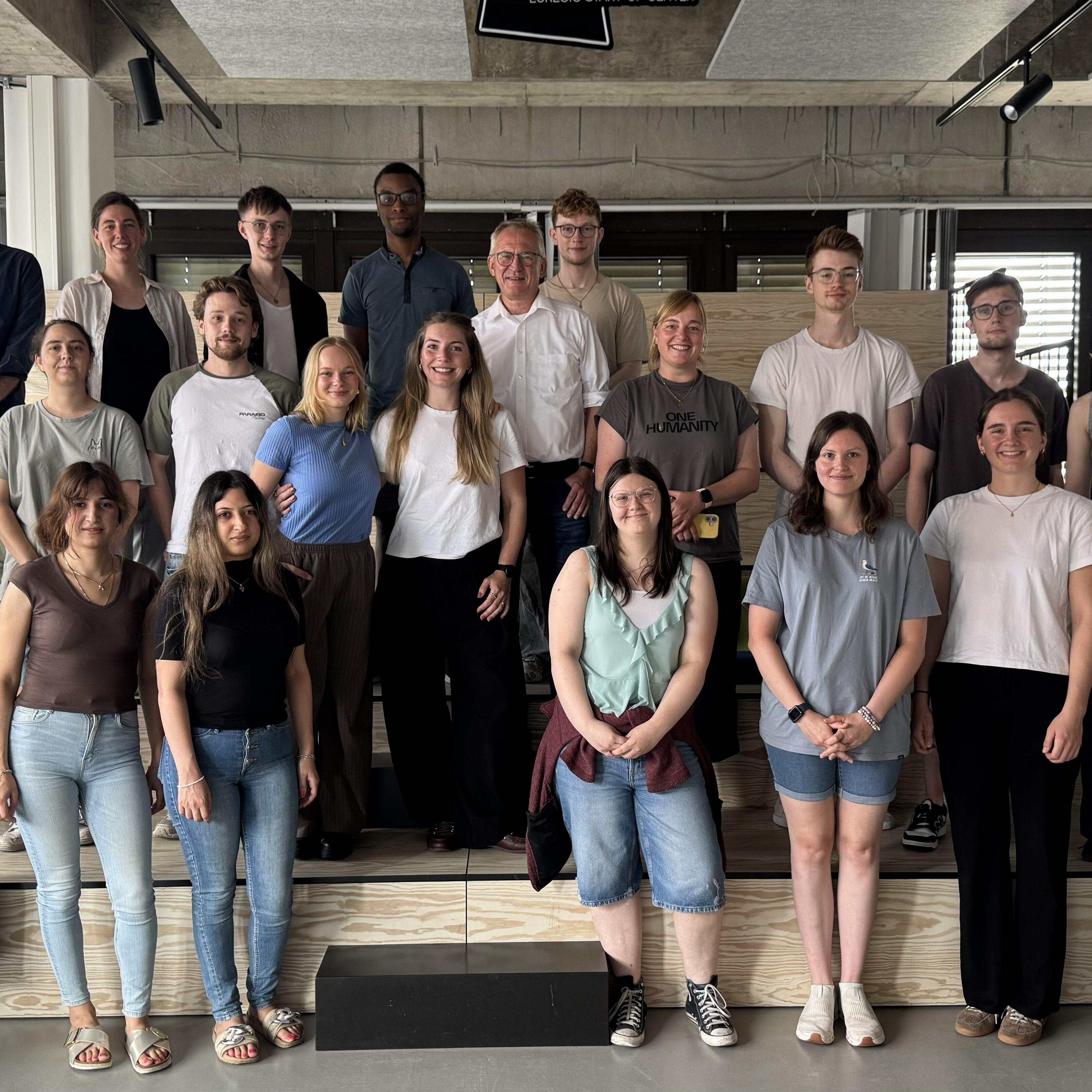
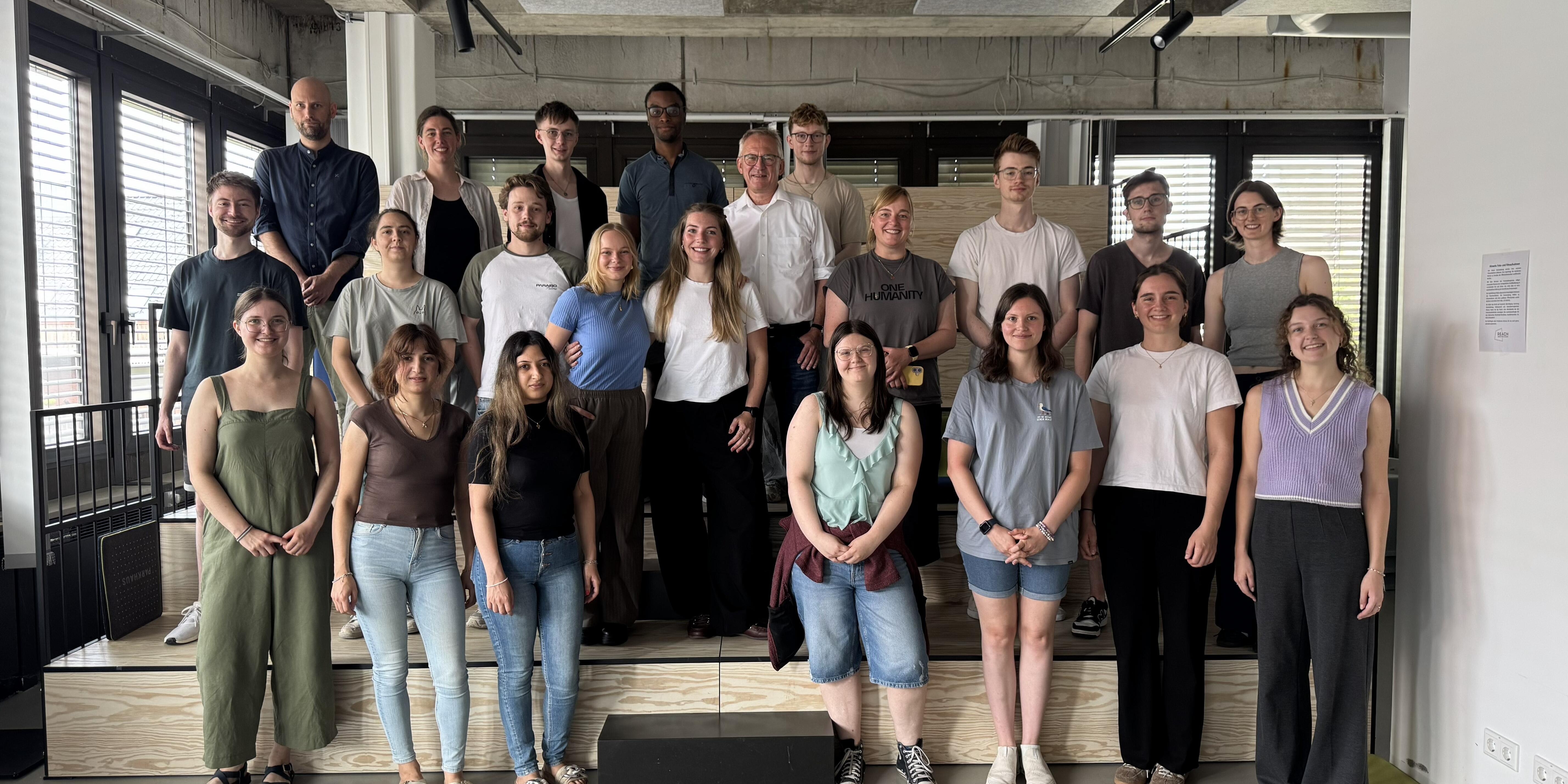
During the summer semester, students in the MSc Chemistry programme at the University of Münster once again gained insights into starting a business through the Innovation & Entrepreneurship module offered by the Institute of Business Chemistry. The module was once again conducted with the active support of the REACH EUREGIO Start-up Center.
On April 24, 2026, Dr. Tim Greitemeier’s doctoral graduation ceremony took place at the Schloss of the University of Münster. Tim successfully completed his doctorate in Business Chemistry (Dr. rer. nat.) and is now the proud first alumnus of Prof. Simon Lux.
We offer our sincere congratulations and wish him all the best for the future!
The battery recycling industry must massively expand its capacity and cope with the fact that the complexity of the batteries being returned is increasing significantly. This is shown by a new study involving researchers from the Institute of Business Chemistry at the University of Münster.
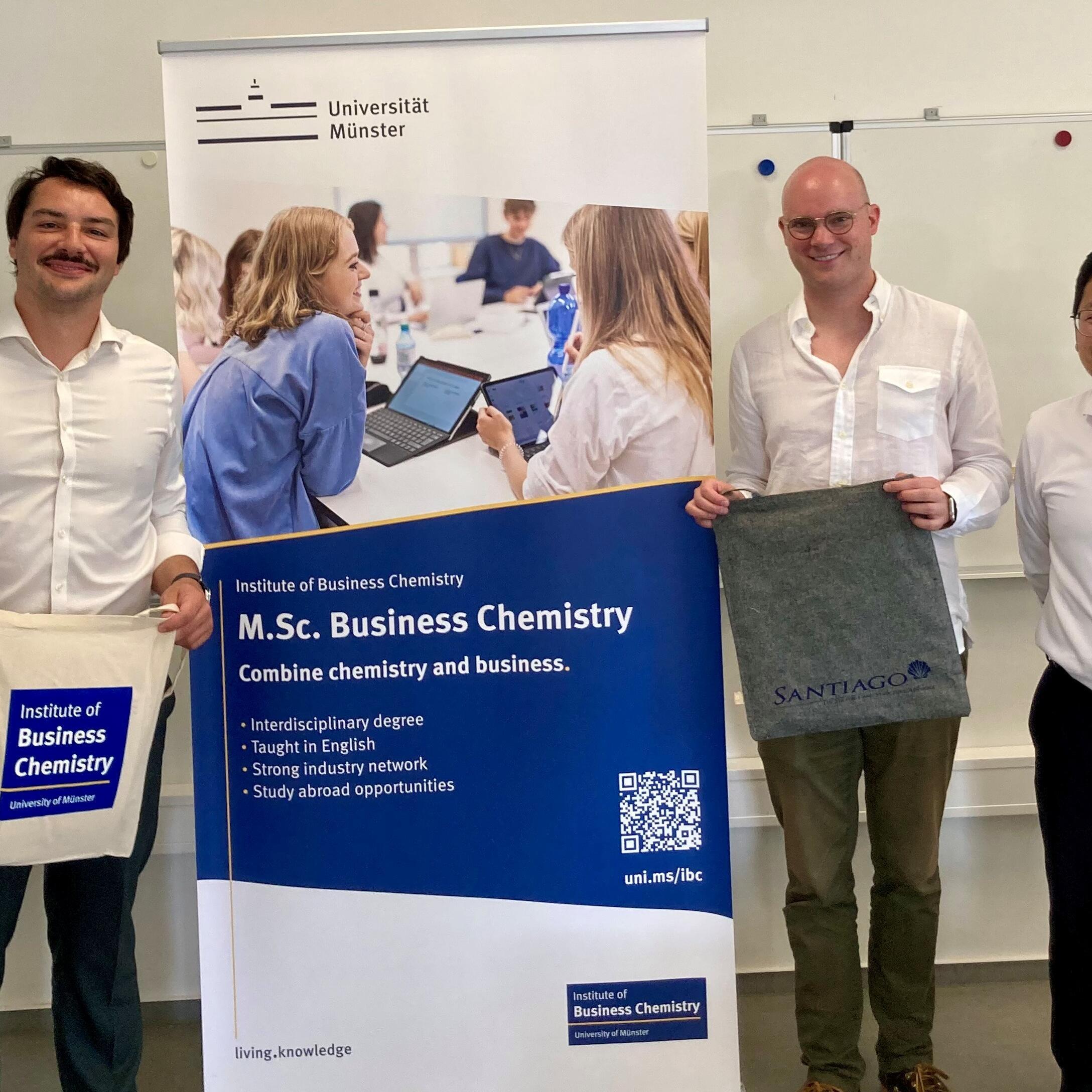
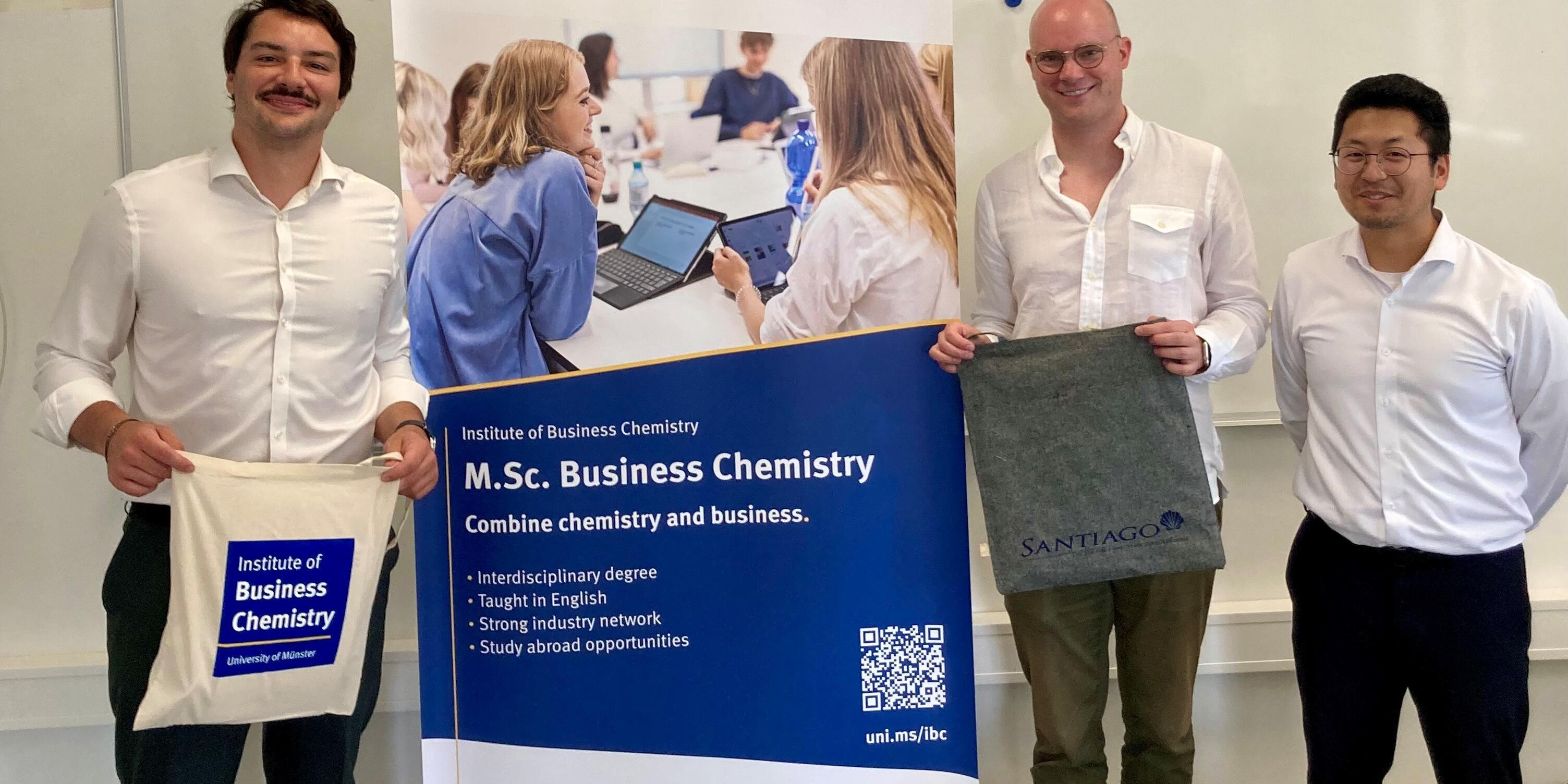
On July 14, 2026, the management consultancy Santiago Advisors conducted an interactive case study workshop for our Business Chemistry students. The workshop was led by our alumnus Yoshiki Fukuda.
On April 24, 2026, Dr. Simon Schlehuber’s doctoral graduation ceremony took place at the Schloss of the University of Münster. Simon successfully completed his doctorate in Business Chemistry (Dr. rer. nat.) and is now the proud sixth alumnus of Prof. Stephan von Delft.
We offer our sincere congratulations and wish him all the best for the future!
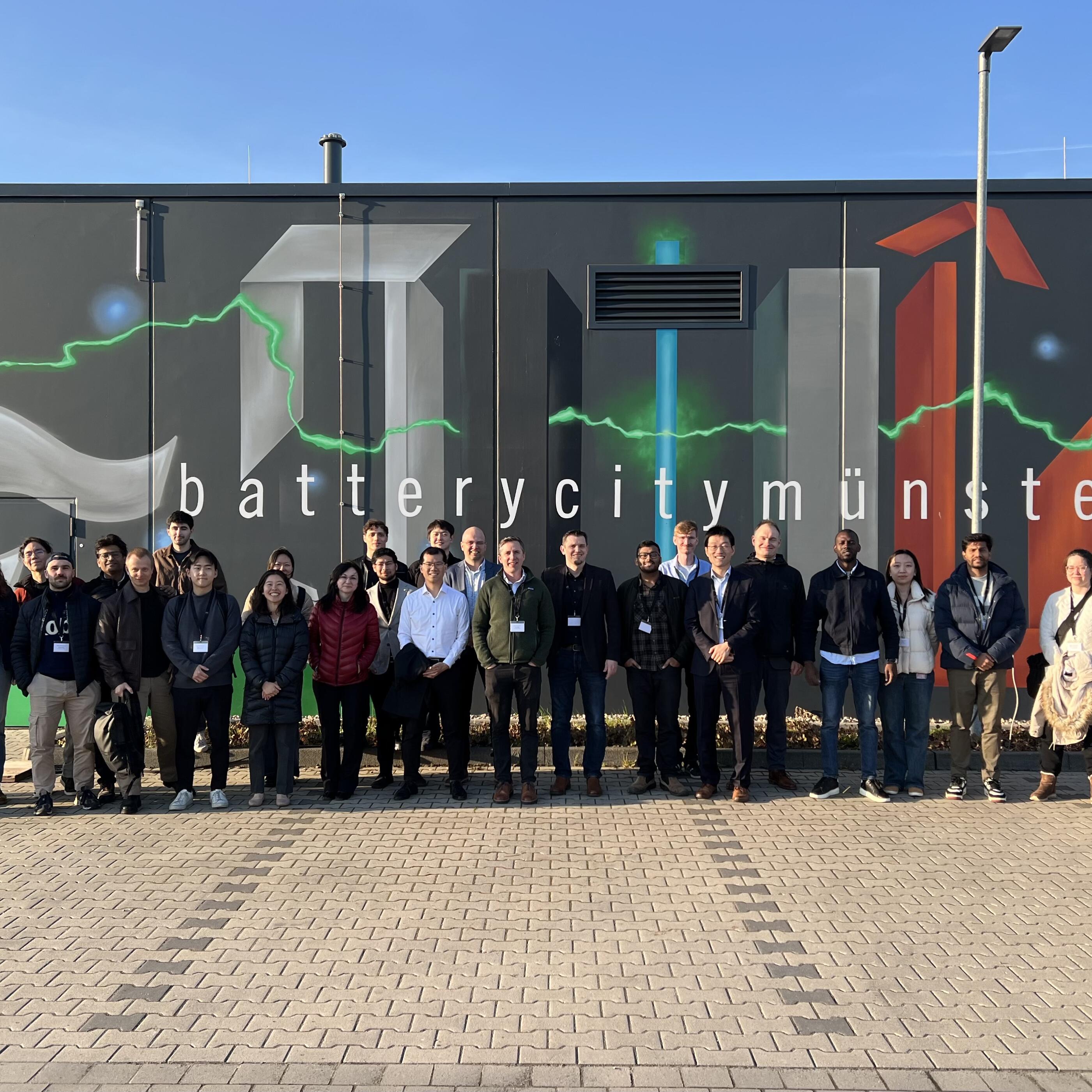
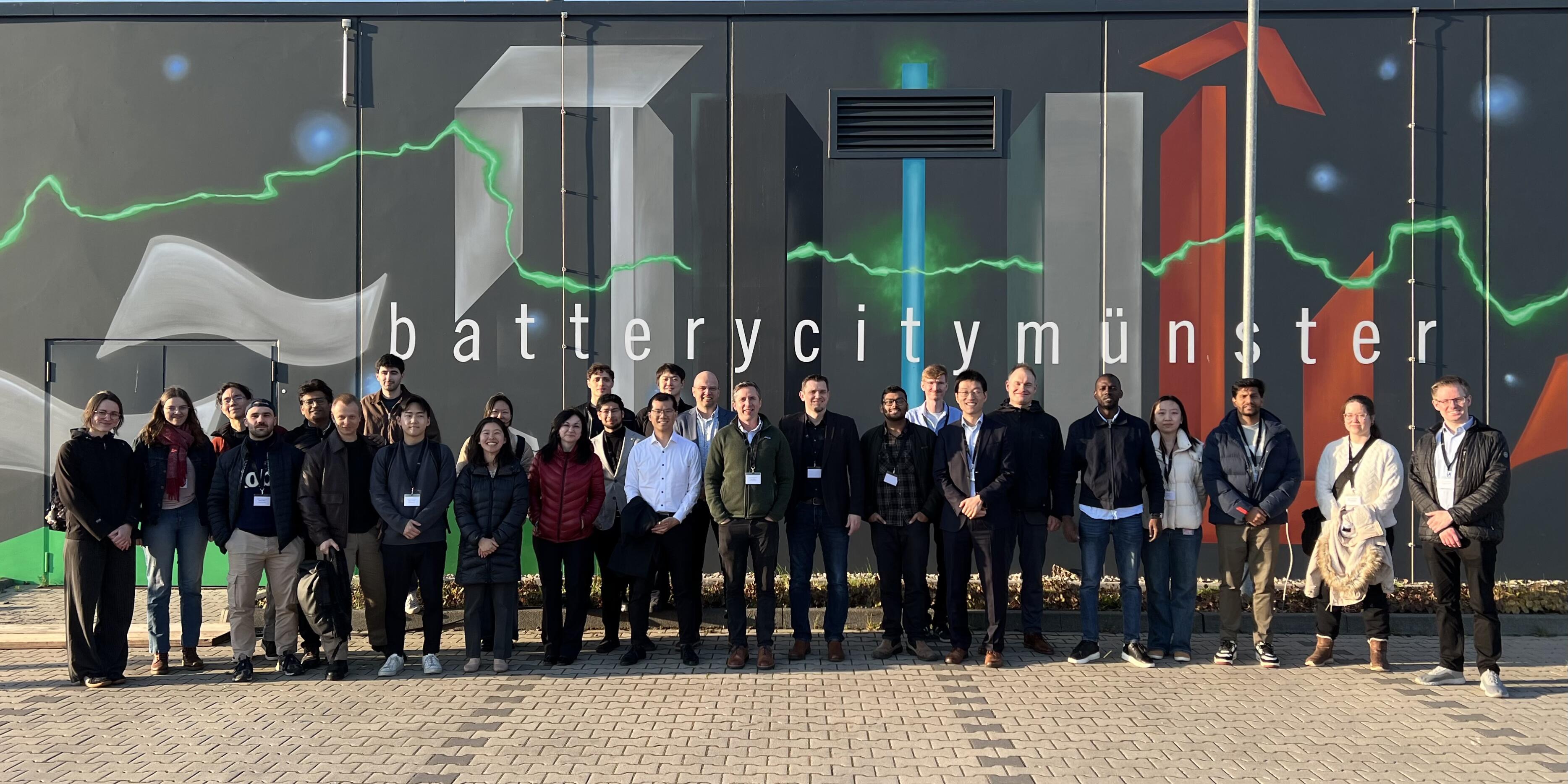
MUST Winter School 2026 in Münster: International impulses for battery research
On March 18 and 19, 2026, the fourth MUST Winter School took place in Münster. Researchers from the University of Münster, the University of Twente, and Stanford University came together to discuss current developments in battery research and sustainable manufacturing.
A team of researchers led by the Institute of Business Chemistry used AI-supported patent analysis to show how strongly battery technologies build upon one another. The findings suggest that industrial and innovation strategies must account for these technological dependencies far more rigorously.