
Welcome!

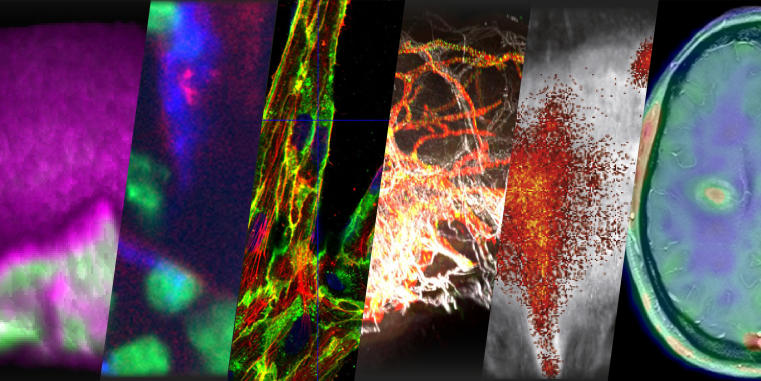
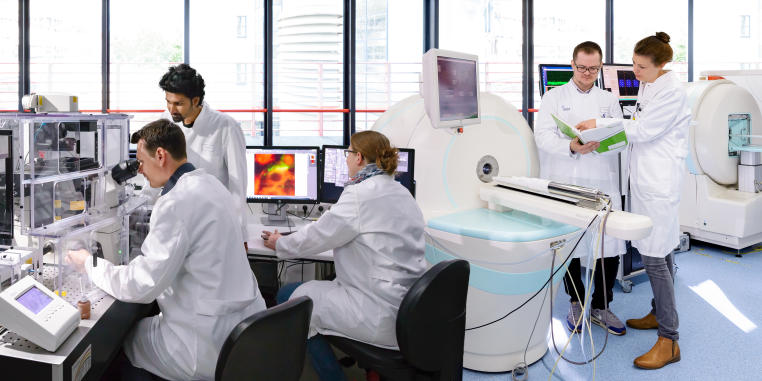
The Cells in Motion (CiM) Interfaculty Centre brings together and supports researchers from medicine, biology, chemistry, pharmacy, mathematics, computer science and physics who join forces to work on a big topic: They investigate how cells behave in organisms. To this end, they employ and develop innovative imaging methods. Our interfaculty network is the centrepiece of the University of Münster’s research focus in “cell dynamics, inflammation and imaging”.

upm
|
© Maik Bischoff

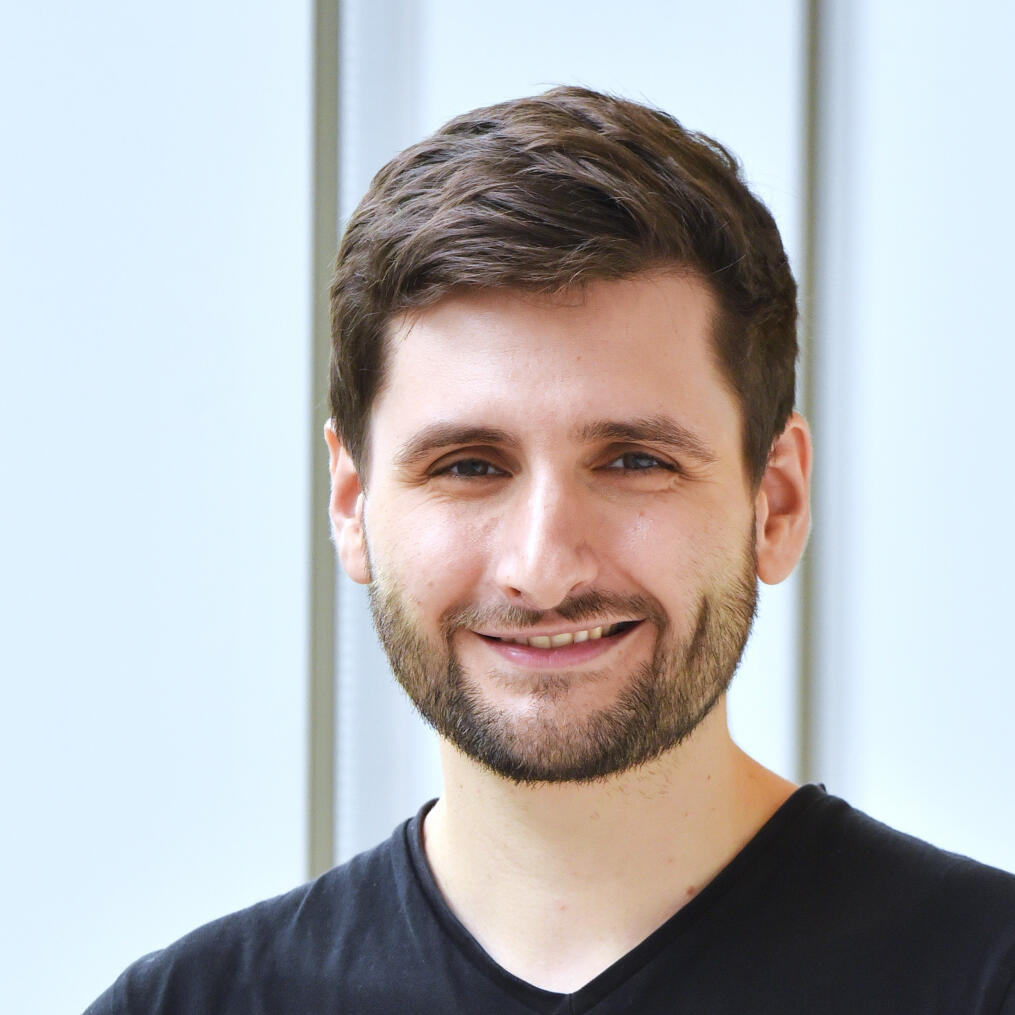
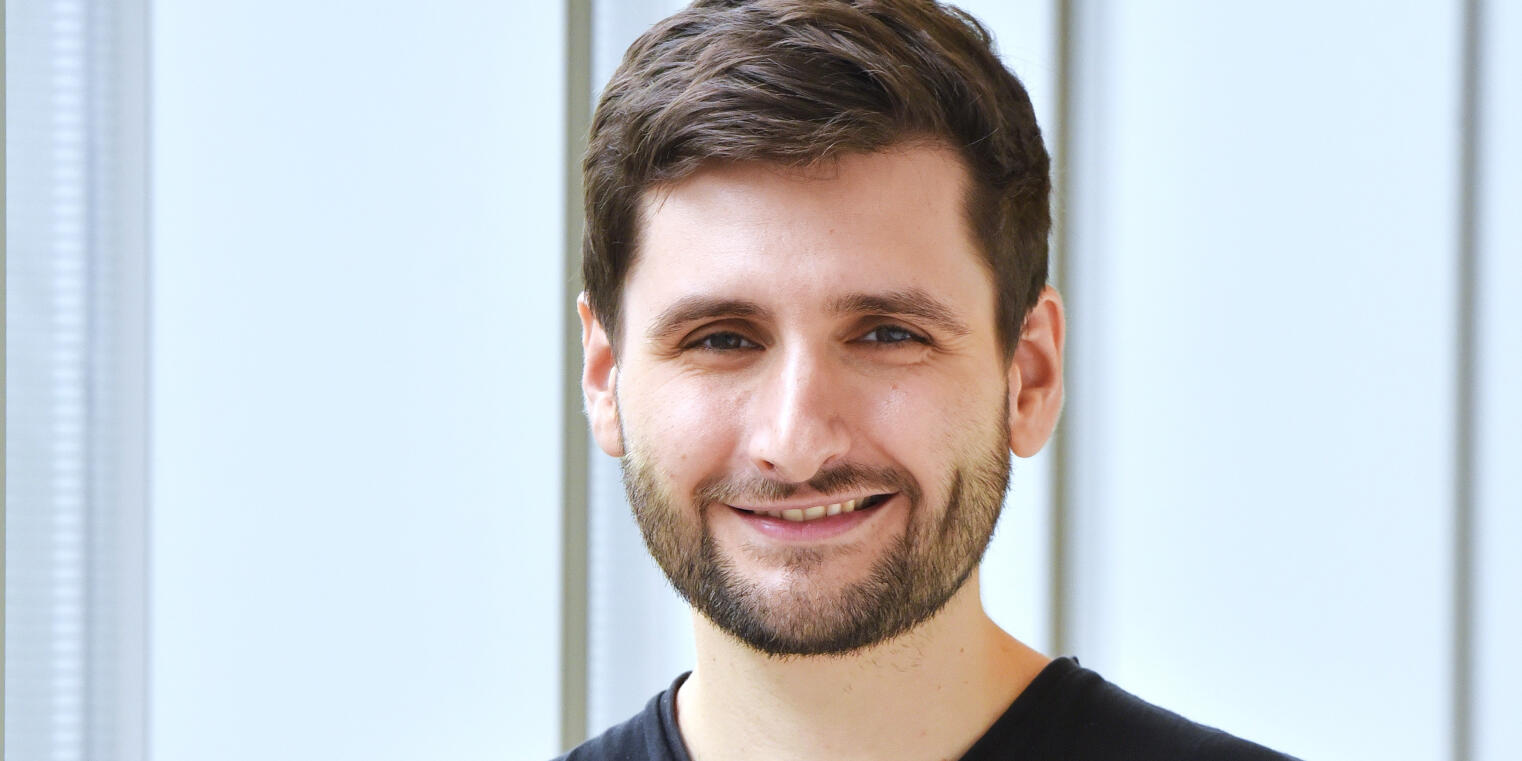
New Emmy Noether Group investigates chiral organ development

Biologist Dr Maik Bischoff has received a grant from the German Research Foundation (DFG) under the Emmy Noether Programme to investigate the mechanisms underlying the “handedness” (chirality) of organs. The grant will support him over a period of six years as he builds up his research group at the University of Münster’s Multiscale Imaging Centre.

© Uni Münster - Michael Ibrahim

Discovery fills a gap in understanding, diagnosing primary ciliary dyskinesia

Researchers working with paediatrician Prof Heymut Omran have revealed the structure and composition of an understudied region called the transition zone in hair-like cilia. They show that mutations in two genes break linkers that hold the transition zone together, hampering the cilia’s ability to clear mucus from the airways.

CiM
|
© Uni Münster - Michael Ibrahim

Photo gallery: 6th Inflammation & Imaging Symposium in Münster

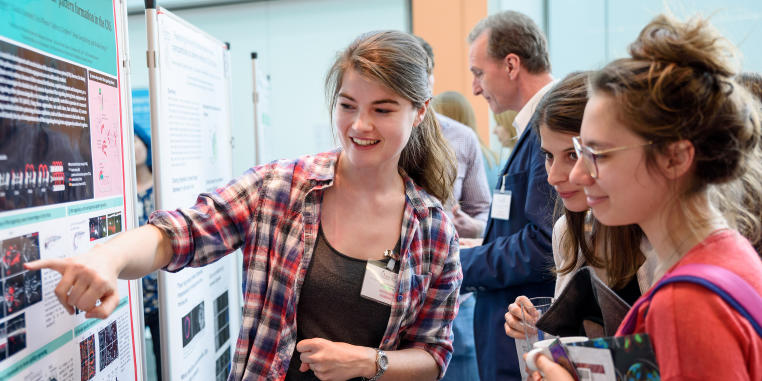
Scientists from several research networks at the University of Münster and their international guests are sharing new insights and ideas in inflammation research and immune system imaging this week (7 to 9 September). The focus of this year’s symposium is on systemic inflammation.

CiM
|
© Uni Münster – Ann-Katrin Wienkamp

Initial successes with personalised medicine to fight severe systemic inflammation

To mark World Sepsis Day on 13 September, critical care specialists Professor Jan Rossaint and Professor Alexander Zarbock from the University of Münster give insights into the latest research on sepsis and other types of life-threatening systemic inflammation. They also talk about what needs to be done to translate research into clinical application.