
New research consortium receives millions in funding
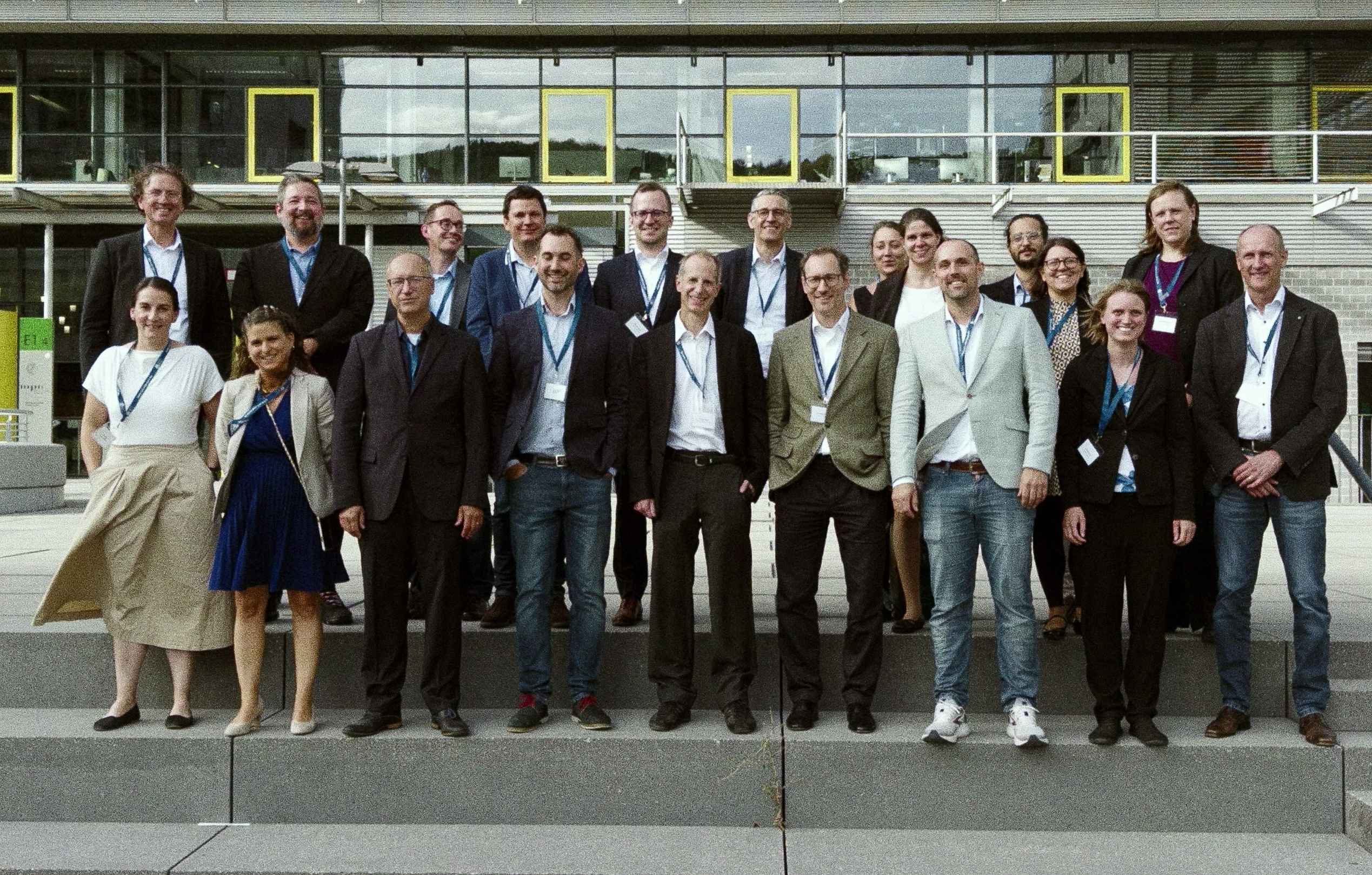
Modern science is not solely concerned with itself. Many of the questions of our time are simply too complex. A newly established Collaborative Research Center/Transregio (CRC/TRR) at the universities of Saarland, Münster, and Erlangen-Nuremberg now takes this reality into account. A team of scientists from the fields of mathematics, computer science, medicine, and engineering has set out to pursue and fundamentally advance so-called dynamic inverse problems in mathematics as a holistic approach, with the aim of opening up new possibilities in the fields of applied sciences. The German Research Foundation (DFG) is providing approximately 10 million euros in funding for the interdisciplinary project during the first four-year funding period. Of this amount, the University of Münster will receive approximately two million euros. The spokesperson for the multi-site research consortium is mathematician Prof. Dr. Thomas Schuster from the Saarland University. The co-spokesperson is mathematician Prof. Dr. Benedikt Wirth from the University of Münster.
Information About the Project Objective
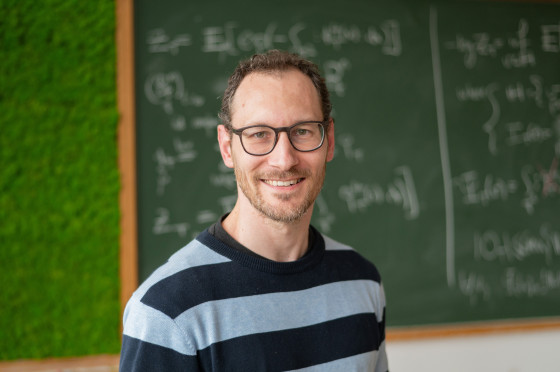
By developing and researching new mathematical methods for solving dynamic inverse problems, the research team aims to ensure that in the future practical applications will be possible in real time and with high resolution. “In addition to classical modelling approaches, this work also employs modern methods in simulation, machine learning, and the mathematics of so-called optimisation and variational problems. In medicine, materials science, and many other disciplines, this could enable applications that are currently still beyond the realm of what is feasible”, emphasises Prof. Dr. Benedikt Wirth, a researcher at the Cluster of Excellence in Mathematics Münster. While the first funding period is still heavily method-oriented, the intention is to involve end users and incorporate real-world measurement data during the two potential subsequent funding periods.
In addition to Benedikt Wirth, four other researchers from the University of Münster will lead subprojects within the new research consortium: Prof. Dr. Mario Ohlberger, Prof. Dr. Marlies Pirner, and Prof. Dr. Caterina Zeppieri from the Institute for Analysis and Numerics, as well as Prof. Dr. Carsten Wolters from the Institute for Biomagnetism and Biosignal Analysis.
SFB/TRR
The CRR/TRR – a variant of the traditional Collaborative Research Center – is jointly proposed and supported by two or three universities. It facilitates close cooperation between these universities and their respective researchers, including the shared use of resources. The projects are designed to last up to twelve years and are funded by the DFG. A total of six CRC and CRC/TRR projects are currently being coordinated at the University of Münster and researchers from the University of Münster are participating in many other inter-university programmes.