
Study shows: Fish parasites influence the freshwater food chain
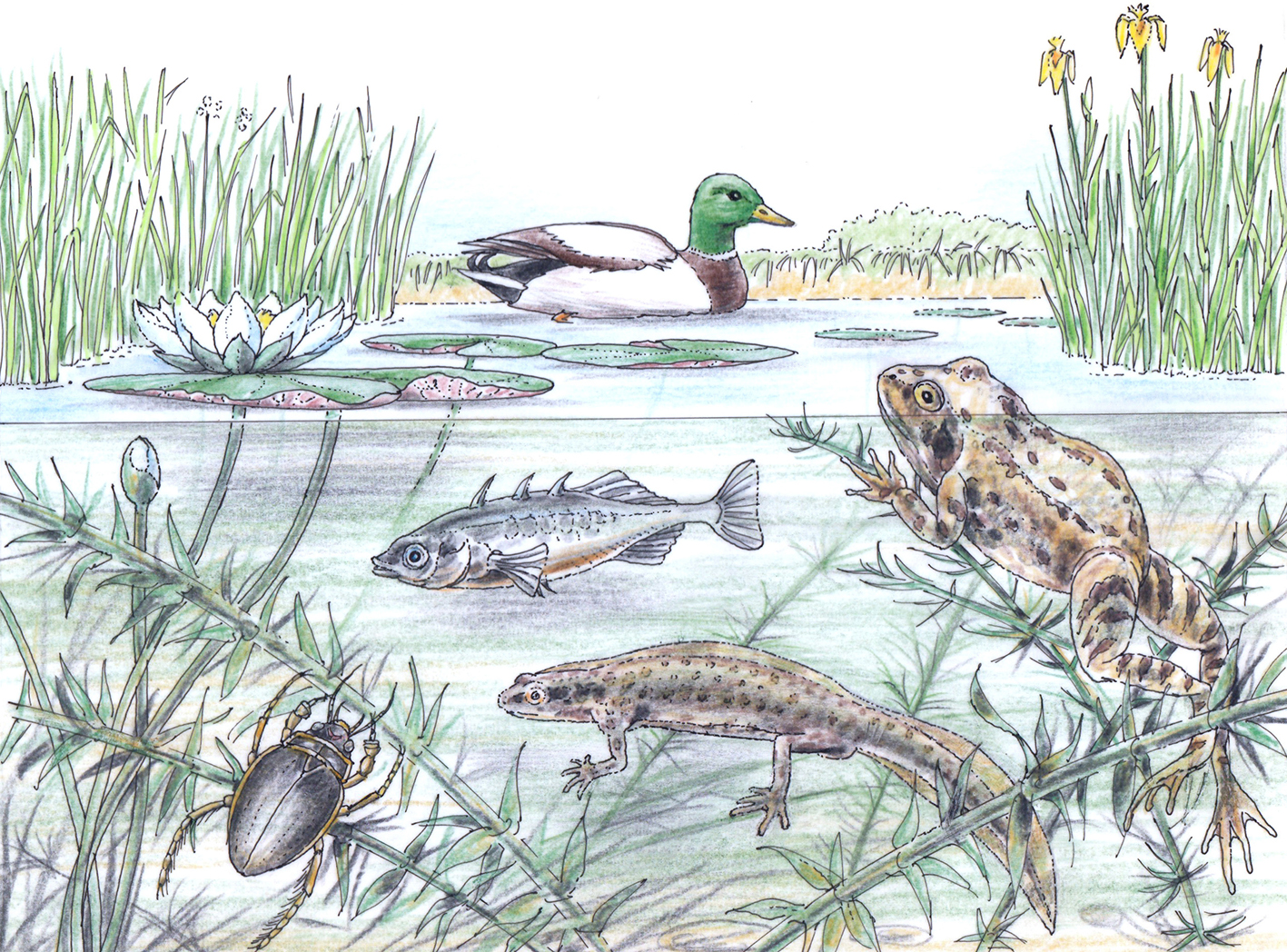
There are many studies on how parasites influence their host animals, e.g. in terms of growth, behaviour or survival rate. However, far less is known about how these effects impact food webs. A research team led by Dr Jaime Anaya-Rojas and Prof Dr Joachim Kurtz from the Institute for Evolution and Biodiversity (IEB) has now found experimental evidence of how tapeworm infections in three-spined sticklebacks alter several levels of a food web. In the experiment, behavioural changes caused by the infection had massive consequences on the food chain while also reducing the stickleback population, creating converse effects.
The tapeworm Schistocephalus solidus causes an infection in sticklebacks that drastically changes their behaviour. The tapeworm manipulates the fish to eat more voraciously and become as large as possible. It then induces it to engage in risky behaviour that increases the probability of getting eaten by a bird. The tapeworm can ultimately reproduce in the intestines of this final host. However, infection with tapeworm compromises the health of the fish and leads to increased mortality.
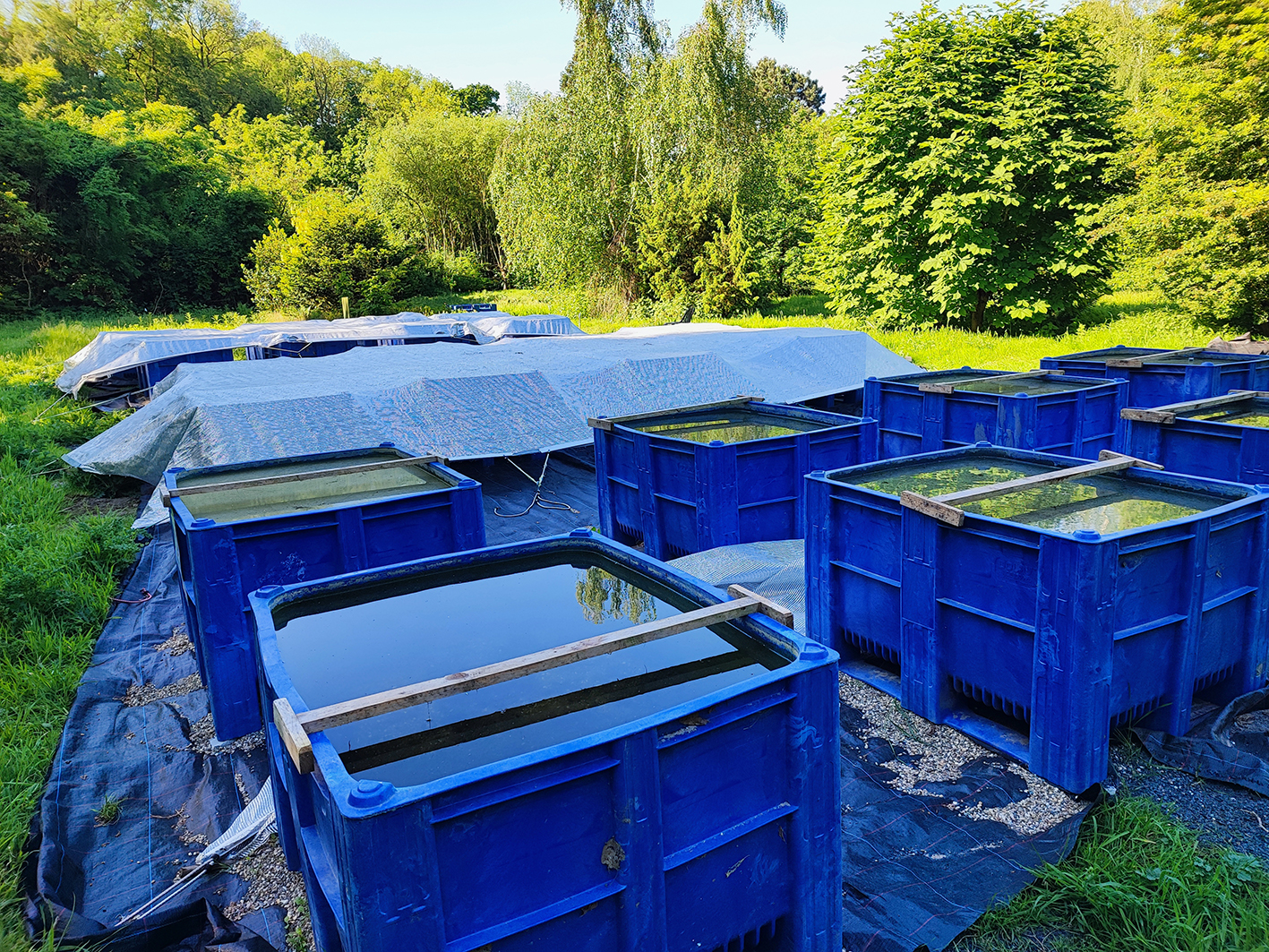
The results are particularly relevant for basic ecological research. They provide evidence that parasites can be drivers of changes in food webs. In the long term, this knowledge could also be relevant for the management of freshwater ecosystems. ‘The fact that parasites could play a role when food webs change has so far received little attention and has rarely been tested experimentally,’ explains PhD student Maja Drakula. Understanding such processes could help to better categorise ecological changes in lakes and ponds.
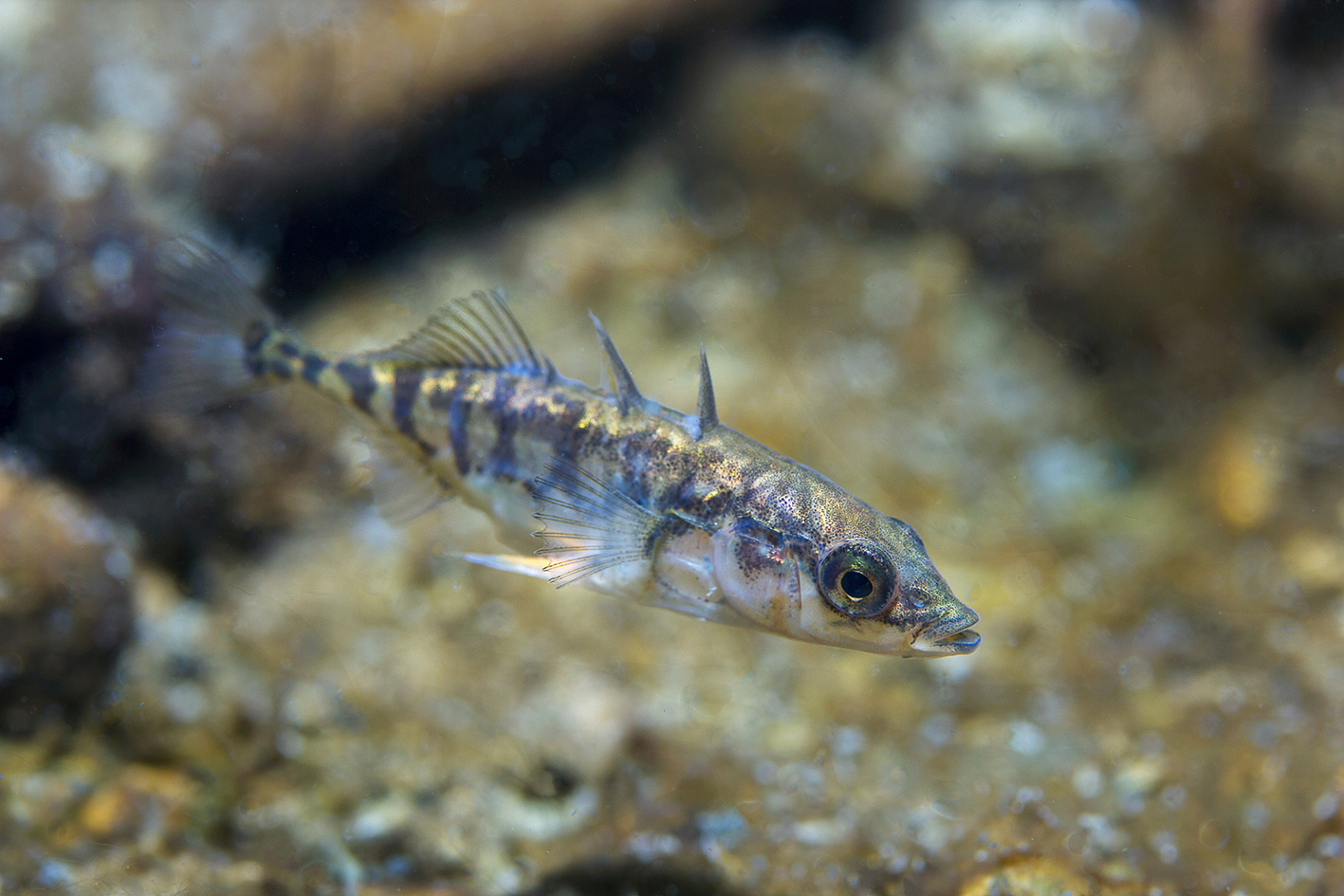
The tapeworm Schistocephalus solidus studied can only be bred over its complex life cycle in a laboratory setting in a handful of research institutions worldwide. The University of Münster operates one of these specialised facilities and can therefore carry out controlled experiments on the infection of the three-spined stickleback.
Funding
The research was funded by the German Research Foundation (DFG; SFB-TRR 212, NC3).
Original publication
Maja Drakula, Lena Gerigk, Ella S. Rothe, Jacob-Josef Brüning, Mats Reckert, Alexander Brinker, Beatriz Elias Ranelli, Joachim Kurtz, Jaime M. Anaya-Rojas (2026): Can manipulative parasites modify host-mediated trophic effects? Experimental evidence from Schistocephalus solidus and three-spined sticklebacks. Functional Ecology; DOI: 10.1111/1365-2435.70326