New professors appointed in 2025

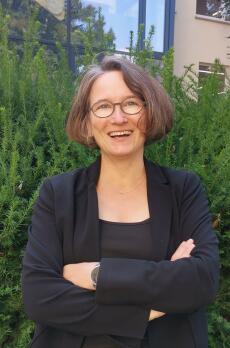
Prof Dr Daniela Bartels
© privat

Prof Dr Daniela Bartels
(Faculty of Music)

Daniela Bartels is Professor of Music and Music Education at the Institute of Music Education. She completed her studies in music and English for teaching at secondary schools and comprehensive schools at the University of Music and the University of Hanover in 2009. This was followed by four years of teaching practice as a trainee teacher and music and English teacher at the Clay School in Berlin-Neukölln. From 2013 to 2017, Daniela Bartels was a research assistant at the University of Music in Weimar. In her doctoral thesis, she examined the value of ethical concepts of a ‘good life’ for music education. At the same time, she founded and directed the pop choir ‘zimmmt’ in Berlin, whose members still practise artistic co-determination and choir singing without a conductor. From 2017 to 2019, Daniela Bartels taught as an academic advisor at the University of Cologne, where she further developed the concept of democratic choir conducting. From 2019 to 2022, she held a visiting professorship at the Berlin University of the Arts, where she explored possible connections between ethics and music education and launched the podcast ‘Mehr als Töne – Musikpädagogik und Gesellschaft’ (More than Sounds – Music Education and Society). From 2022 to 2025, Daniela Bartels worked as a lecturer for special tasks at the Lübeck University of Music. There she taught community music and participatory group music-making and helped design the continuing education programme ‘Music in Social Work’.

University of Music

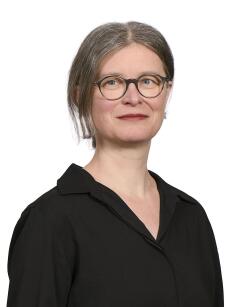
Prof Dr Antonia Eder
© Uni MS - Fabian Winter

Prof Dr Antonia Eder
(Faculty of Philology)

English version follows

Faculty of Philology

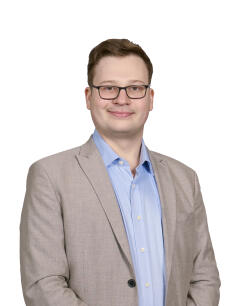
Prof Dr Ulrike Freywald
© Uni MS - Fabian Winter

Prof Dr Ulrike Freywald
(Faculty of Philology)

Ulrike Freywald teaches and conducts research at the Institute of German Language and Literature. After studying German Linguistics, Historical Linguistics, and Public Relations and Communica­tion Studies in Berlin and Vienna, she obtained her doctorate from Humboldt-Universität zu Berlin with a thesis on clause combining. She worked as a Lecturer at the University of Potsdam and then moved to TU Dortmund University to take up a professorship in German Linguistics with a focus on grammar and teaching methodology.

Her research focuses primarily on grammar, spoken language and language variation. She is particularly interested in structural aspects, such as different word order patterns in sentences, word doubling (e.g. “Freundfreund” ‘friend-friend’ or “jetztjetzt” ‘now-now’) and the systematic omission of linguistic expressions. Her work focuses on everyday language and communicative practices in urban areas, including the Ruhr region and Berlin. This comprises various research topics such as public signage, nicknames for streets and squares, and sales conversations at a weekly market. Finally, with several partners in Dortmund, Genoa and Shenzhen, she is researching facets of multilingualism in (post-)industrial metropolitan areas in Europe and China. 

Faculty of Philology

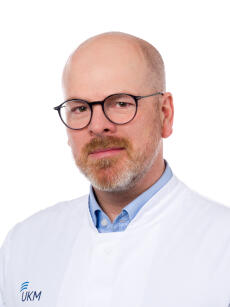
Prof Dr Ora Hazak
© Uni MS - Fabian Winter

Prof Dr Ora Hazak
(Faculty of Biology)

Since January 2025, Ora Hazak has been a professor at the Institute of Plant Biology and Biotechnology, where she heads a research group on communication between plant cells as part of the Maria Sibylla Merian Professorship. She studied plant molecular biology at Tel Aviv University, where she also obtained her bachelor’s, master’s and doctoral degrees. Her subsequent post-doctoral training took place at the University of Lausanne in Switzerland. Ora Hazak has been active in research since 2004 and began teaching plant biology at the University of Tel Aviv in 2012 and later at the Universities of Lausanne and Fribourg. From 2019 to 2024 she headed a research group at the Department of Biology at the University of Fribourg. Her research focuses on signals in the roots of plants. Professor Hazak investigates the communication between root cells which is controlled by secreted peptides and receptors.

Faculty of Biology

Prof Dr Robert Hein
© Uni MS - Fabian Winter

Prof Dr Robert Hein
(Faculty of Chemistry and Pharmacy)

Robert Hein is, since April 2025, Juniorprofessor of Chemistry at the Organic Chemistry Institute, where he leads a research group supported by a Liebig Fellowship and a NRW Return Fellowship. He studied Chemistry at the Jacobs University Bremen and subsequently obtained his PhD on the topic of „Electrochemical Anion Sensing in Solution and at Interfaces“ at the University of Oxford (United Kingdom). After his doctorate, he completed a first postdoc at the University of Oxford from 2020 to 2022. From 2022 to 2024 he then conducted research as a Marie Skłodowska-Curie-Fellow at the University of Groningen (The Netherlands).

In his research Robert Hein focuses on the synthesis and analysis of novel molecules which reversibly change, for example, their colour, fluorescence or geometry in response to electrical stimulation.  These so-called redox switches are investigated by his group for both fundamental studies as well as proof-of-concept applications. This includes sensors, molecular machines, energy storage and especially responsive materials. Through the integration of redox switches into various materials like polymers, gels, surfaces and nanoparticles, their molecular-level switching properties can be amplified to the macroscale, thereby enabling, for example, the construction of electrochromic materials or adaptive actuators for soft robotics.

Faculty of Chemistry and Pharmacy

Prof Dr Selina Kathleen Jorch
© Uni MS - Fabian Winter

Prof Dr Selina Kathleen Jorch
(Faculty of Medicine)

Selina Jorch has been a junior professor of “Pathophysiology and plasticity of inflammation, infection, and resolution” at the Department of Anesthesiology, Intensive Care & Pain Medicine since April 2025. She studied biology at the University of Giessen and molecular biomedicine at the University of Münster, where she completed her doctorate in immunology in 2015. She then worked for four years as a postdoctoral researcher at the Snyder Institute at the University of Calgary in Canada before heading a junior research group in the “Immunosensation2” cluster of excellence at the University of Bonn.

Selina Jorch's research focuses on monocytes, macrophages, and neutrophil granulocytes in various organs. The aim is to better understand the dynamics of the immune system in connection with clinically relevant diseases. The focus is on the direct visualization of the behavior of immune cells their functions during inflammation, infection, and their resolution. In particular, microscopic technologies such as laser scanning confocal and 2-photon microscopy are used.

Faculty of Medicine

Prof Dr Diana Khoromskaia
(Faculty of Physics)

Diana Khoromskaia has been an assistant professor at the Institute for Theoretical Physics since March 2025. She holds a master’s degree in physics from Heidelberg University and a master’s degree in complexity science from the University of Warwick, UK. With a scholarship from the Engineering and Physical Sciences Research Council UK, she completed her PhD in Physics, also at the University of Warwick, on the theory of active liquid crystals. This was followed by two postdocs at the Francis Crick Institute in London and at University College London. At the University of Münster, her new junior research group is supported by the NRW Returning Academics Programme in the field of ‘Materials Science’ and is based at the Center for Soft Nanoscience.

Her research focuses on the theoretical physics of living matter – i.e. soft biological materials –across different scales. This involves developing models and simulation methods to better understand mechanochemical pattern formation, transport processes and dynamic deformations, e.g. in the cytoskeleton of individual cells or in thin tissue layers – often in close collaboration with colleagues from biology. One focus is on uncovering the principles of self-organisation of these so-called active systems, which are far from thermal equilibrium. In the future, these mechanisms may serve as an approach to generate and control complex structures in lab-grown organs or in synthetic active materials.

Faculty of Physics

Prof Dr Florian Kurpicz
© Uni MS - Fabian Winter

Prof Dr Florian Kurpicz
(Faculty of Mathematics and Computer Science)

Florian Kurpicz has been a junior professor since October 2025 and heads the Algorithms and Data Structures research group at the Computer Science Departement. He studied computer science at TU Dortmund University, where he also earned his doctorate on index data structures for efficient pattern matching in texts. After completing his doctorate, he joined the Institute of Theoretical Informatics at the Karlsruhe Institute of Technology (KIT) as a postdoctoral researcher, where he led the Data Structures subgroup.

At the University of Münster, Florian Kurpicz continues his research on scalable data structures for high-throughput data processing. His goal is to bridge the gap between theory and practice: With his research group, he develops algorithms and data structures that perform reliably in real-world applications while providing theoretical worst-case guarantees.

His work focuses on fundamental problems such as sorting, lossless compression, and efficient access to (compressed) data. These foundational results have applications in areas such as pattern matching, data analysis, and the visualization of segmentation volumes.

Faculty of Mathematics and Computer Science

Prof Dr Julia Kurth
© Uni MS - Fabian Winter

Prof Dr Julia Kurth
(Faculty of Biology)

Julia Kurth has been working at the Institute of Molecular Microbiology and Biotechnology since March 2025. After completing her studies in biology and microbiology at the University of Bonn, Julia Kurth earned her PhD in 2017 in Bonn studying enzymes involved in bacterial sulphur metabolism. She then moved to the Netherlands as a postdoctoral researcher at Radboud University in Nijmegen and later at the University of Wageningen. During her postdoctoral period, she established her research on new metabolic pathways in archaea, microorganisms of the third domain of life, which have played a crucial role in various biogeochemical cycles on Earth for billions of years. Before accepting the appointment in Münster, she led the "Microbial Physiology" group at the Microcosm Earth Center at the University of Marburg in 2022.

The focus of her research is on anaerobic bacteria and archaea, i.e. microorganisms that live without oxygen. The combination of metabolic physiology, protein biochemistry, molecular biology, and environmental microbiology aims to promote a better understanding of certain microbial metabolic pathways, the involved proteins and the environmental relevance of the corresponding microorganisms. A key research area is the investigation of archaea and metabolic pathways involved in the production of the greenhouse gases methane and carbon dioxide. With respect to climate change, it is of great importance to identify and understand the processes and microorganisms involved in greenhouse gas production. One of Professor Kurth’s primary goals is to discover previously hidden substrates utilised by anaerobic archaea and bacteria which play a hitherto overlooked role in the global carbon cycle and greenhouse gas production.

Faculty of Biology

Prof Dr Nicolas Legewie
© Uni MS - Fabian Winter

Prof Dr Nicolas Legewie
(Faculty of Educational and Social Sciences)

Nicolas Legewie has been a professor of research methods at the Institute of Sociology since June 2025. He studied social sciences at Humboldt-Universität of Berlin, where he also received his PhD at the Berlin Graduate School of Social Sciences. He has held research and teaching positions at the German Institute for Economic Research (DIW Berlin), the University of Pennsylvania, City University of New York, Stony Brook University, Columbia University and the University of Erfurt.

His research focuses on developing and advancing methods of empirical social research with particular emphasis on video data analysis and computer vision techniques for the social sciences. Substantively, he examines the intersection of social inequality and artificial intelligence, especially in the areas of migration, integration and education. One current project surveys how people perceive and evaluate digitalisation and artificial intelligence, shedding light on public attitudes toward emerging technologies. Another uses audit studies to assess the political leanings of large language model-based chatbots, contributing to our understanding of AI systems that increasingly shape information retrieval, content production and communication worldwide. A third project applies video recordings and computer vision to analyse avoidance behaviours in public spaces, providing new insights into everyday interaction and social boundaries. Professor Legewie is currently building the Visual Analytics Research Lab (VARL), which leverages computer vision to study social interactions and aims to create interdisciplinary collaborative research within the University of Münster and beyond.

Faculty of Educational and Social Sciences

Prof Dr Aliyah El Mansy
© Uni MS - Fabian Winter

Prof Dr Aliyah El Mansy
(Faculty of Protestant Theology)

Aliyah El Mansy professor of Biblical Studies and its didactics at the Faculty of Protestant Theology. After studying Protestant theology in Wuppertal, Leipzig, Jerusalem, and Marburg, she earned her doctorate and habilitation in New Testament Studies at the University of Marburg, where she also worked as a research associate (2009–2022), including a research stay at the University of Toronto, Canada. She then served as a vicar and pastor near Gießen until 2025.

Her research focuses on diversity-conscious exegesis and ancient economy and social history. In her doctoral dissertation, she examined processes of identity formation and boundary-making through endogamy and exogamy in the Bible and the ancient world. Her habilitation explores the theological and socio-historical contextualization of literary stereotypes in the Gospels regarding tax and toll personnel. With her focus on questions of gender, economics, intersectionality, and identity, she aims to contribute to historically grounded exegesis that simultaneously engages contemporary concerns. She is also committed to enabling students to interpret biblical texts critically and responsibly and to articulate their relevance for contemporary learning and life contexts in a critical way.

Faculty of Protestant Theology

Prof Dr Muriel Moser-Gerber
© Uni MS - Fabian Winter

Prof Dr Muriel Moser-Gerber
(Faculty of History and Philosophy)

Muriel Moser-Gerber is Professor and Chair of Roman History at the Department of Ancient History since October 2025. She studied Classics at the University of Cambridge, where she completed her bachelor's and master's degrees and received her doctorate with distinction in 2013. She then worked as a Research and Teaching Assistant and, from 2013, as an Assistant Professor of Ancient History at the Department of History at Goethe University in Frankfurt am Main, where she was concomitantly director of the Subproject “The Past as a Political Resource: Memory as a Strategy in Greece under Rome” within the collaborative research centre “Discourses of Weakness and Resource Regimes” from 2015 to 2018. In Frankfurt, she also completed her habilitation thesis “Athens and its Roman Benefactors. From Atticus to Nero (86 BC to AD 68)”. Research stays took her to Paris, Cologne, Cambridge and Yale, and she was also a fellow of the Johanna Quandt Young Academy from 2019 to 2022. She is currently a member of the steering committee of the Mommsen Society.

Muriel Moser-Gerber examines various aspects of Roman rule and the exercise of imperial power in Roman antiquity. To this end, she focuses, among other things, on Greece in Roman times, examining memory strategies and how Greek cities positioned themselves in the Roman Empire. She also deals with the relationship between the emperor and the senate and the cities of Rome and Constantinople in Late Antiquity. In addition, her research focuses on Roman epigraphy and women's history: current projects are devoted to public speech acts and the associated dynamics of power, as well as women as actors in the ancient economy.

Faculty of History and Philosophy

Prof Dr Jana-Elisa Rüth
© Uni MS - Fabian Winter

Prof Dr Jana-Elisa Rüth
(Faculty of Psychology and Sports Science)

Jana-Elisa Rüth was appointed professor at the Institute for Psychology in Education and Instruction (IPBE) in March 2025. She is chair of the work unit Emotional and Social Development in Inclusive Schools. She studied at Bielefeld University and received her doctorate in psychology with distinction. In her dissertation she focused on the development and socialisation of emotional awareness and emotion regulation in adolescence. Before accepting the position at the University of Münster, she conducted research and taught as a postdoctoral fellow at Bielefeld University in the research unit Developmental Psychology and Psychopathology.

Jana-Elisa Rüth is interested in the development of emotional and social skills in childhood and adolescence, as well as their connection to mental health, well-being and academic performance. In this context, she examines the role of personal resources (e.g. self-efficacy, perspective-taking ability) and contextual/social resources (e.g. parental support, integration into peer groups). When considering various risk and protective factors, she also focuses on individual needs and the school-learning setting (e.g. inclusive schools, special schools). In addition, Professor Rüth is interested in promoting the emotional competences of children and adolescents as well as the emotion socialisation of caregivers (e.g. teachers and parents). Jana-Elisa Rüth is particularly interested in conducting empirical research on the challenges and opportunities of support in a school context and its significance for successful learning and social interaction.

Faculty of Psychology/Sport and Exercise Sciences

Prof Dr Matthias Schiedel
© Uni MS - Dr. Peter Dziemba

Prof Dr Matthias Schiedel
(Faculty of Chemistry and Pharmacy)

Matthias Schiedel has held the Chair of Pharmaceutical and Medicinal Chemistry. He studied Pharmacy at the University of Freiburg, where he also completed his diploma in Pharmaceutical Chemistry and earned his doctoral degree with distinction in 2016. He subsequently pursued a two-year postdoctoral fellowship at the University of Oxford before returning to Germany in 2019 as a Liebig Fellow and junior group leader at Friedrich-Alexander-Universität Erlangen-Nürnberg. In spring 2023, he was appointed Professor of Medicinal and Pharmaceutical Chemistry at TU Braunschweig.

Matthias Schiedel’s research is situated at the interface of Medicinal Chemistry, Chemical Biology, and Organic Chemistry. His work focuses on the development of synthetic molecules (chemical probes) to elucidate cellular mechanisms and on the discovery of novel therapeutic agents for inflammatory and infectious diseases. A key area of his current research is the development of chemical tools targeting G protein-coupled receptors, which represent approximately one-third of all clinically validated drug targets. Particular emphasis is placed on newly identified intracellular allosteric binding sites, which offer innovative avenues for modulating this therapeutically highly relevant class of proteins.

Faculty of Chemistry and Pharmacy

Prof Dr Carl De Strycker
© Uni MS - Fabian Winter

Prof Dr Carl De Strycker
(Faculty of Philology)

English version follows.


Faculty of Philology

Prof Dr Lilian Sophie Szych
© Uni MS - Fabian Winter

Prof Dr Lilian Sophie Szych
(Faculty of Chemistry and Pharmacy)

Lilian Sophie Szych has been a junior professor since October 2025 at the Faculty of Chemistry, where she teaches and conducts research at the Institute for Inorganic and Analytical Chemistry. She studied chemistry at the University of Rostock, completing her bachelor's and master'sbetween 2013 and 2018 and subsequently earned her doctorate there in February 2022. After her doctoral studies, Lilian Sophie Szych held several postdoctoral positions in Germany and the United Kingdom. She first worked as a postdoctoral researcher at the Technical University of Braunschweig, followed by a stay at the University of Oxford from 2022 to 2023, funded by a Leopoldina postdoctoral scholarship. She then joined Freie Universität Berlin, where she initially continued her research as a postdoc and later led a junior research group supported by the Liebig scholarship from the Chemical Industry Fund.

Her research focuses on structure-reactivity relationships in organometallic compounds, particularly those based on the elements phosphorus and sulphur.  The focus is on the targeted synthesis and characterization of new, highly reactive species and their computational analysis in order to develop catalytically active compounds for the activation of small, industrially relevant molecules. The projects in their research group combine fundamental research questions with practical applications, with the aim of developing new concepts in sustainable catalysis. In particular, she investigates how main-group elements can serve as resource-efficient alternatives to traditional transition-metal catalysts. Her findings are expected to contribute to more efficient chemical processes and may also stimulate advances in related fields, including the development of innovative materials and new manufacturing methods.

Faculty of Chemistry and Pharmacy

Prof Dr Peter 't Hart
© Uni MS - Fabian Winter

Prof Dr Peter 't Hart
(Faculty of Chemistry and Pharmacy)

Peter ‘t Hart was appointed professor at the Institute of Biochemistry in April 2025. After completing his bachelor’s degree in chemistry at Rotterdam University of Applied Sciences in the Netherlands, he obtained a master’s degree in pharmacy at Utrecht University. He then went on to earn his doctorate in chemical biology at the same university. In his dissertation, Peter ‘t Hart focused on chemical-biological approaches for the discovery and characterisation of antimicrobial peptides. After completing his doctorate, he worked as a postdoctoral researcher at the Max Planck Institute for Molecular Physiology in Dortmund. He later started his own research group at the Chemical Genomics Centre as part of the same institute.

Peter ‘t Hart investigates how RNA-binding proteins interact with their target RNAs, and the role these interactions play, particularly in cancer. His work focuses on the body’s own RNA, which continuously interacts with numerous proteins that regulate its production, function, and degradation, among other things. One area of his research involves using artificial intelligence to generate potential drugs that can influence these RNA-binding proteins. This method significantly reduces the time and effort which traditional approaches generally require.

Faculty of Chemistry and Pharmacy

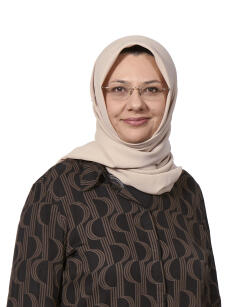
Prof Dr Fahimah Ulfat
© Uni MS - Fabian Winter

Prof Dr Fahimah Ulfat
(Faculty of Islamic Theology)

Fahimah Ulfat has been a professor of Islamic religious education and didactics at the Centre for Islamic Theology of the University of Münster since April 2025 (since the foundation of the faculty on 1 July 2026, it has merged into the Faculty of Islamic Theology). She completed a teaching degree at the University of Duisburg-Essen, pursued advanced studies in Islamic religious education at the University of Osnabrück and earned her doctorate in 2016 at the Friedrich-Alexander University Erlangen-Nürnberg. From 2017 to 2020 she served as an assistant professor of Islamic religious education at the University of Tübingen. She was subsequently appointed to a full professorship there, where she taught and conducted research until March 2025.

Fahimah Ulfat’s research focuses on empirical religious education. She examines the belief and knowledge concepts of Muslim children and adolescents, as well as the professional competences of teachers of Islamic religious education. A particular emphasis lies in linking empirical research with theological and didactic questions. Together with Rabbi Dr Asher Mattern, she founded the Jewish-Islamic Research Centre which explores historical interdependencies and current challenges in Jewish-Muslim relations. She is also involved in an interdisciplinary research project to develop a virtual learning environment in cooperation with LMU Munich, FAU Erlangen-Nürnberg, and Heilbronn University of Applied Sciences. The aim is to open up new avenues of teaching and learning through the use of immersive technologies. Interreligious learning is also one of her key areas of interest, for which she works closely with colleagues from Protestant and Catholic religious education in research and teaching.

Faculty of Islamic Theology [de]