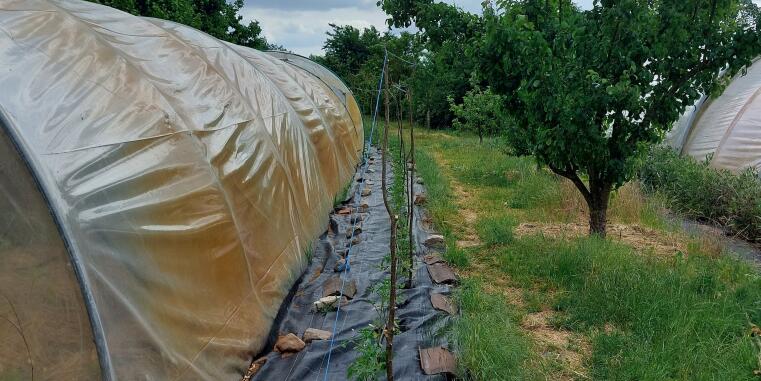
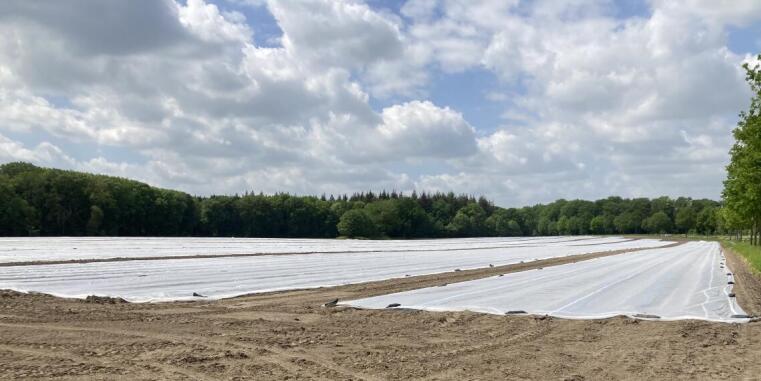
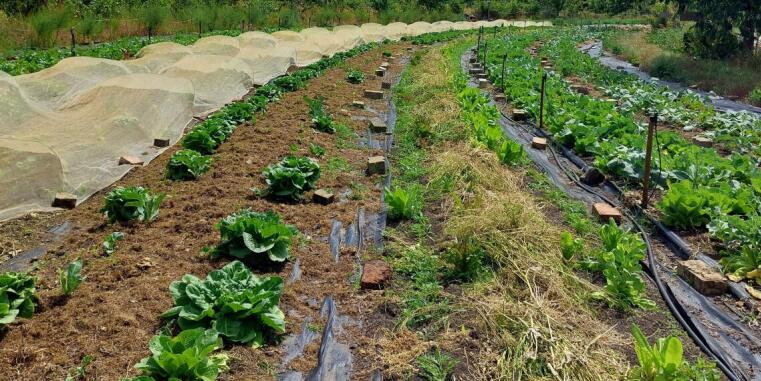

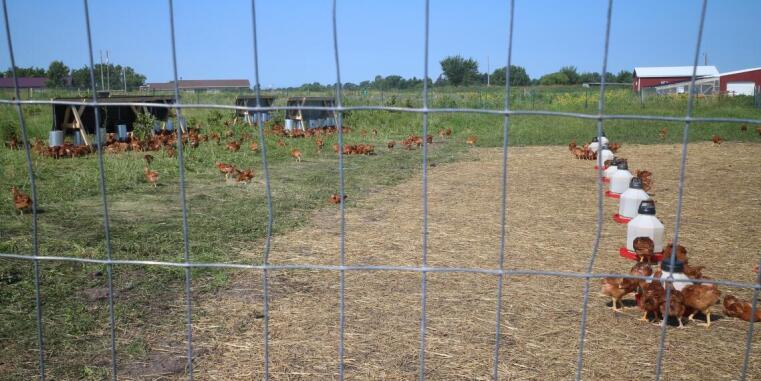


The aim of PerPlacsBio is to investigate the potential for reducing plastic use and long-term plastic persistence, while at the same time strengthening awareness and knowledge regarding the sustainable use of (bio-)plastics.
The project is conducted as a collaborative initiative. The nova-Institute provides the foundational knowledge for decision-making, for example on the appropriate application of bioplastics, while the University of Münster and the University of Applied Forest Sciences Rottenburg take the lead in conducting surveys and interviews in the agricultural and forestry sectors. In cooperation with practitioners, industry actors and other stakeholders, the feasibility of proposed measures and alternatives will be examined and discussed through participatory formats. The results of the project will be made publicly available in a user-friendly and clearly structured database.
The project is funded by the Fachagentur für Nachwachsende Rohstoffe (FNR) within the funding programme “Sustainable Renewable Resources,” under the priority area “Information and Societal Dialogue on Bioeconomy and Sustainability.”
Project lead: Dr. Friederike Gabel
Project duration: Nov 2025 - Nov 2027
Workshop "Prospects for bio-based and biodegradable plastics in agriculture and forestry"
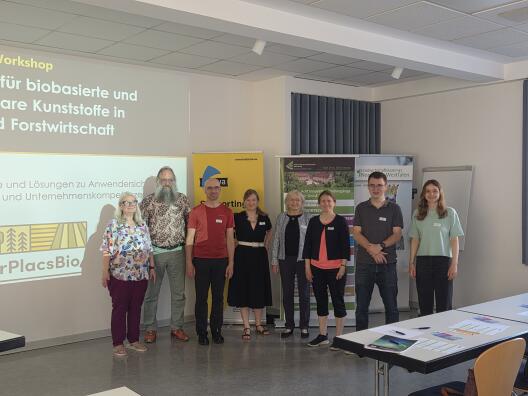
On 18 June 26, the first workshop of the PerPlacsBio project took place. Around 40 participants from the agriculture and forestry sectors gathered at Haus Düsse in Bad Sassendorf to learn more about biodegradable and bio-based plastic products and their practical applications, and to share their perspectives on the topic during panel discussions.
The event began with presentations by the project partners on biodegradable and bio-based plastic products and their applications. Dr Cornelia Steinhäuser outlined the project’s objectives and methods, as well as the preliminary results of the survey, in which nearly 250 people had taken part online between 1 February and 31 April. This was followed by two presentations from the nova-institute: M.Sc. Pauline Ruiz introduced participants to the areas of application for biodegradable plastics in agriculture and forestry, and Dr Asta Partanen presented the online directory of products for which biodegradation makes sense, which was developed as part of the BioSinn project and will be expanded as part of the PerPlacsBio project.
Afterwards, representatives from BASF, FKuR and Rainbow Professional presented their product ranges in the field of biodegradable and/or bio-based inputs for agriculture and forestry.
In the afternoon, participants gathered at themed tables organised by the project partners and companies to discuss the content covered that morning and their own experiences with biodegradable and bio-based agricultural products, as well as strategies for reducing microplastics in soil. The diverse backgrounds and perspectives of the participants led to interesting findings at the various discussion tables, which were subsequently presented to everyone. The key takeaways were that more awareness-raising, political support and affordable prices are needed to promote the use of biodegradable plastics. Furthermore, the functionality of these materials and their degradation within the desired timeframe are key concerns for users in the agricultural and forestry sectors.
To conclude the event, Prof. Sebastian Hein from the University of Applied Forest Sciences Rottenburg presented DIN SPEC 35808 "Biodegradable protective covers made from renewable raw materials under forest conditions – Requirements and test methods".
Online survey
From early February to the end of April, we ran an online survey on the use and reduction of (bio-)plastics. Participants from agriculture, forestry, vegetable and fruit production, and horticulture were invited. The aim of the survey is to gather experiences, assessments, and practical knowledge from the perspective of users and to incorporate these insights into further project work.
Visit to the Nordic Bioplastic Conference
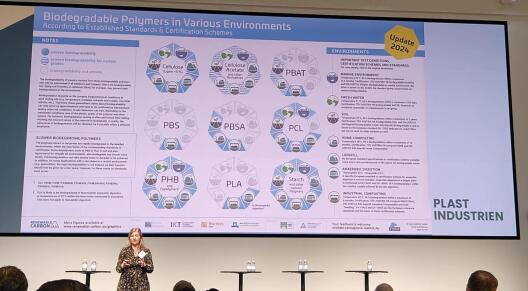
On 16 April 2026, Pauline Ruiz gave a presentation at the Nordic Bioplastic Conference in Copenhagen. She presented the PerPlacsBio project, explained for which products is biodegradability the right fit and highlighted key applications used in agriculture and forestry with biodegradable alternatives.
At the FORST live Congress
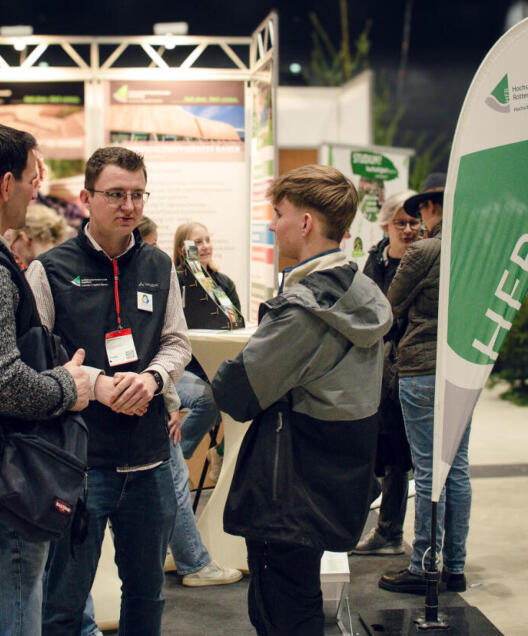
HFR’s exhibition booth at FORST live in Offenburg from March 27 to 29, 2026, provided an opportunity for numerous discussions with industry professionals. True to the motto »knowledge meets practice«, the PerPlacsBio project was also presented on multiple occasions. Luca Kiener took this opportunity to promote the survey being conducted as part of the project.
The project is funded by the Fachagentur für Nachwachsende Rohstoffe (FNR) within the funding programme “Sustainable Renewable Resources”, under the priority area “Information and Societal Dialogue on Bioeconomy and Sustainability.”