
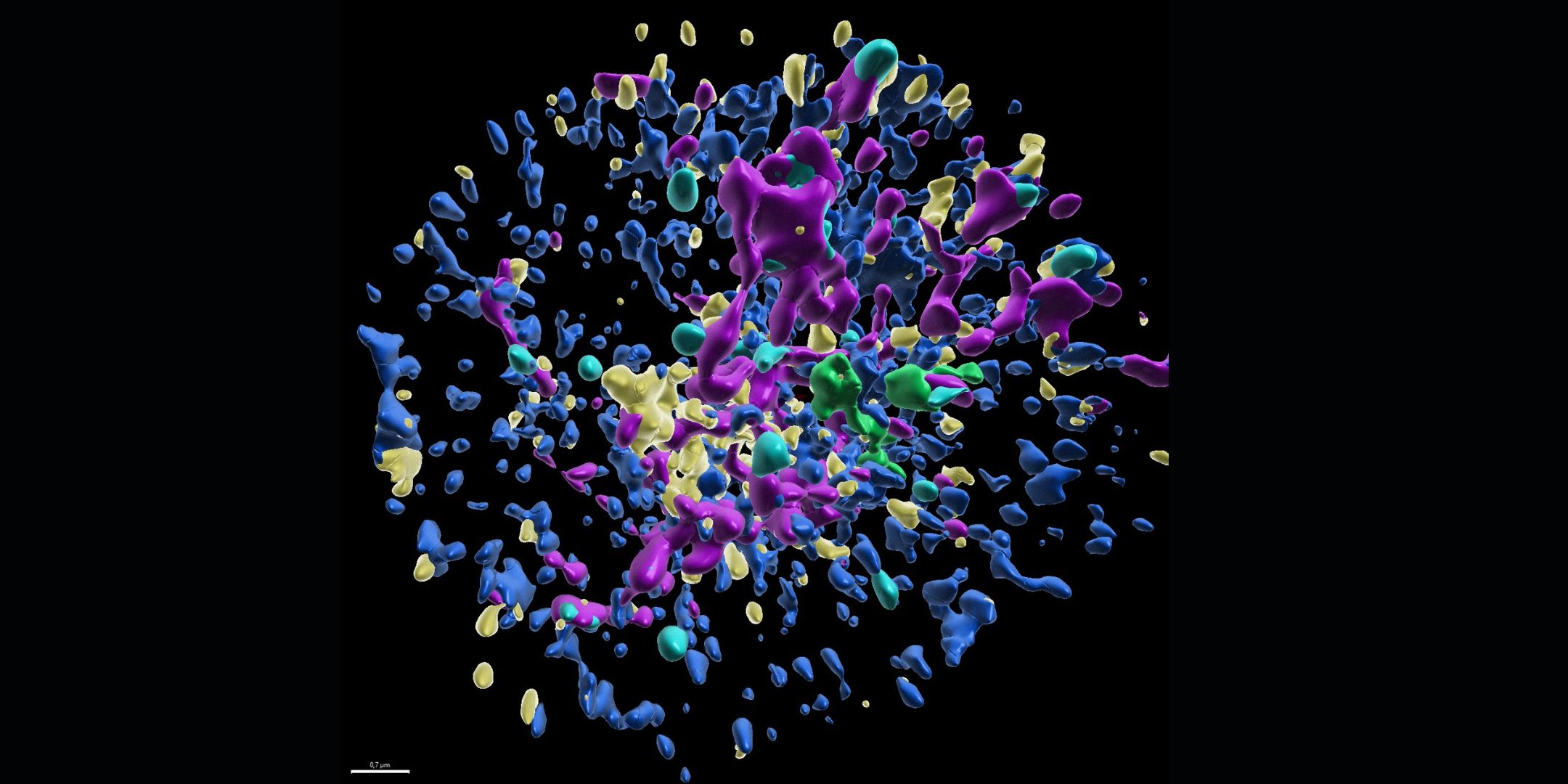
Immune cells in focus: Millions in funding for neutrophil research
A boost for biomedical research at the University of Münster: The German Research Foundation (DFG) is funding Collaborative Research Centre/Transregio 332 (CRC TRR332) "Neutrophils: origin, fate & function" for a second funding period, with approximately 13 million euros. Coordinated by Prof Oliver Soehnlein from the Institute of Experimental Pathology, the consortium investigates the diverse functions of a long-underestimated group of immune cells: neutrophils, the most abundant circulating white blood cells in humans.
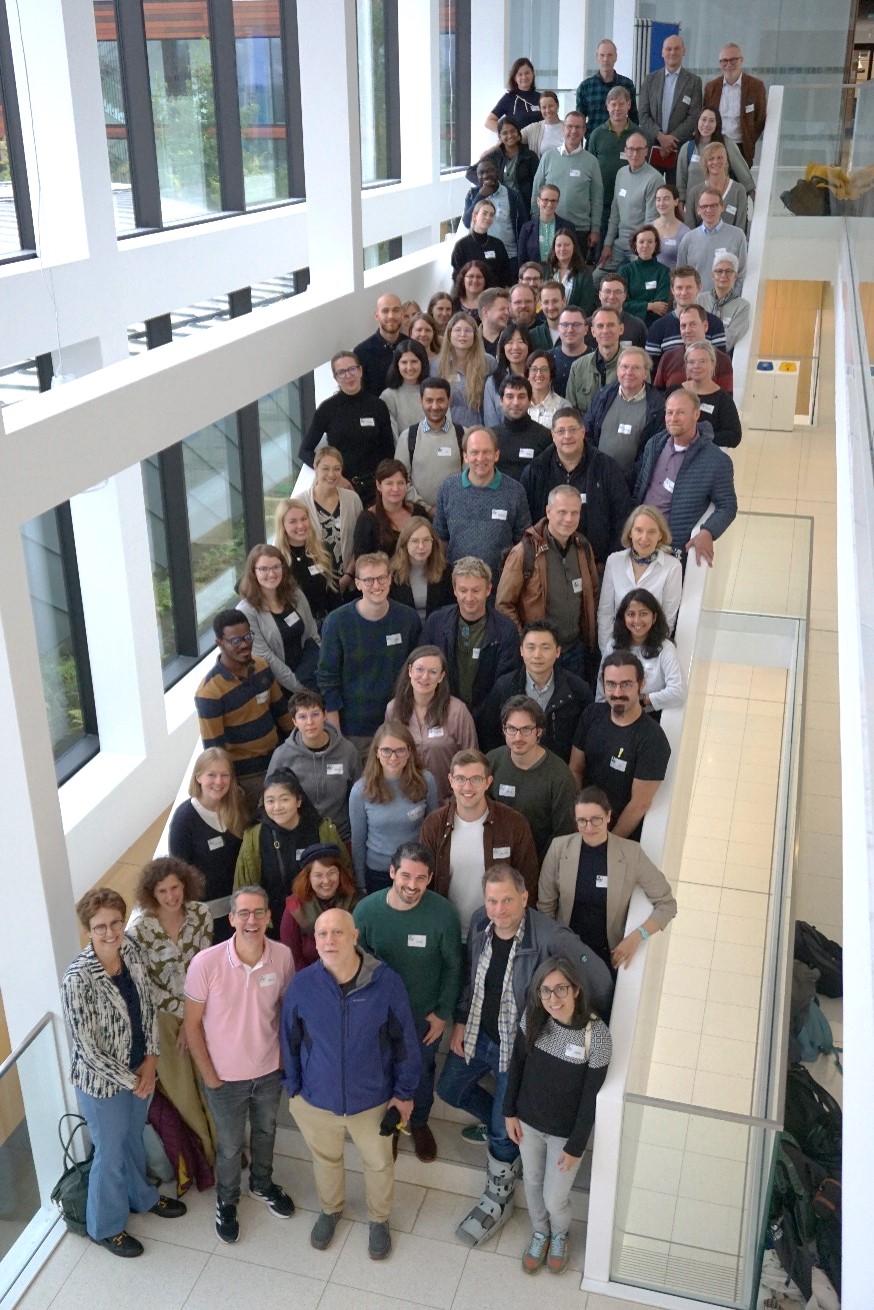
New funding period: From the laboratory closer to the clinic
In the newly approved second funding period, the consortium places greater emphasis on the relevance of neutrophils to specific disease entities. Research will focus on three areas of high medical and societal importance: vascular inflammation, cancer, and infection. The aim is to advance the fundamental findings from the first phase towards clinical translation, with a view to developing new therapeutic approaches in the long term.
To this end, the researchers plan to expand the consortium's technological infrastructure. “We are enhancing the central imaging platform with state-of-the-art methods that allow proteins, metabolic processes, and transcriptional activity to be analysed directly in tissue,” says Oliver Soehnlein. A dedicated multiomic single cell workflow will additionally enable precise characterisation of neutrophil states in human and murine cells. Complementing this, the informatics platform will develop new pipelines for signature discovery and causal inference, in order to extract additional biological insight from the extensive research data generated within CRC TRR332. Furthermore, with the new graduate school “NeutroTrain”, a structured training programme for early-career researchers will be established.
Cooperation partners
CRC TRR332 involves three applicant universities: the University of Münster, Ludwig-Maximilians-Universität (LMU) Munich, and the University of Duisburg-Essen. Associated partners are the Technical University of Dresden, Friedrich-Alexander-Universität Erlangen-Nürnberg, the Max Planck Institute for Molecular Biomedicine in Münster, and the Leibniz- Institut für Analytische Wissenschaften – ISAS – e. V. in Dortmund. The consortium brings together expertise in immunology, tumour biology, infectiology, and imaging including artificial intelligence.
The CRC TRR proposal, titled “Dynamics of Immunological, Glial, and Neuronal Network Interaction”, was also successful. The University of Mainz is the coordinating institution and the University of Münster is a co-applicant. The research consortium is investigating the brain as an integrated system of neuronal, glial and immunological networks that collectively regulate brain function and its associated disorders. The scientists intend to decipher the intricate interactions that stabilise the brain’s homeostasis and govern transitions from health to disease. The aim is to predict disease progression more accurately and improve the treatment of neurodegeneration, cognitive decline and mental impairment by developing a deep understanding of network interactions.
Collaborative Research Centres
Collaborative Research Centres (CRCs) are DFG-funded interdisciplinary research programmes based at universities. They are designed for a maximum duration of twelve years and enable researchers to pursue particularly innovative and complex projects. A CRC/Transregio (CRC/TRR) is jointly applied for and supported by two or more universities, fostering close collaboration between the participating sites and the shared use of scientific resources. Currently, six CRCs are coordinated at the University of Münster; in addition, researchers from the university are involved in numerous further multi-site consortia.