As 2025 draws to a close, members of the University of Münster look back on the year.
© Uni MS / GloryStarDesigns - stock.adobe.com
The year in figures
Guest authors present some remarkable stories of the year 2025
Life at the University of Münster, including everyday working life, is just as colourful and varied as the people who work and study here. From among the countless number of highlights and events which took place in 2025, guest authors take some figures as their basis for presenting some remarkable stories.
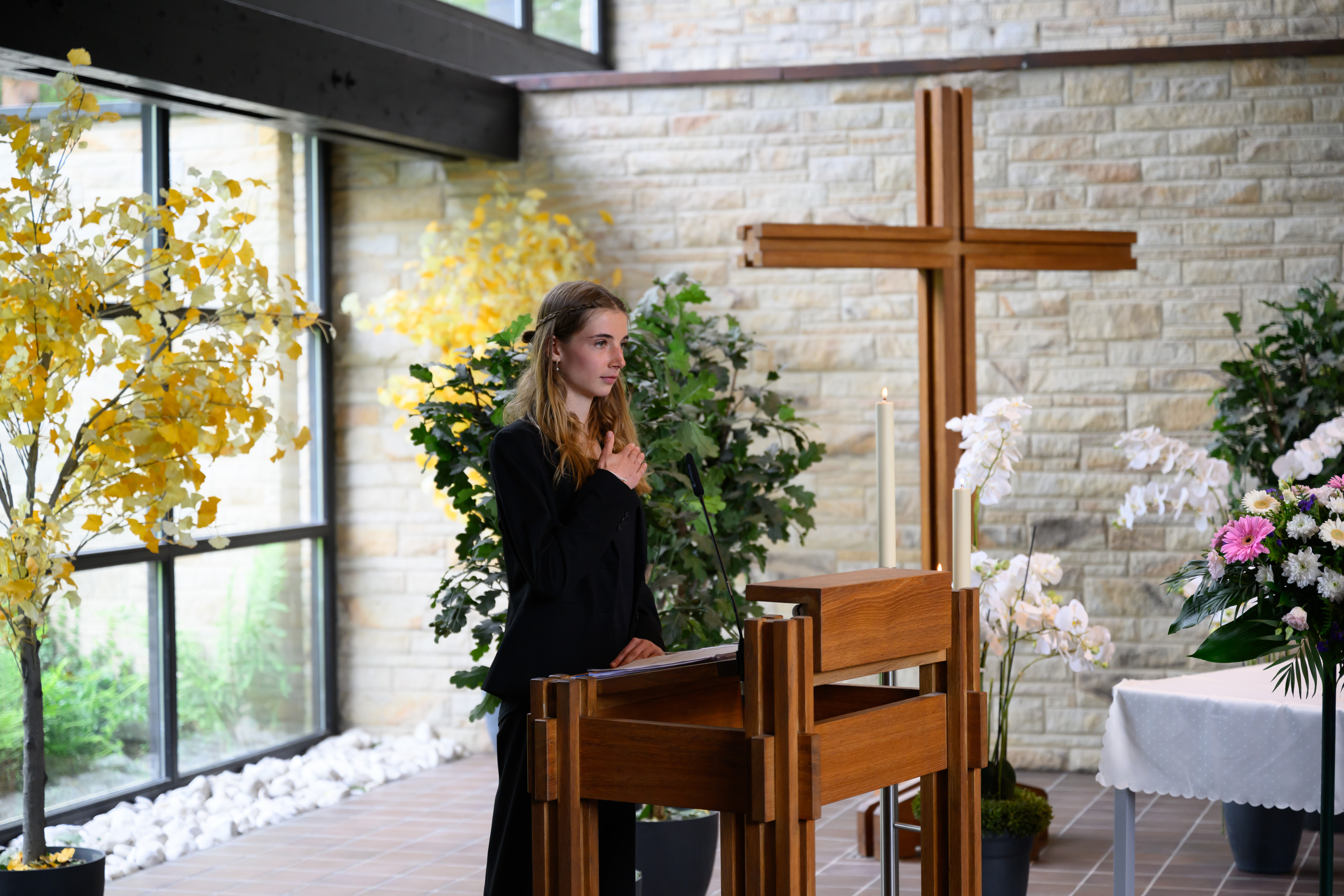
887,000: that was the number of clicks garnered by the online article on the memorial service for people who donated their bodies to the Faculty of Medicine.
Jula Schweckendiek at the memorial service held at the Lauheide woodland cemetery.
© Uni MS - Michael C. Möller
Every person leaves traces after they die, and some even donate their bodies to science. Working with body donations triggered a deep-felt resonance in us students: we were able to gain an understanding of the human body up close, and what we learned has helped us considerably in preparing for our examinations. The memorial service, in particular, still resonates quietly in me. One very touching email which I received from a relative of a body donor confirmed for me just how much this moment helped those who were still in mourning to take their final leave of their loved ones, and to find consolation. And I am convinced that even those who died still exercise a quiet influence: their decision to donate their bodies leaves its mark on our lives, guiding us into the field of medicine – in the hope that we ourselves can one day help other people too. The fact that the online article reached so many people has left a lasting impression on me, showing how important body donations are – not only for other people but also for training the next generation of physicians.
Jula Schweckendiek is a medical student and was the co-organiser of the memorial service held at the Lauheide woodland cemetery in June.
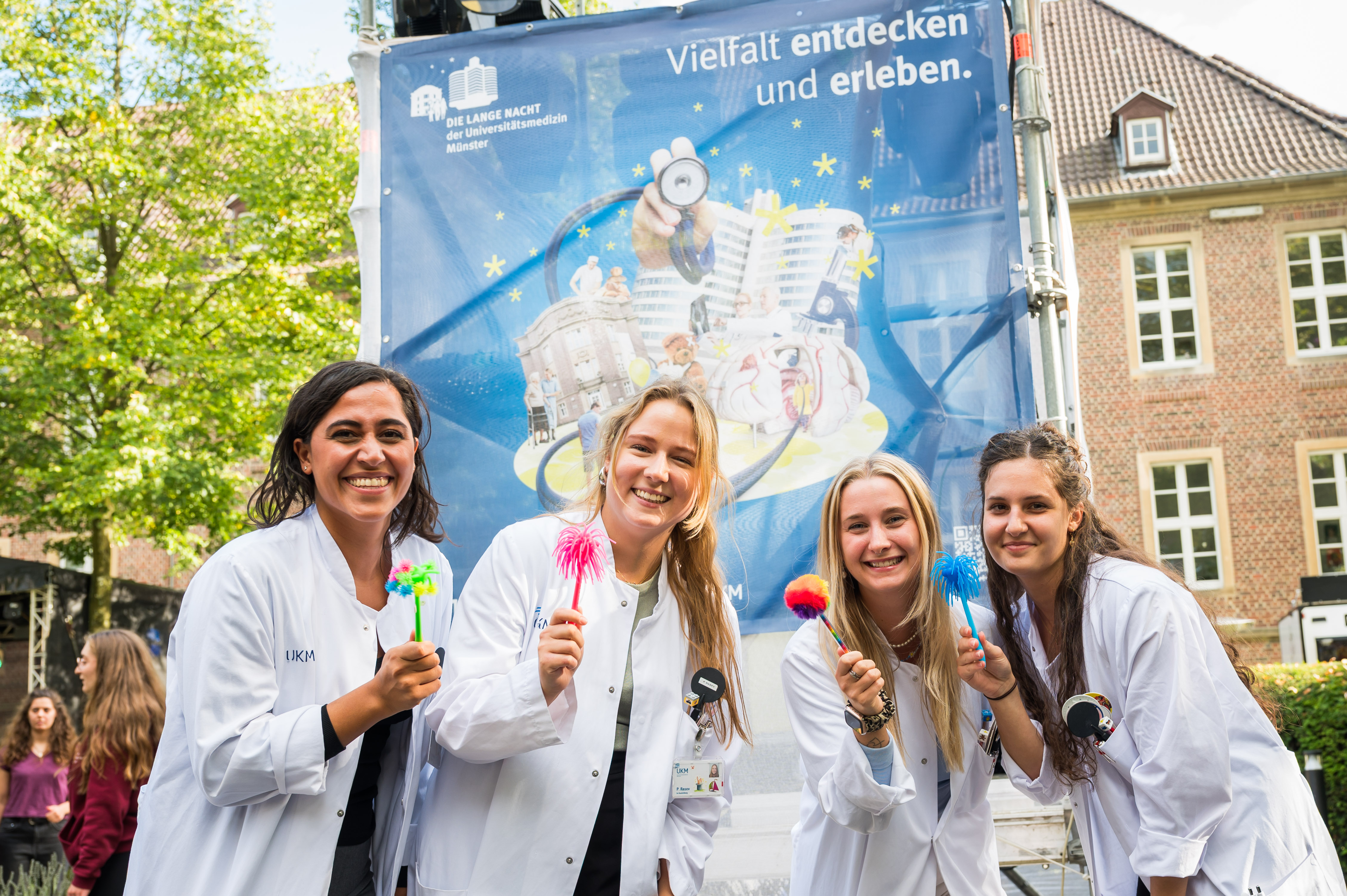
14,177 visitors came to the “Long Night of Münster University Medicine”.
The highlight of the anniversary year: the University Medical Faculty’s “Long Night”.
© UKM - Erk Wibberg
Let me say straight away – after all, science has a commitment to the truth – that the figure of 14,177 is not absolutely correct. How, indeed, could it be possible to put a precise figure on the number of visitors who came to the “Long Night of Münster University Medicine” held on September 12 on a campus which is openly accessible, and which has over 100 buildings (almost 40 of which were open)? So the figure is an estimate – but, it must be said, one for which (looking back to my opening sentence) there was a very sound basis. Other key data relating to this “Open Day” can be quantified more precisely: there were 218 programme points on offer, ranging from anatomy to cell biology, and 1,150 members of staff (almost ten percent of the total number at the Faculty of Medicine) were involved – and all of them (except members of the security or fire-and-rescue forces) were volunteers. After the great success enjoyed by the premiere of this event in 2018 – and the even greater success of the second event of its kind – one thing is certain: this “Long Night” will not be the last one.
Dr. Thomas Bauer is the Press Officer at the Faculty of Medicine and was the event manager for the “Long Night”.
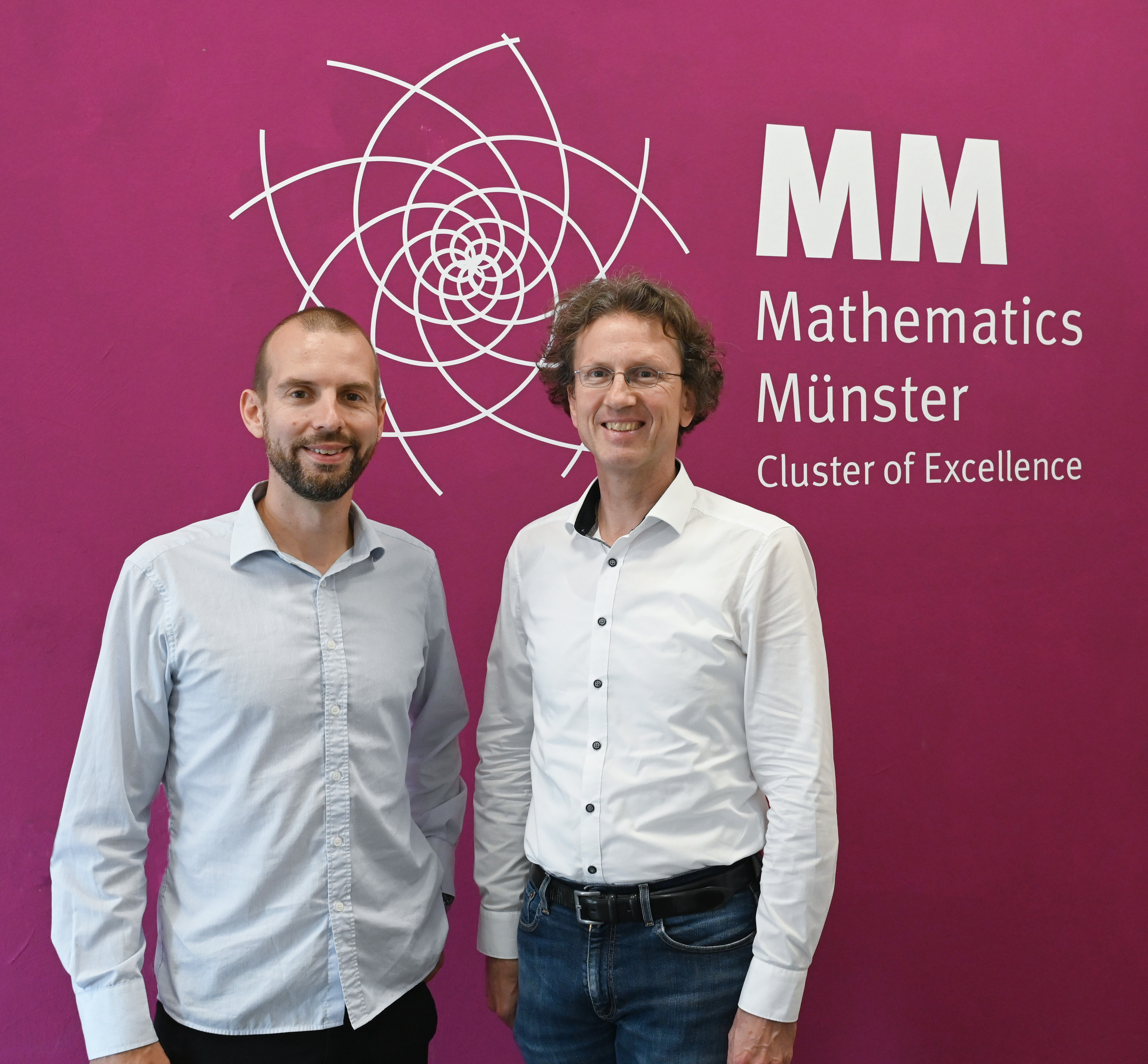
2032 – the year until which the Excellence Commission set up by the national and regional state governments is extending its funding for the “Mathematics Münster” Cluster.
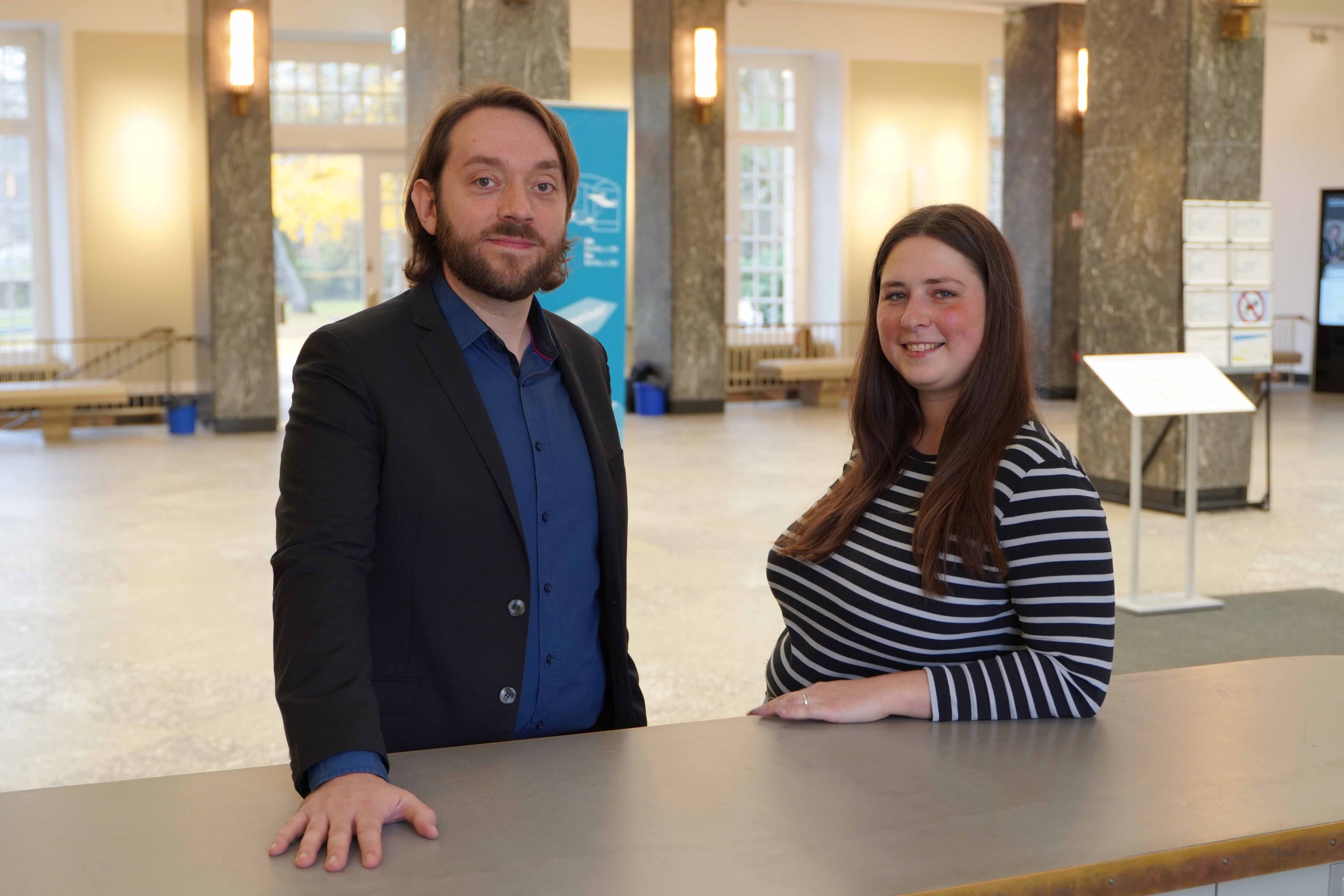
It was a successful year for the Mathematics Cluster and its spokespersons Prof. Thomas Nikolaus (left) and Prof. Mario Ohlberger.
© Uni MS - Victoria Liesche
2025 was a great year for us and for the 200 or so members of the Mathematics Münster Cluster of Excellence. In May, our funding was extended to 2032! This was a confirmation of Münster’s status in top-level international research, and it enables us to press on with innovative programmes which strengthen the collaboration between the various branches of mathematics. In taking this integrated approach, our aim is to address the entire breadth of fundamental mathematical questions – some of which also form the basis for a great number of applications, for example in artificial intelligence. We look forward to continuing to attract more outstanding researchers to Münster, as well as to positioning Münster as a leading centre of mathematics for a good many years to come. Highly motivated, we excitedly await the coming years!
Prof. Thomas Nikolaus (left) and Prof. Mario Ohlberger are the spokespersons for the Mathematics Münster Cluster of Excellence.
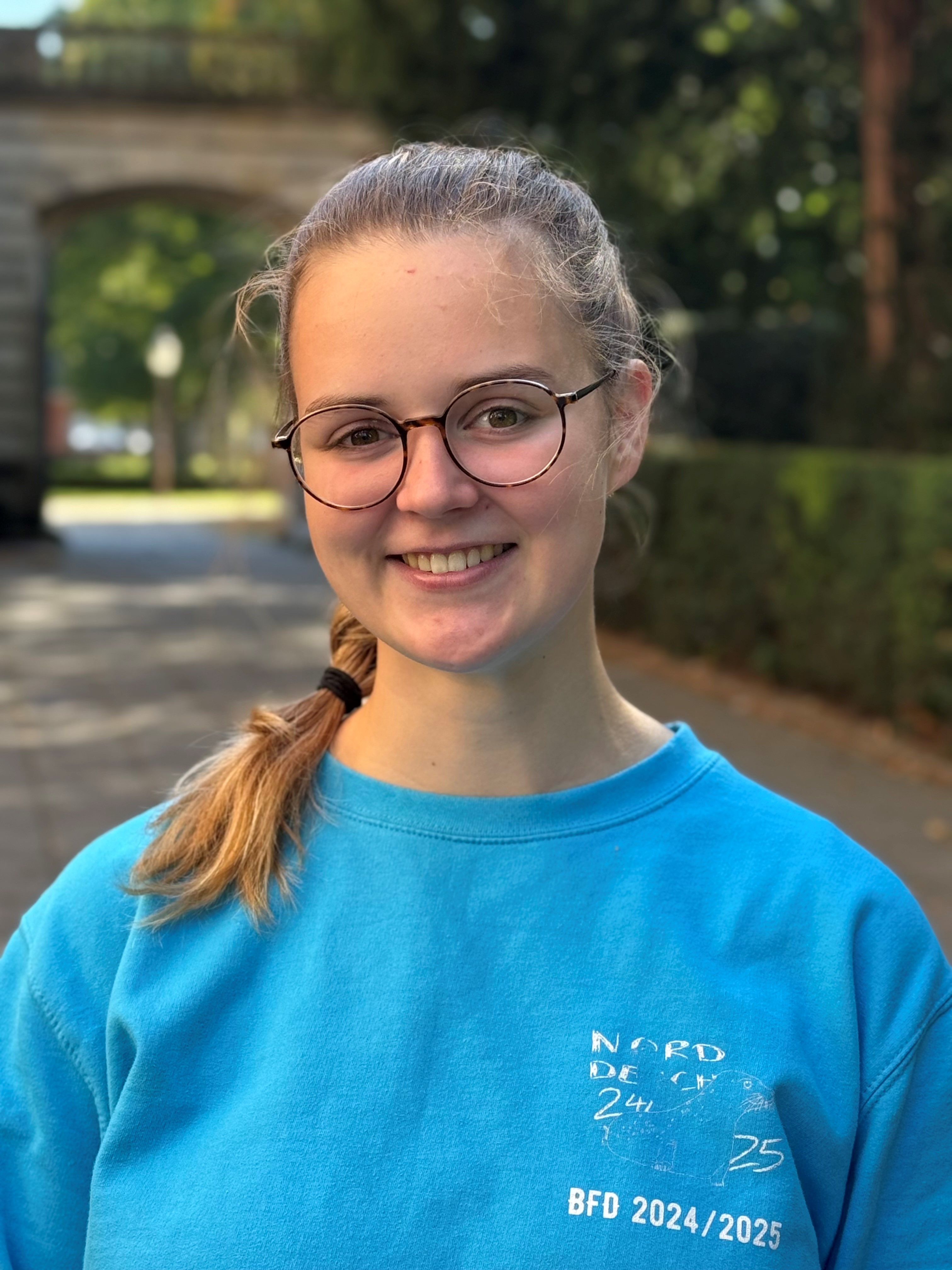
4.730 freshers embarked on their first university studies at Münster in the winter semester.
Fabiane Hellmer
© Uni MS - Alice Büsch
I’ve been an undergraduate at the University of Münster since October and I had the opportunity, as a fresher, to be a reporter during Orientation Week. Just like for so many freshers, the first day was all too much for me: so much information in such a short time … But other people had managed it successfully before me, and I got through the first weeks at university quite well, I found new friends and got to know the campus, and at the same time I uploaded this or that story to Instagram. In my first few weeks I was thrown in at the deep end in quite a few seminars – but the lecturers were all very nice. Between preparing for the block seminar, attending courses, looking for a job and getting my planned move to Münster done, I regularly met up with university friends. After the move to Münster was completed at the beginning of November, I gradually started to find my feet in university life. I’ll be very interested to see what’s in store and when I start thinking about my exmatriculation …
Fabiane Hellmer has been studying German, Mathematics and Sport since the winter semester and is training to be a primary school teacher.
30,000 alumni are now members of the Alumni Club.
Tim Zemlicka welcomed Monique-Katharina Pund in the Schloss.
© Uni MS - Brigitte Heeke
In November, the University of Münster Alumni Club celebrated reaching a milestone: 30,000 former students and members of staff keep in touch with their alma mater through membership, which is free of charge, in the University’s largest network. For me, as project coordinator, it is a sense of achievement that alumni from the younger generation make use of what the Club has to offer and continue to stay in contact with the University. We recently had a reception in the Schloss for alumna No. 30,000: Monique-Katharina Pund (see photo) only graduated in April, and she was now returning to her former University sooner than she had thought. I am delighted that we have reached this round figure before the Alumni Club celebrates its 25th anniversary in the coming year. At the same time, I wonder when we’ll be able to welcome member No. 35,000.
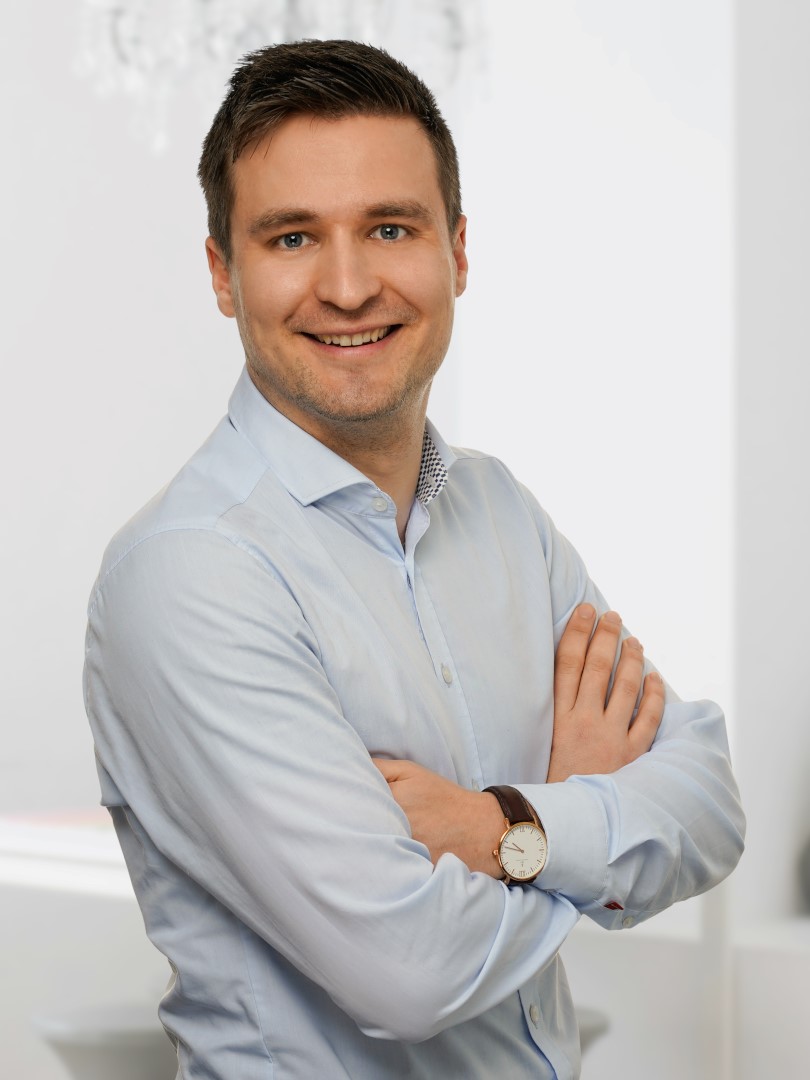
Tim Zemlicka is project coordinator at the Alumni Club.
10,594,825,950 tokens generated by the University’s own LLM, uniGPT.
Jonathan Radas
© privat
The University of Münster’s Large Language Model (LLM) broke through the barrier of 10 billion tokens in one year. This represents around eight billion words – the equivalent of about 8,000 times the complete series of Harry Potter books. This figure shows that artificial intelligence (AI) is not just a buzzword, but is used every day for research, teaching and administrative purposes. It all began in 2023, when – shortly after ChatGPT had started up – it became clear that generative AI would be making changes to everyday work. Münster University’s Center for Information Technology (CIT), and myself in particular, then began to provide AI infrastructure. It soon became evident that, in addition to an interface to ChatGPT, it is also possible to run LLMs on the University’s own servers – right in the basement of the Schloss and on Einsteinstraße. Sensitive research therefore also benefits from AI, entirely without data needing to be sent across the Atlantic.
Jonathan Radas works in the Center for Information Technology (CIT) at the University of Münster and is writing his doctoral thesis on generative AI.
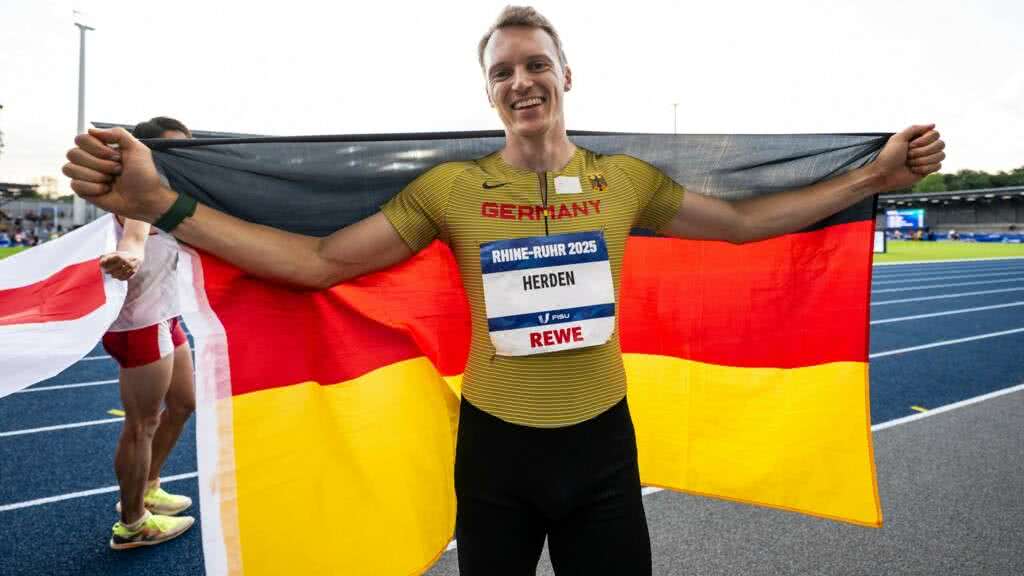
7.96 metres was how far Luka Herden jumped in the FISU World University Games held in the Ruhr Area, winning his first international medal for himself.
Luka Herden won his first international medal at the University Games.
© Kevin Voigt - Rhine-Ruhr 2025
Even half a year later, the University Games are still for me the highlight of my season. The qualification went perfectly: straight away, with my first attempt, I jumped 7.96 metres – which was the day’s best length. I was in top form and had the feeling that on that day anything was possible. In the finals the next day, I suddenly felt the stress of being the favourite: things no longer ran quite as smoothly – until I again hit exactly the 7.96 metre mark. Even though I might perhaps have been able to improve on that, I’m proud of my bronze medal. It was my first international medal, and it was a great feeling to run round the stadium with the flag over my shoulders. The German spectators were very vocal and spurred us athletes on. A dream came true for me on this day.
Luka Herden is studying medicine at the University of Münster, which is sponsoring him in the top-level sport programme.
250 people were involved in the final concert in Quantum 100’s anniversary year, held in the Halle Münsterland
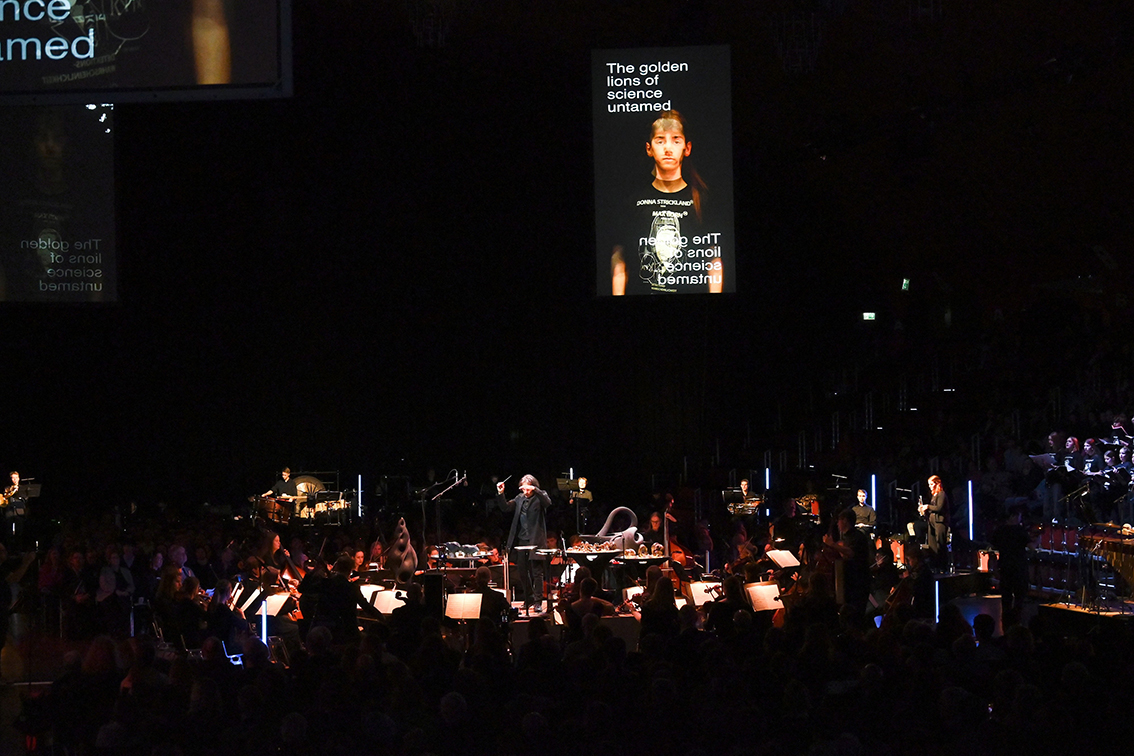
Yannick Paget’s multimedia final concert – “Fundamental Interactions” – was part of a nationwide final event for “quantum 100”.
© Uni MS - Florian Gräser
2025 was a special year for physicists: the 100th anniversary of quantum mechanics was a reason for celebration. All over Germany there were activities aimed at the general public, and the University of Münster was also involved with a large number of activities on offer. For a long time I had been eagerly awaiting the big national final event – “quantum100.de”, to be held in the Halle Münsterland – with an exhibition of around 30 contributions from industry and universities, 12 talks, and the multimedia final concert entitled “Fundamental Interactions” by Yannick Paget (N’SO Kyoto). The team consisted of over 400 people: around 250 were involved in the concert alone – 20 from other countries, and more than 200 from Münster, including choirs from the Gymnasium Paulinum school, the ”Piano 22/30” choir, and the Münster Students’ Orchestra. We had a total of around 3,000 visitors. It was a lot of work – but it was worth it!
Dr. Stefan Heusler is a professor at the Institute of Physics Education and co-organiser of the final event for “Quantum 100”.
20,000 tonnes of carbon dioxide are saved by the University every year through the use of green electricity.
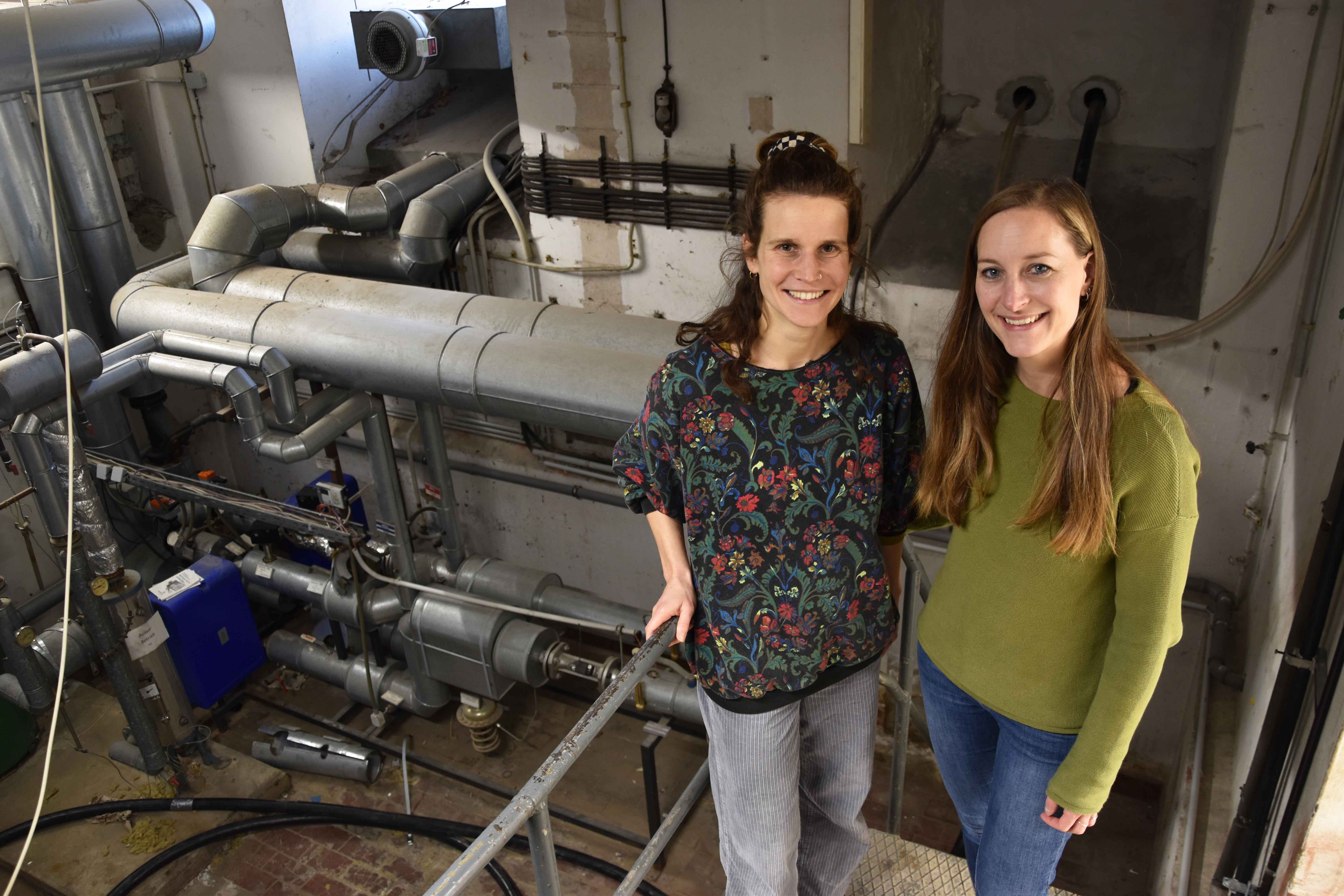
Dr. Leandra Praetzel (left) and Julia Strietholt in the University’s boiler room
© Uni MS - Julia Harth
Since 2009 the University has been using only electricity which has been certified and is produced in a carbon dioxide (CO2)-neutral way, thus making a considerable contribution to reducing emissions. This means that in 2025, again, the University has saved as many tonnes of CO2 as are produced in Germany by 2,000 people, by 100 million kilometres driven by cars, or by a small town. In our opinion, the next challenge will be to identify further opportunities for reducing electricity consumption. With a view to the expansion of digitalisation and the transformations taking place in supplying heat, the use of green electricity will continue to play a pioneering role. It is precisely for this reason that our work as managers for energy and climate protection at the University of Münster is so exciting, because it enables positive changes to be made and, in doing so, it provides opportunities to master the range of technical, economic, ecological and legal requirements facing us.
Julia Strietholt is Energy Manager in the Facility Management Department, and Dr. Leandra Praetzel is Climate Protection Manager in the Sustainability Office.
15,000 times a week was how often the 10,000 members of HSP did sport.
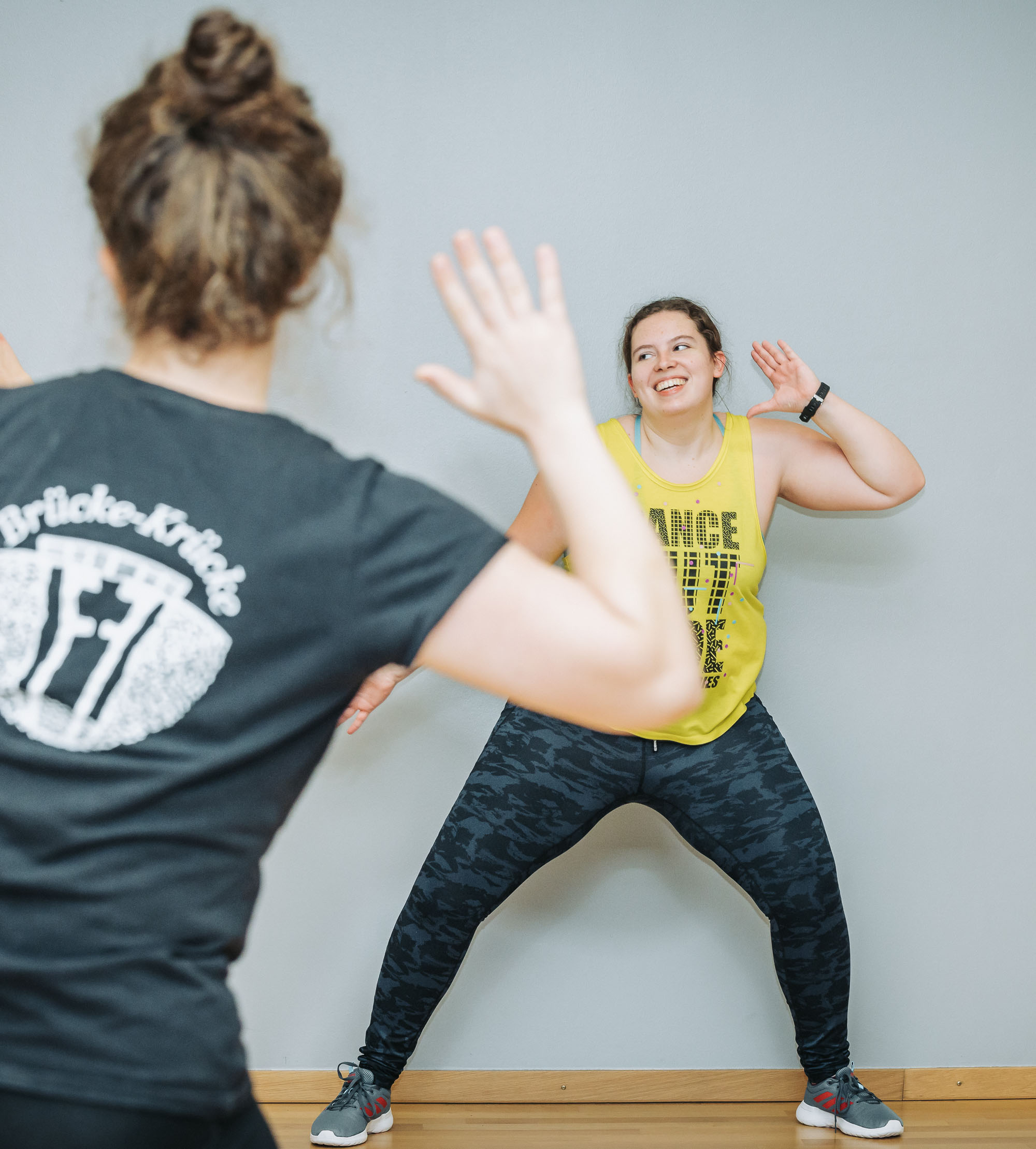
Members of University Sports did sport up to 15,000 times a week.
© HSP
Münster University Sports (HSP) gets people moving: in 2025, 10,000 members made use of out flexible offers in the new Sport Pass model – and did sports up to 15,000 times a week. In 2025 there were also, once again, over 70 sports tours as well as numerous events. From the University Sports Show to the St. Nicholas tournament in early December, HSP welcomed anyone who wanted to participate actively in sports – or just be enthusiastic spectators. And when the focus wasn’t on sport … in 2025 we served up 90,000 coffees in the Campus Café. Exercise, as well as meeting and discussing with other people – whether on the pitch or the court or on the sidelines – are still the elements we offer anyone looking for a counterbalance to academic studies or working life.
Jan Philipp Müller heads Münster University Sports.
20,000,000 words are contained in the text corpus which Dr. Anna-Maria Balbach analysed in her project entitled “Language and Denomination on the Radio”. After six years she has now completed the project, which was funded by the German Research Foundation.
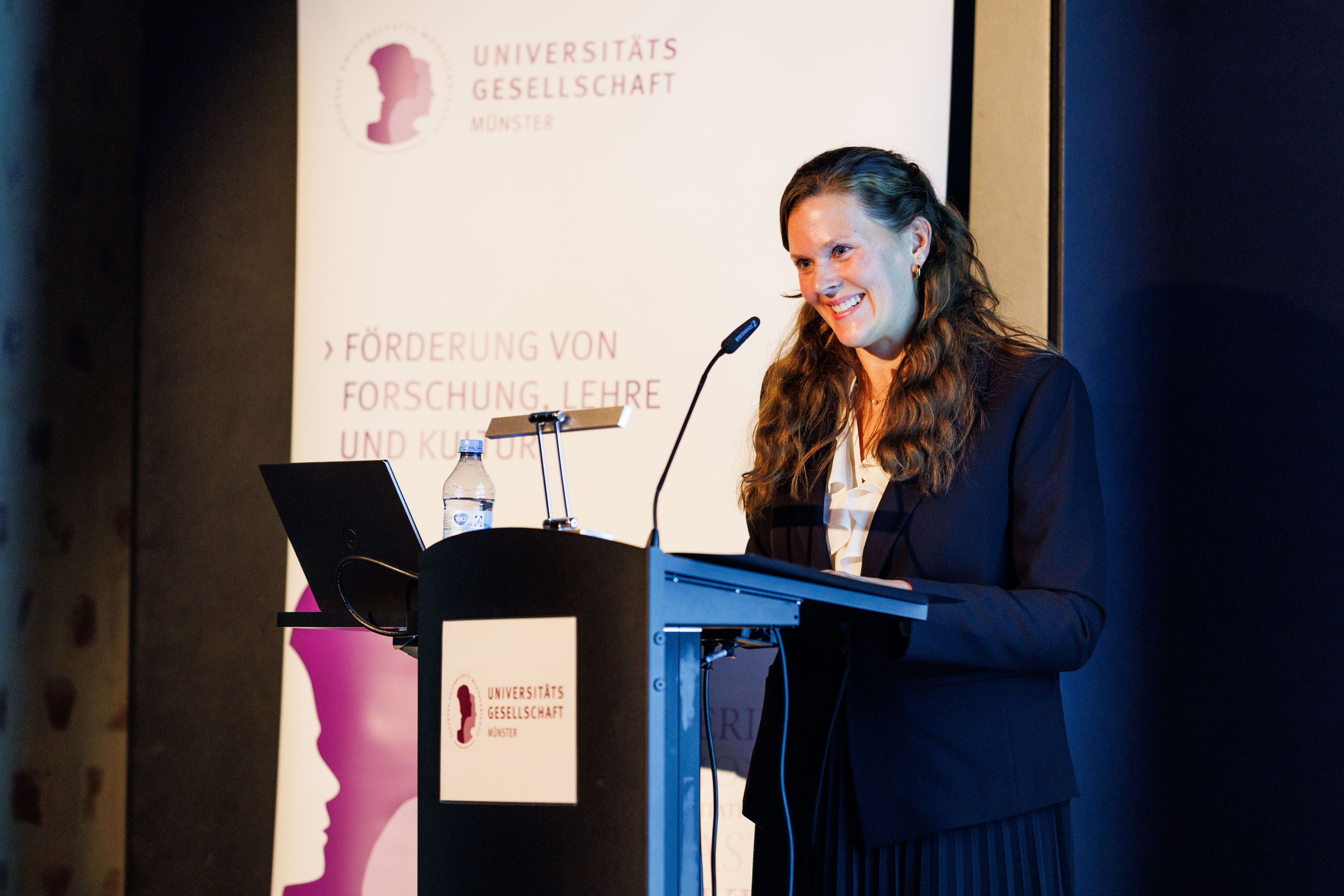
Dr. Anna-Maria Balbach received the wissen.kommuniziert prize from the Universitätsgesellschaft Münster.
© Uni MS - Peter Leßmann
No analyses without texts. With the aim of analysing the language used in radio sermons, we collected a text corpus: we processed 29,000 radio sermons from the years 1924 to 2024, with the help of broadcasting stations, archives and dedicated assistants. Four years of meticulous work resulted in the largest corpus of its kind – and then the linguistic analyses could begin. In order to convey what this means, we set up the Instagram channel @sprache_und_konfession (@language_and_denomination) . The consequences of the insights into our work in archives, transcriptions by means of AI tools, as well as linguistic analyses were that we gave numerous talks, visited schools and handled requests for interviews – as well as being awarded a prize for science communication. Now that the project has been completed, there is still work to be done: we published the corpus, and very soon afterwards initial analyses appeared, undertaken by other researchers. In other words, our long-term research infrastructure forms the basis for future studies.
Dr. Anna-Maria Balbach is a linguist and an expert on the links between language, religion and culture.
14 metres below the Earth’s surface lie the foundations of the new Institute Group 1 (Physics) building.
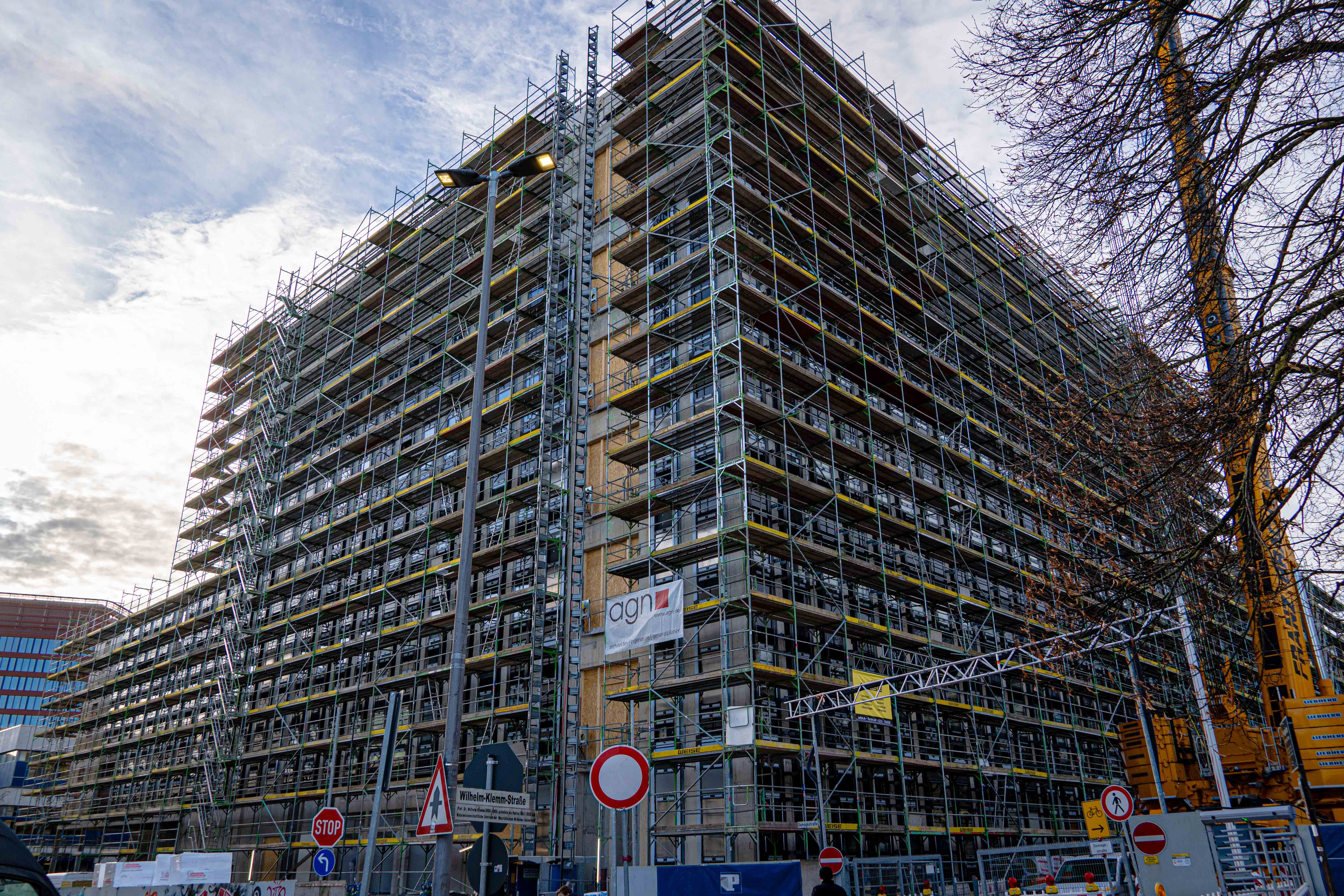
A large-scale building project: the new Institute Group 1 (Physics) building.
© Uni MS - Linus Peikenkamp
In order to carry out high-precision experiments which are adversely affected to only a small extent by vibrations emanating from people, machines and passing traffic, the soil had to be removed down to the level of the deep-lying marlstone. For the researchers, the location of the laboratories in the basement has the additional advantage that the temperatures down there are not influenced by solar radiation changing over the course of a day and are therefore especially constant. As the experiments can, as a rule, be monitored from a distance by having access to computer control, the researchers can still enjoy the daylight while working in their offices.
Dr. Andreas Gorschlüter is departmental spokesperson for the new IG 1 building project.
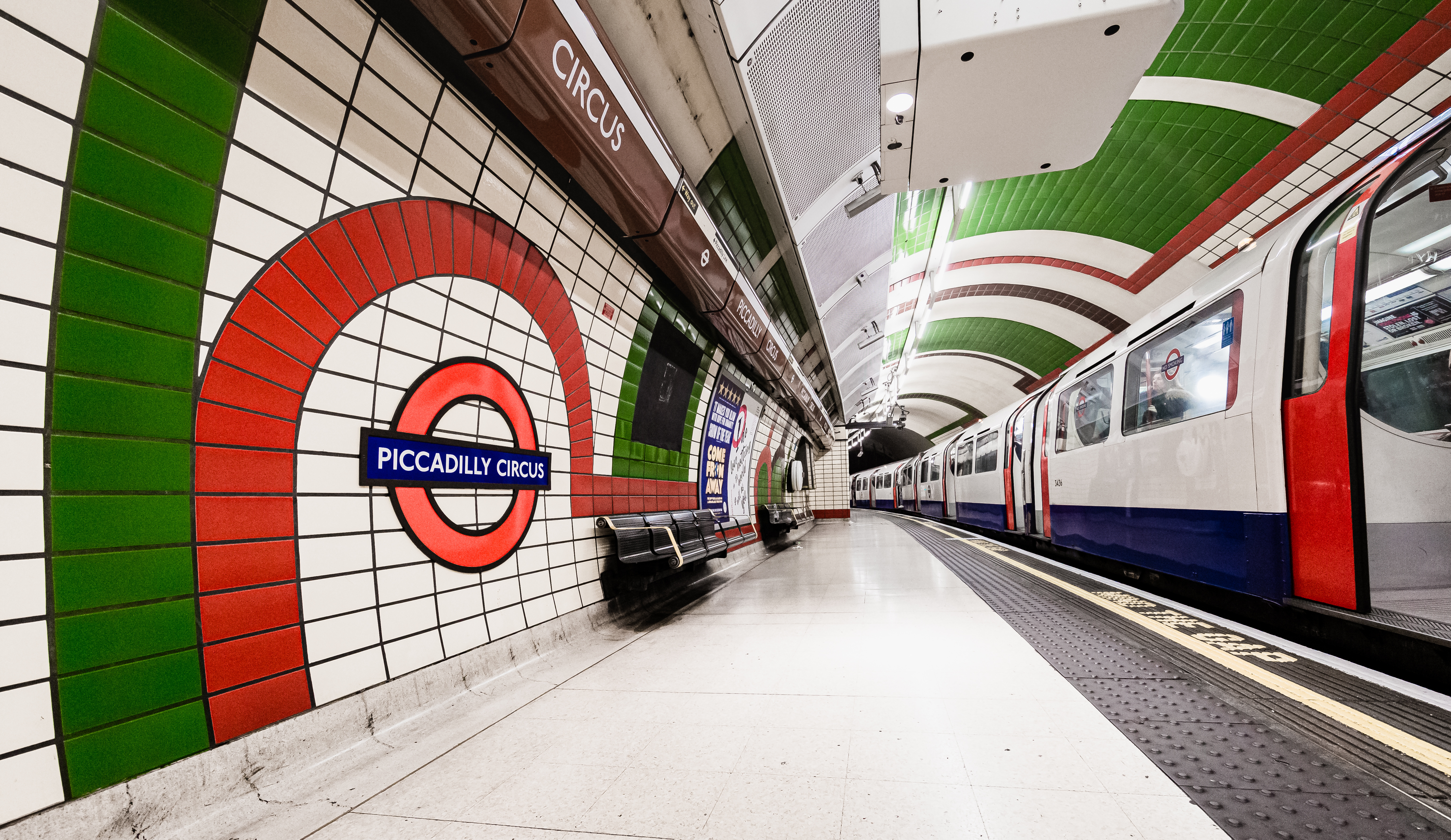
2,500,000 euros are made available by the EU for Prof. Thorsten Quandt’s ERC Advanced Grant “DANCE” – with resulting stress on the London Underground
The ERC results reached Thorsten Quandt on der London Underground.
© Agata Kadar - stock.adobe.com
With the grants it awards, the European Research Council (ERC) provides support for top-level research which is certainly allowed to be unconventional and innovative. For five years, researchers have extensive opportunities to put dream projects into practice. For this reason, this figure of 2.5 million means more than just “a lot of money”. It makes scientific freedom possible on an unusually large scale. The “DANCE” project is my second grant. The selection process is extremely competitive – which made the moment when the funding approval was announced all the lovelier. Although … there was a bit of stress beforehand. I had been invited to a workshop at King’s College (University of London) and I was sitting in a train on the London Underground when I read an email from Brussels: “The ERC results are out”. That was all it said! For some minutes I was unable to open the password-protected EU website … and I must have tapped around like a madman on my mobile, judging by the strange looks I was getting from other passengers in the train. But afterwards, of course, I was over the moon – and I still feel the same way today. My team and I can hardly wait for the project to get underway!
In his “DANCE” project, communication expert Prof. Thorsten Quandt is looking into toxic online environments.
This article is taken from the university newspaper wissen|leben No. 8, 10 December 2025.
Further information