
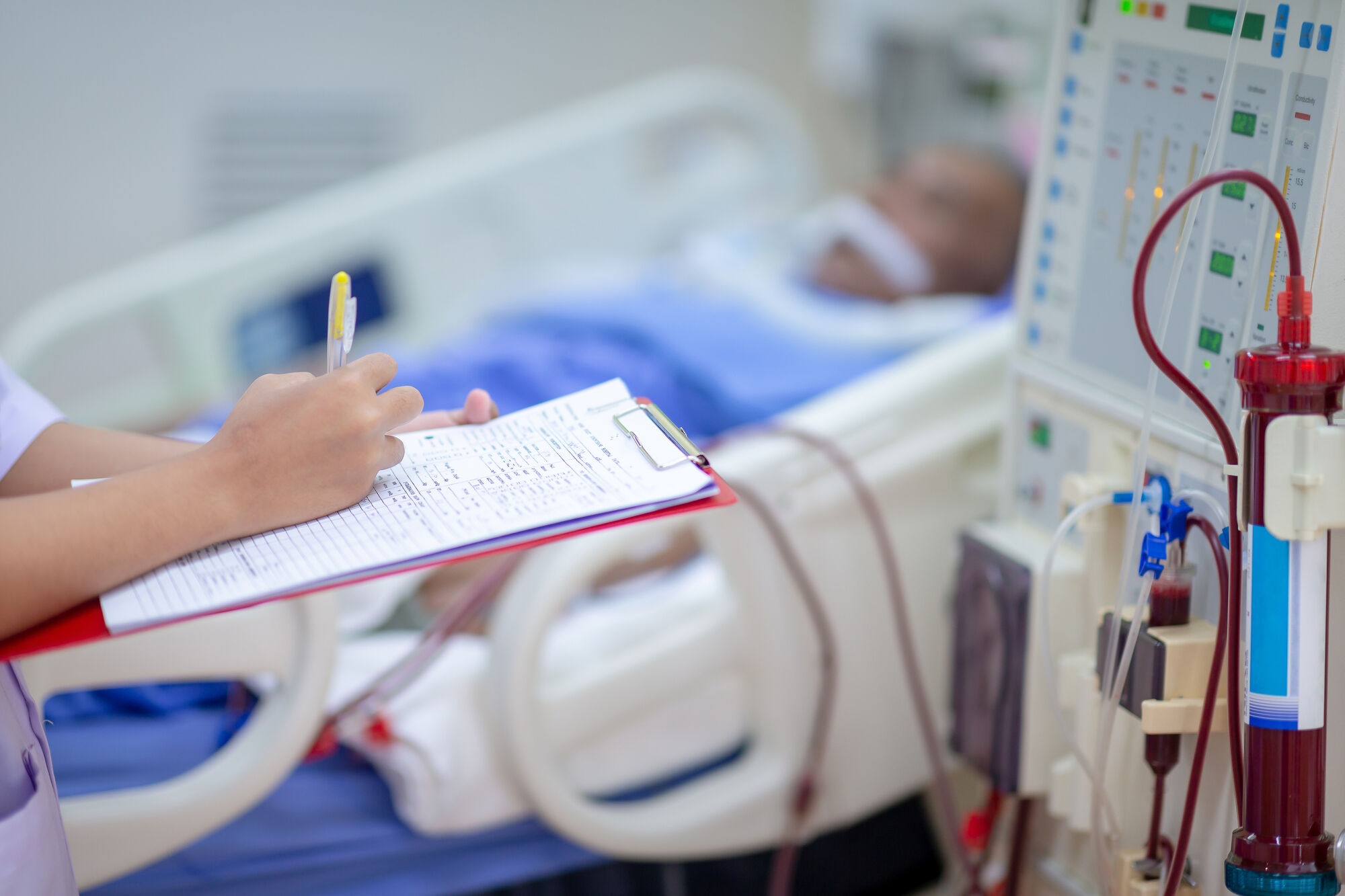
Prevention reduces the incidence of severe acute kidney injury after major surgery
The kidneys are among the most important organs of the human body. Every day they filter around 1,500 litres of blood, regulate electrolyte and fluid balance, control blood pressure and play a central role in detoxifying the body. Even minor functional impairments can have serious consequences for the entire organism. Patients undergoing major surgical procedures are particularly at risk. Acute kidney injury is one of the most common and serious complications, especially in patients in intensive care. It significantly increases the risk of long-term dialysis dependence, prolonged hospital stays and higher mortality.
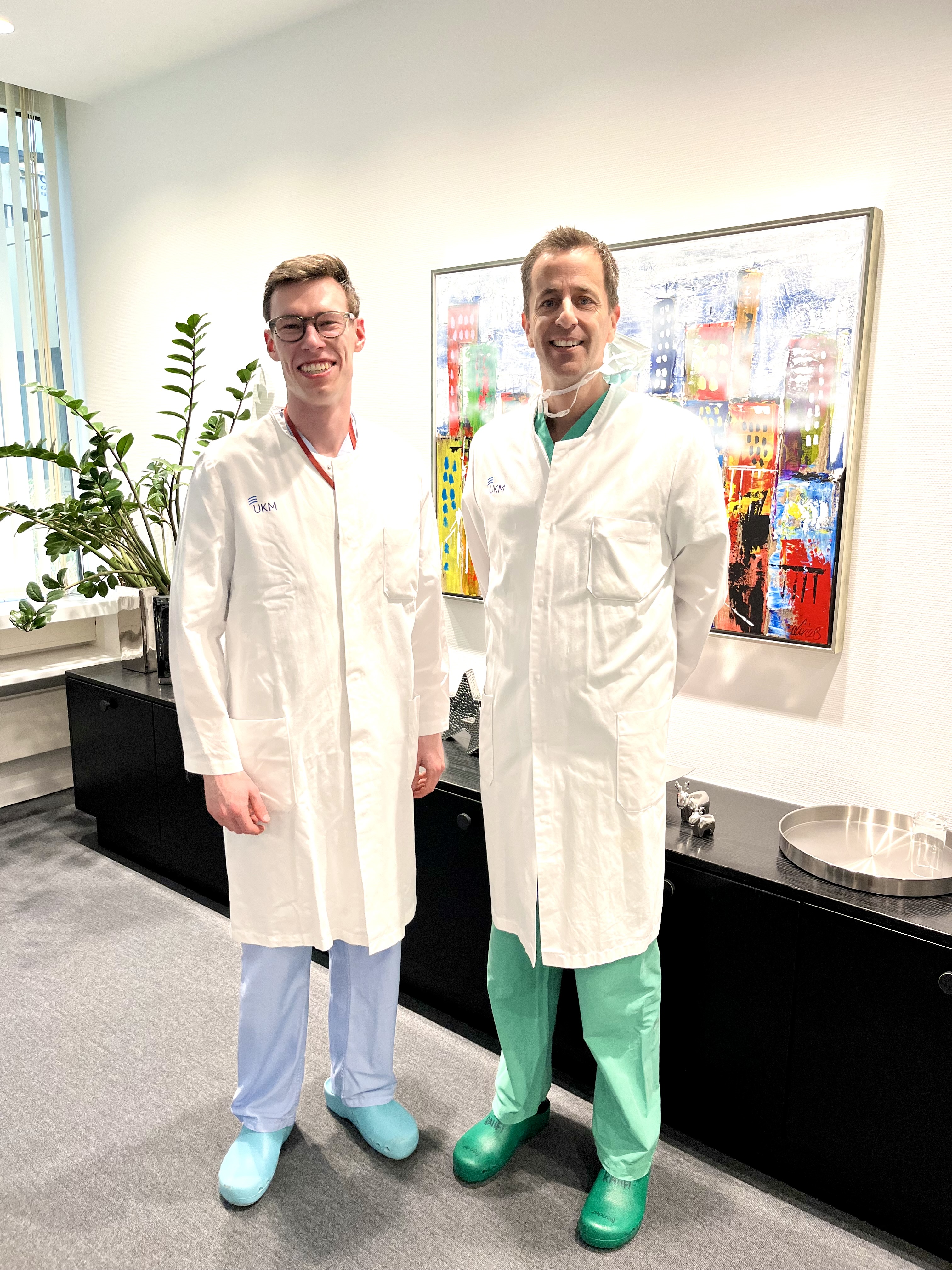
‘The period immediately after surgery is crucial, as inflammatory responses, circulatory changes and the burden of medication place particular strain on the kidneys. We were able to show that a closely monitored, coordinated set of clinical measures provides effective protection in these first hours,’ explains Dr Thilo von Groote, coordinator and senior author of the study. These measures included precise management of circulation and fluid balance, consistent monitoring of key renal parameters and the potential avoidance of nephrotoxic medications. Patients to whom this preventive strategy was applied were far less likely to develop moderate or severe postoperative kidney injury than those who received standard care. At the same time, no additional side effects were observed.
‘Acute kidney injury after surgery is a frequently underestimated problem,’ emphasises Prof Alexander Zarbock, director of the Department of Anaesthesiology, Surgical Intensive Care Medicine and Pain Therapy at the University Hospital Münster (UKM) and lead author of the study. ‘We were able to show that the intervention can be implemented in hospitals across Europe. It does not require high-tech equipment, but rather early identification of high-risk patients using innovative biomarkers and a well-coordinated team that acts attentively in the first hours after surgery.’
The BigpAK-2 study is one of the largest investigations to date on the prevention of postoperative kidney injury. A total of 7,873 people at 34 European hospitals were examined after major surgical procedures, of whom 1,180 were classified as particularly at risk on the basis of clinical risk factors and positive biomarkers. The UKM served as the coordinating study centre. Participants were randomly assigned to either standard care or the intervention group receiving the preventive care protocol. The study endpoint was the occurrence of moderate or severe acute kidney injury within the first 72 hours after surgery.
For clinical practice, these new findings represent an important advance. The research team hopes that the results will be incorporated into international guidelines, thereby improving the care of millions of patients.
Thilo von Groote received financial support for his research through the ‘Clinician Scientist CareerS’ programme of the Faculty of Medicine of the University of Münster and the German Research Foundation (DFG). The programme enabled him to pursue his research in facultative time alongside the demanding phase of specialist medical training.
Original publication
Zarbock A, Ostermann M, Forni L, (...), von Groote T. A preventive care strategy to reduce moderate or severe acute kidney injury after major surgery (BigpAK-2); a multinational, randomised clinical trial. Lancet. 13 November 2025. doi:10.1016/S0140-6736(25)01717-9