Researcher from the University of Münster Visits UEM, Strengthening Cooperation Between the Institutions
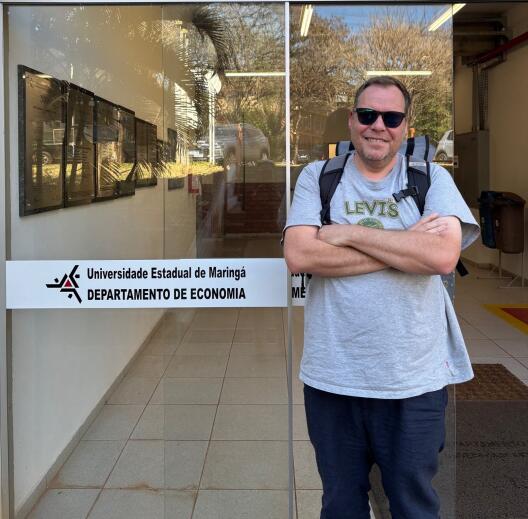
In August 2025, Dr. Jörg Lingens, a researcher from the University of Münster and at the Chair of sustainable Market Design, spent a month as a guest at the State University of Maringá (UEM) in Paraná, Brazil. This visit combined research, teaching, and fostering scientific cooperation partnerships. Essentially, it resulted in a scientific aproximation in the field of energy economics, student training, and significant convergence between researchers from both universities. “My time in Maringá was extremely rewarding professionally, interculturally, and also on a personal level” says the researcher. He adds about the time in Maringá: “It not only provided valuable academic insights but also laid more foundations for a sustainable collaboration between the University of Münster and UEM.”
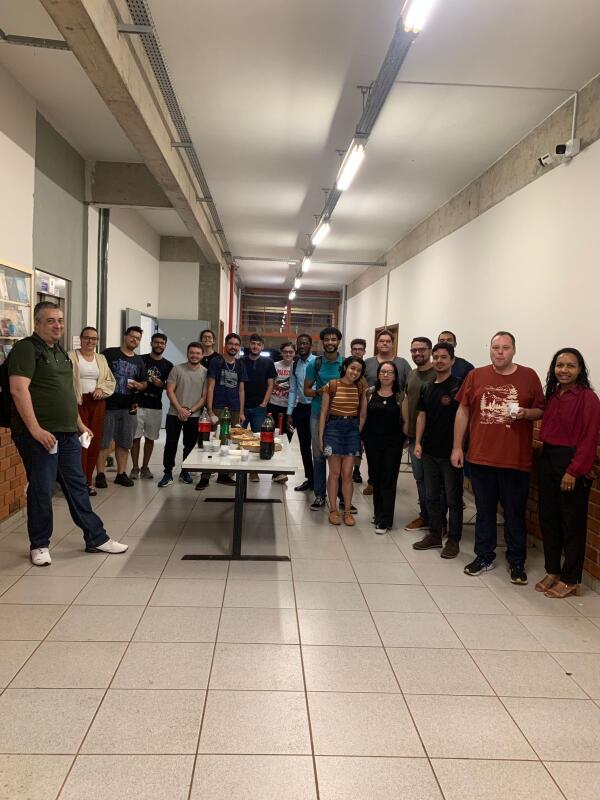
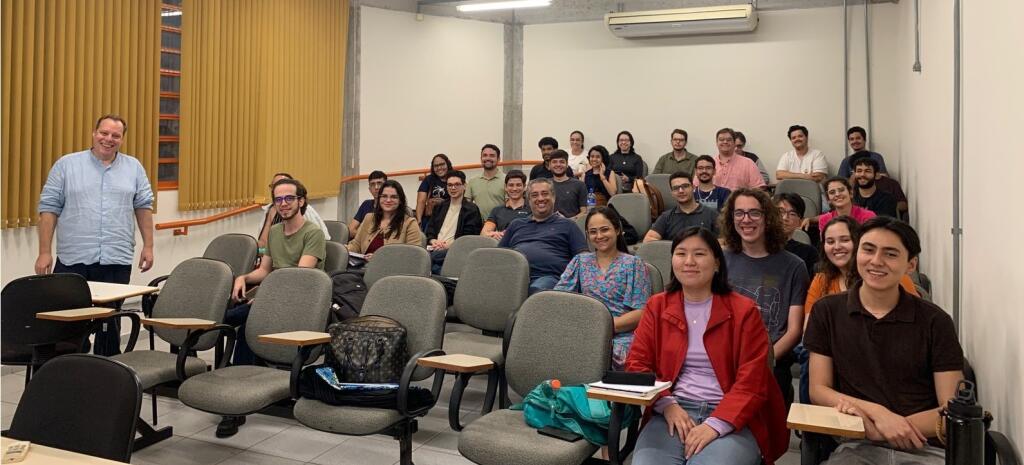
During his stay, Dr. Lingens held a mini-course on energy economics – his current research area – for UEM students and research staff. The objective of this event was to present current economic approaches and empirical methods from Münster and interact with the Brazilian perspective on the challenges of energy economics and climate policy. Alongside this, the lecturer participated in meetings with UEM faculty, exchanged experiences regarding databases and methodological approaches in regional energy and environmental economics, and identified topics for joint projects. Institutional integration was coordinated by Professor Dr. Carlândia Brito Santos Fernandes, host professor, who organised the schedule, facilitated administrative processes, promoted meetings with research groups, and led a visit to the university's experimental farm.
“I look back on my time in Maringá with great gratitude and can recommend, without any reservations, a research stay in Brazil.” (Jörg Lingens)
Dr. Lingens’ stay at UEM brought numerous short and long-term benefits. For students, it meant a different perspective on policy and climate-relevant challenges, as well as on areas such as energy production and energy distribution. “They (the students) showed themselves to be extremely motivated, engaged, and willing to discuss,” reports Dr. Lingens. For both universities and the Paraná region, the exchange strengthens internationalisation and creates conditions for collaboration on strategic regional issues, including hydropower, energy security, and decarbonisation.
Dr. Lingens brought empirical methods from economics and combined them with the Brazilian perspective on the challenges at hand, creating space for international scientific dialogue at a high level. “While the language barrier presented some challenges (...), the willingness to understand each other clearly outweighed them,” he says. “With some patience and creativity in communication, we were able to have substantial conversations and identify potential topics for future cooperation.”
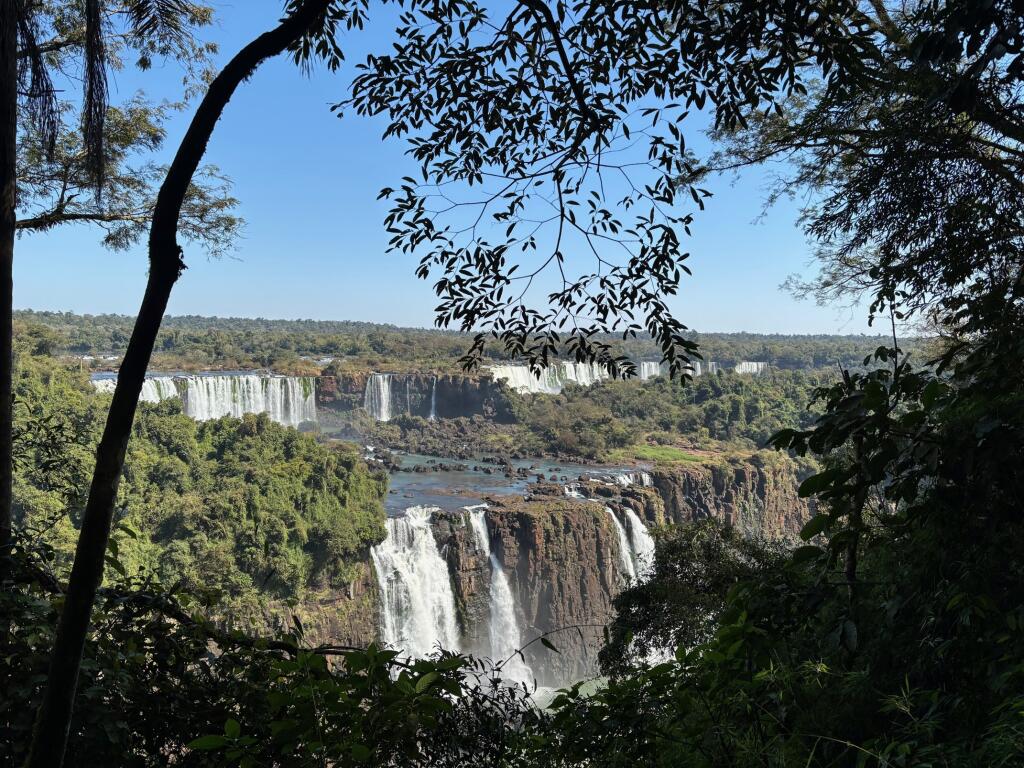
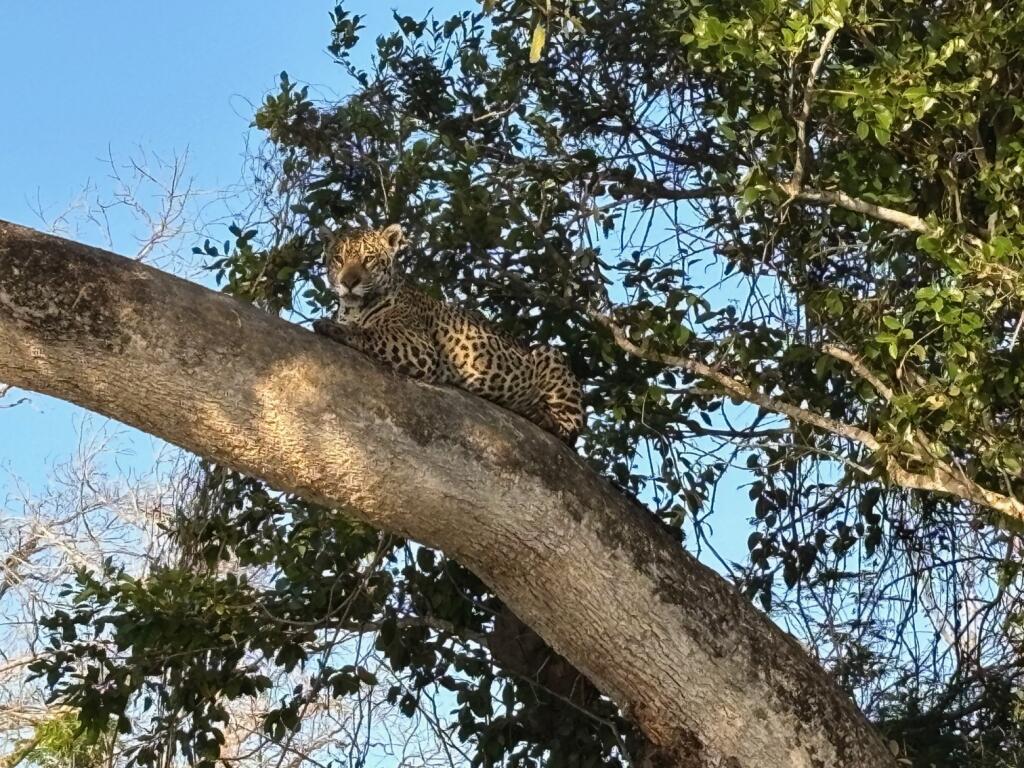
The human dimension also shaped the visit. In addition to academic meetings, the lecturer participated in typical Brazilian social events, toured the campus and experimental farm, and praised the quality of life in Maringá, with its parks and green streets. Outside the university, he had experiences related to his field, such as visiting the Itaipu Dam, one of the largest hydroelectric power plants in the world, as well as the Iguazú Falls and the Pantanal. “Itaipu is a technical masterpiece and a symbol of international cooperation in the field of energy. It was an inspiring experience,” he reports.
The research stay aligns with the efforts of the UEM and the University of Münster to expand international partnerships and connect European experiences in energy transition with the Brazilian challenges and potentialities. From a scientific point of view, it has brought together research lines in regional energy and environmental economics with a focus on methodological approaches and data sources that can be applied to different contexts. As a result, teams from both institutions are discussing possibilities for joint projects and new technical visits. “A return to deepen the begun collaborations is firmly planned,” announces Dr. Lingens. “The positive experiences, the openness of my hosts, and the great scientific potential of the country have profoundly impressed me.” He also comments: “I look back on my time in Maringá with great gratitude and can recommend, without any reservations, a research stay in Brazil.”
Click here to download Dr. Jörg Lingens' testimonial (in German).
Photos
© Jörg Lingens 
© Jörg Lingens 
© Jörg Lingens