


Project ACCLIM (2024-2027)
Ecosystem acclimation to escalating atmospheric and soil dryness
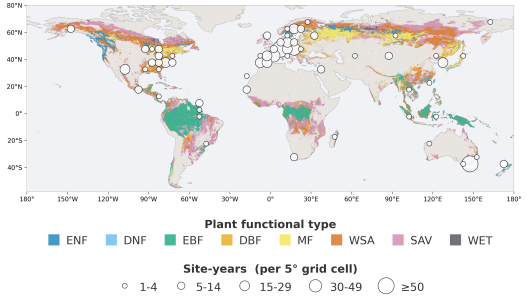
Atmospheric and soil dryness have a strong influence on the exchange of greenhouse gases between terrestrial ecosystems and the atmosphere. With climate change, the frequency and intensity of extreme dryness that limits ecosystem ecophysiological functioning are increasing. However, the cascading effect on the ecosystems, the memory from past events, and the level of ecosystem acclimation to increased dryness are not clear. This project aims to quantify and understand the effect of more frequent and more intense atmospheric and soil dryness on the carbon uptake of natural ecosystems (e.g., forests, grasslands, peatlands) based on ecosystem-level gas flux observations. The primary focus will be on testing statistical methods for quantifying ecosystem memory and acclimation and discovering the underlying causal networks in ecosystem-atmosphere exchange processes.
The project ACCLIM addresses three main objectives:
- Review the methods being used to assess acclimation in forest studies;
- Develop predictive models of stand-level sap flow density;
- Determine the controlling effects of soil moisture and vapor pressure deficit on sap flow density and how it relate to species and water relations.