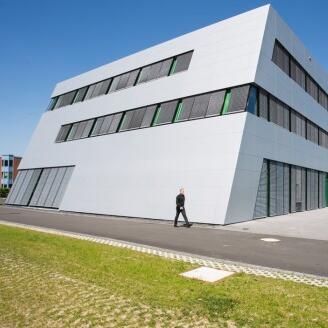
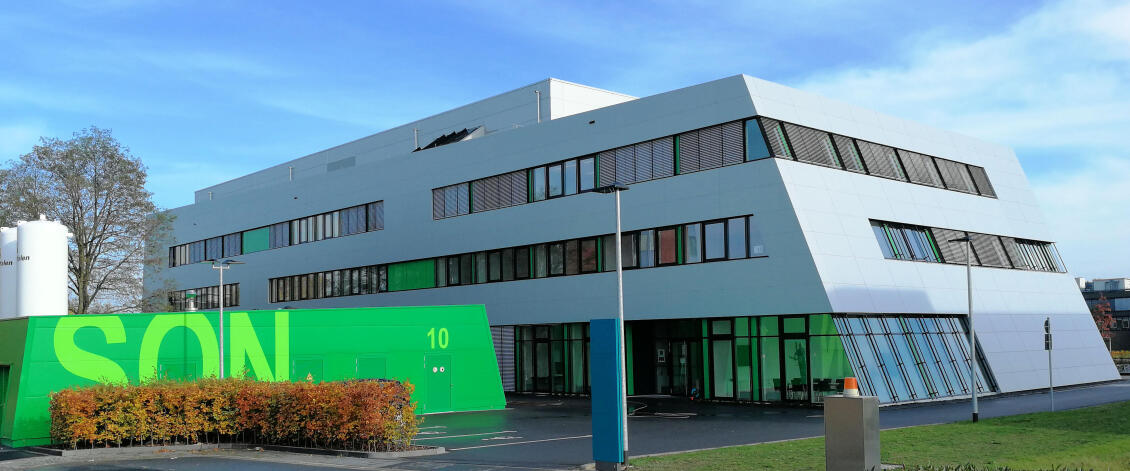
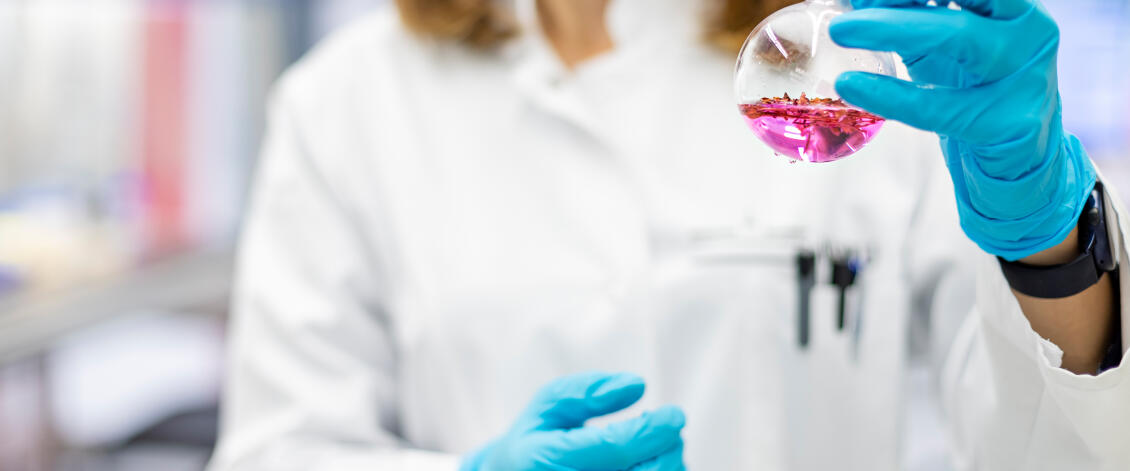
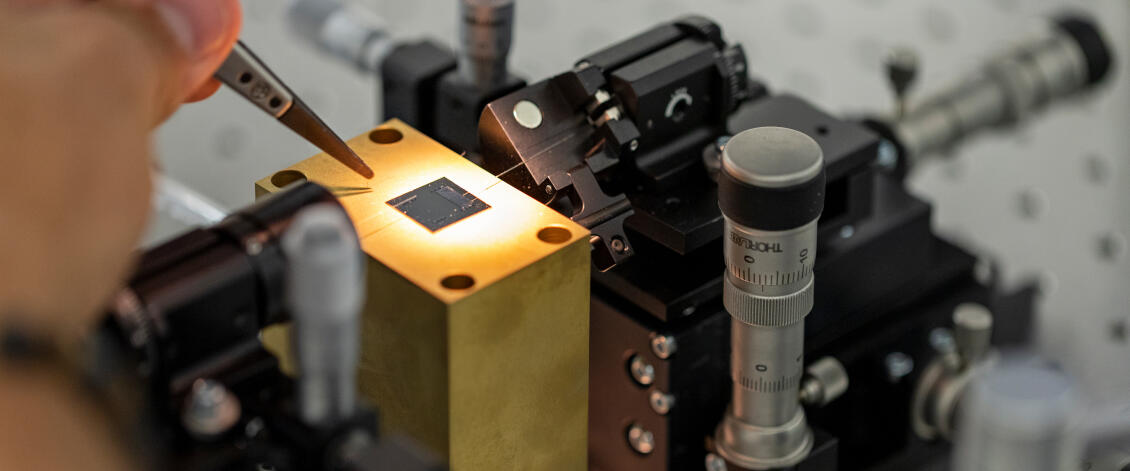
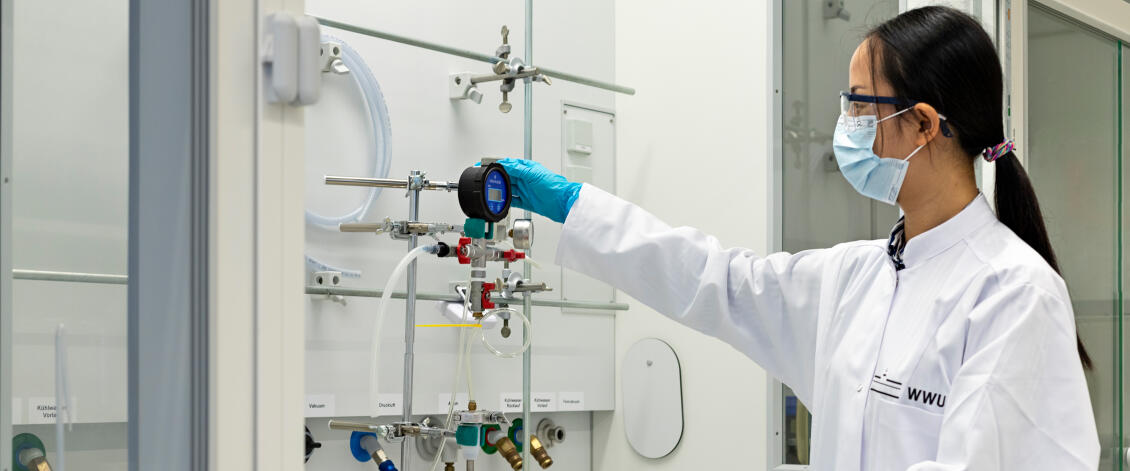
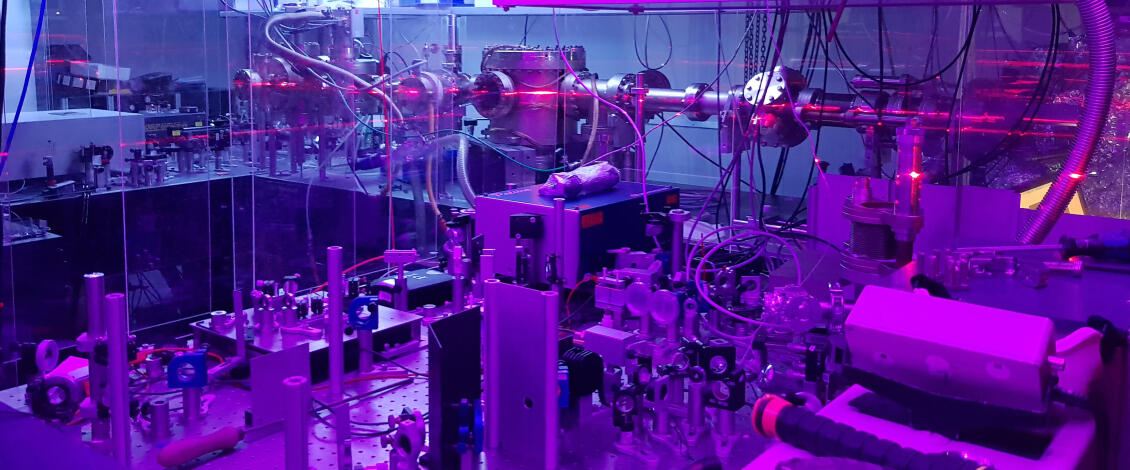
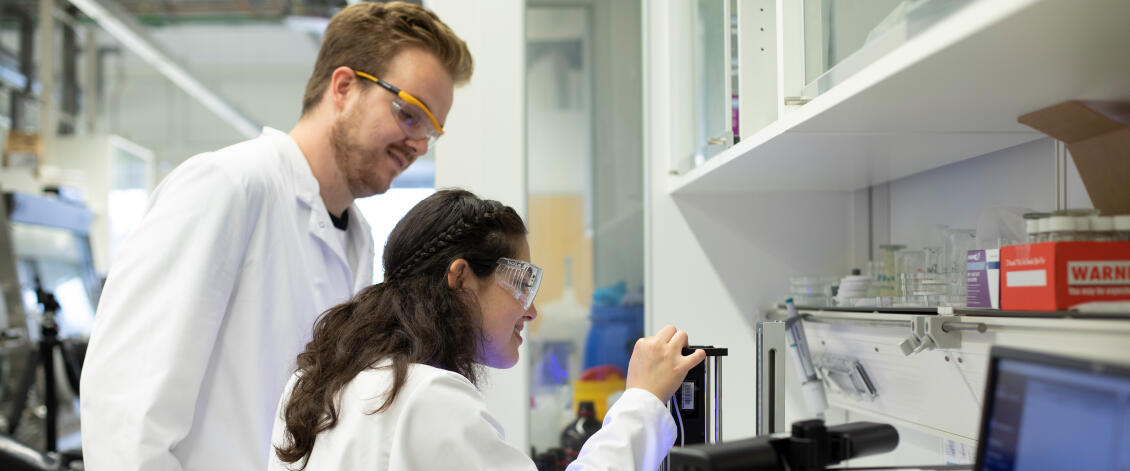
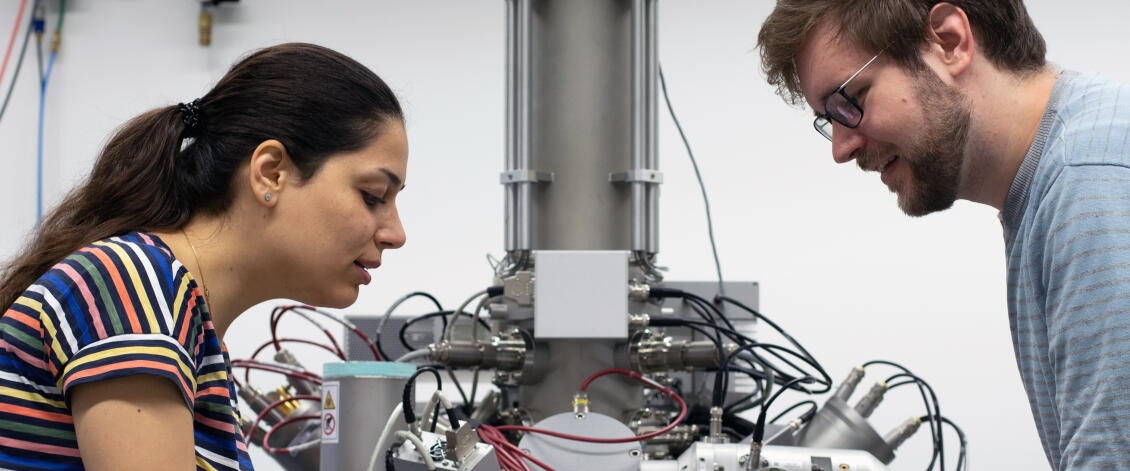
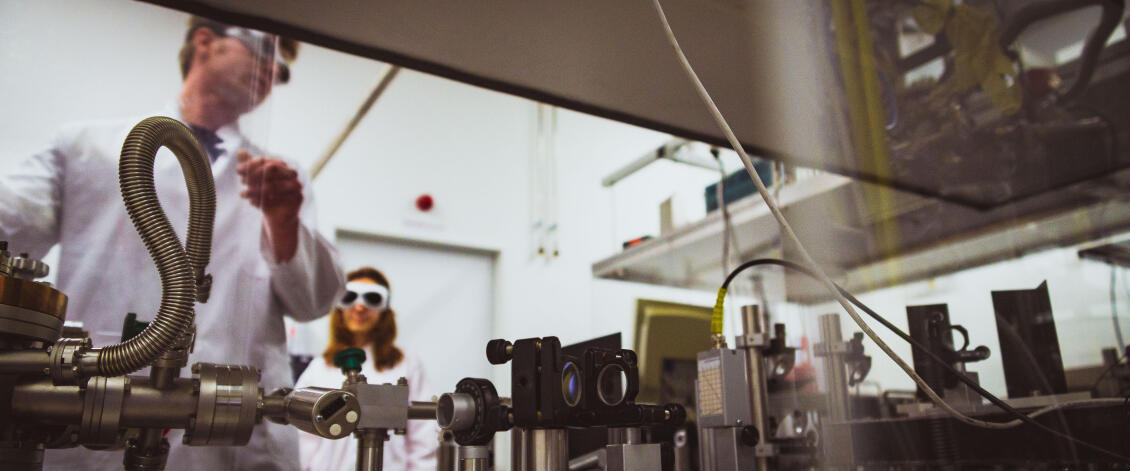
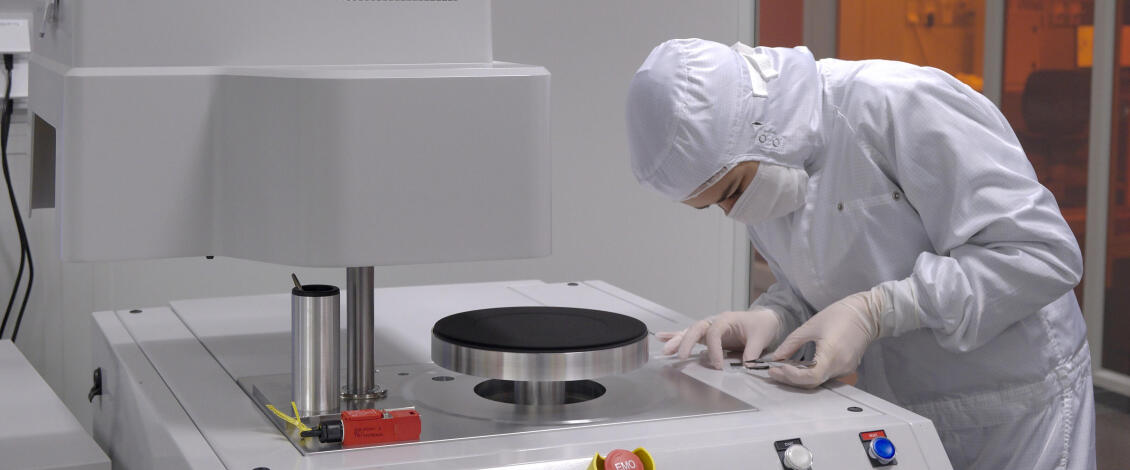
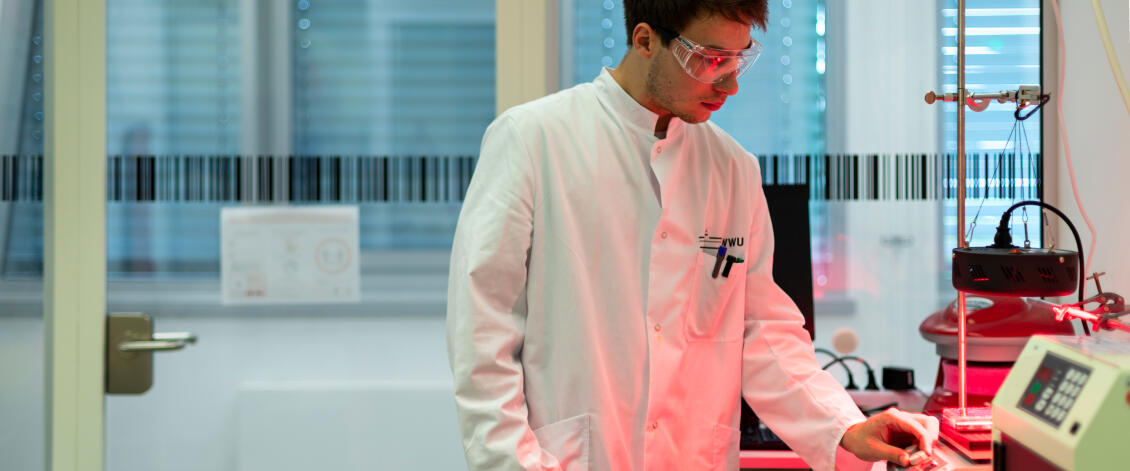
Researchers at the Center for Soft Nanoscience (SoN) prepare synthetic materials based on biological models such as addressable nanocontainers or materials that switch their function in response to an external trigger. Besides these fundamental investigations, the high-precision tools required to make and analyze these nanomaterials are developed at the SoN.
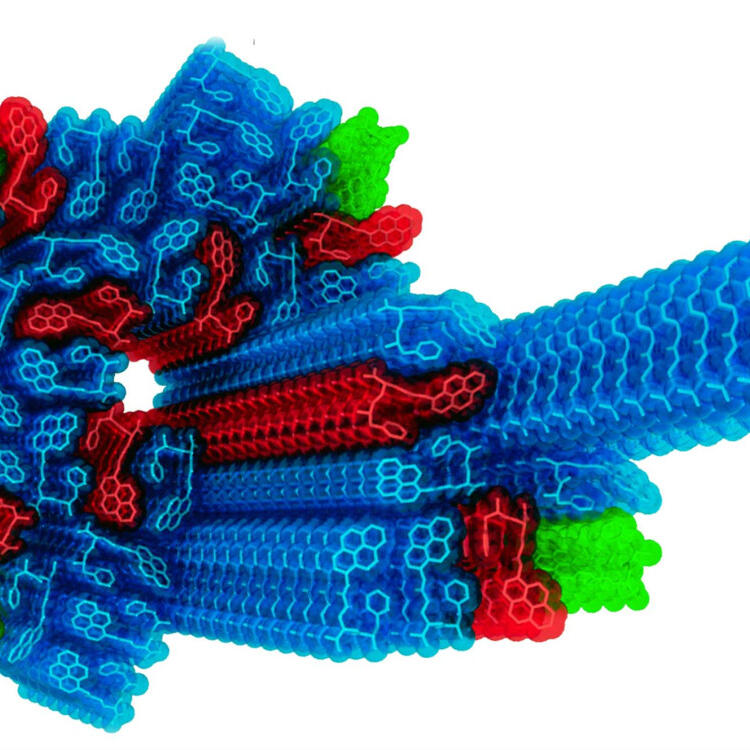
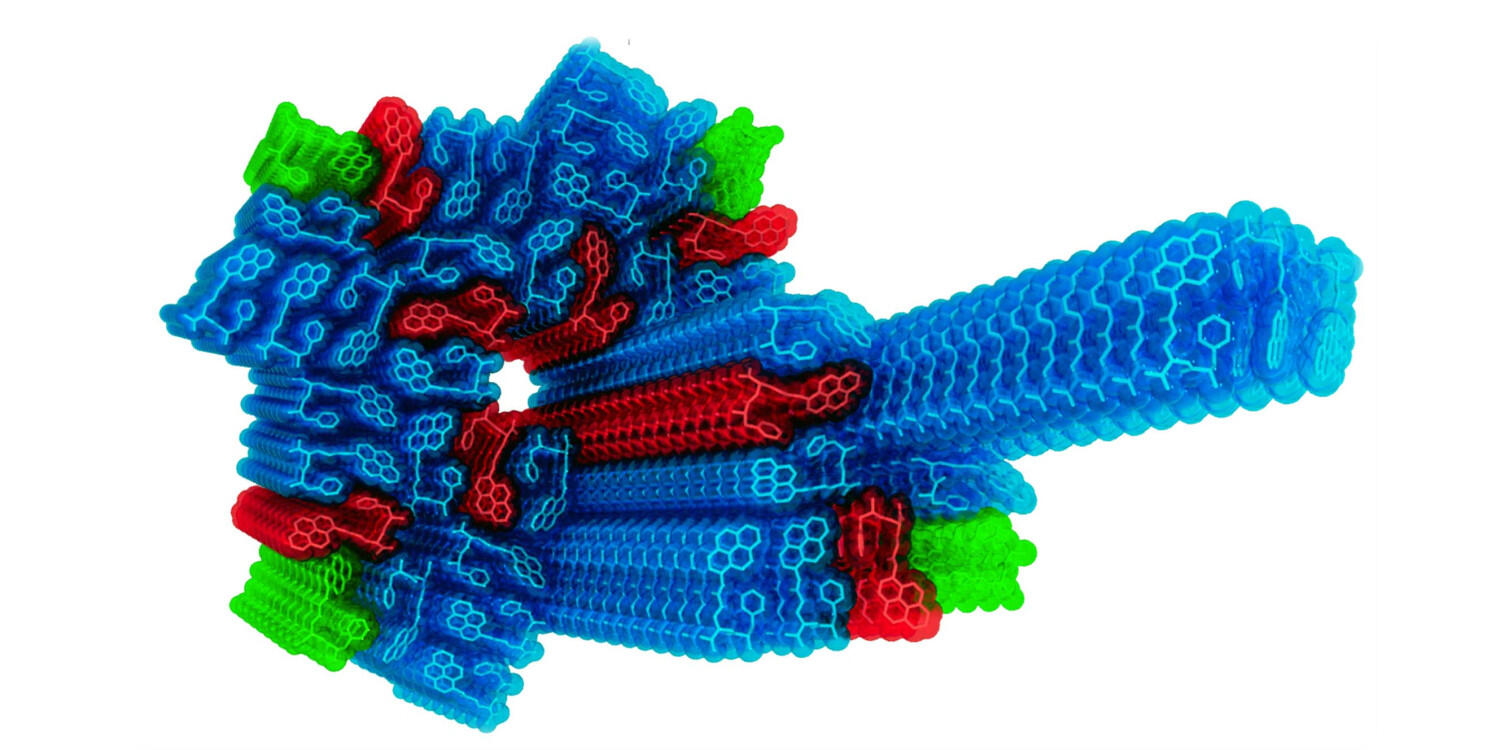
A research team involving Professors Christos Gatsogiannis and Bart Jan Ravoo has shown that peptides carrying a flat carbon network aggregate into long fibres in water. Using cryo-electron microscopy, the researchers analysed the structure with record resolution.
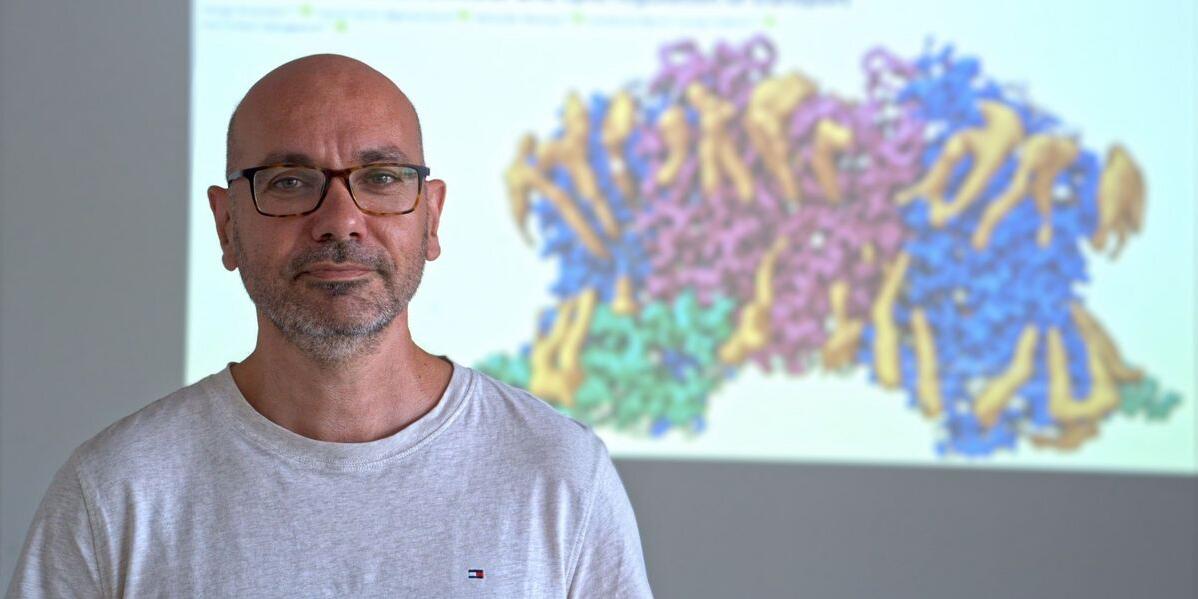
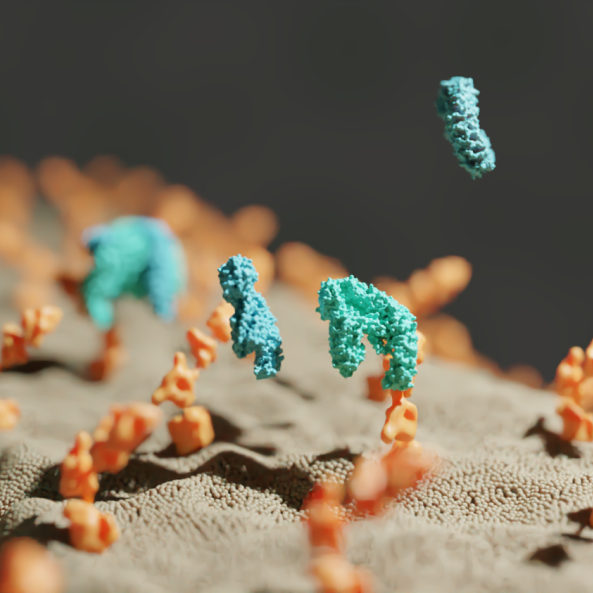
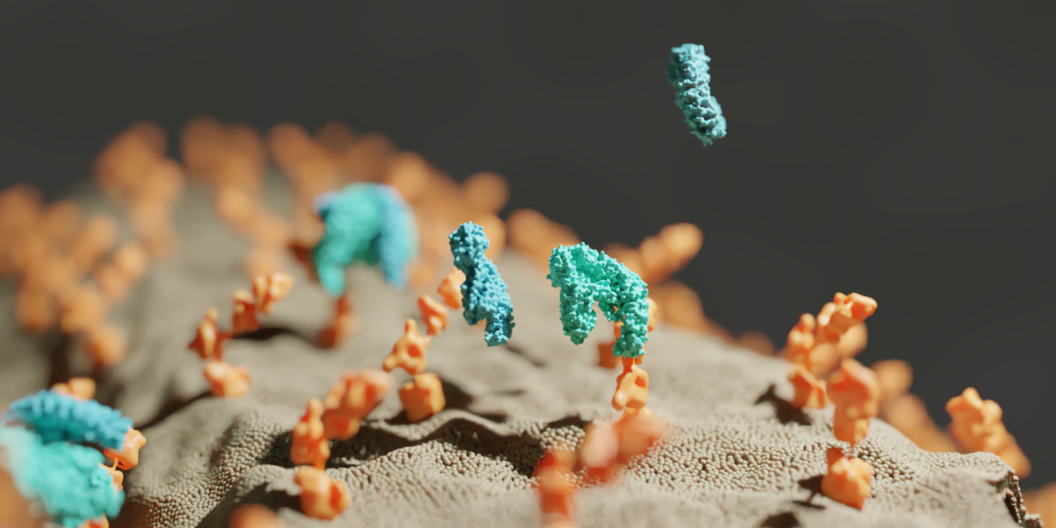
A research team led by Prof. Dr. Christos Gatsogiannis at the Center for Soft Nanoscience has gained new insights into the function of a cellular transport protein that is crucial for the survival of pathogenic fungi. The findings provide important insights into the biology of these pathogens and could, in the long term, support the development of new therapies for fungal infections.
The "Year of Science 2026 – Medicine of the Future" focuses on how researchers are already shaping the medicine of tomorrow through their ideas and solutions. The MS Wissenschaft - a cargo ship converted into an exhibition venue - is sailing under the banner of this year’s science theme, welcoming visitors to its hold with an interactive exhibition featuring around 30 hands-on displays.
On July 4, from 1:00 p.m. to 5:00 p.m., the Cryo-EM Department of the Center for Soft Nanoscience will participate in the "Market of the Future" (Zukunftsmarkt), presenting an innovative VR station that showcases results from the Cryo-EM infrastructure. Using virtual reality technology, visitors can immerse themselves in the world of molecules and explore the high-resolution structures of biomolecules.
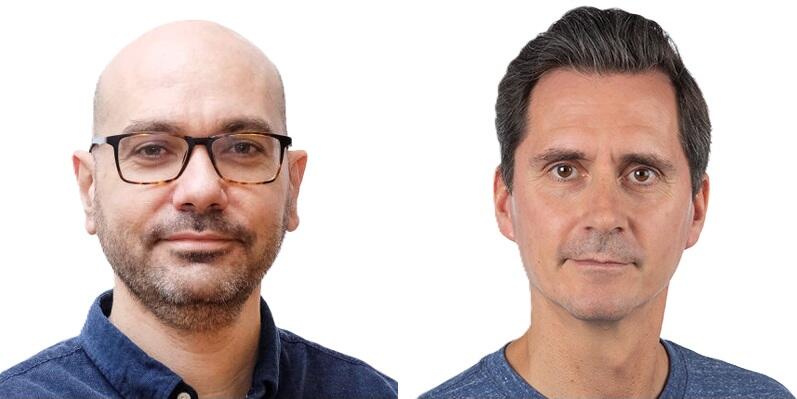
Robert Hein is an associate professor at the Institute of Organic Chemistry
Robert Hein, who was recently awarded the “Research Career Development Award” by the Hector Fellow Academy, is a Junior Researcher at the Center for Soft Nanoscience at the University of Münster. He is a member of the Collaborative Research Center “Intelligent Matter,” the international Graduate School “Functional π-Systems” (a joint project with Nagoya University in Japan), and the international battery research school “BACCARA.” His (academic) career is now highlighted in a profile.
In March 2026, the current research at the SoN was literally in the spotlight. A team from WDR visited to learn firsthand about the latest approaches to researching sperm motility. Thanks to cryo-electron microscopy, cells can be visualized down to their atomic structure. This approach is used by the research group at the SoN, led by Christos Gatsogiannis, in cooperation with Timo Strünker from the Center for Reproductive Medicine and Andrology, among other things, to advance the search for new contraceptives.
The report, which aired on March 18, 2026, on the local news program "Lokalzeit Münsterland," is now also available online.
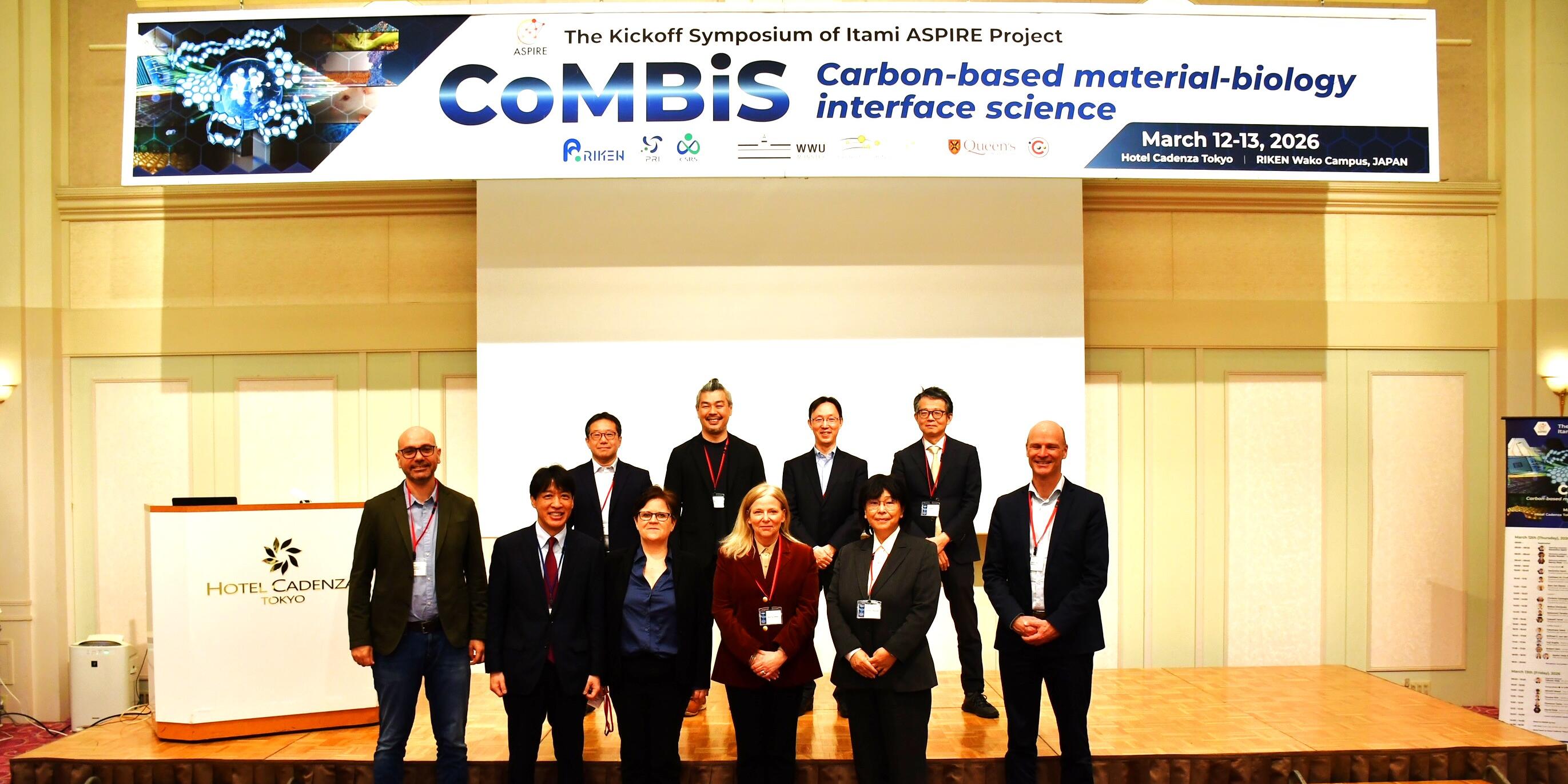
SoN PIs and students participated in the kick-off meeting of CoMBiS, a program for collaborative research and exchange on the interface of carbon-based materials and biology. The program was initiated by Prof. Kenichiro Itami at RIKEN in Tokyo and includes SoN and other international partners. CoMBiS is funded by the ASPIRE program of the Japanese Science and Technology Agency (JST) and will enable research visits of early career researchers in the next five years.
The Hector Fellow Academy has awarded Junior Professor Robert Hein (Institute of Organic Chemistry) from the Department of Chemistry and Pharmacy at the University of Münster with the Research Career Development Award. The award includes a five-year membership in the Academy. It recognizes outstanding scientific achievements and supports early-career researchers in the long-term development of their research.