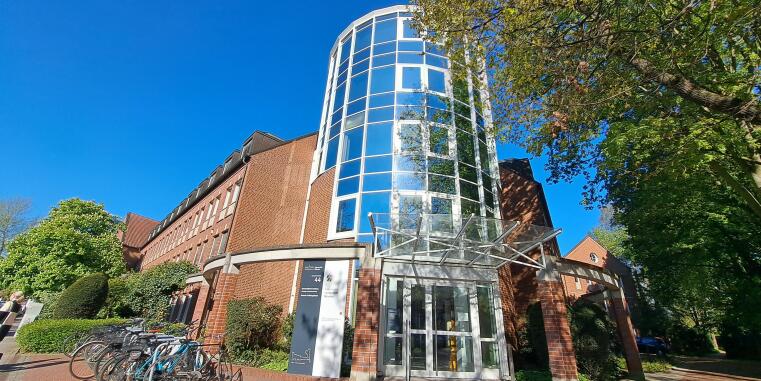
Digital communication shapes how people interact, process information, negotiate topics, and organize social life. The Online Communication Lab (OCL) at the Department of Communication at the University of Münster, led by Prof. Thorsten Quandt, explores these developments and their impact on individuals, groups, and society.
Our goal is to make digital communication processes visible and understandable - for researchers, students, societal stakeholders, and the wider public.
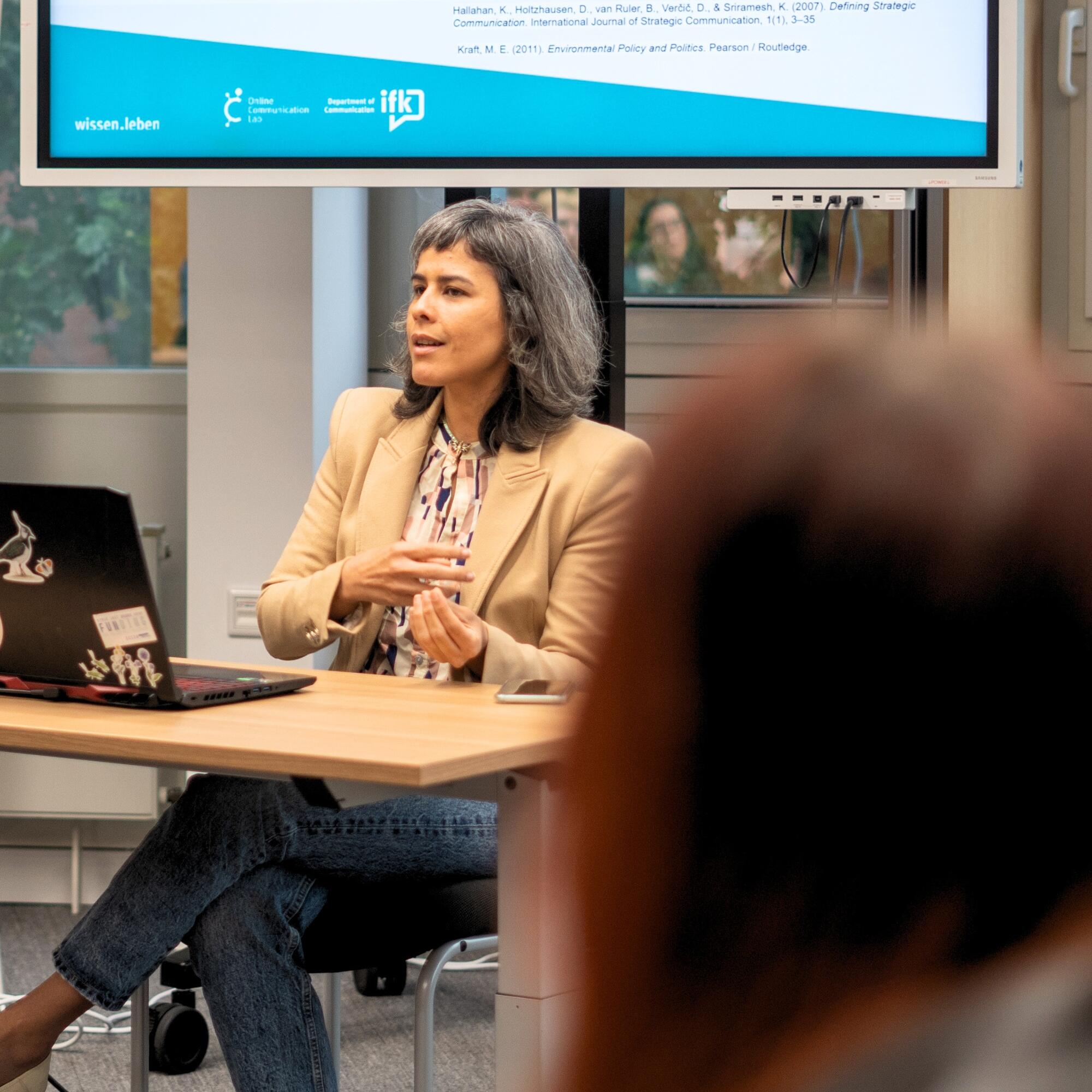
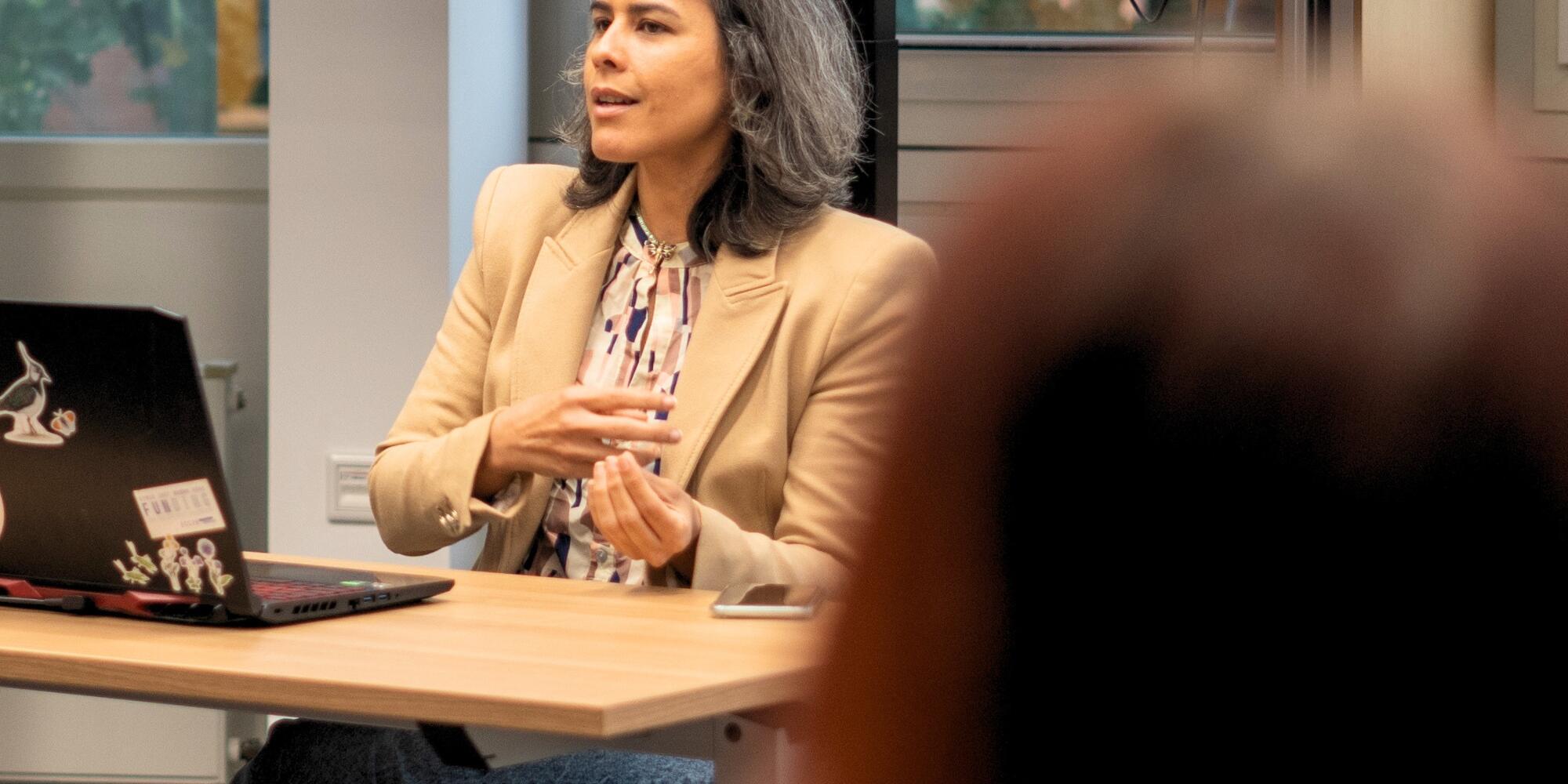
Organized by Dr. Bruna Távora as part of her WiRe Fellowship, the symposium “Digital Ecologies of the Far Right” explored how far-right actors in Brazil and Germany use environmental narratives for political purposes. The international and interdisciplinary exchange highlighted common patterns and the societal impact of these discourses.
Harrington spent just under a week in Münster, with a focus on internal meetings, academic exchange, and discussing opportunities for collaboration between Australian and German researchers. Among other activities, he presented his current project, “Understanding and Combatting ‘Dark Political Communication’.”
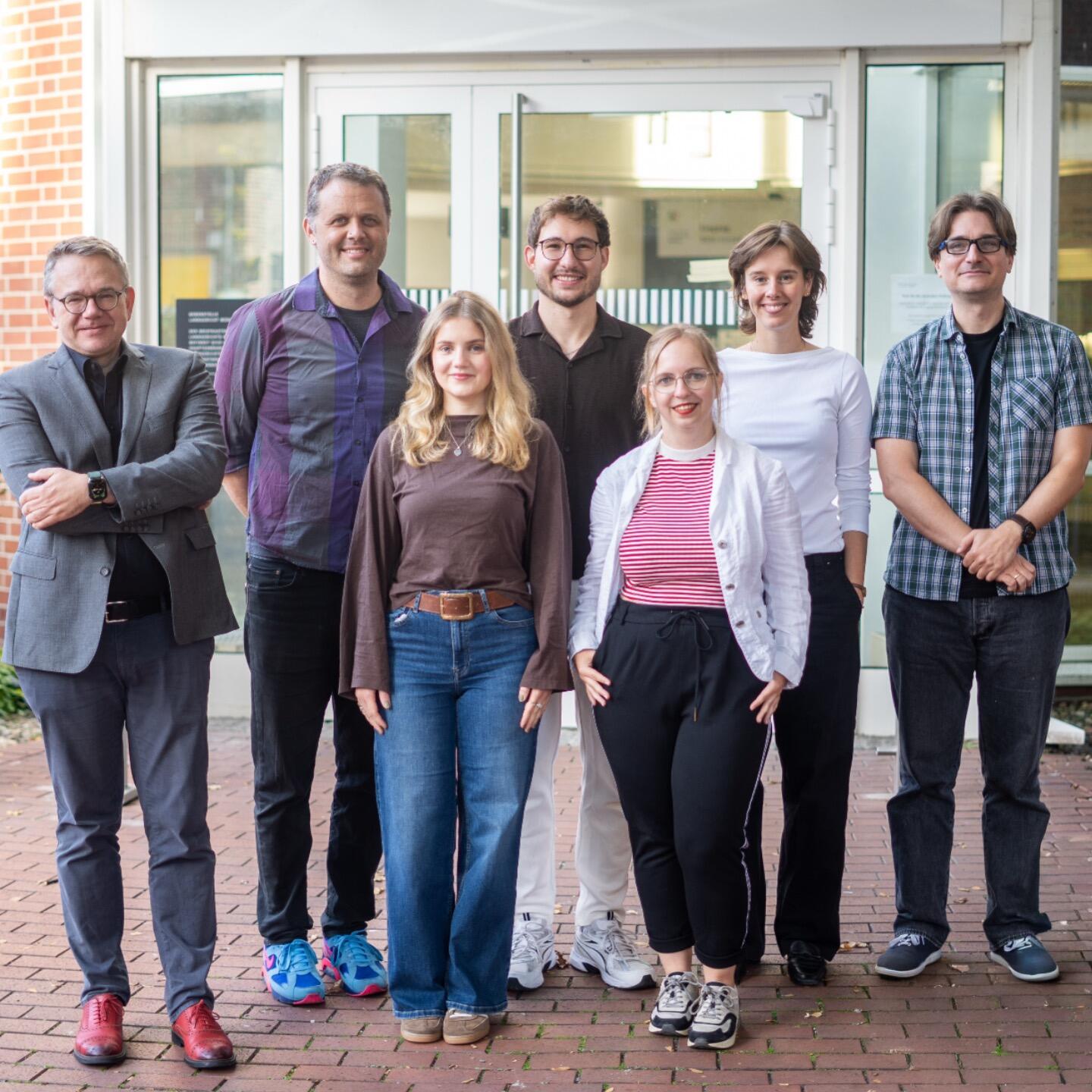
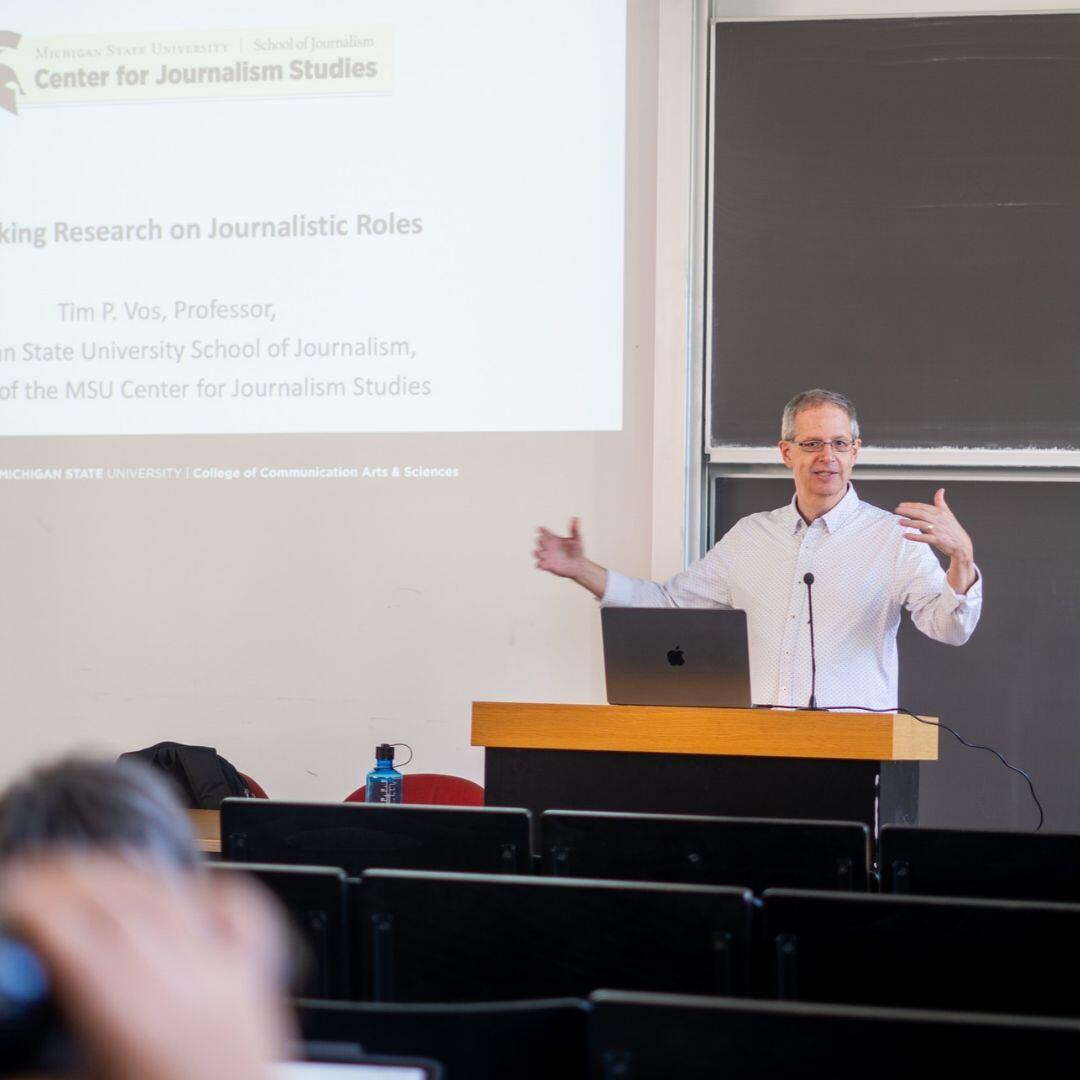
From September 14 to 17, we were pleased to welcome Prof. Tim Vos to Münster together with the Journalism Research group, headed by Prof. Nina Springer. He joined us for a week of academic exchange, discussions, and personal conversations.
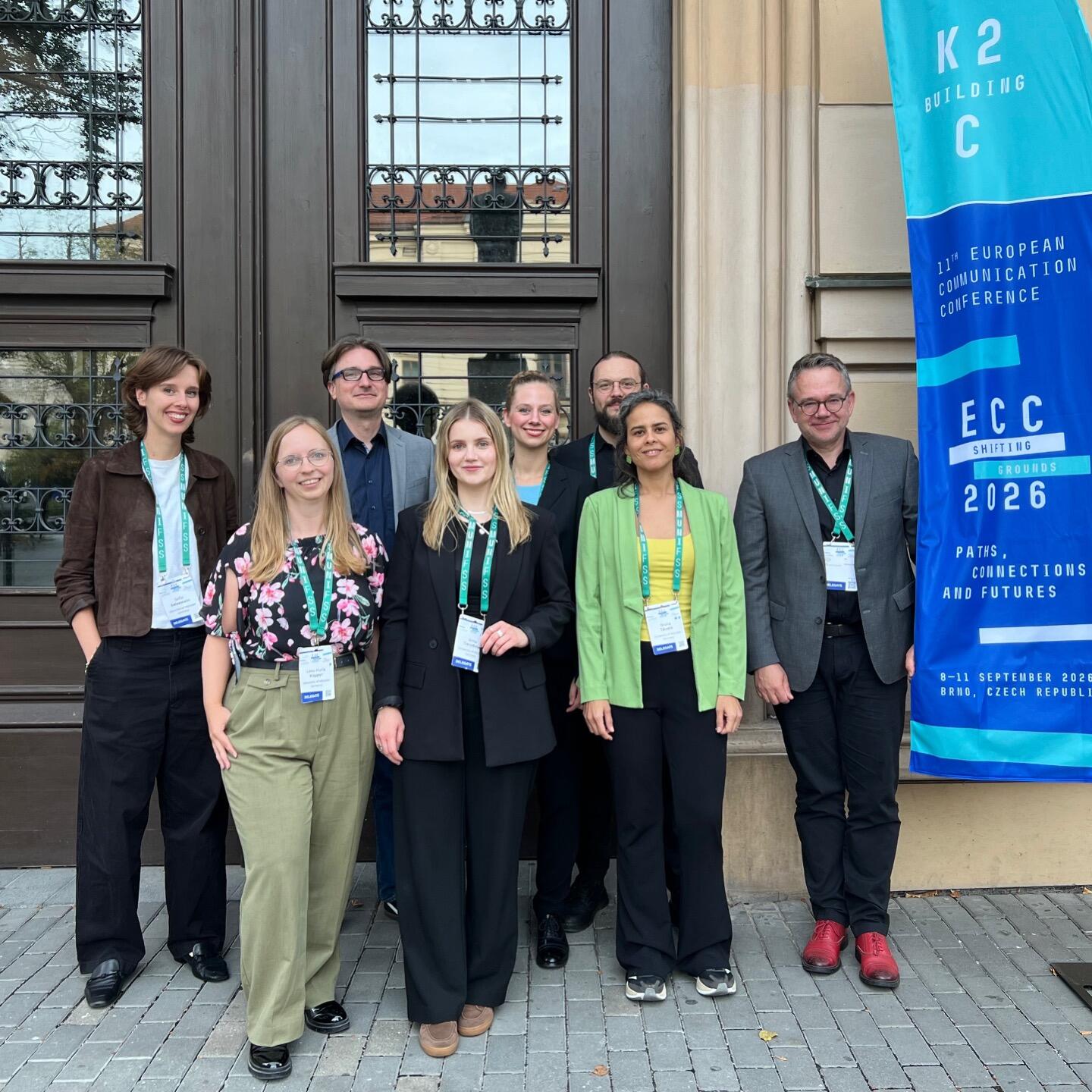
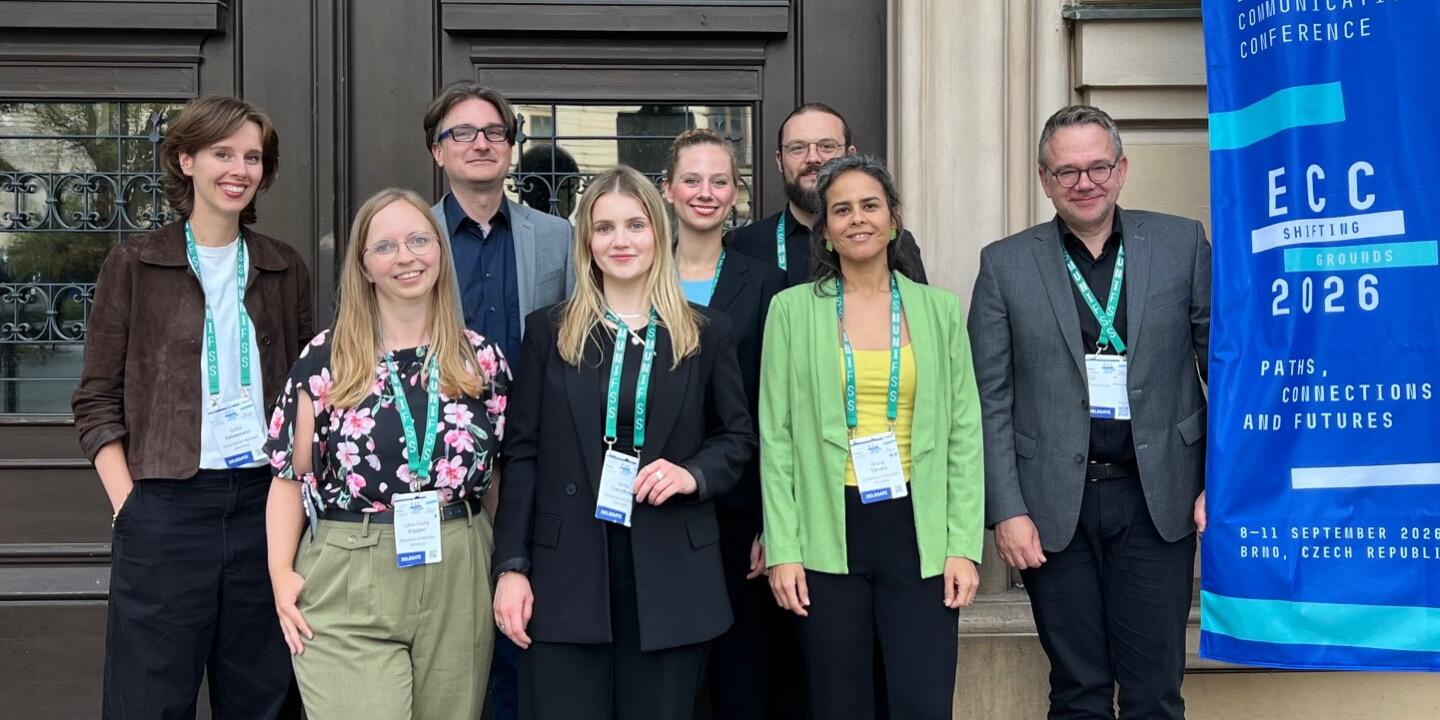
Four days of research, exchange, and new encounters at ECREA 2026 in Brno: Our contributions covered topics ranging from health and political communication to digital activism, journalism, and climate communication. We look back on inspiring conversations, new connections, and many great impressions from Brno.
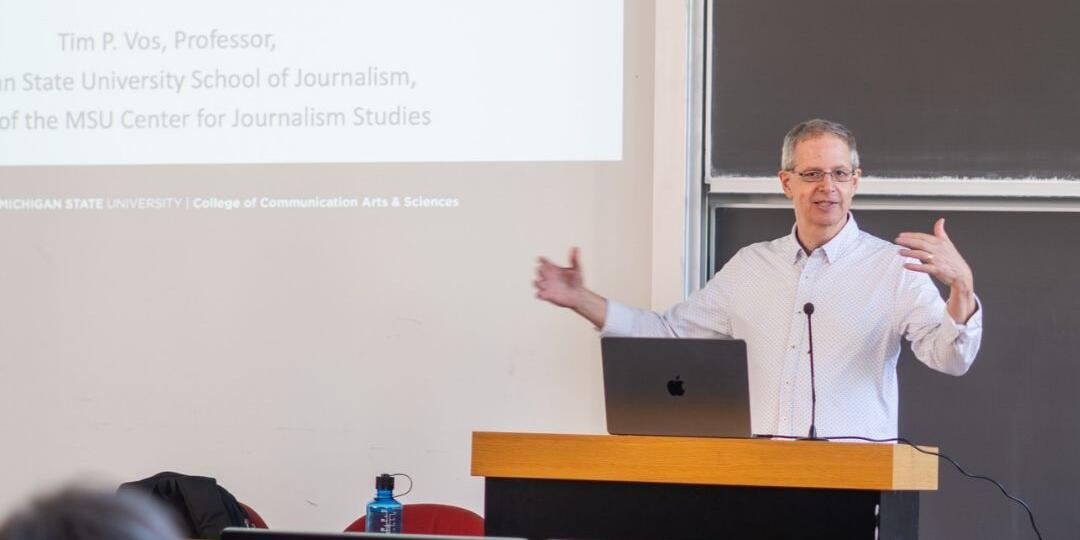
On September 15, 2026, Tim Vos, Professor in the School of Journalism at Michigan State University, will give a talk on “Rethinking research on journalistic roles”.
The Online Communication Lab is represented with numerous contributions at this year’s 11th European Communication Conference (ECREA 2026). From September 9 to 11, 2026, communication and media scholars will meet in Brno, Czech Republic, to discuss current research and developments in the field.