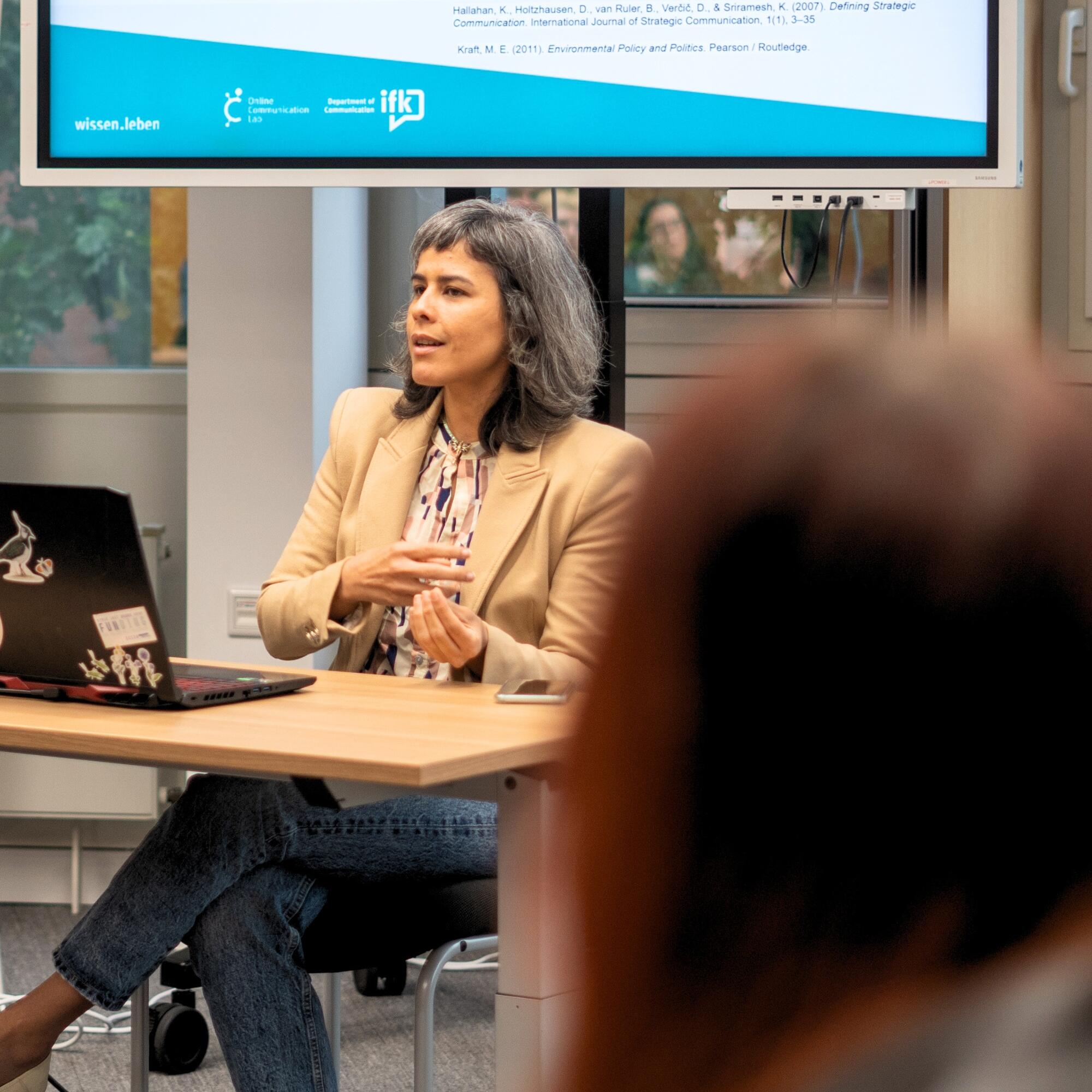
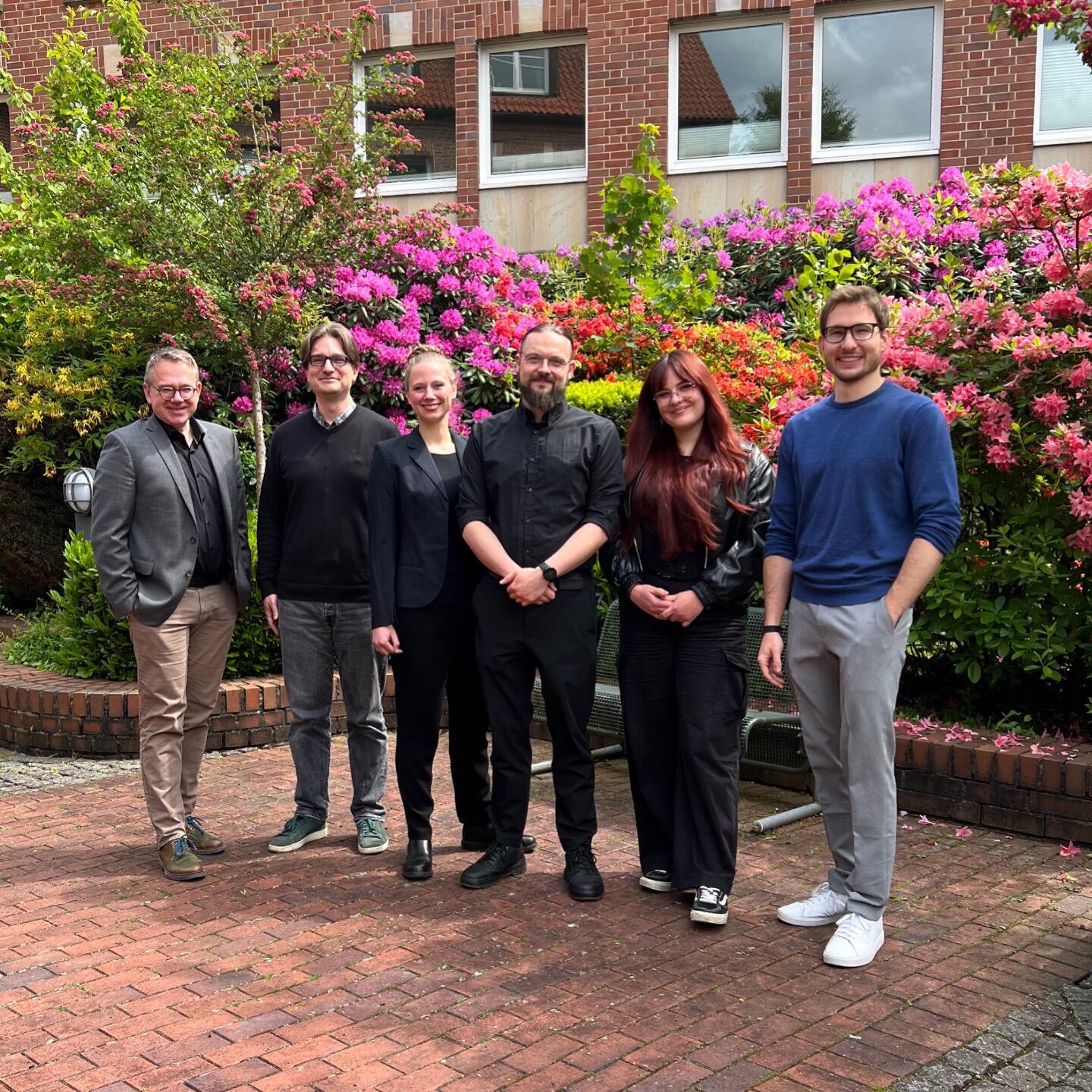
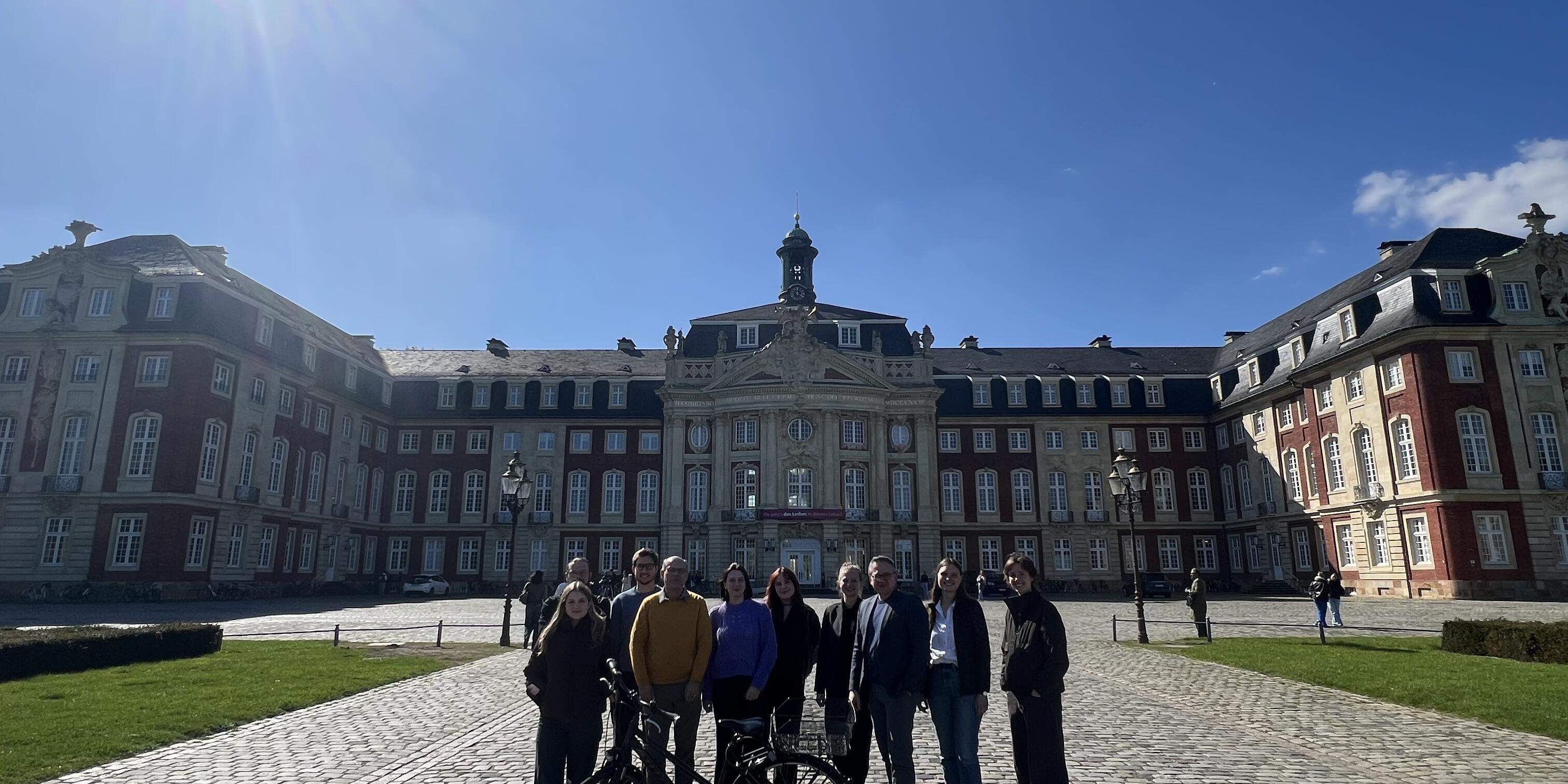
Organized by Dr. Bruna Távora as part of her WiRe Fellowship, the symposium “Digital Ecologies of the Far Right” explored how far-right actors in Brazil and Germany use environmental narratives for political purposes. The international and interdisciplinary exchange highlighted common patterns and the societal impact of these discourses.
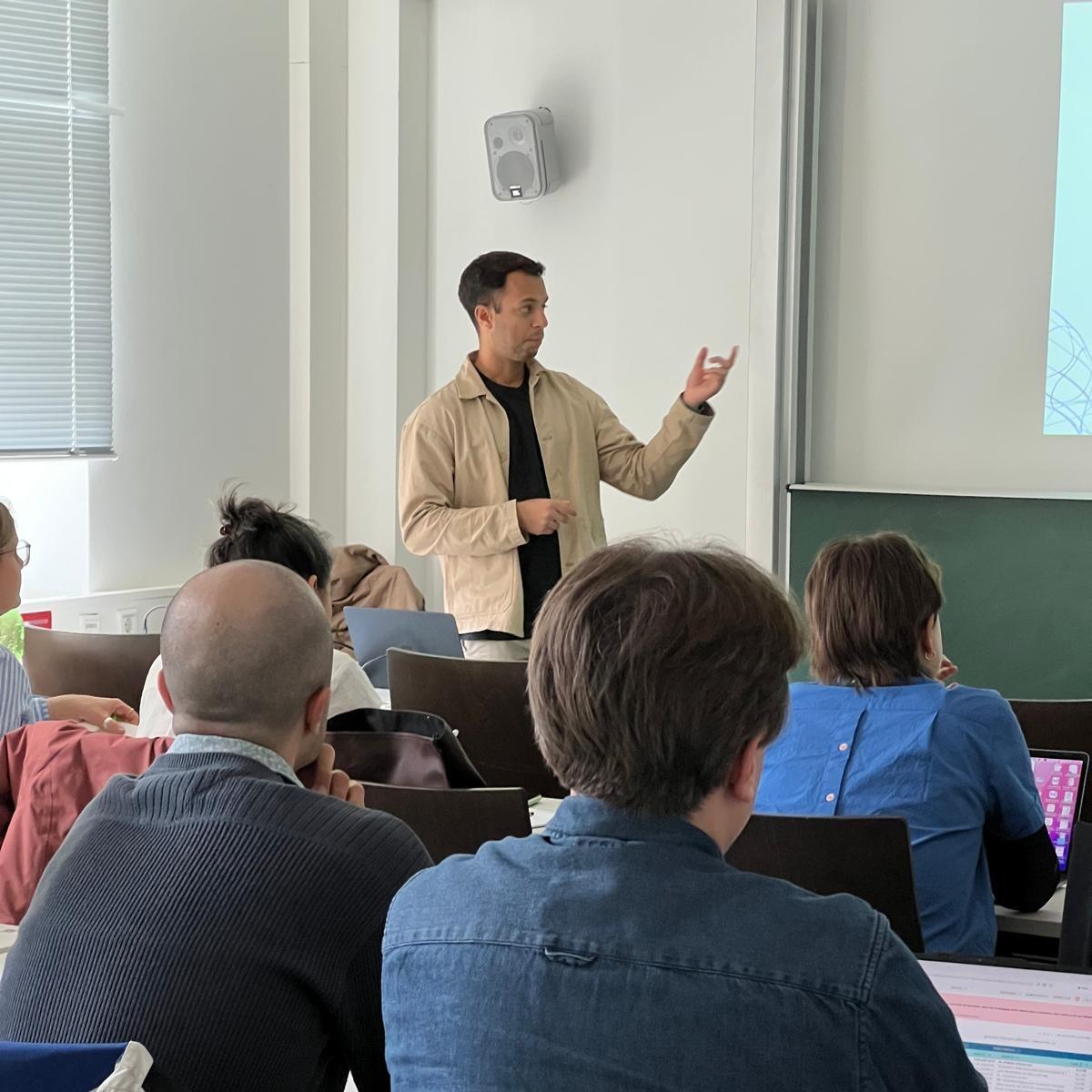
Harrington spent just under a week in Münster, with a focus on internal meetings, academic exchange, and discussing opportunities for collaboration between Australian and German researchers. Among other activities, he presented his current project, “Understanding and Combatting ‘Dark Political Communication’.”
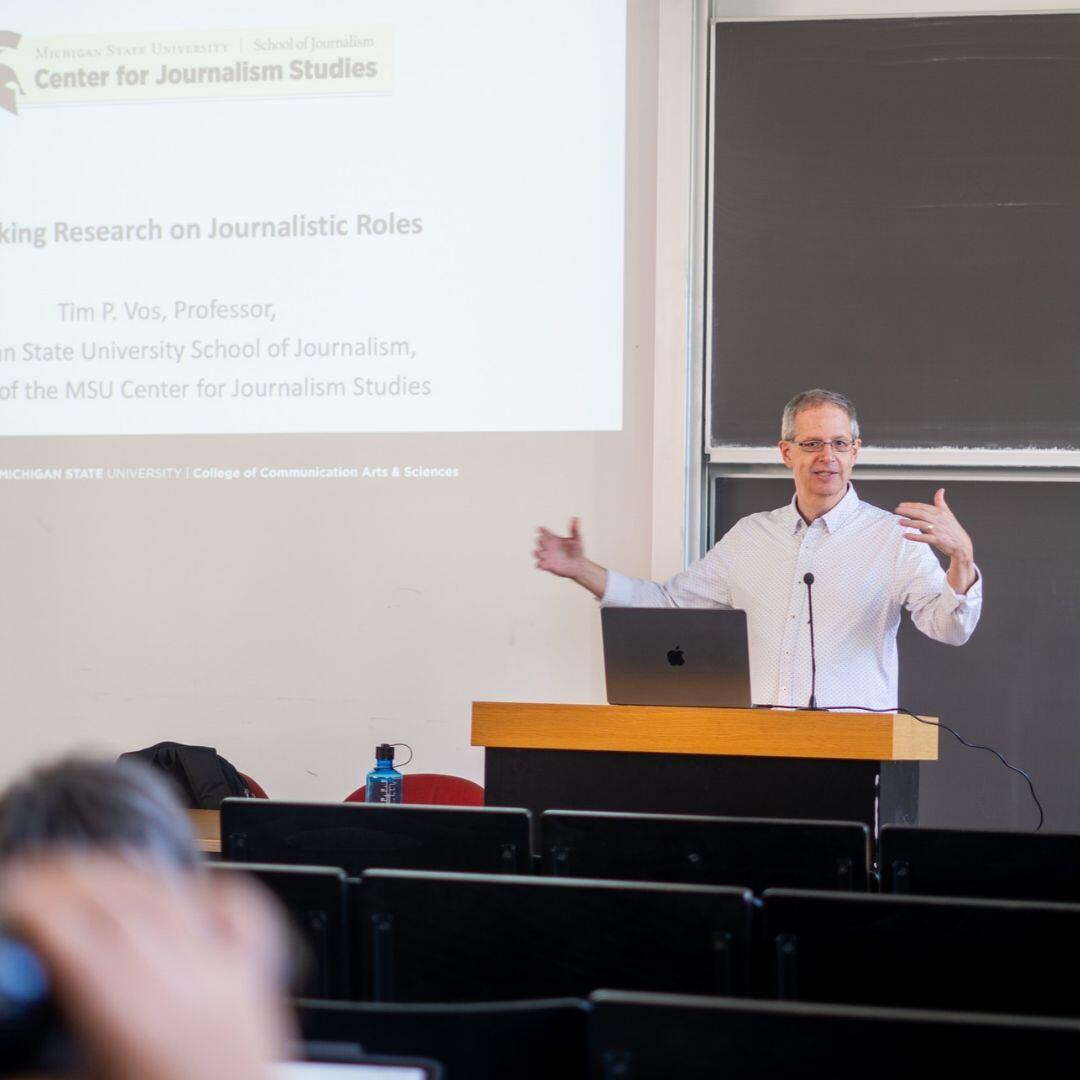
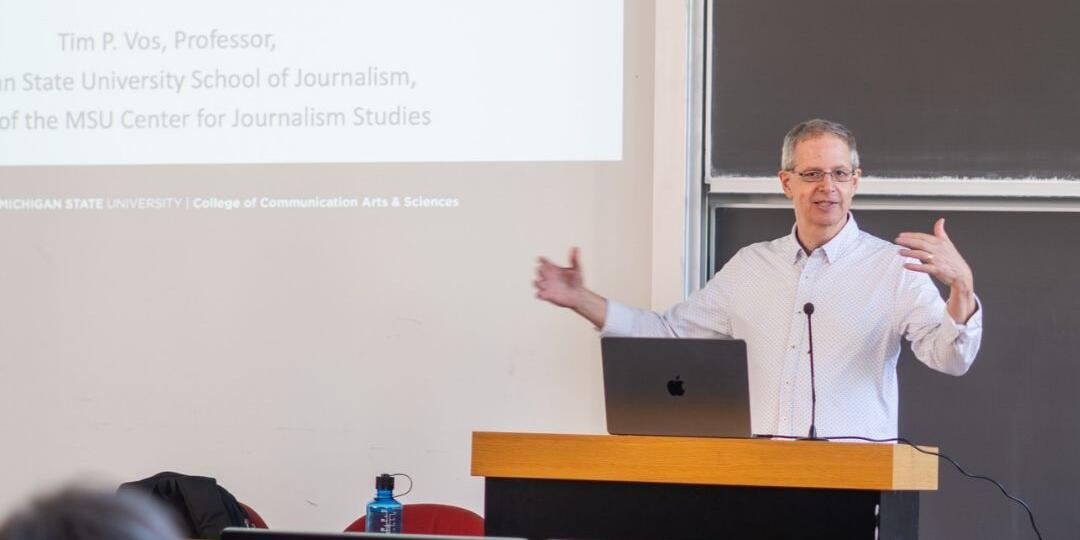
From September 14 to 17, we were pleased to welcome Prof. Tim Vos to Münster together with the Journalism Research group, headed by Prof. Nina Springer. He joined us for a week of academic exchange, discussions, and personal conversations.
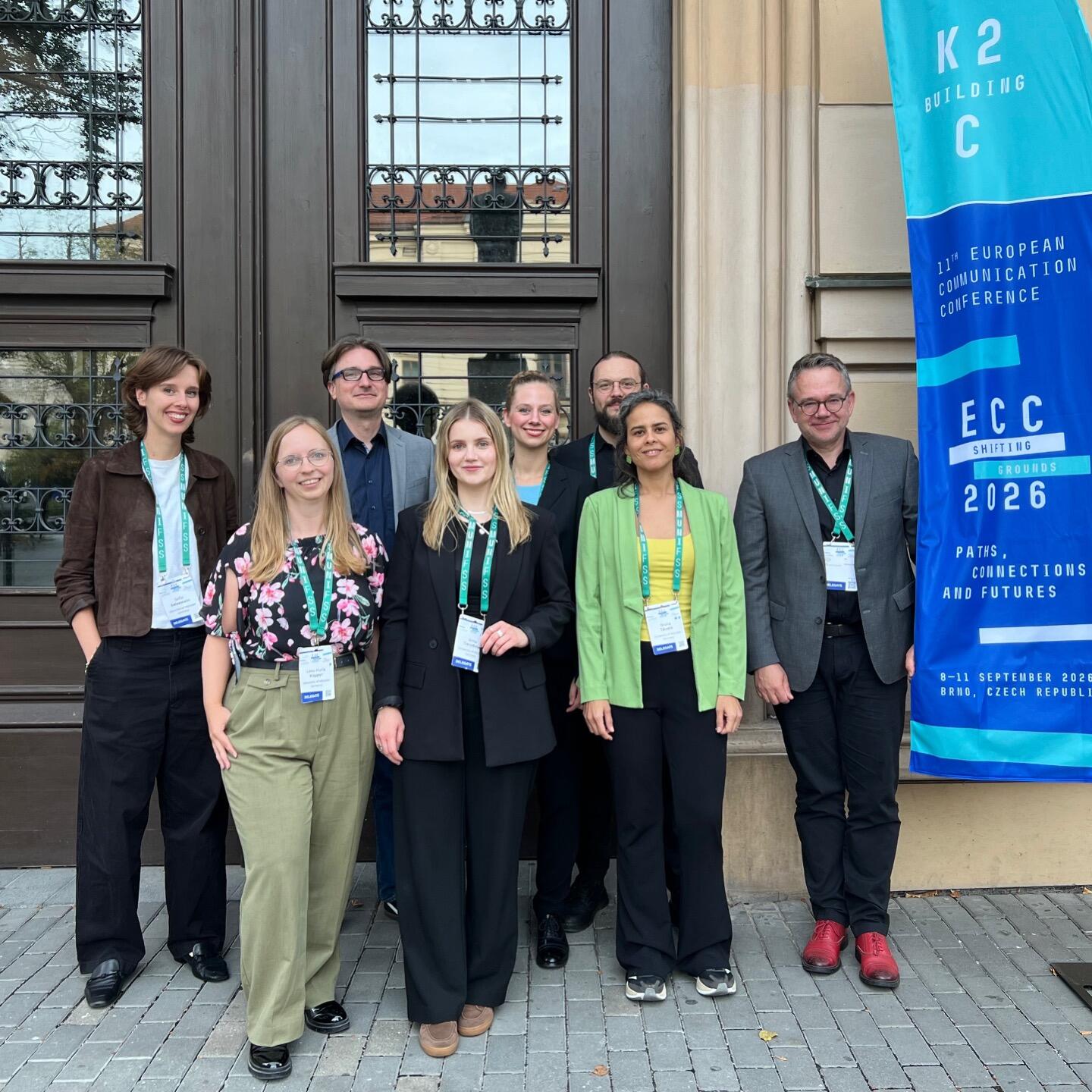
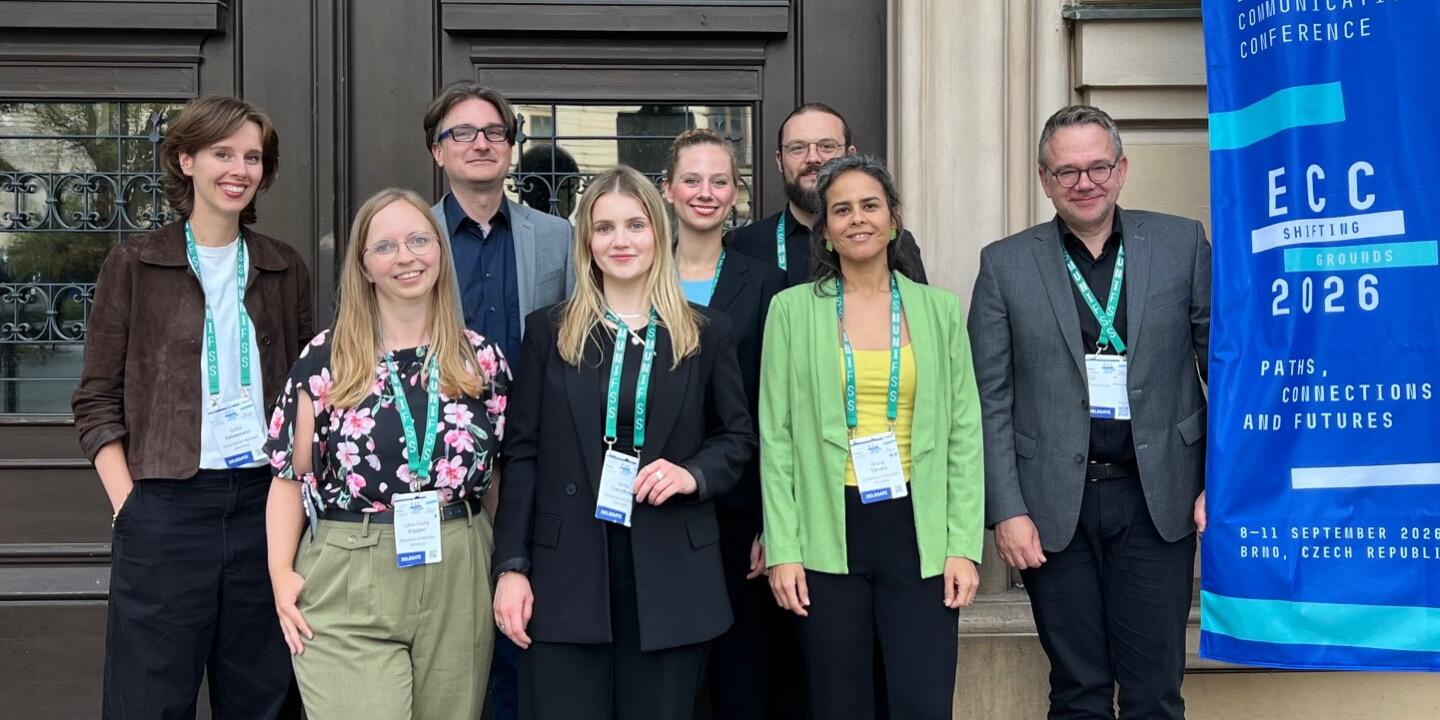
Four days of research, exchange, and new encounters at ECREA 2026 in Brno: Our contributions covered topics ranging from health and political communication to digital activism, journalism, and climate communication. We look back on inspiring conversations, new connections, and many great impressions from Brno.
On September 15, 2026, Tim Vos, Professor in the School of Journalism at Michigan State University, will give a talk on “Rethinking research on journalistic roles”.
The Online Communication Lab is represented with numerous contributions at this year’s 11th European Communication Conference (ECREA 2026). From September 9 to 11, 2026, communication and media scholars will meet in Brno, Czech Republic, to discuss current research and developments in the field.
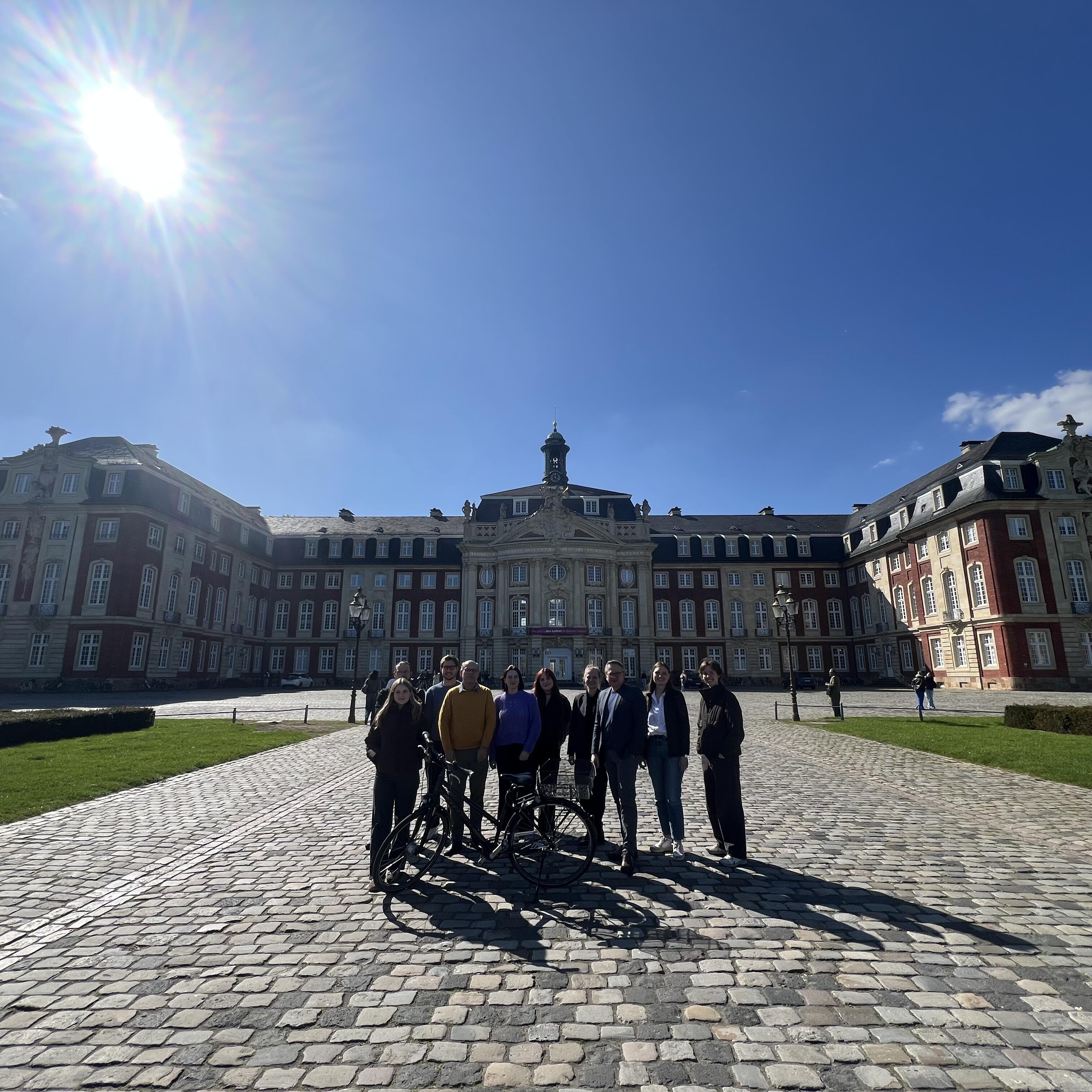
From 19 to 21 August 2026, the OCL welcomed colleagues from the Media Culture & Policy Lab at KU Leuven for a joint workshop in Münster. The workshop focused on shared research interests including gaming, well-being, mis- and disinformation, conspiracy narratives, and the exchange of methodological approaches.
With funding from the Volkswagen Foundation, a new international research project on the strategic use of historical narratives in digital media will begin shortly. Together with partners in Italy and Spain, the research team will investigate how far-right actors instrumentalize history for political purposes and what this means for democratic public discourse.
The article “Epistemic Authority in the Digital Public Sphere”, co-authored by Thorsten Quandt, has received the 2026 ASCoR Denis McQuail Award. The award goes to first author Anne Bartsch.
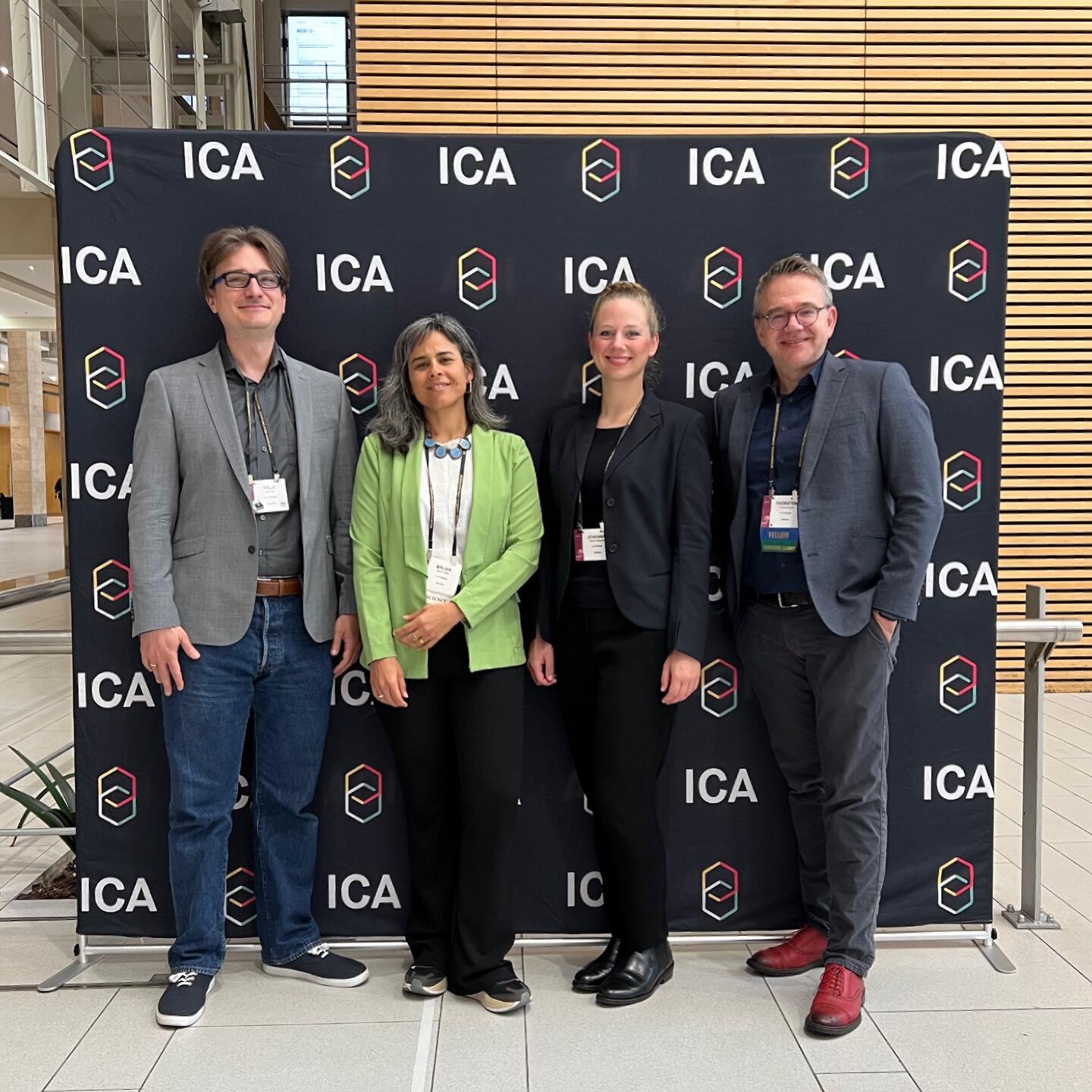
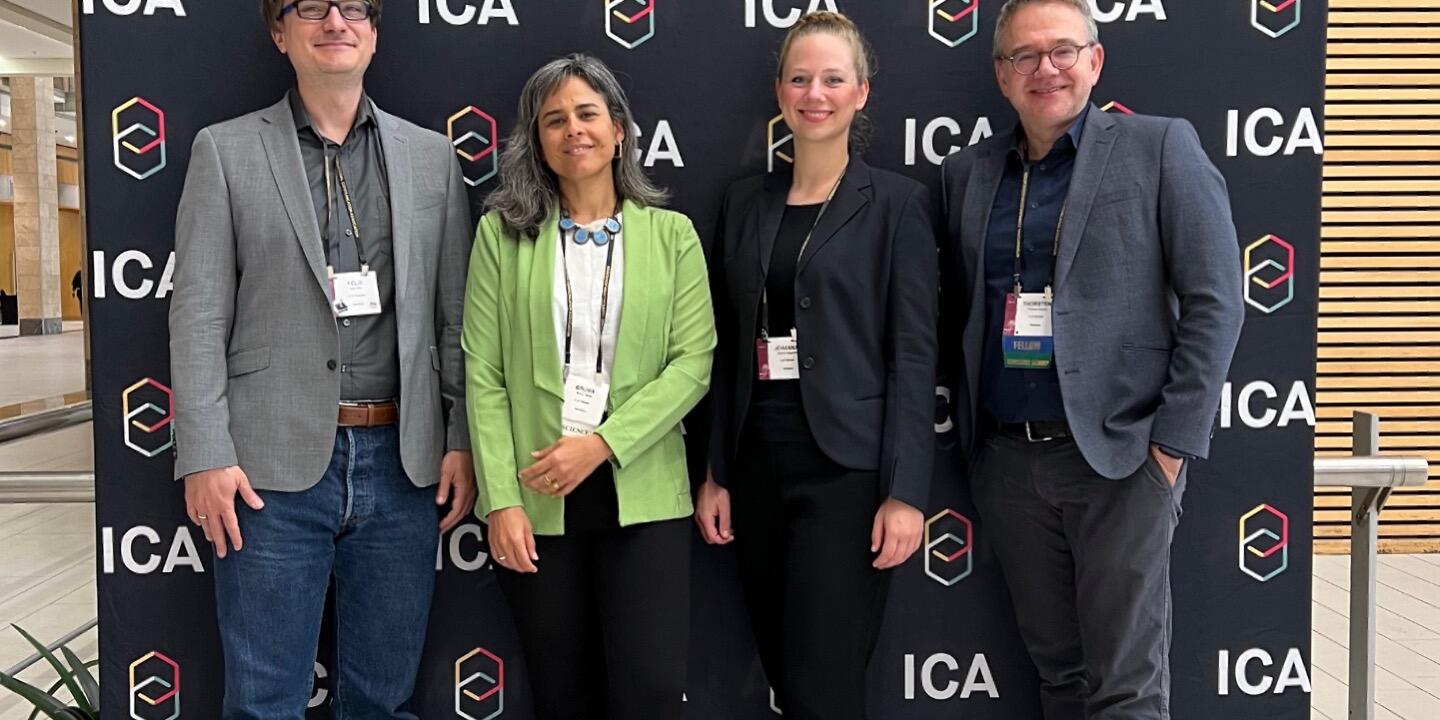
A successful #ICA26 is behind us, and we look back on exciting presentations, inspiring discussions, and the Top Poster Award received by Felix Reer, Saïd Unger, and Thorsten Quandt.
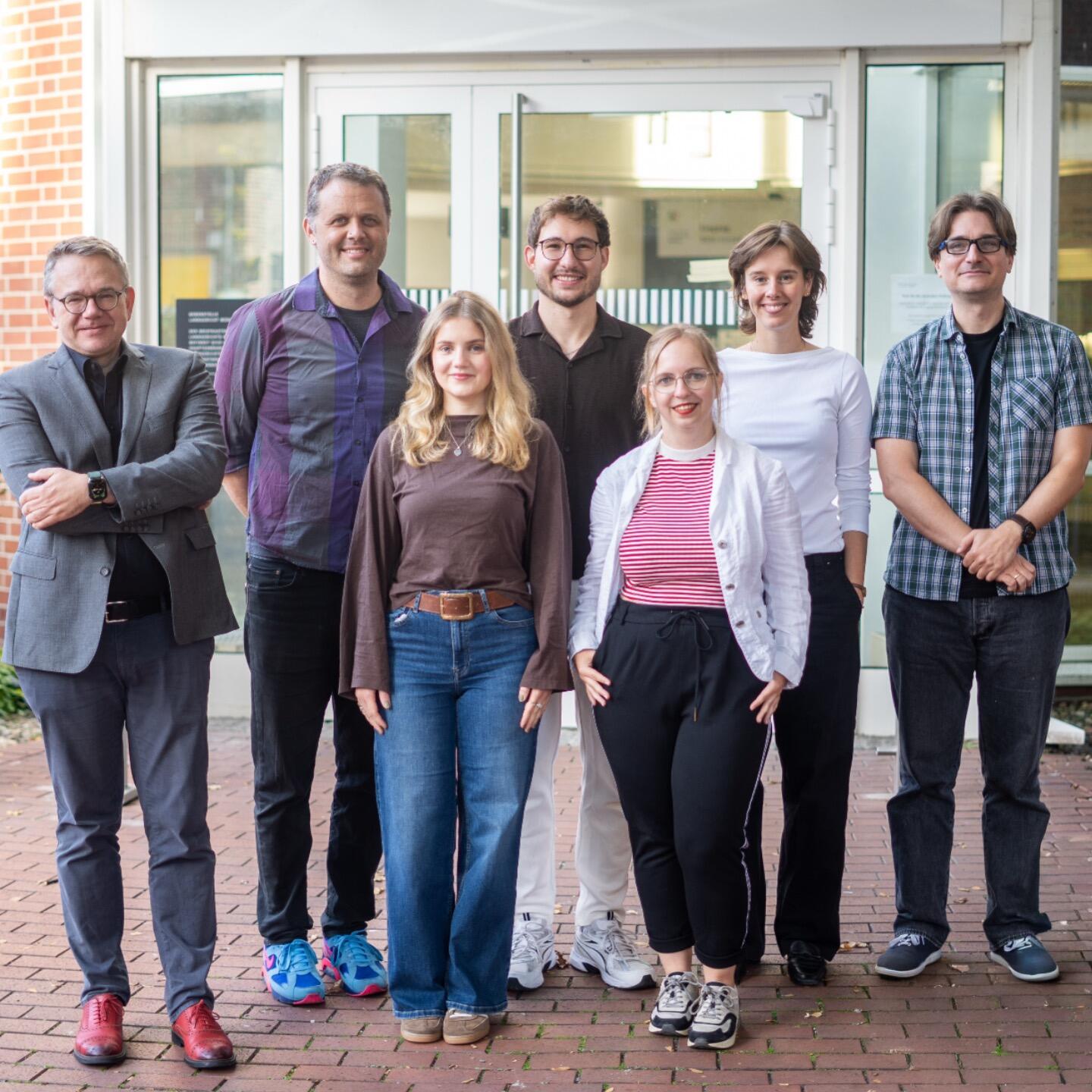
The research team of the ERC project DANCE is now complete. Since the project's launch in March 2026, the researchers have been working together to investigate toxic dynamics in digital youth and online cultures. Learn more about the team.
At the annual conference of the International Communication Association, we present current research from a range of thematic areas. We have prepared an overview of all OCL presentations for you.
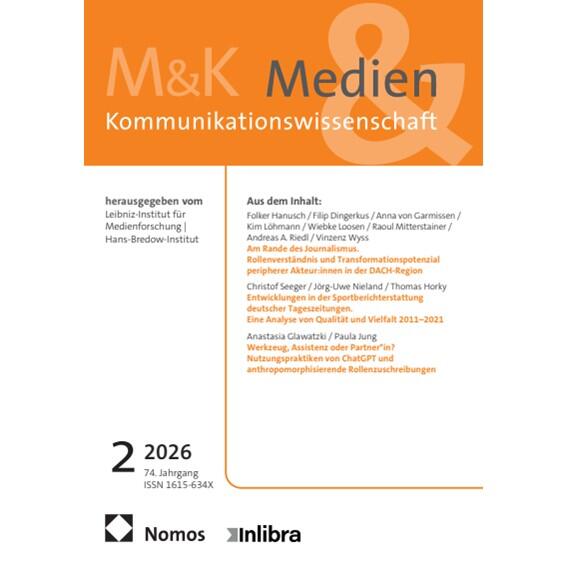
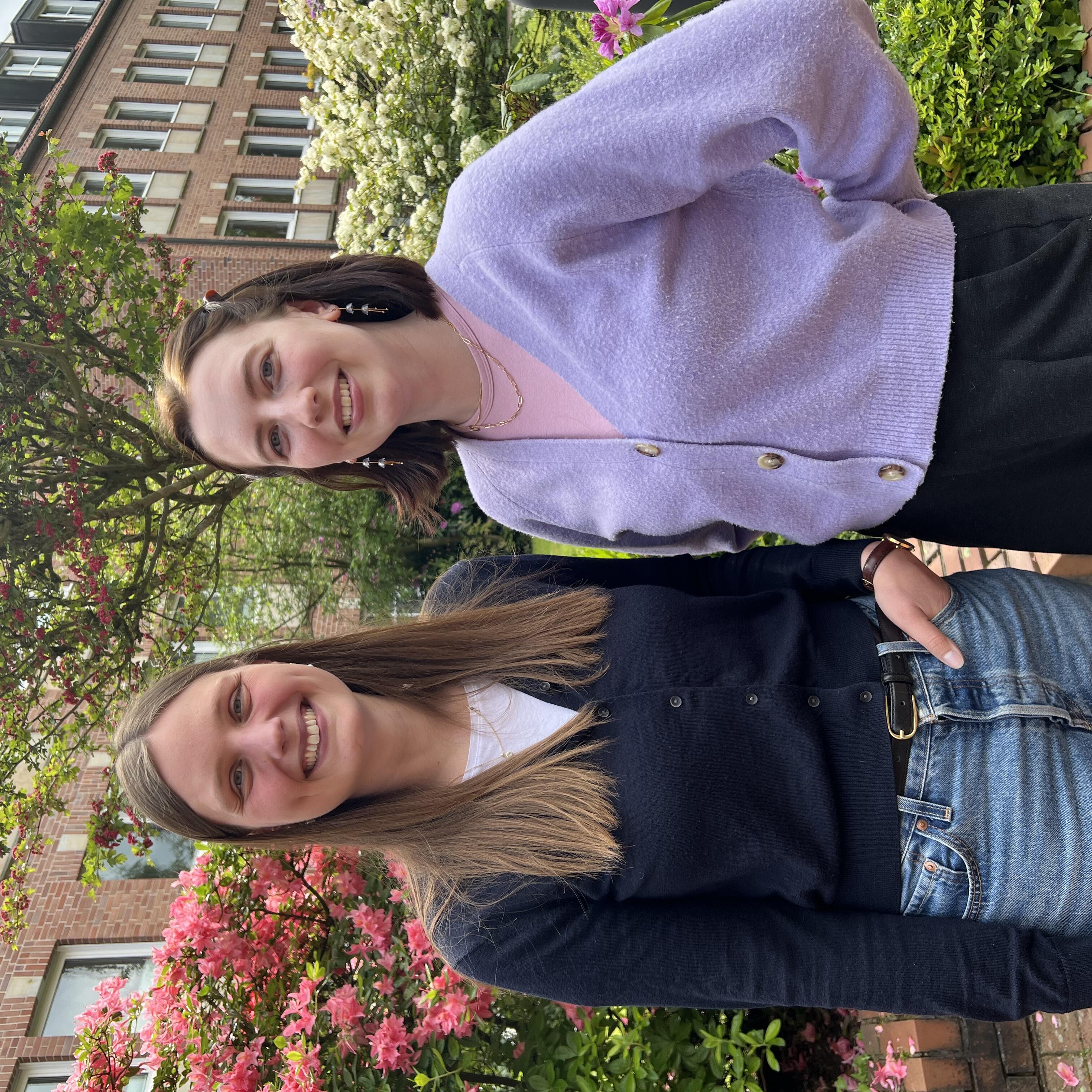
Anastasia Glawatzki and Paula Philine Jung have investigated usage practices of ChatGPT and anthropomorphic role attributions. The interview study was published in the journal Medien & Kommunikationswissenschaft.
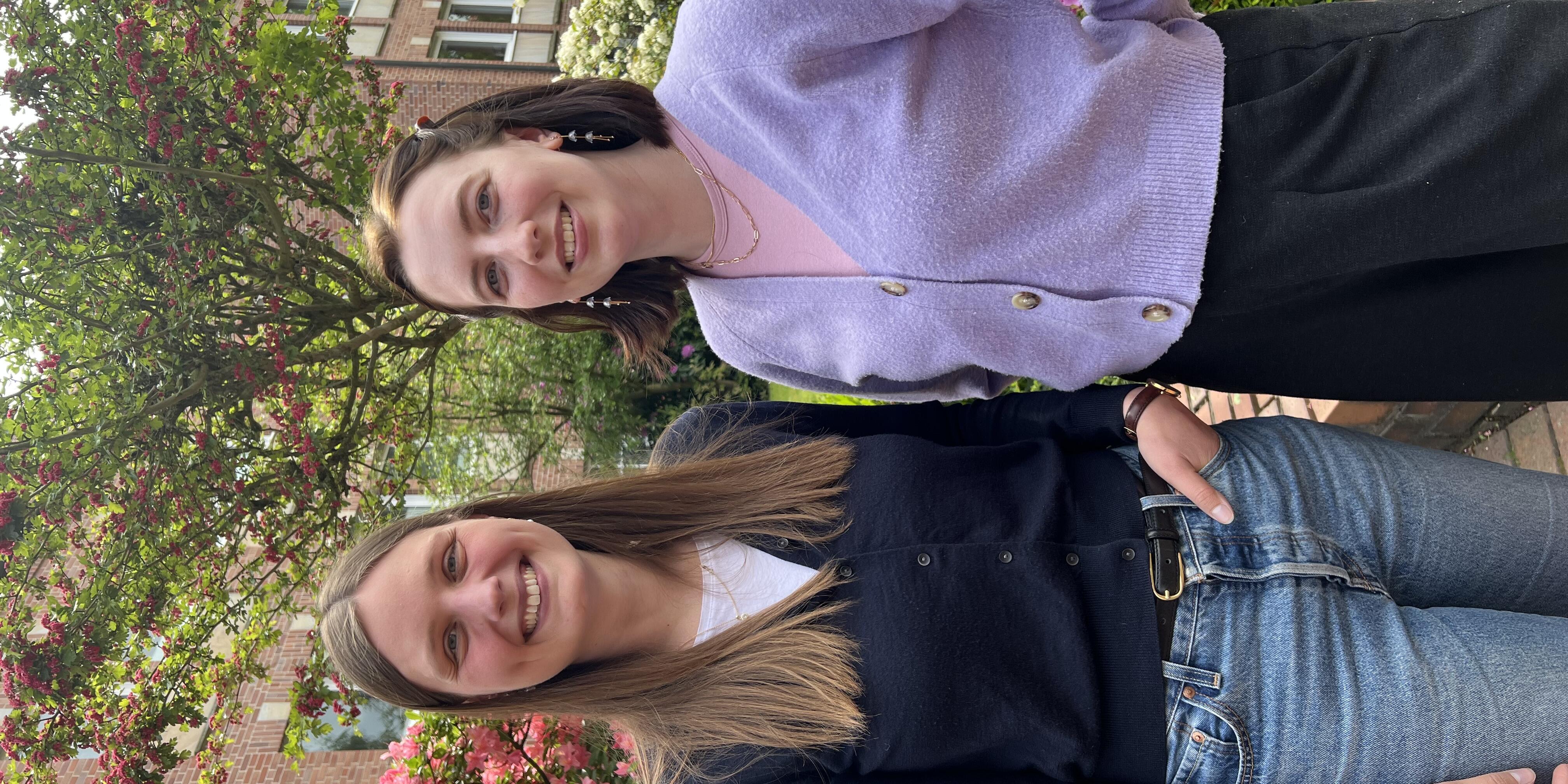
In May, the new collaborative project “SynDIKAT” on synthetic disinformation data for social media research was launched. Paula Philine Jung and Malin Zoe Richter are joining the OCL team as part of this project.
In a newly published article, Shangyuan Wu, Saïd Unger, and Thorsten Quandt analyze how alternative media are understood, practiced, and used in different social and political contexts beyond dominant Western perspectives.
A new book chapter by Thorsten Quandt, Johanna Klapproth, Saïd Unger, and Svenja Boberg examines the growing role of Generative AI in disinformation and public communication through the lens of the five dimensions of Dark Participation.
Prof. Axel Bruns (Queensland University of Technology) visited the OCL. The program included an internal workshop on “Practice Mapping” and a guest talk titled “Revisiting ‘the’ Public Sphere and Its Algorithmically Shaped Publics.”
Last week, the Online Communication Lab (OCL) and the Department of Communication at the University of Münster welcomed Mathias Felipe de Lima Santos who gave a guest talk on “AI to Empower Media, Politics, and Democracy in the Global South?”.
From March 18 to 20, 2026, the 71st Annual Conference of the German Communication Association (DGPuK) took place at the Institute of Journalism at TU Dortmund University. The program also featured several contributions from the Online Communication Lab.
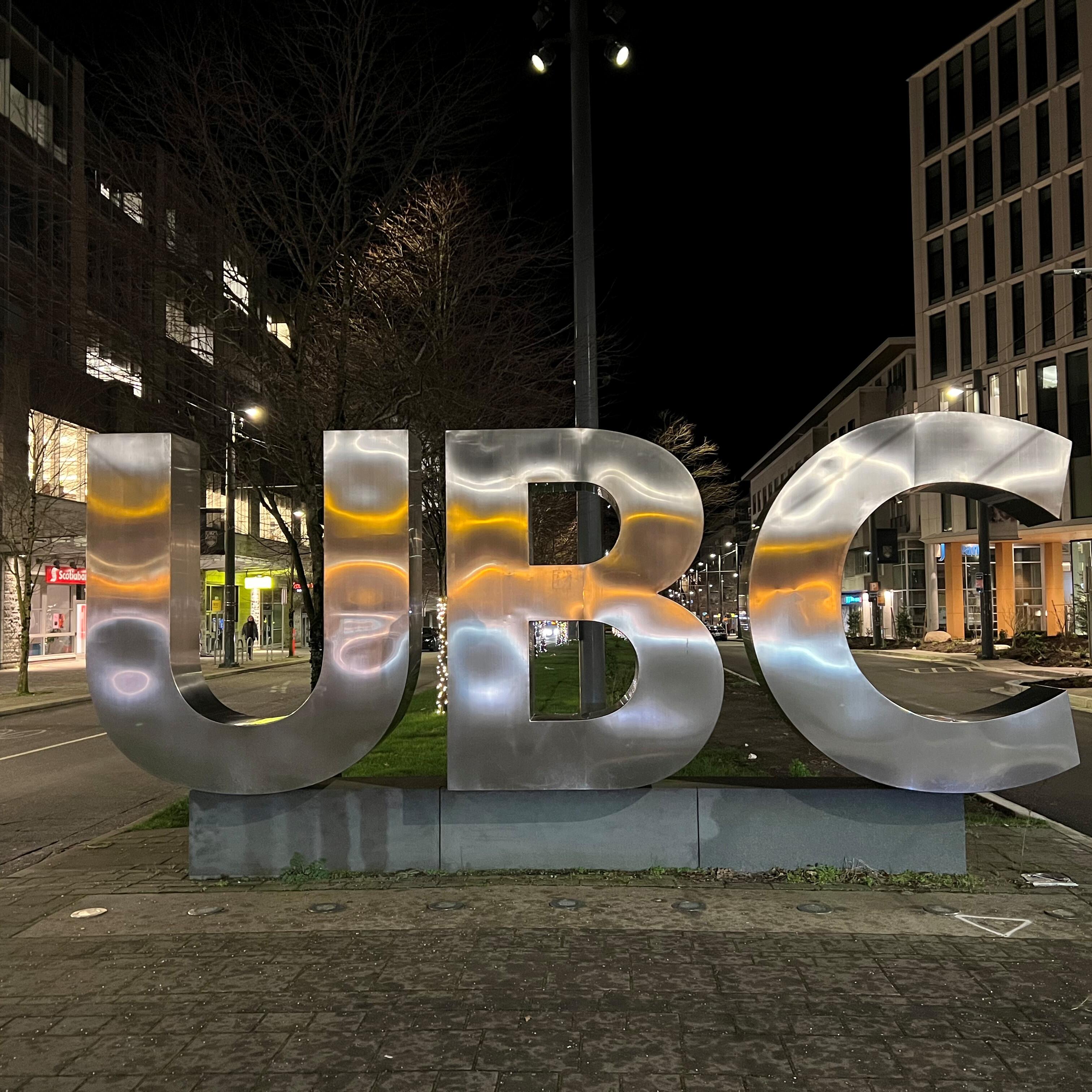
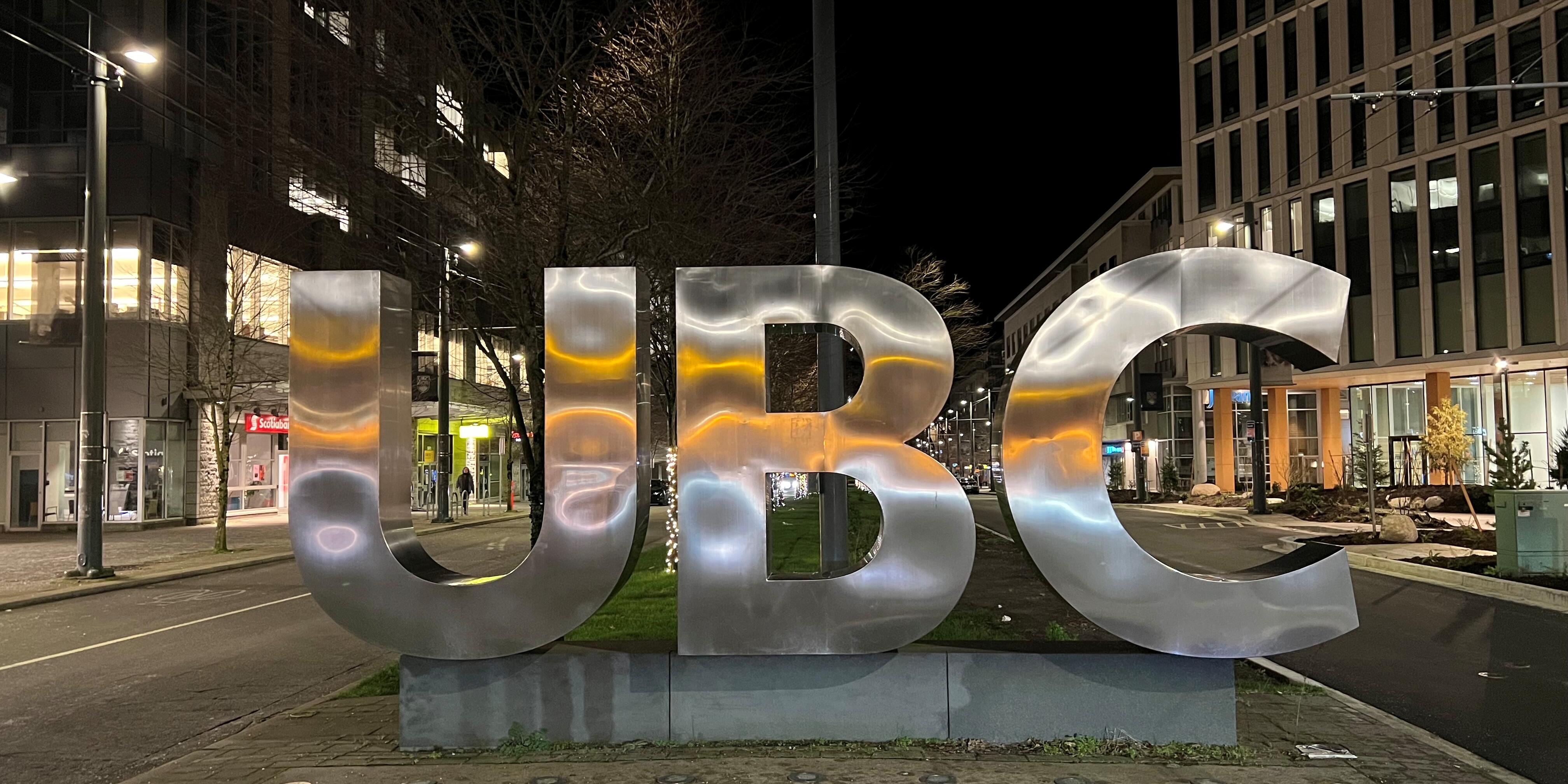
In February 2026, a team from the Online Communication Lab (OCL) followed the invitation of the Bridge Research Consortium and visited the University of British Columbia (UBC) in Vancouver, Canada. Find out more about our stay.
On March 1, 2026, the project “DANCE – Dark Nerd Communities: A multi-method exploration of toxic degradation in the adolescent technosphere” officially kicked off.