

Welcome to the Online Communication Lab!
Digital communication shapes how people interact, process information, negotiate topics, and organize social life. The Online Communication Lab (OCL) at the Department of Communication at the University of Münster, led by Prof. Thorsten Quandt, explores these developments and their impact on individuals, groups, and society.
Our goal is to make digital communication processes visible and understandable - for researchers, students, societal stakeholders, and the wider public.
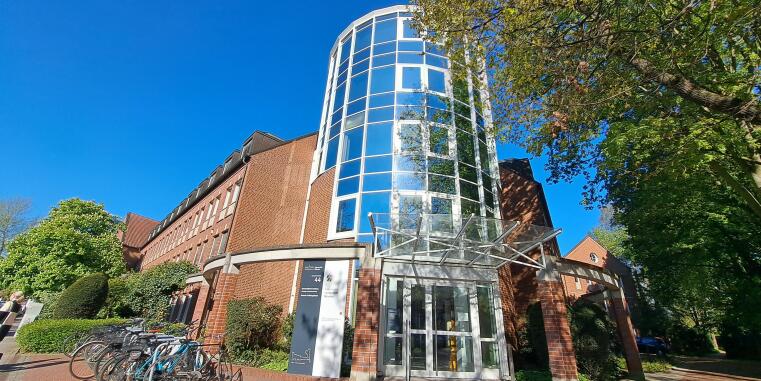
Join the OCL!
Open Position: Postdoctoral Research Associate (Wissenschaftliche*r Mitarbeiter*in, salary level E 13 TV-L)
Starting October 1, 2026, the position will be part of the third-party funded project “Conflict, Religion, Institution,” funded by Bundesministerium für Forschung, Technologie und Raumfahrt. The project offers the opportunity to work with and further develop computational methods to investigate questions related to conflict, religion, and institutions.
Overview:
-
full-time (100%)
-
four-year fixed-term contract
- application deadline: September 18, 2026
For the full job advertisement, please click here.
News


Find more news from the OCL here.