

New Joint Project on Holistic Dry Processing
The sustainable and resource-efficient production of lithium ion batteries is the focus of the new joint project “Ganztrocken - Holistic Development of Lithium Ion Batteries Based on Electrodes Processed Entirely Using Dry Methods,” which will begin in July 2026. Coordinated by MEET Battery Research Center at the University of Münster, five partners from industry and academia will spend the next three years developing an end-to-end process for the dry production of battery electrodes. The goal is to replace the energy-intensive drying step in conventional production processes while simultaneously developing high-performance and sustainable electrode materials. The project has now officially launched with a kick-off meeting in Münster. The German Federal Ministry of Research, Technology, and Space is funding the project with approximately 2.5 million euros.
Further Boost Europe’s Competitiveness in the Global Battery Market
“Dry processing offers great potential for making battery production significantly more energy-efficient and resource-conserving. With this project, we aim to characterize the entire process chain in detail and further develop it for industrial implementation,” explains Dr Katrin Junghans, the project’s scientific coordinator at MEET Battery Research Center. “We will monitor all process steps using highly specialized measurement technology. This level of process understanding forms the foundation for future industrial scaling,” explains MEET project manager Dr Markus Börner, head of the research division “Cell System”.
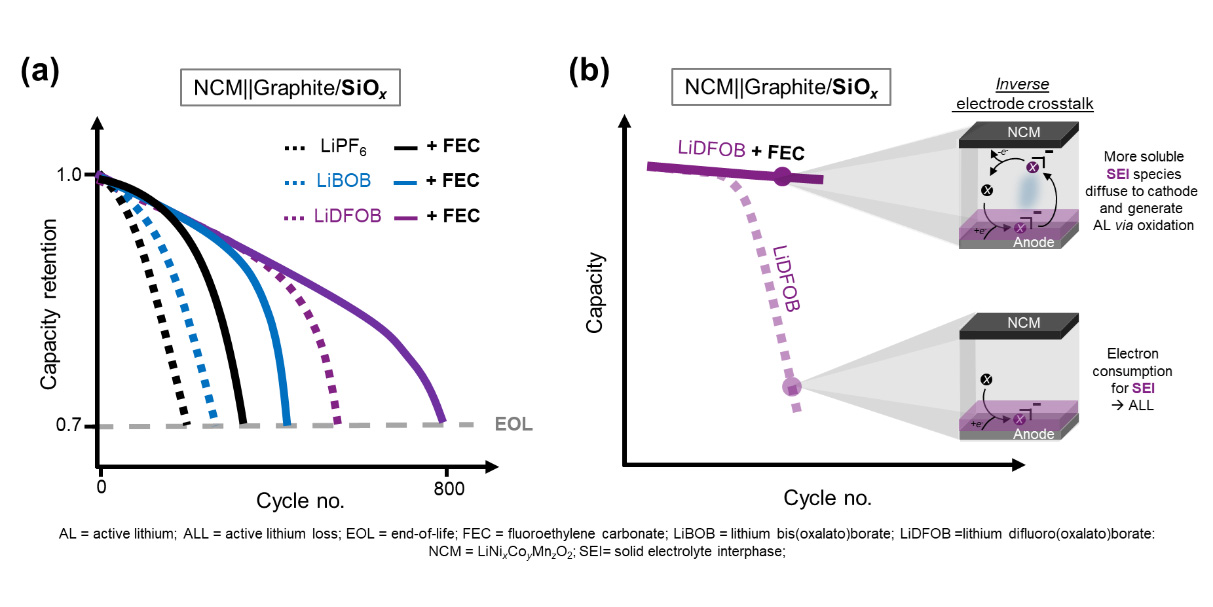
While the production of lithium ion batteries has so far relied on solvent-based processes, the project is consistently focused on solvent-free electrode manufacturing. This allows for the avoidance of energy-intensive drying processes as well as the use of organic solvents. At the same time, the project aims to develop cell systems that do not rely on critical raw materials such as cobalt and nickel, but instead use silicon anodes and LFP/LMFP-based cathodes. A particular research focus is on continuous processing via extrusion with new binder and material systems that can compensate for the significant volume changes in silicon-containing anodes during the charging and discharging process.
Strong Cooperation Between Industry and Academia
Through close collaboration between materials and sensor technology manufacturers, as well as equipment manufacturers, and research institution, the developed processes are intended to be directly transferable to industrial production processes. The project thus also contributes to European sovereignty in raw materials and technology. In addition to MEET as the scientific partner, the industrial partners involved include IBU-tec, Thermo Fisher Scientific, Suragus and Matthews Engineering, which are developing both novel active materials and manufacturing and measurement technologies for continuous dry processing.