On 15 February 2027, the conference “Das (post-)partizipative Museum – wissenschaftliche, kuratorische und digitale Perspektiven” (“The (Post-)Participatory Museum – Scientific, Curatorial, and Digital Perspectives”) will take place. It is organized by the Kommission Materielle Kultur und Museum in der Deutschen Gesellschaft für Empirische Kulturwissenschaft (Commission on Material Culture and Museums of the German Society for Empirical Cultural Studies) and the Centre for Advanced Study “Access to Cultural Goods in Digital Change” at the University of Münster.Participation, understood as the opportunity to access and contribute to cultural assets and institutions, derives from the fundamental right to cultural participation and seeks to give concrete form to this right. The conference aims to engage in a constructive and critical discussion of the concept of participation. In doing so, particular attention will be given to aspects of scientific, curatorial, and digital work in museums.
From 26 to 27 November 2026, the interdisciplinary workshop “Open Science: An Ideal under Scrutiny” will be held by the Centre for Advanced Study “Access to Cultural Goods in Digital Change” and the Deutsche Gesellschaft für Philosophie (DGPhil) e. V. at the University of Münster (scientific organisation: PD Dr. Nicola Mößner, Senior Fellow of the Centre for Advanced Study. In the light of recent developments – the capitalisation of certain Open Science initiatives, the use of Open Access publications as training data for charged Large Language Models (LLMs) as well as some political and societal challenges – aims for a critical engagment with the ideal of Open Science. Which approaches have been successful, and which ones have failed, and why? Do the objectives of Open Science still meet the current demands of our scientific landscape and a world facing various global crises? What might be an alternative to Open Science? The Open Science movement exemplifies the idea of openness, integration, and diversity to address global crises — is this ideal still a guiding principle in today’s world, or do the goals need to be adjusted?
The conference “Trance-Colonial | Beyond Restitution: Reconnecting – Reimagining – Repairing Relations” will take place from 12 to 13 November 2026 at the Rautenstrauch-Joest-Museum (Cologne). It is the concluding event of the research project “PERFORM – Performing Provenance: Contemporary Art, Digital Spaces, and Things from the Cameroon Grasslands”.While the inaugural symposium in Münster (11 November 2026) focuses specifically on the Cameroon Grasslands, the Cologne conference proposes a complementary perspective. It takes the Cameroon case as its point of departure while opening the discussion towards broader artistic, philosophical and societal questions surrounding provenance research, restitution and rematriation. Rather than treating Cameroon as an isolated or essentialised case, the symposium places it in dialogue with artistic positions and critical perspectives from different parts of the world. In doing so, it explores how questions of provenance, restitution, repair and rematriation resonate across different colonial histories, diasporic experiences and contemporary artistic practices. The symposium takes place within the framework of the exhibition “return – Between Past and Future, Another Place Emerges”.
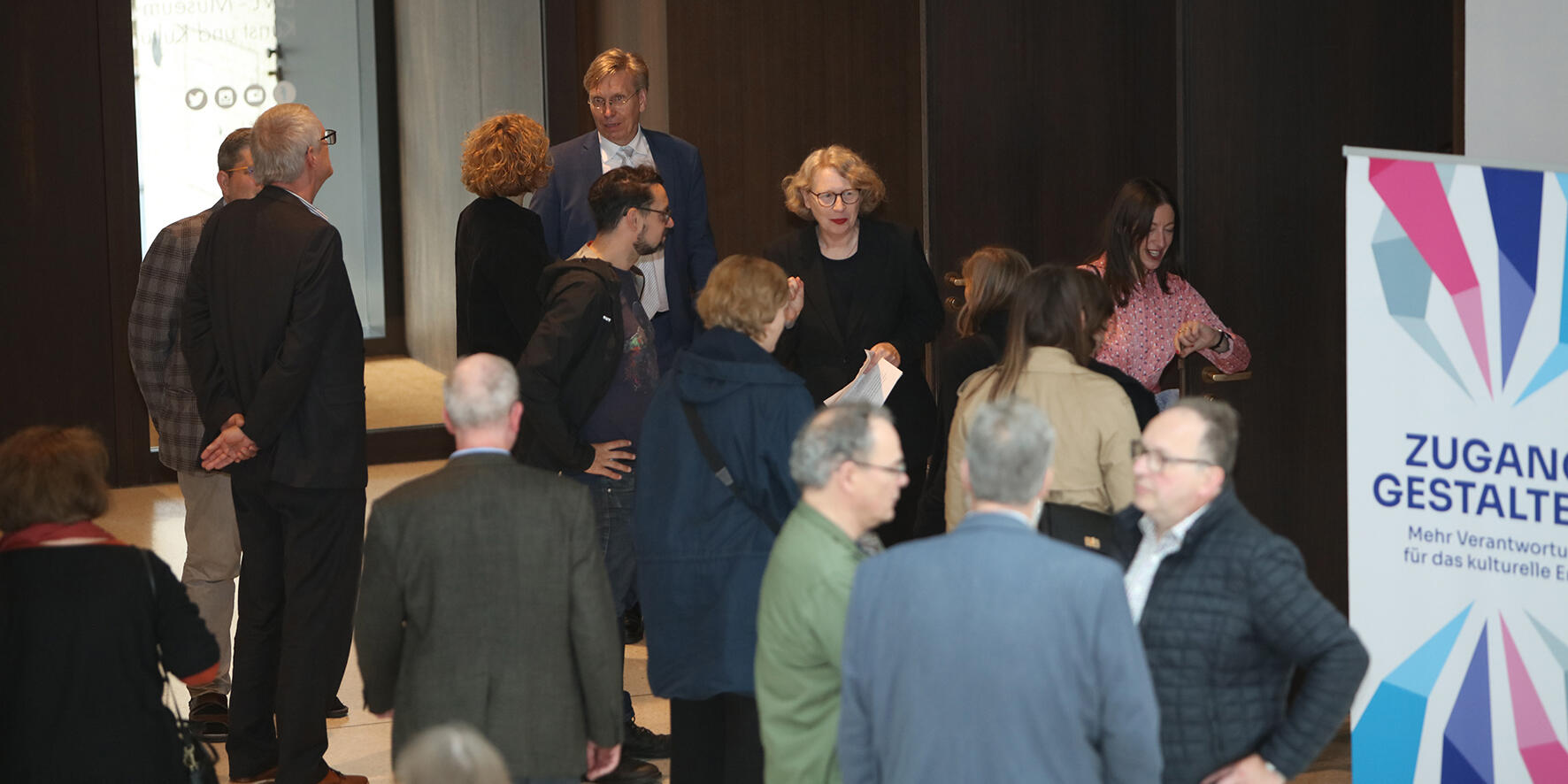
From 30 September 2026 to 2 October 2026, the conference “Zugang gestalten! Mehr Verantwortung für das kulturelle Erbe” 2026 will take place. The Centre for Advanced Study is one of the conference’s partners. Three members of the Centre for Advanced Study will be contributing to the event. The main topic of this year’s conference is “Geschichtspolitik und Erinnerung” (“Politics of History and Memory”): How do cultural heritage institutions deal with the records of the past? Do they use them to support specific perspectives on historical developments, or do they leave the assessment to users and, above all, facilitate access to the sources? Whilst museums, with their curated exhibitions, often adopt a more interpretative approach, archives and libraries traditionally see themselves as institutions that focus on providing access to their collections. However, this division of roles comes under pressure when it comes to a difficult legacy – such as racist or anti-Semitic records: archives face criticism when they appear to grant unfiltered access, whilst at the same time, interventions in cultural heritage institutions based on historical politics are the subject of heated debate. These issues also have a direct bearing on the legal framework within which cultural heritage institutions operate. Copyright law, in particular, has a decisive influence on which records of the past can be presented or made digitally accessible, and in what form. Reflection on such – unintended but de facto effective – effects of the law on the culture of memory and historical narratives has characterised this conference series from the outset and will once again take centre stage in 2026.
How are curatorial practices changing in the wake of digital transformation, and how can we address the resulting ethical, environmental, and social challenges? These questions were the focus of the international conference “Digital Curating: Ethics of Access and Sustainability” organized by the Centre for Advanced Study “Access to Cultural Goods in Digital Change.” Videos of the conference presentations are available online from now on. The first video is the lecture “Curating with the Carrier Bag: Institutional Critique and Feminist Collectivity in the Digital Realm?” by Prof. Dr. Marie-France Rafael (Zurich University of the Arts).
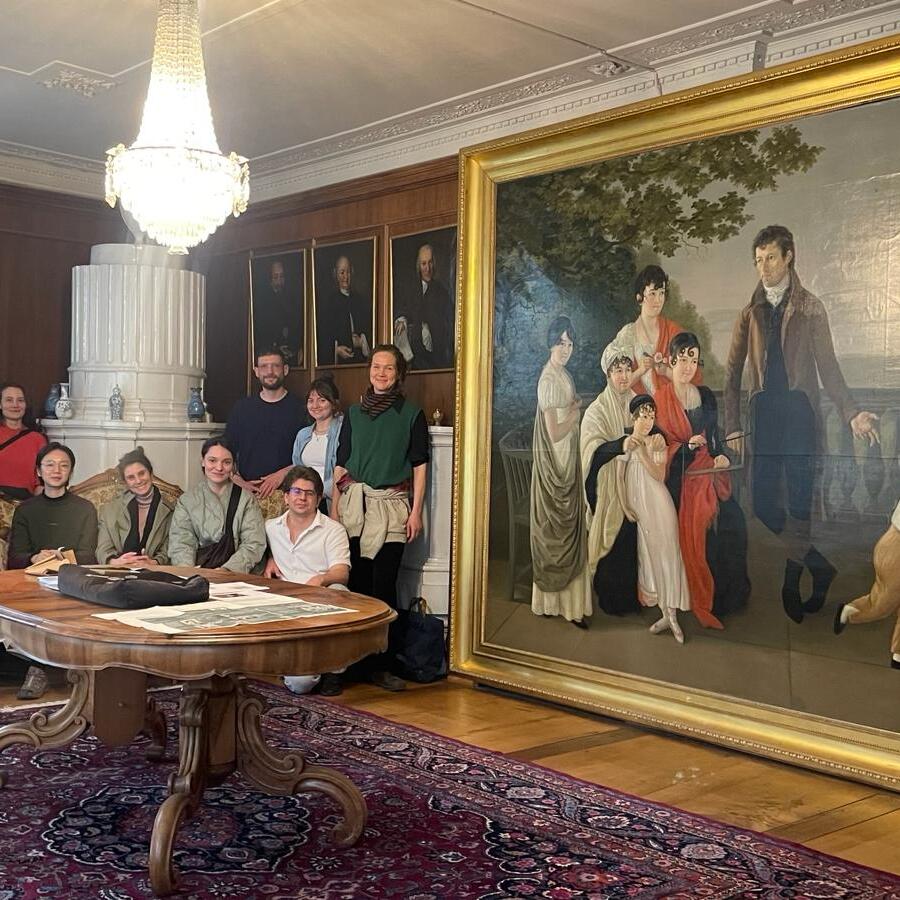
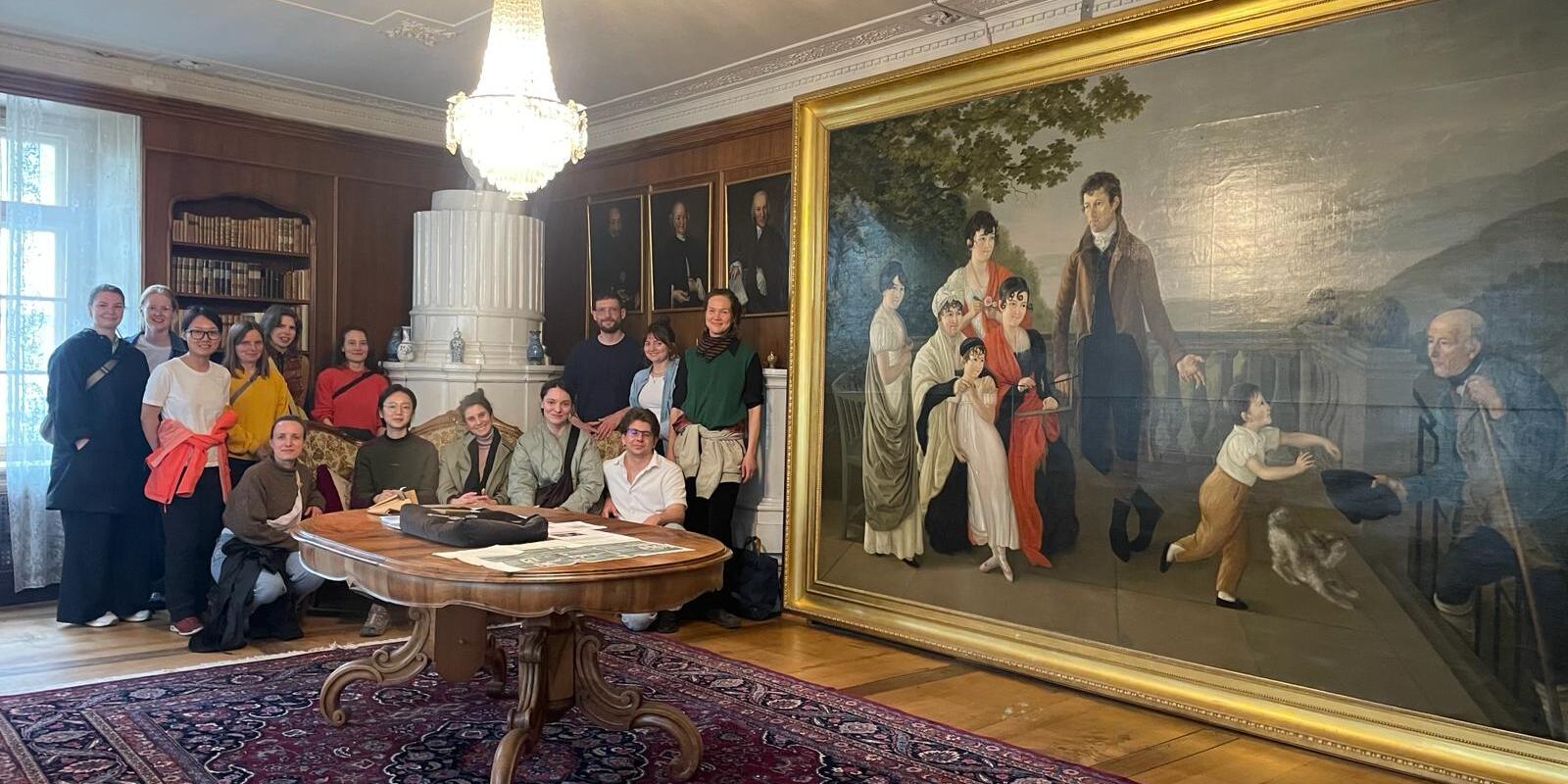
A week of research and teaching, learning and living in (the heart of) the museum: From 27 July to 1 August 2026, the Centre for Advanced Study “Access to Cultural Goods in Digital Change” and the Institute of Cultural Anthropology/European Ethnology of the Uniersity of Münster organised a one-week practical course on current topics and tasks of museums, in cooperation with the LWL-Museum Hellerlecht, Detmold, Westfälisches Landesmuseum für Kultur und Geschichte. Participants gained in-depth insights into the museum as a field of practice, a place of research, a collecting and educational institution, and much more. Under the title “Curating Materialities”, participants gained in-depth insights into the museum as a field of practice, a place of research, a collecting and educational institution, and much more. The course was chaired by Prof. Dr. Lioba Keller-Drescher (Münster), Professor of European Ethnology and In-House Fellow of the Centre for Advanced Study, and International Guest Curator Hon.Prof. Dr. Birgit Johler (Vienna), Curator at the Heeresgeschichtliches Museum Wien, honorary professor of European Ethnology at the University of Vienna and Senior Fellow at the Centre for Advanced Study. Master’s students of cultural anthropology, history, art history and other courses in Faculty 8 (History/Philosophy) at the University of Münster were eligible to participate. The course was also open to Master’s students of museum-related subjects and doctoral students from other universities. The Summer School concluded with the exhibition “(Un-)vergessene Alltagsstars – 14 Objekte aus der Keramik-Sammlung des LWL-Museums Hellerlecht” (“(UN-)forgotten Everyday Stars – 14 Objects from the Ceramics Collection of the LWL Museum Hellerlecht”) .
From 11 to 13 June 2026, the workshop “spawn.agency(): Spielarten und Praktiken digitaler Literatur” (“spawn.agency(): Forms and Practices of Digital Literature”) is taking place. The workshop is a meeting of theDFG network “Wissen der digitalen Literatur” (“Knowledge of Digital Literature”) and is organised in cooperation with “Burg Hülshoff – Center for Literature” and the Centre for Advanced Study “Access to Cultural Goods in Digital Change”. The event explored digital literature in the context of its emergence through the interplay of texts, codes, models, authors and platforms. In this field, knowledge and agency cannot always be attributed to individual actors, but arise relationally from aesthetic, technical and social processes and are shaped by algorithmic structures and data regimes. The second meeting of the DFG network explored how knowledge is formed and made visible within these constellations and examines the intertwining of aesthetic and technical processes, as well as the epistemic potential of digital literature.
On 5 June 2026, the conference “Aufschlagen, Weiterdenken. Künstler*innenpublikationen erforschen: Zugänge zwischen Objekt, Theorie, Geschichte und ästhetischer Praxis” (“Opening up, thinking onwards. Exploring artists’ publications: connections between object, theory, history and aesthetic practice”) took place at the University of the Arts Bremen. The conference was organized by the Artists’ Publications Research Network in cooperation with other partners, including the Centre for Advanced Study. Drawing on selected objects from the collections of the Bremen Centre for Artists’ Publications and the Research Centre for East European Studies, the conference fostered a dialogue between art-historical research and praxis-aesthetic reflection. What experiences do artists’ publications offer when we open them, turn their pages and reflect further? What knowledge do they generate, and what imaginary or actual actions do they inspire? The conference examined how alternative, non-commercial approaches to art are shaped by conditions of production, distribution and reception, and how they are changing in the wake of social and technological transformations.
On 1 June 2026, the documentary film “In den Uffizien” (“In the Uffizi”) by Corinna Belz and Enrique Sánchez Lansch was screened at the Schlosstheater Münster. The film presentation was part of the seminar “Die Ausstellung – ein Format im Wandel” (“The Exhibition – A Format in Transition”) held by Prof. Dr. Ursula Frohne (Co-Director of the Centre for Advanced Study), with the kind support of the filmclub münster as part of the annual theme “Grenzenlos” (“Beyond borders”). The film offers insights into curatorial practice by demonstrating how decisions – often in the form of small, inconspicuous interventions – open up and enable new perspectives on art. The film follows museum director Eike Schmidt, who has played a key role in shaping the Uffizi’s digital transformation, as he engages in discussions with artists, conservators and technical staff, and as he plans an exhibition of sculptures by Antony Gormley. The complex processes behind exhibitions offer a glimpse of how curatorial work extends beyond institutional, geographical and media boundaries. Following the film screening, there was talk with filmmaker Corinna Belz, chaired by Corinna Kühn and Berit Hummel.
From 9 to 13 May 2026, the Centre for Advanced Study held a writing retreat entitled “Zugänge zu Künstlerinnen der Moderne: Auf den Spuren von Sophie Taeuber-Arp in Trogen”. It was aimed at PhD students in art history. A key focus of the writing retreat was the study of the avant-garde artist Sophie Taeuber-Arp (1889–1943), whose home during childhood and youth was in Trogen (Switzerland). To gain an insight into her work, participants followed in her footsteps on site. In addition to developing an approach to Sophie Taeuber-Arp’s work, the focus was on text production: the aim was to alleviate uncertainties in the final phase of the PhD, to structure the working process and to speed up the submission of dissertations.
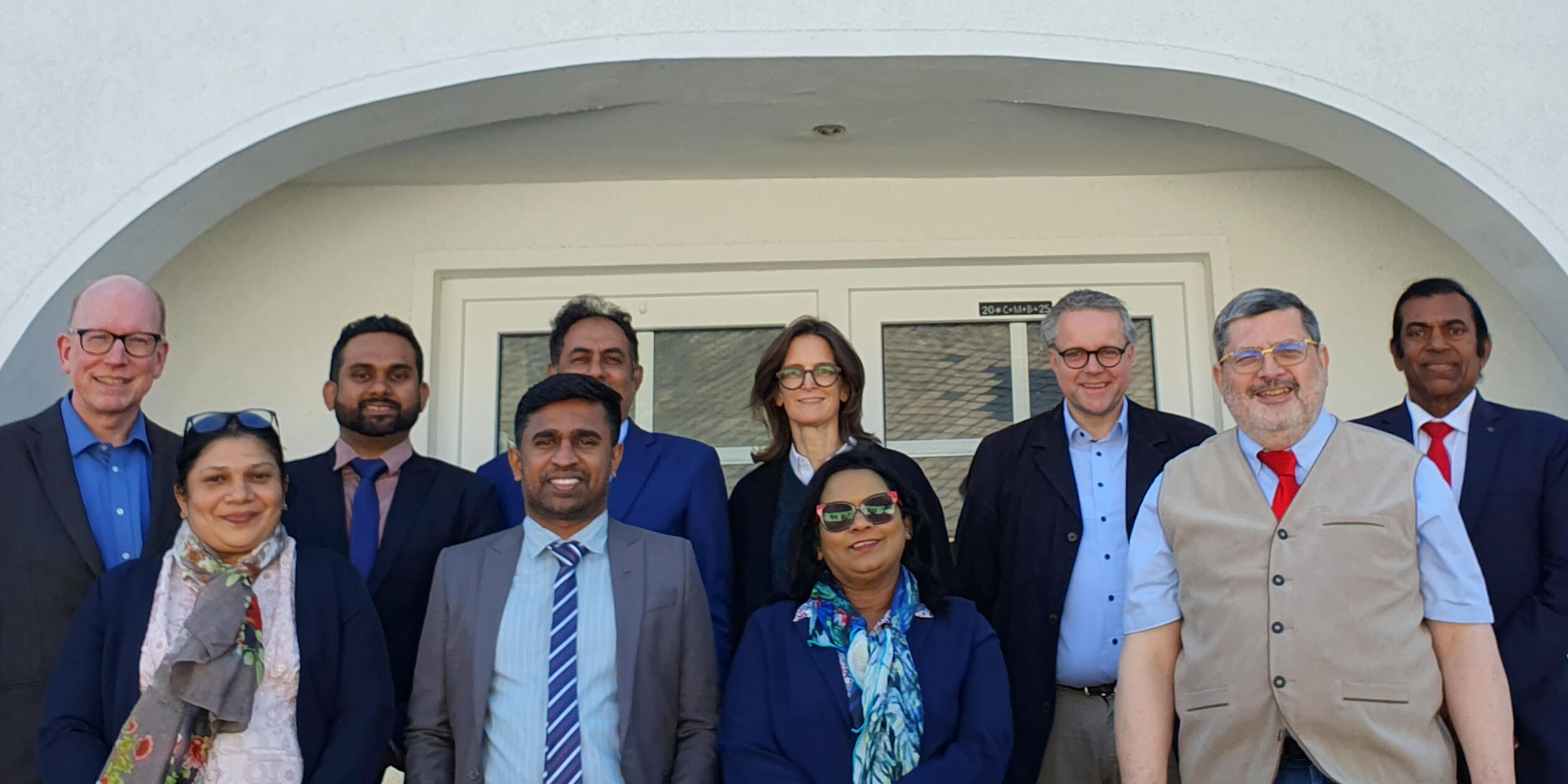
From 20 to 27 April 2026, the research retreat titled “Enabling Knowledge – New Directions for Copyright and Library Law in Sri Lanka” took place. It is part of the research project “Digital Access to Library Content – Legal Frameworks in Germany and Sri Lanka”, undertaken by the Centre for Advanced Study. The research retreat addressed the question how legal frameworks can be designed to meet the demands of digital transformation while sustainably promoting education, research, and the preservation of cultural heritage. Legal scholars, experts in political science and library and information science from Sri Lanka and Germany analyzed key structural deficiencies in Sri Lanka’s library and copyright system and developed suggestions for a new Library Act as well as for amendments to the copyright law of Sri Lanka (Sect. 12, Intellectual Property Act No. 36 of 2003) and an update of legal deposit rules that could contribute to improve the accessibility of cultural goods in digital media and learning environments. The research workshop demonstrated how legal reforms in the fields of knowledge, information, and culture are not merely technical adjustments but are deeply imbedded in social, institutional, and political structures. In the context of digital transformation, it becomes evident that future readiness depends not only on technological infrastructure but also, and crucially, on the quality and coherence of legal frameworks.
How does digitalisation change cultural participation of people with disabilities? Does it open up new ways of access, forms of expression, and spaces for self-determination – or does it create new barriers, standardisations, and exclusions? From 18 to 20 March 2026, the conference “Kulturelle Teilhabe im digitalen Wandel – Ethik, Ästhetik und Praxis des Zugangs zu kulturellen Gütern von Menschen mit Behinderungen” (“Cultural participation in the digital transformation – ethics, aesthetics and practice of access to cultural goods for people with disabilities”, in German) adressed these questions from ethical, aesthetic and practical perspectives. It brought together scientific, artistic and activist forms of knowledge and creates space for dialogue, reflection and joint practice. The programme included lectures, artistic contributions and participatory formats on topics such as universal design, inclusive design, ethical, legal and political frameworks, and media and technology-related perspectives. The event was aimed at researchers, students, cultural professionals, people with disabilities, representatives from politics, administration and civil society, as well as the interested public.
From 4 to 6 March 2026, the international conference“Digital Curating: Ethics of Access and Sustainability” addressed changes in curatorial practices in the wake of digital transformation and the resulting ethical, ecological and social challenges. Experts from museums, universities and cultural institutions discussed how digital technologies are expanding access to cultural heritage, challenging existing hierarchies and enabling new forms of participatory knowledge production. The focus was on questions of authenticity, representation and responsibility in dealing with digital artefacts, reproductions and virtual spaces. The possibilities and risks of artificial intelligence for curatorial processes and the ecological impact of digital infrastructures also were addressed. The aim of the conference was to open up perspectives on sustainable and equitable cultural access in the digital age and to bring together the aesthetic, ethical and ecological dimensions of globally networked cultural practice.
The workshop “Wikipedia Edit-a-thon – Making Media Art Visible” took place from 27 February 2026 to 1 March 2026 at ZKM Karlsruhe. The workshop was a joint project of the Centre for Advanced Study “Access to Cultural Goods in Digital Change”, the Center for Art and Media | ZKM Karlsruhe, and Wikimedia Germany. Who decides which artists are seen – and which receive little attention? Social media plays a role, but the most important and reliable source of information on the internet remains Wikipedia. This is where knowledge is created that is read and used worldwide. At the second edit-a-thon at ZKM Karlsruhe, students could actively help to shape this knowledge and help to give media artists greater visibility online.
The conference “Strukturwandel des Publikums? Konsequenzen des digitalen Wandels für den Zugang zum Theater” (“Structural transformation of the audience? Consequences of digital change for access to theatre”, in German) from 5 to 7 February 2026 focused on the transformation of theatre in the present day. Audiences and performers no longer always share the same physical space; immediate co-presence is being transformed by digital formats. Theatre streaming, hybrid performances, immersive spaces and interactive performances are changing the relationship between stage and audience and also raise the question who makes theatre – and for whom. How is digital transformation changing the conditions of access to theatre, opening up new opportunities for participation and posing potential challenges? How are the aesthetics and social functions of theatre changing, and what are the consequences for the relationship between stage and audience? Does theatre still represent an independent art form alongside film and gaming?
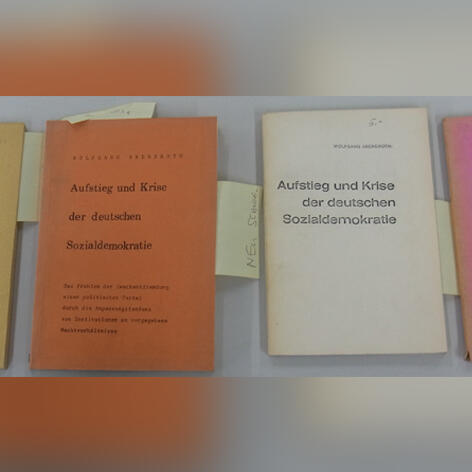
From 27 to 28 November 2025, the conference “Schwarzer Markt für rote Bücher. Zur Raubdruckbewegung der 1960er bis 1980er Jahre in der Bundesrepublik Deutschland” (Black Market for Red Books: On the Pirate Printing Movement of the 1960s to 1980s in the Federal Republic of Germany) took place at the German National Library in Leipzig. The conference was organised by Prof. Dr. Annette Gilbert from FAU Erlangen-Nürnberg, currently Senior Fellow of the Centre for Advanced Study, in cooperation with the German Book and Writing Museum of the German National Library in Leipzig. The event was sponsored by the Fritz Thyssen Foundation. The conference was dedicated to an “alternative” form of literature and book production: pirate printing, which takes place without the knowledge or permission of the authors or publishers and reached its peak in the late 1960s to mid-1980s with the student and left-wing movement in the Federal Republic of Germany. It is of considerable importance for the contemporary, political and intellectual history of the Federal Republic: it was indispensable for the triumph of critical theory, but also for the re-emergence of sociology and the emancipation of political science in Germany.
From 3 to 5 September 2025, the Centre for Advanced Study held a workshop entitled “Digital Restitution: Bridging Access, Conservation, and Ethical Challenges.” The workshop engaged in rethinking restitution in the digital age—where heritage, ethics, technology, and sustainability converge to shape the future of cultural preservation. It brought together scholars, museum professionals, heritage practitioners, and digital technologists to participate in this interdisciplinary discourse on digital heritage preservation and the ethical dimensions of cultural digitization in the field of restitution policies.
A week of researching and teaching, learning and living in (the middle of) the museum: from 21 to 26 July 2025, the Institute of Cultural Anthropology/European Ethnology organized a one-week practical course on current topics and tasks of museums together with the LWL Open-Air Museum Detmold (“Westfälisches Landesmuseum für Alltagskultur”) and the Centre for Advanced Study “Access to Cultural Goods in Digital Change”. Participants gained in-depth insights into the museum as a field of practice, as a place of research, as a collection and educational institution and much more. The Summer School was headed by Prof. Dr. Lioba Keller-Drescher, In-House Fellow of the Centre for Advanced Study. Guest curator was Hon.-Prof. Dr. Birgit Johler, Senior Fellow of the Centre for Advanced Study.
On 2 July 2025, the workshop “Droste Digital – A New Approach to Literature?” (for members and fellows only) of the Centre for Advanced Study took place at Burg Vischering (in German). The workshop was a joint project with Burg Hülshoff – Center for Literature. The exhibition “Droste Digital. Manuscripts – Spaces – Installations”(„Droste Digital. Handschriften – Räume – Installationen“) makes the digitized manuscripts of the poet Annette von Droste-Hülshoff accessible for the first time. Using the example of “Droste Digital”, the workshop focused on the specifics and consequences of digital access to literature in the context of exhibitions.
On 15 April 2025, the workshop “Cultural Participation in the Future Society” took place at Osaka University (Japan). The workshop was a joint initiative between the Centre for Advanced Study and the Graduate School of Humanities at Osaka University, organised to mark the opening of EXPO 2025. The conference examined the potential and significance of inclusive cultural participation in the digital environment. Prof. Dr Reinold Schmücker, director of the Centre for Advanced Study, delivered the keynote lecture on the topic “Access to Cultural Goods in Digital Change”.
The Center for Advanced Study Access to Cultural Goods in Digital Change'smaster class “Access to Contested Collections – Digital and Analog” took place on 2–4 April 2025. Master’s and doctoral students, postdocs, and research trainees working at museums or art institutions who are engaged with collections with colonial backgrounds or artworks and artifacts with sensitive content were invited. The masterclass offered them the opportunity to discuss, together with colleagues from museums and art institutions in an interdisciplinary environment, which new perspectives or challenges arise from digital access to contested collections.
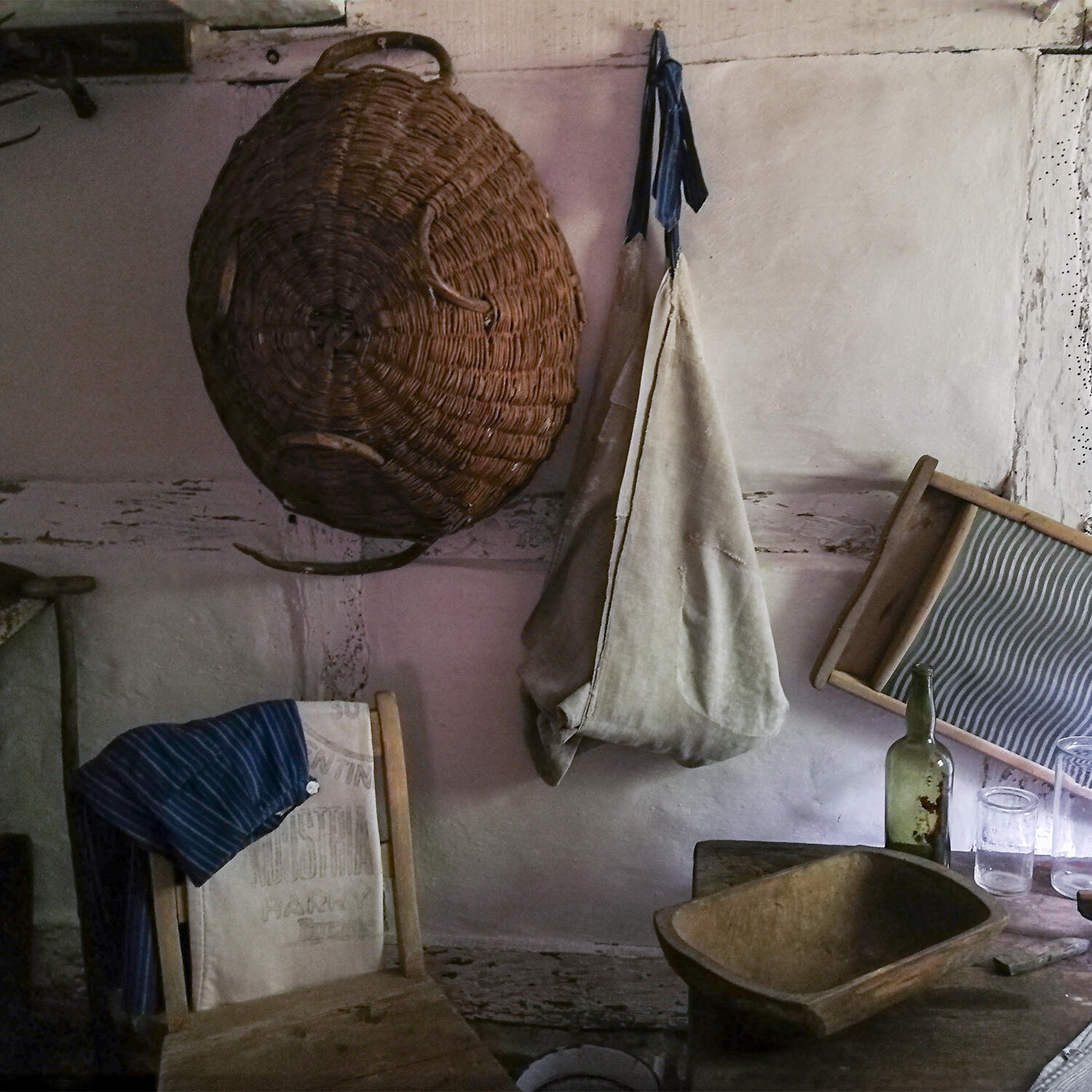
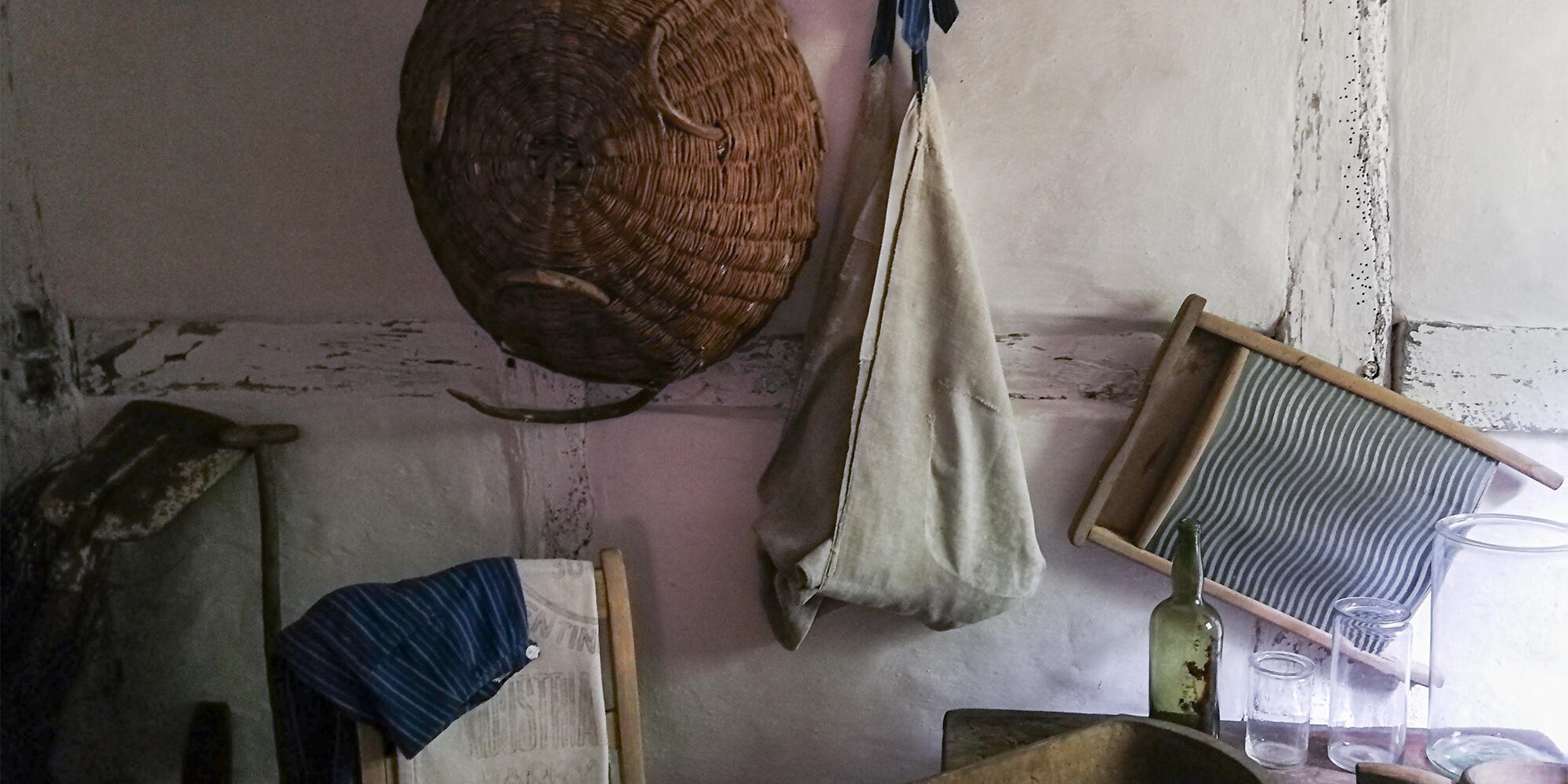
The conference “Zugänge zum Textilen. Wissenschaftliche, kuratorische und digitale Perspektiven.”(Approaches to Textiles. Scholarly, Curatorial and Digital Perspectives. Conference of the Commission for Material Culture and Museum in the DGEKW, Deutsche Gesellschaft für Empirische Kulturwissenschaften e. V.) took place from 11 to 12 November 2024 at the Erbdrostenhof in Münster (in German). Among other topics, it addressed the following questions: How can access to textile collection areas be regained or re-established, and what role can digitization play in the scientific and curatorial re-examination? How does digitality change access to textiles? The conference was organised by Prof. Dr. Lioba Keller-Drescher (Institute for Cultural Anthropology/European Ethnology, In-House Fellow at the Centre for Advanced Study “Access to Cultural Goods in Digital Change”) and Dr. Kirsten Bernhardt (LWL-Museumsamt für Westfalen, Münster).
A week of researching and teaching, learning and living in (the middle of) the museum: from 22 to 27 July 2024, the Institute of Cultural Anthropology/European Ethnology organized a one-week practical course on current topics and tasks of museums together with the LWL Open-Air Museum Detmold (“Westfälisches Landesmuseum für Alltagskultur”). Participants gained in-depth insights into the museum as a field of practice, as a place of research, as a collection and educational institution and much more. It was headed by Prof. Dr Lioba Keller-Drescher, In-House Fellow of the Centre for Advanced Study. Guest curator was Dr. Birgit Johler, Senior Fellow of the Centre for Advanced Study.
From 7 to 10 June 2024, the workshop “Zugang zu kulturellen Gütern: (Rechtliche) Gründe für Zugangshindernisse — (rechtliche) Lösungsmöglichkeiten?” (“Access to cultural heritage: (Legal) reasons for barriers to access — (legal) solutions?”) took place in Gerswalde (Uckermark). The workshop was organised in collaboration with the “Zentrum für Legistik” project of the Federal Ministry of Justice. The workshop analysed a range of access conflicts and barriers to access in various case scenarios. In addition to the legal provisions directly justifying restrictions on access to certain objects, information or representations, the workshop also examined procedural rules and provisions of liability law which, in some cases, make the risk of granting access to objects – even if only potentially – protected by rights seem unacceptable to the responsible parties. Building on the analysis of access conflicts, various approaches were discussed that could help to reduce or avoid restrictions on access that appear to be avoidable.
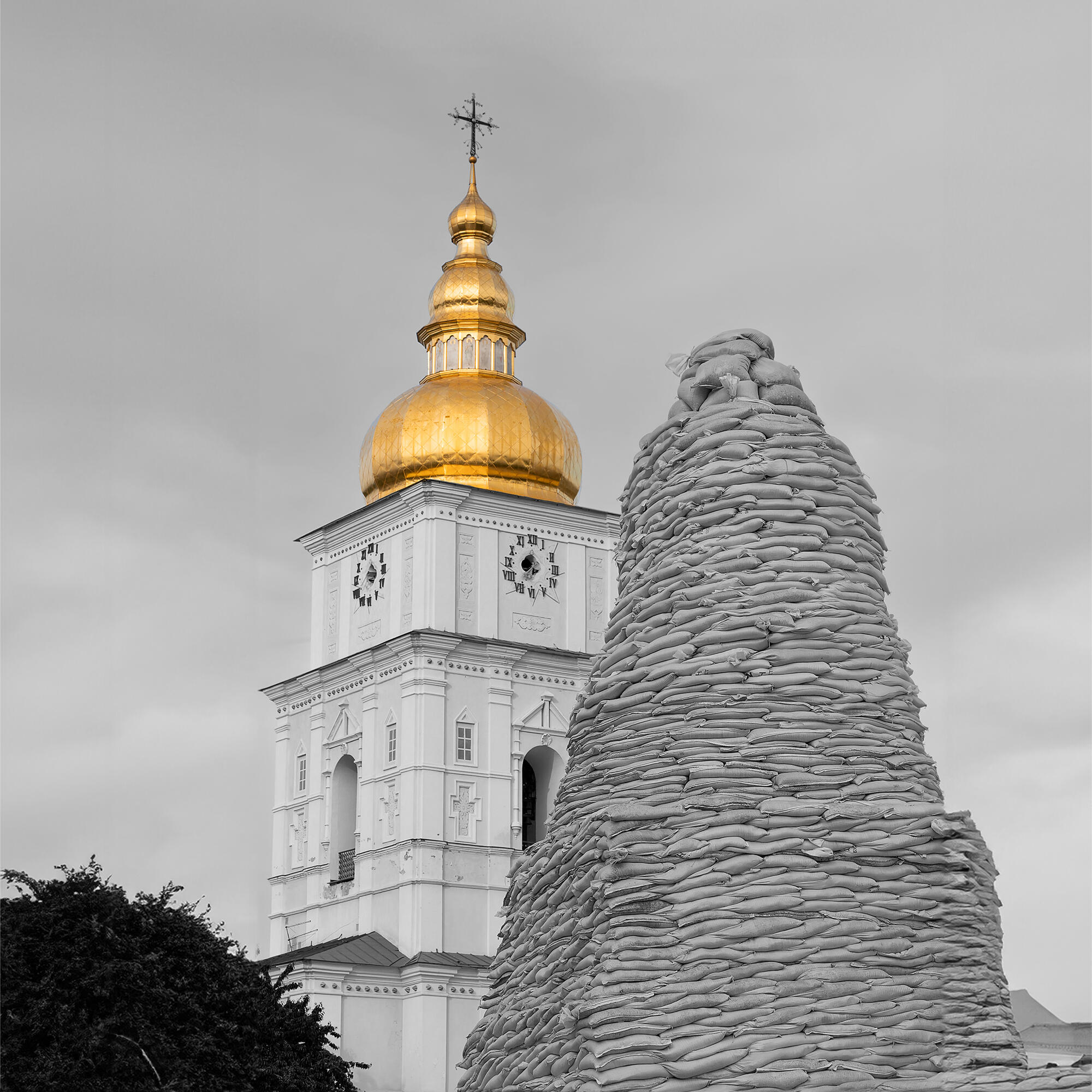
From 4 to 6 April 2024, the Centre for Advanced Study hosted the workshop “Protecting and accessing cultural goods in wartime – Case Studies and Lessons from Armenia and Ukraine”.War not only threatens the lives and physical integrity of people; cultural goods are also at risk of damage and total loss during war. Protecting them in the event of war is an important task for every community, and digitalisation enables new forms and modes of preserving cultural goods or their blueprints that give people access to them in times of war and even more so afterwards. Based on examples and experiences from Armenia and Ukraine, the workshop discussed practical questions and ethical aspects of the protection of cultural goods during war.
Digitization is accompanied by a loss of control and authority of interpretation for established cultural heritage institutions, but at the same time it also offers new opportunities for participation. How can this opportunity be used and at the same time prevent the spread of “powerful lies”? The lecture “Access and loss of control – The new dependencies in the age of AI” by cultural studies expert Dr. Michael Seemann as part of the “Zugang gestalten!” conference is available as a video here.
On 29 September 2023, the workshop “Caroline Tisdall and Joseph Beuys – Photography, Ephemeral Art and Law” took place. What does copyright mean for the accessibility of ephemeral art? Caroline Tisdall worked very closely with Joseph Beuys. But various complicated copyright issues arise when publishing photographs of this joint work. Therefore, many of these photographs remain unpublished to this day. In this interdisciplinary workshop, Caroline Tisdall reported on her collaboration with Joseph Beuys, and legal scholars as well as art historians shed light on the different aspects of accessibility and inaccessibility of the testimonies of their collaboration. It was also discussed whether and to what extent copyright can be used as a means of control contrary to the original intention of artists and in order to prevent free reception. In addition, other aspects were examined, such as the role of publishers, museums, heirs, and other institutions.
From 4 to 6 October 2023, the Centre for Advanced Study “Access to Cultural Goods in Digtal Change” hosted the conference “Zugang gestalten! Mehr Verantwortung für das kulturelle Erbe”. The 13th edition of the conference series was dedicated to the topic “Hindernisse überwinden (Overcoming Obstacles)”: What prevents the digitization of cultural heritage, what hinders accessibility? More than 50 speakers contributed their expertise both in lectures and in parallel working groups. Director of the conference series is Prof. Dr. Paul Klimpel, who is fellow at the centre in 2023.