Fellow Lectures
© Universität Münster | Nora Kluck
| Events
© Stefan Klatt

Fellow Lecture: “Ethical and Responsible Use of AI in Research and Information Science”

On 26 January 2026, Prof. Dr. Nosheen Fatima Warraich (Lahore/Pakistan) gave her Fellow Lecture on the topic of “Ethical and Responsible Use of AI in Research and Information Science”. Artificial Intelligence (AI) is transforming how we conduct research, manage data, and share knowledge. While its potential to boost efficiency and innovation is clear, it also raises crucial ethical questions that researchers and information professionals must thoughtfully address. The lecture discussed how AI tools influence data collection, organization, discovery, and decision-making, as well as the risks they bring – such as bias, misinformation, privacy concerns, and the loss of human judgment. By reflecting on real-world examples, participants learned how to identify and address these ethical challenges while making the most of AI’s capabilities.

| Events
© Greg Allen / apod.li

Fellow Lecture: “‘We believe this work is culturally important’. Reprints im Spannungsfeld von Merkantilisierung und Gemeinnutz”

On 12 January 2026, Prof. Dr. Annette Gilbert gave her Fellow Lecture on the topic of “‘We believe this work is culturally important’ – Reprints im Spannungsfeld von Merkantilisierung und Gemeinnutz“ (“‘We believe this work is culturally important’ – Reprints in the field of tension between commercialisation and public benefit”). The lecture focused on the contemporary reprint industry, which claims to be committed to cultural heritage and has made it its mission to make it (re)accessible. However, this noble cause all too often conceals a business model that takes advantage of the mass retro-digitisation driven by Google & Co., which has made countless public domain works available again, allowing them to be (re)commercialised with little effort. In doing so, they are not only profiting from the fruits of others’ labour. Given the lack of quality control in fully automated production processes, they also damage the works they claim to be saving.

| Events
© Universität Münster | Stefan Klatt

Fellow Lecture: “Zugänge und Ausschlüsse – Kulturelle Teilhabe gestalten”
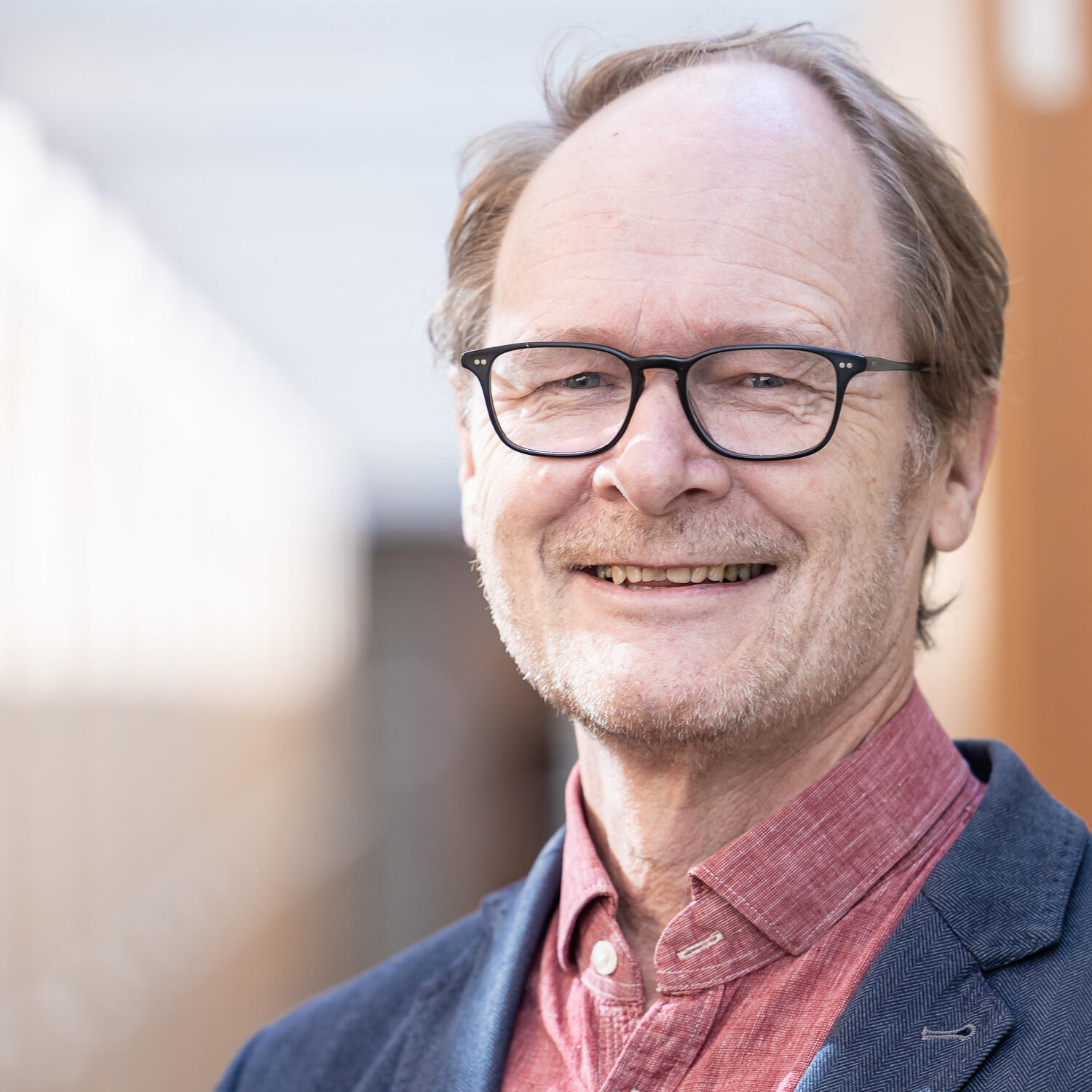
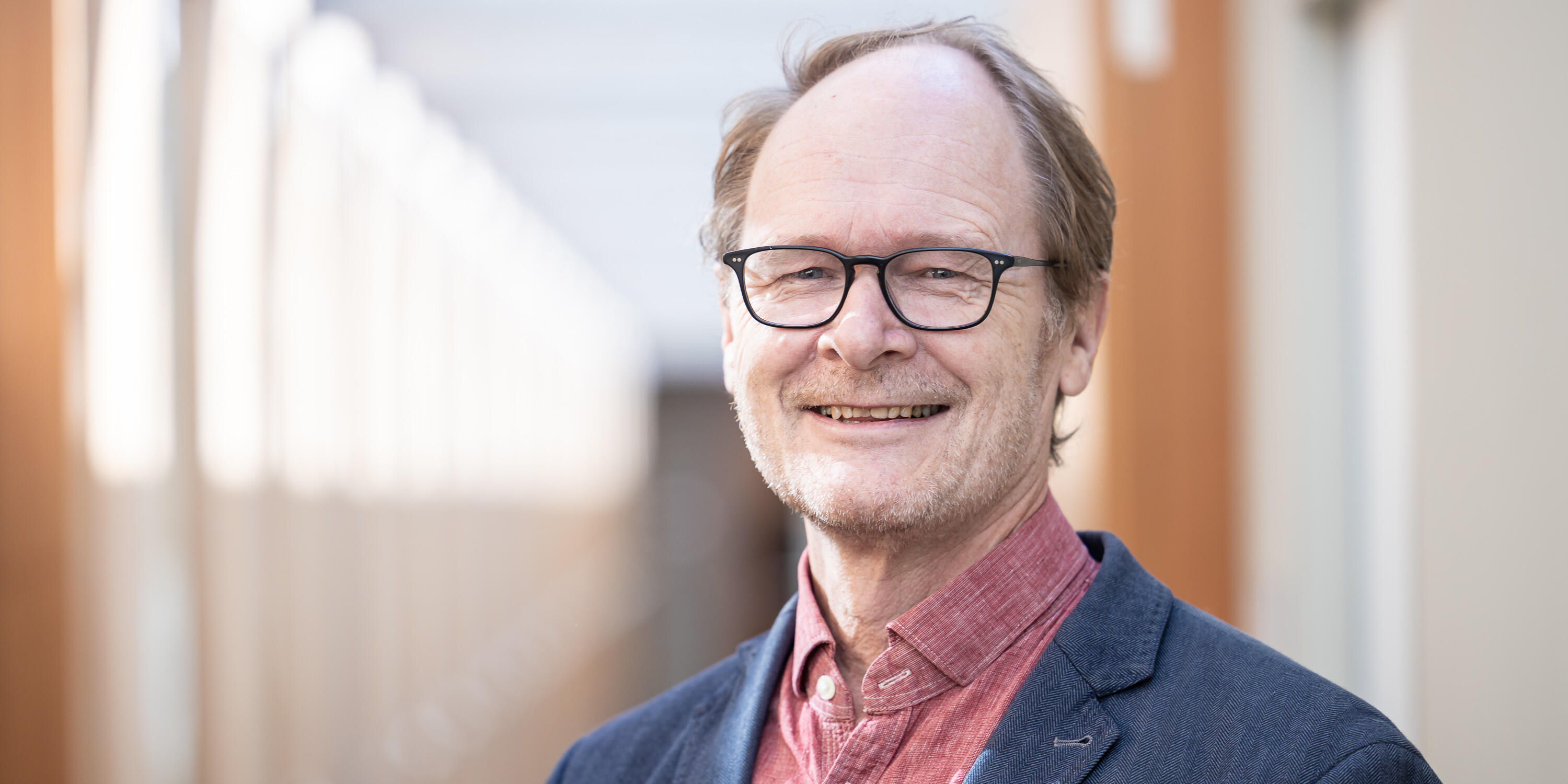
On 15 December 2025, Dr. Hauke Behrendt (Stuttgart) gave his Fellow Lecture on the topic of “Zugänge und Ausschlüsse – Kulturelle Teilhabe gestalten” (“Access and exclusion – shaping cultural participation”). The lecture discussed how digital technologies enable, limit and restructure cultural participation. Digitalisation is often seen as a catalyst for inclusion: it creates new access to art, knowledge and the public sphere. At the same time, new forms of exclusion are emerging. The question of equitable participation in cultural practice is analysed in light of the trilemma of inclusion (Mai-Anh Boger). The lecture argued that cultural participation in digital change should be understood as a reflexive design task. The example of art shows that aesthetic practice can open up a cultural space in which empowerment, normalisation and deconstruction enter into a productive interplay. After the lecture, Hauke Behrendt presented his new book, “Ethics of Digitalisation”.
| Events
© Universität Münster | Stefan Klatt

Fellow Lecture: “Expanding the Scope of Everyday Aesthetics: Possibilities and Threats of Digitalization in Experiencing the Everyday”

On 8 December 2025, Prof. Dr. Arto K. Haapala gave his Fellow Lecture on the topic of “Expanding the Scope of Everyday Aesthetics: Possibilities and Threats of Digitalization in Experiencing the Everyday”. It is only in the past twenty years that everyday aesthetics has established a place as one of the relevant and noteworthy fields in philosophical aesthetics. Urban environments are rich in aesthetic features; they are almost like works of art, requiring consideration and knowledge to be comprehended. Urban environments are also everyday living environments. It is undeniable that digitalization has changed our everyday experiences and our everyday environments – urban environments included – considerably. Digitalization is in many cases an extension of our senses, but it is also an easy route to information needed at a particular moment. The danger is that the more concrete physical surroundings get less attention.

| Events
© pixabay.com/StefanCoders

Fellow Lecture: “Philosophie des Urheberrechts und das Problem der Sperrung des grenzüberschreitenden Zugangs zu Filmwerken”

On 1 December 2025, doc. Mgr. Pavel Zahrádka, PhD (Olomouc/Czech Republic) gave his Fellow Lecture on the topic of “Philosophie des Urheberrechts und das Problem der Sperrung des grenzüberschreitenden Zugangs zu Filmwerken” (Philosophy of Copyright and the Problem of Blocking Cross-Border Access to Film Works). The lecture addressed the philosophical and legal foundations of copyright and their implications for the issue of geographical blocking of online access to film works. Zahrádka argued that restrictions lose their legitimacy when they neither protect the actual exercise of copyright nor are effective after a certain period of time. The lecture therefore proposed that copyright should be understood not only as protection for the author, but also as an obligation to treat cultural content responsibly in the interests of society.

| Events
© Universität Münster | Stefan Klatt

Fellow Lecture: “Der behinderte Zugang zu Kultur – Über Barrierefreiheit und mehr”

On 3 November 2025, Prof. Dr. Siegfried Saerberg gave his Fellow Lecture on the topic of “Der behinderte Zugang zu Kultur – Über Barrierefreiheit und mehr” (“Dis/abled Access to Culture – Accessibility and more”). Against the backdrop of the still inadequate implementation of inclusion and participation in the museum context, Saerberg focused on a number of exhibitions and projects he had curated that sought to link quasi-technical aspects of barrier-free design with valuable moments of participation by potential and actual groups of actors. Finally, he attempted to imagine a digital heterotopia in Foucault’s sense, in which access as a common cultural asset takes place in a multifaceted process of translation. Can digitalisation lead to a transformation of long-established bodily and mental practices, or does ableism merely duplicate itself digitally?

| Events
AI-generated image

Fellow Lecture: “How Nonprofits Are Using NFTs to Foster Cultural Democracy”

On Monday, 20 October 2025, Prof. Dr. Keisuke Takayasu (Osaka/Japan) gave his Fellow Lecture on the topic “How Nonprofits Are Using NFTs to Foster Cultural Democracy”. In his lecture, he discussed how non fungible tokens (NFTs) can create new spaces for minority self-expression and acting as platforms of recognition that bridge communities both within and beyond those directly involved. Drawing on examples from nonprofit initiatives in Japan, the lecture explored how cultural democracy can be advanced through the expansion of cultural participation via digital technologies, and considered the potential of NFTs to contribute to a form of digital welfare.

| Events
© Universität Münster | Stefan Klatt

Fellow Lecture: “The Revolution Will Not Be Televised. Image and social justice in digitalized consumer societies”
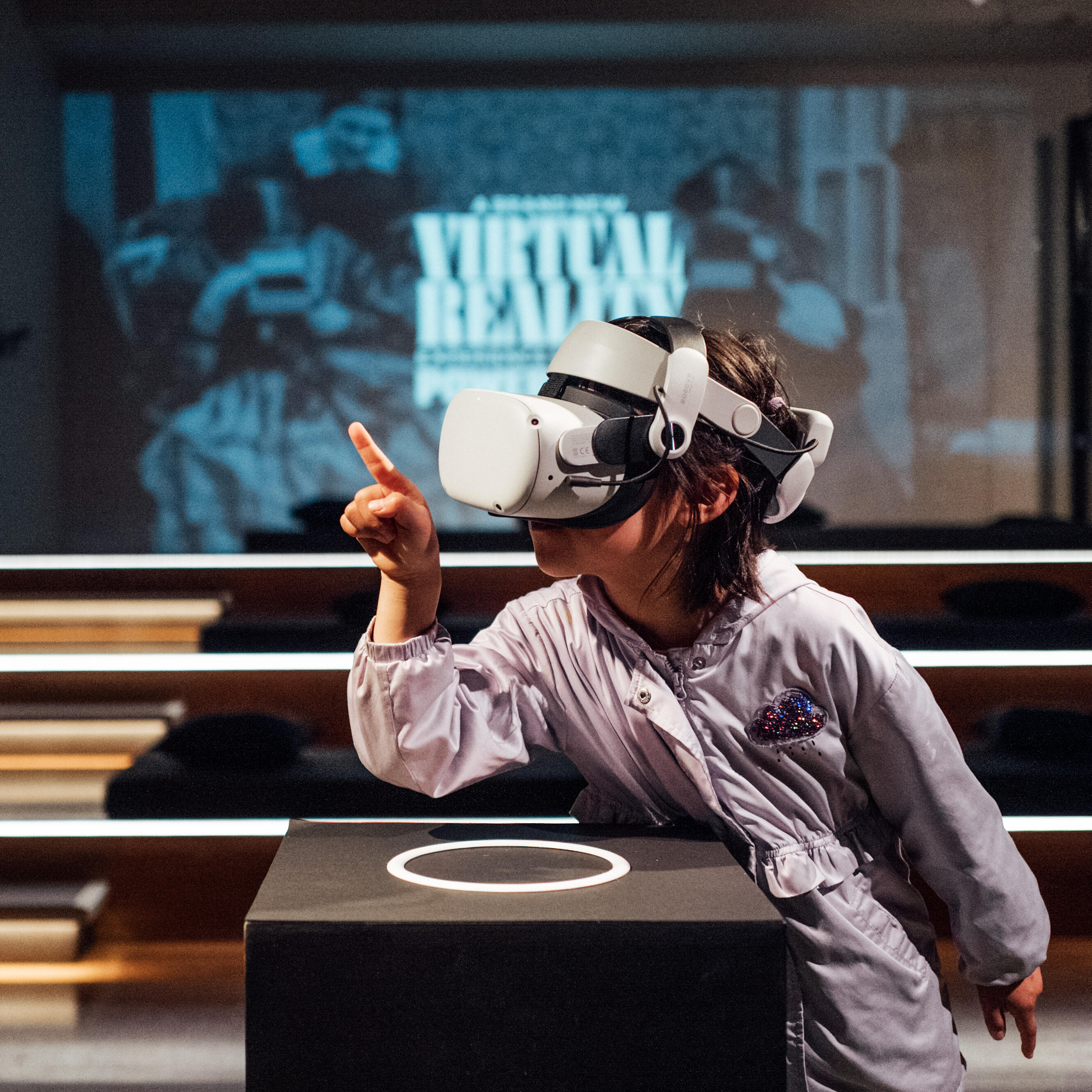
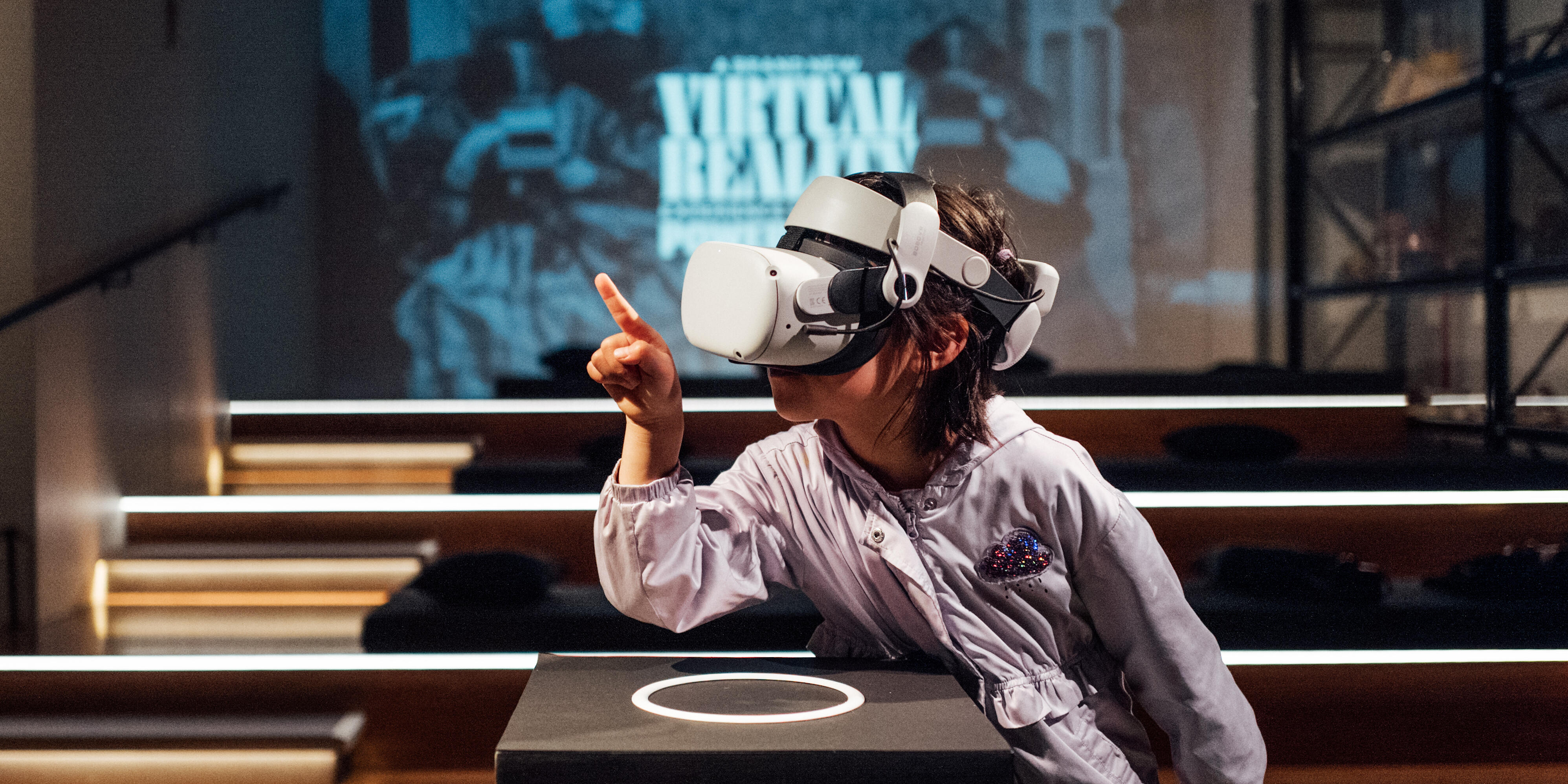
On 14 July 2025, Dr. Christopher Nixon (Hamburg) gave his Fellow Lecture on the topic “The Revolution Will Not Be Televised. Bild und Soziale Gerechtigkeit in digitalisierten Konsumgesellschaften” (“The Revolution Will Not Be Televised. Image and social justice in digitalized consumer societies”): In his lecture, he discussed the relationship between social movements and audiovisual images, which shaped the Black civil rights movement in the US with its protest images and image protests. However, their struggle for social justice was not reflected in contemporary theory, as demonstrated by Jamaican philosopher Charles W. Mills’ critique of John Rawls’ theory of justice, which was outlined in the lecture. Nixon also explored the question of whether digital capitalism today promotes deficient forms of society that make the success of social transformation movements impossible.

| Events
© Julia Guo

Fellow Lecture: “Reimagining Access: Immersive Media for Transforming Cultural Engagement”

On 7 July 2025, Dr. Susanne Thurow (Sydney) gave her Fellow Lecture on the topic “Reimagining Access: Immersive Media for Transforming Cultural Engagement”. The lecture explored the impact of digitalisation on the frameworks of engagement, representation and epistemology within cultural institutions using the example of the experimental installation Victorian Reality. The installation combined interactive 3D visualisation and spatial sound with the physical representation of historical objects and was the centrepiece of a research project by the Powerhouse Museum in Sydney and the iCinema Centre at the University of New South Wales on new, multi-sensory forms of storytelling in cultural institutions.

| Events
© Universität Münster | Stefan Klatt

Fellow Lecture: “Zugang FAIR gestalten: Was sind und was können Referenzontologien?”
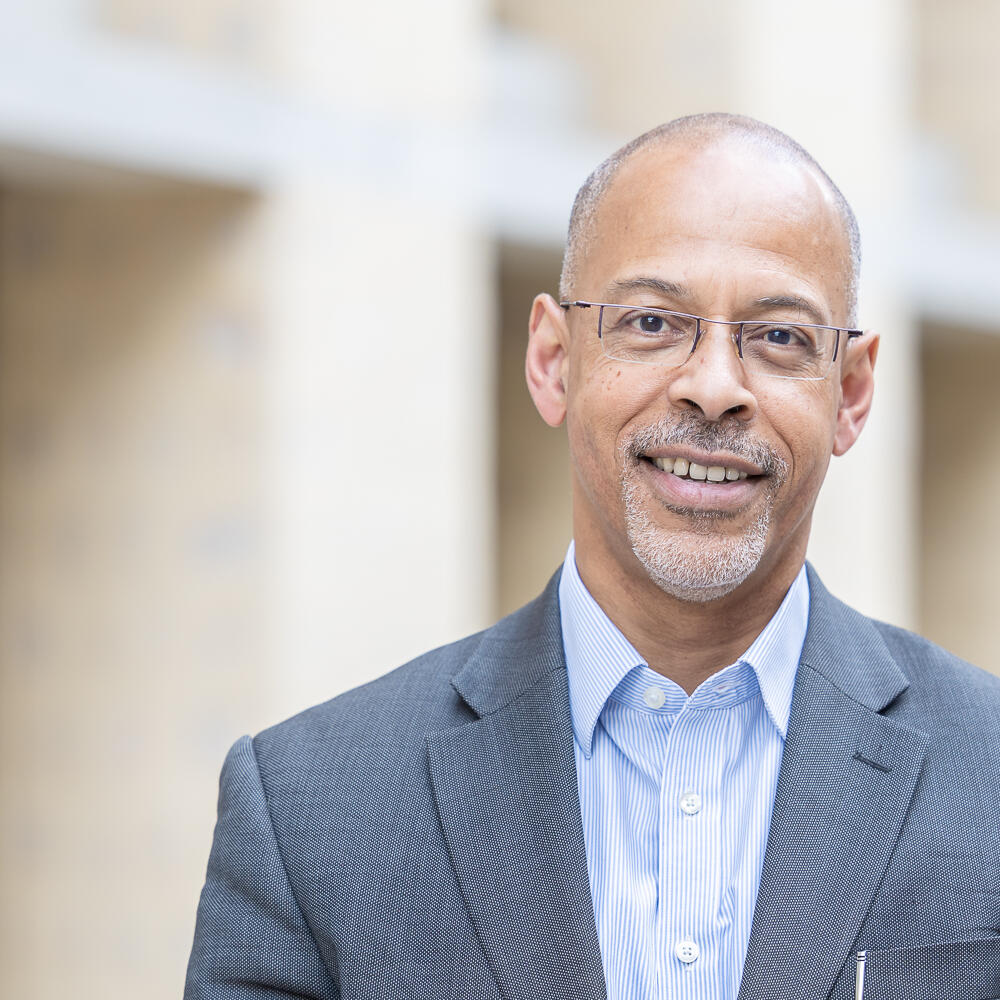
On 30 June 2025, Prof. Dr. Ludger Jansen (Brixen) gave his Fellow Lecture on the topic “Making access FAIR: What are reference ontologies and what can they do?” (in German). Based on the observation that working with digital data often leads to a Babylonian confusion of languages due to different file formats and differently coded descriptions, the lecture examined reference ontologies as a way of giving data a semantics and making access to data reliably FAIR – i.e. Findable, Accessible, Interoperable, Re-Usable.

| Events
© Universität Münster | Stefan Klatt

Fellow Lecture: “Digital guest books – A cultural good that has been neglected until now?”

On 16 June 2025, Prof. Dr. Henry Keazor (Heidelberg) gave his Fellow Lecture on the topic Gästebücher digital – Ein bislang vernachlässigtes Kulturgut?(“Digital guest books – A cultural good that has been neglected until now?”): Guest books are a genre that so far has been left virtually unstudied. What can be gained by analysing them can be illustrated by the example of a planned project that aims to deal with the guest books of the brothers Nicola (1886-1967) and Franz Moufang (1893-1984). Over the decades, a large number of prominent representatives of art, culture and politics signed the guest books, often leaving behind previously unknown works of art. The project sees digital cataloguing in particular as an integral part of the editing process, as it is the only way to enable comprehensive analysis and exploration of the guest books.

| Events
© Universität Münster | Stefan Klatt

Fellow Lecture: “Ur & Alexandria: Counter-narrating museum history to access diverse heritage”

On 2 June 2025, Dr. Isabel Hufschmidt (Vienna) will give her Fellow Lecture on the topic “Ur & Alexandria: Counter-narrating museum history to access diverse heritage”: “Ur & Alexandria” is a project about unlearning museum history that has been established as a meta-narrative by the Global North since the 19th century. Museum history is a pivotal catalyst in the obliteration and loss of diverse heritage and heritage practices. The project offers a counter-narrative for the unlearning process, particularly to deconstruct gender bias and Occidental monopoly in museum history.

| Events
© Universität Münster | Stefan Klatt

Fellow Lecture: “Zugangsdynamiken romantischer Kunst: Zwei Schlaglichter auf französische Malerei”

On 27 January 2025, Prof. Dr. Johannes Grave (Jena) gave his Fellow Lecture on the topic of “Access Dynamics of Romantic Art: Two Spotlights on French Painting” (in German). Based on the realisation that access to cultural goods has a considerable influence on their production and reception, especially in the visual arts, the lecture examined the concrete dynamics of access using two examples from French Romantic painting.  

| Events
© Universität Münster | Stefan Klatt

Fellow Lecture: “‚Page Not Found‘: Zur (Un-)Zugänglichkeit künstlerischer Publikations- und Ausstellungsprojekte im digitalen Zeitalter – eine Bestandsaufnahme”

On 20 January 2025, Dr. Regine Ehleiter (Berlin) gave her Fellow Lecture on the topic “’Page Not Found‘: On the (in)accessibility of artistic publication and exhibition projects in the digital age – a stocktaking”. In her lecture, she reconstructed striking examples of digital artistic publishing from the 2000s and raised the question of the extent to which the ideal of a ‘dematerialisation’ of art that emerged in conceptualism has been realised in the digital age, to the point of making it untraceable. The lecture suggested breaking new ground in the documentation and preservation of digital practices of making art public by drawing on findings from neighbouring disciplines.

| Events
© Universität Münster | Stefan Klatt

Fellow Lecture: “Kunst für alle? Kunstgeschichte, Kunstbegriff, Kanon – Zugänglichkeit und Wertungsfragen im digitalen Wandel”
On 25 November 2024, Prof. Dr Hubert Locher (Marburg) gave his Fellow Lecture on the topic “Art for all? Art history, the concept of art, the canon – accessibility and questions of value in the digital age”. The lecture aimed to show how ‘digitalisation’ has already changed the practice of art history in order to then attempt outlining the effects the ubiquity of the digital has had on the concept of art that is effective today. In the context of the Centre's topic, the lecture will focus especially on questions of ‘accessibility’ in relation to ‘works of art’ and in general with regard to cultural goods, problematizing questions of selection and evaluation from the perspective of the history of science and media. The lecture will be held in German.

| Events
© Universität Münster | Stefan Klatt

“Digital Access to Library Content – Legal Frameworks in Germany and Sri Lanka”

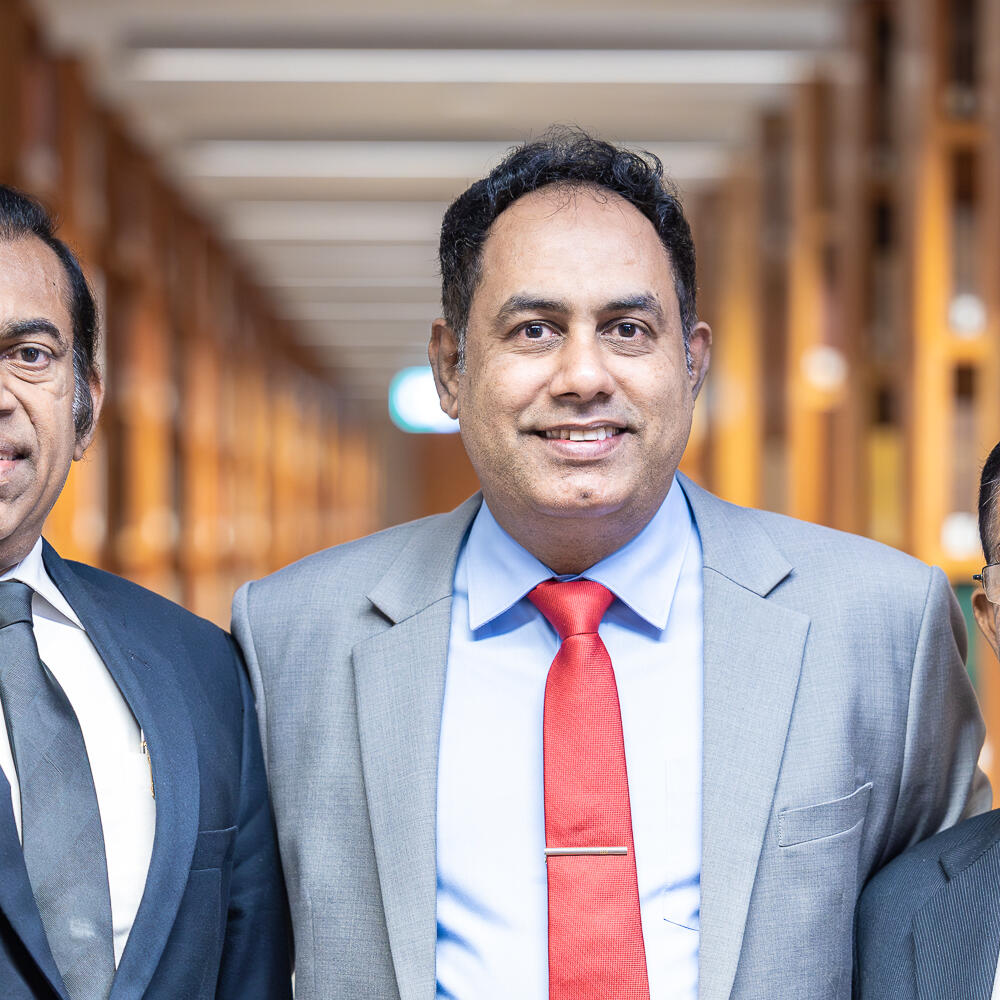
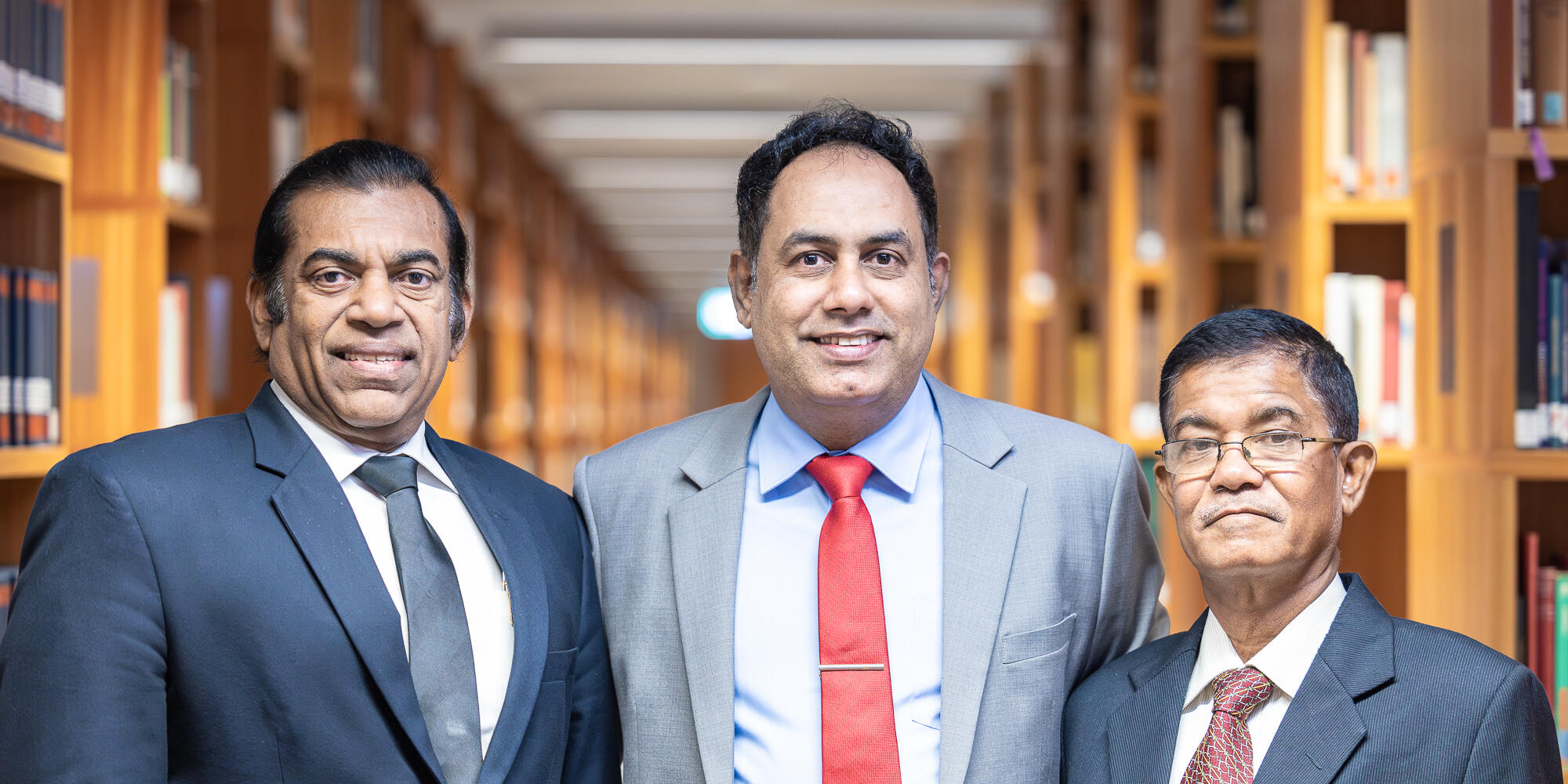
On 15 July 2024, the senior fellows Dr. Prathiba Mahanamahewa (Univ. of Colombo), Prof. Dr. Nishantha Sampath Punchihewa (Univ. of Colombo) and Prof. Dr. W. K. M. Mervin Kumara Weerasinghe (Univ. of Kelaniya) gave an insight into the topic „Digital Access to Library Content – Legal Frameworks in Germany and Sri Lanka“ in their lecture.

| Events
© Universität Münster | Stefan Klatt

Fellow-Lecture: “‘Cultural Appropriation’. Questions about a concept”

On 8 July 2024, Prof. Dr. Thomas Gutmann held his Fellow Lecture “‘Cultural Appropriation’. Questions about a concept“. In his lecture, he  discussed whether cultural appropriation is suitable as a tool of criticism, how other concepts are important to be differentiated from it and what makes a group a possible legal entity with regard to cultural property and inheritance. Thomas Gutman’s lecture was followed by a vivid discussion containing both positive comments as well as critical questions.

| Events
© Universität Münster | Stefan Klatt

Fellow Lecture “Embodied Aesthetics”
On 17 June 2024, Dr. Fatmeh Masdari presented in her lecture titled “Embodied Aesthetics – Exploring the Creation and Perception of Artistic Works in the Realms of Human Cognition and Artificial Intelligence” some theses from the project of her second doctoral thesis, dedicated to the investigation of AI-based art. In addition to discussing the societal impacts of AI-generated artworks on the accessibility of art in general, Masdari also explored how AI art could alter our understanding of human aesthetic experience.

| Events
© fotografiche.eu | Adobe Stock

Fellow Lecture by Prof. Dr. Erhard Schüttpelz
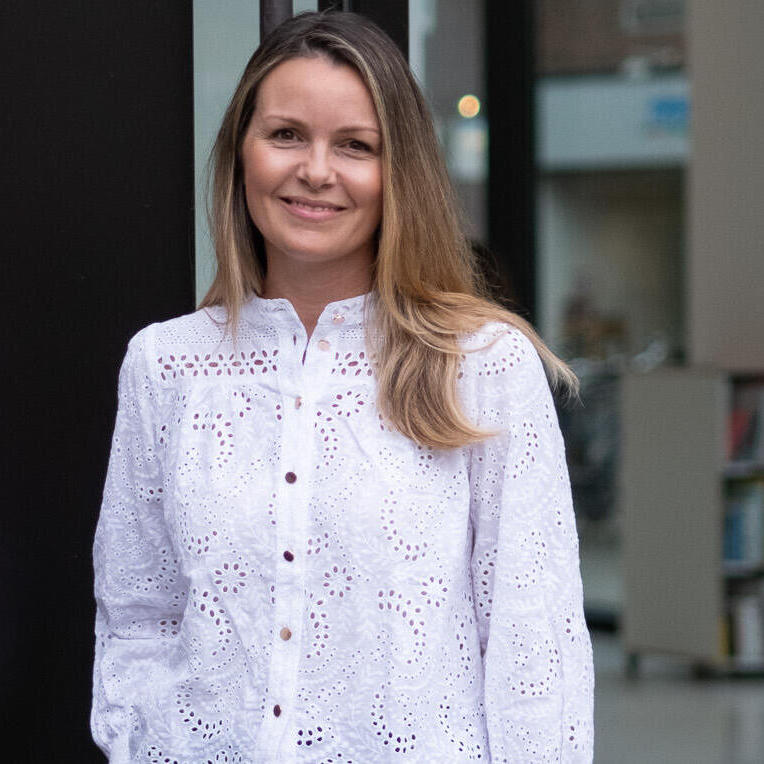
On 4 December 2023, Prof. Dr. Erhard Schüttpelz gave the Fellow Lecture „Die Öffnung des Museums und das Geheimnis der Sammlungen“ (“The opening of the museum and the secret of the Collections”). In his lecture, Erhard Schüttpelz contested the most famous founding myth of the modern museum which is attributed to the French Revolution, in the course of which the iconoclastic vandalism of the revolutionaries turned into the public display of national cultural assets. The former secret of feudal, monastic and scholarly collections became the public trusteeship of several modern institutions: Museum, academia and the art trade. The lecture aimed to counter this reduction to a single European history and its generalisation through the perspective of a Long Duration („Lange Dauer“), including Christopher Bayly’s characterisation of an archaic globalisation and Mary W. Helms’ theory of a fundamental exoticism of all cultures and the anchoring of its passion for collecting in their respective religious and political centres of power.