
Photos
© Bettina Engel-Albustin | Fotoagentur Ruhr moers 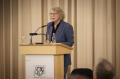
© Bettina Engel-Albustin | Fotoagentur Ruhr moers 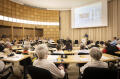
© Bettina Engel-Albustin | Fotoagentur Ruhr moers 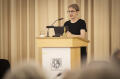
© Bettina Engel-Albustin | Fotoagentur Ruhr moers 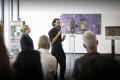
© Bettina Engel-Albustin | Fotoagentur Ruhr moers 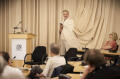
© Bettina Engel-Albustin | Fotoagentur Ruhr moers 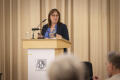
© Bettina Engel-Albustin | Fotoagentur Ruhr moers 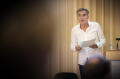
© Bettina Engel-Albustin | Fotoagentur Ruhr moers 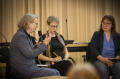
© Bettina Engel-Albustin | Fotoagentur Ruhr moers 
© Bettina Engel-Albustin | Fotoagentur Ruhr moers
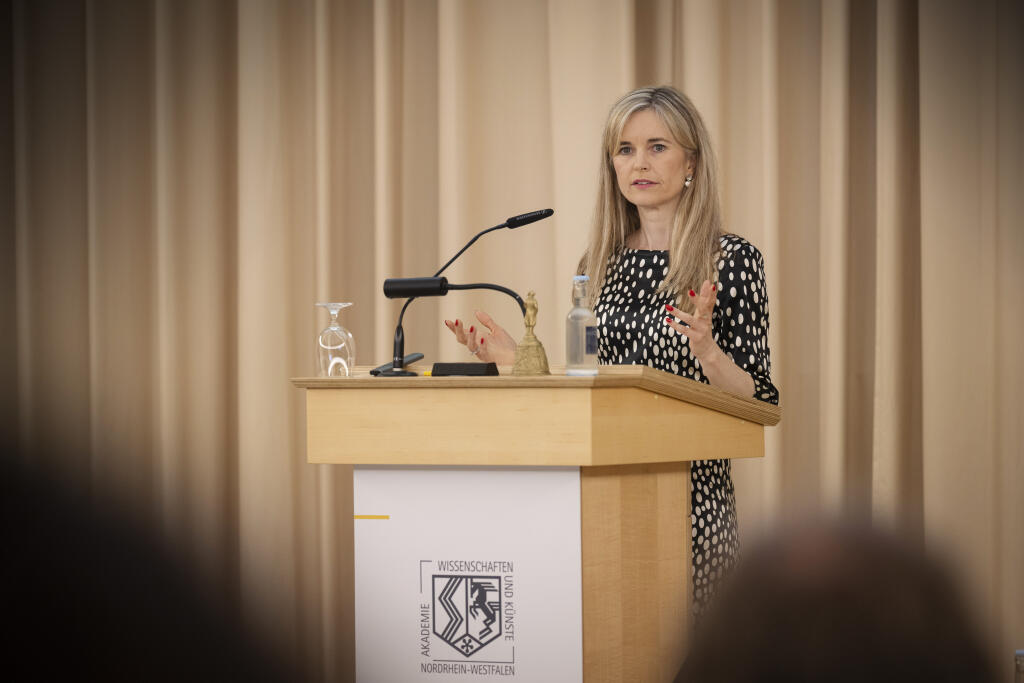
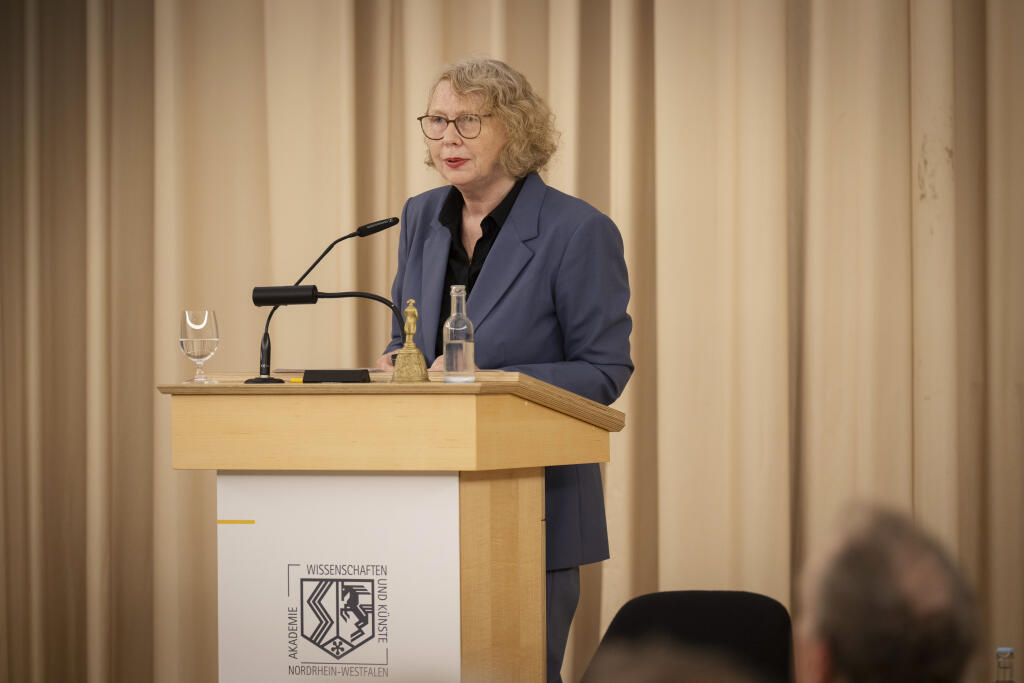
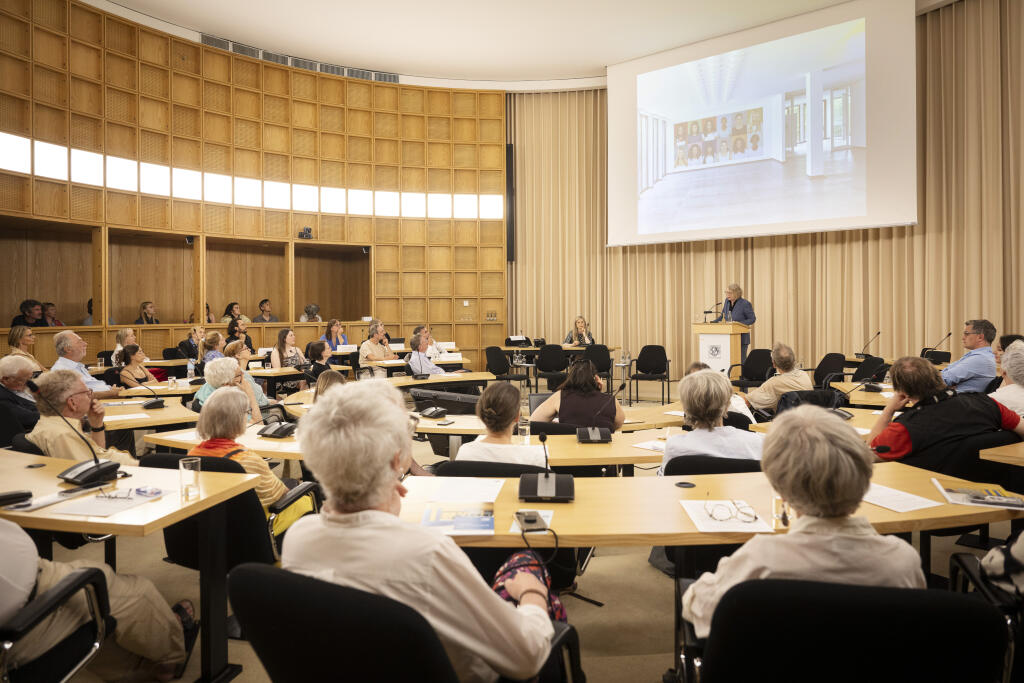
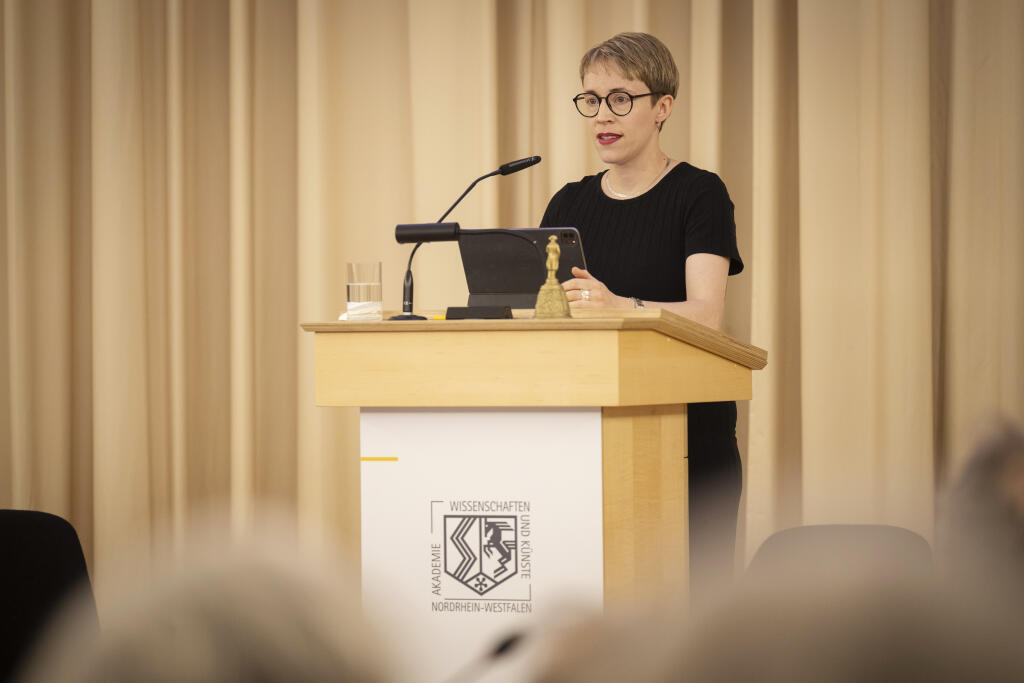
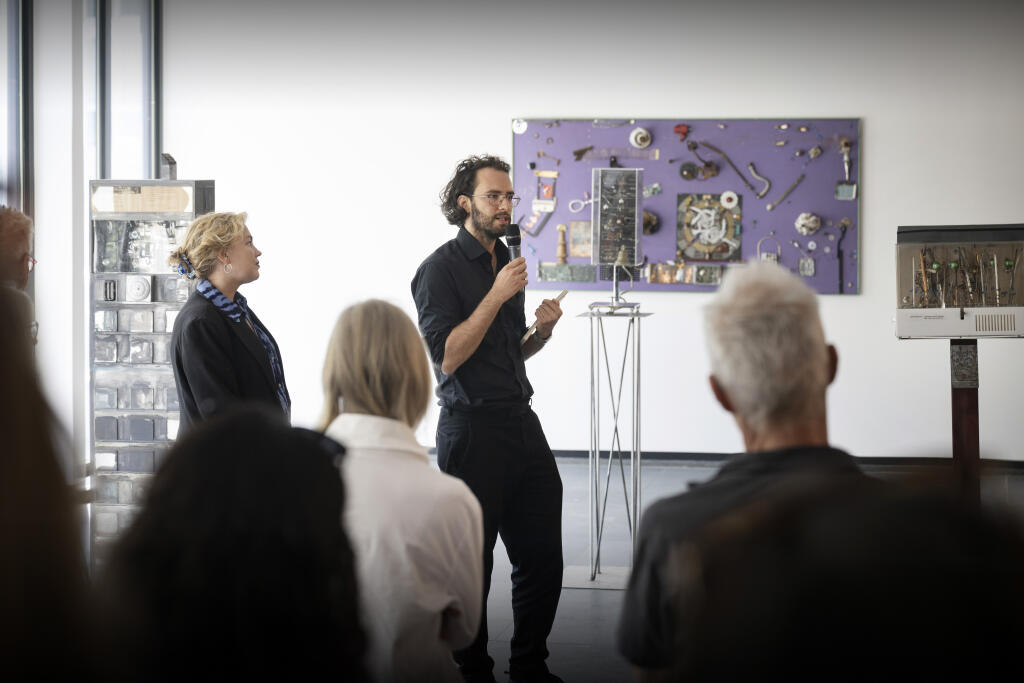
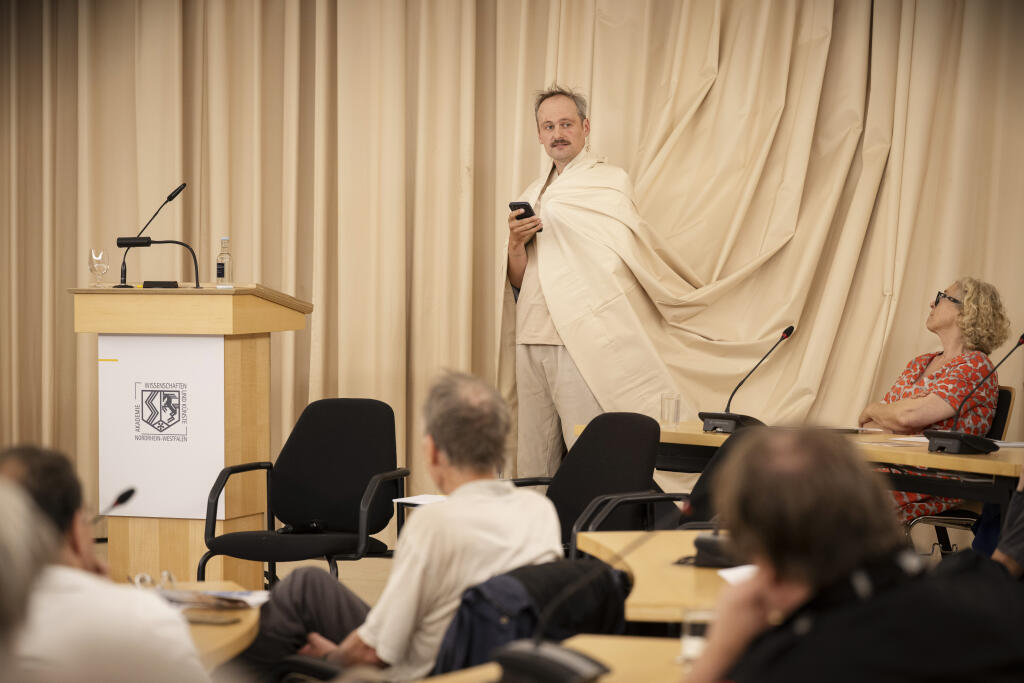
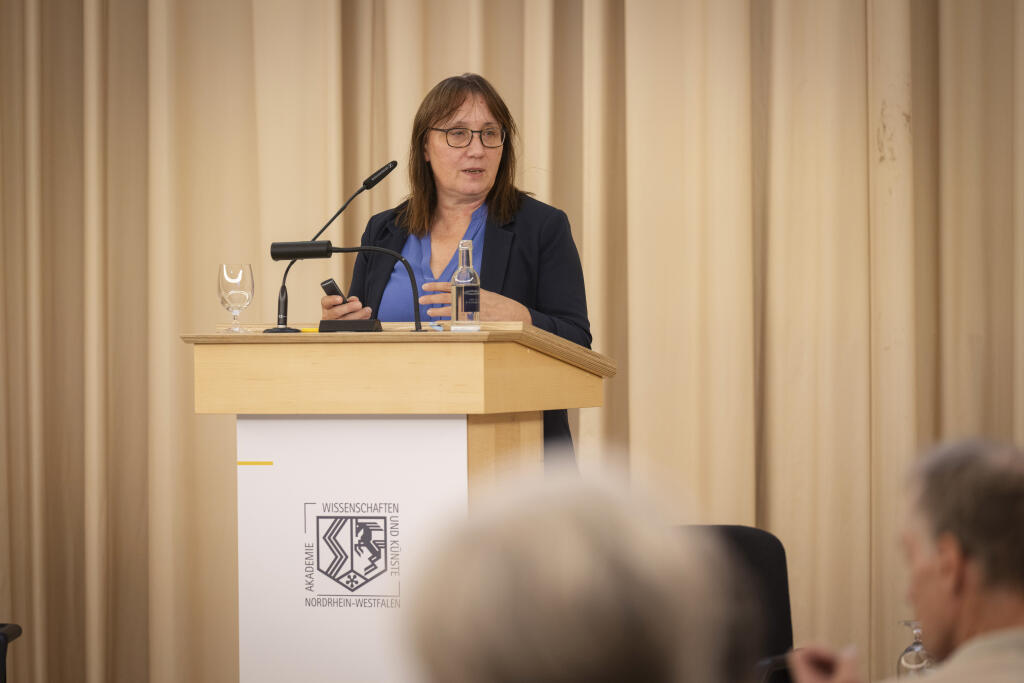
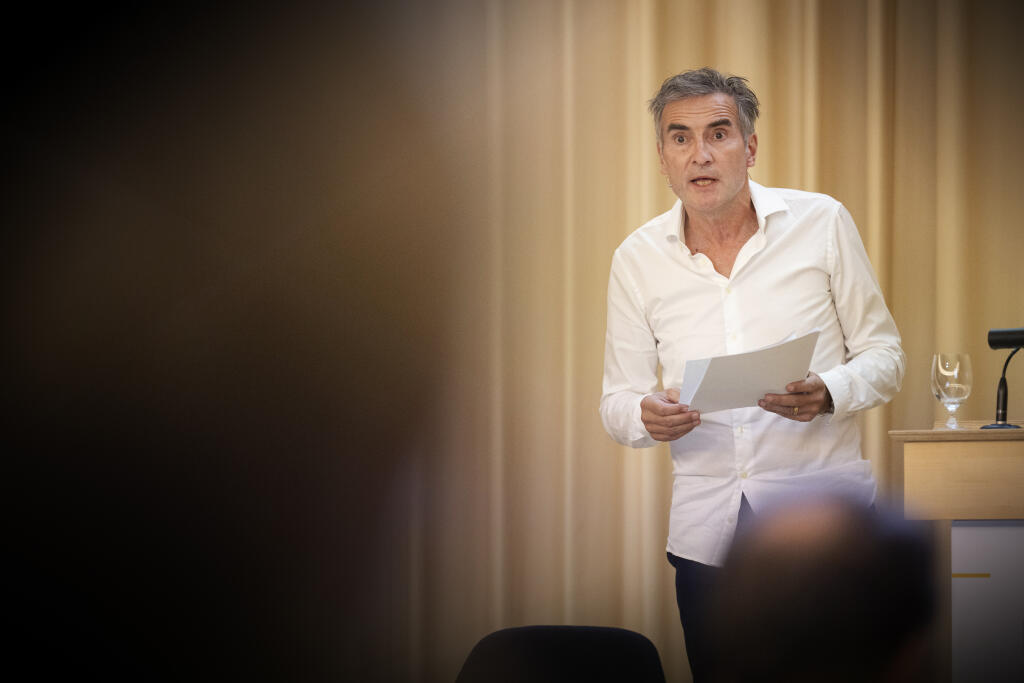
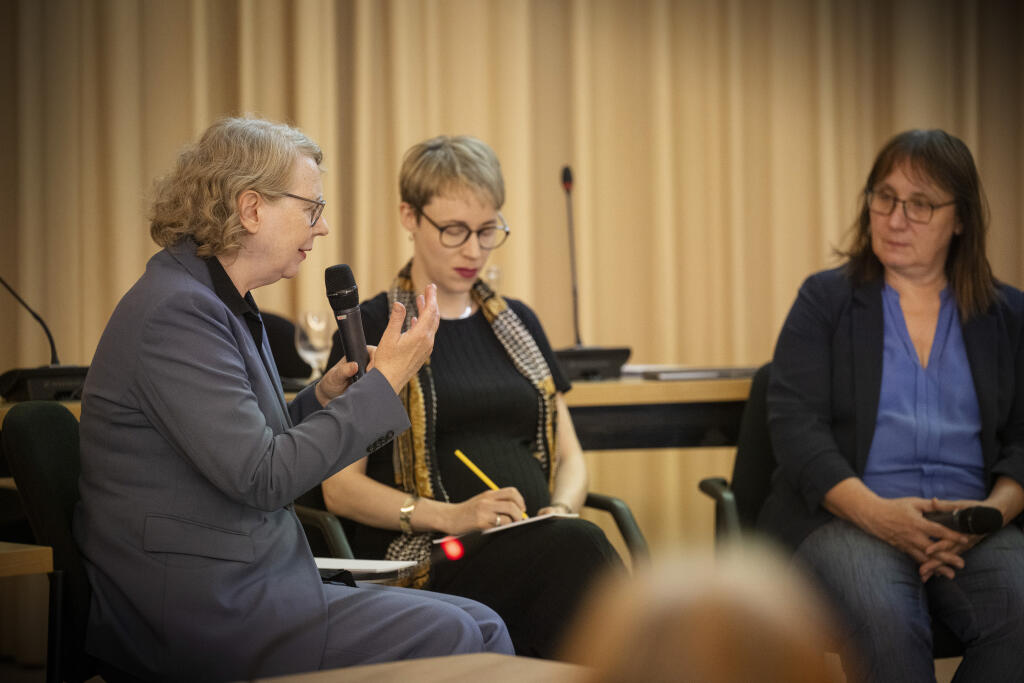
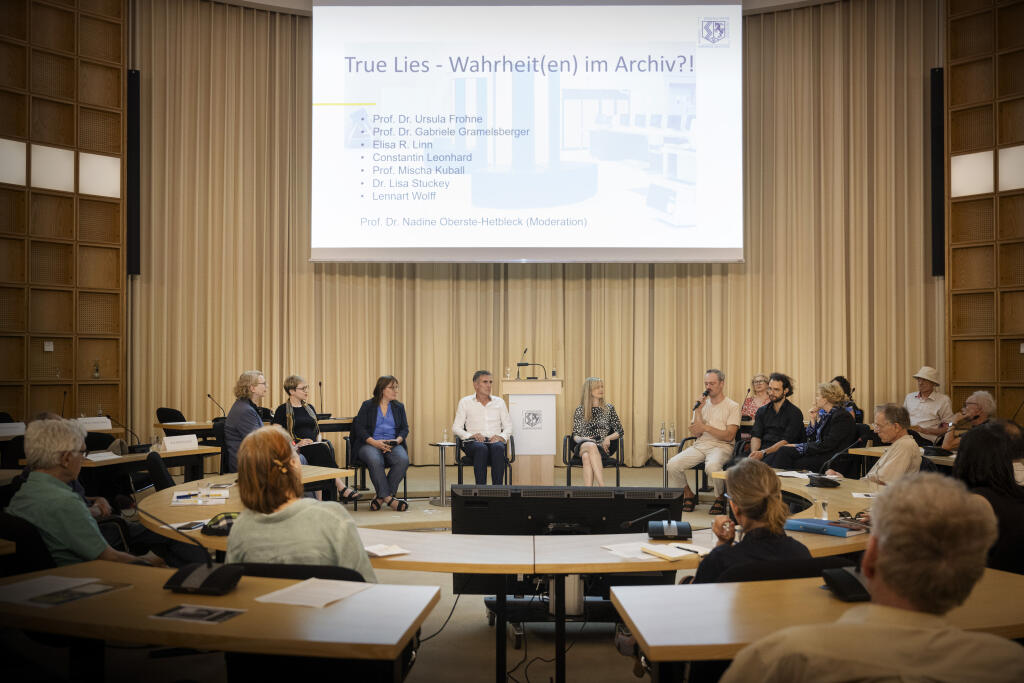
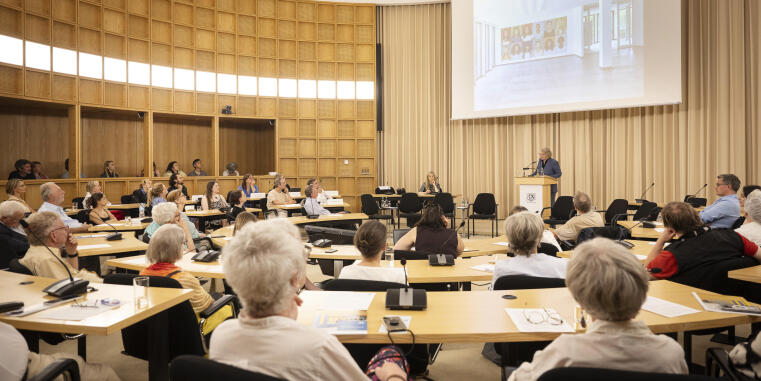
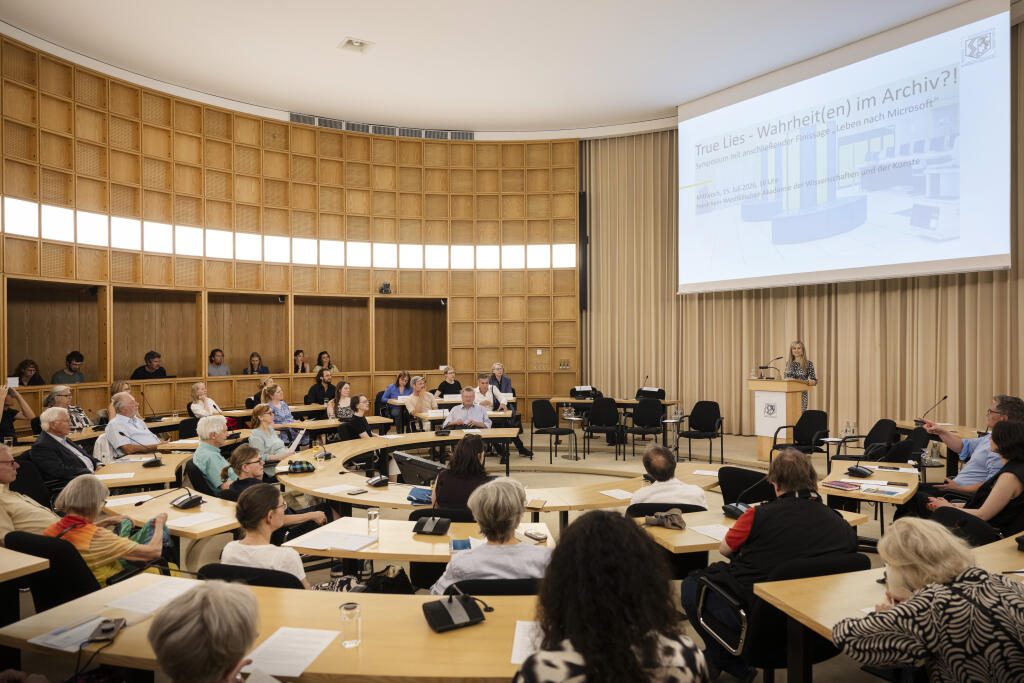
On 15 July 2026, the symposium “True Lies – Wahrheiten im Archiv?!” (“True Lies – Truths in the Archives?!”) took place at the NRW Academy of Sciences, Humanities and Arts (Düsseldorf). It was co-organized by Prof. Dr. Ursula Frohne, co-director of the Centre for Advanced Study.
Archives are institutions that preserve culture. They collect and preserve tangible and intangible cultural heritage while simultaneously revealing gaps and voids. What is truth in the archive and what remains of it in the digital age? The symposium explored the archive as a contested space of memory, interpretation, and power – at the intersection of art, science, and the algorithmic present.
Programme
4:00 pm
Welcome
Prof. Dr. Nadine Oberste-Hetbleck, Vice President of the North Rhine-Westphalian Academy of Sciences, Humanities and Arts and Secretary of the Arts Division
Keynote Presentations
Die Leerstellen des Archivs – Künstlerische Fiktionen als Arbeit an der Realität
Prof. Dr. Ursula Frohne, Münster
Using case studies, this keynote presentation illustrated how art, rather than asserting alternative truths, intervenes in established historical narratives, supplementing them, questioning them, and rendering them open to new interpretations. The presentation explored the conditions under which art can generate insight in situations where archives, through their gaps and omissions, have themselves become part of historical power relations.
Tribunale Diskurs-Archivierung – Cancel Culture, Deplatforming und Politiken der Einladung als Tribunalisierungsdynamiken
Dr. Lisa Stuckey, Vienna
Lisa Stuckey is a scholar of art and media culture. Since 2026, she has been working as a postdoctoral researcher on her research project “TRIBUNALIZATION. Theory and Aesthetics of Tribunal Address” at the University of Vienna (funded by the FWF). Publications as author: Forensic Procedures in the Contemporary Arts (De Gruyter 2022) and as co-editor: *Uncertain Curiosity in Artistic Research, Philosophy, Media, and Cultural Studies* (Springer 2025).
Sprechende Kästen und bewegte Leiterplatten: über die Arbeit von Irma Hünerfauth
Lennart Wolff & Elisa R. Linn, Berlin
Elisa R. Linn (curator/Bard College Berlin) and Lennart Wolff (architect/curator) form the curatorial collective km temporaer. They have been working with the estate of Irma Hünerfauth for several years and curated her first posthumous solo exhibition in Copenhagen in 2023. In their discussion of Irma Hünerfauth’s work, Linn and Wolff will address the use of circuit boards, as well as information flows, movement, and manipulation in Hünerfauth’s oeuvre—viewed through the lens of their own experience collaborating with the artist’s archive and estate.
4:50 pm
Break
Performatives Experiment: “Suhlen in digitalen Archiven”
Constantin Leonhard, Cologne
Constantin Leonhard conceives artistically research-based projects, performances, video works, objects, and scenographies for urban spaces, theaters, and exhibitions. His art is an invitation to pay sensitive attention to everyday life and a tactile anchor in a digitized world. His most recent works include the performance *Cryptobiosis*, which metabolizes microbiology and art into one another, and the performance *Clench Your Face into a Fist*, in which military gestures are unlearned and transformed into expansive improvised movements.
Software – Archive des Ubiquitären
Prof. Dr. Gabriele Gramelsberger, Aachen
Gabriele Gramelsberger teaches the philosophy of science and the philosophy of technology at RWTH Aachen University. She is director of the Käte Hamburger Kolleg “Cultures of Research” and a full member of the North Rhine-Westphalian Academy of Sciences, Humanities and Arts. She also heads the Academies’ project “Edition Wissenschaftliche Software (EWS): Research and Edition in the History and Philosophy of Science on the History of Software in the Digital Humanities from 1950 to 2010.”
The Revolution Will Not Be Archived
Prof. Mischa Kuball, Düsseldorf
Mischa Kuball is a conceptual artist who has been working in public and institutional spaces since 1977. From 2007 to 2026, he was a professor of public art at the Academy of Media Arts in Cologne, an associate professor of media art at the Karlsruhe University of Arts and Design/ZKM, and has been a member of the North Rhine-Westphalia Academy of Sciences, Humanities and Arts since 2015.
Machtverhältnisse im Archiv. Zum Umgang mit Leerstellen in der Bestandsbildung
Prof. Dr. Nadine Oberste-Hetbleck, Cologne
Nadine Oberste-Hetbleck’s work focuses on the history of the art market from the 19th to the 21st century, on institutional structures of the art trade, and on the relationships between actors and networks in the national and international art market. Another focus of her work is the archival and digital cataloging of sources relevant to the art market. She is the director of the Central Archive for German and International Art Market Research (ZADIK) in Cologne. Since 2021, she has been an adjunct professor at the Institute of Art History. In the same year, she was elected a member of the Class of Arts at the North Rhine-Westphalian Academy of Sciences, Humanities and Arts, and in 2025 she was elected its secretary.
6:00 pm
Panel discussion with the speakers
Chair: Prof. Dr. Nadine Oberste-Hetbleck