
Photos
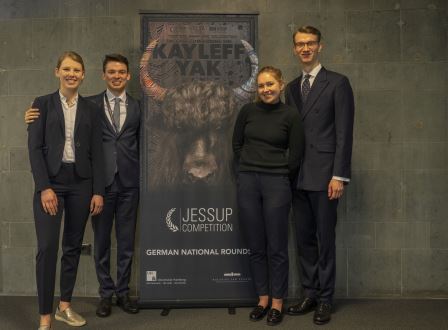

© Lehrstuhl für öffentliches Recht, Völker- und Europarecht sowie empirische Rechtsforschung 
© Lehrstuhl für öffentliches Recht, Völker- und Europarecht sowie empirische Rechtsforschung 
© Lehrstuhl für öffentliches Recht, Völker- und Europarecht sowie empirische Rechtsforschung 
© Lehrstuhl für öffentliches Recht, Völker- und Europarecht sowie empirische Rechtsforschung 
© Lehrstuhl für öffentliches Recht, Völker- und Europarecht sowie empirische Rechtsforschung 
© Lehrstuhl für öffentliches Recht, Völker- und Europarecht sowie empirische Rechtsforschung 
© Lehrstuhl für öffentliches Recht, Völker- und Europarecht sowie empirische Rechtsforschung 
© Lehrstuhl für öffentliches Recht, Völker- und Europarecht sowie empirische Rechtsforschung 
© Lehrstuhl für öffentliches Recht, Völker- und Europarecht sowie empirische Rechtsforschung 
© Lehrstuhl für öffentliches Recht, Völker- und Europarecht sowie empirische Rechtsforschung 
© Lehrstuhl für öffentliches Recht, Völker- und Europarecht sowie empirische Rechtsforschung 
© Lehrstuhl für öffentliches Recht, Völker- und Europarecht sowie empirische Rechtsforschung 
© Lehrstuhl für öffentliches Recht, Völker- und Europarecht sowie empirische Rechtsforschung 
© Lehrstuhl für öffentliches Recht, Völker- und Europarecht sowie empirische Rechtsforschung 
© Lehrstuhl für öffentliches Recht, Völker- und Europarecht sowie empirische Rechtsforschung 
© Lehrstuhl für öffentliches Recht, Völker- und Europarecht sowie empirische Rechtsforschung 
© Lehrstuhl für öffentliches Recht, Völker- und Europarecht sowie empirische Rechtsforschung 
© Lehrstuhl für öffentliches Recht, Völker- und Europarecht sowie empirische Rechtsforschung 
© Lehrstuhl für öffentliches Recht, Völker- und Europarecht sowie empirische Rechtsforschung









This year’s case concerning the Kayleff Yak rose particularly disputed questions of public international law such as: which circumstances is the conduct of private entities attributeable to a state? Measures which are necessary to protect endangered migrating species and the environment? Does a state have the obligation to protect human rights abroad? What Assault of traditional knowledge? And in which situations do companies have to share with indoriginal people?
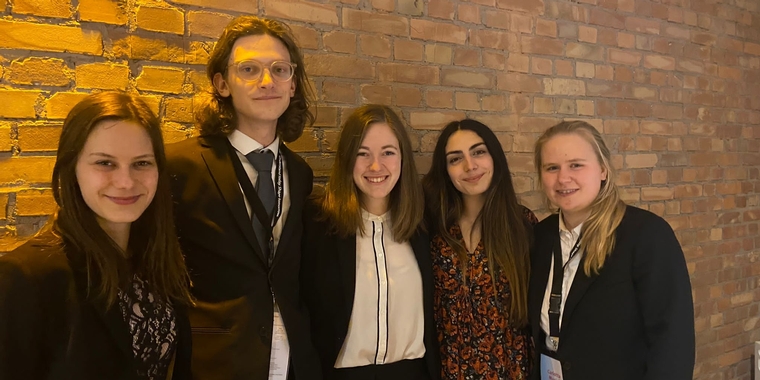
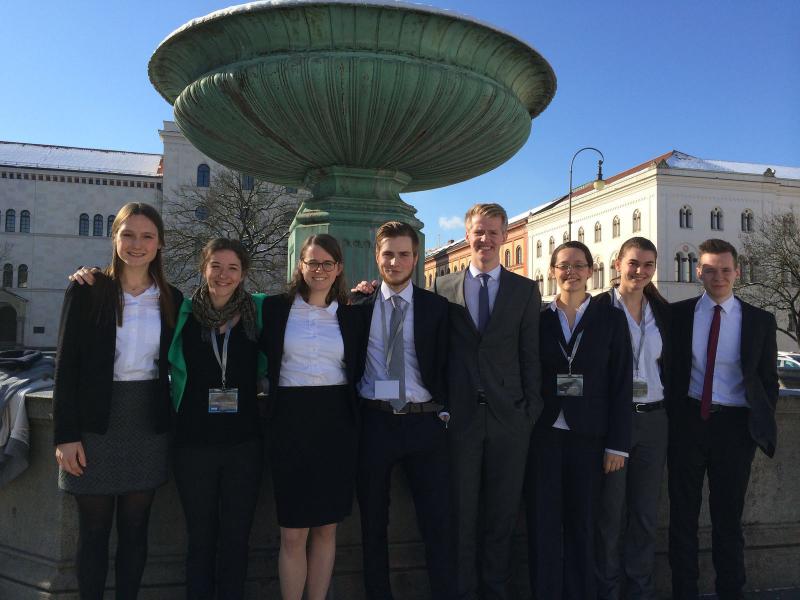
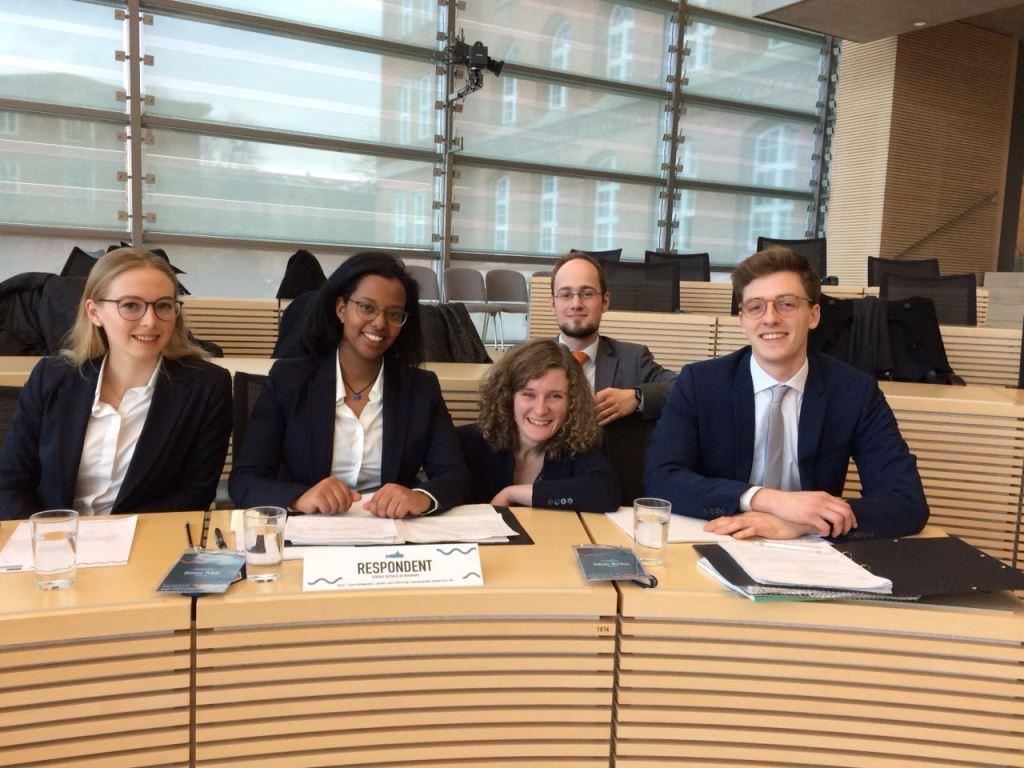
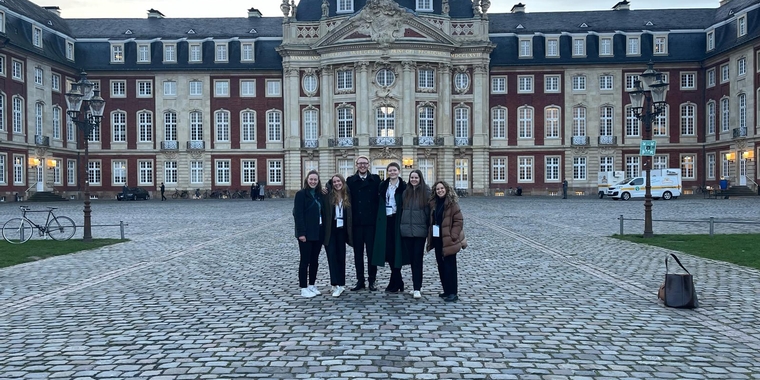
After having been successful in the application process, the team members Bent Stohlmann, Marie Louisa Weitkamp, Inga Niedersberg and Sebastian Pfeife r met for the first time in July 2018. The team was coached by Jana Lohmann and Hanna Tekle.
Throughout the summer, the team members refreshed their knowledge of public international law. The Jessup Problem was released in September: Both parties, Aurok and Rakkab, were in dispute over the hunting of Yak on Rakkab’s territory. Allegedly, hunting infringed the cultural and religious rights of Aurokan villagers and was in breach of international environmental law. Rakkab,, submitted that hunting was sustainable and limitations of human rights necessary to produce the life-saving medication “Gallvectra”. Since this drug was developed traditional using knowledge of Aurokans, Aurok demanded payment of a share of profits from the sales of Gallvectra.
Focusing on issues these, the team prepared its written memorials between October 2018 and January 2019, one for Aurok and one for Rakkab. The participants read and typed for weeks, updated and amended texts after many rounds of proofreading. Starting in January 2019, when the memorials had been submitted, the focus shifted to rhetorics and the preparation of the oral presentations. In the weeks prior to the competition, several professors and alumni came to the test pleadings and tried to put the team off with critical issues.
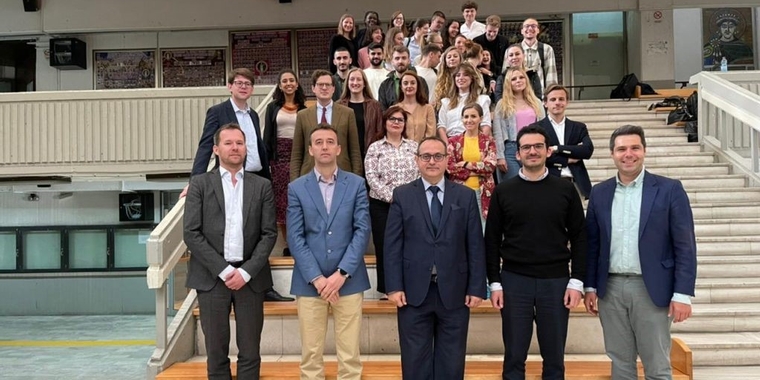
The German national rounds of the 60th anniversary Philip C. Jessup International Law Moot Court Competition took place in Hamburg, hosted both by the University of Hamburg and the Bucerius Law School. 20 and 24 February 2019, the team pleaded against four out of 18 teams from other German universities — HU and FU Berlin, as well as Universities of Passau and Hannover. Despite the competitive environment, all teams cooperative and friendly, evening conversations off anything Yak-related.
The judges consisted of prominent alumni, international law professors, legal scholars, practicing lawyers and judges — including judges of the International Tribunal for the Law of the Sea, the Human Rights Committee and the Federal Constitutional Court. In the national finals Hertie School of Governance won out over the University of Hamburg. Both teams will be competing in the international rounds in Washington D.C. starting in April.
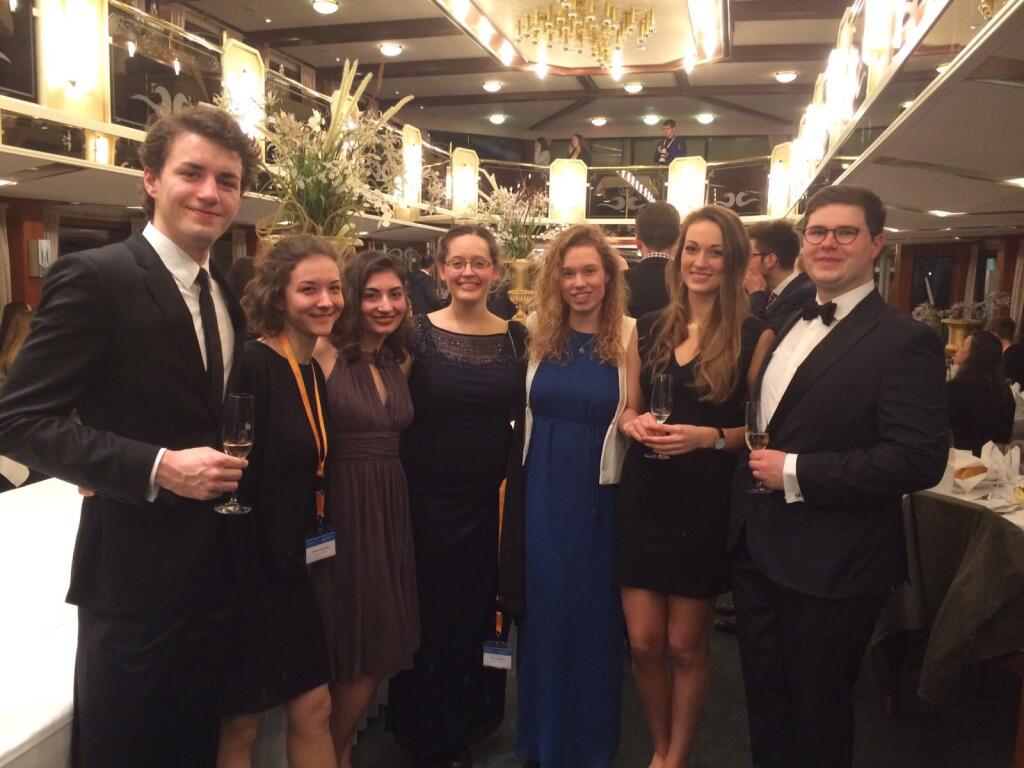
Both evening provided events the opportunity to talk to the “judges” and also gain valuable feedback. At the Awards Dinner in Hamburg’s town hall, the team had the pleasure of sharing a table with the German Ambassador to the Holy See, and Professors Christian Tomuschat and Andreas sitting Paulus at the adjacent tables.
it was a semester full of exciting work and long hours at the office, participating in the Jessup Moot is an experience we would not want to miss. Not only did we work on topics and fields of law that we never encounter before, we also improved our public speaking skills — an area that is not explicitly not focused on in legal studies.