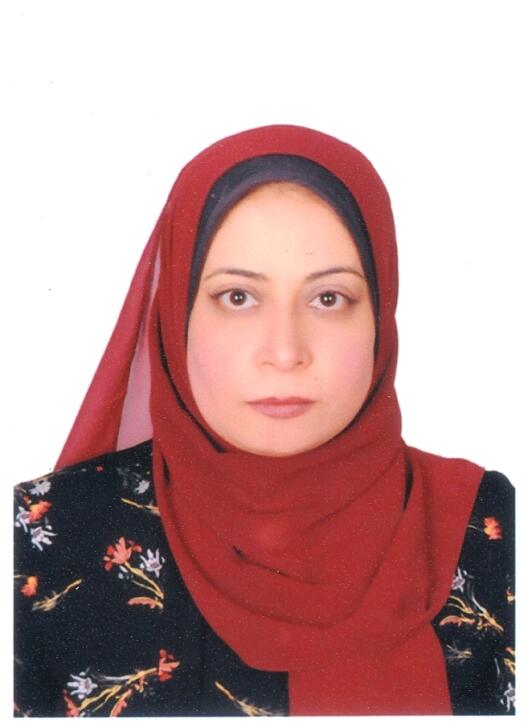
Prof. Dr. Mohamed Albdri Sliman Bashir (University of Khartoum)
The Meroitic townsite of Kedurma; perspectives for archaeology, management, interpretation, and community engagement
10/25-3/26, 6/26-11/26; Alexander von Humboldt fellowship for experienced researchers
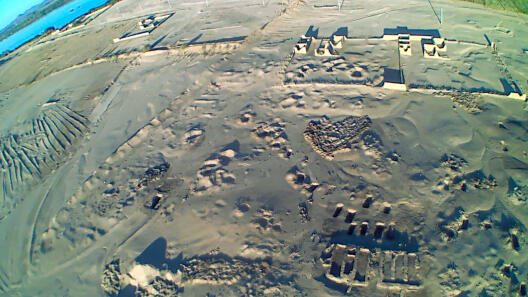
The kingdom of Meroe (3rd century BC – 4th century AD) was an important early African state whose influence extended beyond its heartland on the Nile to Lower Nubia. While previous research has shed light on aspects of Meroitic political and cultural life, the diversity of regional societies remains unexplored, especially outside of the elite context. This project fills this gap by investigating Kedurma, the only surviving Meroitic settlement and cemetery in Lower Nubia, located between the 3rd and 2nd Nile Cataracts. Based on extensive post-excavation documentation — including records of 50 tombs, c. 600 artefacts, settlement excavations, ecofactual data, and scientific analyses (C14 and DNA) — the research examines local settlement patterns, burial practises, and diachronic changes as a reflection of broader socio-cultural, political, and economic dynamics within the Meroitic state. The project not only expands knowledge of everyday life and regional identities in ancient Nubia, but also addresses pressing heritage concerns: the original collection held in Sudan, is threatened by the ongoing conflict, making the publication of the records essential for conservation and the fight against the illicit trade in antiquities. Finally, the study situates Kedurma within broader debates about early state societies in sub-Saharan Africa and critically examines the contemporary challenges of archaeology in conflict zones and the role of local communities in preserving endangered cultural heritage.
Artikel über Prof. Dr. Mohamed Albdri Sliman Bashir im Newsletter des FB 09