Research Project Doctoral Candidate 11
Overcoming atypical variability: effects of manipulation of sensorimotor variability to enhance motor learning in children and adults with motor disorders
Fellow
Host Institution
King's College London, Department of Population Health Sciences
Supervisors
Project description
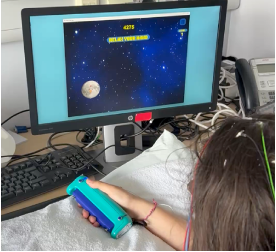
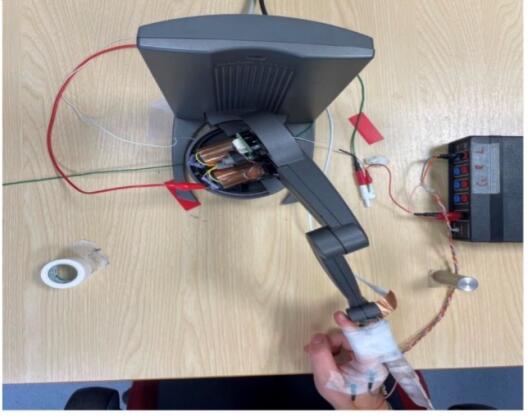
The aim of the project is to characterise atypical sensorimotor variability in children and adults with motor disorders and to investigate methods to manipulate and overcome this atypical variability. To this end, the objectives of the DC project are: (1) to investigate Event-Related changes in spectral EEG activity during active single hand task in children with dystonia , (2) to utilise non-invasive neurophysiological techniques to map typical and atypical trial to trial variability during task training, and (3) to implement ML-based system for pattern recognition
The expected results include improved motor learning performance of grasping tasks for children with dystonia. The overall aim of the project is to tackle the sensorimotor variability
Planned Secondments
Tel Aviv University
Jönköping University