


Welcome to the Chairs of Professor Dr Joachim Englisch and Professor Dr Marcel Krumm!
The Institute for Tax Law at the University of Münster was officially founded in 1934. On 12 April 1934, the Ministry for Science, Art and Education authorized Ottmar Bühler, who was the first holder of the chair, to use the term "Institut für Steuerrecht" (Institute for Tax Law) as the official name of what had formerly been known as "Seminar for Steuerrecht" (Seminar for Tax Law). Thus, the Institute for Tax Law is the oldest of its kind in Germany.
After Bühler retired, Friedrich Klein acted as Director from 1950 to 1974, before Paul Kirchhof, later Judge at the German Federal Constitutional Court, chaired the Institute from 1975 to 1981. In 1982, Dieter Birk was appointed Director and held the chair for almost 30 years.
Since 2011, Joachim Englisch has been Director of the Institute; since 2018, he has shared the co-directorship with Marcel Krumm.
Substantive rule of law calls for an equal distribution of the tax burden upon individual taxpayers. [...] The issues of tax justice are not transcendental; they need to be solved here, here and now.
Reforming the tax system may not be easy or popular in the short term, but it holds out the prospect of significant economic gains and hence the promise of higher living standards in the long term.


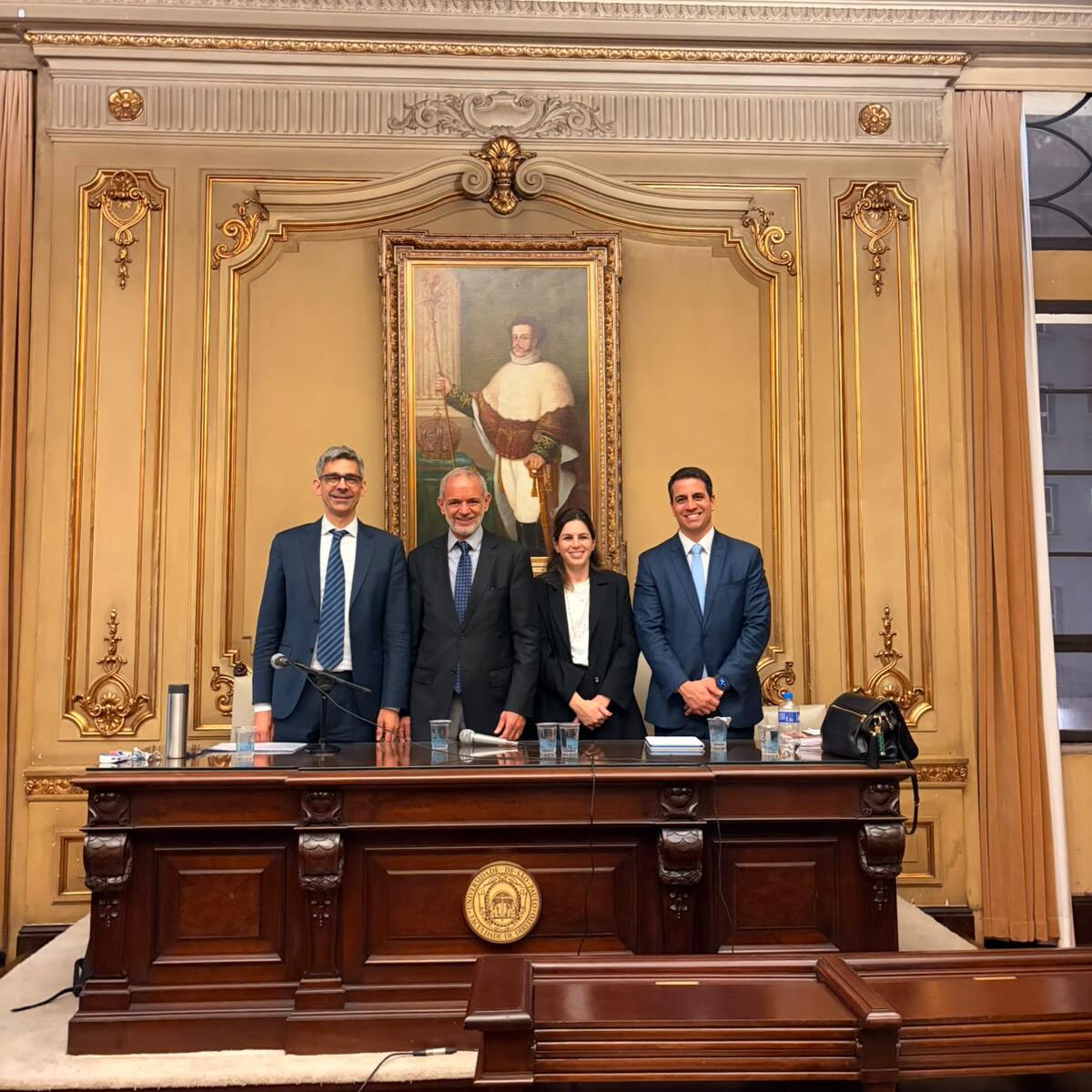
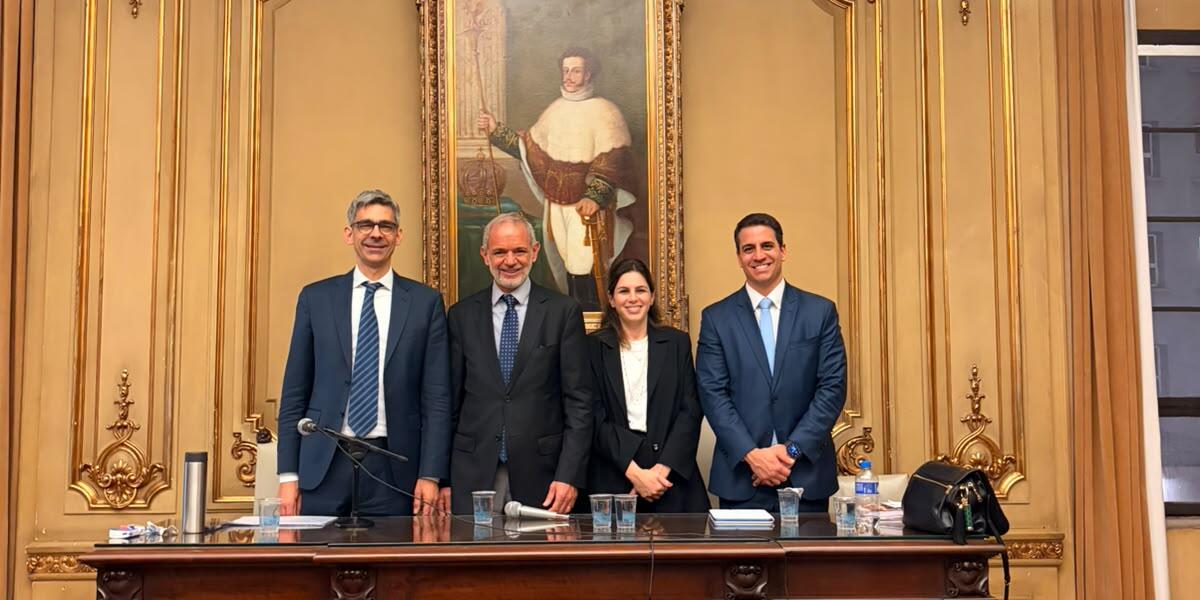
On September 17, 2026, Prof. Englisch participated as a panelist at the IFA USA’s 7th Annual Virtual International Tax Conference. Together with representatives from the European Commission, the U.S. Department of the Treasury, and the consulting industry, he discussed the topic: “Beyond BEPS: The Next Wave of International Tax Reform from Brussels, Paris, and New York.” His presentation focused on an analysis of the European Commission’s proposal for a “28th regime (EU Inc.).”
In September 2026, Professor Dr Joachim Englisch contributed an article on Value-added tax issues related to stablecoins to the liber amicorum for Professor Dr Hans Nieskens. In it, Professor Englisch examines the technical background and the value-added tax treatment of the issuance and secondary acquisition of these tokens, which are backed by real assets and thus linked to their performance. At the level of taxable transactions, a distinction must be made between potential transactions by the issuer or seller, on the one hand, and those by validators or cryptocurrency exchanges, on the other. As a result, only a few transactions are subject to taxation; however, there is regularly a gap in enforcement on the anonymous, digital market. Relating to decentralized transactions, this enforcement gap is exacerbated by the lack of tailored value-added tax simplification tools, such as the deemed supply commission. Professor Englisch therefore recommends involving platform operators in the collection of value-added tax, following the model of DAC 8. The liber amicorum was presented to Prof. Dr. Hans Nieskens on 17th September, 2026.
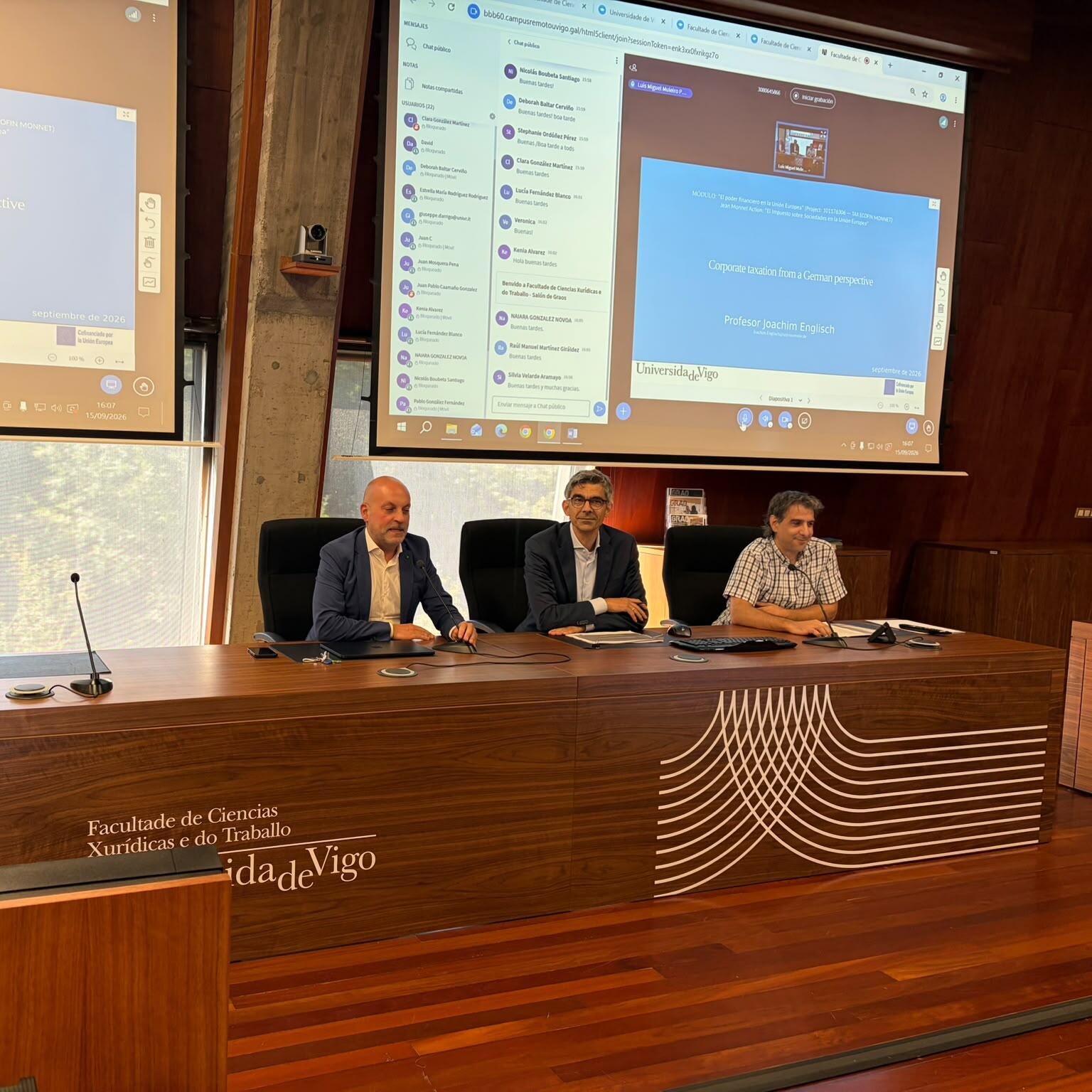
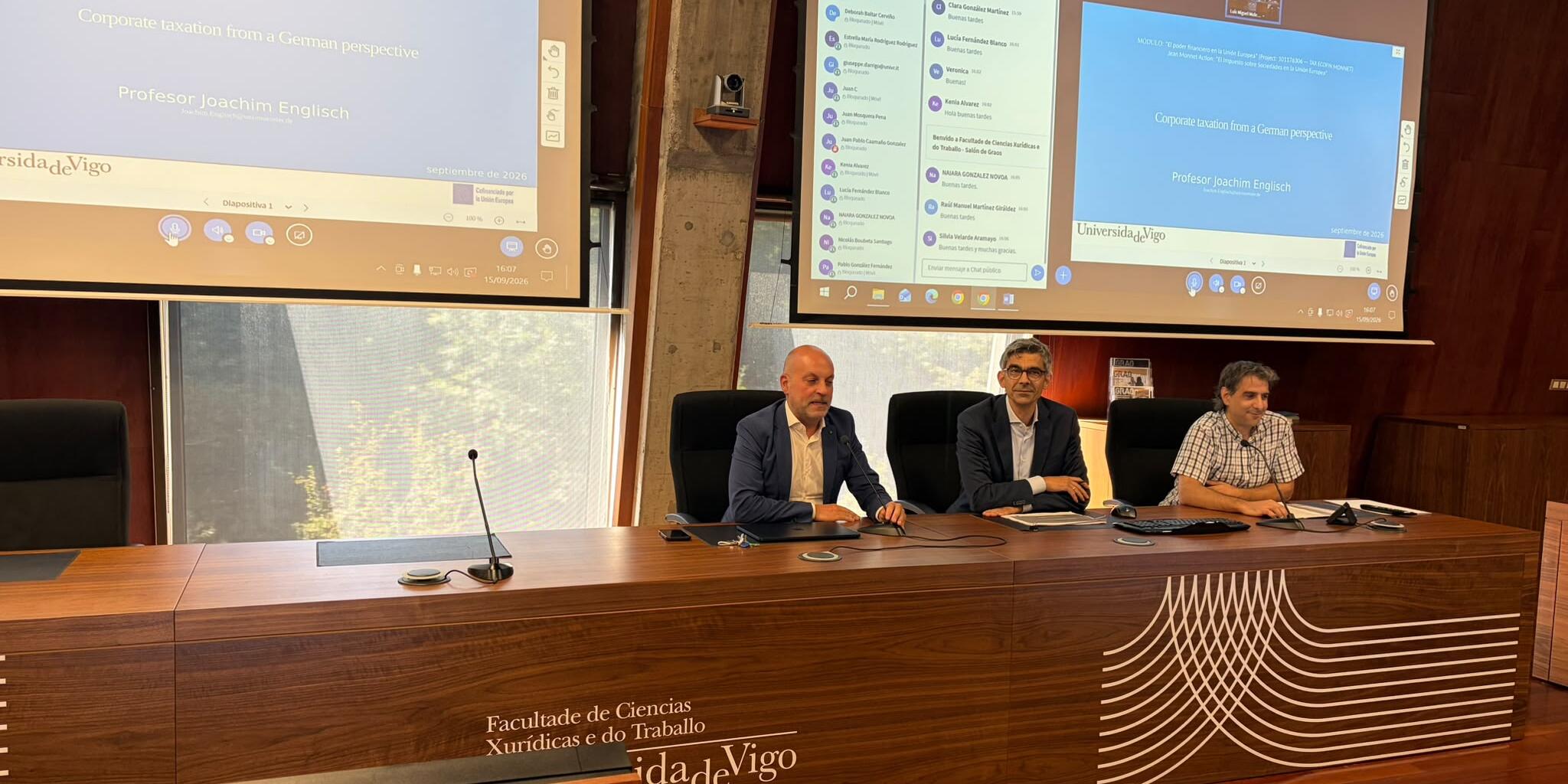
Professor Joachim Englisch authored the editorial for the current issue of the EC Tax Review. The nine-page article examines the European Commission’s recent trend of including tax provisions in non-tax legislative proposals and, in this regard, seeking to waive the requirement for unanimity in the Council. Professor Englisch subjects this approach to a critical assessment under primary EU law, taking into account the relevant case law of the Court of Justice of the European Union. He advocates for a qualitative rather than a quantitative assessment of the relevance of tax regulations and, on this basis, arrives at a nuanced evaluation of the Commission’s latest proposals.