News archive of 2026
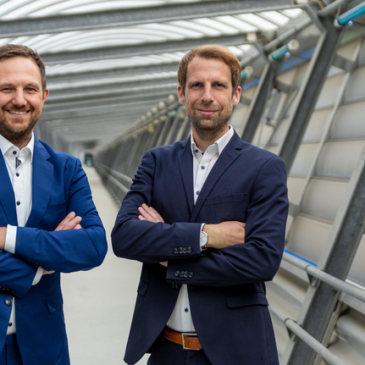
Zwei Physiker mit einer Laser-Vision
Die Alumni Maximilian Brinkmann und Tim Hellwig entwickeln Methoden zur schnelleren Krebsdiagnose
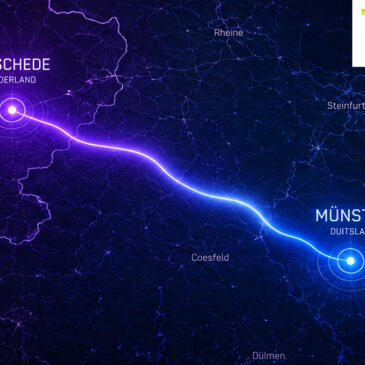
Mehr als acht Millionen Euro für Interreg-Projekt zur Quantenkommunikation
Testverbindung zwischen den Universitäten Münster und Twente soll die Weiterentwicklung von Quantenkommunikationschips ermöglichen
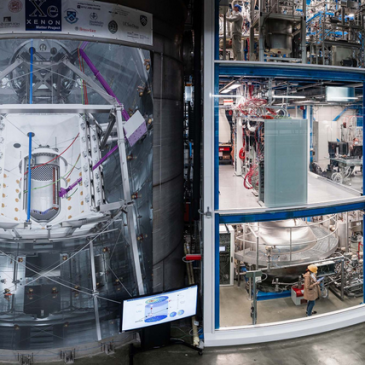
"XENONnT" detector measures low-energy solar neutrinos for the first time
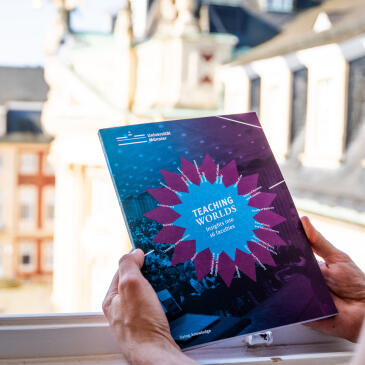
TEACHING WORLDS - Insights into 16 faculties
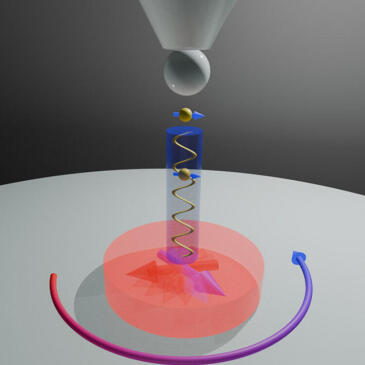
Neuer Spin-Filter im atomaren Größenbereich
Physiker der Universität Münster kontrollieren erstmals Spinströme auf atomarer Skala und machen mikroskopische Prozesse sichtbar
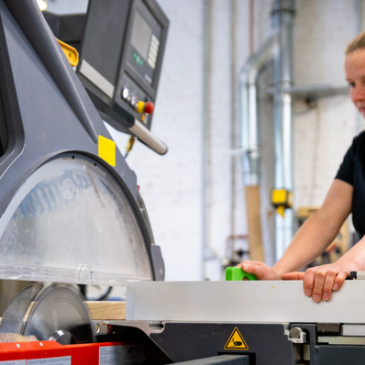
Wenn Geräusche unerträglich werden
Lärm hat viele, vor allem negative Facetten und berührt verschiedene wissenschaftliche Disziplinen – ein Überblick

Kinder-Uni: Weitblick ins Universum
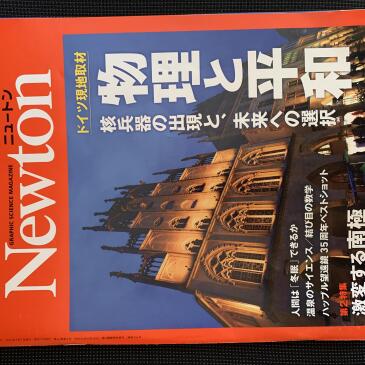
Münster on the cover of the Japanese science magazine “Newton”
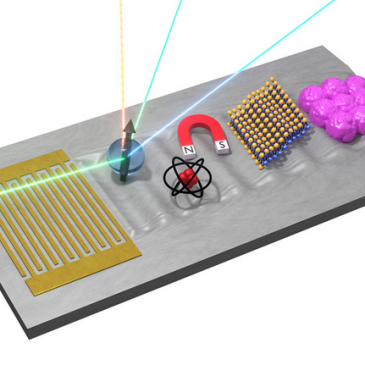
Surface acoustic waves: Researchers publish new 'roadmap'

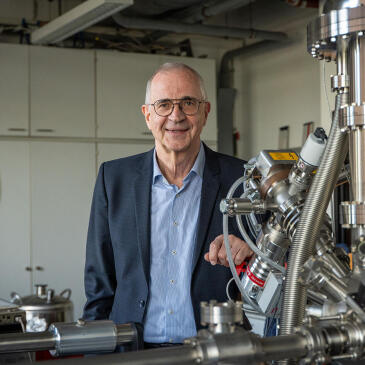
Honors for Christian Weinheimer and Harald Fuchs
Über Fachgrenzen hinweg
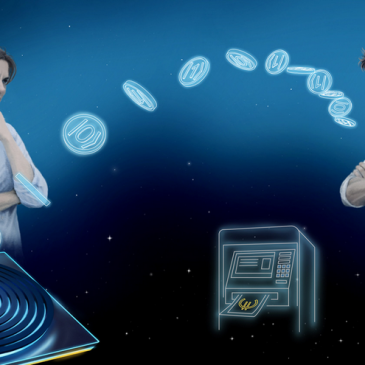
Intverview: Tobias Heindel wants to make the internet safer with quantum technology
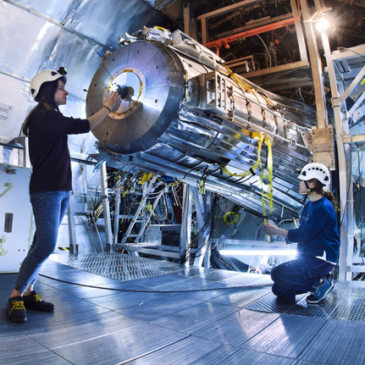
Workshop on the beginning of the universe
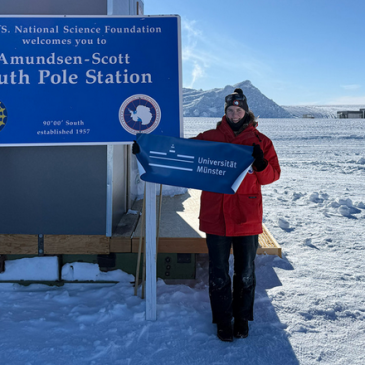
My Day at the South Pole