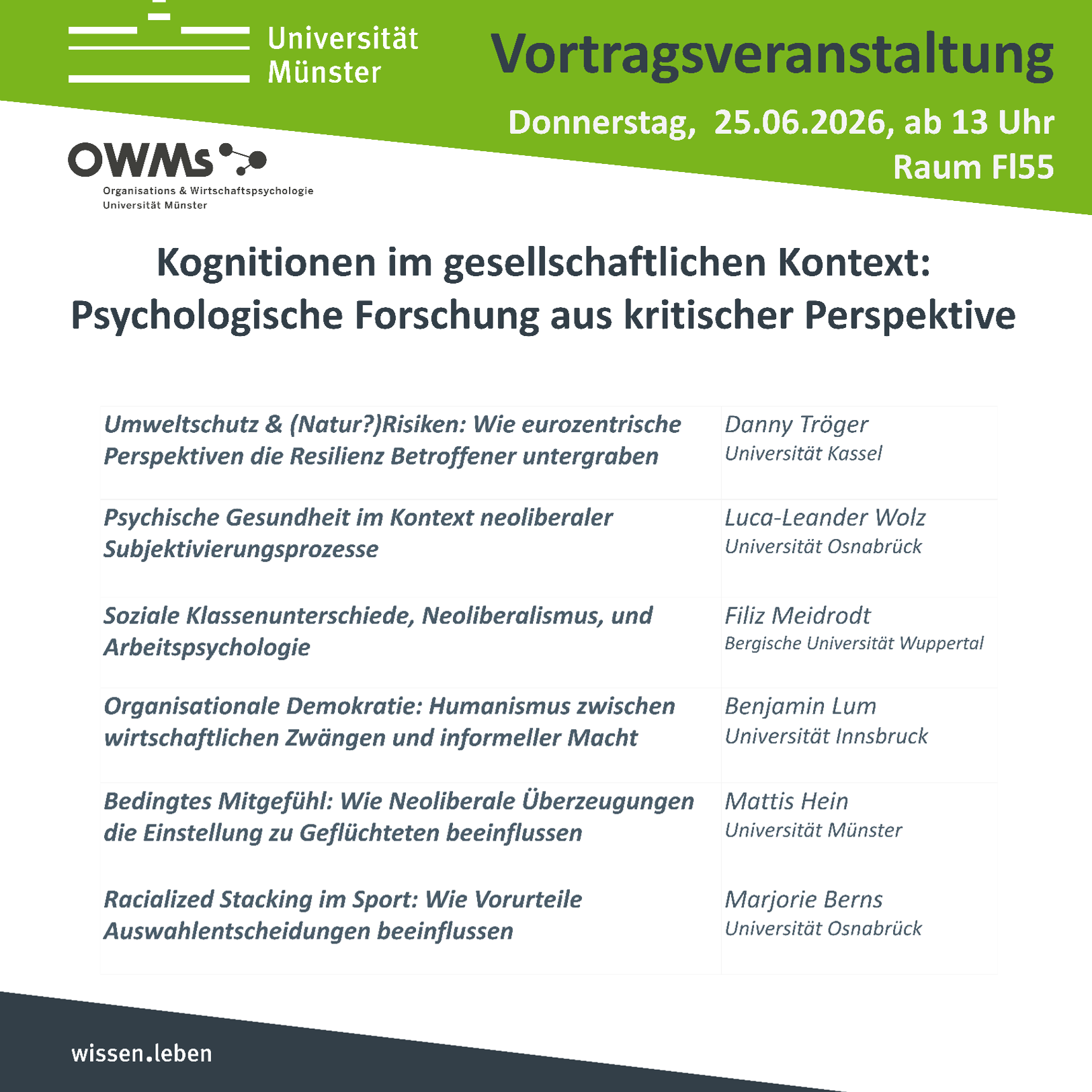
As a science, psychology occupies a unique position because it brings together individual experience, social contexts, and empirical research within an academic framework. This makes it ideally suited to examining social structures and their influence on human thought, behavior, and experience, as well as to understanding the resulting challenges and problems.
As part of this lecture series, young researchers will present their current research topics and demonstrate how psychological research can be used to examine pressing social issues of our time. From a critical perspective, they will examine—among other things—the psychological mechanisms behind racial prejudice, a lack of understanding for those affected by environmental disasters, power structures in the workplace, and clinical disorders, placing them within the context of social structures.
The event will take place on June 25, 2026, starting at 1:00 p.m. in Room Fl55, Fliednerstraße 21. Further information on the schedule and the individual presentation topics can be found here: [PDF].
The event is “Open Doors”—anyone interested is warmly invited to join at any time, even on the spur of the moment, for individual presentations that particularly interest them!
Artificial Intelligence in Human Resource Management
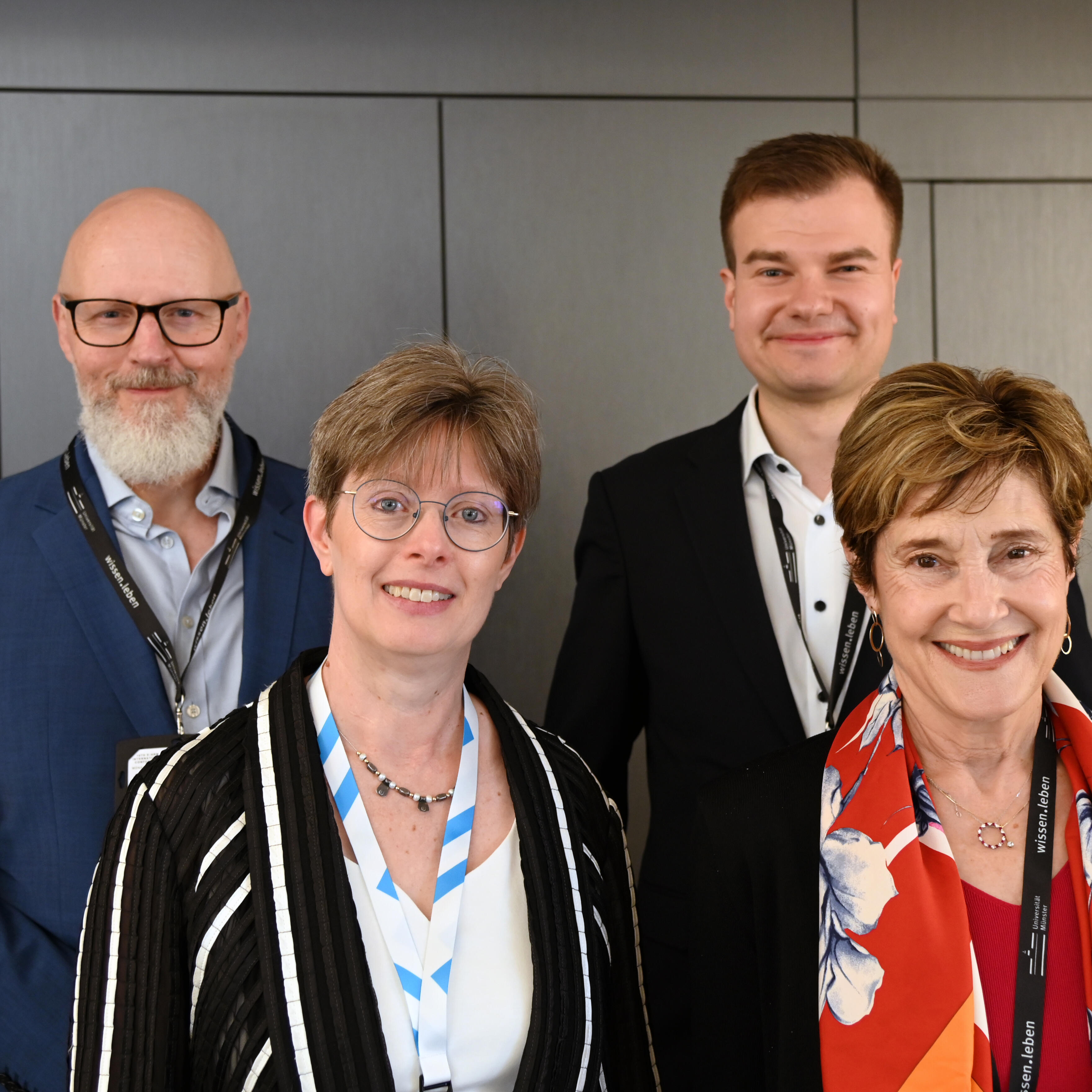
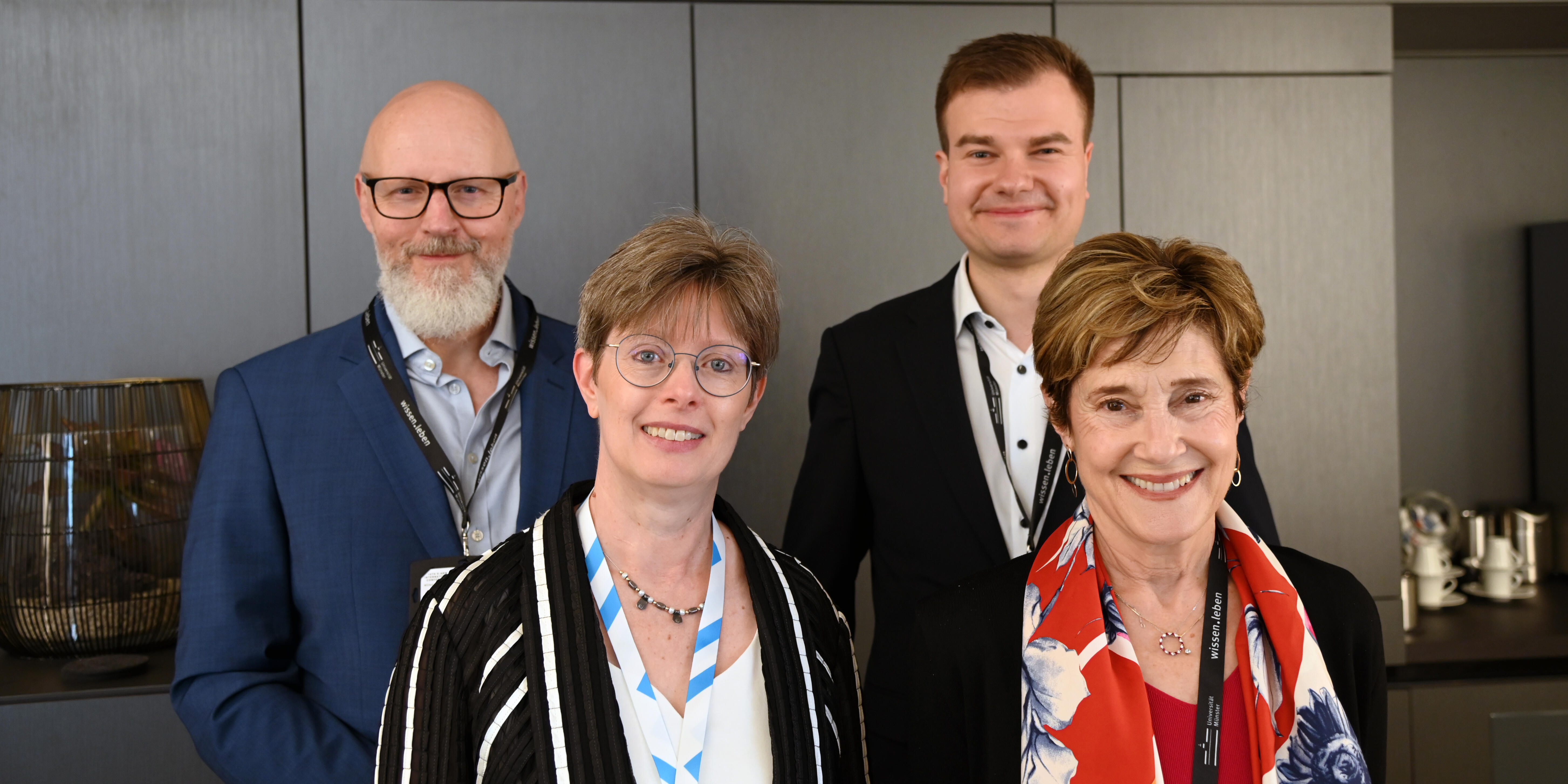
Under the title “Beyond AI: Human Resource Management and the Work of the Future,” more than 40 scholars from around the world gathered from June 10 to 12 for the “10th e-HRM Conference,” which took place this year in Münster and was jointly organized by Prof. Sandy Fisher (Münster University of Applied Sciences), Prof. Guido Hertel and Dr. Franz Mönke (University of Münster), as well as Prof. Janet Marler (State University of New York). International experts presented the latest research findings on the use of digital technologies in human resource management, such as autonomous artificial intelligence (AI) in management or virtual reality in the recruitment of new employees. Key findings: Even when using artificial intelligence, companies must keep their employees at the center of their efforts to fully realize the potential of new technologies. Rather than seeking to replace employees with AI, it is usually more effective to upskill employees (reskilling) to prepare them for new roles and job profiles. HR experts play a central role in this process and should be involved as early as possible in strategic planning, implementation, and performance monitoring. Thanks to more than 20 years of research in the field of electronic human resource management, HR professionals have a wide range of proven methods at their disposal.
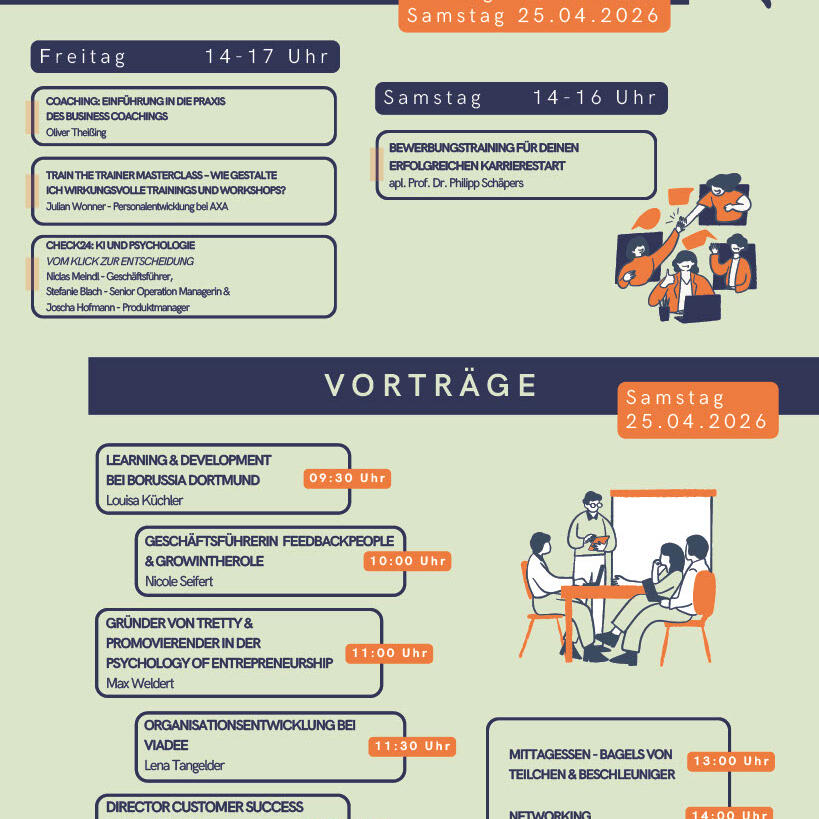
Two days packed with inspiration, practical knowledge, and networking: Our workshops and presentations offer you valuable insights into business coaching, training, customer psychology, and career development. Learn from experienced experts, expand your skills, and make new connections. Whether it’s hands-on workshops on Friday or engaging presentations on Saturday—here you’ll find ideas that will truly help you move forward. Join us and take an active role in shaping your future!
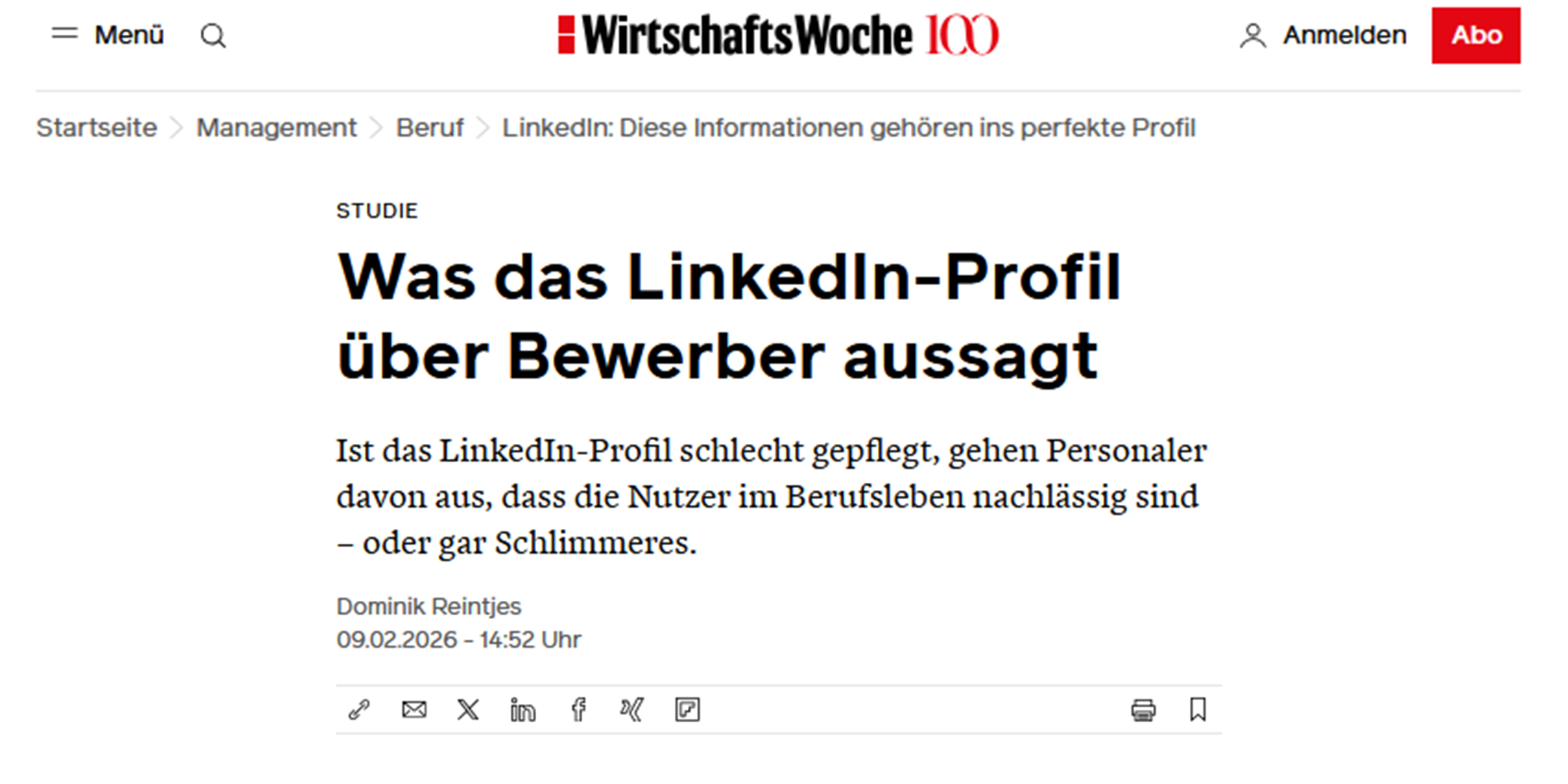
WirtschaftsWoche reports on current research findings from OWMs
The study team consisting of Franz Mönke, Amelie Bürger, Julia Steinbrecher, Henrik Heinemann, Patricia Prüßmeier, and Philipp Schäpers investigated how recruiters react to incomplete LinkedIn profiles in the selection process.
One finding: incompleteness is not well received at various levels. But only in an active sourcing scenario: with a complete resume, the negative effect disappeared.
Franz Mönke and Philipp Schäpers explain this and our other findings in more detail in the article.
Our study:
Mönke, F. W., Bürger, A. S., Steinbrecher, J., Heinemann, H., Prüßmeier, P. L., & Schäpers, P. (2025). When less is not more: Incomplete information in LinkedIn assessments and the moderating role of applicants‘ résumé. Journal of Business and Psychology, 40, 1465 https://doi.org/10.1007/s10869-025-10032-9