University of Birmingham | UK BIRMING02
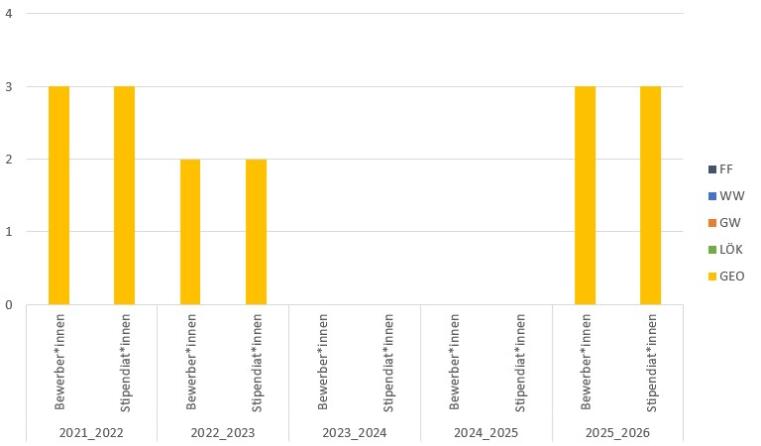
2 spots (all FB14 study programmes; BA only)
Information about the university
Language of instruction: English
Language requirement: B2 English
Areas of specialisation:
- Introduction to the Earth, Evolution of the Earth
- Living in a changing world (human and physical geography)
- Solid Earth, Sediments and Stratigraphy
- Geography (Human and Physical Geography)
Links
School of Geography, Earth and Environmental Science [en]
Deadlines and dates
Academic calendar:
- Semester I: mid-September – mid-December
- Semester II: early February – late June
Application deadlines:
- Semester I + full year: 31 May
- Semester II: 1 November
Advice from former students
Studies:
- Academic standard is satisfactory, comparable to that in Münster
- Courses often comprise 10 ECTS credits, so the workload is correspondingly greater
- The university’s standards are similar to those in Germany; assignments are checked for plagiarism; in Geography, courses are mostly lectures
Accommodation:
- The best place to live is the Selly Oak neighbourhood, though the West End is also an option (bear in mind the distance to campus here); however, shared flat tenancies are usually for one year, after which you may need to find a new flatmate or a new tenant. The best way to find shared flats is via Facebook (group: Fab N Fresh – New) or other flat-sharing/accommodation portals.
- You can also apply for student halls of residence, but these are very expensive and are usually only occupied by first-year students or other international students. If you’d like to live with British students, you’re better off looking for a shared flat.
Living:
- Orientation period from mid-September; during this time, you can also change your course choices (the Learning Agreement is not binding) and take courses at other institutions; Welcome Week is highly recommended!
- A free account with Deutsche Kreditbank (DKB-Cash) with a Visa card (free cash withdrawals worldwide) is recommended. For bank transfers (rent, etc.), it’s advisable to have an account with a Scottish bank (otherwise, German banks may charge high fees for euro-to-pound transfers); alternatively, use TransferWise
- Public transport is not included in the student travel pass. For £20, you can get a ‘railcard’, which reduces train fares by a third.
- You can get a second-hand bike from around 50 pounds
- If you book early, there are coach trips to London for 1 pound (www.megabus.co.uk)
- Other day-trip destinations: Edinburgh, Manchester, the islands off the west coast, the Isle of Skye, Loch Ness or Glen Coe
- Endless nightlife, a top-class rock scene, art, design, classical music and theatre on a scale befitting a city of a million
- Plenty of student societies where you can meet lots of people, organise parties, or take part in excursions, sports, crafts and so on
- Sports Night every Wednesday at the ‘Guild’, where you turn up in fancy dress with your sports group
Further information
Finances: approx. 900 euros/month (min.); accommodation and food are generally more expensive; allow for public transport or taxis if necessary
Accommodation: in university halls of residence or private accommodation (forms available online, 500 pounds per 4 weeks), Studentpad
Support from the host university: Good! Lots of helpful fellow students and lecturers, small seminar groups, great wellbeing facilities
Fact Sheet
[As of 10 August 2026]