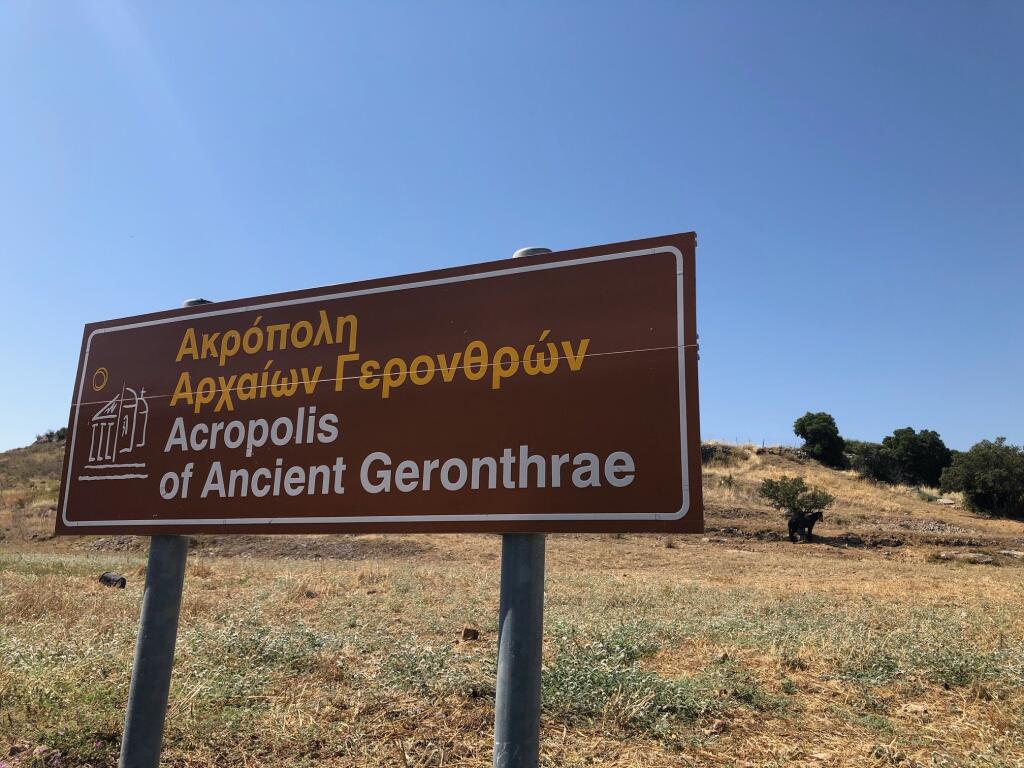
Belonging in/to Lakonia (Hans Beck and Sophia Nomicos)
Lakonia in antiquity was the home to various groups of people. Following the ancient tradition, these are referenced as Spartans, Lakedaimonians, and so-called perioikoi. The Spartans and their notorious warrior state have typically been considered the shakers and movers among these; they have received the main, if not exclusive attention in scholarship. New research calls for a more multi-directional approach. It stresses the agency of communities beyond Sparta, accentuating their importance in political and cultural processes. Research at the University of Münster contributes to these conversations through historical and archaeological projects.
‘Belonging’ denotes a socially significant relationship of being part of or linking oneself to an entity, be it a place or community, or a group of people. By choosing belonging as investigative link between various research projects, we signal that we conceive of Lakedaimonians and perioikoi as collectives of changing size and shape, essentially flexible and fluid across time. Our work charts the matrix of space, history, and culture from a local, bottom-up, decentered perspective.
Amykles Field Research (in cooperation with Amykles Research Project and the Ephorate of Antiquities of Lakonia)
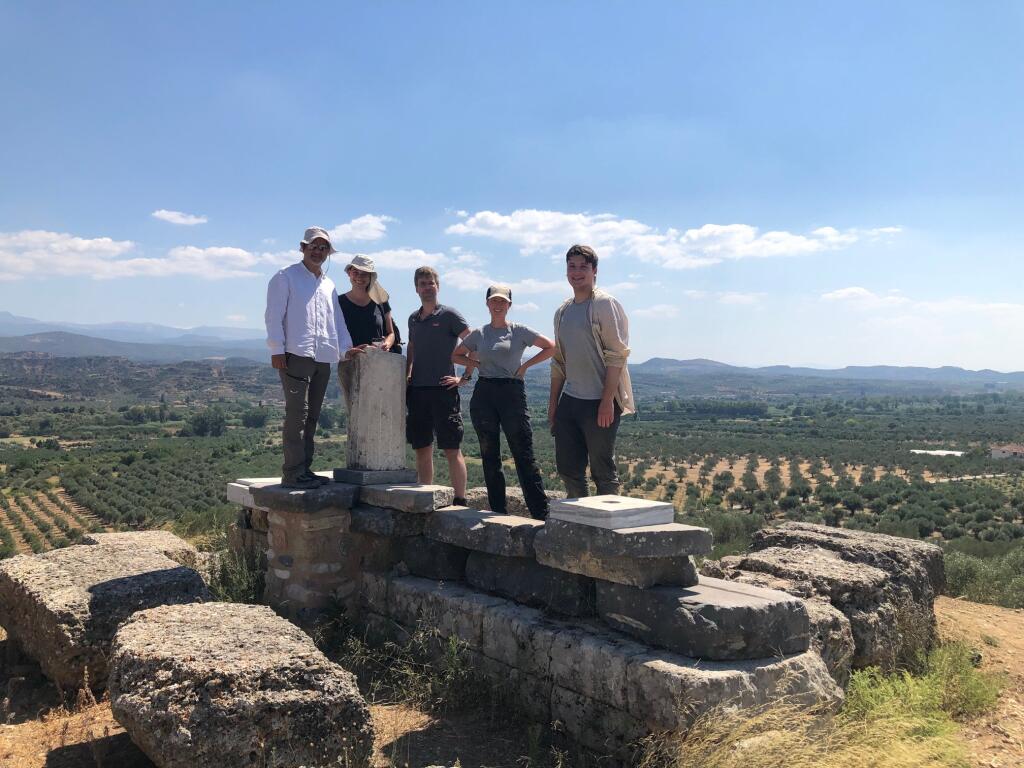
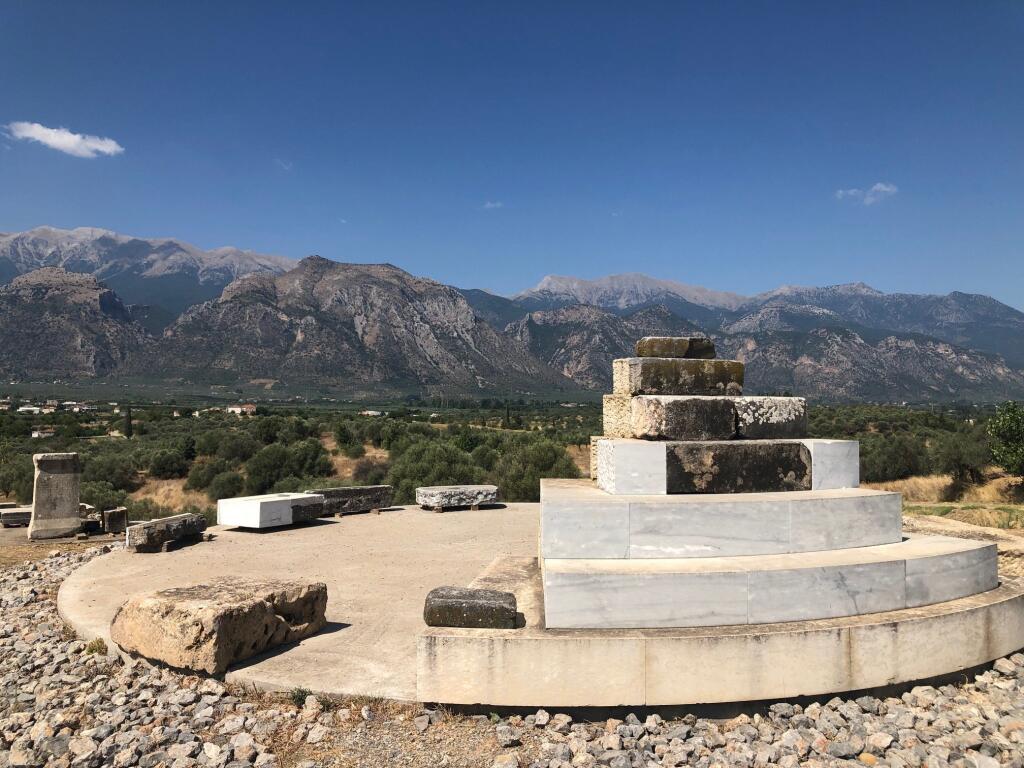
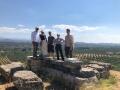
One of our core activities is fieldwork at Amyklai. According to the ancient tradition, the city of Sparta comprised four villages. Amyklai was located beyond these so-called komai but at some point captured and integrated into the polis of Sparta. The site was the seat of the famous Sanctuary of Apollo Amyklaios, identified with the hilltop site of Aghia Kyriaki, c. 5 km south of modern Sparti. The sacred precinct played a central role in the history of the region. From the 8th century BCE, when a first monumental building phase kicked in, it stood unmatched: Adorned by its famed Throne of Apollo with its 12 m high statue and home to the famous Hyakinthia festival, Amyklai was a physical and metaphorical landmark not only in the central Eurotas Valley but the southern Peloponnese overall.
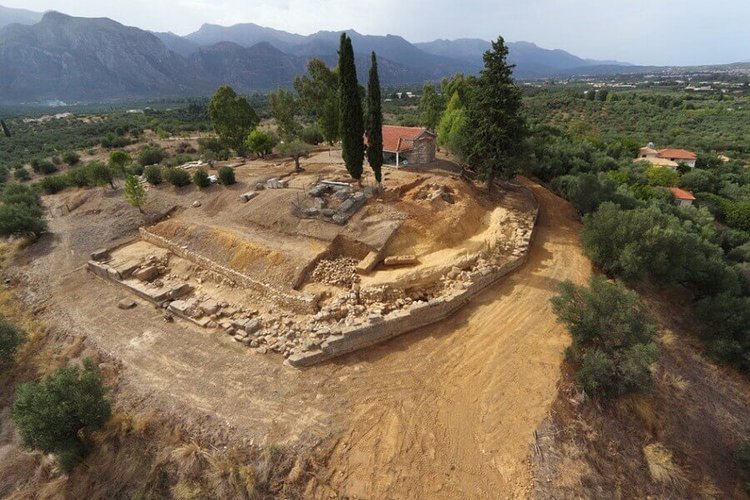
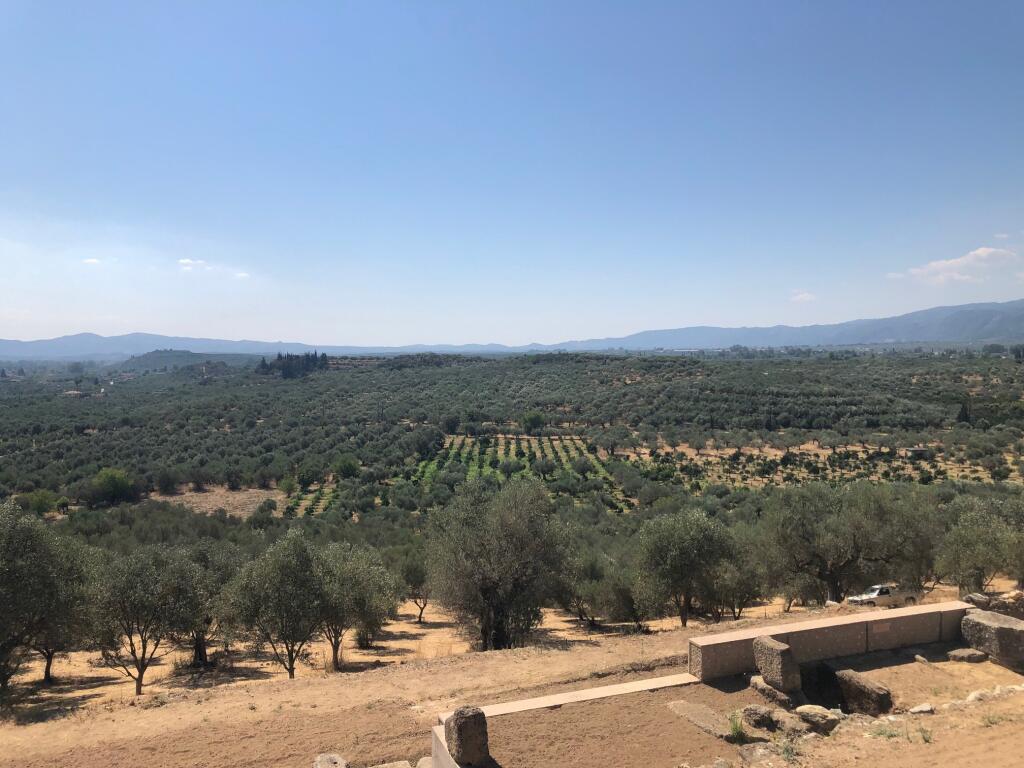
The scholarly focus on Sparta has meant that Amyklai was studied mostly for its role in the cultic topography of Sparta. But there was a lively local context to the sanctuary. For instance, the ancient sources state that the sanctuary was part of a settlement, even though its character and relation to Sparta are notoriously debated. Unlike the ancient city of Sparta, the area around the sanctuary is today not yet covered by a modern buildings. Amyklai therefore offers the unique opportunity to address issues of community and belonging through the lens of survey archaeology and historical field study.
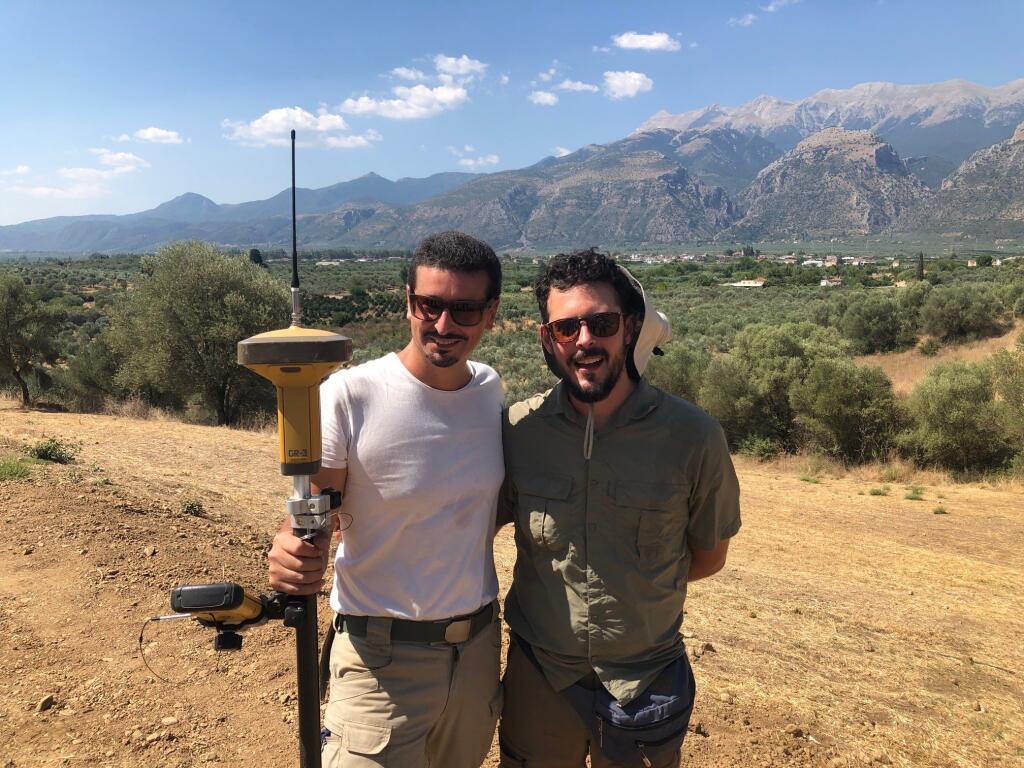
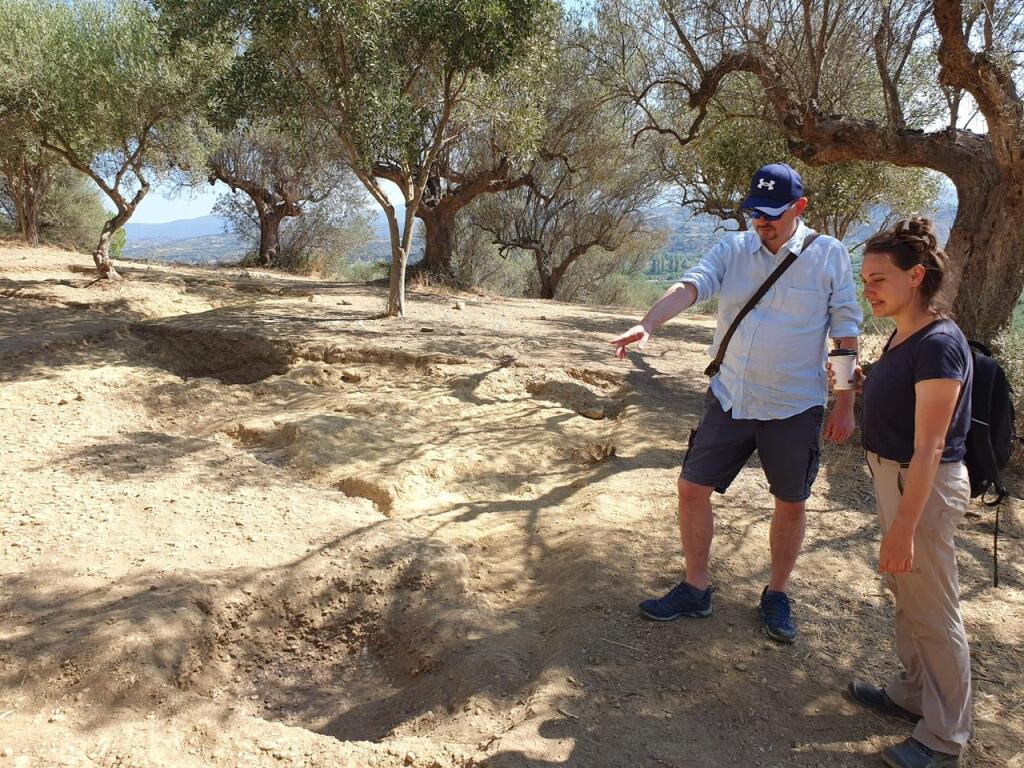
Combining these vectors by an archaeohistorical approach, our work aims at full intensive survey coverage of the terrain around the Sanctuary of Apollo. We study basic questions of human occupation in the area, in a radius from the core of the sanctuary towards its outer fringes. Effectively, we advance knowledge about Amyklai through the exploration of its roles both beyond the civic/cultic topography of Sparta and in its relation with the wider Lakonian landscape. Field study comprises various work components, including: extensive and intensive field survey; geophysical prospection; LiDAR; and GIS referencing.
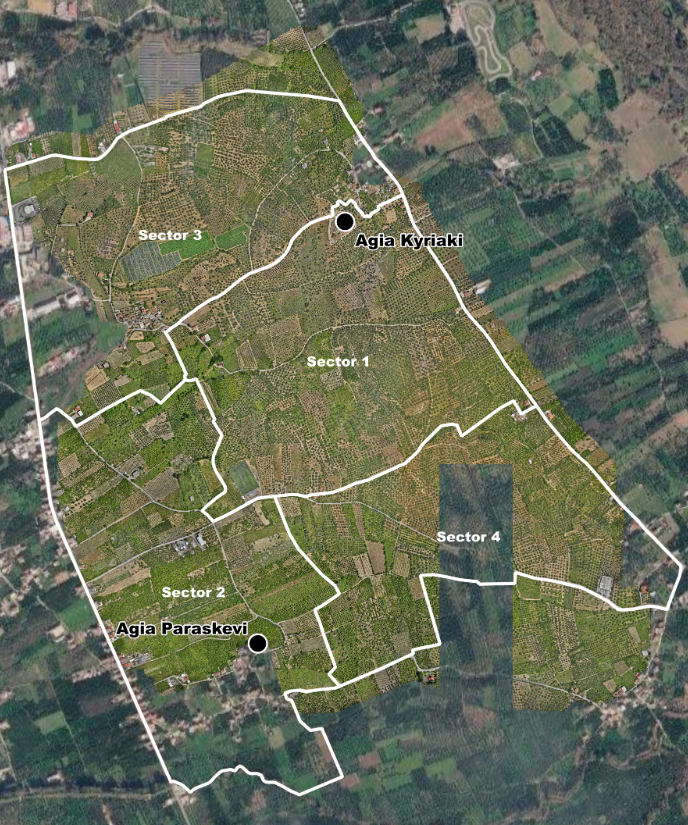
The survey project is a subdivision of the Amykles Research Project (ARP, director: Stavros Vlizos, Ionian University of Corfu; co-director: Adrien Delahaye, Université Paul Valéry Montpellier). Under the aegis of the Athens Archaeological Society, ARP oversees the systematic archaeological investigation of the hill of Aghia Kyriaki where the sanctuary of Apollo Amyklaios is located. In collaboration with the Ephorate of Antiquities of Lakonia, the project is designed to run over a period of five years (2025-2029). To date, areas south of the Amyklaion and in the vicinity of the Church of Agia Paraskevi have been investigated, using archaeological survey and geophysical prospection (Zones 1 and 2). Further areas to the south and north of the Amyklaion (Zones 3 and 4, respectively) are scheduled for investigation in 2027 and 2028.
Publications
- Beck, H. 2026. “Places of Belonging. Archaeohistorical Encounters with the Early Lakedaimonians at the Mycenaean Palace of Aghios Vasileios and the Sanctuary of Apollo at Amykles.” Annual of the British School at Athens: 1-27.
- Nomicos, S., V. Schmidt, N. Nenci et al. 2026. “Remote Sensing, Geophysical Survey and Excavation at the Amyklaion, Sparti.” Journal of Archaeological Science 74: 105919.
- Nomicos, S., N. Nenci, H. Beck et al. 2025. “The Amykles Survey Project. Results of the 2024 Season.” Archäologischer Anzeiger: 71-114.
- Beck, H. 2025. “Kadmos in Sparta. Historical Inquiries into the Essence of Tradition.” Hermes 153: 257-281.
- Schmidt, V., S. Nomicos, S. Vlizos, N. Nenci. 2025. “Multimethod Geogphysical Prospection at the Sanctuary of Apollo Amyklaios near Sparta, Southern Peloponnese (Greece).” ArcheoSciences 49/1: 185-189.
- Nomicos, S. and H. Beck. 2024. “Sakrale Bergwelten in Mittelgriechenland und auf der Peloponnes.” Antike Welt 19, 2024.
- Nomicos, S., S. Vlizos, M. Becken et al. 2022-2023. “Remote Sensing and Geophysical Survey at the Sanctuary of Apollo Amyklaios, Sparti, Greece. Results of the 2022 Measurements.” Boreas 45/46: 217-245.
Post-doctoral Research
Nicola Nenci, Belonging in/to Lakonia (2024/2025)
Research at Münster was aimed at geospatial analysis and mapping of sites in Eastern Lakonia. The focus lay mainly on first planning, preparation, and technical support of the survey at Amykles and second data analysis of survey results, as well as collaboration on the joint publication of results.
Aphroditi Vlachou, Archaeological sites of eastern/southeastern Lakonia from Prehistory to Late Antiquity (2024)
Indexing of attested settlement, sanctuary, and cemetery sites. This work resulted in a catalogue comprising 271 entries, focusing on the area around Amykles and extending to the north-northeast and south-southeast. Repository offers valuable insights into the Sanctuary of Apollo as a central hub of communications in Lakonia. It contributes to the broader understanding of settlement and sacred topographies, placing them within their regional context and over the longue durée of time.
Sponsors
Cluster of Excellence Religion and Politics, University of Münster; DAAD German Academic Exchange Service; Gerda Henkel Foundation; the Chair of Greek History in the Department of Ancient History, University of Münster.
Fotos
© Hans Beck 
© Hans Beck 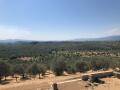
© Hans Beck 
© Hans Beck 
© Hans Beck