What is CIBRA?

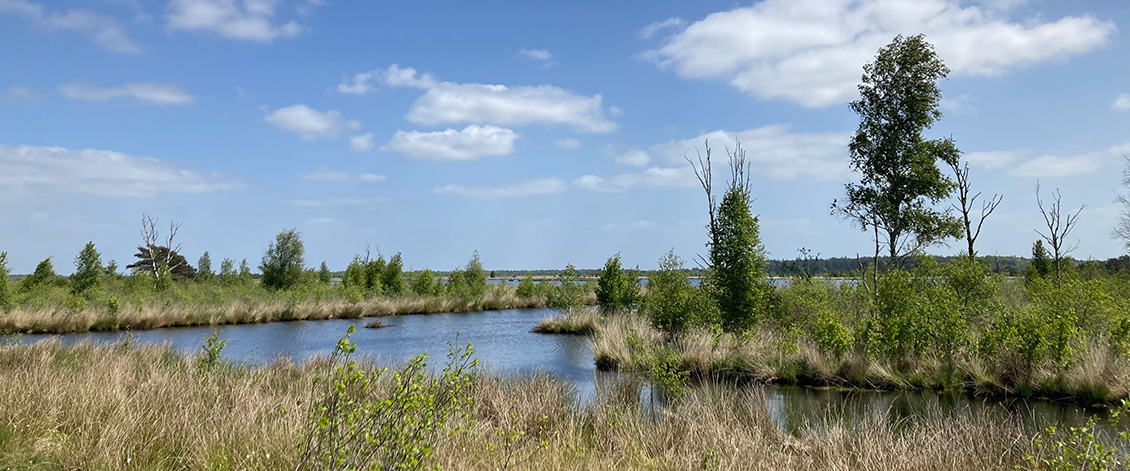
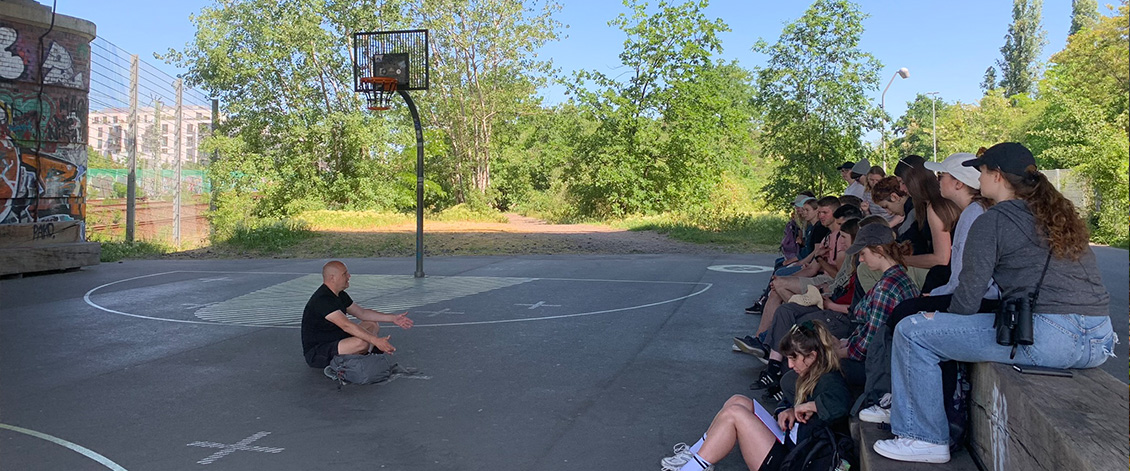
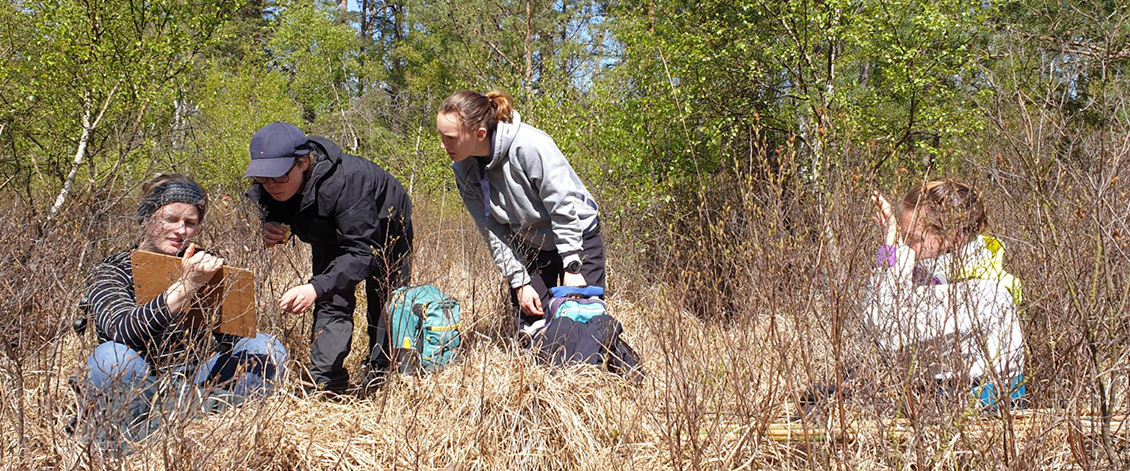
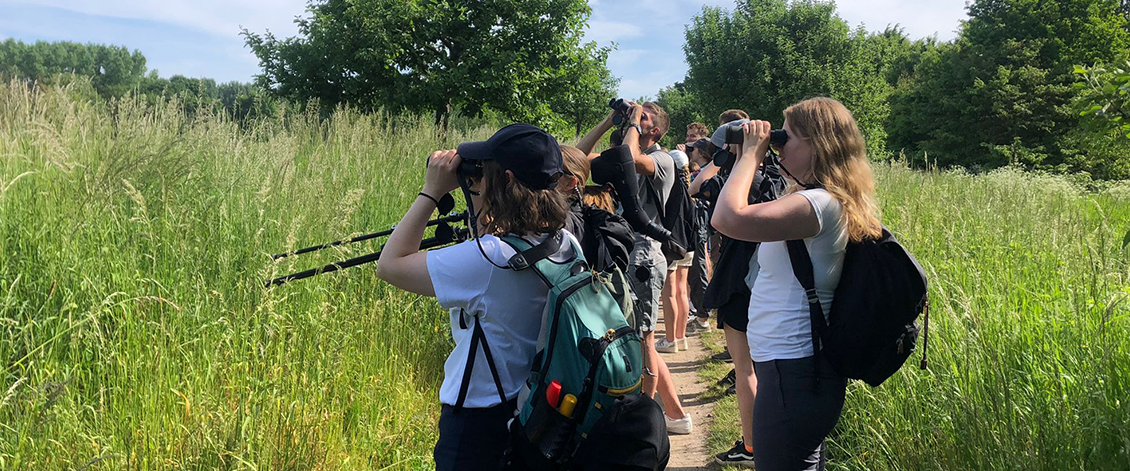
Das Zentrum für Integrative Biodiversitätsforschung und Angewandte Ökologie (CIBRA) bietet eine Forschungsplattform, auf der Partner aus Wissenschaft und Naturschutzpraxis interdisziplinär an Themen der Biodiversitätsforschung und angewandten Ökologie arbeiten. Ziel ist es, die Wechselwirkungen zwischen Mensch, Umwelt und Biodiversität besser zu verstehen und dieses Wissen zur Entwicklung von Lösungen für den Schutz und die nachhaltige Nutzung biologischer Ressourcen zu nutzen.

CIBRA bietet die Möglichkeit, innovative und integrative Methoden in der Biodiversitätsforschung aktiv zu erproben – für ein zukunftsorientiertes Umweltmonitoring. Wir setzen unsere Erkenntnisse nicht nur in die Praxis um, sondern vermitteln unser Wissen auch an Bildungseinrichtungen, Politik und Gesellschaft.

| Research from Münster on the international stage at BES 2025
© Nadja Pernat

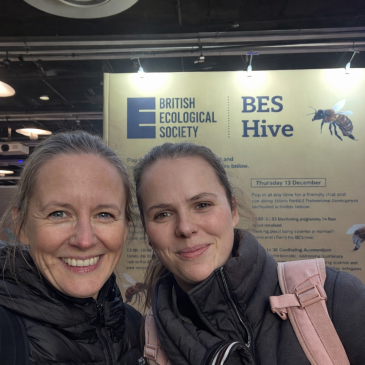
With two researchers, Madita Schemel and Nadja Pernat, the Animal Ecology group was represented at the British Ecological Society Annual Meeting 2025 – one of the world’s most renowned ecology conferences, bringing together more than 1,500 participants. Being selected to present their research in individual talks to an international audience was a special distinction. Nadja Pernat introduced her innovative work on image-based analyses using citizen-science data, while Madita Schemel shared insights into the use of wildlife detection dogs.

| Hannah Emde inspires with her Good News from the Planet talk
Hannah Emde Good News From The Planet
© Madita Schemel

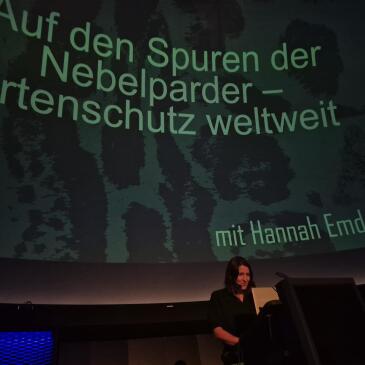
With her talk “On the Trail of the Clouded Leopard”, Hannah Emde captivated the audience at the planetarium. She took visitors on an inspiring journey into the rainforests of Southeast Asia and shared personal insights into her work as a veterinarian and wildlife conservationist. Vividly describing the threats faced by the elusive clouded leopard and a lot of  other interesting species, she encouraged the audience to take action for the protection of biodiversity. An evening full of inspiration, hope, and practical impulses for nature conservation.

| Full House and Plenty of Optimism at the Planetarium
Good News Session1 Jon
© Jan Ole Kriegs / LWL Museum für Naturkunde

The new lecture series “Good News from the Planet” had a highly successful start.
In front of a sold-out audience at the Planetarium of the LWL Museum of Natural History, Jon Taylor inspired a diverse group of students and members of the public. His talk highlighted how positive attitude and communication can make nature conservation projects more successful and motivate people to change their behaviour. The series continues soon – next up is Hannah Emde on Nov 27, sharing her insights from international wildlife conservation.

CIBRA visiting the kindergarten "Unter den Eichen"

© Hilke Hollens-Kuhr

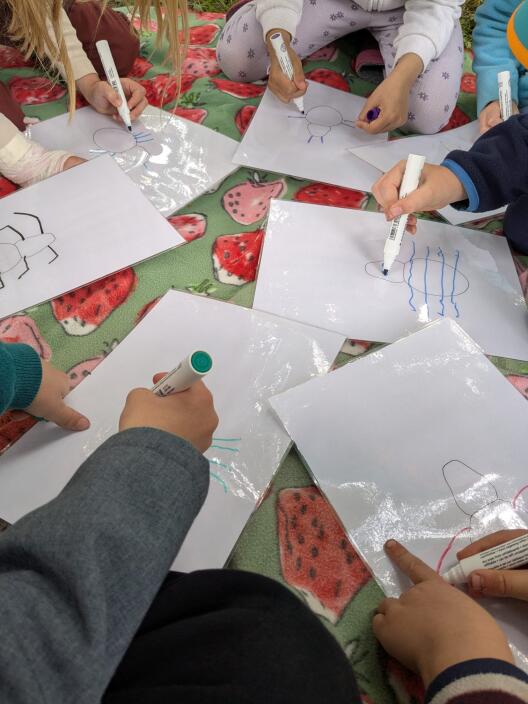
A few weeks ago, the CIBRA team visited the kindergarten “Unter den Eichen” in Münster-Mecklenbeck. The visit was based on an exciting spider project in which the children had already learned a lot about house spiders, orb-weaving spiders, and even the Nosferatu spider. With great curiosity, they observed the animals in the kindergarten, on the playground, and even at home, gathering knowledge, asking questions, and recording their discoveries in drawings, crafts, and conversations.

Building on this foundation, the CIBRA carried out an environmental education workshop at the kindergarten for the first time. After an introductory session together, the children learned about the anatomy, movement, abilities, prey, and natural enemies of spiders in small groups, using hands-on materials, playful exercises, and interactive games. At the end, they had the opportunity to observe spiders in nature and identify them alongside the CIBRA team.

Based on the positive feedback, the CIBRA team now plans to extend the project to additional kindergartens, providing children with even deeper insights into various animal groups. The aim is to consciously introduce children to the topics of biodiversity and species conservation, to encourage their curiosity about nature and counteract the increasing distance from it.

Citizen Science in Westphalia - Animal diversity: Biodiversity in Münster's development areas

More and more people are moving to more urban areas, which is increasingly driving urbanization. Meadows, fields and fallow land are being replaced by new development areas, resulting in the loss of valuable natural spaces. At the same time, gardens, parks and playgrounds are creating new habitats that offer potential for a diverse species composition. How these areas affect biodiversity was a central question of a new research project.

In April 2024, the Citizen Science pilot project Tierisch vielfältig: Biodiversität in Münsters Neubaugebieten started in the “Schwarzer Kamp” development area. Committed citizens researched the biodiversity in their gardens and thus made an important contribution to documenting the local fauna.

The first results have already been recorded: 15 citizens took part in the pilot project and documented 162 animal species with a total of 359 observations. Particularly notable are the 42 different moth species, 18 beetle species and three mammal species. All the data collected can be viewed here.

The project is to be extended to other residential areas in Westphalia in the future.

The findings from this project provide important information on reintroduction processes and show that even small gardens can be of great ecological importance.

CIBRA at CAMPUS EARTH

© Dr. Hilke Hollens-Kuhr

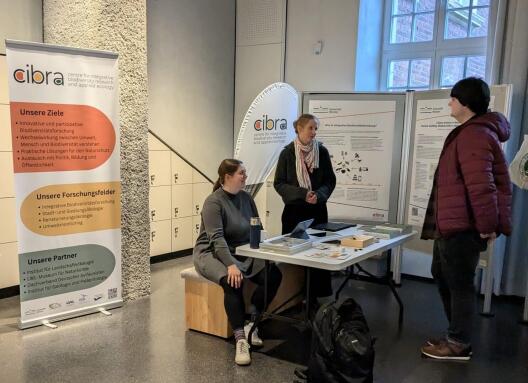
With an information stand, CIBRA took part in the university-wide CAMPUS EARTH, where the diverse sustainability activities at the University of Münster were presented to the public and university members. CIBRA showed the planned activities to link research, teaching and transfer in the fields of biodiversity and applied ecology more closely. The focus was on the citizen science project ‘Tierisch vielfältig. Biodiversity in Münster's new housing estates’, in which citizens actively help to record the biodiversity in their neighbourhoods.

Guide to the restoration of bog vegetation

© Jonah Winkler

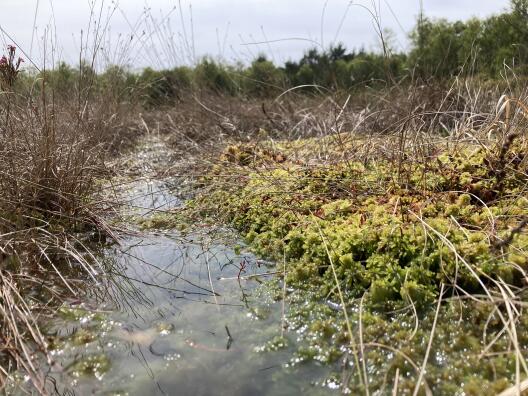
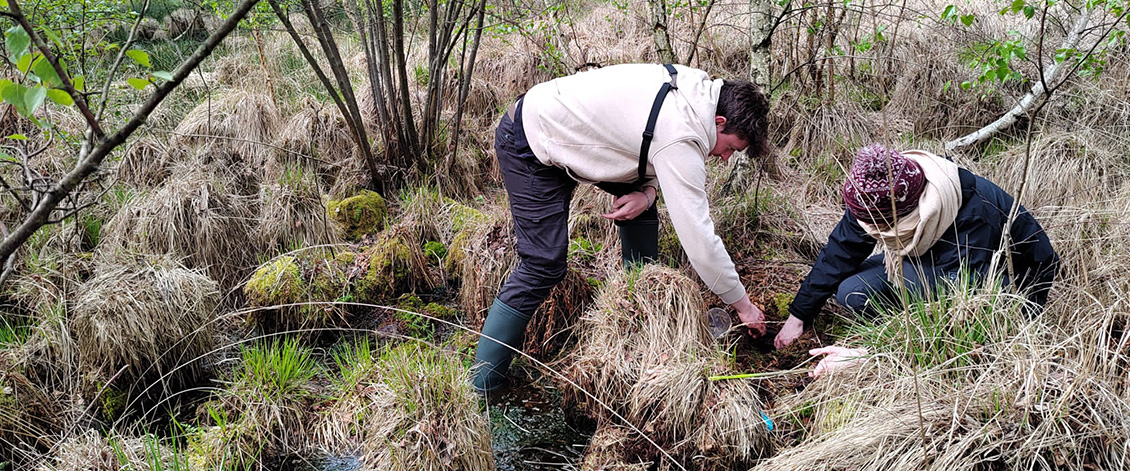
Peatlands are an important part of the carbon cycle on a global scale. As a potential carbon sink, it is of great importance to restore them after their almost complete destruction in Germany and other European countries. In order for a peatland to be able to absorb carbon again after it has been drained, the vegetation must be restored after rewetting. This requires extensive cultivation of the vegetation that is to be established on the bog.
Read more here.

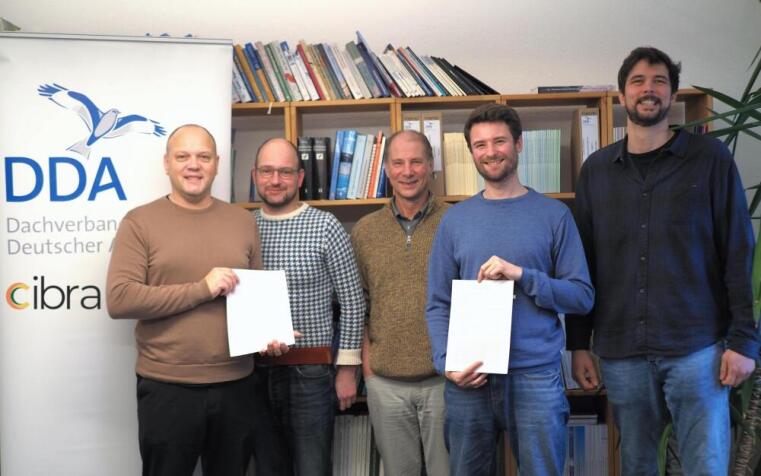
CIBRA and DDA seal their cooperation

Photo, from left to right: Prof. Dr. Sascha Buchholz (Head of CIBRA), Dr. Johannes Wahl (DDA Executive Board), Dr. Christoph Sudfeldt (Chairman of the DDA Executive Board), Dr. Jakob Katzenberger (DDA Executive Board), Dr. Malte Conrady (CIBRA), not in the picture: Nadja Pernat (CIBRA)
© I. Tigges

By signing a cooperation agreement the Centre for Integrative Biodiversity Research and Applied Ecology (CIBRA) and the DDA will combine their expertise in the field of biodiversity in the future. The aim of the cooperation is to develop scientifically sound findings in order to improve the protection of biodiversity in our increasingly intensively used environment.

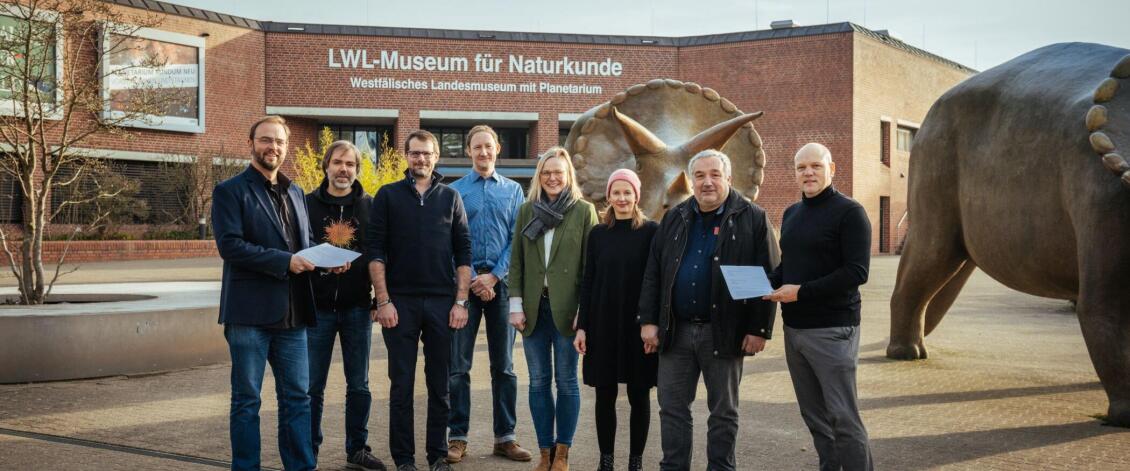
Gemeinsam mit dem Institut für Geologie und Paläontologie der Universität Münster und dem LWL-Museum für Naturgeschichte bilden CIBRA und die DDA ein starkes regionales Netzwerk für den Artenschutz. Das gemeinsame Ziel: die komplexen funktionalen Zusammenhänge zwischen den Organismen unserer Region und ihrer Umwelt zu erforschen und praxisnahe Naturschutzprojekte anzustoßen. Als Organisator des nationalen Vogelmonitorings bietet die DDA hierfür vielversprechende Ansatzpunkte. Darüber hinaus unterstützen sich die Kooperationspartner gegenseitig in Lehre, Nachwuchsförderung und der Mobilisierung der Forschungsinfrastruktur. Innovative Forschungsansätze tragen dazu bei, die Expertise der Partner zu bündeln.