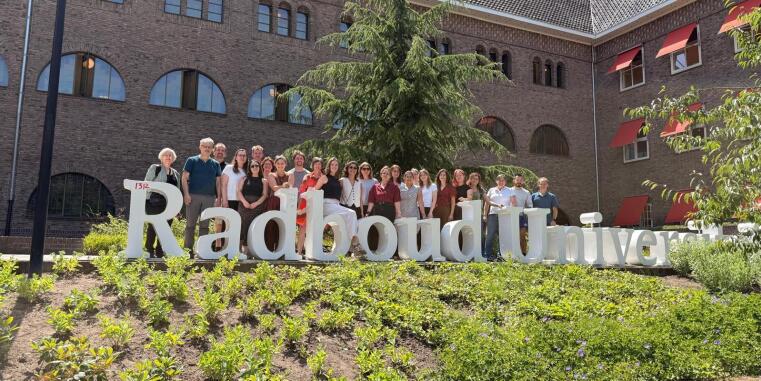
From 26th to 28th May 2026 the second TReND Summer School took place at Radboud University in Nijmegen, marking the official start of the second half of the TReND project.
The programme opened on Tuesday with a get‑together for all doctoral candidates, giving everyone a chance to meet their peers and set the tone for the days ahead.
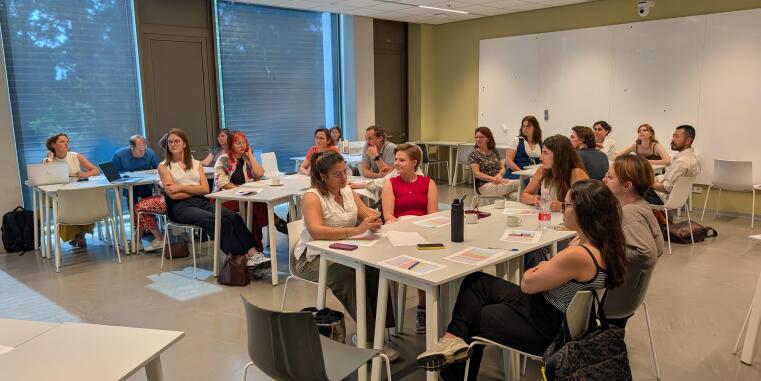
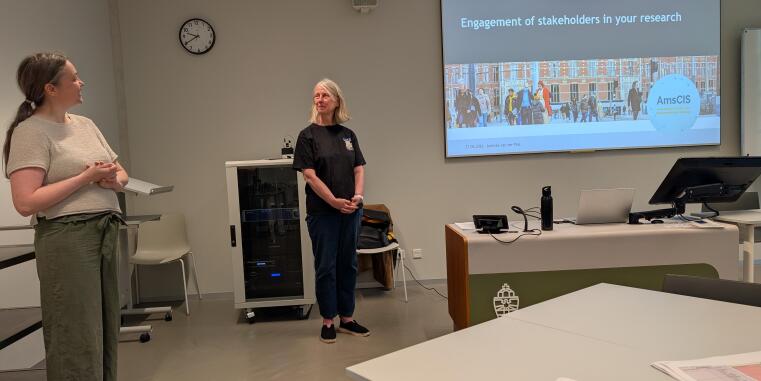
On Wednesday the fellows were joined by their supervisors for a hands‑on workshop led by Annicka van der Plas (Amsterdam UMC) on stakeholder engagement. Participants identified the key stakeholders for their own projects, mapped potential barriers and facilitators, and discussed strategies for effective engagement. The afternoon continued with small‑group discussions that were combined with a walk through the Ooijpolder nature reserve.
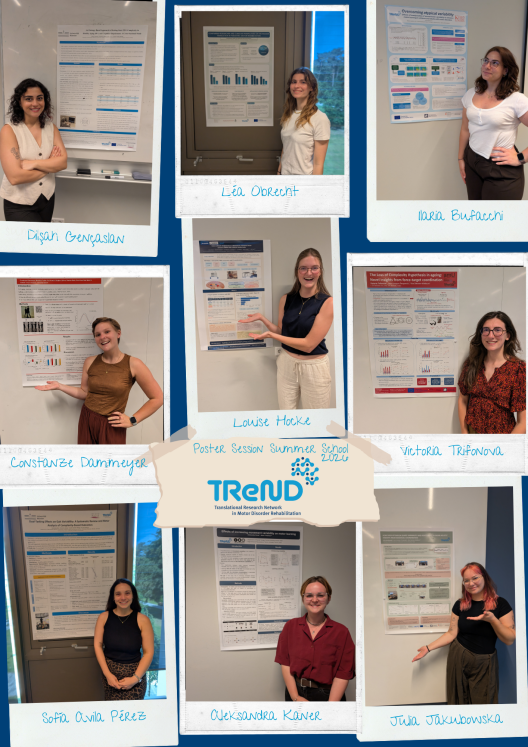
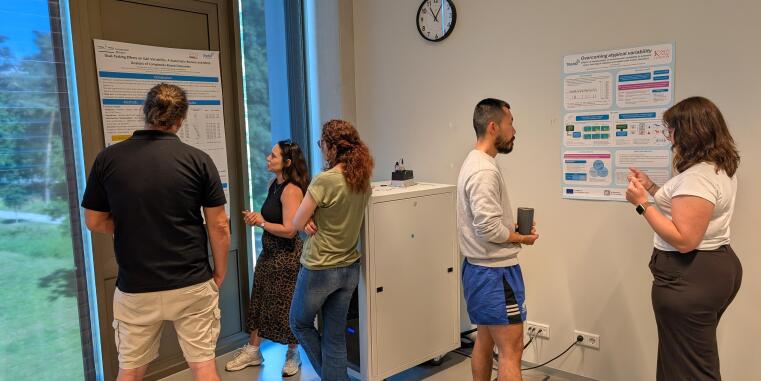
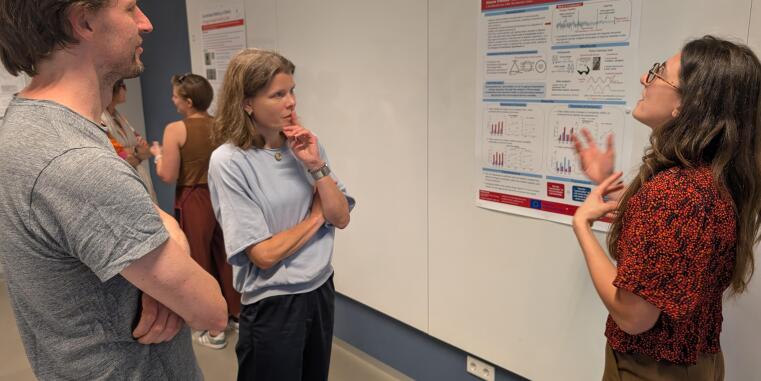
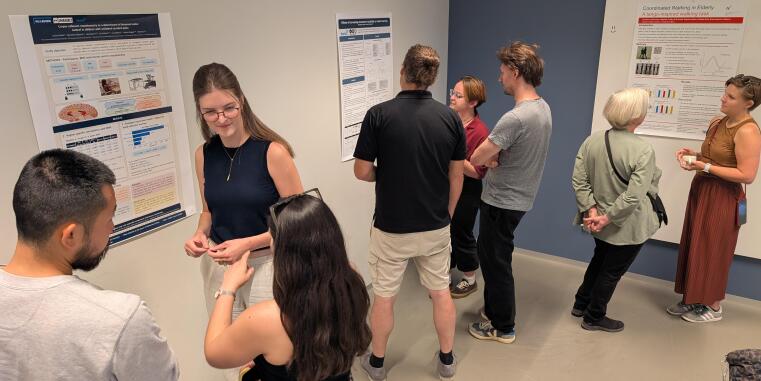
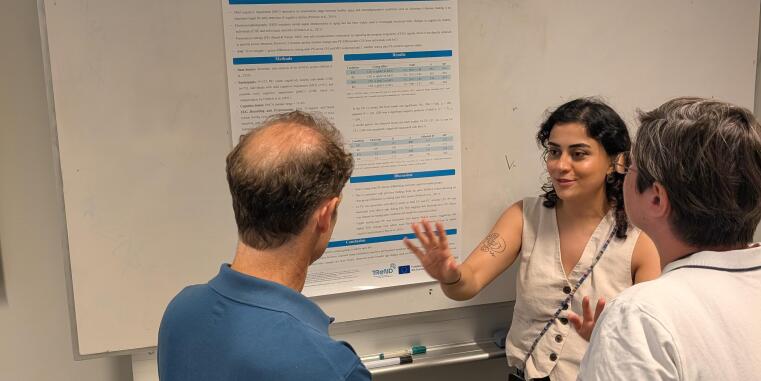
Thursday’s highlight was the poster session, during which nine fellows presented their latest findings to the whole TReND consortium and many lively discussions ensued. Moreover, the poster presentations clearly showcased the maturing of each fellow’s research agenda and the positive development of their scientific identity so far. A special thank‑you goes to Beatrix Vereijken (Norwegian University of Science and Technology) and Mindy Levin (McGill University), members of the TReND advisory board, who kindly attended the entire Summer School. Their presence gave the PhD candidates the opportunity to showcase their work in depth, receive expert comments, and spark new ideas for collaboration.
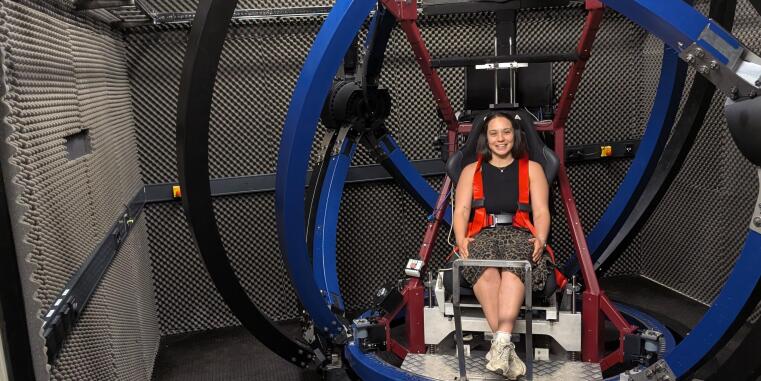
In the afternoon the group toured the Donders Institute, where they were introduced to state‑of‑the‑art motion‑capture facilities. The day concluded with a brief session that recapped the achievements of the first half of the project and outlined the road ahead: all PhD candidates will now focus completing their data collection, publishing their results and integrating them into the overarching goals of TReND.
The event would not have been possible without the organising team in Nijmegen— Léa Obrecht, Femke van Abswoude, Bert Steenbergen, and Richard van Wezel—who hosted the consortium at Radboud University and also created numerous informal spaces for discussion and networking.
In just three intensive days the Summer School sharpened the focus on knowledge translation across the consortium and provided valuable learning opportunities to the fellows, laying the groundwork for a productive second half of the project. We look forward to seeing the results of the fellows’ work and the new collaborations that have already begun to take shape.