
Research

Topic 1: Deciphering the Molecular Basis of CLE Receptor Activity
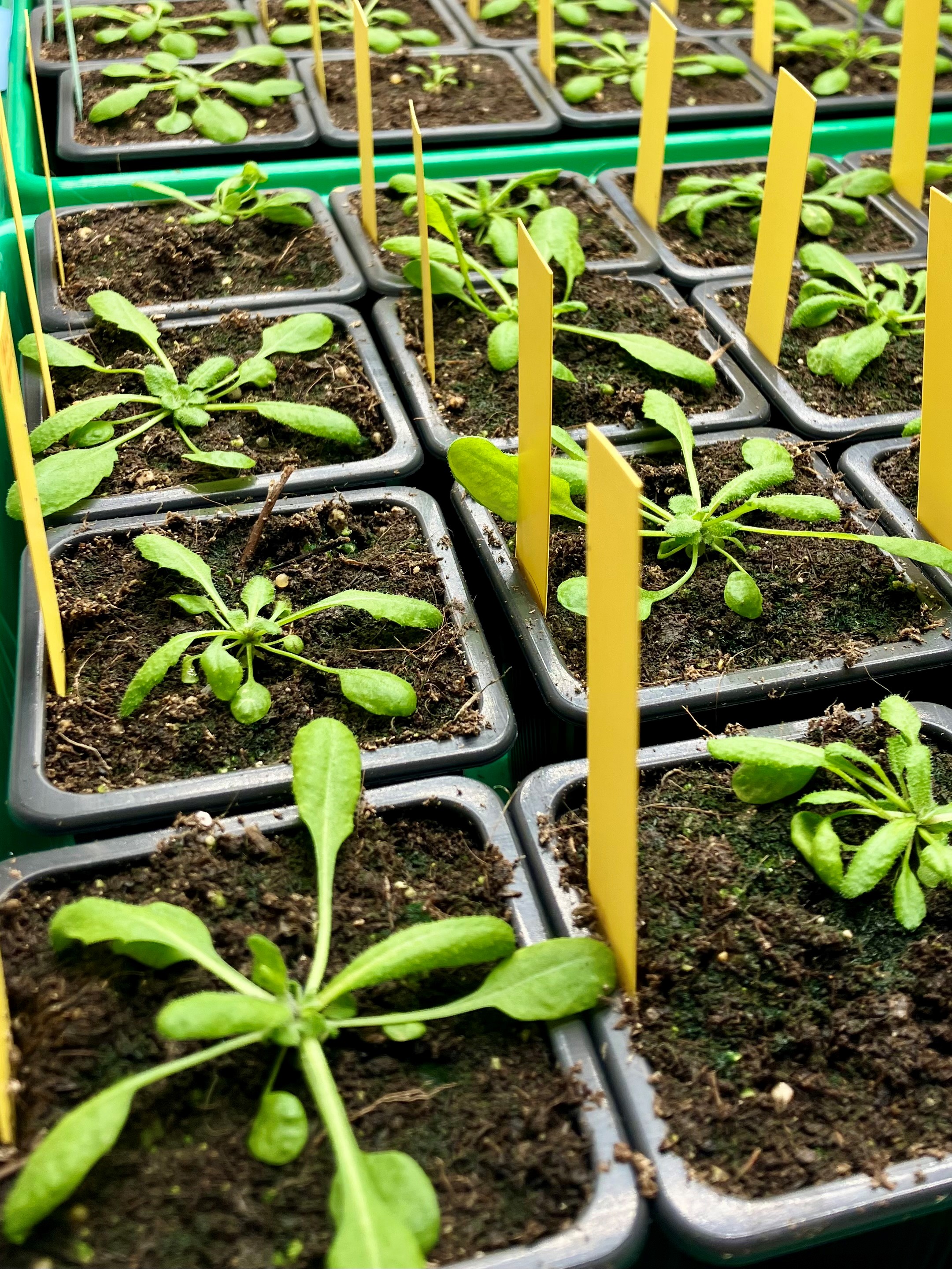
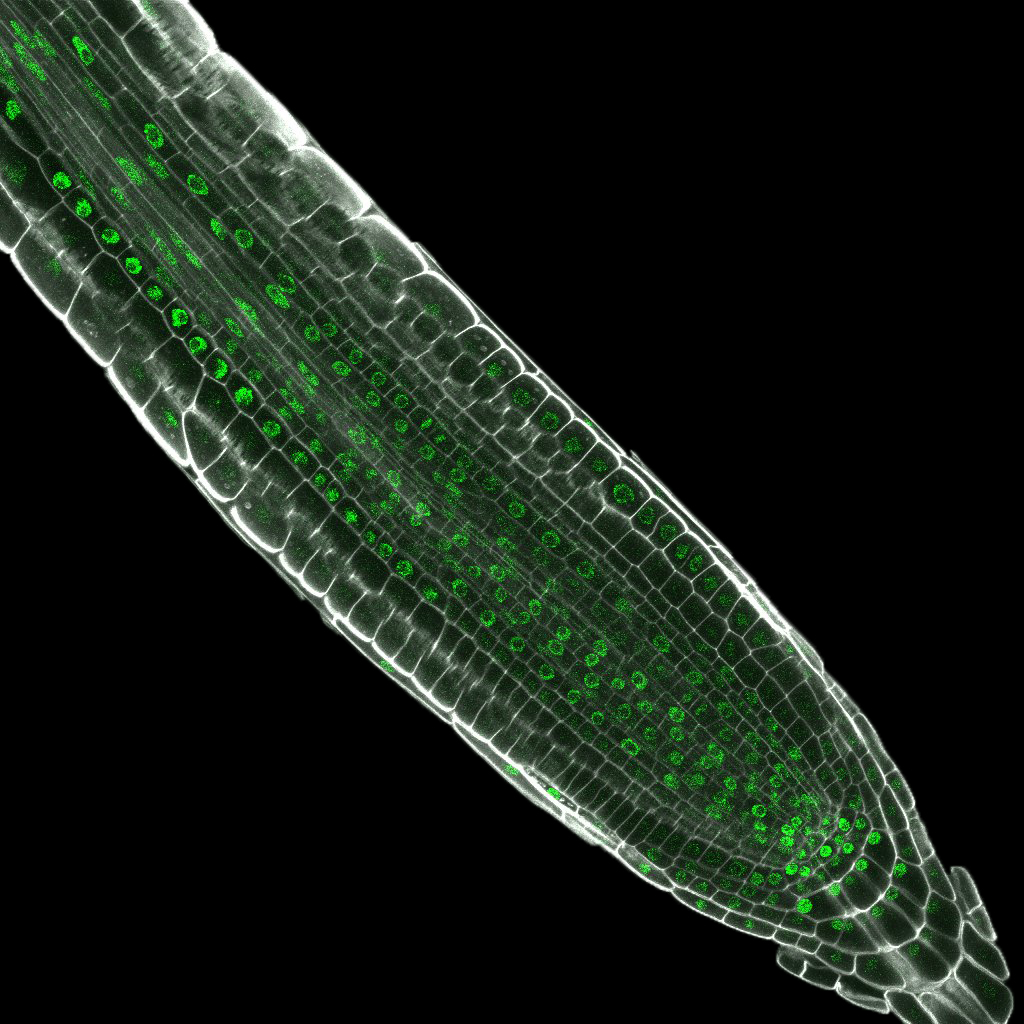
The CLAVATA3 (CLV3)/EMBRYO-SURROUNDING REGION RELATED (CLE) peptide pathways are specific to the land plants where they control plant stem cell homeostasis and vascular development (Clark, Running et al. 1995, Fletcher, Brand et al. 1999, Goad, Zhu et al. 2017, Hirakawa, Uchida et al. 2019, Vardanega, Maika et al. 2024). Such mechanisms can keep meristems active for centuries. CLE genes encode short pre-propeptides of approximately 100 amino acids, which undergo proteolytic processing to produce 12–13 amino acid active peptides (Gao and Guo 2012). These peptides are secreted into the apoplast, where they undergo final processing steps and become available as ligands for leucine-rich repeat receptor-like kinases (LRR-RLKs). The CLE peptides act in cell-to-cell communication over a short distance, as well as a long-distance signals. The molecular mechanisms underlying CLE receptor action remain largely unknown. We use genetics, proteomics, confocal microscopy, and protein–protein interaction assays to investigate the function of CLE receptors and their interacting partners.

Topic 2: Identification of CLE-encoding genes in plant genomes
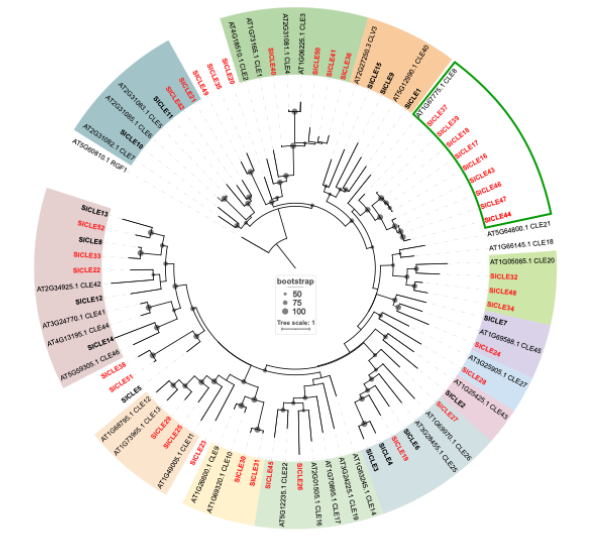
We recently identified a full repertoire of CLE peptide–encoding genes in tomato and Arabidopsis (Carbonnel et al., BMC Genomics, 2022; Carbonnel et al., Communications Biology, 2023). Building on this knowledge, we investigate the functions of tomato CLE peptides, particularly those that may play roles in stress responses or root development.
Topic 3: Root vascular development in Arabidopsis and tomato
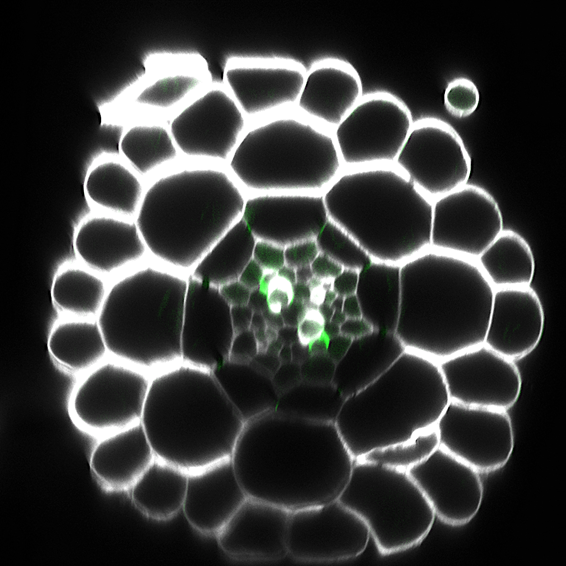
We recently identified a key mechanism that regulates vascular tissue formation in roots. Our research focuses on dissecting the molecular basis of this newly discovered signaling pathway using an integrated approach that combines transcriptomics, proteomics, genetics, and physiological assays. This work aims to deepen our understanding of how root vascular systems are established and regulated.
Topic 4: Stress signaling within tomato roots
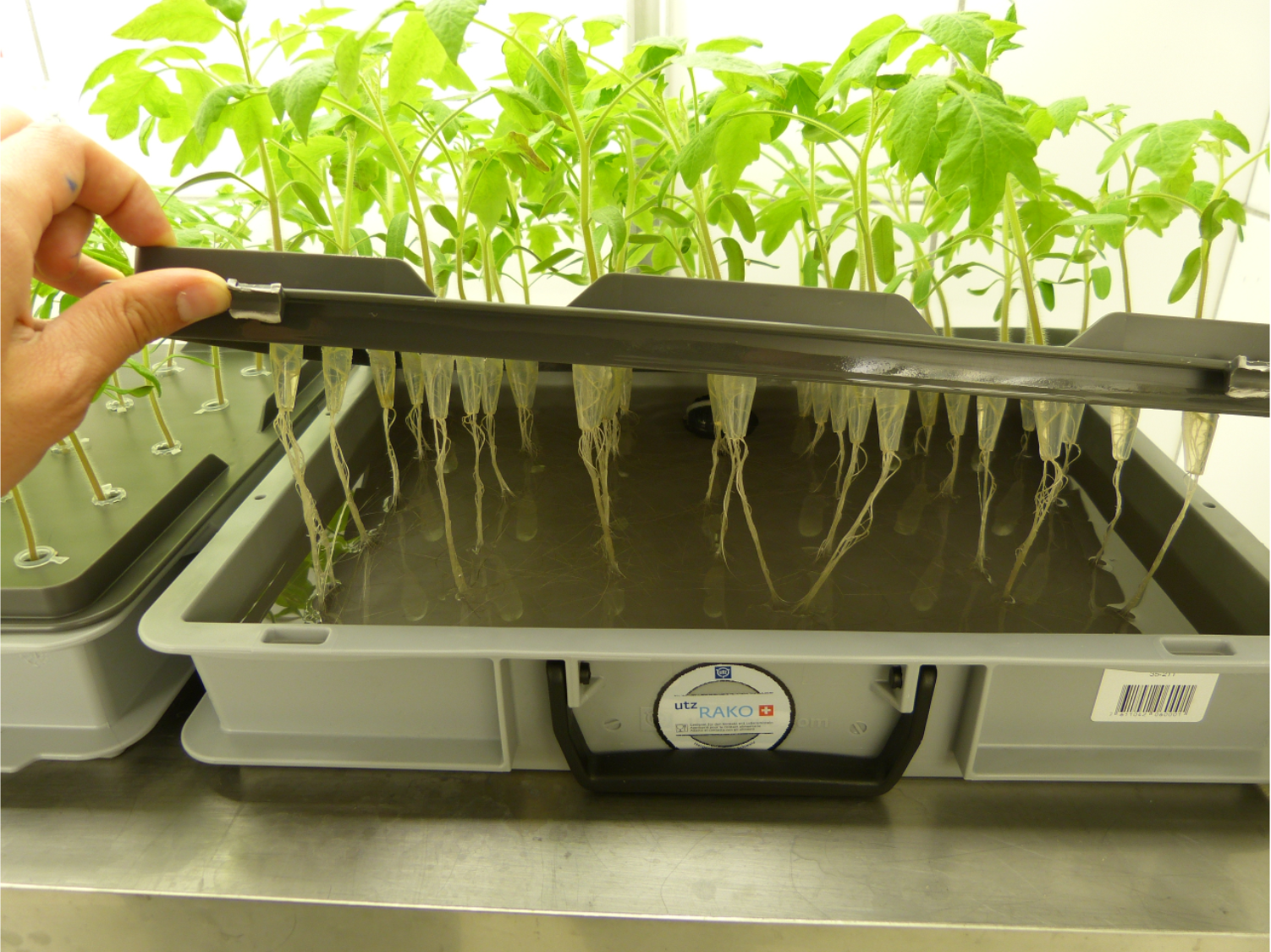
We use a hydroponic system to grow tomato plants under highly controlled conditions. To investigate stress responses, we subject the plants to specific stress treatments and then analyze their transcriptomic profiles, physiological changes, and key stress markers over space and time. This approach allows us to gain a deeper understanding of how tomato plants respond to stress
